Attractions and Places To See around North Tawton - Top 20
Best attractions and places to see around North Tawton include a blend of historical sites and natural landscapes. This market town in West Devon provides access to Dartmoor National Park and is situated alongside the River Taw, offering scenic footpaths. Its history is reflected in various Georgian and Victorian buildings. The area features numerous natural monuments and walking trails.
Best attractions and places to see around North Tawton
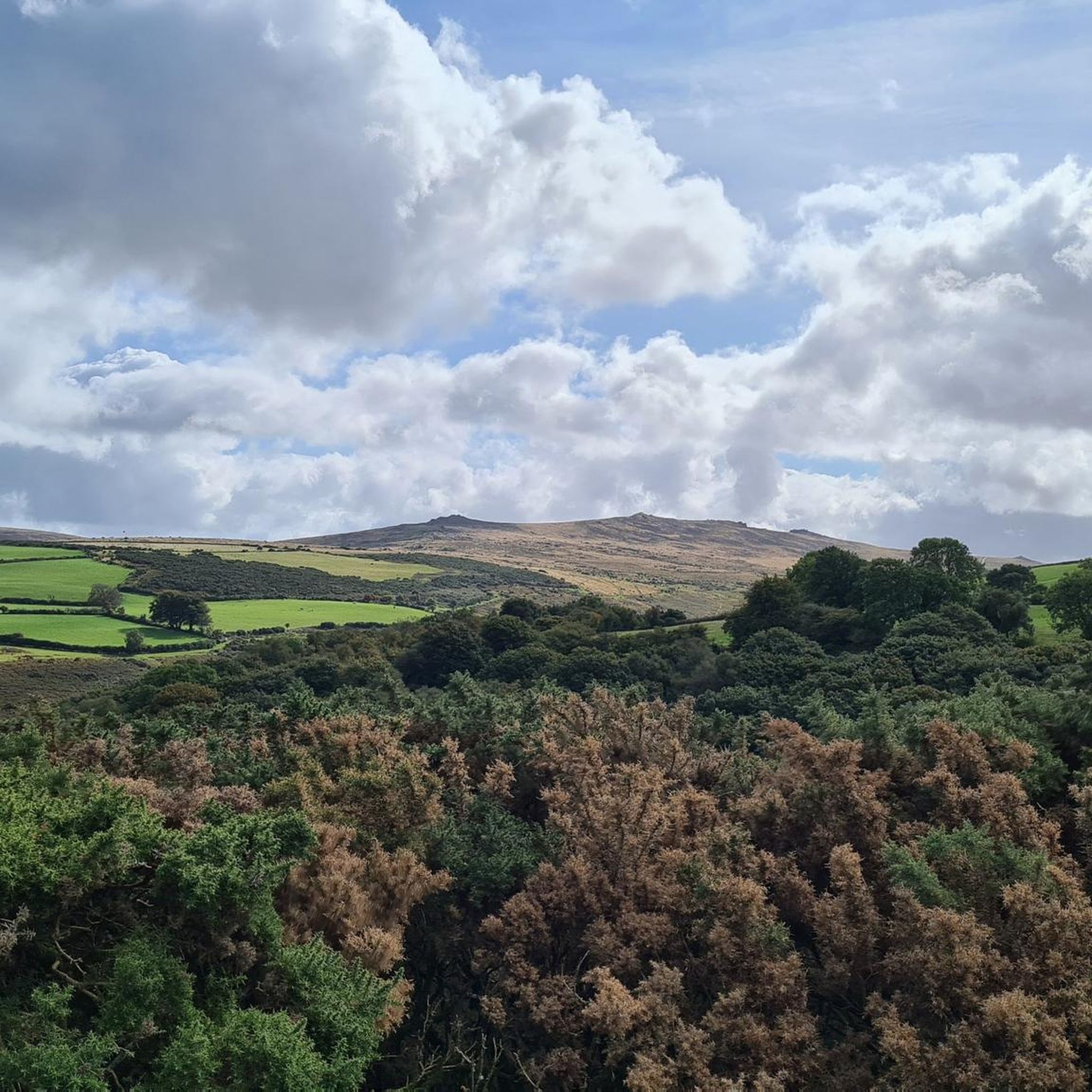
- The most popular attractions is Belstone Common Tor, a natural monument that is a massive heap of broken stones, presenting almost alpine-like from the south. This tor is sufficiently detached from its neighbours to warrant an identity.
- Another must-see spot is Tors End, a natural monument, which is a long thin band of exposed granite, stretching up the north-western edge of Belstone Common. It features an extensive clitter field on its western side.
- Visitors also love Rock Tor, a natural monument, a distinctive yet small tor 150 metres to the south of Higher Tor on the Belstone Ridge. It is a heavily fissured outcrop with conspicuous, marked horizontal jointings.
- North Tawton is known for natural monuments, historical sites, and walking trails. The region offers a variety of attractions to see and explore, from ancient churches to Dartmoor tors.
- The attractions around North Tawton are appreciated by the komoot community, with 3 highlights having received 41 upvotes and 9 photos.
Last updated: October 9, 2026
Belstone Common Tor
Highlight • Natural Monument
Eric Hemery (1983) mentions the outcrop at the northern end of the high ground but identifies it, in our opinion, incorrectly; "...the land falls sharply to a fine satellite pile; smaller, but fiercely characteristic, its bold cone dominates the declining northward crest and is aptly known as Tors End (approx. 1,500 feet)." Whilst this is certainly the end of the high ground, which may have swayed Hemery, it ignores the outcrops below to the north-west, which are the true end of the Belstone Ridge and the accepted location of Tors End known to locals.
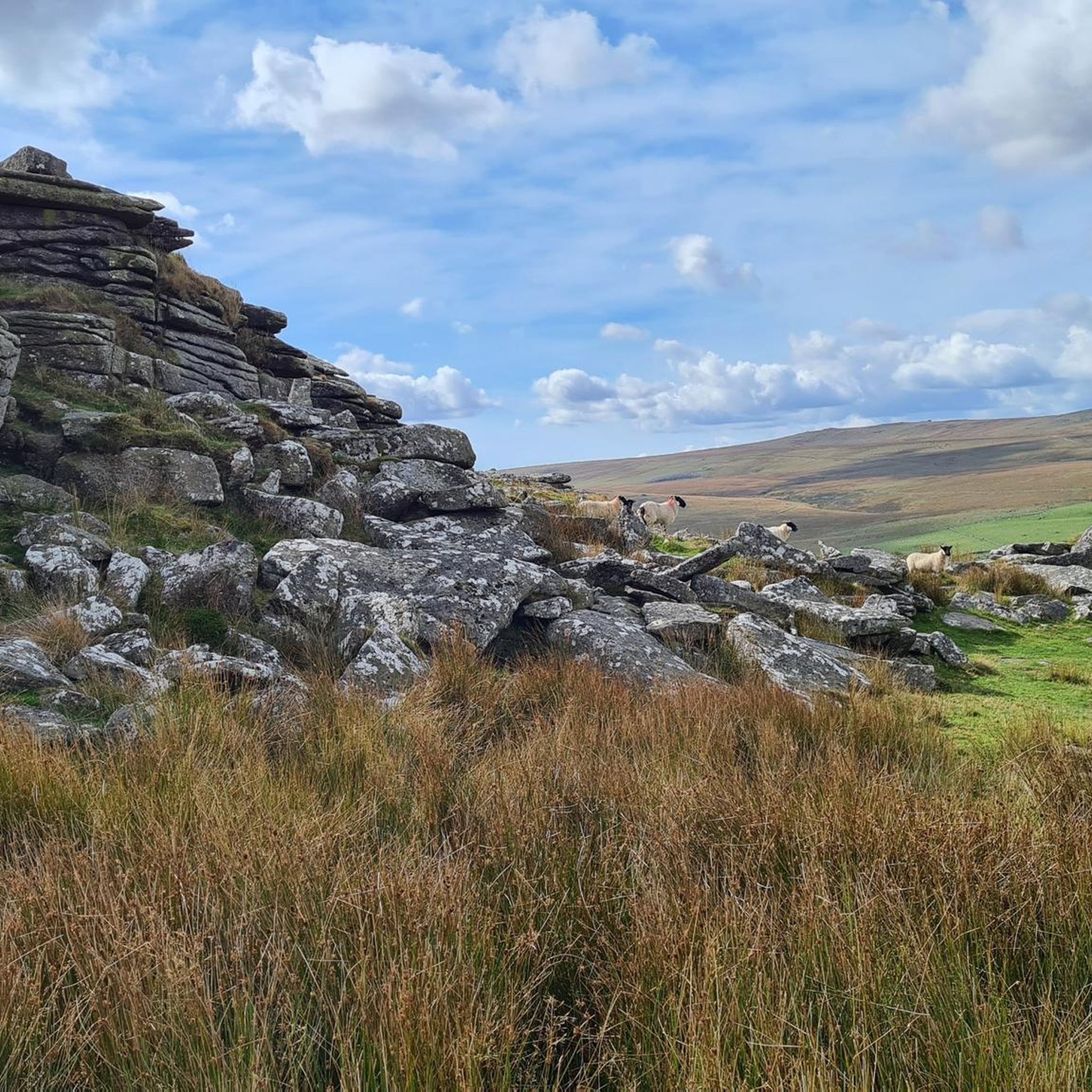
Belstone Common Tor is a fabulous tor in its own right, sufficiently detached from its neighbours to warrant an identity. Its composition is surprisingly dissimilar when compared to the rest of the common: its main pile is a massive heap of broken stones, presenting almost alpine-like from the south. The tor's appearance - that of a jumbled mound of granite rocks - is reminiscent of Sharpitor near Burrator Reservoir. The concentration of clitter all around, but particularly on the east flank of the hill, is mesmerising and indicative of these tors' former magnitude before they were brutally broken up by weathering. The area, strewn as it is by magnificent granite blocks, has also been a target for stonecutters who utilised the abundance of rock and easy accessibility from Belstone village to cut up stone for monetary gain. The north side of Belstone Common Tor has suffered by the scar of a small quarry where you can find an abandoned granite roller at SX 61589 92494, buried in the turf. Where granite cracked under pressure or transportation was deemed to be too laborious, these artefacts were simply abandoned in situ. A number of millstones, troughs, and apple crushers can be found amidst the clitter.
The lively stonecutting industry at Belstone Common was not without its critics, however. One well-known figure was Dora James (1911) who proclaimed that the "digging out and cutting up of the glorious piles are infinitely to be regretted." Later, she refers to the stones as "grey memorials", clearly expressing her sadness and frustration at the enterprise. It is fortunate that the extent of the quarrying was kept to a minimum and never took off or else we may be left with an entirely different scene today.
On top of the tor you will notice the remains of a concrete flagpole base; presumably this was placed here because of the more extensive views afforded of Belstone from where it could be viewed. Bob Fitzpatrick (2017) also noted no less than three rock basins near to this which are thought to be undocumented. At least two of the basins can retain water and are unusual in that none of the other Dartmoor tors this far north possess any basins. Mr. Ormerod (1859) himself states that: "From near the same point in the northerly part of the moor the Tavy flows westerly and the Teign easterly: to the north of these rivers very few rock-basins exist, and those too are in the immediate vicinity of these rivers. The Belstone examples are therefore unique.
Tip by

Nine Maidens Stone Circle
Highlight • Historical Site
Tip by
Sign up now to discover places like this
Get recommendations on the best single tracks, peaks, & plenty of other exciting outdoor places.
Okehampton Station
Highlight • Structure
Tip by

Tors End
Highlight • Natural Monument
There are also abandoned millstones and troughs on the slopes all around the Belstone Tors area. Tim Jenkinson (2001/2) writes; "The quarry at Sand Pit is symbolic of the interest in Belstone's granite and most probably reflects the execution of Venville Rights, a privilege bestowed upon the inhabitants of Dartmoor in return of the payment of rent to the Duchy." Venville Rights allow local people "to remove anything from the Forest that may be for their own use and good"; they date back to 1609 during the reign of James I when it was decreed that the "digging and removal of moorstone is to be used only for the mending of houses and land."
Just over 100 years ago Dora James (1911) depicts an interesting scene at the village of Belstone; she bemoans; "There are now at least two granite working yards in the village, although the owners have I believe to pay an annual fee to the Duchy for the removal of stone in such large quantities, which, if for their good, can scarcely be considered for their 'own use'." At that time Belstone was a hive of industry and rocks that were being plundered from the tors, and some stones were worked upon in situ and presumably cast aside if imperfect - that's why we find so many abandoned artefacts up there. Dora was very unhappy about the whole situation as she calls the working places an "eyesore" and felt that the process of "digging out and cutting up the glorious piles" of Belstone Tors "are infinitely to be regretted." She refers to the stones as "grey memorials". It is more commonly accepted by the locals that this, the lower outcrop, is the actual location.
Tip by
Rock Tor
Highlight • Natural Monument
Eric Hemery (1983) describes the tor but, surprisingly, fails to give it a name, when describing the route from the Belstone parish boundstones to Higher Tor; "This picture also shows a rock outcrop on the rising ridge beyond the stones; equidistant from stones and distant tor, the rock consists of a cohesive mass of medium-grained granite with a pronounced canopy."
Indeed, the small overhang is quite prominent especially from the east side where it provides a little shelter from prevailing winds coming from the north and west. The somewhat diminutive stature of the outcrop here in comparison to its neighbours has possibly leant it the name of 'Rock Tor', a name that appears on a map published
Tip by
Sign up for free to discover even more attractions around North Tawton.
Already have an account?
Start today with a free account
Your next adventure awaits.
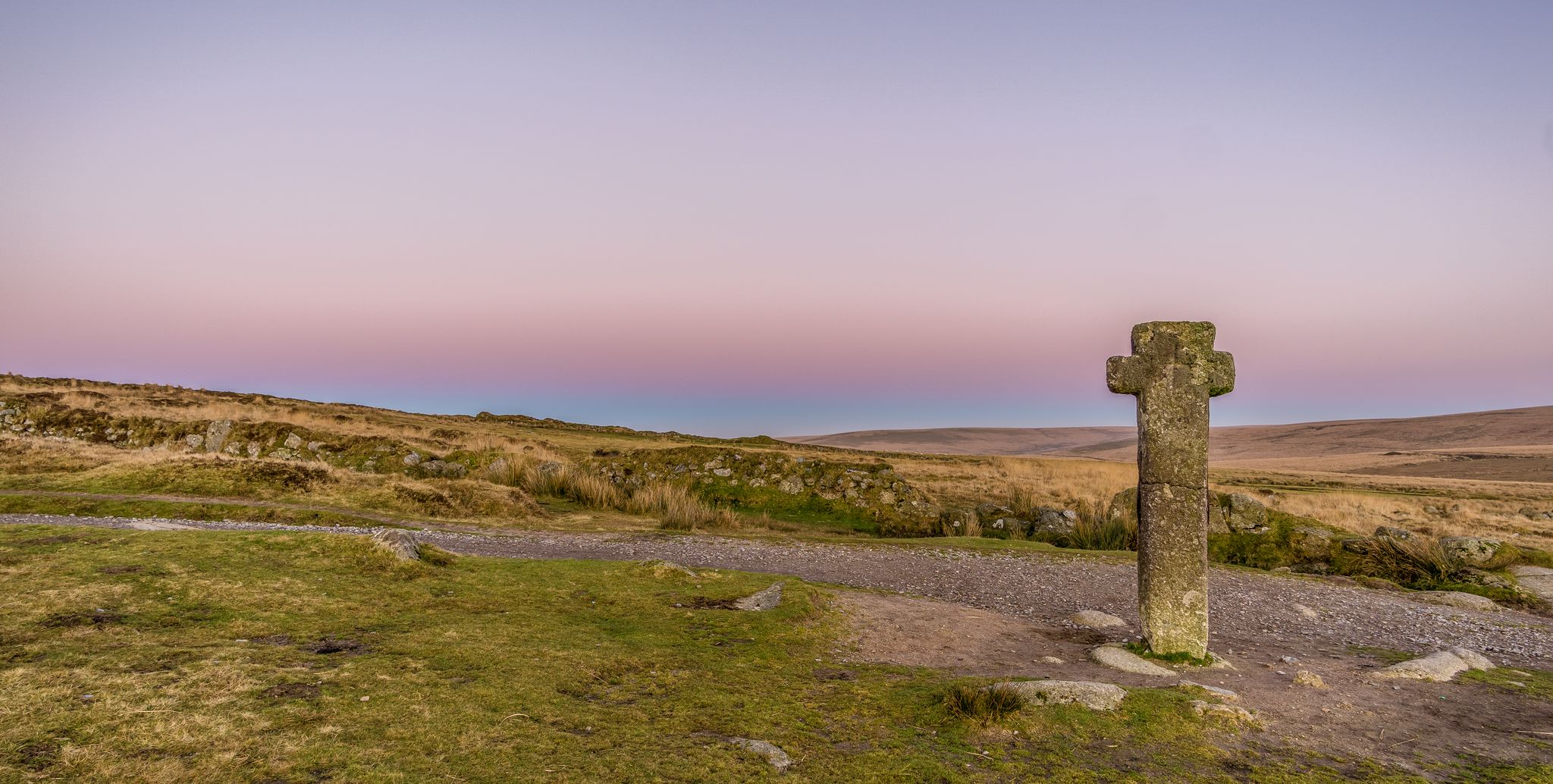
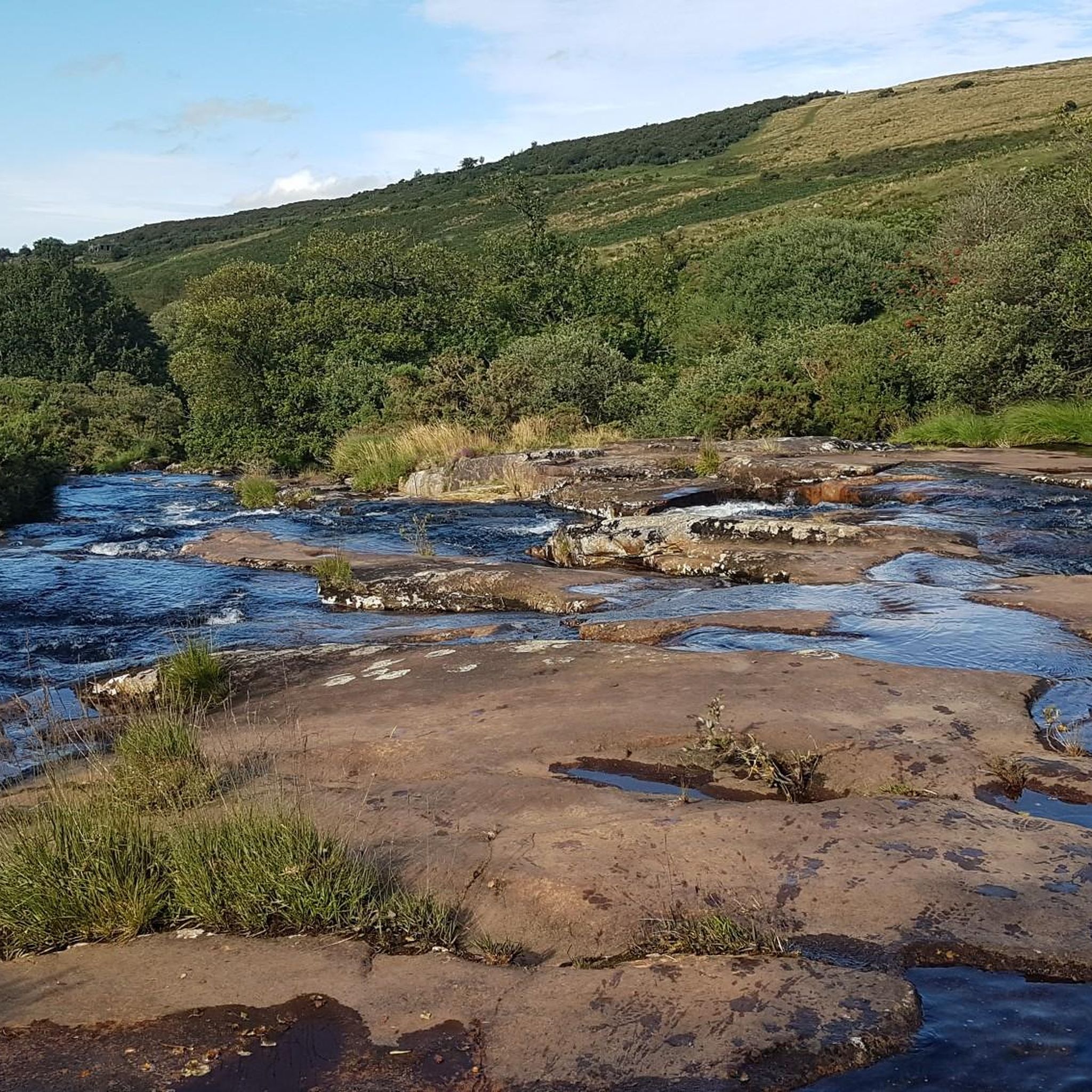
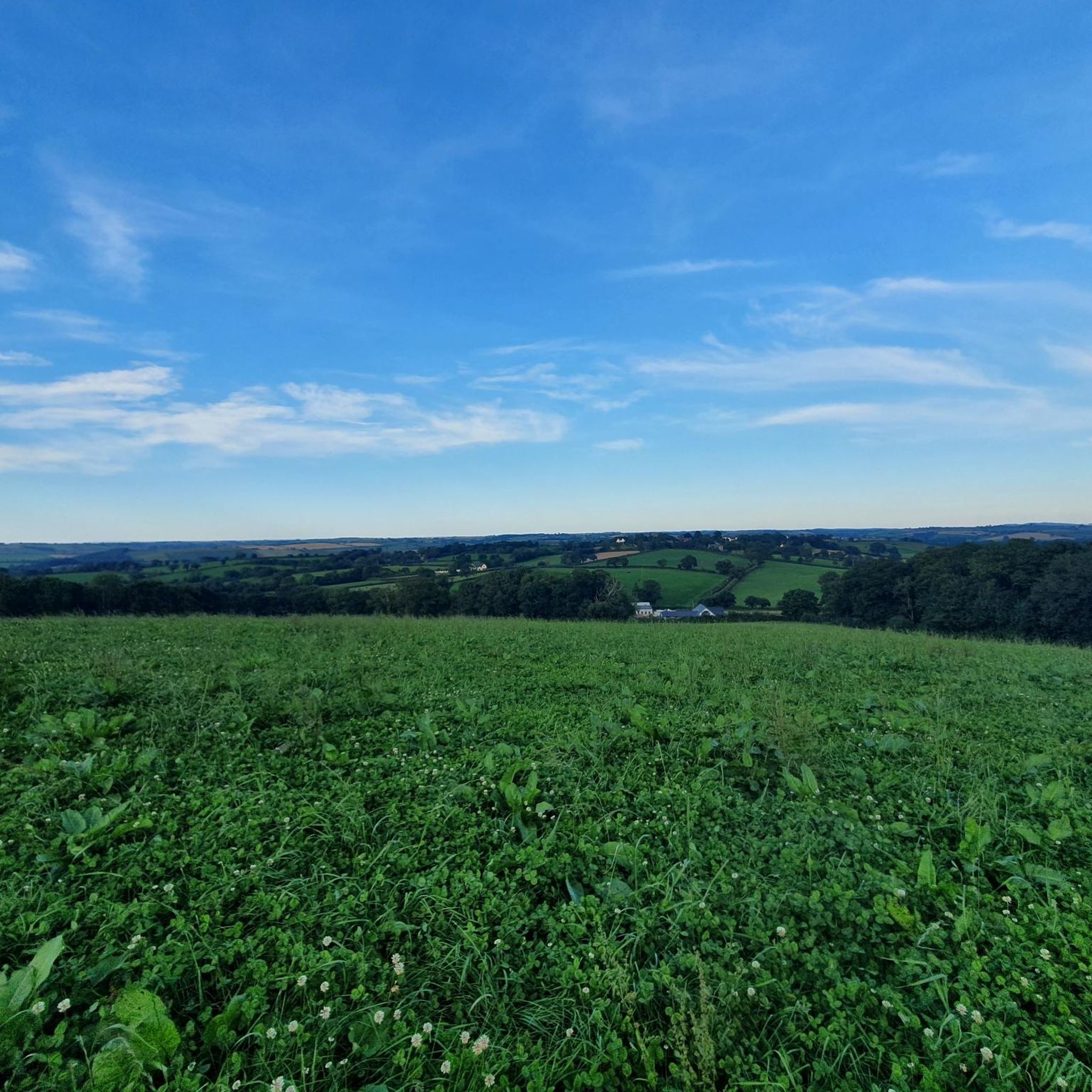
Other adventures around North Tawton

Tips from the Community

The train station was left as much as possible as it was in the 1950s. The Exeter - Okehampton line was revitalized just a few years ago.
0
0


Free parking for walkers and cyclists in the YHA car park on the south side of the railway line, access is after the rail overbridge.
1
0

This stone circle from the Bronze Age, thousands of years before the beginning of the Christian era, is not as large and nowhere near as famous as the legendary "Stonehenge" (which is, after all, a UNESCO World Heritage Site; if you're interested, see => https://www.komoot.com/de-de/highlight/960007 ), but this one can be visited without the tourist crowds that are typical there, and it also has a much more interesting-sounding name...
2
0

On the 1st of May every year the local morris dancers come to dance the summer in at dawn at this spot
2
0

Ignore the out dated previous post. Okehampton station now has a regular train service and is an incredible gateway to some of the most accessible and stunning rides in the country (e.g. to Barnstaple and Plymouth) allowing you to complete your adventures by train. Don't miss.....
2
0

A charming start to the extensive collection of tors on the Belstone Ridge, Tors End is a long thin band of exposed granite, stretching up the north-western edge of Belstone Common, with an extensive clitter field on the western side. In 'High Dartmoor' Hemery mentions the outcrop but appears to incorrectly place it at the northern edge of the higher ground, at what we call 'Belstone Common Tor'; "...the land falls sharply to a fine satellite pile; smaller, but fiercely characteristic, its bold cone dominates the declining northward crest and is aptly known as Tors End (approx. 1,500 feet)." Also, there is, according to Hemery, a small quarry at the north end known as 'Sand Pit'. As Tors End was the easiest tor to get to and being located closest to the village it seems to have been a target for quarrying. A quarter segment of an abandoned apple crusher can be found on the east side of the main outcrop. There are also abandoned millstones and troughs on the slopes all around the Belstone Tors area. Tim Jenkinson (2001/2) writes; "The quarry at Sand Pit is symbolic of the interest in Belstone's granite and most probably reflects the execution of Venville Rights, a privilege bestowed upon the inhabitants of Dartmoor in return of the payment of rent to the Duchy." Venville Rights allow local people "to remove anything from the Forest that may be for their own use and good"; they date back to 1609 during the reign of James I when it was decreed that the "digging and removal of moorstone is to be used only for the mending of houses and land." Just over 100 years ago Dora James (1911) depicts an interesting scene at the village of Belstone; she bemoans; "There are now at least two granite working yards in the village, although the owners have I believe to pay an annual fee to the Duchy for the removal of stone in such large quantities, which, if for their good, can scarcely be considered for their 'own use'." At that time Belstone was a hive of industry and rocks that were being plundered from the tors, and some stones were worked upon in situ and presumably cast aside if imperfect - that's why we find so many abandoned artefacts up there. Dora was very unhappy about the whole situation as she calls the working places an "eyesore" and felt that the process of "digging out and cutting up the glorious piles" of Belstone Tors "are infinitely to be regretted." She refers to the stones as "grey memorials". It is more commonly accepted by the locals that this, the lower outcrop, is the actual location.
2
0
Unfortunately, the Ordnance Survey representation of the Belstone Ridge is rather disappointing, naming only Belstone Tor and Higher Tor; and while indeed these are prominent tors, it leaves out equally impressive and fascinating outcrops, particularly at the north end. As a result of this, there has been confusion as to the names for some of these rockpiles, leaving some to call the entire collection 'Belstone Tors'. One tor in particular between Belstone Tor and Tors End despite its prominence appears to have never been named, so we have simply labelled this 'Belstone Common Tor'. In the past it has been incorrectly labelled 'Tors End' and even 'Ladybrook Tor', the latter a robust outcrop sitting on the opposite hillside above the River Taw. Eric Hemery (1983) mentions the outcrop at the northern end of the high ground but identifies it, in our opinion, incorrectly; "...the land falls sharply to a fine satellite pile; smaller, but fiercely characteristic, its bold cone dominates the declining northward crest and is aptly known as Tors End (approx. 1,500 feet)." Whilst this is certainly the end of the high ground, which may have swayed Hemery, it ignores the outcrops below to the north-west, which are the true end of the Belstone Ridge and the accepted location of Tors End known to locals. Belstone Common Tor is a fabulous tor in its own right, sufficiently detached from its neighbours to warrant an identity. Its composition is surprisingly dissimilar when compared to the rest of the common: its main pile is a massive heap of broken stones, presenting almost alpine-like from the south. The tor's appearance - that of a jumbled mound of granite rocks - is reminiscent of Sharpitor near Burrator Reservoir. The concentration of clitter all around, but particularly on the east flank of the hill, is mesmerising and indicative of these tors' former magnitude before they were brutally broken up by weathering. The area, strewn as it is by magnificent granite blocks, has also been a target for stonecutters who utilised the abundance of rock and easy accessibility from Belstone village to cut up stone for monetary gain. The north side of Belstone Common Tor has suffered by the scar of a small quarry where you can find an abandoned granite roller at SX 61589 92494, buried in the turf. Where granite cracked under pressure or transportation was deemed to be too laborious, these artefacts were simply abandoned in situ. A number of millstones, troughs, and apple crushers can be found amidst the clitter. The lively stonecutting industry at Belstone Common was not without its critics, however. One well-known figure was Dora James (1911) who proclaimed that the "digging out and cutting up of the glorious piles are infinitely to be regretted." Later, she refers to the stones as "grey memorials", clearly expressing her sadness and frustration at the enterprise. It is fortunate that the extent of the quarrying was kept to a minimum and never took off or else we may be left with an entirely different scene today. On top of the tor you will notice the remains of a concrete flagpole base; presumably this was placed here because of the more extensive views afforded of Belstone from where it could be viewed. Bob Fitzpatrick (2017) also noted no less than three rock basins near to this which are thought to be undocumented. At least two of the basins can retain water and are unusual in that none of the other Dartmoor tors this far north possess any basins. Mr. Ormerod (1859) himself states that: "From near the same point in the northerly part of the moor the Tavy flows westerly and the Teign easterly: to the north of these rivers very few rock-basins exist, and those too are in the immediate vicinity of these rivers. The Belstone examples are therefore unique.
1
0
Frequently Asked Questions
What natural attractions can I explore near North Tawton?
North Tawton is ideally situated for exploring the natural beauty of the region. You can discover the dramatic landscapes of Dartmoor National Park, home to impressive granite tors like Belstone Common Tor, Tors End, and Higher Tor. The town itself is nestled alongside the River Taw, offering tranquil footpaths through rolling farmland.
Are there good hiking opportunities around North Tawton?
Yes, the area around North Tawton provides excellent hiking opportunities. You can explore the vast moorland of Dartmoor National Park with its numerous tors and trails. The Tarka Trail, following old railway lines, also offers scenic walking paths. For more specific routes, check out the walking guides around North Tawton.
What historical sites are there to visit in and around North Tawton?
North Tawton boasts a rich history. You can visit the medieval St Peter's Church, known for its oak-shingled spire and granite arcades. The town also features many Georgian and Victorian buildings. Further afield, explore the remains of the largest medieval castle in Devon at Okehampton Castle, or the 19th-century water-powered forge at Finch Foundry.
Are there any family-friendly attractions near North Tawton?
Families visiting North Tawton have several options. The Miniature Pony Centre Dartmoor offers a chance to see various miniature animals and has indoor play areas. War Horse Valley Country Farm Park in Winkleigh provides a glimpse into farm life. Additionally, many of the walking trails, especially those along the River Taw or sections of the Tarka Trail, are suitable for families.
Can I go cycling near North Tawton?
Absolutely! North Tawton is a great base for cycling. The Tarka Trail offers scenic routes, and The Granite Way provides an 11-mile cycle and walkway with views of Dartmoor's granite landscape. You can find various routes for different cycling styles, including MTB Trails, Road Cycling Routes, and Touring Cycling routes in the area.
What are some unique cultural experiences in North Tawton?
North Tawton offers a few unique cultural insights. The historic Town Hall was famously featured in Jennifer Saunders' BBC series "Jam & Jerusalem." You can also visit Artist Blacksmiths C.H. Jones & Son, a fifth-generation family-run business showcasing traditional craftsmanship since 1899. For a local taste, the Taw Valley Brewery, known as the "UK's only fully thatched brewery," offers small-batch cask ales.
Are there any gardens or ancient woodlands to visit?
Yes, for nature lovers, Fingle Woods is an 825-acre ancient woodland site in the Teign Valley, rich in plant and animal life. A bit further afield, RHS Garden Rosemoor near Torrington is a beautiful public display garden run by the Royal Horticultural Society, featuring various garden styles and woodland walks.
What do visitors enjoy most about the Dartmoor tors near North Tawton?
Visitors particularly enjoy the unique geological features and rewarding views from the Dartmoor tors. For instance, Belstone Common Tor is appreciated for its 'alpine-like' appearance and the concentration of clitter. Higher Tor is noted for its striking jointings and 'cyclopean masonry,' offering terrific views in all directions.
Is there public transport access to attractions near North Tawton?
While many attractions are best reached by car, Okehampton Station, though a former railway station, now has a regular train service and serves as a gateway to accessible routes. For specific walks and attractions, checking local bus services or planning for car access is recommended.
Are there any accessible paths or attractions for wheelchair users?
While specific wheelchair-accessible paths for all natural attractions are limited due to the rugged terrain of Dartmoor, Okehampton Station is noted as being wheelchair accessible and provides a starting point for some routes. For other sites, it's advisable to check individual venue accessibility information.
Where can I find information about Roman history in the area?
Near Newland Mill, just outside North Tawton, you can find the site of a former Roman Fort and Marching Camps, believed to be named Nemetostatio. This site suggests an ancient druidic sanctuary and represents a particularly unusual association of military enclosures, offering a glimpse into the region's ancient past.
What is the best time of year to visit North Tawton for outdoor activities?
The best time to visit North Tawton for outdoor activities is generally during the spring, summer, and early autumn months (April to October) when the weather is milder and more conducive to walking, cycling, and exploring Dartmoor. However, the landscape offers unique beauty in all seasons, with winter walks providing a different, often quieter, experience.
Most popular routes around North Tawton
Most popular attractions around North Tawton

Get inspired with the komoot mobile app


Explore more
Still not found the Highlight you’re looking for? See guides of the top attractions in other regions:
