The best cycling routes around Crawley
4.5
(297)
4,161
riders
311
rides
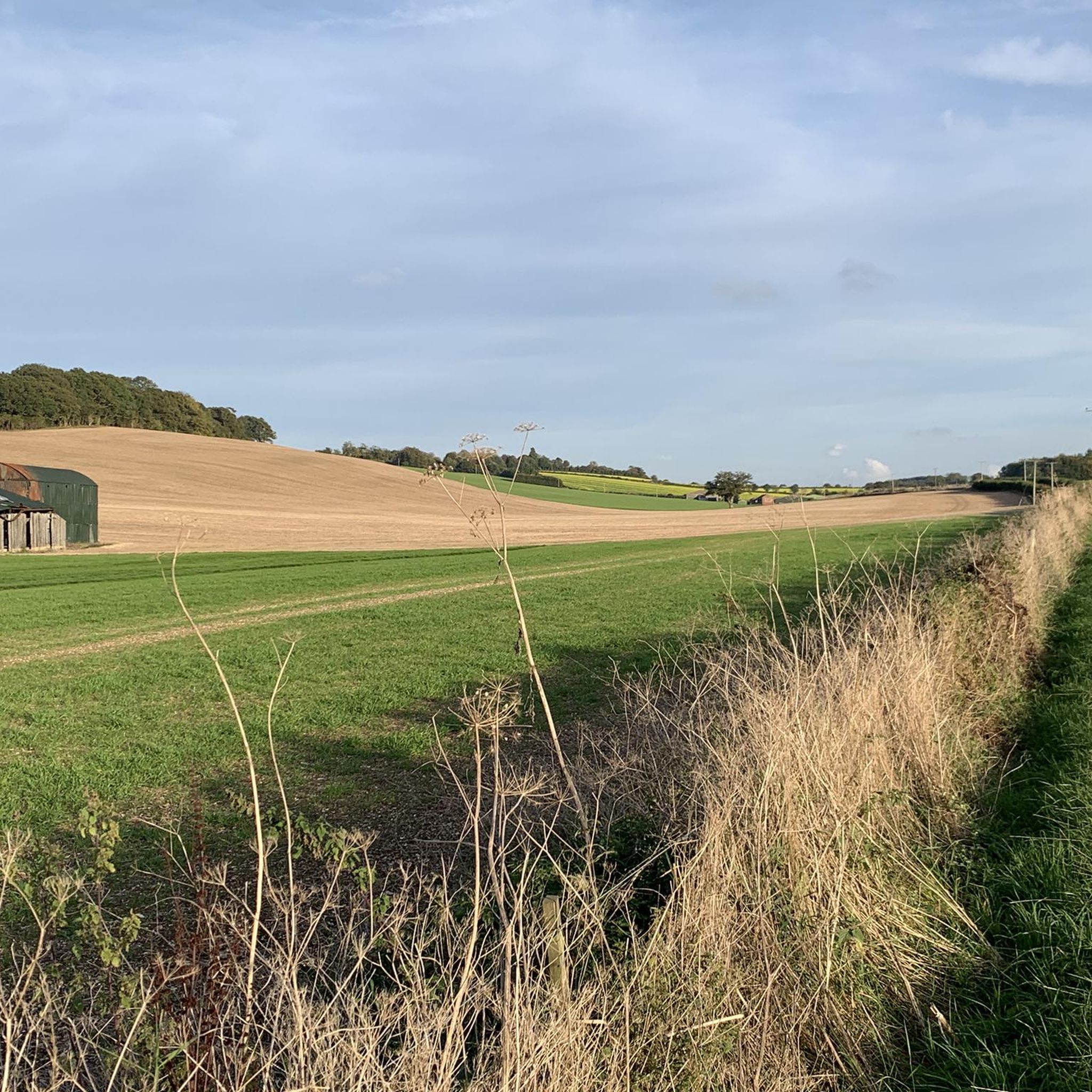
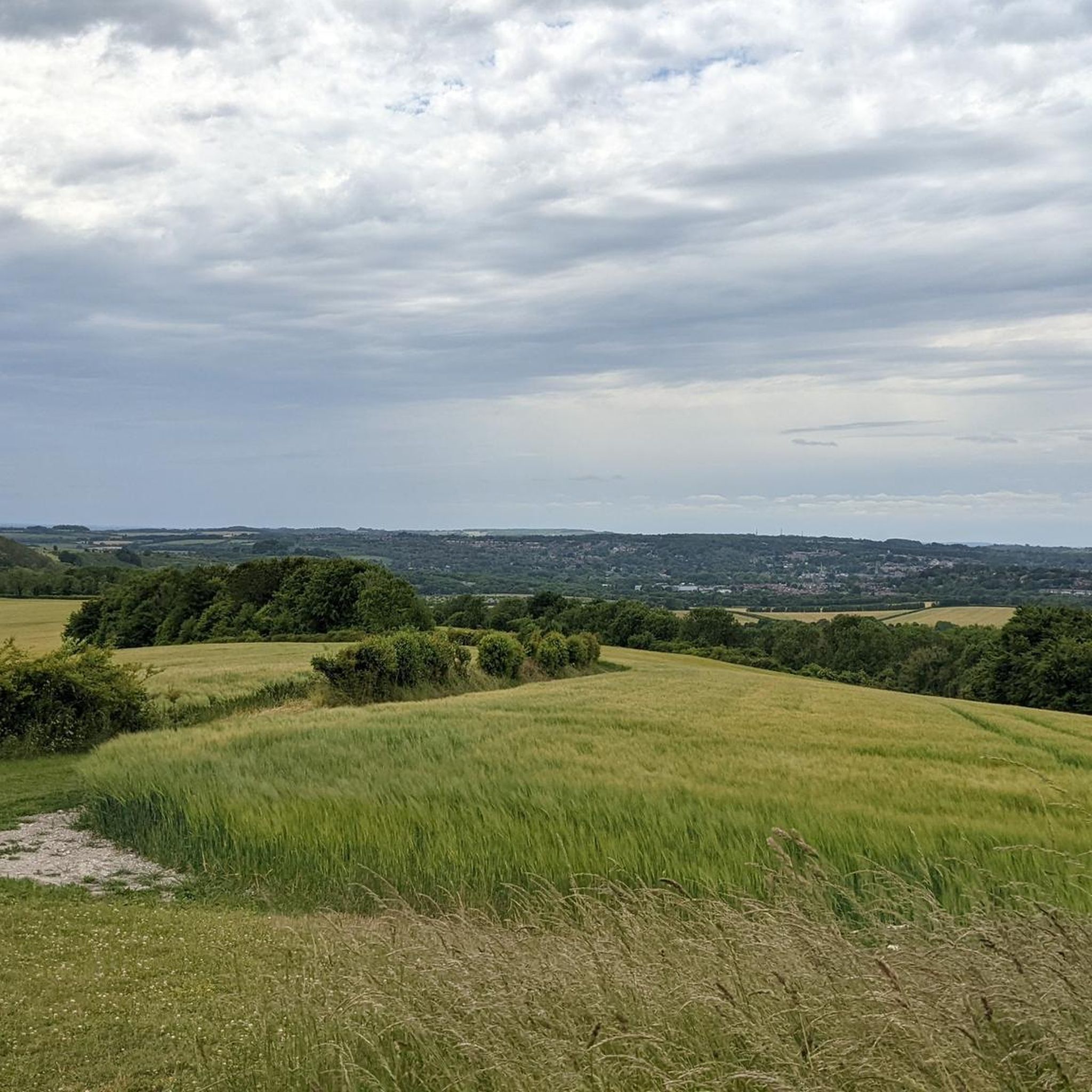
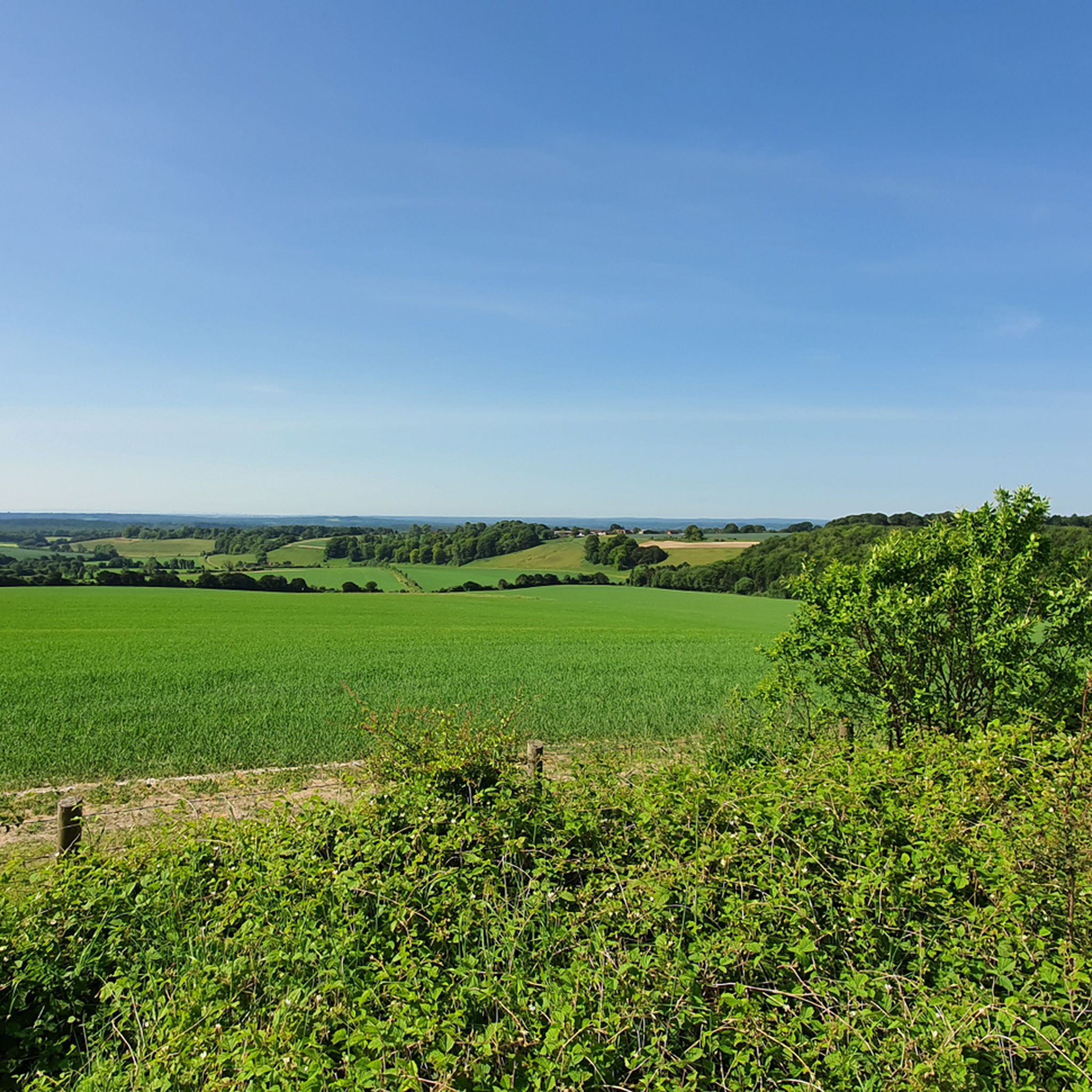
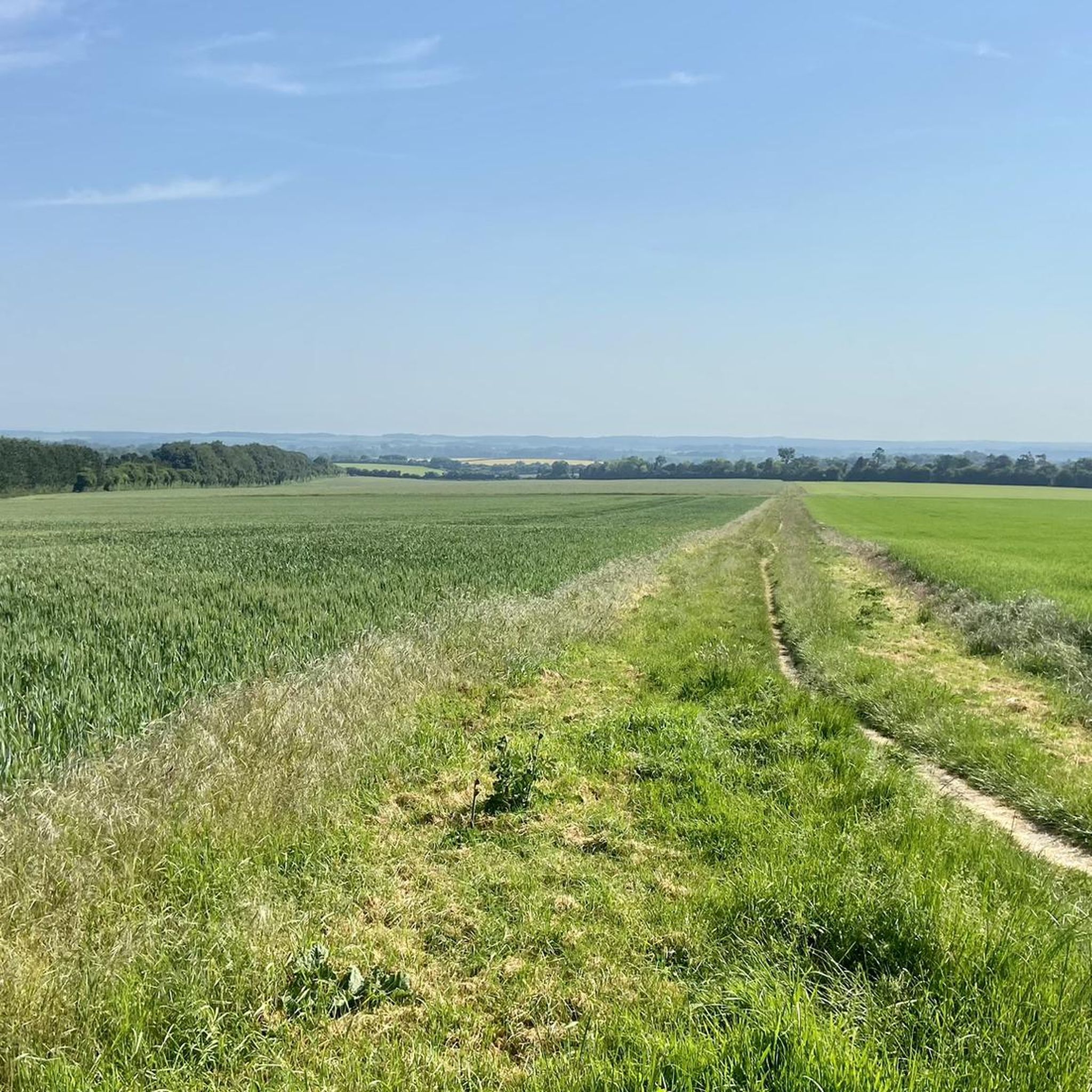
Touring cycling around Crawley features routes through rolling countryside and open fields, characteristic of the West Sussex landscape. The region includes river valleys, such as those near the River Test, offering varied terrain for cyclists. Elevations are generally gentle, with some routes incorporating moderate climbs. The area provides a mix of rural roads and paths suitable for touring bicycles.
Best touring cycling routes around Crawley
- The most popular touring cycling route is Stoke Charity Pond – Rural Road Through Open Fields loop from South Wonston, a 24.0 miles (38.7 km) trail that takes 2 hours 18 minutes to complete, winding through open fields and past rural ponds.
- Another top favourite among local touring cyclists is Cheesefoot Head – Westgate, Winchester loop from Littleton and Harestock, a difficult 29.8 miles (48.0 km) path offering more challenging ascents and expansive views.
- Local touring cyclists also love the River Test – Fullerton Road loop from Chilcombe Copse, a 19.0 miles (30.6 km) trail leading through river valleys and countryside, often completed in about 1 hour 56 minutes.
- Touring cycling around Crawley is defined by rolling hills, open fields, and river valleys, with routes available for easy, moderate, and difficult ability levels.
- The routes in Crawley are highly rated by the komoot community with an average score of 4.5 stars from over 210 reviews. More than 4000 touring cyclists have used komoot to explore Crawley's varied terrain.
Last updated: August 25, 2026
27
riders
47.8km
03:32
460m
460m
Hard bike ride. Very good fitness required. You may need to push your bike for some segments of this route.
15
riders
30.5km
01:56
260m
260m
Moderate bike ride. Good fitness required. Mostly paved surfaces. Suitable for all skill levels.

Sign up for free
3.0
(1)
11
riders
Easy bike ride. Great for any fitness level. Mostly paved surfaces. Suitable for all skill levels.
5.0
(2)
11
riders
20.5km
01:31
180m
180m
Hard bike ride. Good fitness required. You may need to push your bike for some segments of this route.
4.0
(1)
6
riders
24.7km
01:28
190m
190m
Moderate bike ride. Good fitness required. Mostly paved surfaces. Suitable for all skill levels.
Get access to more routes and recommendations from other explorers.
Sign up for free
Already have an account?
Our route recommendations are based on thousands of hikes, rides, and runs completed by other people on komoot.
Start today with a free account
Your next adventure awaits.
Login or Signup
Tips from the Community

It is a colorful town with attractions.
0
0

Historic waterbeds for growing watercress, on a very quiet road. There's a ford just along with a perfect cycle crossing
0
0

As well as good selection of filled jacket potatoes and sandwiches, lunch also includes specials each day. Very dog friendly, they have an area of tables by the bar that is hard floor where dogs are welcome, bowls of water bought to the tables. The beer was good too
0
0


The striking bronze statue of King Alfred the Great is one of Winchester's most recognizable landmarks, dominating The Broadway at the eastern end of the High Street near the River Itchen. Sculpted by Sir Hamo Thornycroft, the colossal, 15-foot-tall figure was erected in 1901 to commemorate the millennium of the king's death—a pivotal figure who made Winchester his capital and is credited with being "The Founder of the Kingdom and Nation," as inscribed on its granite base. Depicting a heroic, bearded Alfred in a regal stance with a downward-pointing sword hilt forming a cross, the statue celebrates his dual role as a military champion against the Vikings and an early Christian leader, all while standing proudly in the city he helped define.
1
0
The Winchester Guildhall is a prominent Grade II listed Victorian building, built in the Gothic Revival style by architects Jeffery and Skiller and opened in 1873, standing on the High Street on a site once occupied by St Mary's Abbey. With its striking façade featuring a tall clock tower, an arcaded entrance, and statues of historical figures, the Guildhall was originally conceived as a larger complex to house civic government functions, law courts, the police station, and the fire brigade. Today, it operates as a major event and conference venue in the heart of the city, offering a range of versatile rooms like the grand Bapsy Hall and the King Charles Hall for weddings, conferences, and various other public and private functions.
1
0
The Sword: Alfred is shown grasping a large, cross-hilted sword with the point facing downwards. This posture is symbolic, representing not just his prowess as a warrior who defended his kingdom against the Vikings, but also his role as a Christian leader, with the hilt forming the shape of a cross. The Pedestal: The statue rests on a large pedestal of Cornish granite, which is inscribed with just one word: AELFRED. Historical Portrayal: Thornycroft's depiction is a romanticized, heroic one—showing Alfred with a long, flowing beard—even though contemporary coins suggest the King was clean-shaven. The monument represents the Victorian-era idea of Alfred as a perfect warrior, statesman, and philosopher king.
0
0
The statue depicts Alfred the Great (847–899 AD), who was the King of the West Saxons and is traditionally regarded as the first King of the Anglo-Saxons and the founder of the Kingdom of England. Winchester was his capital. Sculptor: Sir Hamo Thornycroft, a highly-regarded Royal Academician. Completion: It was completed in 1901, although it was commissioned to mark the millennium of King Alfred's death (which was in 899 AD). Size: The bronze statue is monumental, standing at 15 feet (4.57 m) high and weighing about five tons. The total height with its granite pedestal is around 40 feet. Location: It stands prominently at the eastern end of The Broadway, near the junction with Bridge Street and Eastgate Street, with the High Street extending behind it toward the city centre.
0
0
Frequently Asked Questions
How many touring cycling routes are available around Crawley?
There are over 340 touring cycling routes in the Crawley area, offering a wide variety of options for different skill levels and preferences. This includes 70 easy routes, 123 moderate routes, and 149 difficult routes.
What kind of terrain can I expect on touring bike routes near Crawley?
Touring cycling around Crawley features routes through rolling countryside and open fields, characteristic of the West Sussex landscape. You'll encounter river valleys, such as those near the River Test, offering varied terrain. Elevations are generally gentle, though some routes incorporate moderate climbs. The area provides a mix of rural roads and paths suitable for touring bicycles.
Are there any easy touring bike routes suitable for beginners or families?
Yes, Crawley offers 70 easy touring cycling routes perfect for beginners or families. One excellent option is the Viewpoint Near Winchester – Down Farm Lane Downhill loop from South Wonston, which is 9.6 miles (15.4 km) long and features gentle ascents, making it a pleasant ride for all skill levels.
Can I find long-distance touring bike routes around Crawley?
Absolutely. For those seeking longer rides, Crawley has several options. The River Test – Crawley Duck Pond loop from South Wonston is a challenging 34.3 miles (55.2 km) route that takes you through diverse landscapes. Another demanding option is the Cheesefoot Head – Westgate, Winchester loop from Littleton and Harestock, spanning 29.8 miles (48.0 km) with more challenging ascents.
Are there circular touring bike routes available in the area?
Many of the touring routes around Crawley are circular, allowing you to start and end at the same point. A popular choice is the Stoke Charity Pond – Rural Road Through Open Fields loop from South Wonston, a 24.0 miles (38.7 km) trail that winds through open fields and past rural ponds. Another great loop is the River Test – Fullerton Road loop from Chilcombe Copse, which is 19.0 miles (30.6 km) and explores river valleys.
What are some interesting landmarks or natural attractions I can see along the routes?
The routes around Crawley offer access to several notable landmarks and natural features. You might pass by St Catherine's Hill, which is both a historical site and a viewpoint, or the impressive Farley Mount Monument. Natural highlights include sections of the River Itchen and the scenic Chilbolton Cow Common.
What do other touring cyclists enjoy most about cycling in Crawley?
The touring cycling routes in Crawley are highly rated by the komoot community, with an average score of 4.5 stars from over 210 reviews. Cyclists often praise the diverse landscapes, from rolling hills and open fields to tranquil river valleys, and appreciate the mix of rural roads and paths that cater to various skill levels.
Is Crawley a good destination for touring cyclists looking for hidden gems?
Crawley's extensive network of over 340 routes means there are many opportunities to discover less-trafficked paths and quiet country lanes. Exploring routes that venture slightly off the main trails can lead you to serene spots and picturesque villages, offering a sense of discovery away from more popular areas.
What is the best season for touring cycling in Crawley?
The West Sussex region, including Crawley, is generally pleasant for cycling from spring through autumn. Spring brings blooming wildflowers and mild temperatures, while summer offers longer daylight hours. Autumn provides beautiful foliage and cooler, crisp air, ideal for longer rides. Always check local weather forecasts before heading out.
Are there any touring routes that are dog-friendly?
While many touring routes in Crawley utilize public roads and paths where dogs are generally permitted, it's always best to keep your dog on a lead, especially near livestock or on shared-use paths. For specific dog-friendly amenities or off-leash areas, it's recommended to check local council guidelines or specific trail regulations before you go.
What are the options for parking near touring cycling routes in Crawley?
Parking availability varies depending on the specific starting point of your chosen route. Many rural areas around Crawley have limited designated parking. It's advisable to look for public car parks in nearby towns or villages, or to check for roadside parking options that are safe and permissible, especially when starting from smaller hamlets.
Can I access touring cycling trails in Crawley using public transport?
Crawley is well-connected by public transport, particularly trains and buses, which can help you reach various starting points for touring routes. Winchester, a nearby city, is a major transport hub. Many routes begin or pass through villages accessible by local bus services. Always check the specific public transport provider's policy on carrying bicycles before you travel.
Most popular attractions around Crawley

Get inspired with the komoot mobile app


Explore more
Browse the best Cycling routes in other regions.
