The best cycling routes around Faccombe
4.5
(19)
283
riders
67
rides
Touring cycling routes around Faccombe are set within the Hampshire Downs and border the North Wessex Downs Area of Outstanding Natural Beauty. The region features expansive woodlands, rolling grasslands, and distinctive chalk downs. Notable hills such as Combe Hill, Pilot Hill, and Walbury Hill provide elevation changes. This varied terrain offers a dynamic experience for touring cyclists.
Best touring cycling routes around Faccombe
- The most popular touring cycling route is Honesty Café – View from Sandpits Down loop from Inkpen…
Last updated: August 20, 2026
5.0
(1)
11
riders
46.0km
03:01
490m
490m
Hard bike ride. Very good fitness required. Mostly paved surfaces. Suitable for all skill levels.
5.0
(1)
4
riders
Moderate bike ride. Good fitness required. Mostly paved surfaces. Suitable for all skill levels.

Sign up for free
5.0
(1)
6
riders
Moderate bike ride. Good fitness required. Mostly paved surfaces. Suitable for all skill levels.
5
riders
22.8km
01:31
340m
340m
Moderate bike ride. Good fitness required. Mostly paved surfaces. Suitable for all skill levels.
2
riders
38.5km
02:18
250m
250m
Moderate bike ride. Good fitness required. Mostly paved surfaces. Suitable for all skill levels.
Get access to more routes and recommendations from other explorers.
Sign up for free
Already have an account?
Our route recommendations are based on thousands of hikes, rides, and runs completed by other people on komoot.
Start today with a free account
Your next adventure awaits.
Login or Signup
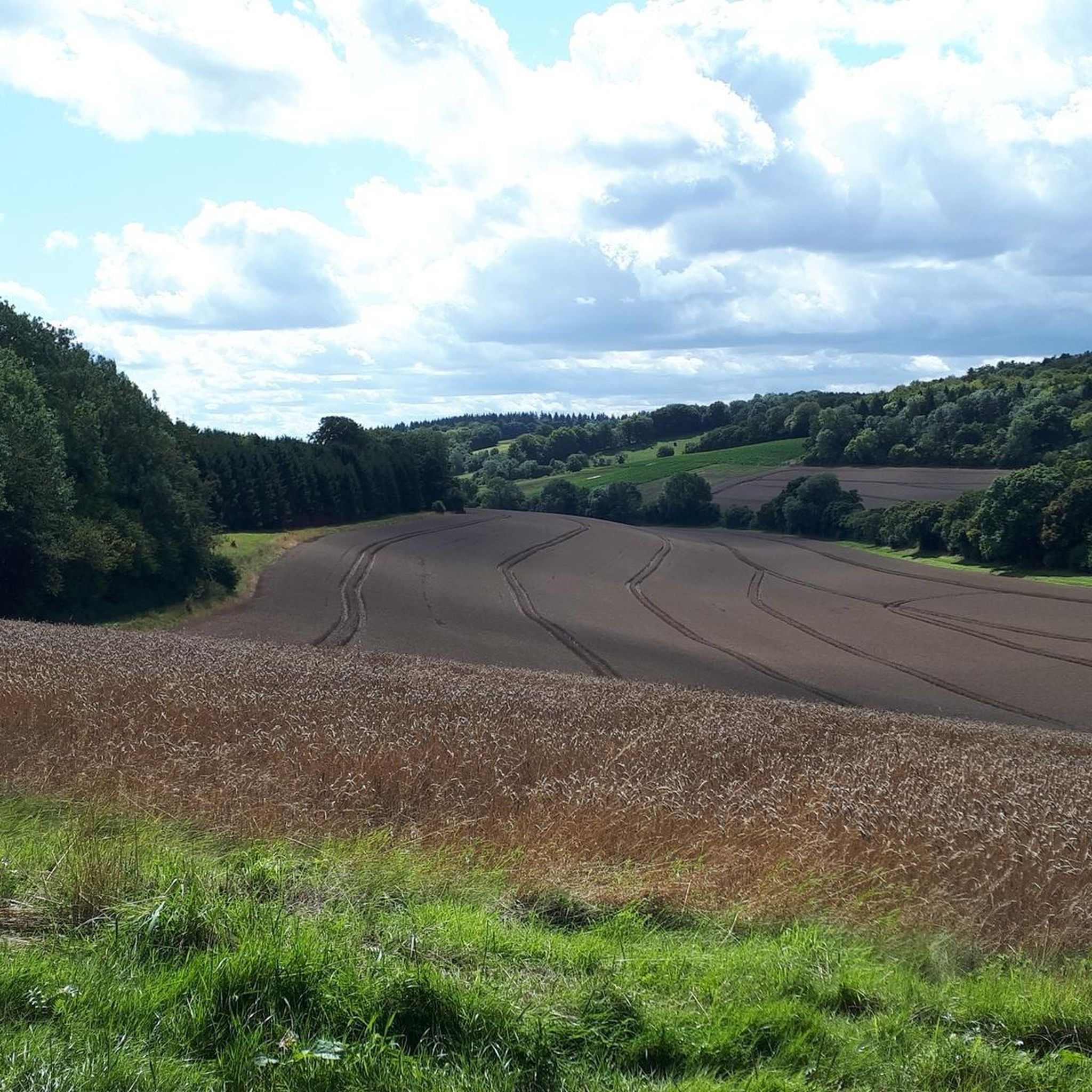
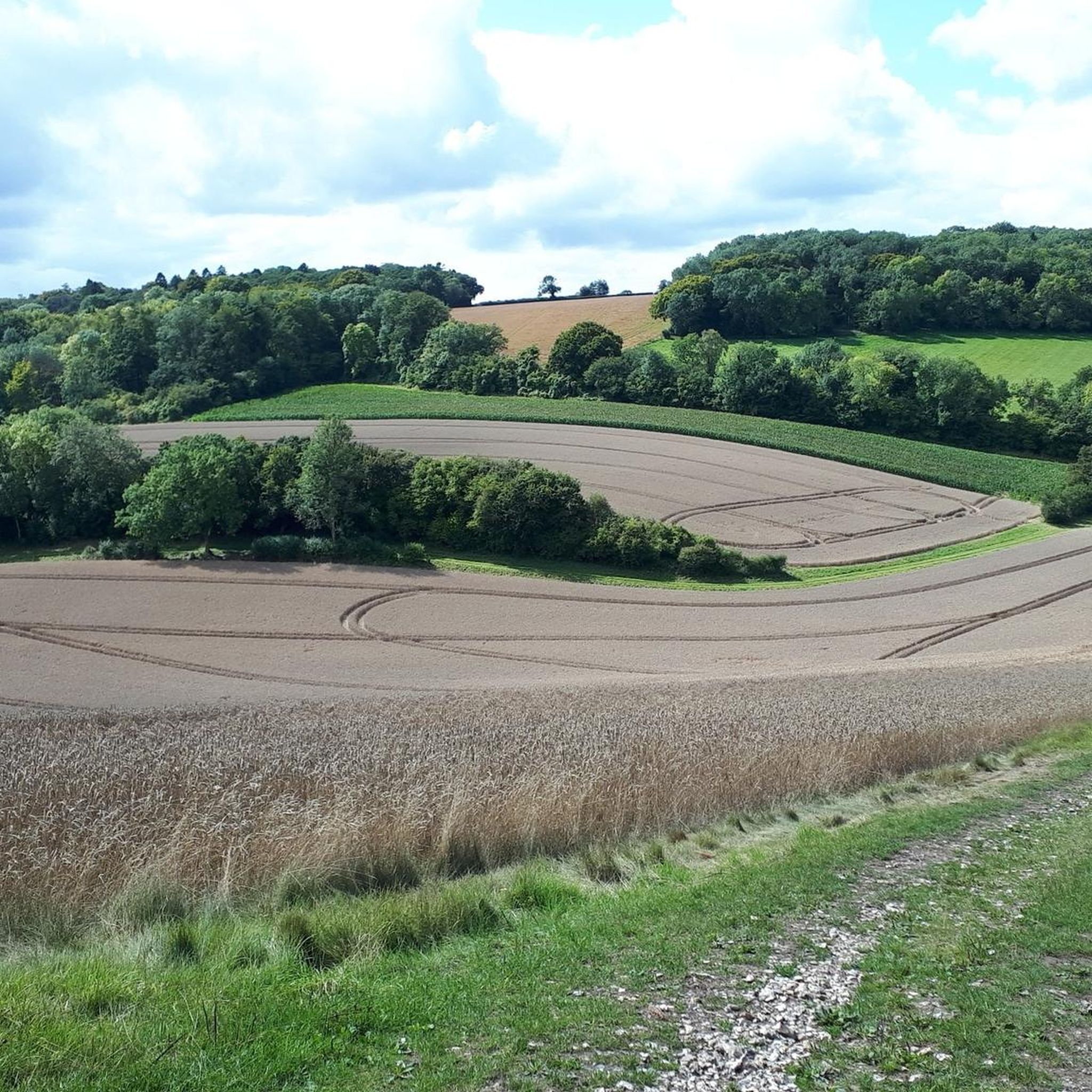
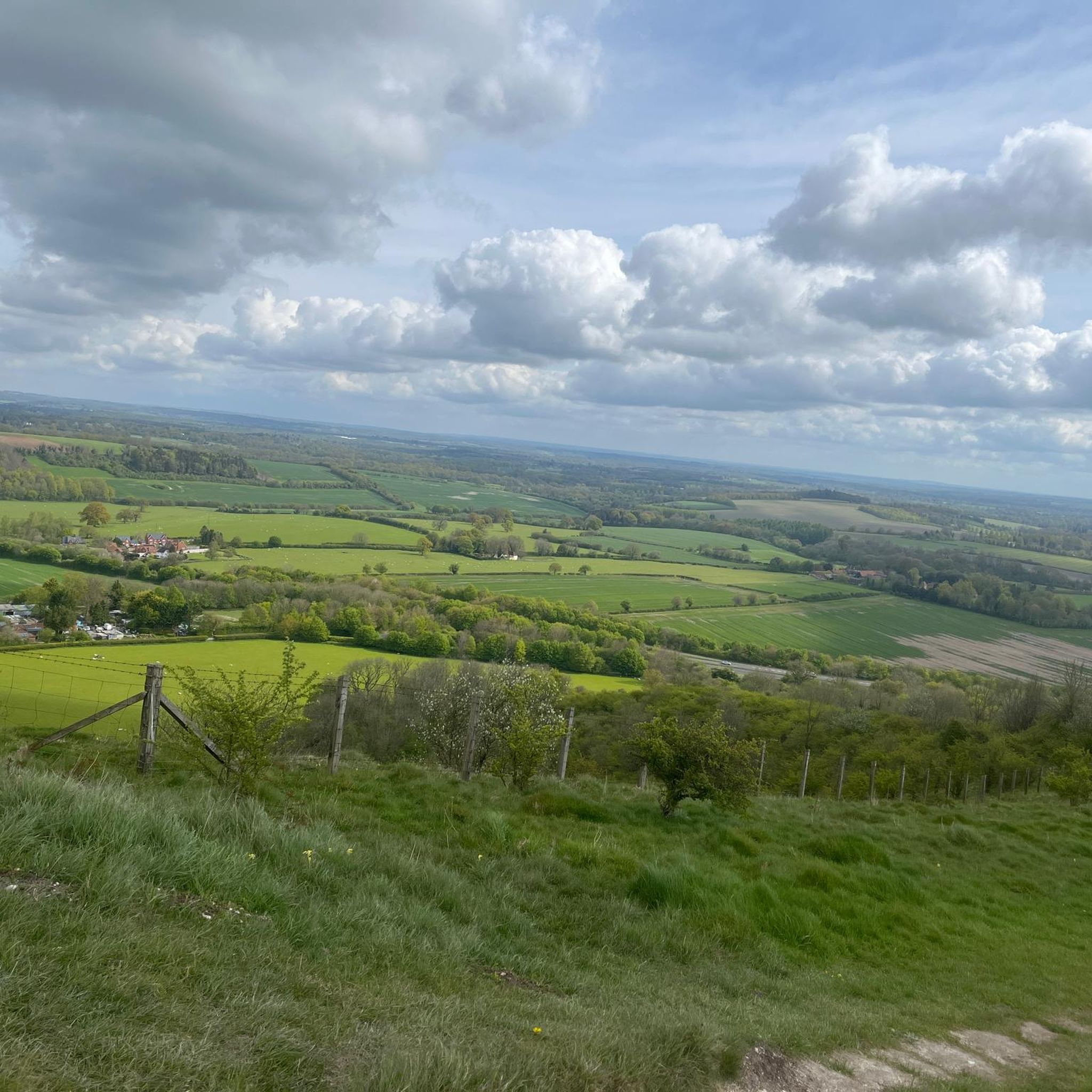
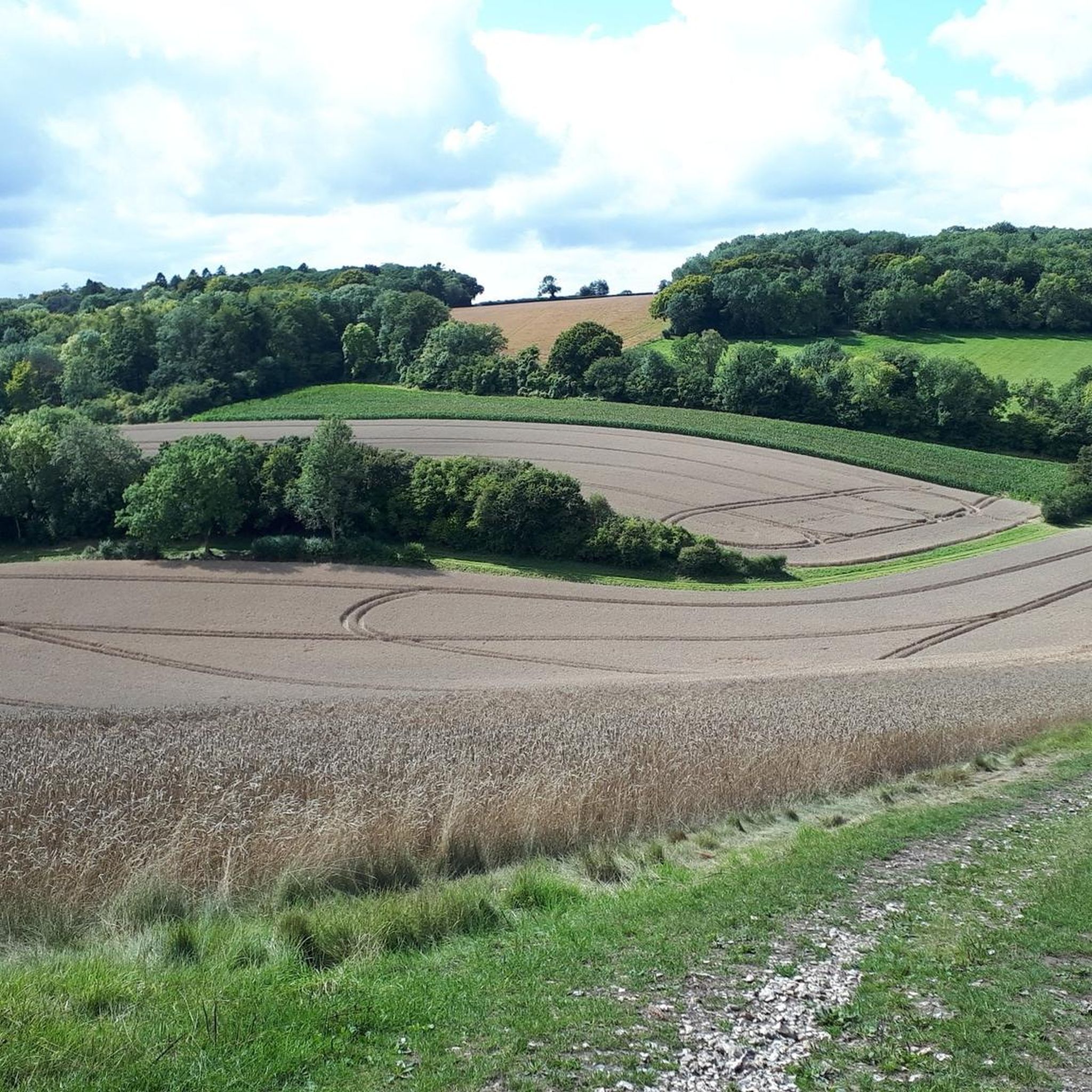
Tips from the Community


New 2nd Tip. Where does this go?
0
0

Lovely gentle slope down through green water medows
0
0
Frequently Asked Questions
How many touring cycling routes are available around Faccombe?
There are over 70 touring cycling routes available around Faccombe, offering a wide range of options for different skill levels and preferences. You'll find routes through expansive woodlands, rolling grasslands, and distinctive chalk downs.
What kind of terrain can I expect when touring cycling around Faccombe?
The terrain around Faccombe is diverse, characterized by expansive woodlands, rolling grasslands, and distinctive chalk downs. You'll encounter notable hills such as Combe Hill, Pilot Hill, and Walbury Hill, providing both challenging climbs and rewarding panoramic views. Routes often feature quiet roads and ancient tracks, especially through areas like Faccombe Wood.
Are there any easy touring cycling routes suitable for beginners in Faccombe?
Yes, Faccombe offers a good selection of routes suitable for beginners. Out of the 74 available routes, 22 are rated as easy. These routes typically feature less elevation gain and shorter distances, allowing for a more relaxed cycling experience through the scenic countryside.
Where can I find challenging touring cycling routes in Faccombe?
For those seeking a challenge, Faccombe has 16 routes rated as difficult. These often include significant climbs like the Watership Down Climb or the Faccombe Road climb through Faccombe Wood. An example of a challenging route is the Honesty Café – View from Sandpits Down loop from Inkpen, which covers 29.1 miles with considerable elevation gain.
Are there any circular touring cycling routes around Faccombe?
Many of the touring cycling routes around Faccombe are designed as loops, allowing you to start and finish at the same point. Examples include the Bartlettsdown Copse – Kydd's Copse loop from Woolton Hill and the Kintbury Canal Side – Inkpen Road Poppy Field loop from Woolton Hill, which offer varied scenery and terrain.
What interesting landmarks or viewpoints can I see along the touring cycling routes?
The Faccombe area is rich with historical sites and natural viewpoints. You can cycle past the historic Combe Gibbet on Gallows Down, offering wonderful views. The Ladle Hill Iron Age Hillfort is another notable stop, providing sublime views and a glimpse into ancient history. Many routes also offer expansive vistas from chalk downs like Sandpits Down.
What do other cyclists enjoy most about touring cycling in Faccombe?
The touring cycling routes in Faccombe are highly rated by the komoot community, with an average score of 4.4 stars. Cyclists often praise the region's varied terrain, from quiet woodlands to challenging hills, and the beautiful, expansive views across the Hampshire Downs and North Wessex Downs AONB. The peaceful nature of many routes, especially through areas like Faccombe Wood, is also frequently highlighted.
Are there any family-friendly touring cycling routes in the Faccombe area?
While specific routes are not explicitly marked as 'family-friendly' in the data, the 22 easy-rated routes are generally suitable for families looking for less strenuous rides. These routes often traverse quiet country lanes and woodlands, providing a safer and more enjoyable experience for all ages. Always check the route details for distance and elevation before heading out with children.
Are there places to eat or stay near the touring cycling routes in Faccombe?
Yes, the area around Faccombe offers options for refreshments and accommodation. The Jack Russell Inn in Faccombe village is a well-known stop for cyclists and walkers, offering a place to relax and refuel. For accommodation, you'll find various options in nearby villages, some of which may offer bike storage. It's advisable to check in advance for specific amenities.
What is the best time of year to go touring cycling in Faccombe?
The best time for touring cycling in Faccombe is generally during spring, summer, and autumn. Spring brings blooming wildflowers, while autumn offers stunning foliage, especially in Faccombe Wood. Summer provides longer daylight hours. While cycling is possible year-round, winter conditions can be colder and wetter, making some trails muddy or less accessible. Always check local weather forecasts before your ride.
Is public transport available to reach the cycling routes in Faccombe?
Public transport options directly to Faccombe village are limited. It is generally recommended to travel by car to access the starting points of the touring cycling routes. Some nearby larger towns may have bus services, but bike carriage is often restricted. Planning your journey with a vehicle that can transport your bike will offer the most flexibility.
Are there any specific rules or permits required for cycling on the Faccombe Estate or other areas?
Generally, public rights of way and designated cycle paths in the Faccombe area, including parts of the Faccombe Estate, are open for cycling without specific permits. However, it's always respectful and advisable to adhere to the Countryside Code, stay on marked paths, and be mindful of private land. If cycling through specific private estate lands, always check for any local signage or rules regarding access.
Most popular attractions around Faccombe

Get inspired with the komoot mobile app


Explore more
Browse the best Cycling routes in other regions.
