The best cycling routes around Laverstoke
4.6
(67)
698
riders
121
rides
Touring cycling routes around Laverstoke are set within the rolling topography of the Hampshire Downs, characterized by expansive open farmland and ancient woodlands. The region features areas of chalk downland and the River Test, a Site of Special Scientific Interest. Cyclists encounter varied terrain, including challenging climbs like Watership Down, which offers rewarding views from its summit. The landscape provides a mix of scenic backdrops and natural features for diverse cycling experiences.
Best touring cycling routes around Laverstoke
- The most…
Last updated: July 1, 2026
4.8
(4)
33
riders
44.5km
02:40
270m
270m
Moderate bike ride. Good fitness required. Mostly paved surfaces. Suitable for all skill levels.
5.0
(3)
36
riders
71.6km
04:20
620m
620m
Hard bike ride. Very good fitness required. Mostly paved surfaces. Suitable for all skill levels.

Sign up for free
5.0
(2)
24
riders
38.3km
02:20
290m
290m
Moderate bike ride. Good fitness required. Mostly paved surfaces. Suitable for all skill levels.
4.0
(1)
13
riders
Hard bike ride. Very good fitness required. Mostly paved surfaces. Suitable for all skill levels.
5.0
(2)
30
riders
42.0km
02:32
280m
280m
Moderate bike ride. Good fitness required. Mostly paved surfaces. Suitable for all skill levels.
Get access to more routes and recommendations from other explorers.
Sign up for free
Already have an account?
Our route recommendations are based on thousands of hikes, rides, and runs completed by other people on komoot.
Start today with a free account
Your next adventure awaits.
Login or Signup
Tips from the Community

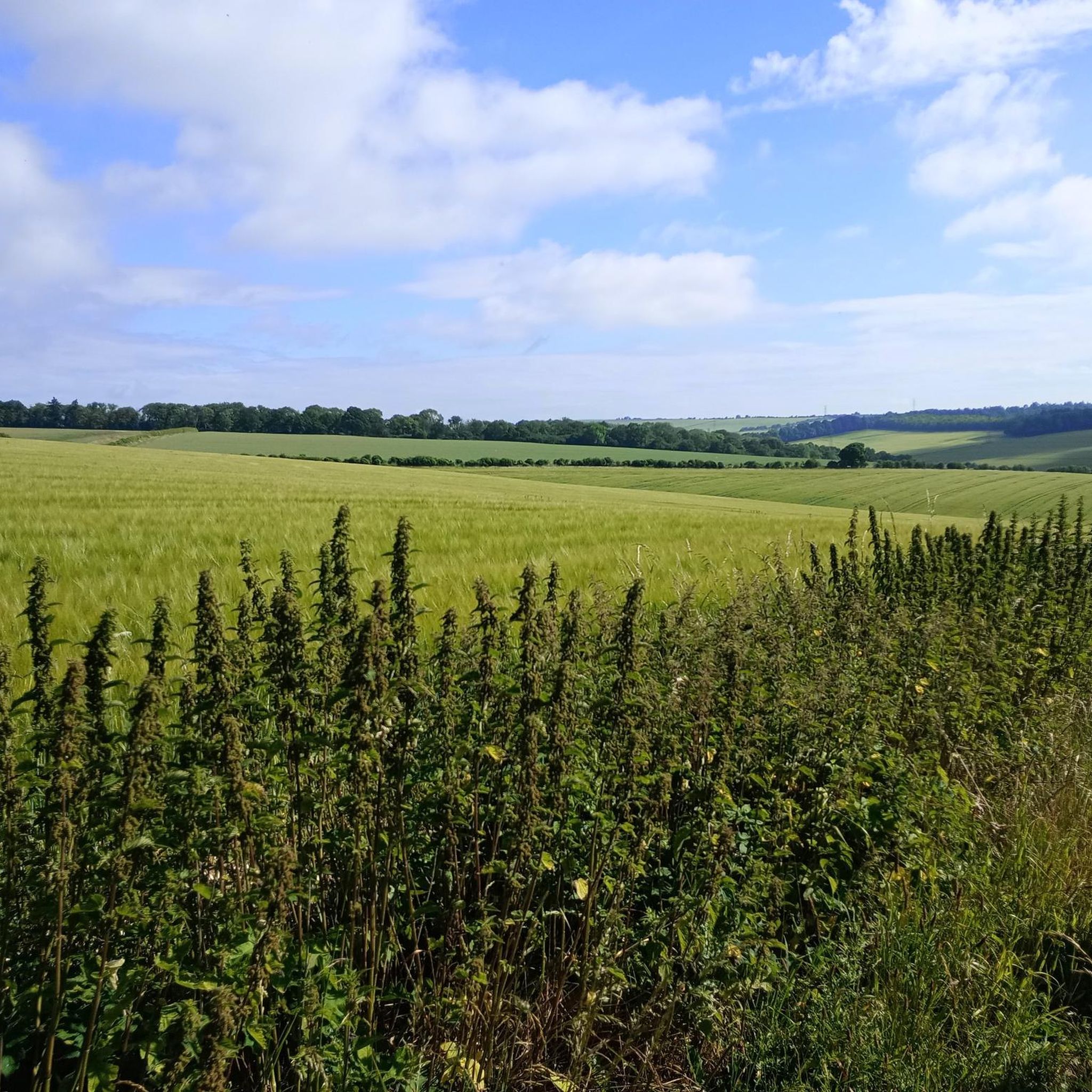
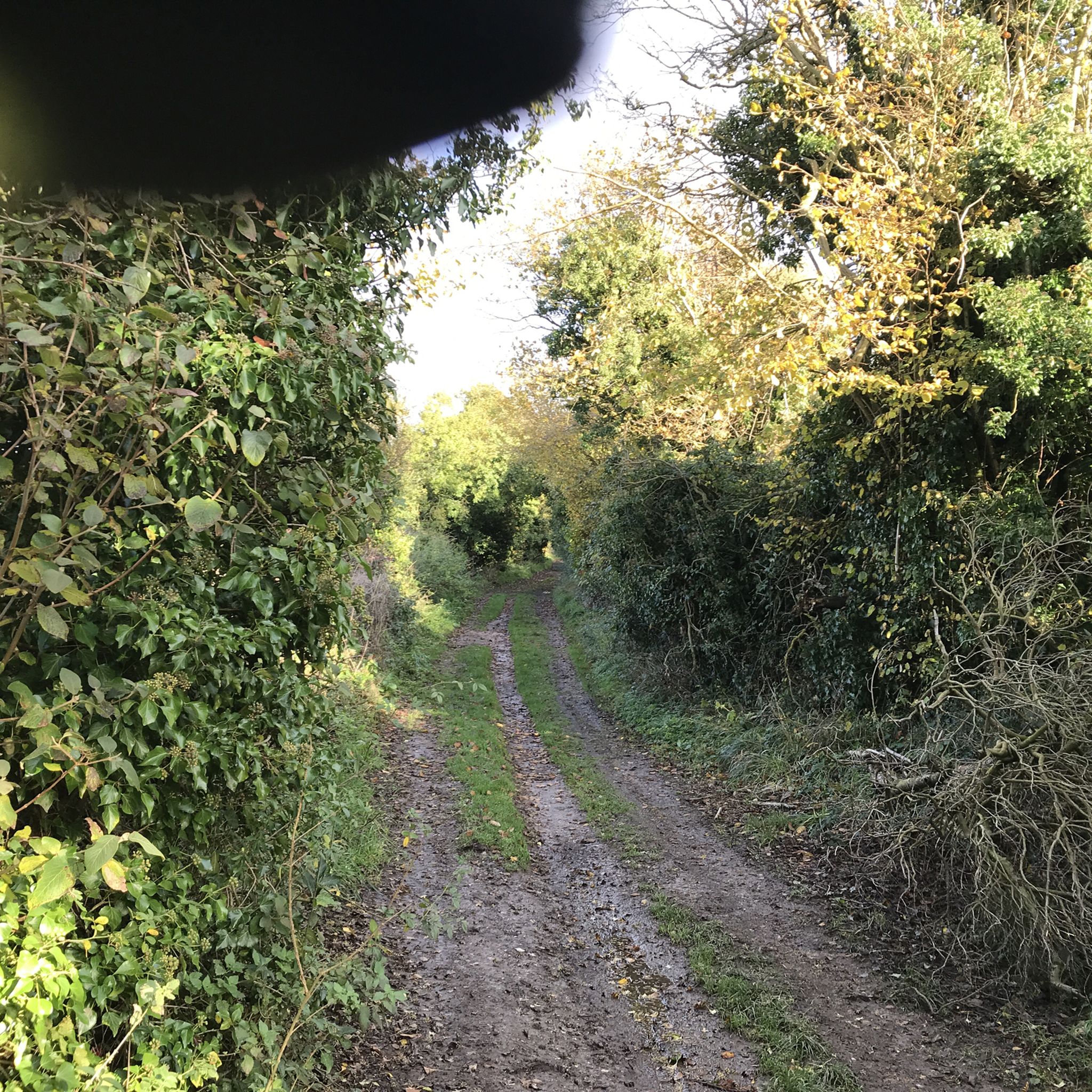
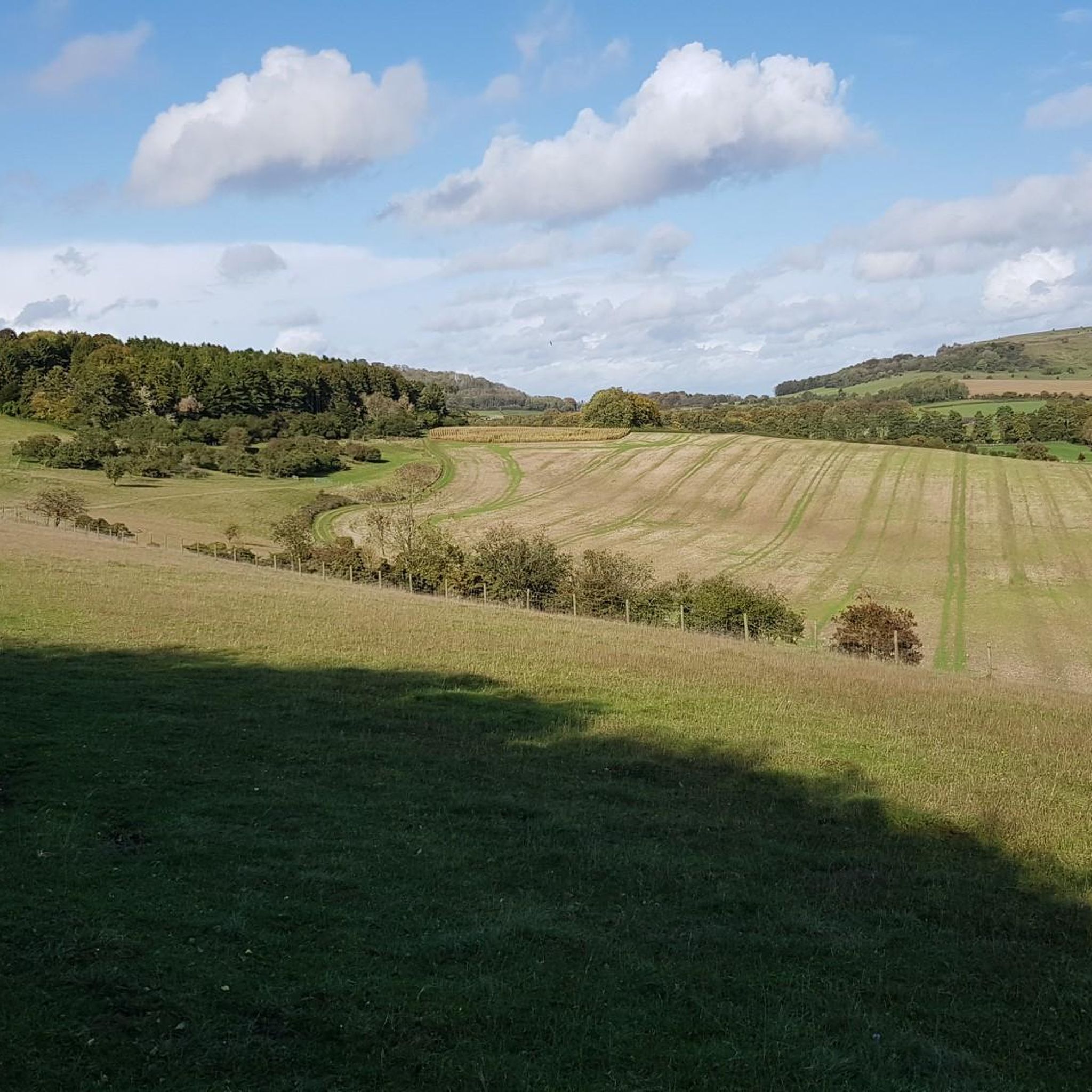
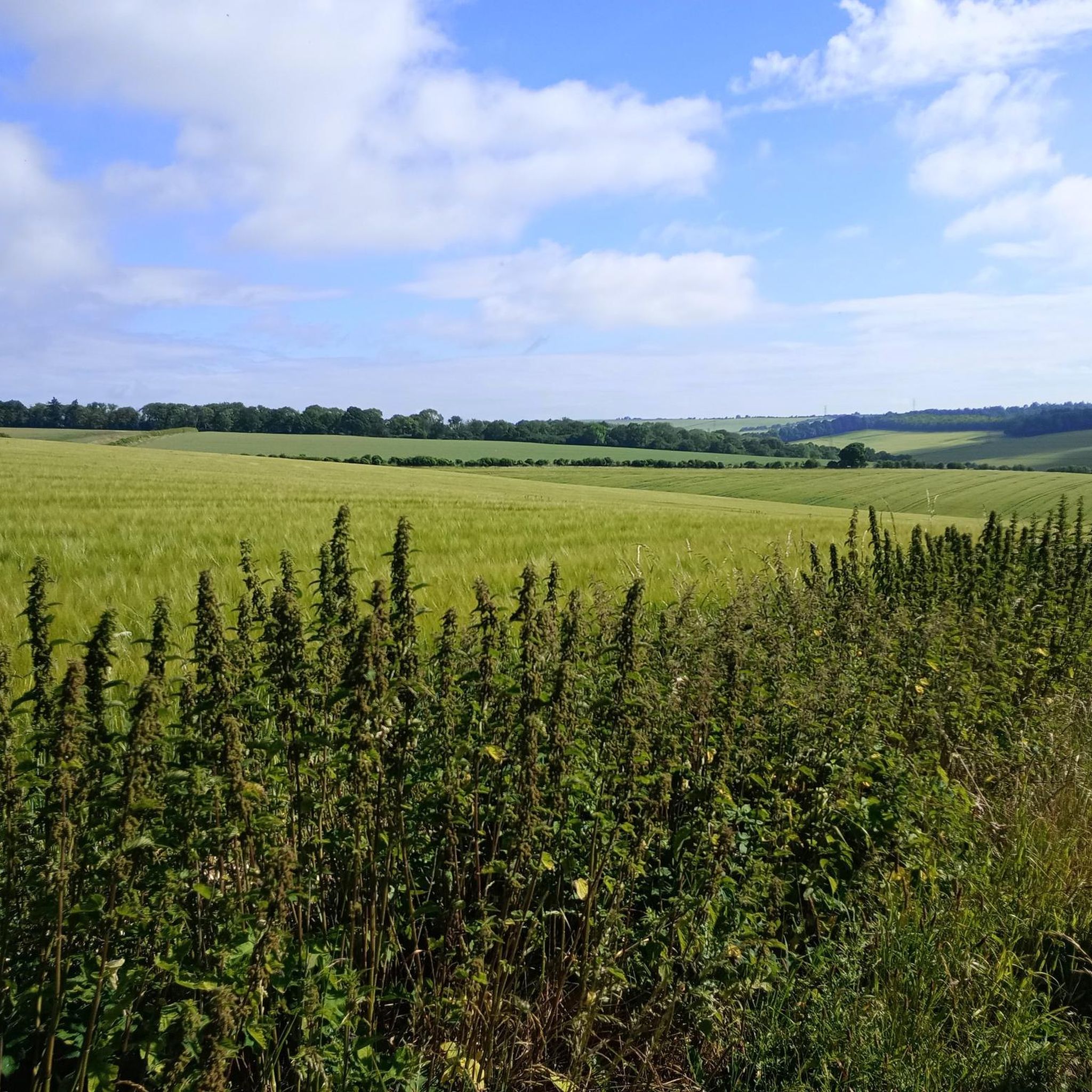
Epic village store. When I visited in May 2026, closing time on a weekday was 6pm sharp. I got a wiggle on to get there well before then, as it was a blazing hot day and I was strongly in need of some cold drinks - which were duly procured. Opens at 08:30 on Sat morning and serving tea and pastries is a great breakfast or elevenses option. Selection of food here is epic, quality is high and prices are fair. If you have access to the CSJ Accommodation list, Hector's House is just across the (busyish) road, and (subject to availability) can offer accommodation, including a brilliant camping option.
0
0


The striking bronze statue of King Alfred the Great is one of Winchester's most recognizable landmarks, dominating The Broadway at the eastern end of the High Street near the River Itchen. Sculpted by Sir Hamo Thornycroft, the colossal, 15-foot-tall figure was erected in 1901 to commemorate the millennium of the king's death—a pivotal figure who made Winchester his capital and is credited with being "The Founder of the Kingdom and Nation," as inscribed on its granite base. Depicting a heroic, bearded Alfred in a regal stance with a downward-pointing sword hilt forming a cross, the statue celebrates his dual role as a military champion against the Vikings and an early Christian leader, all while standing proudly in the city he helped define.
1
0
The Sword: Alfred is shown grasping a large, cross-hilted sword with the point facing downwards. This posture is symbolic, representing not just his prowess as a warrior who defended his kingdom against the Vikings, but also his role as a Christian leader, with the hilt forming the shape of a cross. The Pedestal: The statue rests on a large pedestal of Cornish granite, which is inscribed with just one word: AELFRED. Historical Portrayal: Thornycroft's depiction is a romanticized, heroic one—showing Alfred with a long, flowing beard—even though contemporary coins suggest the King was clean-shaven. The monument represents the Victorian-era idea of Alfred as a perfect warrior, statesman, and philosopher king.
0
0
The statue depicts Alfred the Great (847–899 AD), who was the King of the West Saxons and is traditionally regarded as the first King of the Anglo-Saxons and the founder of the Kingdom of England. Winchester was his capital. Sculptor: Sir Hamo Thornycroft, a highly-regarded Royal Academician. Completion: It was completed in 1901, although it was commissioned to mark the millennium of King Alfred's death (which was in 899 AD). Size: The bronze statue is monumental, standing at 15 feet (4.57 m) high and weighing about five tons. The total height with its granite pedestal is around 40 feet. Location: It stands prominently at the eastern end of The Broadway, near the junction with Bridge Street and Eastgate Street, with the High Street extending behind it toward the city centre.
0
0
Ancient Origins: The earliest surviving structure of the gate is of Anglo-Saxon character, though it was rebuilt in the 12th century and later modified in the 13th and 14th centuries. Military Features: The 14th-century modifications included a portcullis in the western façade and two inverted-keyhole gunports (for hand-held cannon), which are considered some of the earliest in the country. Today, the structure houses the Westgate Museum, which is operated by the Hampshire Cultural Trust.
0
0
The Westgate in Winchester is one of the city's most significant and iconic historical landmarks. It is a fortified medieval gateway that stands prominently at the upper end of the High Street, close to the Great Hall of Winchester Castle. Key Facts and History Surviving Gate: It is one of only two fortified medieval gateways that survive in Winchester (the other being Kingsgate), the rest having been demolished in the 18th century.
0
0
Frequently Asked Questions
How many touring cycling routes are available around Laverstoke?
Laverstoke offers a wide selection of touring cycling routes, with over 130 different options available. These routes cater to various skill levels, including 29 easy, 58 moderate, and 45 difficult paths, ensuring there's a suitable ride for every cyclist.
What kind of terrain can I expect on touring cycling routes in Laverstoke?
The terrain around Laverstoke is diverse, characterized by the rolling topography of the Hampshire Downs. You'll encounter expansive open farmland, ancient woodlands, and areas of chalk downland. The region also features river valleys, particularly along the River Test, a Site of Special Scientific Interest. Some routes include challenging climbs, such as Watership Down, which offers rewarding views from its summit.
Are there any family-friendly touring cycling routes in Laverstoke?
While specific 'family-friendly' routes are not explicitly categorized, many of the 29 easy routes around Laverstoke would be suitable for families. These paths generally feature less challenging terrain and shorter distances, allowing for a more relaxed cycling experience through the scenic countryside.
What are some notable natural features or landmarks to look out for while cycling in Laverstoke?
Cyclists can enjoy several natural and historical landmarks. The Ladle Hill Iron Age Hillfort offers sublime views, and the River Test, an SSSI, flows through Laverstoke Park. You might also spot specimen trees like cedars and beeches within the parkland. For a challenging climb with great views, consider the Watership Down Climb.
Are there any circular touring cycling routes in the Laverstoke area?
Yes, many touring cycling routes in Laverstoke are designed as loops. For example, the moderate River Test – View from the River Test Bridge loop from Whitchurch is a great option for experiencing the local scenery and river views.
What do other touring cyclists say about the routes in Laverstoke?
The touring cycling routes in Laverstoke are highly regarded by the komoot community, holding an average rating of 4.5 stars from over 75 reviews. Cyclists often praise the varied terrain, the scenic beauty of the Hampshire Downs, and the mix of challenging climbs and gentle river valleys.
Can I find routes that pass through villages or offer opportunities for refreshments?
Many routes traverse charming villages and rural landscapes. For instance, the popular Stockbridge High Street – St Mary's Church, Longstock loop from Whitchurch leads through scenic countryside and villages, providing opportunities to stop for refreshments in local cafes or pubs along the way.
What is the best time of year to go touring cycling in Laverstoke?
The Hampshire Downs offer beautiful cycling conditions throughout much of the year. Spring and summer provide lush green landscapes and warmer weather, while autumn brings vibrant foliage. While winter cycling is possible, be aware that some single-track roads might be muddy, and conditions can be colder, especially on exposed downland.
Are there any particularly challenging touring cycling routes for experienced riders?
Absolutely. For experienced touring cyclists seeking a challenge, the difficult Candover Valley Store – Stoke Charity Pond loop from Whitchurch covers 44.5 miles and features significant elevation changes, traversing rolling hills and open farmland with expansive views.
Are there any historical sites accessible by bike in Laverstoke?
Yes, the area is rich in history. Besides the Ladle Hill Iron Age Hillfort, you can also cycle to places like St Mary's Church, Kingsclere, a Norman-era church with a unique weather vane, located in a scenic village.
What are some longer touring cycling routes available in the region?
For those looking for longer rides, the difficult View of Avington Park and Lake – Winchester Cathedral loop from Micheldever is a substantial 71.6 km (44.5 miles) route, offering extensive exploration of the wider area, including views of Avington Park and a journey towards Winchester Cathedral.
Are there any routes that follow river valleys?
Yes, the region's geography includes several river valleys. The Stoke Charity Pond – River Dever Path, Hunton loop from Whitchurch is a moderate 22.8-mile trail that specifically leads through river valleys and rural landscapes, offering a picturesque ride along waterways.
Most popular attractions around Laverstoke

Get inspired with the komoot mobile app


Explore more
Browse the best Cycling routes in other regions.
