Attractions and Places To See around Crondall - Top 20
Best attractions and places to see around Crondall include a blend of historical landmarks, natural features, and cultural sites. This historic village in north-east Hampshire is situated on the gentle slopes of the North Downs, offering scenic views and diverse landscapes. The area features evidence of Roman occupation, medieval strongholds, and well-preserved pre-18th century architecture. Crondall provides a setting for exploring ancient history and natural beauty.
Best attractions and places to see around Crondall
- The most popular attractions is Odiham…
Last updated: October 9, 2026
Odiham Castle Ruins
Highlight • Historical Site
Tip by

Farnham Castle Keep
Highlight • Historical Site
Tip by

Sign up now to discover places like this
Get recommendations on the best single tracks, peaks, & plenty of other exciting outdoor places.
Ash Aqueduct
Highlight • Bridge
The canal was opened in 1995 …
Tip by

All Saints Church and The Pest House, Odiham
Highlight • Religious Site
Tip by

Frensham Little Pond
Highlight • Lake
Tip by

Sign up for free to discover even more attractions around Crondall.
Already have an account?
Start today with a free account
Your next adventure awaits.
Tips from the Community

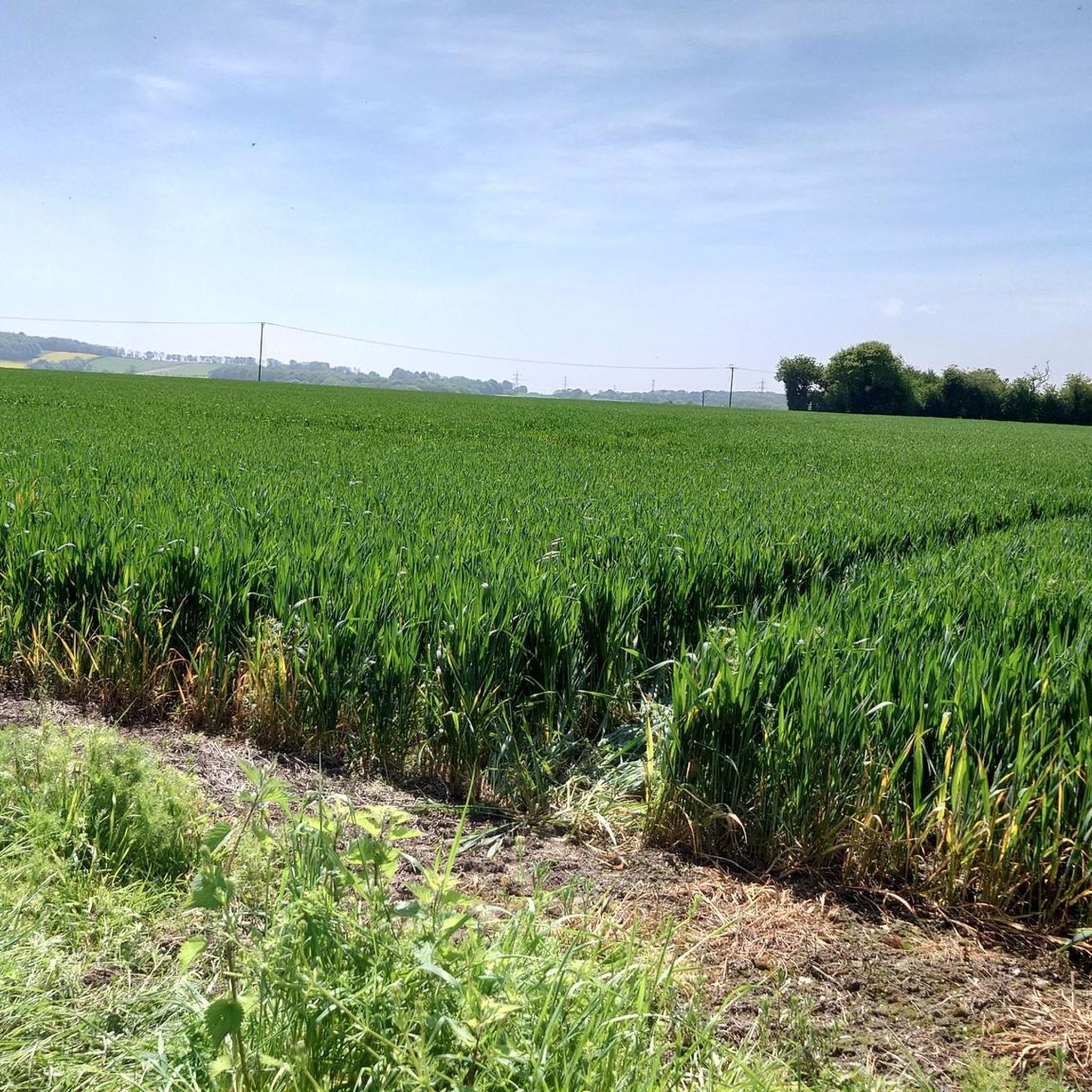
Generally quiet lanes around this area with sandy paths to jump on and off.
0
0

Frensham Little Pond is more tranquil and offers a greater variety of walks and scenery than its nearby neighbour the Frensham Great Pond. Although the circular walk around the Little Pond can become a little busy at weekends there are plenty of other quieter paths to explore!
1
0

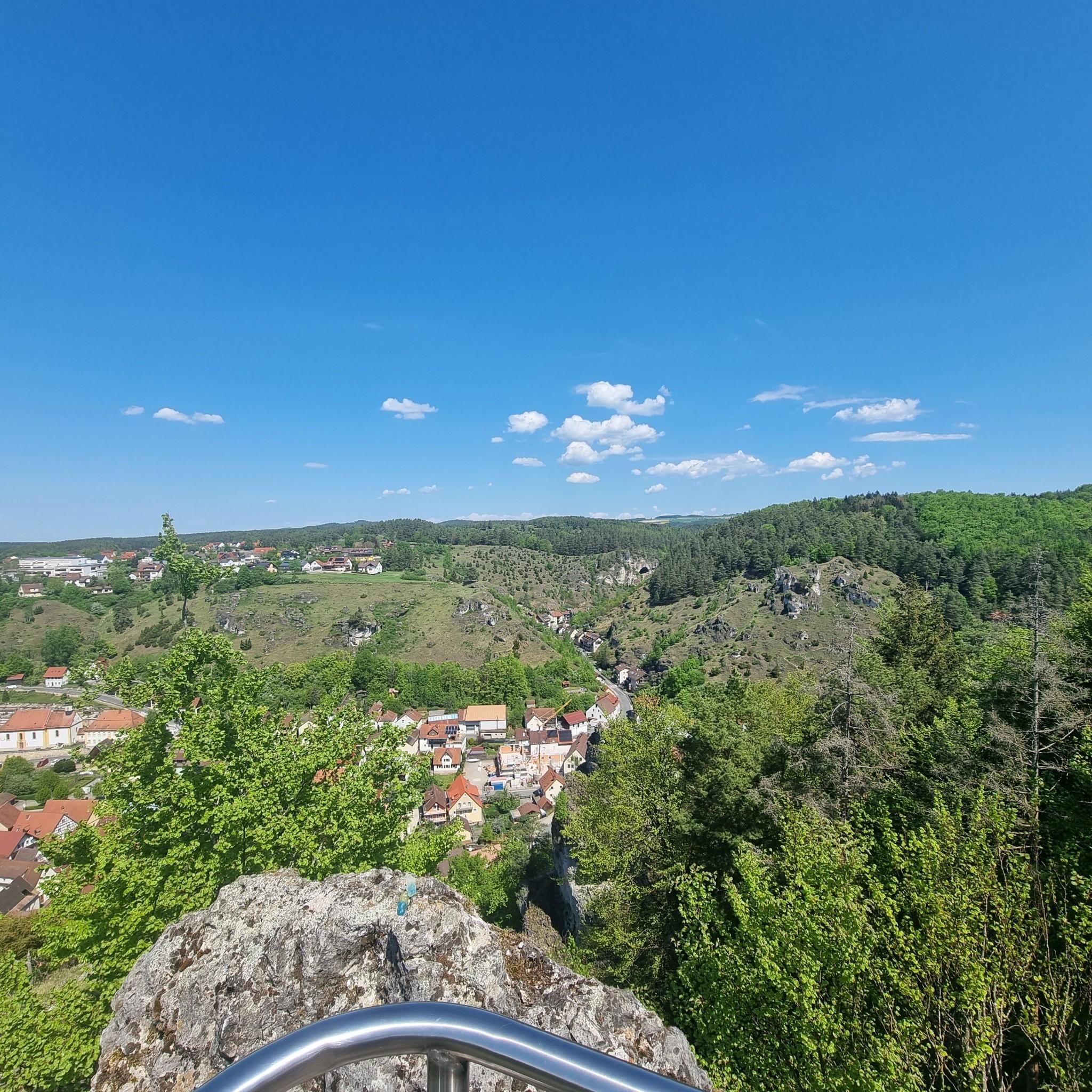
A great viewpoint of Farnham from above is from the Keep at the Castle.
0
0

Frensham Little Pond is a glorious place to hike. It is surrounded by pine trees and sandy hills so makes the perfect location for a longer jaunt taking in the local area or a hike round the pond is under 3km so is perfect for families with children or for a shorter, largely flat, hike. There is some sand and it can be quite rooty by the car park. There as been a lake here since the 13th century when the Bishop of Winchester decreed a dam be built. The resulting pond provided fish for when he was staying at nearby Farnham Castle.
2
0

Thousands of motorists drive underneath this aqueduct on the A331 without having any idea at all that a canal is suspended above their heads. The canal was opened in 1995 and the waterway long pre-dates the A road beneath it. The original plan was to drop the canal down using locks, but the decision was eventually made to keep the canal level and build the road underneath, requiring the construction of the aqueduct. To enjoy this fantastic piece of engineering, walk or ride alongside the canal on the towpath as it passes on its merry way, uninterrupted by the road underneath.
1
0

Dating back to the 11th century and mentioned in the Doomsday book. The oldest visible parts of the present church are the chancel and the base of the tower, dating from the early 13th century
0
0

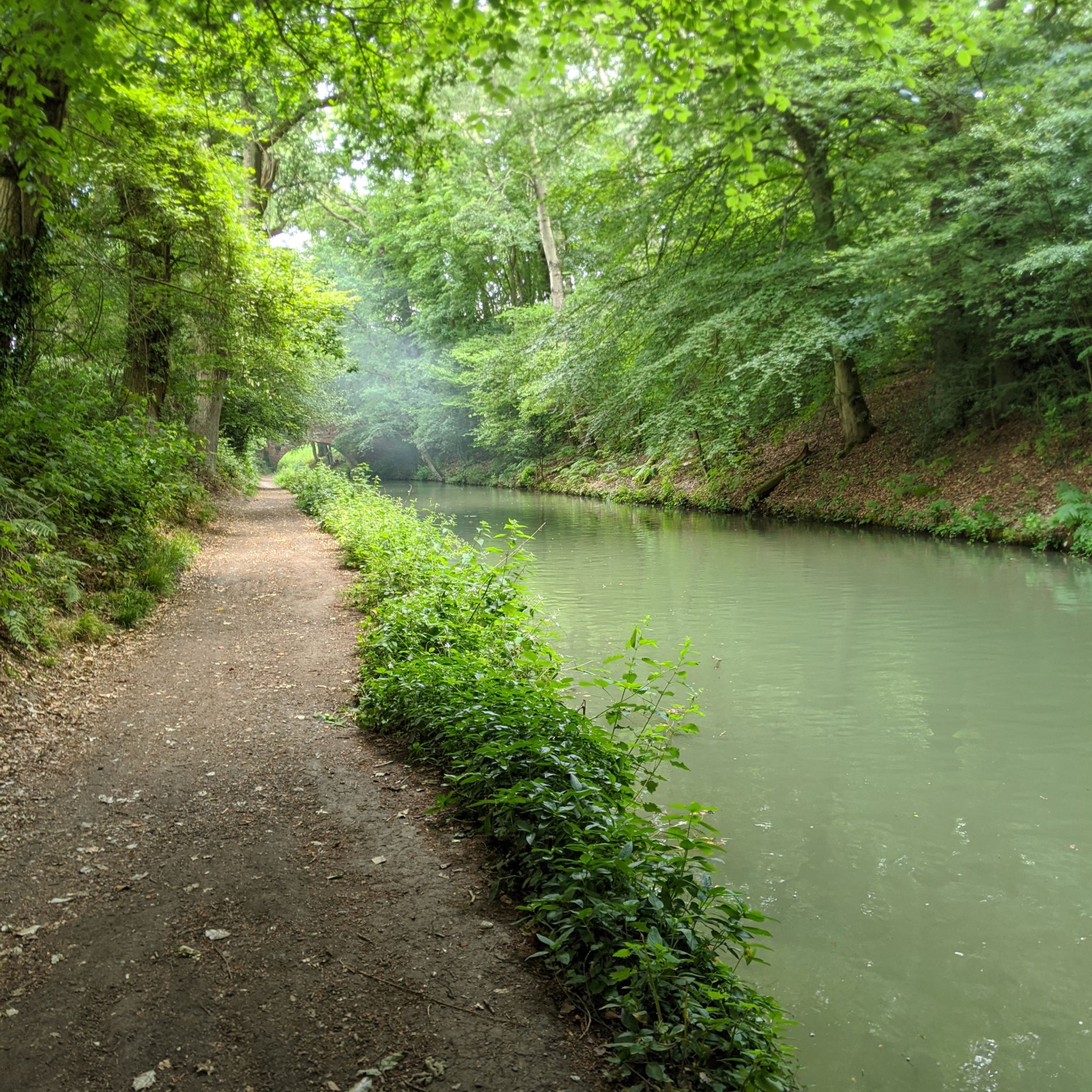
Accessed via the towpath on the Basingstoke Canal, which makes for a pleasant walk, if sometimes a little busy, Odiham Castle is interesting to walk around. The towpath can get a little muddy!
0
0
One of King John's three castles, this spectacular ruin sits on the edge of the Basingstoke Canal around halfway between Windsor and Winchester castles. Odiham Castle was built at the very beginning of the 13th century and was possibly where the king rode out from to sign the Magna Carta at Runnymede. Extended during the later 13th century, over the next 200 years it was sometimes used as a prison. King David II of Scotland was incarcerated here for over a decade although was allowed to keep a household, so it was possibly quite a pleasant stay. Used as a hunting lodge in the 15th century and ruined by 1600, the castle has a significant history. Today, you can visit for free.
0
0
Frequently Asked Questions
What historical sites can I explore in and around Crondall?
Crondall and its surroundings are rich in history. You can visit the impressive ruins of Odiham Castle Ruins, a 13th-century castle with ties to King John and the Magna Carta. Another significant historical site is Farnham Castle Keep, a motte and shell keep castle founded in 1138, which is free to explore. Within Crondall village, All Saints Church, often called 'The Cathedral of North Hampshire', is a 12th-century Norman church built on Anglo-Saxon foundations. Evidence of Roman occupation and Norman strongholds like Barley Pound also dot the landscape.
Are there any natural attractions or scenic spots near Crondall?
Yes, Crondall is nestled on the gentle slopes of the North Downs, offering scenic views over rolling chalk downland and woodlands. A popular natural attraction is Frensham Little Pond, a tranquil lake surrounded by pine trees and sandy hills, perfect for a peaceful walk. The diminutive River Hart also rises within the village itself, and the ancient Harrow Way forms Crondall's southern boundary.
What outdoor activities are popular around Crondall?
The region around Crondall is excellent for various outdoor activities. You can find numerous routes for hiking, cycling, running, and gravel biking. For specific hiking trails, explore the Hiking around Crondall guide, which includes easy to moderate loops like the 'All Saints Church, Crondall – Rapeseed Fields Walk'. Mountain biking enthusiasts can check out the MTB Trails around Crondall guide, while runners can find suitable paths in the Running Trails around Crondall guide.
Are there family-friendly attractions in the Crondall area?
Absolutely! Many attractions around Crondall are suitable for families. Frensham Little Pond offers a circular walk under 3 km, ideal for children. Both Odiham Castle Ruins and Farnham Castle Keep are historical sites that children can enjoy exploring for free. The unique Ash Aqueduct, where a canal is suspended above a main road, is also a fascinating spot for all ages to walk or ride alongside.
What is the Crondall Conservation Area?
The Crondall Conservation Area, established in 1977, is dedicated to preserving the village's unique architectural and historic character. It encompasses the historic village centre, featuring many well-preserved pre-18th century brick and timber-framed cottages and houses that contribute to its pleasing streetscape. You can find more detailed information about the conservation area on the Hart District Council website.
Where can I see unique engineering or architectural marvels near Crondall?
The Ash Aqueduct is a remarkable engineering feat near Crondall. It carries a canal suspended above the A331, allowing visitors to walk or ride along the towpath and appreciate its unique construction. In the village itself, The Plume of Feathers pub stands as a fine example of Tudor architecture.
What do visitors particularly enjoy about the attractions near Crondall?
Visitors frequently praise the historical significance and accessibility of sites like Odiham Castle Ruins, noting it's a great place to stop and explore. The tranquil atmosphere and varied scenery of Frensham Little Pond are also highly appreciated, especially for families. The unique construction of the Ash Aqueduct often surprises and impresses those who discover it.
Are there any ancient or prehistoric sites to visit?
Yes, Crondall has a deep history. Evidence of Roman occupation, including remains of a Roman villa, has been found near Barley Pound and the ancient Harrow Way. The village's All Saints Church was built on the foundations of an Anglo-Saxon church. Additionally, Iron Age earthworks at Caesar's Camp can be found near the Harrow Way.
Can I find places to eat or drink in Crondall village?
Crondall is an attractive rural settlement with a historic core that includes two public houses and a village shop. The Plume of Feathers pub, a fine example of Tudor architecture, is one such establishment, historically serving as a resting stop. These provide welcoming community spots for visitors.
What is the significance of All Saints Church in Crondall?
All Saints Church is a prominent 12th-century Norman parish church, often referred to as 'The Cathedral of North Hampshire'. It is a Grade I listed building and stands at the highest point in the village. It features a Saxon font, 14th-century chapels, and a notable stained glass window. The church also holds a memorial to Sir Richard de Westcote and is the resting place of Viscount Montgomery of Alamein.
Are there any archaeological finds associated with Crondall?
Yes, the Crondall Hoard, discovered in 1828, is a significant archaeological find consisting of a collection of Anglo-Saxon and Merovingian coins, some dating back to the fifth century. Many of these coins are now housed in the Ashmolean Museum at Oxford. Archaeological work at All Saints Church has also revealed evidence of earlier phases of the church and the reuse of Roman tile in its 12th-century construction.
Most popular routes around Crondall
Most popular attractions around Crondall

Get inspired with the komoot mobile app


Explore more
Still not found the Highlight you’re looking for? See guides of the top attractions in other regions:
