Top 7 Castles around Hamble-Le-Rice
Best castles around Hamble-Le-Rice include historical sites reflecting its strategic coastal position. This area, located near Southampton Water and the Solent, has a rich maritime past. It features remnants of 16th-century artillery forts, such as St Andrew's Castle, which played a role in England's coastal defenses. The region also has ties to older structures like Iron Age promontory forts and medieval enclosures.
Best castles around Hamble-Le-Rice
- The most popular castles is The Bargate, a man-made monument that was built…
Last updated: June 22, 2026
The Bargate
Highlight • Monument
Tip by

Cowes Cannons and Marina
Highlight • Settlement
Tip by
Sign up now to discover places like this
Get recommendations on the best single tracks, peaks, & plenty of other exciting outdoor places.
Sign up for free
Calshot Spit
Highlight • Castle
Tip by

Titchfield Abbey
Highlight • Castle
The church was …
Tip by

Royal Yacht Squadron Cannons at Cowes Castle
Highlight • Monument
Tip by

Sign up for free to discover even more castles around Hamble-Le-Rice.
Sign up for free
Already have an account?
Start today with a free account
Your next adventure awaits.
Login or Signup

Tips from the Community

gets you close to the shipping to and from Southampton and gaze in awe at the sheer size of the boat's
0
0

The Bargate in Southampton is a stunning historic landmark that reflects the city's rich history. Originally built in the 12th century as a city gate, its Gothic architecture is impressive, with its detailed stonework and distinctive tower. Today, the Bargate is a symbol of Southampton and a popular meeting place, as well as an important part of the cityscape. It harks back to the city's medieval past and attracts both tourists and locals who come to enjoy the historic atmosphere. A visit to the Bargate is definitely a must to experience Southampton's history and charm.
1
0

I've never seen a post this helpful. I appreciate it and hope to see more postings like this one in the future. Many thanks. https://mymilestoneecard.online/
1
0

Amazing little feature with the canons for sure - adds a bit of spectacle.
1
0
This is such a nice cowes. It is pretty town with beautiful heritage. I am waiting to visit in vacation. https://www.my-milestonecard.com
1
0

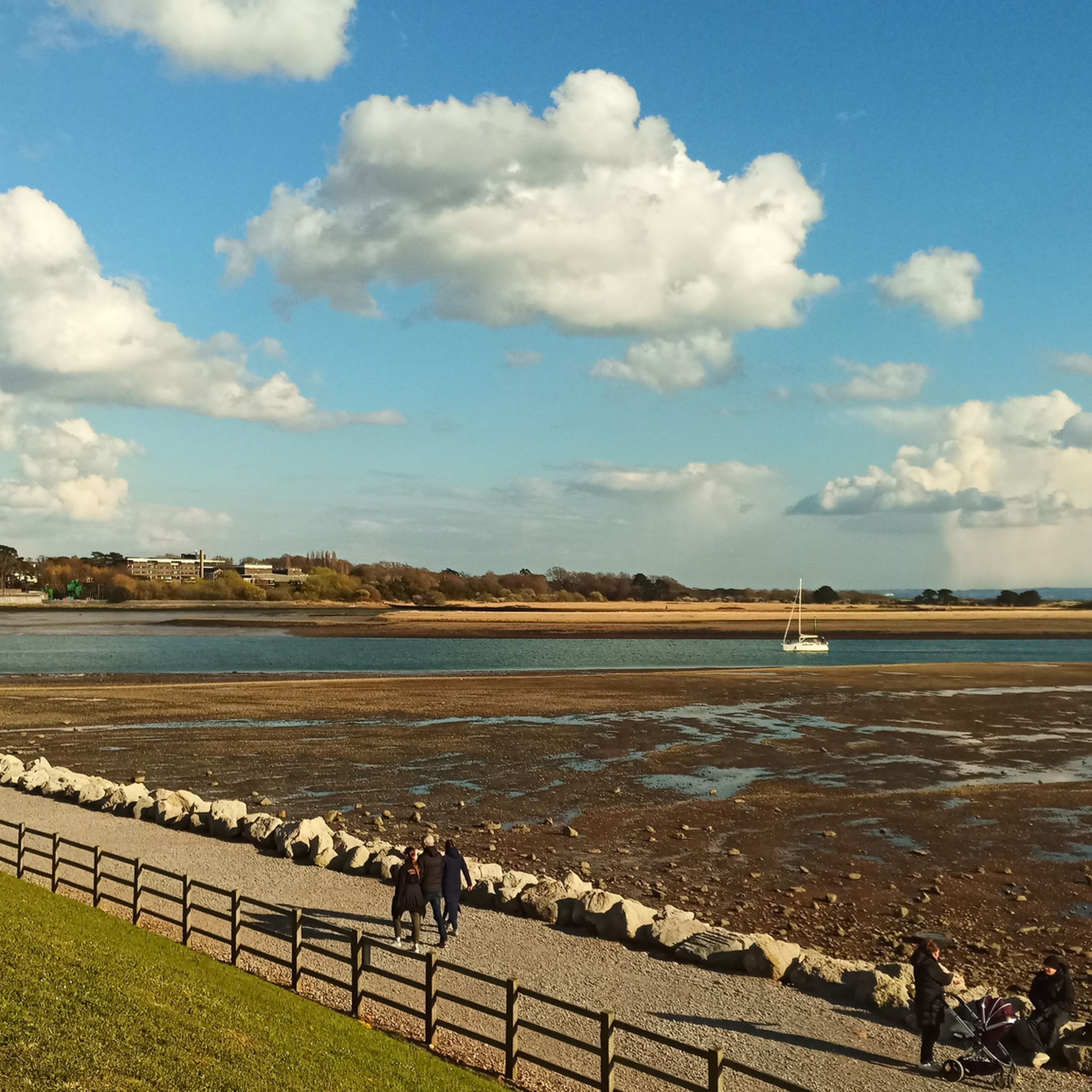
Calshot Spit is in the perfect position for defending Southampton Water. Calshot Castle (surrounded by aircraft hangars) is a Tudor Fort that was built by Henry VIII in the 16th century using stone reused from Beaulieu Abbey. It was later fortified by the Victorians. During the World War I, Calshot provided Channel defence and a training base for pilots. In 1929 and 1931 Calshot was the venue of the famous Schneider Cup Trophy race and was the base of the Supermarine S6 seaplane. Calshot played an important role in the World War II and became home to the Sunderland Flying Boat. Find out more about the history of Calshot inside the Sunderland hangar.
1
0

We're in the Solent and it's all about sailing. Cowes Week is one of the oldest regattas, having been around the Isle of Wight in August since 1826. Most recently, 1,000 yachts took part. At the end of this regatta the Fastnet Race starts, well-known, demanding, notorious. The 608 nautical mile regatta rounds Land's End, Fastnet Rock off the southwest coast of Ireland. the Isles of Scilly and ends in Plymouth. The race is notorious for its weather conditions: in 1979, the Fastnet race ended tragically when the regatta field was caught in a hurricane that was predicted very late. At least 75 boats capsized in the Labadie Sandbank area. 15 regatta participants drowned. And then there are the Americas and the Admirals Cup, two very exclusive regattas that originated here and were held in 1851 and 1851 respectively. Started off Cowes for the first time in 1957. The starting gun was fired then and now with the golden cannons.
1
0

Old city gate at the beginning of the pedestrian zone
1
0
Frequently Asked Questions
What are some prominent historical sites near Hamble-Le-Rice?
The area around Hamble-Le-Rice features several significant historical sites. You can explore The Bargate, an iconic 12th-century city gate in Southampton, or visit the ruins of Titchfield Abbey, a 13th-century Premonstratensian abbey later converted into a Tudor mansion. Additionally, Calshot Spit is home to a Tudor fort built by Henry VIII.
Are there any castles from the Tudor period in the area?
Yes, the region has notable Tudor-era fortifications. Calshot Castle, located on Calshot Spit, is a Tudor fort built by Henry VIII in the 16th century. Hamble-le-Rice itself is home to the remains of St Andrew's Castle, another 16th-century artillery fort constructed during Henry VIII's reign to defend Southampton Water.
Which historical sites are suitable for families to visit?
Several sites are family-friendly. Calshot Spit, with its Tudor fort and beach access, is a great option. Titchfield Abbey, an English Heritage site with free entry, also welcomes families. The Cowes Cannons and Marina area offers a vibrant town atmosphere with maritime history.
Can I find accessible historical sites around Hamble-Le-Rice?
Yes, The Bargate in Southampton is noted as wheelchair accessible, making it an option for visitors seeking easier access to historical landmarks.
What kind of outdoor activities can I do near these castles?
The area offers various outdoor activities. You can find numerous cycling routes, including road cycling and gravel biking. For example, there are easy road cycling routes like the 'Bishops Waltham Pond – Bishop's Waltham Palace Ruins loop from Hamble' or moderate gravel biking routes such as the 'Beaulieu Mill Pond – Beechen Lane Gravel Track loop from Fawley'. You can explore more options on the cycling guides for Hamble-Le-Rice.
What is the history behind St Andrew's Castle in Hamble-Le-Rice?
St Andrew's Castle was a vital part of England's coastal defenses, built between 1542 and 1543 during King Henry VIII's reign. Its strategic location protected Southampton Water from potential invasions. While largely destroyed by coastal erosion, fragments of its stone walls and earthworks are still visible on Hamble Common, offering a glimpse into its past as a significant artillery fort. You can learn more about its history on Wikipedia.
Where can I see cannons and learn about maritime history?
For maritime history and cannons, visit Cowes Cannons and Marina. Cowes is renowned for its sailing heritage and shipbuilding. You can also see the Royal Yacht Squadron Cannons at Cowes Castle, which are famously fired to signal the start of Cowes Week regattas.
Is there an old abbey I can visit near Hamble-Le-Rice?
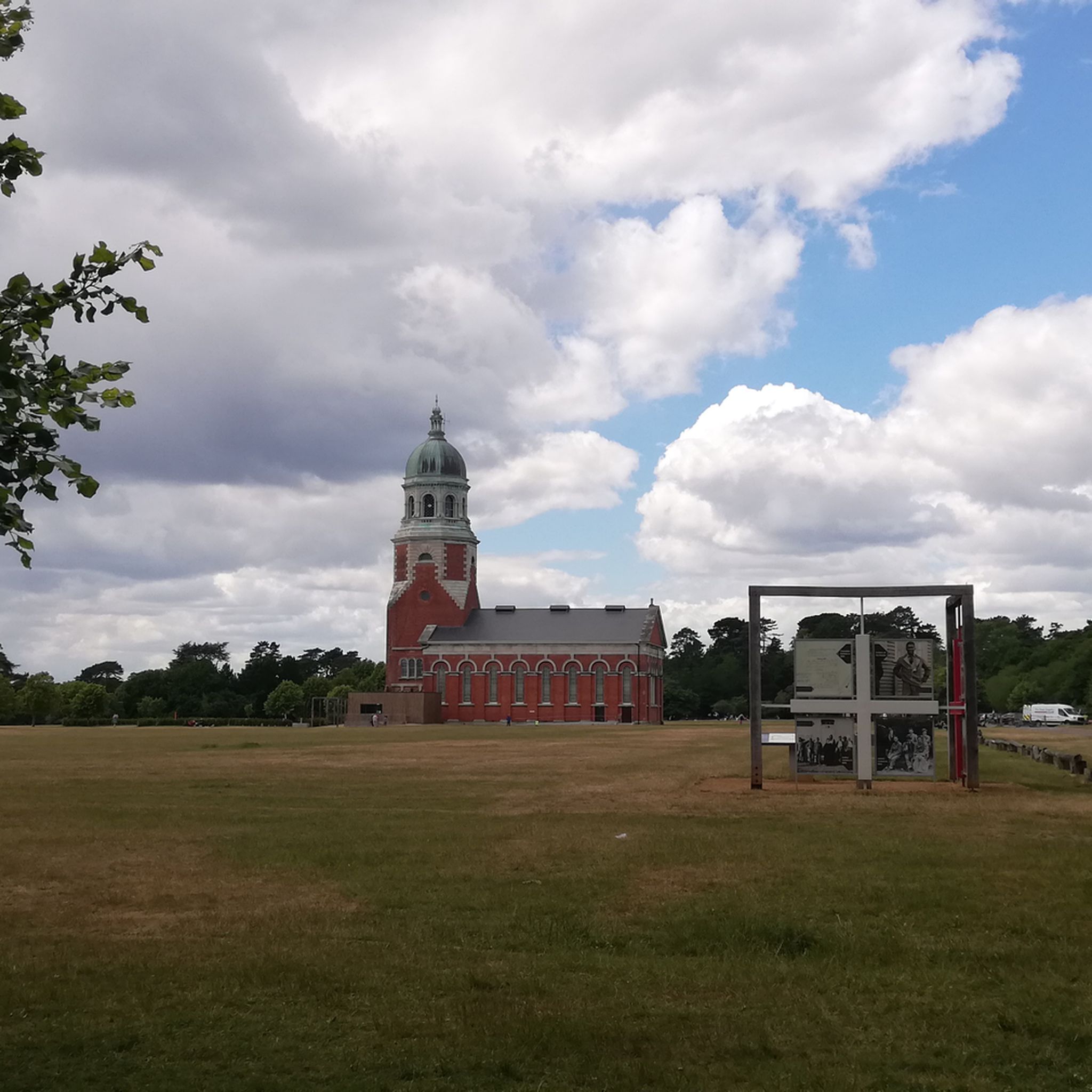
Yes, you can visit Titchfield Abbey. These are the ruins of a 13th-century Premonstratensian abbey that was later transformed into an impressive mansion by the Tudor Earls of Southampton. It's an English Heritage site with free entry.
What do visitors enjoy most about the historical sites in this region?
Visitors appreciate the rich historical significance and the opportunity to explore remnants of England's past. Highlights like The Bargate are valued for being part of Southampton's original city walls, while Calshot Spit offers a unique combination of Tudor history and views of shipping traffic. The vibrant maritime atmosphere and historical cannons at Cowes also receive positive feedback.
Are there any hidden historical gems worth discovering?
While only fragments remain, the site of St Andrew's Castle on Hamble Common is a less obvious but historically significant spot. It offers a tangible link to Hamble-le-Rice's role in England's coastal defense and its maritime past, including ties to an Iron Age fort. It's a scheduled monument open to the public, allowing for quiet exploration and reflection on its former grandeur.
Can I combine a castle visit with a walk or cycle?
Absolutely. Many of the historical sites are located in areas conducive to walking and cycling. For instance, you can explore the area around Calshot Castle on cycling routes, or enjoy a walk around Hamble Common where St Andrew's Castle once stood. The region's cycling guides offer various routes that pass by or near historical points of interest.
What are the main historical periods represented by the castles in the Hamble-Le-Rice area?
The castles and historical sites in this area primarily represent the medieval and Tudor periods. The Bargate dates back to the 12th century, while Titchfield Abbey originates from the 13th century. The 16th century is well-represented by Tudor coastal forts like St Andrew's Castle and Calshot Castle, built during Henry VIII's reign.
Most popular routes around Hamble-Le-Rice
Most popular attractions around Hamble-Le-Rice

Get inspired with the komoot mobile app


Explore more
Looking for the best castles somewhere else? Discover other guides around Hamble-Le-Rice:
