The best road cycling routes around Burray
5.0
(4)
120
riders
4
rides
Road cycling routes around Burray are characterized by the unique geography of the Orkney Islands, featuring relatively flat terrain across causeways and coastal roads. The island's landscape is shaped by Old Red Sandstone geology and indented coastlines, offering varied scenery. The Churchill Barriers provide smooth surfaces and connect Burray to other islands, facilitating extended rides. These features contribute to a network of routes suitable for road cyclists seeking coastal views and historical points of interest.
Best road cycling routes around…
Last updated: May 16, 2026
5.0
(2)
57
riders
52.4km
02:17
480m
480m
Cycle a moderate 32.6 miles (52.4 km) section of the EuroVelo 12 in the Orkney Islands, passing Churchill Barriers and Kirkwall Harbour.
5.0
(1)
11
riders
84.9km
03:36
680m
680m
Cycle the North Sea Cycle Route: Orkney Mainland, a moderate 52.7-mile (84.9 km) route with 2238 feet (682 metres) of elevation gain.

Sign up for free
6
riders
31.0km
01:18
240m
240m
Easy road ride. Great for any fitness level. Mostly well-paved surfaces and easy to ride.
5.0
(1)
35
riders
Moderate road ride. Good fitness required. Mostly well-paved surfaces and easy to ride.
11
riders
25.9km
01:07
170m
170m
Easy road ride. Great for any fitness level. Mostly well-paved surfaces and easy to ride.
Our route recommendations are based on thousands of hikes, rides, and runs completed by other people on komoot.
Start today with a free account
Your next adventure awaits.
Login or Signup
Popular around Burray
Tips from the Community

Churchill had 4 dams built here and his own ships sunk so that the Germans would not get their hands on them
0
0

In the often storm-tossed seas of the Atlantic lies the Scapa Flow off the Orkney Islands, which belong to Scotland. A very special stretch of water measuring more than 300 square kilometers, a kind of natural harbor off the two main islands of the Orkneys. But what makes it so unique is underwater. A ship graveyard that is probably one of the most spectacular diving spots in Europe, if not the world. The story of its creation tells of a forgotten chapter of the First World War. According to the town's official website, the name Scapa Flow comes from the Norse word Skalpaflói, which means “The Bay of the Long Isthmus”. Accordingly, the place was first used by the British Admiralty around 1800 as a strategic natural harbor in the Napoleonic Wars. At a depth of up to 40 meters, merchant ships were allowed to anchor here before they set off for the Baltic North Sea ports. But Scapa Flow would not finally take its place in the history books until 1919. During the First World War, the British fleet moved its base to the difficult-to-access Scapa Flow. Old defenses on land were also put back into operation at this time. After Germany had to admit its defeat in the war in 1918, the ships of the German Navy with their crew on board were held there as prisoners of war. And so on June 21, 1919, one of the greatest ship accidents in world history occurred. The word “misfortune” is misleading, because it was actually an ordered tragedy. The commander of the German navy in the Scapa Flow, Admiral Ludwig von Reuter, believed at this point that the peace negotiations with the victorious powers had failed. In order to prevent “his” ships from finally falling into the hands of the enemy, he had them sunk without further ado on his orders. That day, 52 German warships found their watery grave in the waters of Scapa Flow. To date, this is the largest sinking ever recorded.
0
0

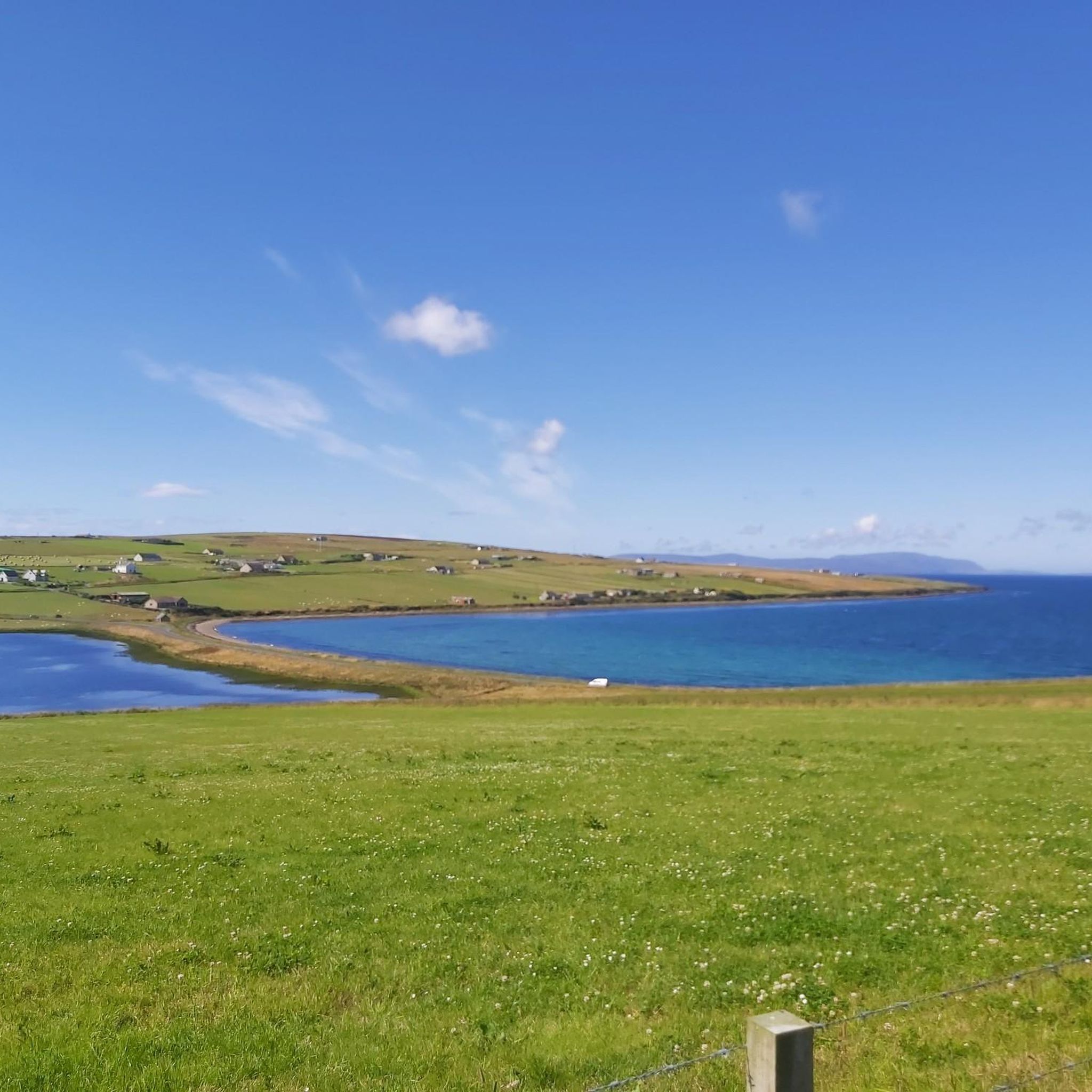
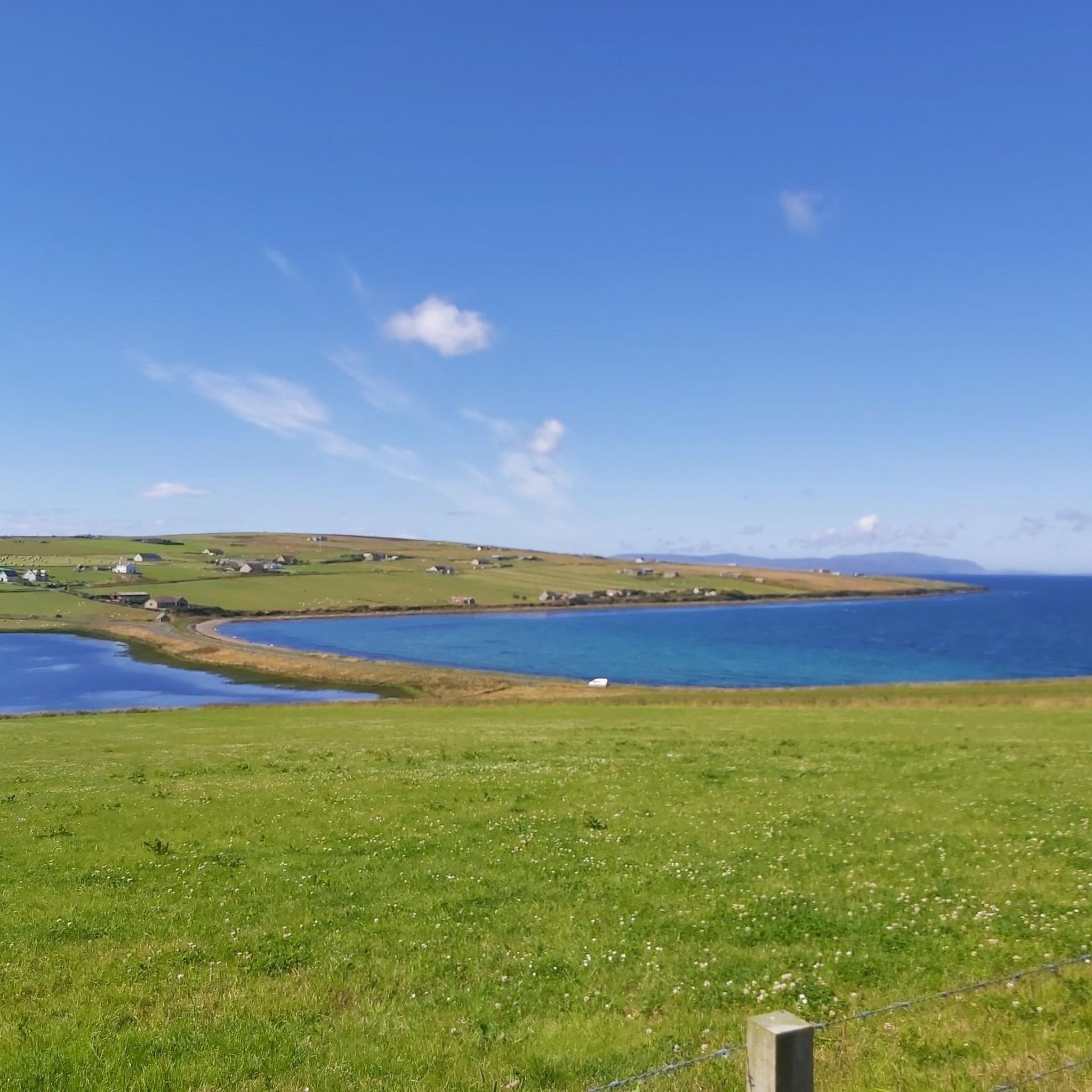
Here you can enjoy great views over the well-known Churchill Barriers. The barriers were built in 1945 and act as a causeway connecting the Orkney mainland with the isles of Lamb Holm, Glimps Holm, Burray and South Ronaldsay.
1
0
Burwick Pier is located on the southernmost tip of South Ronaldsay island. It's the Orkney landing point for passengers and cyclists on the John O'Groats Ferry. Ferries run daily, and you can find the times on the site... jogferry.co.uk/Ferry.aspx
1
0
Jump off the bike, take a rest, and enjoy wonderful views over to Scapa Beach, located just a mile or so from Kirkwall and Orkney's most popular beach.
1
0
St Margaret's Hope is the main town on the Orkney island of South Ronaldsay. The small town lies in a sheltered bay and features an attractive waterfront, a gift shop and museum, and a coffee shop, 'Robertson's Coffee House and Bar'. There is a ferry service that runs between St Margaret's Hope and Gills Bay on the mainland, you can find the times here https://www.orkney.com/listings/pentland-ferries
1
0
Kirkwall is the largest town on Scotland's beautiful northern archipelago of Orkney. In this bustling town, there are many wonderful places to discover, including cafés, restaurants, bars, museums, a cathedral, and many other historic landmarks.
1
0
Burwick Pier is located on the southernmost tip of South Ronaldsay island. It's the Orkney landing point for passengers and cyclists on the John O'Groats Ferry. Ferries run daily, and you can find the times on the site... https://www.jogferry.co.uk/Ferry.aspx
1
0
Frequently Asked Questions
What kind of terrain can I expect on road cycling routes around Burray?
Road cycling routes around Burray are largely characterized by relatively flat terrain, especially across the historic Churchill Barriers. The island's landscape, shaped by Old Red Sandstone geology, also features indented coastlines, offering varied scenery and coastal views. While generally smooth, some routes may have gentle undulations.
Are there road cycling routes suitable for beginners or families in Burray?
Yes, Burray offers options for various skill levels. For an easier ride, consider the St Mary's to South Ronaldsay via Churchill Barriers & Wheems Organic Farm route. This 19.3-mile (31.0 km) trail is rated as easy and traverses the relatively flat Churchill Barriers, making it a good choice for those seeking a less challenging experience.
What historical landmarks or natural features can I see while cycling in Burray?
Burray's routes offer a blend of history and natural beauty. You'll cycle across the iconic Churchill Barriers, which are historical attractions themselves and provide stunning coastal views. The area also offers glimpses of Scapa Flow, a historically significant natural harbour. For those interested in the island's past, the Fossil and Heritage Centre at Viewforth provides insights into local history.
When is the best time of year to go road cycling in Burray?
The spring and summer months (roughly April to September) are generally the most pleasant for road cycling in Burray. During this time, roadside verges are vibrant with wildflowers, and birdlife is abundant. The weather tends to be milder, though it's always wise to be prepared for changeable conditions typical of the Orkney Islands.
Are there any circular road cycling routes around Burray?
Yes, there are circular options available. A popular choice is the View of the Churchill Barriers – The Churchill Barriers loop from Tankerness. This moderate 37.5-mile (60.4 km) path provides extensive views of the Churchill Barriers and the surrounding coastal landscape as a loop.
What kind of wildlife might I encounter on a road cycling trip in Burray?
Despite its size, Burray is rich in biodiversity. You might spot various bird species like Eurasian curlew, herring gulls, and even short-eared owls. The sand and dunes at Barrier No. 4 beach are particularly rich in flora. Common and Grey Seals are frequently seen around Hunda, and with patience, porpoises and dolphins can sometimes be sighted in the surrounding waters.
Where can I find parking for road cycling routes in Burray?
While specific parking areas for each route are not detailed, the accessibility of Burray via the Churchill Barriers means there are likely parking opportunities near the start points of routes, particularly around the causeways or in the main settlements. It's advisable to check local signage upon arrival.
Can I access Burray's cycling routes using public transport?
Burray is one of the Orkney Islands, connected to Mainland Orkney via the Churchill Barriers. Public transport options, such as local bus services, operate across the islands, which may allow access to Burray and areas near cycling route start points. It's recommended to check current Orkney bus timetables for specific routes and bike carriage policies.
Are there places to stop for food or drink along the road cycling routes in Burray?
Burray, being a smaller island, has limited amenities. However, there are local establishments that cater to visitors. The Fossil and Heritage Centre at Viewforth might offer refreshments, and nearby South Ronaldsay, connected by the Churchill Barriers, will have more options for cafes, pubs, and accommodation for cyclists.
What makes road cycling in Burray unique compared to other regions?
The unique appeal of road cycling in Burray lies in traversing the historic Churchill Barriers, a series of causeways connecting several islands. This offers a 'special experience unmatched anywhere else,' allowing cyclists to ride between islands with ease, enjoy expansive coastal views, and experience the smooth surfaces of these historical structures. The blend of history, geology, and island hopping is truly distinctive.
What is the overall rating for road cycling routes in Burray by the komoot community?
The road cycling routes in Burray are highly rated by the komoot community, with an average score of 5.0 stars from 4 reviews. Cyclists often praise the unique experience of riding across the Churchill Barriers and the scenic coastal landscapes.
Most popular routes around Burray
Most popular attractions around Burray

Get inspired with the komoot mobile app


Explore more
Browse the best Road cycling routes in other regions.
