Attractions and Places To See around Thurlaston - Top 20
Attractions and places to see around Thurlaston, a village in Leicestershire, England, include a selection of historical landmarks and natural features. The area provides access to various walking routes and points of interest, such as ancient woodlands and community hubs. Its surroundings feature significant natural attractions and cultural sites, offering diverse exploration opportunities. The village itself contains notable structures like the Church of All Saints and the Thurlaston Windmill.
Best attractions and places to see around Thurlaston
- The most popular…
Last updated: October 5, 2026
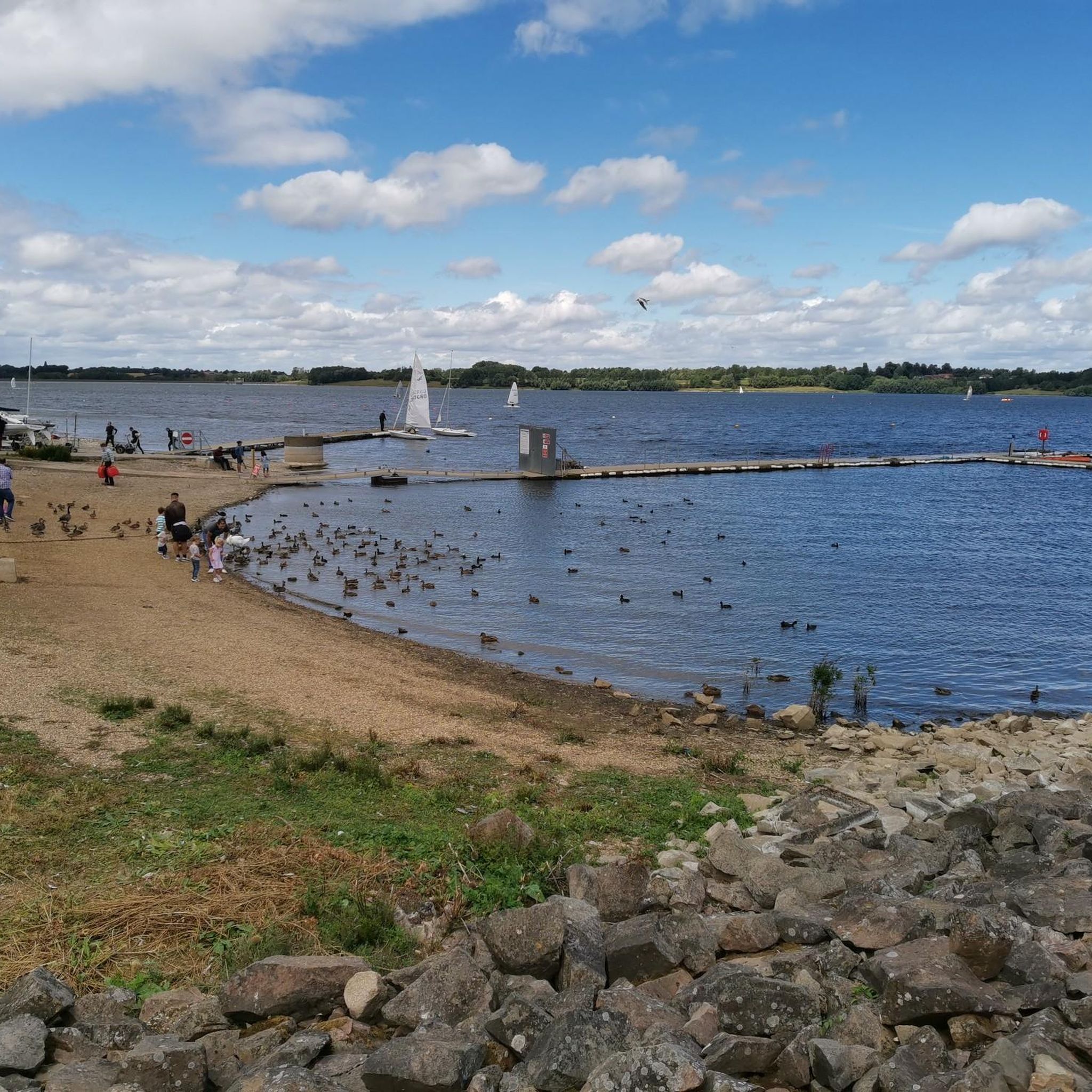
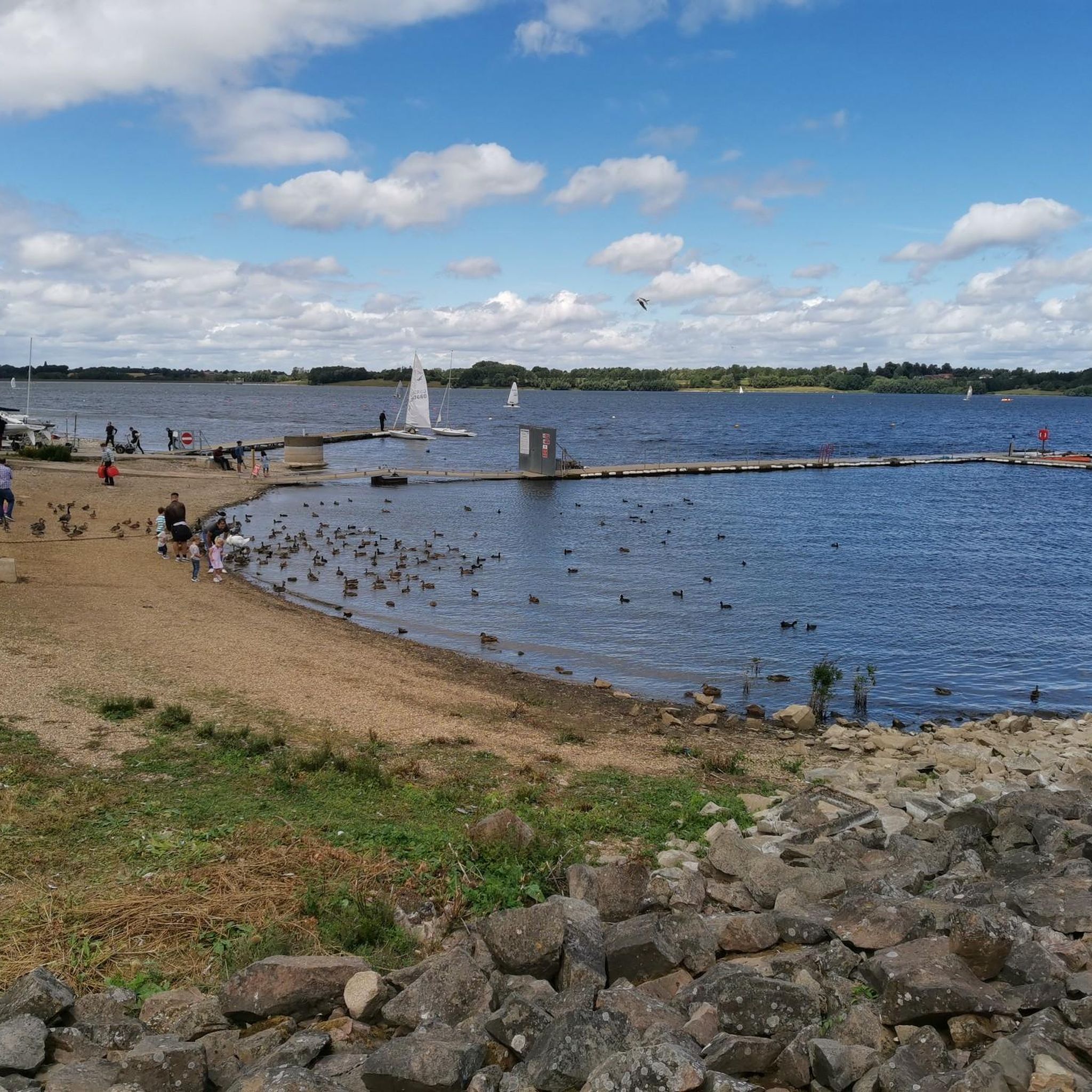
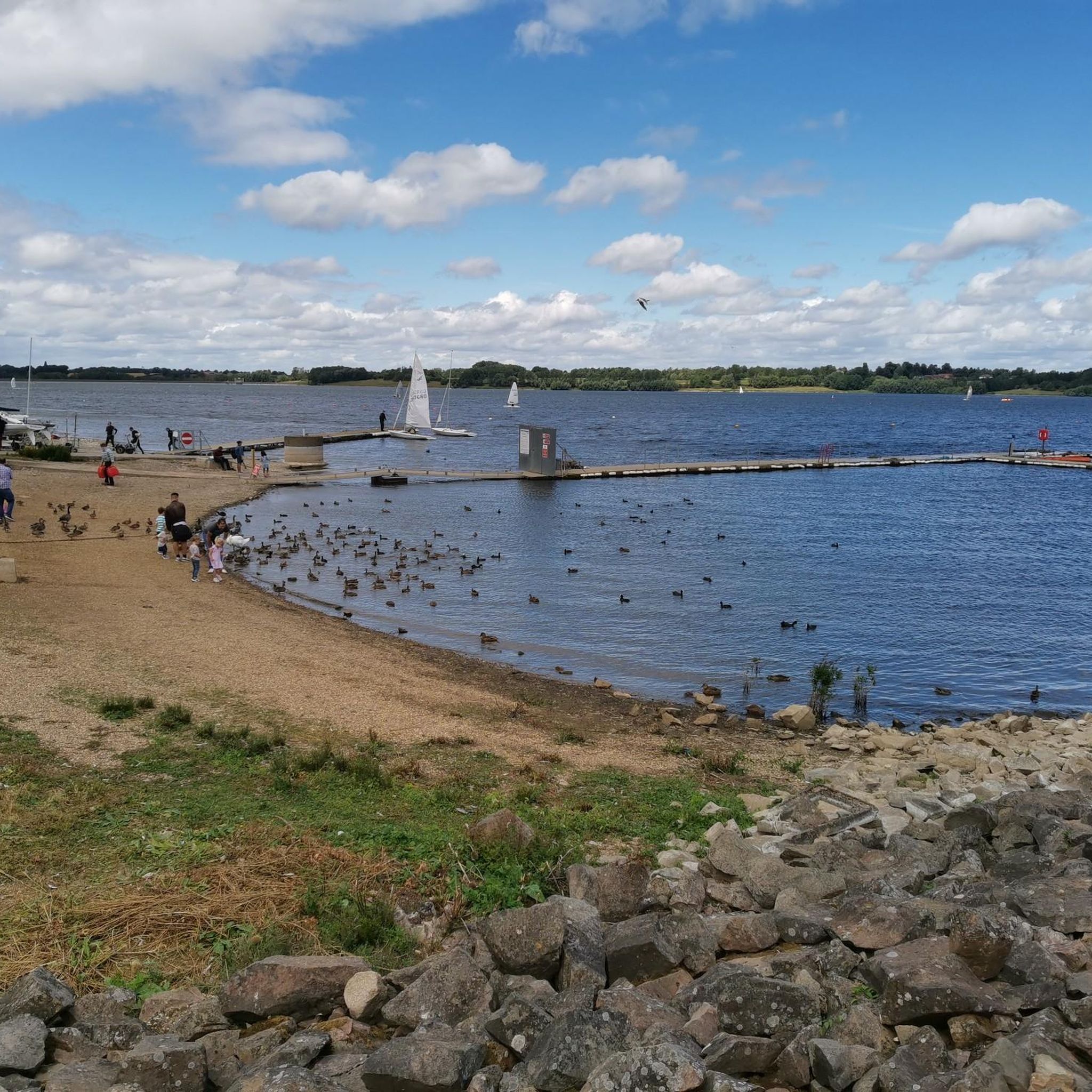
Draycote Water
Highlight • Lake
Translated by Google •
Tip by

Elephant Sculpture at Ryton Pools
Highlight • Monument
Tip by

Sign up now to discover places like this
Get recommendations on the best single tracks, peaks, & plenty of other exciting outdoor places.
Sand Martin Nesting Wall, Ryton Pools Country Park
Highlight • Natural
Tip by

Holy Well, Southam
Highlight • Natural Monument
Tip by

St Giles' Church, Bubbenhall
Highlight • Religious Site
Tip by

Sign up for free to discover even more attractions around Thurlaston.
Already have an account?
Start today with a free account
Your next adventure awaits.


Tips from the Community

It is an unusual half-moon stone structure holding the water, with three strange heads out of whose mouths the water flows down to the river.
0
0

If you follow the beautiful trail that departs from Southam heading east and runs alongside the River Stowe, you will come across The Holy Well, believed to be the oldest recorded Holy Well in England. It has been there for over a thousand years, with its most recent renovation taking place almost twenty years ago.
1
0
The primary structure of St. Giles Parish Church dates back to the 13th and 14th centuries, while the chapel's origins can be traced back to a period prior to 1153. In the church, you'll come across a pair of "green men" that hail from the 13th century, a Norman font, and stained glass created by Kempe. Additionally, the medieval tower houses a set of six bells.
1
0

Draycote Water is an artificial reservoir (23 million m3), which was completed in 1969. In addition to its function as a water reserve, it is a leisure park u.a. for anglers, sailors, hikers. The rich bird life invites also to observations. Swimming is not allowed in the lake.
1
0

These sculptures were created to remind visitors of the rich geological history of the Ryton Pools where pieces of neck, tooth and tusk of the straight-tusked elephant were found in the local sand quarries. These massive creatures roamed this area half a million years ago and the life size sculptures bring to life the ancient history of the park.
1
0


Funded through the National Lottery Heritage Fund the Dunsmore Living Landscape scheme aims to restore the most significant area of ancient woodland in Warwickshire, increase landscape connectivity through the restoration of hedgerows, grasslands, ponds and heritage sites and engage local communities in a programme of natural and heritage-related activities. These metal sculptures were created and installed to help bring to life the geological history of the Dunsmore Living Landscape Scheme area at Ryton Pools, where pieces of neck bone, tooth and tusk of the Straight-tusked elephant Palaeoloxodon antiquus, were all found in the local sand quarries. The sculptures were a collaboration between Spencer Jenkins, a green wood and metalwork artist (designer, and project manager), and Artfabs Ltd, a specialist fabrication contractor who will assist with larger construction challenges. These creatures would have roamed the area around half a million years ago. The life size sculptures will bring to life the ancient history of the park and reflect important palaeontological finds made on the site during quarrying.
0
0
As part of the creation of a new UK Mail facility at the Prologis Park Ryton, our client Prologis had created a temporary borrow pit as part of the works and inadvertently, created the perfect new home for a colony of Sand Martins Riparia riparia which moved in and successfully bred (2015). The birds were left to nest in peace after a wide exclusion zone was implemented but realising that the site was on the birds’ migration route together with the fact that the borrow pit couldn’t stay on site long-term, we worked with Prologis, Whiting Landscapes and the park rangers at nearby Ryton Pools Country Park to create a brand new permanent and purpose-built nesting site in this 100 acre site managed jointly between Warwickshire County Council and Warwickshire Wildlife Trust. The Sand Martin nesting wall was completed in March 2016 and this year has already had a couple of pairs taking an interest. As well as providing a large and safe nesting habitat, the 15m long structure also has a number of pre-formed swallow nest sites and a rear door inspection hatch so that the rangers can keep an eye on the nesting progress and carry out any necessary maintenance. To prevent predation by other wildlife such as stoats, an anti-predator baffle has been installed below the tunnels which have been constructed of plastic pipes. We also helped create the new information board which has been installed opposite the nesting wall to inform the local visitors to the country park about the new nesting site. It’s hoped that grizzled skipper butterflies will also benefit from the new structure as one of the food plants of the larvae stage – strawberries – are to be planted on the aggregate roof in the near future! Sand Martins are gregarious and therefore tend to nest in large colonies. They are Europe’s smallest hirundine (martins and swallows) and the insectivorous birds are summer visitors to the UK, over-wintering in Africa.
0
0
Frequently Asked Questions
What unique man-made monuments can I find near Thurlaston?
You can visit the Elephant Sculpture at Ryton Pools. These life-size sculptures commemorate the area's rich geological past, where remains of straight-tusked elephants were discovered half a million years ago.
Are there any historical religious sites in or near Thurlaston?
Yes, Thurlaston is home to the Church of All Saints, its sole listed building, which underwent significant restoration in the 1840s. Additionally, you can explore St John the Baptist Church, a parish church rebuilt around the end of the 15th century, featuring interesting architectural details and a history dating back to the 11th century.
What natural features are worth exploring around Thurlaston?
You can discover Ryton Wood, one of the county's largest surviving semi-natural ancient woodlands, covering 85 hectares and dating back to the 11th century. Another notable natural site is Holy Well, Southam, believed to be the oldest recorded Holy Well in England, with a history spanning over a thousand years.
Are there family-friendly attractions near Thurlaston?
Yes, several attractions are suitable for families. The Elephant Sculpture at Ryton Pools offers an engaging way to learn about ancient history. The Sand Martin Nesting Wall, Ryton Pools Country Park, provides an opportunity to observe wildlife and learn about bird conservation. Ryton Wood also offers family-friendly walks through ancient woodlands.
What kind of outdoor activities can I do near Thurlaston?
The area around Thurlaston offers various outdoor activities. You can find numerous hiking routes, including easy to moderate loops around Draycote Water. For mountain biking, there are trails like the 'Red Banger' loop near Cawston. Running enthusiasts can explore routes such as the 'Cock Robin Plantation loop'. You can find more details and routes in the Hiking around Thurlaston, MTB Trails around Thurlaston, and Running Trails around Thurlaston guides.
Where can I observe unique wildlife near Thurlaston?
The Sand Martin Nesting Wall, Ryton Pools Country Park, is a purpose-built 15m long structure providing a safe habitat for Sand Martins, which are summer visitors to the UK. An information board is available for visitors to learn more about these birds.
Are there any notable historical buildings in Thurlaston village?
Beyond the Church of All Saints, Thurlaston features the Thurlaston Windmill on Main Street. Built in 1794, this red-brick, six-story tarred tower is now a private residence but remains a distinctive historical landmark.
What is the Thurlaston Village Hall used for?
The Thurlaston Village Hall is a traditional 1920s building that has been recently refurbished. It serves as a vital community hub, hosting various events and weekly classes for local residents.
Is there a historic pub in Thurlaston?
Yes, The Grey Gosling is a historic village pub located in the heart of Thurlaston. It has been a beloved local landmark since 1620, offering a glimpse into the village's long history.
What are the Blaby District Heritage Walks?
The Blaby District Heritage Walks are a series of walking routes that traverse Thurlaston and its surrounding areas. For example, Route 5 connects Thurlaston with Leicester Forest West, Leicester Forest East, and Kirby Muxloe, offering opportunities to explore open country and natural landscapes. More information can be found on the Visit Blaby website.
What is Bradgate Park and how accessible is it from Thurlaston?
Bradgate Park is a significant natural attraction located around Thurlaston, known for its deer park and the prominent Old John Tower. It is highly accessible, with car parks situated within a short drive from key motorways, making it a convenient destination for nature lovers.
Is there anything for diving enthusiasts near Thurlaston?
Yes, the Stoney Cove National Dive Centre, located around Thurlaston, is a large flooded quarry that serves as the UK National Dive Centre. It features a heated pool for dive training and an 'underwater adventure park' on its bed, offering a unique experience for divers.
Most popular routes around Thurlaston
Most popular attractions around Thurlaston

Get inspired with the komoot mobile app


Explore more
Still not found the Highlight you’re looking for? See guides of the top attractions in other regions:
