Attractions and Places To See around Wolston - Top 20
Best attractions and places to see around Wolston include a blend of historical landmarks, natural beauty, and local points of interest. Situated between Rugby and Coventry, the village is traversed by the River Avon, contributing to its scenic landscape. The area offers diverse opportunities for exploration, from ancient churches to significant geological formations. Visitors can discover a variety of sites that showcase the region's rich history and natural environment.
Best attractions and places to see around Wolston
- The most popular…
Last updated: October 5, 2026
Draycote Water
Highlight • Lake
Translated by Google •
Tip by

Elephant Sculpture at Ryton Pools
Highlight • Monument
Tip by

Sign up now to discover places like this
Get recommendations on the best single tracks, peaks, & plenty of other exciting outdoor places.
Hawkesbury Canal Junction (Sutton Stop)
Highlight • Historical Site
Tip by

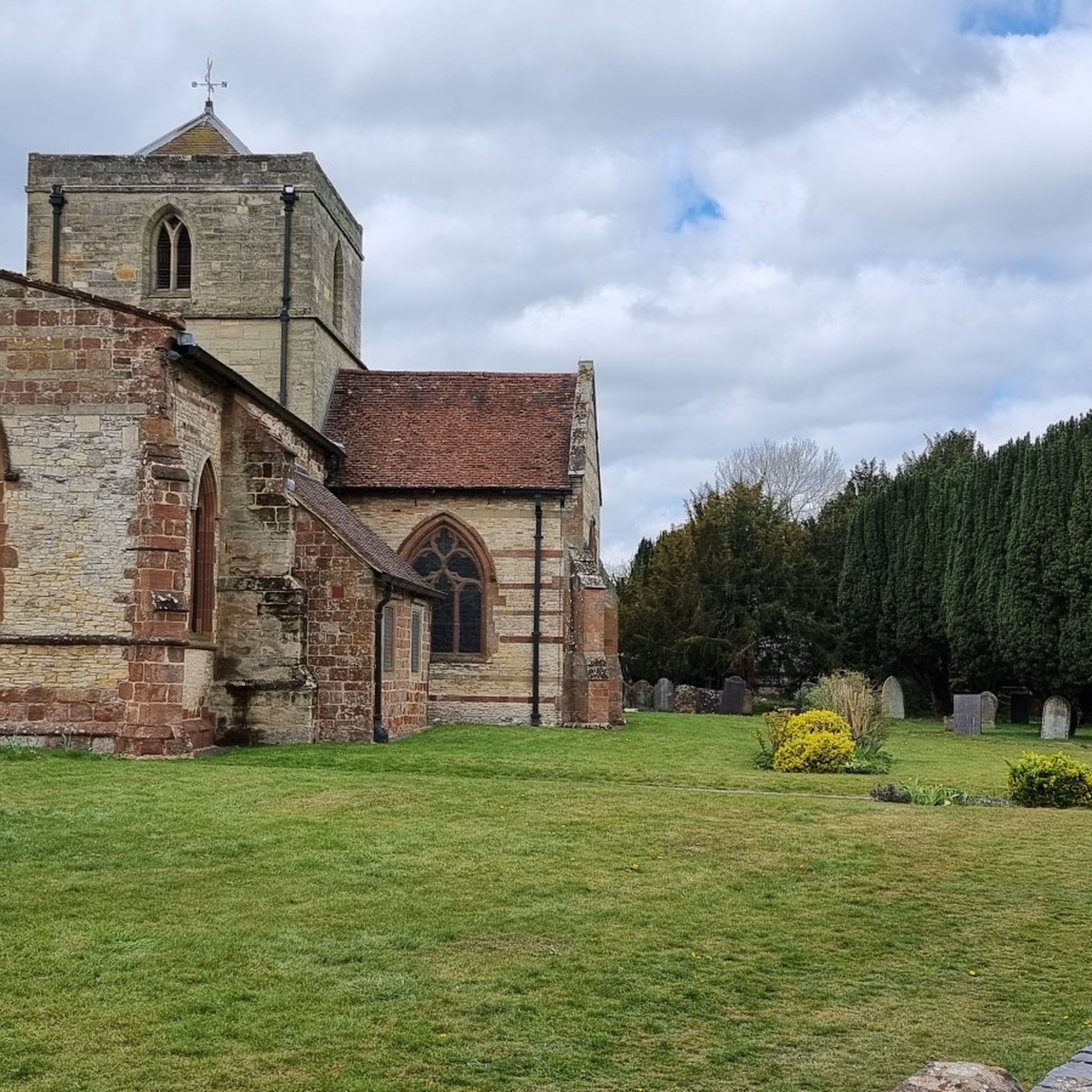
Stoneleigh Meadows and St Mary's Church
Highlight • Historical Site
Tip by

Sand Martin Nesting Wall, Ryton Pools Country Park
Highlight • Natural
Tip by

Sign up for free to discover even more attractions around Wolston.
Already have an account?
Start today with a free account
Your next adventure awaits.
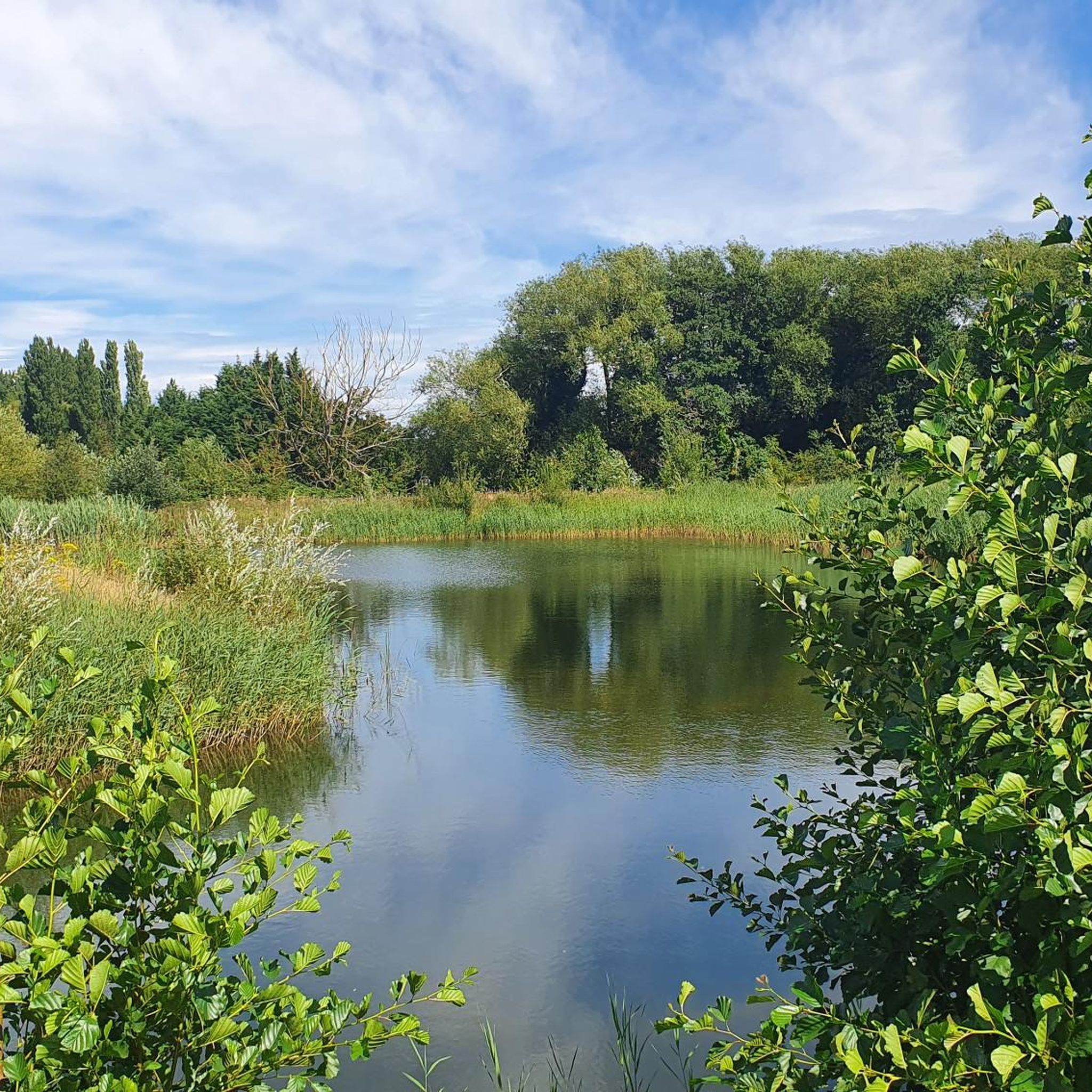
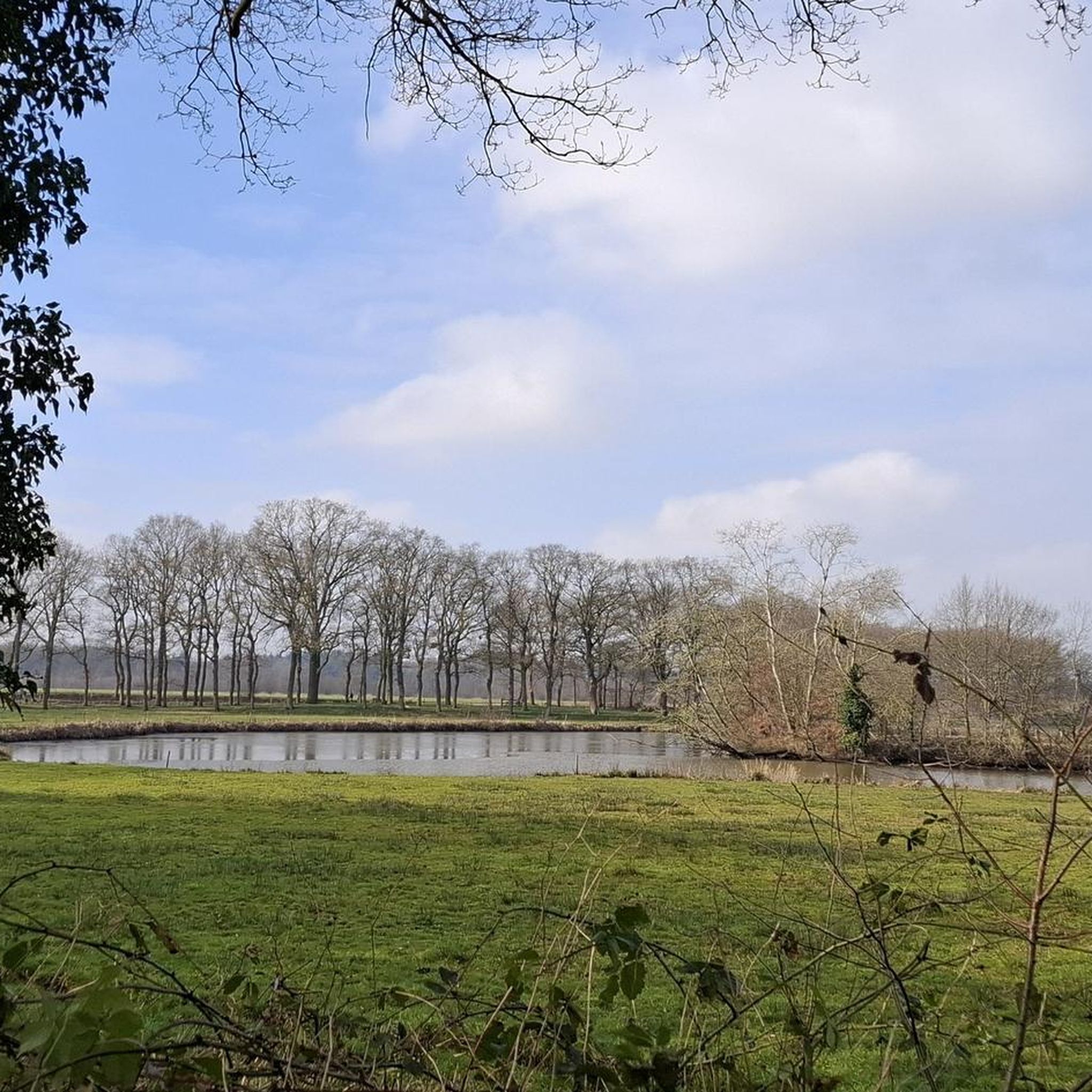

Tips from the Community

beautiful place to ride by, especially at sunrise or sunset. the greyhound pub is on the junction for a half time stop as well. can either head to Bedworth/nuneaton, back into Coventry Central or round to Longford.
0
0

Should have gone anticlockwise so as to get the streets out of the way first. The detour around HS2 site was a pain as not clearly sign posted. Apart from that a good walk.
0
0

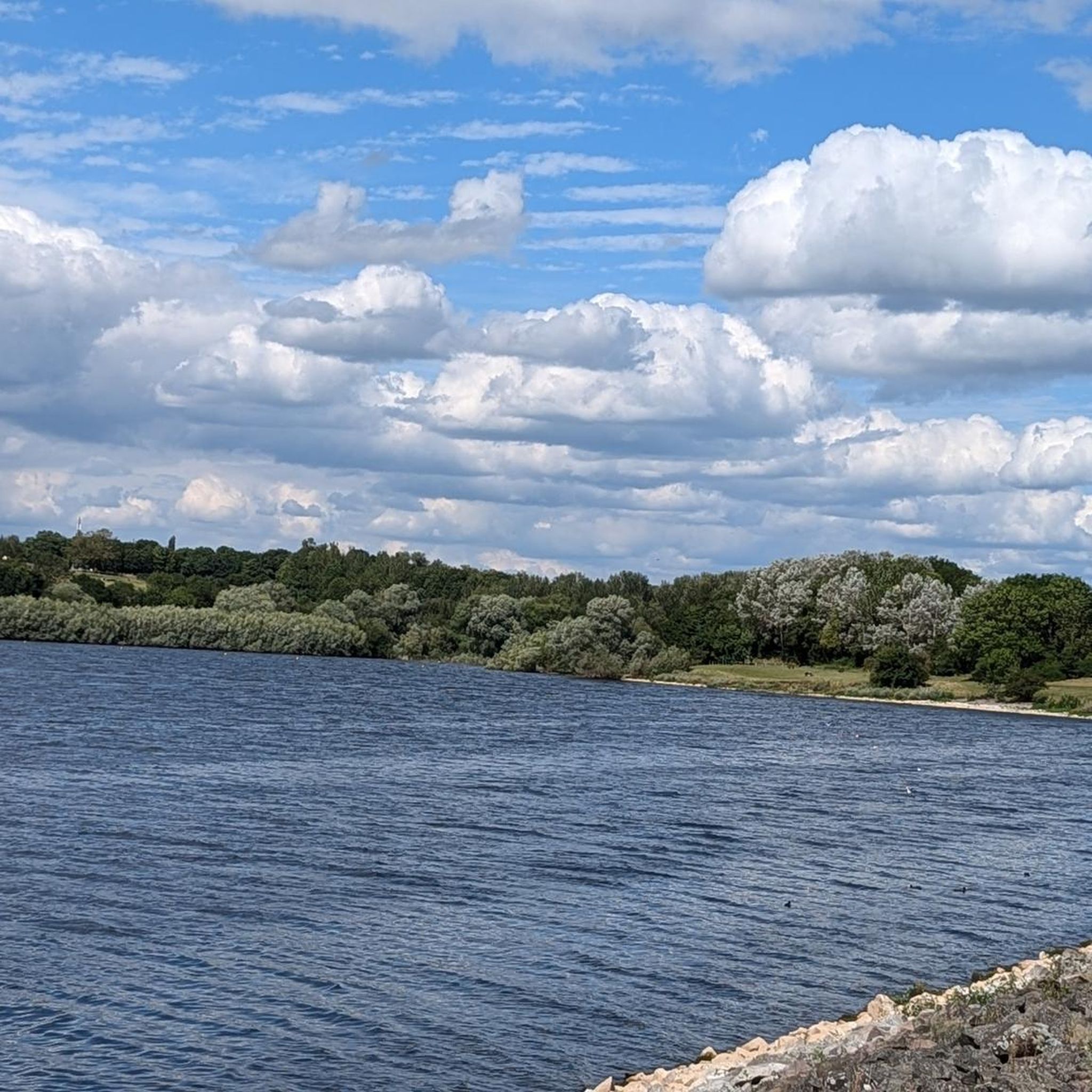
Draycote Water is an artificial reservoir (23 million m3), which was completed in 1969. In addition to its function as a water reserve, it is a leisure park u.a. for anglers, sailors, hikers. The rich bird life invites also to observations. Swimming is not allowed in the lake.
1
0

These sculptures were created to remind visitors of the rich geological history of the Ryton Pools where pieces of neck, tooth and tusk of the straight-tusked elephant were found in the local sand quarries. These massive creatures roamed this area half a million years ago and the life size sculptures bring to life the ancient history of the park.
1
0


Hawkesbury Junction is a major waterways place at the junction of the Coventry Canal (Main Line - Coventry to Hawkesbury) with the Coventry Canal (Main Line - Hawkesbury to Fazeley) and the Oxford Canal (Northern Section - Main Line). Coventry Basin (Canal Terminus) is on the Coventry Canal (Main Line - Coventry to Hawkesbury), 5 miles and 4 furlongs to the southwest. Hawkesbury Engine House is on the Coventry Canal (Main Line - Hawkesbury to Fazeley), ½ furlongs to the northeast. Sutton Stop is on the Oxford Canal (Northern Section - Main Line), ½ furlongs to the east. It is the centre of Hawkesbury Junction. The nearest place in the direction of Coventry Basin is Hawkesbury Services; ¼ furlongs away. The nearest place in the direction of Hawkesbury Engine House is Hawkesbury Junction Gauging Stop; ¼ furlongs away. The nearest place in the direction of Sutton Stop is Hawkesbury Junction Bridge; a few yards away.
0
0
Sutton Stop is a major waterways place on the Oxford Canal (Northern Section - Main Line) between Wyken Arm Junction (Old Colliery Branch) (1 mile and 3½ furlongs to the southeast) and Hawkesbury Junction (Junction of the Coventry Canal Main Line with the Oxford Canal Northern Section.) (½ furlongs to the west) It is part of Hawkesbury Junction. The nearest place in the direction of Wyken Arm Junction is Sutton Stop Changeline Bridge; a few yards away. The nearest place in the direction of Hawkesbury Junction is The Greyhound Inn; ¼ furlongs away.
0
0
Funded through the National Lottery Heritage Fund the Dunsmore Living Landscape scheme aims to restore the most significant area of ancient woodland in Warwickshire, increase landscape connectivity through the restoration of hedgerows, grasslands, ponds and heritage sites and engage local communities in a programme of natural and heritage-related activities. These metal sculptures were created and installed to help bring to life the geological history of the Dunsmore Living Landscape Scheme area at Ryton Pools, where pieces of neck bone, tooth and tusk of the Straight-tusked elephant Palaeoloxodon antiquus, were all found in the local sand quarries. The sculptures were a collaboration between Spencer Jenkins, a green wood and metalwork artist (designer, and project manager), and Artfabs Ltd, a specialist fabrication contractor who will assist with larger construction challenges. These creatures would have roamed the area around half a million years ago. The life size sculptures will bring to life the ancient history of the park and reflect important palaeontological finds made on the site during quarrying.
0
0
Frequently Asked Questions
What natural features can I explore around Wolston?
Wolston is rich in natural beauty, with the River Avon flowing directly through the village. Nearby, you can visit Draycote Water, a large reservoir popular for leisure activities and bird watching. Another tranquil spot is Stoneleigh Meadows, a riverside meadow featuring a community orchard and the historic St Mary’s Church. The area also boasts the Kenilworth Sandstone Railway Cutting, showcasing ancient geological formations.
Are there good hiking or walking routes near Wolston?
Yes, there are several walking opportunities. You can find easy hikes around Wolston, such as the Wolston Manor Spinney loop or routes around Wolston Woods and the River Avon. For more options, explore the easy hikes guide for Wolston.
Can I go cycling near Wolston?
Absolutely. The area offers various cycling routes, including road cycling and gravel biking. You can find routes that pass by Draycote Water or explore the wider Warwickshire countryside. Check out the road cycling routes and gravel biking routes guides for detailed options.
What historical landmarks can I visit in Wolston?
Wolston has a rich history. You can visit the picturesque St Margaret's Church, believed to be of Saxon origin with Norman additions. The village also features the historic Wolston Railway Viaduct, dating back to the 1830s, and the earthwork remains of Wolston Priory, a Scheduled Ancient Monument. Near the River Avon, you can also find the remains of Brandon Castle, a Norman motte-and-bailey castle.
Are there family-friendly attractions around Wolston?
Many attractions around Wolston are suitable for families. Draycote Water offers a leisure park environment with facilities and a playground. Ryton Pools Country Park, home to the Elephant Sculptures and the Sand Martin Nesting Wall, is also very family-friendly. Stoneleigh Meadows provides a tranquil public space for all ages.
What can I see at Ryton Pools Country Park?
Ryton Pools Country Park is home to the unique Elephant Sculptures, which commemorate the ancient elephant remains found in the local sand quarries. The park also features a dedicated Sand Martin Nesting Wall, providing a habitat for these migratory birds. It's a great place for walks and enjoying nature.
Where can I find a good viewpoint near Wolston?
The area around Draycote Water offers scenic views across the reservoir and surrounding countryside. Additionally, Stoneleigh Meadows provides picturesque riverside views, especially around St Mary's Church.
Are there any canals or waterways to explore?
Yes, you can visit Hawkesbury Canal Junction (Sutton Stop), an important historical site where the Oxford Canal joins the Coventry Canal. It's been a vital link in England's canal network for around 200 years and is a great spot to observe canal boats and enjoy a canalside pub.
What is the best time to visit attractions around Wolston?
The best time to visit depends on your preferred activities. Spring and summer offer pleasant weather for walking, cycling, and enjoying the natural beauty of places like Draycote Water and Stoneleigh Meadows. Autumn provides beautiful foliage, while historical sites like St Margaret's Church and the Wolston Railway Viaduct can be visited year-round.
Are there dog-friendly trails around Wolston?
Many of the outdoor areas and walking routes around Wolston are dog-friendly. Ryton Pools Country Park is generally welcoming to dogs, and the various walking routes along the River Avon and through local woodlands are suitable for walks with your canine companion. Always ensure dogs are kept under control, especially near wildlife or livestock.
Where can I find local pubs or places to eat in Wolston?
Wolston village itself has two traditional pubs, The Rose & Crown and The Half Moon, which are part of the village's social fabric. Near Hawkesbury Canal Junction, you'll find the Greyhound Inn, a traditional canalside pub known for meals.
What is the significance of the Kenilworth Sandstone Railway Cutting?
The Kenilworth Sandstone Railway Cutting is a significant geological site. Located at the eastern end of the Kenilworth Greenway, this disused railway cutting reveals thick beds of red sandstone, dating back approximately 280 million years to the Permian Period. This sandstone was historically quarried for local building, with Kenilworth Castle being a notable example of its use.
Most popular routes around Wolston
Most popular attractions around Wolston

Get inspired with the komoot mobile app


Explore more
Still not found the Highlight you’re looking for? See guides of the top attractions in other regions:
