The best walks and hikes around Cubbington
4.5
(944)
9,525
hikers
640
hikes
Hiking around Cubbington offers a network of trails through the gentle, undulating landscape of Warwickshire. The region is characterized by open fields, agricultural land, and pockets of woodland, providing varied scenery for walkers. Many routes follow established public footpaths and bridleways, connecting villages and natural areas. The terrain is generally mild, with modest elevation changes, making it suitable for a range of abilities.
Best hiking trails around Cubbington
- The most popular hiking route is Hiking loop from Cubbington, a 4.0 miles (6.5 km) trail that takes 1 hour 40 minutes to complete. This easy route explores the immediate surroundings of Cubbington.
- Another top favourite among local hikers is Hiking loop from Royal Leamington Spa, an easy 2.7 miles (4.3 km) path. This trail offers a pleasant walk through the rural landscape near Royal Leamington Spa.
- Local hikers also love the Offchurch Greenway – Radford Skew Viaduct loop from Offchurch, a 1.9 miles (3.0 km) trail leading through the Offchurch Greenway, often completed in about 48 minutes.
- Hiking around Cubbington is defined by rural paths, open fields, and local woodlands, including areas like south cubbington wood. The network offers options for easy hikes near Cubbington, suitable for different ability levels.
- The routes in Cubbington are highly rated by the komoot community with an average score of 4.5 stars from over 800 reviews. More than 9,000 hikers have used komoot to explore Cubbington's varied terrain.
Last updated: October 9, 2026
3.0
(1)
20
hikers
6.65km
01:43
40m
40m
Easy hike. Great for any fitness level. Easily-accessible paths. Suitable for all skill levels.
21
hikers
4.34km
01:07
20m
20m
Easy hike. Great for any fitness level. Easily-accessible paths. Suitable for all skill levels.

19
hikers
3.04km
00:48
30m
30m
Easy hike. Great for any fitness level. Easily-accessible paths. Suitable for all skill levels.
3.0
(4)
13
hikers
11.4km
03:00
100m
100m
Moderate hike. Good fitness required. Easily-accessible paths. Suitable for all skill levels.
5.0
(3)
14
hikers
9.10km
02:23
70m
70m
Moderate hike. Good fitness required. Easily-accessible paths. Suitable for all skill levels.
Get access to more routes and recommendations from other explorers.
Already have an account?
Our route recommendations are based on thousands of hikes, rides, and runs completed by other people on komoot.
Start today with a free account
Your next adventure awaits.
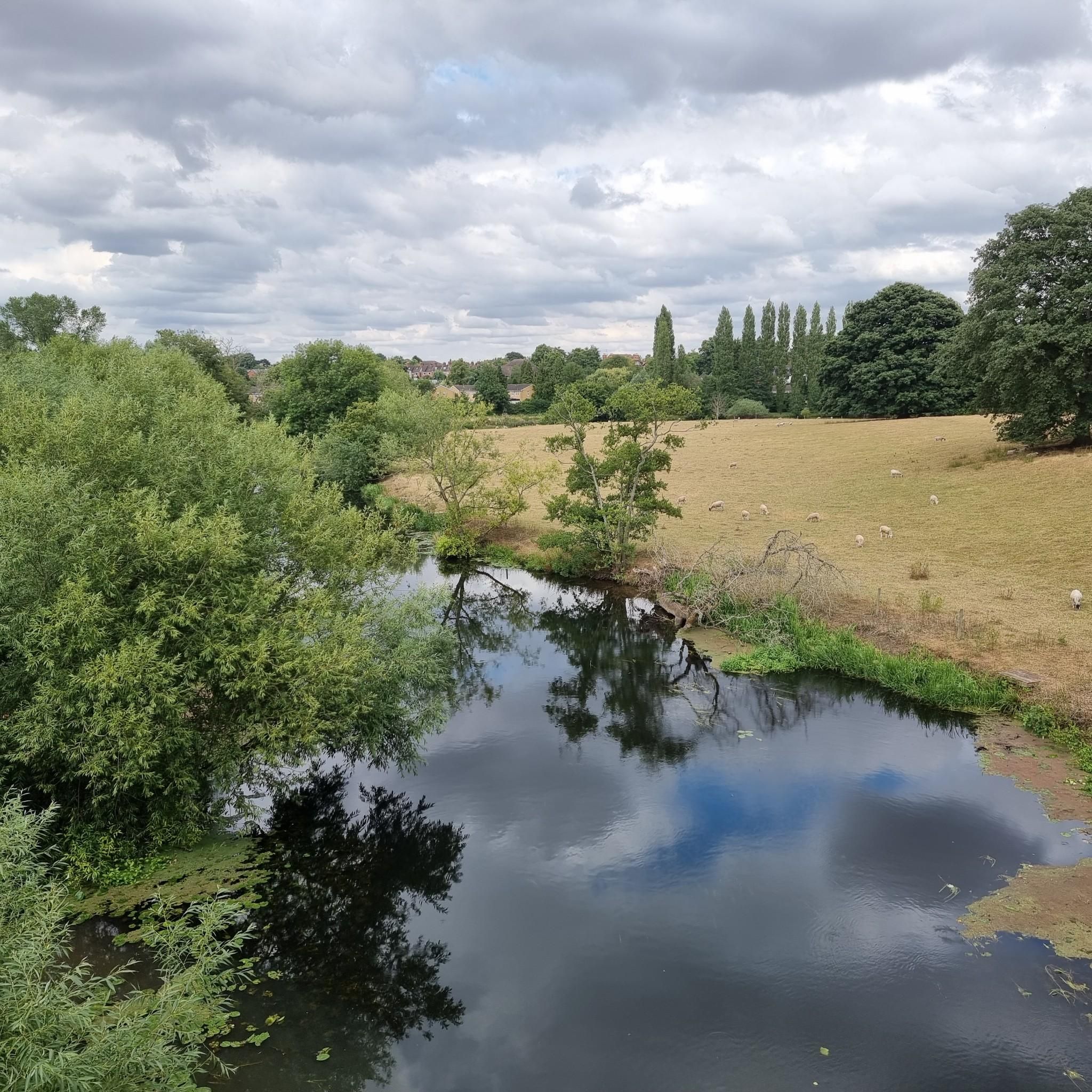
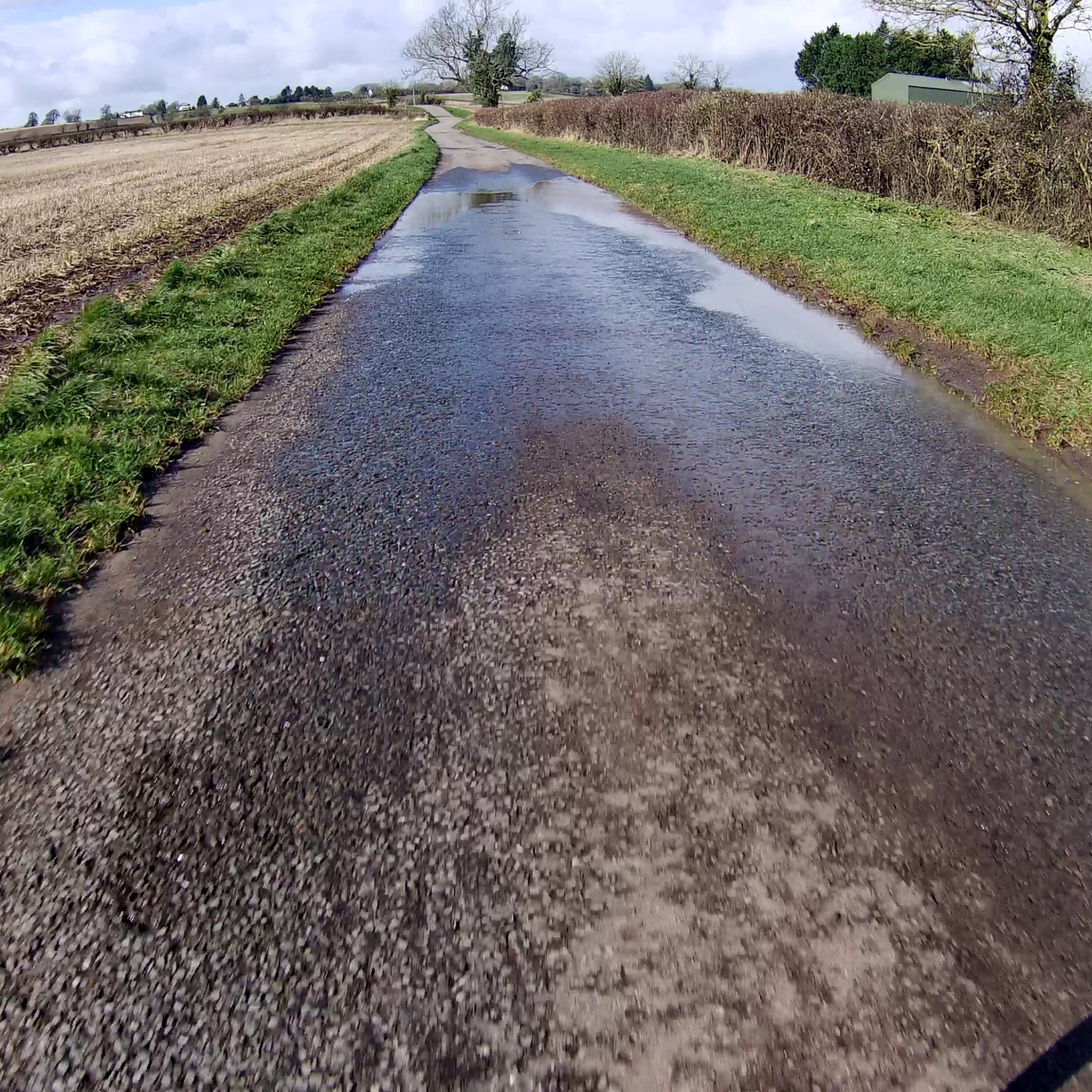
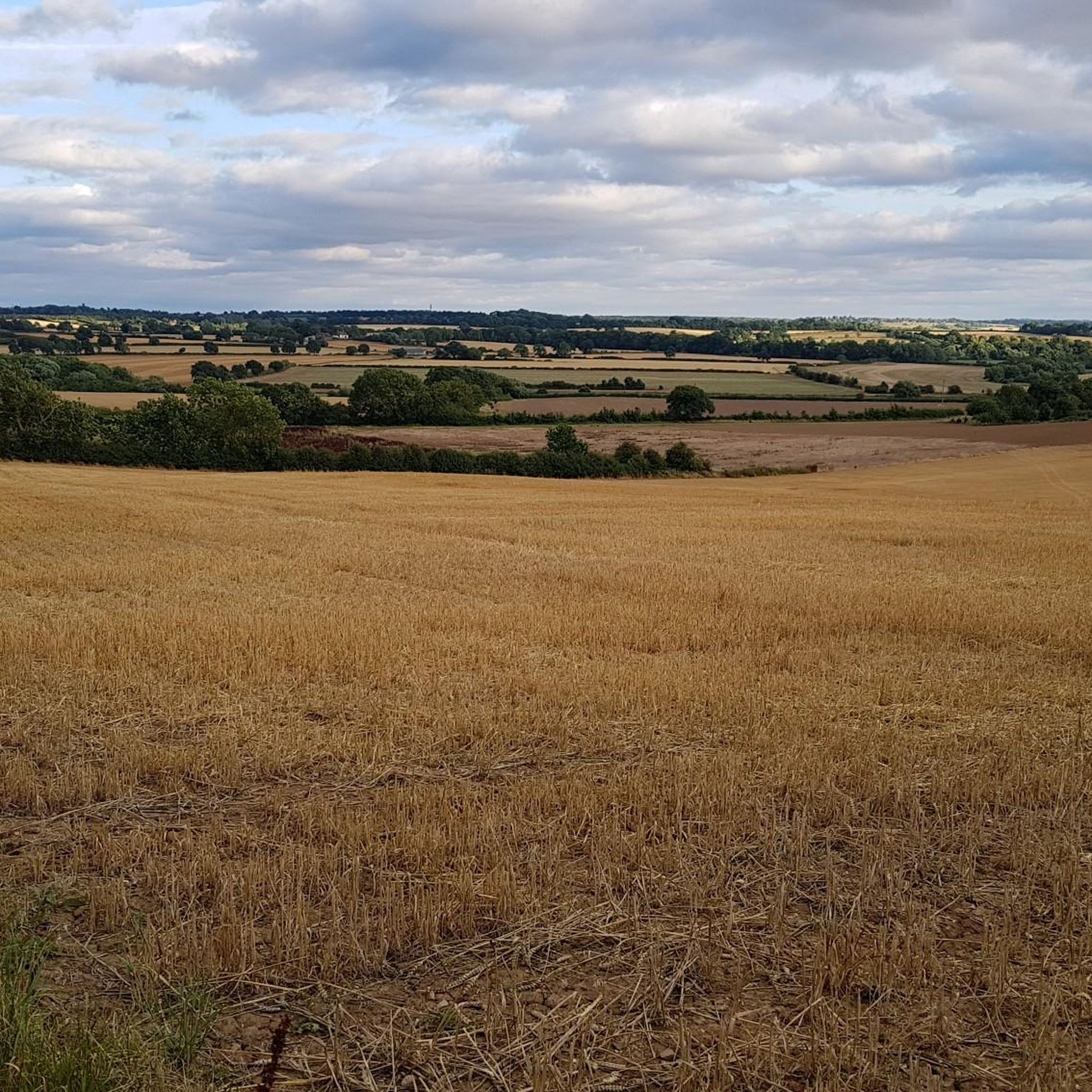
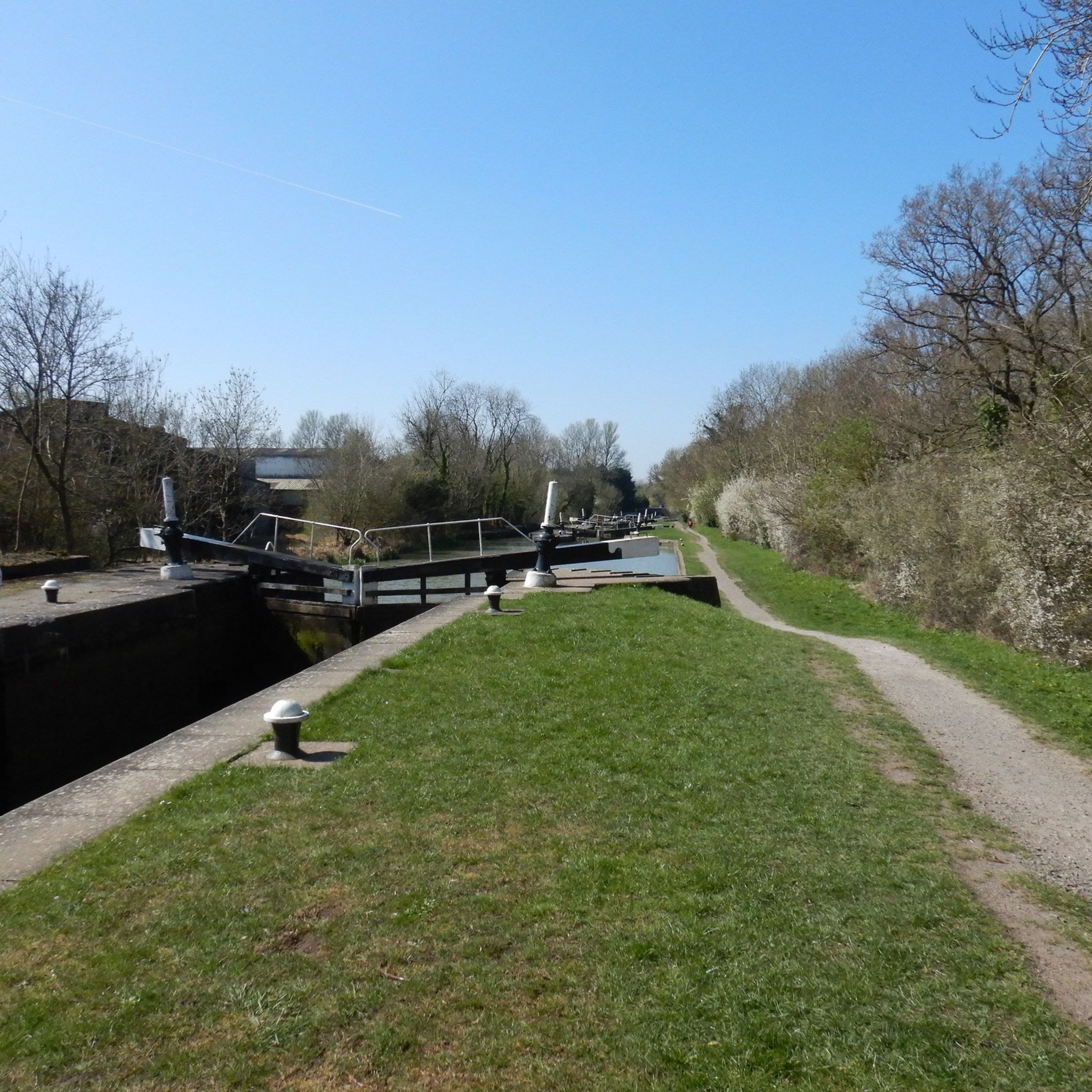

Tips from the Community

This impressive railway viaduct crosses diagonally over the canal, positioned above the lock, and it currently has as a very nice section of a footpath and cycling route. This stands as a remarkable demonstration of Victorian engineering excellence and constitutes a significant component of the landscape corridor.
1
0
The reign of Offa, the King of Mercia, lasted from 757 until his death in July 796, and it is believed that he established the church at Offchurch, since he had a hunting lodge or fortified residence nearby this area.
1
0


The Church of ST. MARGARET is situated on the east bank of the river Itchen, north of the village. It is a small church consisting of chancel, nave, north aisle, vestry, south porch, and a timber bell-cote on the west gable. It dates from the latter part of the 13th century, when it consisted of a nave and chancel, and appears to have been repaired at the end of the 14th century, and re-roofed at the end of the 16th century; in modern times a north aisle, vestry, and south porch were added and the whole church drastically restored. All the roofs are covered with tiles. The chancel, except parts of the north and south walls adjoining the nave, has been entirely rebuilt with a light-coloured sandstone ashlar, the old portions being red sandstone coursed rubble. The east end has angle buttresses and is lighted by a plain tracery window of two pointed lights with a pointed arch. On the south side at the west end is a rectangular low-side window of two splayed orders, and a modern central buttress dividing the old walling from the modern. On the north side a modern vestry has been built, which incloses a blocked low-side window corresponding with the one on the south. The south wall of the nave has three windows of two trefoil lights with tracery under square heads, all modern but perhaps copies of the previously existing 14th-century windows. Between the last two is a four-centred doorway, with a single splay, covered by a modern timber porch. The west gable of the nave is the most interesting and unaltered part of the building and is built of red sandstone rubble with ashlar dressings. In the centre there is a buttresslike projection which reaches to the apex of the gable, where it is weathered off. It contains a long chamfered lancet window with a simple label moulding. On the top of the gable is a small square weather-boarded bell-cote for two bells, with a pyramid roof terminating in a weather vane representing a cock. Between this and the angle buttress at the south-west angle there is a massive buttress in four weathered stages built of lightcoloured sandstone with a moulded plinth, probably part of the 14th-century repairs. In the west gable of the modern north aisle are two lancet windows of one splay with a hood-moulding continued over both, and on the north side, which has three shallow buttresses, are three windows with trefoil heads, one a single light, one of two, and the other of three lights. Built into this wall is a round-headed 13th-century doorway, now blocked with masonry, taken from the north wall of the nave when it was destroyed. At the eastern end is the modern vestry, with a single-light window on the north and a doorway in the east with a chamfered pointed arch. The aisle and vestry are built of hammerdressed ashlar. The chancel (18 ft. 8 in. by 12 ft.) has a modern tiled floor, plastered walls, two steps up from the nave and one to the modern altar. The roof, which is of the queen-post type, is modern, but constructed with old timbers, probably members of the earlier roof, re-used. In the south wall the low-side window has a splayed recess with a flat head; the corresponding one on the north is plastered over and is only visible inside the vestry. On this wall there is a marble monument to James Enyon, died 1623, and Constance his wife, died 1610; also on an oak board is a small brass representing seven figures, with an inscription, 'This brass, circa 1485, was found in the churchyard in 1906 and fixed in the church in 1946'. The figures appear to be gazing upwards and may have formed part of an Assumption group. The nave (33 ft. 6 in. by 16 ft. 10 in.) has a modern tiled floor and plastered walls. On the south side the window recesses are square with flat heads, and that in the west has deeply splayed jambs. The chancel arch has been destroyed and its jambs cut away and a plain modern segmental arch inserted, which carries the modern gable above and stops abruptly on the walls at both ends. The late-16th-century roof is a form of queen-post truss, with carved central bosses on the undersides of the stop-chamfered tie-beams, and plastered between the rafters. The modern north arcade is in three bays with pointed arches of two splayed orders which continue uninterrupted down to moulded stops forming square bases. Opposite the south door is a late-14th-century font of white sandstone, which has a circular basin with eight round shafts projecting from its face, dividing it into as many panels, which are decorated with foliated designs of different patterns, the rim moulding being carried round the shafts to form capitals. The underside of the basin is moulded, the stem circular on a base of three graduated splays. It stands on an octagonal step with a square one on the west side. The pulpit placed on the south side of the chancel arch is modern; also the seating. The north aisle (33 ft. 6 in. by 16 ft. 3 in.) has a modern tiled floor, ashlar walls, and an open roof of king-post type with curved brackets and plastered between the rafters. The window recesses are splayed, with pointed arches. Standing against the west wall there is the deep basin of a plain font with part of its rim broken away. Of the two bells, (fn. 97) one is medieval, of c. 1350, the other was probably cast by Thomas Bullisdon of London, c. 1510. The registers begin in 1718.
0
0
St Mary Magdalene's Church, Lillington is the Church of England parish church of Lillington, Warwickshire, a part of Royal Leamington Spa with a population of about 11,000. The church is at the junction of Vicarage Road and Church Lane. It has been a Grade II listed building since 1949. The earliest surviving parts of the present building are the possibly pre-Conquest doorway now located between the Lady Chapel and Sacristy, and the south wall of the chancel. The Perpendicular Gothic west tower is 15th century, built in about 1480. The remainder of the church is Victorian, built or rebuilt between 1847 and 1884. The old south aisle was extended and the north aisle added in 1847. The south aisle was then demolished and a wider aisle built in 1868. Dormer windows were inserted in the roof in 1875. In 1884 the chancel, apart from the south wall, was rebuilt and the Lady chapel and Sacristy on the north side of the chancel were added, the Romanesque doorway being relocated for the second time since 1847. Three of the stained glass windows are by C.E. Kempe and Company: the east window of the south aisle (1895) and two windows in the north aisle (1908 and 1920). A choir vestry was added in 1914. The pulpit is 20th century, designed by T. Lawrence Dale. A detached octagonal meeting room in the churchyard was built in 1987. Benjamin Satchwell, co-founder, promoter and poet of the spa at nearby Leamington, married Mary Whitmore in this church on 23 April 1764. In the churchyard, opposite the vestry door, is the famous 'Miser's Grave'. The headstone of William Treen, who died aged 77 on 3 February 1810, carries this inscription, quoted in many nineteenth-century guides to Leamington, and most famously by Nathaniel Hawthorne in Our Old Home in 1863: "I Poorly Liv'd and Poorly Dy'd, Poorly Bury'd and no one Cry'd." The church has a ring of eight bells. The sixth bell is attributed to Thomas Harrys of London, cast about 1480, which makes it contemporary with the tower. The seventh bell was cast in 1625 by Watts of Leicester, and the tenor in 1675 by Henry Bagley of Chacombe, Northamptonshire. Mears and Stainbank of the Whitechapel Bell Foundry cast the remaining five bells in 1927. The bells were re-hung by Nicholson Engineering of Bridport, Dorset in 2007. Lillington church clock was made by Potts of Leeds and installed in 1897. It seems that the tower had no clock before then. The clock was renovated, the four dials repainted and gilded, and the mechanism repositioned within the ringing chamber, by the Cumbria Clock Company of Penrith in 2007.
0
0
This viaduct is what remains of the rail link from Leamington Avenue station that looped back to the mainline at Rugby.
0
0
Offa, the King of Mercia, an Anglo Saxon kingdom, had a hunting lodge or fortified house nearby. He ruled from 757 until his death in July 796, and it is said he founded the church at Offchurch. Earliest worshippers The earliest people to worship at this location were pilgrims in the 7th century who came to pay their respects to St Modwenna – an Irish nun and miracle worker. A shrine to her was housed in a small wooden chapel. Later a settlement developed in early Saxon times and 19th century excavations south of the churchyard found remains from a Saxon cemetery. The first stone church was built by early Christians and it is believed it may date from the time of King Offa who had his own priest at the church. The church was later dedicated to St Fremund, a Christian martyr born in the village and murdered in AD866. Legend suggests that his body was brought to the church for burial. The present building dates from early Norman times (early 12th century). The North Door is the oldest feature in the present church and was the entrance to King Offa’s original stone chapel. The interior arch is Saxon, and the external arch is characteristic of Norman architecture. The patterns round the arch are the same design as those on the interior chancel arch, and are similar to those carved into the tomb of Thomas-a-Becket around 1200 in Canterbury cathedral. The church tower is 15th century, constructed of blue-grey Warwick stone, and houses six bells. There are indentations in the stone which are marks made by musket balls fired by Cromwell’s troops during a skirmish as they returned from the Battle of Edgehill in October 1642. Priest’s door The church has a priest’s door and the lower window is possible a “leper” window which in less enlightened times allowed lepers to receive a blessing from the priest without entering the church. There is another school of thought that suggests such windows were used by priests who would lean out ringing a bell, thus summoning agricultural workers to mass.
0
0

This section is closed for HS2 it could be closed for some time even years... First time I've seen a sign only allowing cycles...
0
0
Frequently Asked Questions
How many hiking trails are available around Cubbington?
Cubbington offers a wide selection of hiking trails, with nearly 700 routes recorded on komoot. This includes over 440 easy routes, 228 moderate trails, and a few more challenging options for experienced hikers.
Are there many easy hiking trails suitable for beginners in Cubbington?
Yes, Cubbington is an excellent area for beginners. The region features a gentle, undulating landscape with modest elevation changes. There are over 440 easy routes available, such as the Hiking loop from Royal Leamington Spa, which is 2.7 miles (4.3 km) and offers a pleasant walk through rural scenery.
What kind of terrain can I expect on hikes around Cubbington?
The terrain around Cubbington is generally mild and gentle. You'll encounter a mix of open fields, agricultural land, and charming pockets of woodland, including areas like South Cubbington Wood. Many routes follow established public footpaths and bridleways, making for varied but generally accessible walking.
Are there any circular walks or loop trails in Cubbington?
Yes, many of the trails around Cubbington are circular. For example, the popular Hiking loop from Cubbington is a 4.0-mile (6.5 km) route exploring the immediate surroundings. Another option is the Offchurch Greenway – Radford Skew Viaduct loop from Offchurch, a shorter 1.9-mile (3.0 km) trail.
What are some interesting landmarks or attractions to see while hiking near Cubbington?
The area around Cubbington is rich in history and natural beauty. You can explore significant sites like Kenilworth Castle or Bagot's Castle. For natural sights, consider visiting the Sand Martin Nesting Wall at Ryton Pools Country Park or the Bishops Bowl Lakes.
Is Cubbington a good place for family-friendly hikes?
Absolutely. The gentle terrain and numerous easy routes make Cubbington ideal for families. Many trails are well-suited for shorter walks with children, offering a chance to enjoy the countryside without strenuous climbs. Look for the shorter, easy-graded loop trails for the best family experience.
Can I bring my dog on the hiking trails in Cubbington?
Yes, Cubbington's network of public footpaths and bridleways is generally dog-friendly. Many routes pass through open fields and woodlands, providing ample space for dogs. However, always keep dogs under control, especially near livestock, and be mindful of local signage regarding leads.
What do other hikers say about the trails in Cubbington?
The komoot community highly rates the hiking experience in Cubbington, with an average score of 4.5 stars from over 800 reviews. Hikers often praise the peaceful rural paths, the varied scenery of fields and woodlands, and the accessibility of the trails for different abilities.
Are there any moderate difficulty hikes for those looking for a bit more challenge?
Yes, while many routes are easy, there are also moderate options. For instance, the St Gregory's Church, Offchurch – Rapeseed Fields loop from Offchurch is a 11.3 km (7.0 miles) route that offers a longer, more engaging walk. Another moderate trail is the Campion Hill Cycle Track loop from Royal Leamington Spa, covering 9.1 km (5.7 miles).
What is the best time of year to go hiking in Cubbington?
The best time to hike in Cubbington is typically from spring through autumn (April to October) when the weather is milder and the countryside is in full bloom or displaying autumnal colours. The paths are generally well-drained, but some areas can get muddy after heavy rain, especially in winter.
Are there opportunities for wildlife spotting on the trails?
Yes, the mix of agricultural land, hedgerows, and pockets of woodland around Cubbington provides habitats for various wildlife. Keep an eye out for common birds, small mammals, and insects, especially when walking through quieter wooded areas or along field edges.
Most popular attractions around Cubbington

Get inspired with the komoot mobile app


Explore more
Browse the best Hikes in other regions.
