The best walks and hikes around Easenhall
4.6
(314)
2,702
hikers
303
hikes
Hiking around Easenhall offers varied landscapes, including the tranquil Oxford Canal and its towpaths, rural countryside, and woodlands. The area features gentle hills and open fields, providing a mix of terrain for outdoor activities. Easenhall's network of trails connects natural beauty with historical points of interest, such as Brinklow Castle.
Best hiking trails around Easenhall
- The most popular hiking route is ACW Circular Walk 12C, an easy 3.9 miles (6.3 km) trail that takes about 1 hour 40 minutes to complete. This route features both Brinklow Castle and the Oxford Canal.
- Another top favourite among local hikers is Oxford Canal and Newbold on Avon Loop, a moderate 6.9 miles (11.2 km) path. This trail follows canal towpaths and passes through rural scenery.
- Local hikers also love the Brinklow, Easenhall & Oxford Canal loop, a 6.9 miles (11.1 km) trail leading through rural countryside and along the Oxford Canal, often completed in about 2 hours 50 minutes.
- Hiking around Easenhall is defined by canal towpaths, rural countryside, and gentle hills. The network of routes offers options for various ability levels, from easy strolls to moderate hikes.
- The routes in Easenhall are highly rated by the komoot community with an average score of 4.7 stars from over 200 reviews. More than 2000 hikers have used komoot to explore Easenhall's varied terrain.
Last updated: October 10, 2026
4.4
(24)
79
hikers
6.31km
01:39
50m
40m
Embark on the ACW Circular Walk 12C, an easy hiking route that guides you through pleasant rural landscapes. This trail offers glimpses of historical landmarks, including the impressive Brinklow Castle, and takes you past the Old Stone Bridge Over the Stream. Covering 3.9 miles (6.3 km) with a gentle elevation gain of 150 feet (46 metres), you can expect to complete this hike in about 1 hour and 38 minutes. It's a perfect choice for a relaxed outdoor experience.
This easy route is suitable for hikers of all fitness levels, featuring paths that are generally accessible. You can enjoy a casual outing without needing extensive preparation. While specific parking information is not detailed, the trail is manageable for a spontaneous visit. Consider starting your hike in the morning to make the most of the daylight and enjoy the tranquil countryside.
The route's charm lies in its blend of natural beauty and historical interest, showcasing typical English countryside. Beyond Brinklow Castle, you will also encounter Grimes Bridge No. 26 on the Oxford Canal, adding to the varied scenery. This makes the ACW Circular Walk 12C a great option if you are looking for a short, engaging walk with a touch of local heritage.
4.9
(13)
30
hikers
11.2km
02:53
60m
60m
Embark on the Oxford Canal and Newbold on Avon Loop, a moderate hike that takes you through diverse Warwickshire landscapes. You will follow the peaceful Oxford Canal towpath, observing residential boats and historic canal features. The route then leads you across open fields, where you can spot ancient ridge and furrow patterns from medieval farming. A highlight is passing through the unique 250-meter-long Newbold Tunnel. This 6.9-mile (11.2 km) journey involves a gentle 199 feet (61 metres) of elevation gain and typically takes around 2 hours and 53 minutes to complete.
The trail combines footpaths, bridleways, and some road sections as it winds through Newbold on Avon. While generally accessible, be aware that parts of the towpath can become muddy, particularly after wet weather, so appropriate footwear is advisable. You will find convenient canalside pubs in Newbold on Avon, such as The Boat and The Barley Mow, which are ideal for a refreshment break during or after your hike.
This route offers a glimpse into the region's rich history and natural beauty. Beyond the canal's engineering marvels, you will discover the tranquil Newbold Quarry Country Park. This park is a haven for local wildlife, providing a peaceful contrast to the canal's bustling activity. The trail's blend of historical features and natural settings makes it a distinctive experience in the Warwickshire countryside.

5.0
(3)
15
hikers
11.1km
02:54
80m
80m
Moderate hike. Good fitness required. Mostly accessible paths. Sure-footedness required.
5.0
(2)
10
hikers
9.37km
02:27
70m
70m
Moderate hike. Good fitness required. Easily-accessible paths. Suitable for all skill levels.
5.0
(2)
9
hikers
Moderate hike. Good fitness required. Easily-accessible paths. Suitable for all skill levels.
Get access to more routes and recommendations from other explorers.
Already have an account?
Our route recommendations are based on thousands of hikes, rides, and runs completed by other people on komoot.
Start today with a free account
Your next adventure awaits.



Tips from the Community

You have to go all the way to the top to see nice views of the surroundings.
2
0

The church isn't level inside! It's well worth popping in. The VE Day memorial is very well done and worth a closer look.
0
0

Gorgeous section of walking through a tree-lined avenue in an open field just outside of Newbold on Avon.
2
0
Newbold on Avon is a pretty suburb situated along the banks of the Oxford Canal in Rugby, Warwickshire. Newbold has two great pubs, The Boat and Barley Mow, which are a great place to stop for a refuel mid-walk.
2
0
Easenhall is a small pretty village situated 4 miles north-west of Rugby in Warwickshire. The village has a pub, hotel and many connected walking trails that lead out into the countryside.
1
0
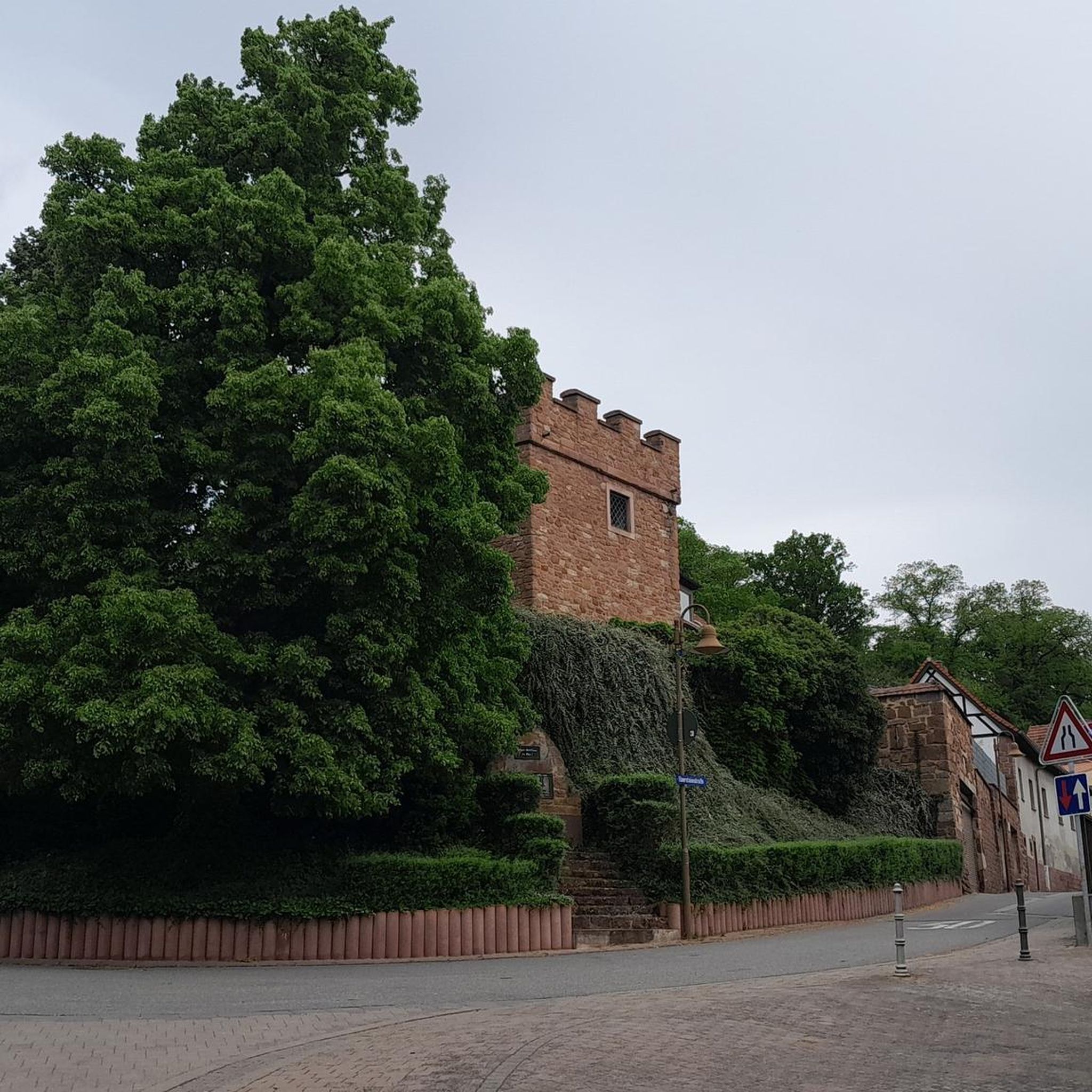
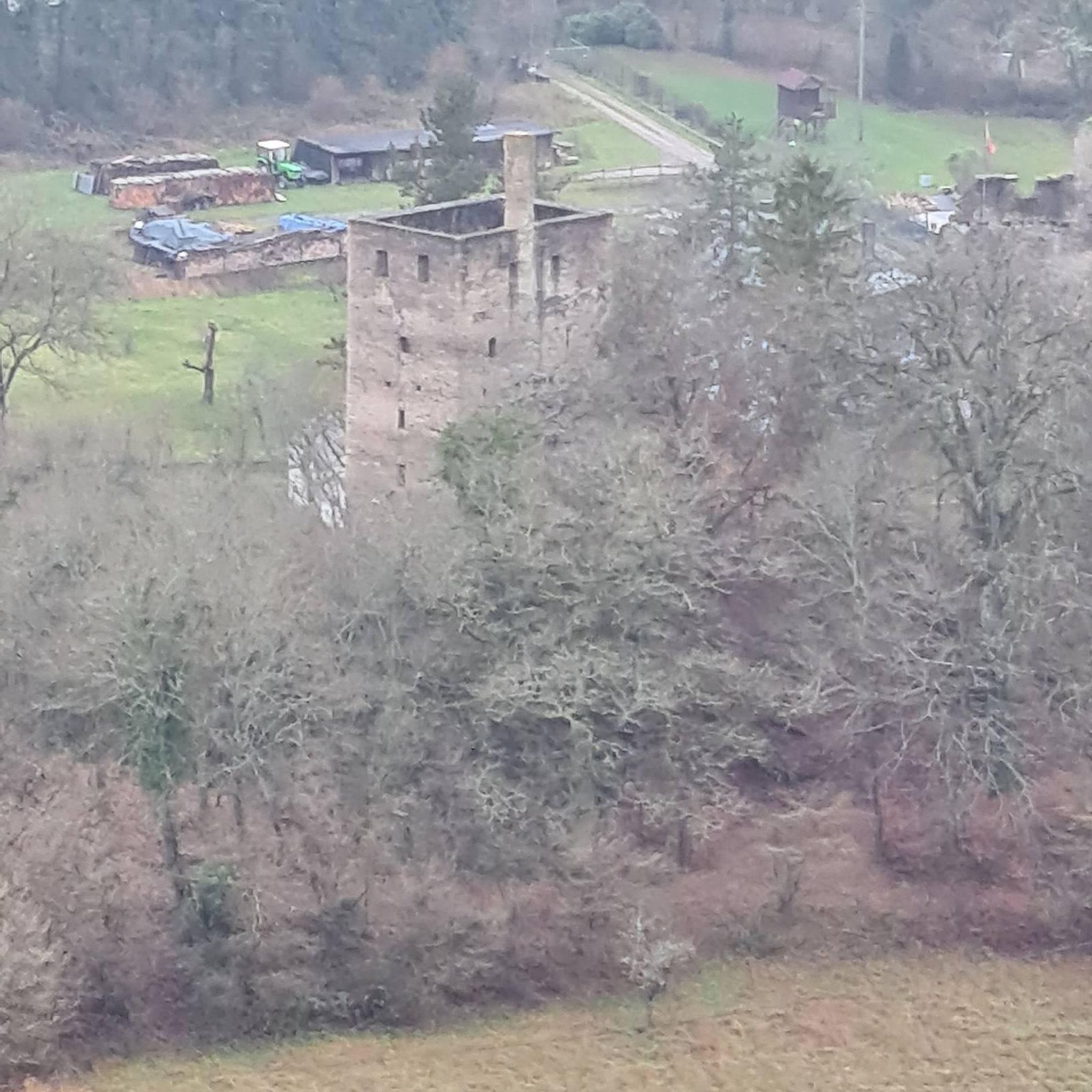
Brinklow Castle is a medieval fortress that dates back to the 12th century. The ruins stand atop a hill, providing panoramic views of the surrounding countryside.
2
0

Brinklow Castle is known locally as the Tump. It's a medieval motte and bailey castle based on a prehistoric long barrow and modified in the 11th century. It's quite large for this period with a 12m high motte and a 121m by 152m bailey. The grass mounds are still clearly visible.
0
0

Grimes Bridge No 26 is a minor waterways place on the Oxford Canal (Northern Section - Main Line) between Stretton Stop (Rose Narrowboats) (6 furlongs to the east) and Wyken Arm Junction (Old Colliery Branch) (5 miles and ¼ furlongs to the west). The nearest place in the direction of Stretton Stop is Johnson's Bridge No 27; 1½ furlongs away. The nearest place in the direction of Wyken Arm Junction is Bridge No 25 (Ansty) (Motorway bridge over canal and railway.); 6¾ furlongs away. There is access (via steps) to the towpath here. Mooring here is tolerable (it's just about possible if really necessary). There is a bridge here which takes a minor road over the canal.
0
0
Frequently Asked Questions
How many hiking trails are there in Easenhall?
Easenhall offers a wide variety of hiking experiences, with over 300 routes available. These range from easy strolls to more moderate hikes, catering to different fitness levels.
What kind of terrain can I expect on hikes around Easenhall?
The terrain around Easenhall is diverse, featuring tranquil canal towpaths, open rural countryside, and pleasant woodlands. You'll encounter gentle hills and expansive fields, providing a mix of flat sections and slight inclines.
Are there any family-friendly hiking options in Easenhall?
Yes, Easenhall has many family-friendly options. Many routes, particularly those along the Oxford Canal towpaths, are flat and easily accessible. For example, the ACW Circular Walk 12C is an easy 3.9-mile trail that takes about 1 hour 40 minutes, suitable for families looking for a shorter outing.
Can I bring my dog on the trails in Easenhall?
Many trails in Easenhall are suitable for dogs, especially those traversing the rural countryside and canal towpaths. Always ensure your dog is under control, particularly near livestock or wildlife, and check for any specific local restrictions on individual routes.
Are there circular walks available in Easenhall?
Yes, Easenhall offers numerous circular walks. A popular choice is the Brinklow, Easenhall & Oxford Canal loop, which is a 6.9-mile trail that guides you through rural landscapes and alongside the historic Oxford Canal.
What historical sites or natural features can I see along the trails?
Hikers can explore several points of interest. The Oxford Canal itself is a significant feature, with its towpaths offering tranquil walks. Nearby, you can visit Brinklow Castle (The Tump), a medieval fortress offering panoramic views. Other highlights include the charming village green of Easenhall and various small hamlets along the canal.
Where can I find refreshments or a place to stay near the hiking trails?
Easenhall village has a pub and a hotel, providing convenient spots for refreshments or accommodation. Additionally, nearby villages like Newbold on Avon, often accessible via canal towpaths, also offer pubs that are great for a break during your walk.
Is public transport available to reach hiking trailheads in Easenhall?
While Easenhall is a rural village, local bus services may connect it to larger towns. For specific route planning, it's advisable to check local bus timetables for connections to Easenhall or nearby villages that serve as starting points for hikes.
What is the best time of year to go hiking in Easenhall?
Easenhall's trails are enjoyable year-round. Spring and summer offer lush greenery and pleasant weather, ideal for exploring the canal and countryside. Autumn brings beautiful foliage, while winter walks can be serene, especially along the quiet towpaths, though some paths might be muddy.
What do other hikers say about the trails in Easenhall?
The hiking routes in Easenhall are highly rated by the komoot community, with an average score of 4.7 stars from over 200 reviews. Hikers frequently praise the varied terrain, the peaceful canal-side walks, and the historical points of interest like Brinklow Castle.
Are there any easy hikes suitable for beginners?
Yes, Easenhall has many easy routes perfect for beginners. The Oxford Canal towpaths offer flat, accessible walking. An excellent option is the ACW Circular Walk 12C, an easy 3.9-mile trail that combines historical interest with gentle terrain.
Where can I park when hiking in Easenhall?
Parking is generally available within Easenhall village, often near the village green or local amenities. For specific trailheads, it's recommended to check the route details on komoot for designated parking areas or suitable roadside parking options.
What are the typical distances and durations for hikes in Easenhall?
Hikes in Easenhall vary in length and duration. You can find shorter, easy walks like the ACW Circular Walk 12C, which is about 3.9 miles and takes under 2 hours. Longer, moderate trails such as the Oxford Canal and Newbold on Avon Loop can be around 6.9 miles and take closer to 3.5 hours.
Most popular attractions around Easenhall

Get inspired with the komoot mobile app


Explore more
Browse the best Hikes in other regions.
