Attractions and Places To See around Priors Marston CP - Top 20
Best attractions and places to see around Priors Marston CP include a blend of historical sites and natural features within the Warwickshire countryside. The area offers opportunities to explore notable landmarks and enjoy the picturesque landscape. Visitors can find various walking routes and discover the region's cultural significance.
Best attractions and places to see around Priors Marston CP
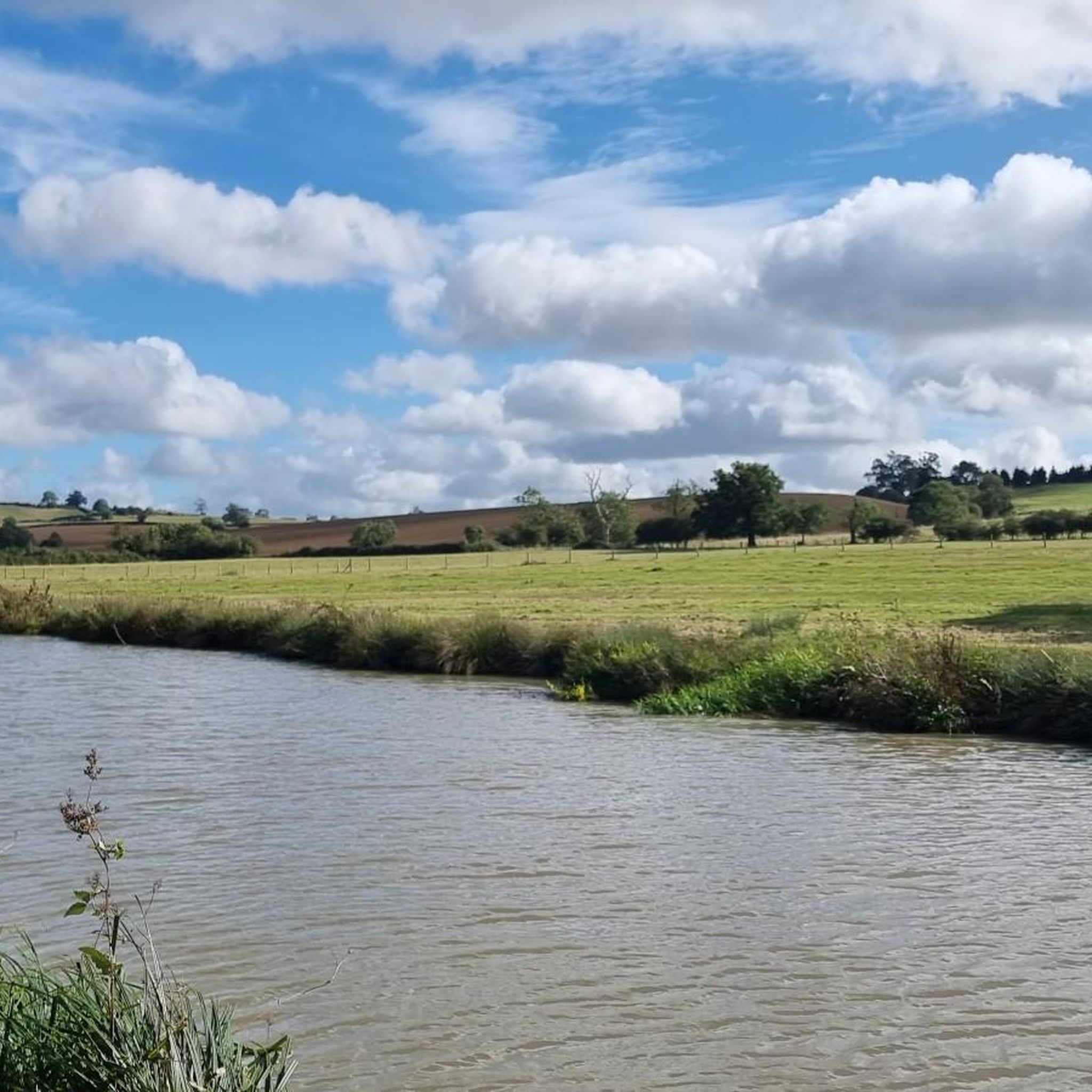
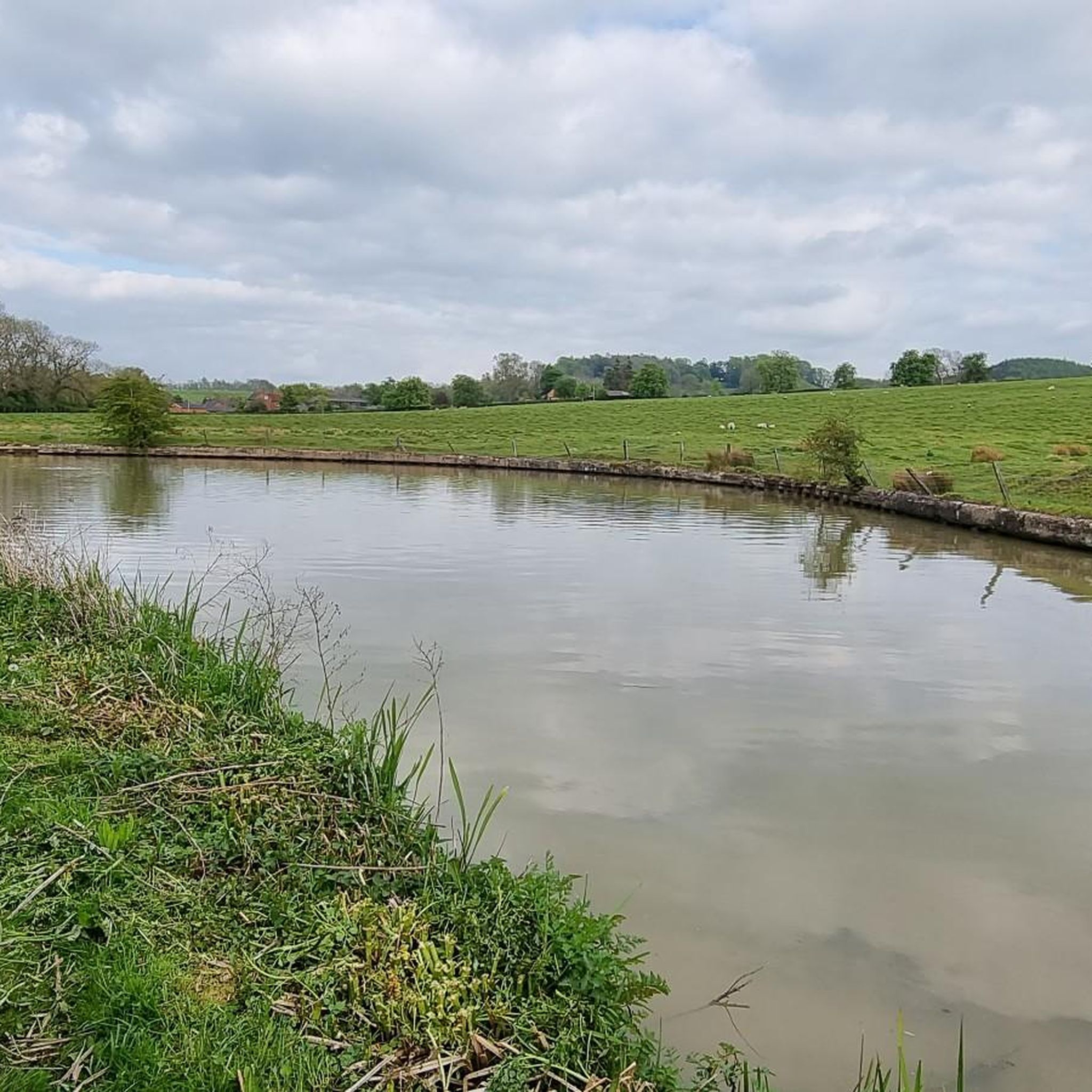
- The most popular attractions is Draycote Water, a lake that functions as a leisure park for activities like angling, sailing, and hiking. It is also known for its rich bird life.
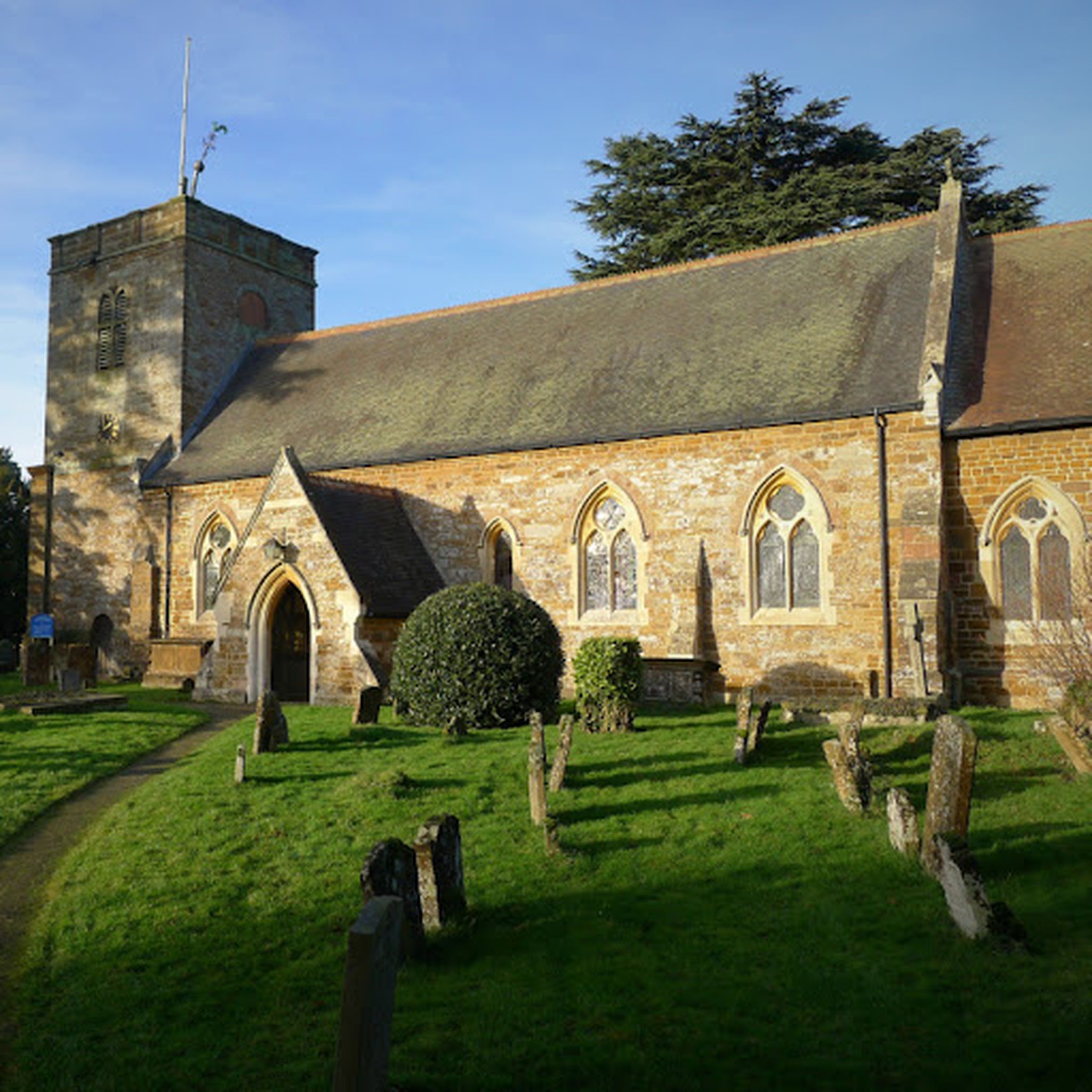
- Another must-see spot is All Saints' Church, Burton Dassett, a historical site with 12th-century origins. Visitors can observe 13th-century wall paintings, medieval tiles, and tombs from the 16th and 17th centuries.
- Visitors also love St Michael's Church, Bishop's Itchington, a religious building that was completely rebuilt in 1872. It features a mosaic reredos, a trussed rafter roof, and a font made up of old stones.
- Priors Marston CP is known for its historic landmarks, natural features, and diverse walking routes. The area provides a variety of attractions to see and explore, from ancient churches to expansive reservoirs.
- The attractions around Priors Marston CP are appreciated by the komoot community, with 207 upvotes and 61 photos shared across the highlights.
Last updated: July 2, 2026
Draycote Water
Highlight • Lake
Translated by Google •
Tip by

Canons Ashby House and Priory Church
Highlight • Castle
Built by the Drydens using the remains of a medieval priory, the house and gardens have survived largely unaltered since 1710 and are presented as they were during the Victorian era.
The warm, welcoming house features grand rooms, stunning tapestries and Jacobean plasterwork, contrasting with the domestic detail of the servants' quarters.
Stroll in the historic parkland and catch glimpses of early medieval landscapes, while a wander through the priory church reveals the story of the canons of Canons Ashby."
Cit. nationaltrust.org.uk/canons-ashby#Overview
Tip by

Sign up now to discover places like this
Get recommendations on the best single tracks, peaks, & plenty of other exciting outdoor places.
Sign up for free
All Saints' Church, Burton Dassett
Highlight • Historical Site
Tip by

Holy Well, Burton Dassett
Highlight • Historical Site
“the holy well with its stone cover will be seen on the left-hand side of the lane as you approach the church”.
The present stone well house is of a considerable size being constructed of local red sandstone around 1840 in a Grecian style. The central doorway is party below ground level and has steps down into a square chamber. Over the stone lintel but the worn instruction is an inscription with carved flowers. It possibly states 1534 but it was not clear. It is evident that the well was part of an estate improvement but when and by whom? And did it exist before? If it does say 1534 that is an early date for a landed estate improvement. It certainly is still visited by well wishers as coins are found in its waters. Sadly, despite a substantial water supply it did not stop the demise of the village and now only the substantial church remains, which incidentally is worthy of a visit.
Tip by

St Michael's Church, Bishop's Itchington
Highlight • Historical Site
The church of ST. MICHAEL is situated on the north side of the village and stands in a small churchyard. The old church, which originated as a chapel to the church of All Saints in Lower Itchington (destroyed by Thomas Fisher), at the beginning of the 19th century consisted of a chancel and nave, structurally undivided, with a bell-turret at the west end. Judging from the view of it in the Aylesford Collection it had no external features earlier than the 17th century. In 1834 a small brick tower was added. The whole church was rebuilt in 1872 and consists of a chancel, nave, north aisle, west tower, organ chamber, and south porch. It is built of squared and coursed stonework and has a tiled roof of steep pitch. Internally all the walls are plastered and the floors tiled. The chancel is lighted by a tracery window of three trefoil lights on the east, on the south by a square-headed window of four trefoil lights, using old stone mullions, and a similar one of two lights. The south side of the nave has a porch with a trefoiled light on either side; the doorway has a moulded pointed arch, the mouldings dying out on splayed jambs. East of the porch are three tracery windows, one of four trefoil lights and the others of two. The north aisle has three tracery windows, one of three trefoil lights and the others with two, and on the west another of three. The organ chamber is at the east end of the aisle; it is lighted by a window of two trefoil lights on the east and has an entrance door on the north side with a flat shouldered head. The tower, which is without buttresses, is in two stages, with a weathered offset to the upper stage, gargoyles at each corner, and a plain parapet. The west door has a pointed arch of two splayed orders with a two-light tracery window over, and above a narrow rectangular light; on the south side there is a similar light with a clock dial above it. In the north-west angle there is a staircase turret with an external entrance, and on the north face another clock dial. The belfry has tracery windows of two trefoil lights on all four faces.
The chancel (19 ft. 6 in. by 20 ft. 1 in) has a mosaic reredos at the east end and one step to the altar. On the north side there is an arch to the organ chamber. In the floor there is a white marble slab to Margaret, wife of Lord Chief Justice Willes, died 1757; and two slate slabs, one to John Willes, D.D., died 1700, the other to William Willes, son of John Willes, Chief Justice of Chester, died 1729; and on the south wall of the tower there is a memorial to John Willes, died 1761.
The nave (33 ft. 1 in. by 20 ft. 1 in.) has a trussed rafter roof, plastered between the rafters. The font, in the south-west corner, is octagonal and made up of old stones, probably from the arcade of the earlier church. The chancel arch of two orders rests on short shafts of coloured marble resting on fluted stone corbels. The pointed tower arch is of two splayed orders, the outer carried down to the floor and the inner dying out on the wall. The nave arcade of three bays has pointed arches springing from circular shafts with moulded bases.
The north aisle (33 ft. 1 in. by 14 ft. 11 in.) has an arch at the east end to the organ chamber similar to that from the chancel.
The tower (11 ft. by 11 ft.) has a mural monument in marble, flanked by Doric pilasters, in memory of Thomas, the son of Sir Thomas Hardy, Rear Admiral, died 1749; on it is a shield, sable on a cheveron or three griffin's heads erased sable between three scallops or.
Of the five bells by Taylor & Co., 1874, two were recast from bells of which one was probably by Watts of Leicester and the other by Pack and Chapman.
The registers commence 1585.
Tip by
Sign up for free to discover even more attractions around Priors Marston CP.
Sign up for free
Already have an account?
Start today with a free account
Your next adventure awaits.
Login or Signup
Tips from the Community

Draycote Water is an artificial reservoir (23 million m3), which was completed in 1969. In addition to its function as a water reserve, it is a leisure park u.a. for anglers, sailors, hikers. The rich bird life invites also to observations. Swimming is not allowed in the lake.
1
0


Great to walk around looks very impressive
0
0

"A tranquil Tudor manor house set in rare terraced gardens, with the 'antient' Dryden family at its heart Built by the Drydens using the remains of a medieval priory, the house and gardens have survived largely unaltered since 1710 and are presented as they were during the Victorian era. The warm, welcoming house features grand rooms, stunning tapestries and Jacobean plasterwork, contrasting with the domestic detail of the servants' quarters. Stroll in the historic parkland and catch glimpses of early medieval landscapes, while a wander through the priory church reveals the story of the canons of Canons Ashby." Cit. https://www.nationaltrust.org.uk/canons-ashby#Overview
2
0

This well is a bit of an enigma, in the deserted Burton Dassett village in Northend, is found a substantial well head which has claims to be a ‘Holy Well’ although the provenance is unclear. Burgess (1876) in his Warwickshire History simply notes that it was used for baptism and immersion. Whilst Bord and Bord (1985) Sacred Waters appear to be earliest to refer to it as such stating: “the holy well with its stone cover will be seen on the left-hand side of the lane as you approach the church”. The present stone well house is of a considerable size being constructed of local red sandstone around 1840 in a Grecian style. The central doorway is party below ground level and has steps down into a square chamber. Over the stone lintel but the worn instruction is an inscription with carved flowers. It possibly states 1534 but it was not clear. It is evident that the well was part of an estate improvement but when and by whom? And did it exist before? If it does say 1534 that is an early date for a landed estate improvement. It certainly is still visited by well wishers as coins are found in its waters. Sadly, despite a substantial water supply it did not stop the demise of the village and now only the substantial church remains, which incidentally is worthy of a visit.
0
0

All Saints is a Grade I-listed church in a picturesque setting on the Burton Dassett Hills. The church has 12th-century origins. However, the chancel and transepts are early 13th century and the tower and porch are early 14th century. Inside, you can observe 13th-century wall paintings, medieval tiles and tombs from the 16th and 17th centuries.
1
0

There is one problem with this side of Draycote water and that's the bugs. The wind blows across the lake and you get a face of bugs. But the views are good and it's always a good section of a ride, always busy when the weather is good...
0
0
All Saints' is a most beautiful and captivating Norman church. Totally unspoilt, it was built in the 12th Century and in 2009 underwent an enormous restoration project to preserve and restore some of its medieval wall paintings. It is a very spiritual and tranquil place, of historical and architectural interest. The first Burton Dassett church pre-dates the Domesday Survey, which chronicles the existence of a small church. This occupied an area covered by the nave of the present church. Under Norman rule the Saxon Lord Harold de Sudeley (whose principal seat was at Sudeley in Gloucestershire) was allowed to keep the 1800 acres of land he held in these parts. The other landowner was the Earl of Mellent who held 600 acres. The parish consisted of Great Dassett, Little Dassett, Northend, Southend, Knightcote (which had a chapel and a priest) and Hardwick, where the DSDA Army Camp now stands. The population was around 350. The huge north and south doorways are the oldest parts of Burton Dassett (All-Saints) Church and probably date from Harold de Sudeley’s time. As the de Sudeley family continued to prosper, itsBD-Church interest in the church and village continued. The church’s chancel arch dates from the time of Ralph de Sudeley, grandson of Harold. This is typically transitional Norman and dates from the late 12th Century.
0
0
Frequently Asked Questions
What historical landmarks can I visit in and around Priors Marston CP?
The area is rich in history. You can explore All Saints' Church, Burton Dassett, a Grade I-listed church with 12th-century origins, 13th-century wall paintings, and medieval tiles. Another notable site is St Michael's Church, Bishop's Itchington, which was rebuilt in 1872 and features a mosaic reredos. Within Priors Marston village, you'll find St. Leonard's Church, the Moravian Chapel, and the historic Priors Marston Manor Gardens. Don't miss the Borough Hill B-17 Bomber Memorial Bench, commemorating a WWII crash.
Are there natural features or scenic spots to enjoy near Priors Marston CP?
Yes, the Warwickshire countryside offers beautiful natural landscapes. Draycote Water is a significant artificial reservoir known for its rich bird life and recreational activities. You can also enjoy the gentle, rolling hills, open fields, and peaceful woodlands characteristic of the area. Marston Hill, at 200 meters high, provides superb views of the surroundings.
What kind of outdoor activities can I do near these attractions?
The area is excellent for various outdoor activities. You can find numerous walking routes, including sections of the Oxford Canal and the Jurassic Way, offering tranquil waterside paths and scenic trails. For running enthusiasts, there are several routes like the 'Running loop from Priors Marston CP'. Cyclists can explore options such as the 'Steep Rural Climb – Everdon Stubbs Climb loop from Priors Marston CP' for road cycling or the 'Draycote Water – Start of the Greenway loop from Priors Marston CP' for touring. You can find more details on these activities in the running trails, road cycling routes, and general cycling guides.
Are there family-friendly attractions around Priors Marston CP?
Absolutely. Draycote Water is a great family destination, offering a leisure park with activities and a children's playground. Historical sites like All Saints' Church, Burton Dassett, and St Michael's Church, Bishop's Itchington are also considered family-friendly, providing educational and interesting visits. The Borough Hill B-17 Bomber Memorial Bench offers a poignant historical stop for families.
Where can I find a unique historical natural site?
Consider visiting Holy Well, Southam. This site features a holy well believed to be the oldest recorded in England, with stonework dating back to the Imperial period. It's a fascinating blend of natural spring and historical significance, with a unique half-moon stone structure and three carved heads from which water flows.
What do visitors enjoy most about the attractions around Priors Marston CP?
Visitors particularly appreciate the blend of historical sites and natural beauty. For instance, Draycote Water is loved for its function as a leisure park and its rich bird life, with tips mentioning free-to-use BBQs and tables. All Saints' Church, Burton Dassett, is praised for its picturesque setting, unspoilt Norman architecture, and spiritual tranquility, especially after its restoration of medieval wall paintings.
Are there any community hubs or local gathering spots in Priors Marston?
Yes, Priors Hall at the northern end of the village serves as a vibrant community hub. It hosts various events, fitness classes, and film screenings, and also houses the village Post Office and a hairdresser. The Hollybush Inn, a charming 15th-century pub, is another popular spot and often a starting point for local walks.
Can I find evidence of ancient settlements or historical earthworks?
Yes, the area holds traces of its past. You can find visible earthworks of a shrunken Medieval settlement, including house platforms, located north of Priors Marston. Additionally, Harts Hill features a visible circular earthwork approximately 15m in internal diameter. Historically, earthwork remains of fishponds, including the Ox Pool, can also be partly seen southeast of Manor House Farm.
What are some options for long-distance walking or cycling routes nearby?
For longer excursions, sections of the Oxford Canal and the Jurassic Way run nearby, providing extensive paths for walking and cycling. The Millennium Way also passes through the area, offering various circular walks. For cycling, routes like the 'Cropredy Wharf – The Castle at Edgehill loop from Priors Marston CP' offer moderate challenges over longer distances.
What kind of views can I expect when exploring the area?
The region offers picturesque views typical of the Warwickshire countryside. From Marston Hill, you can enjoy superb panoramic views of the surrounding area. The rolling hills, open fields, and woodlands provide a scenic backdrop for walks and rides, with highlights like Draycote Water offering expansive water views and opportunities for birdwatching.
Are there any unique historical religious buildings to visit?
Beyond the main churches, the Moravian Chapel on Keys Lane in Priors Marston is a historical building constructed during the Imperial period, featuring rubble walls and a brick front. It offers a glimpse into another aspect of the region's religious and architectural heritage.
Most popular routes around Priors Marston CP
Most popular attractions around Priors Marston CP

Get inspired with the komoot mobile app


Explore more
Still not found the Highlight you’re looking for? See guides of the top attractions in other regions:
