The best walks and hikes around Moreton Morrell CP
4.6
(565)
6,640
hikers
302
hikes
Hiking around Moreton Morrell CP offers routes through the Warwickshire countryside. The landscape is characterized by rolling meadows, active farmland, and sections of woodland. The terrain is generally gentle, with trails following field edges and small streams, making it suitable for a range of abilities.
Best hiking trails around Moreton Morrell CP
- The most popular hiking route is Charlecote Park – Tudor Gatehouse, Charlecote loop from Wellesbourne, a 6.0 mile (9.6 km) trail that takes around 2 hours 27 minutes to complete. The route passes near the historic Tudor Gatehouse at Charlecote Park.
- Another top favourite among local hiking enthusiasts is Compton Pools – Stone Bridge at Compton Verney loop from Compton Verney CP, an easy 3.8 mile (6.1 km) path. This trail features gentle terrain around Compton Pools and crosses the Stone Bridge at Compton Verney.
- Local hiking enthusiasts also love the Hiking loop from Moreton Morrell, a 3.0 mile (4.9 km) trail leading through the surrounding fields and meadows, often completed in about 1 hour 16 minutes.
- Hiking around Moreton Morrell CP is defined by rolling meadows, tranquil woodlands, and paths along quiet streams. The network of Moreton Morrell walking routes provides options for different fitness levels, from short circular walks to longer excursions.
- The routes in Moreton Morrell CP are highly rated by the komoot community with an average score of 4.5 stars from over 480 reviews. More than 6,200 hikers have used komoot to explore Moreton Morrell CP's varied terrain.
Last updated: October 22, 2026
4.2
(32)
112
hikers
Moderate hike. Good fitness required. Easily-accessible paths. Suitable for all skill levels.
4.7
(14)
73
hikers
Easy hike. Great for any fitness level. Easily-accessible paths. Suitable for all skill levels.

4.7
(13)
69
hikers
6.75km
01:47
70m
70m
Easy hike. Great for any fitness level. Easily-accessible paths. Suitable for all skill levels.
4.7
(3)
102
hikers
5.00km
01:18
40m
40m
Easy hike. Great for any fitness level. Easily-accessible paths. Suitable for all skill levels.
3.0
(1)
20
hikers
Moderate hike. Good fitness required. Easily-accessible paths. Suitable for all skill levels.
Get access to more routes and recommendations from other explorers.
Already have an account?
Our route recommendations are based on thousands of hikes, rides, and runs completed by other people on komoot.
Start today with a free account
Your next adventure awaits.
Tips from the Community


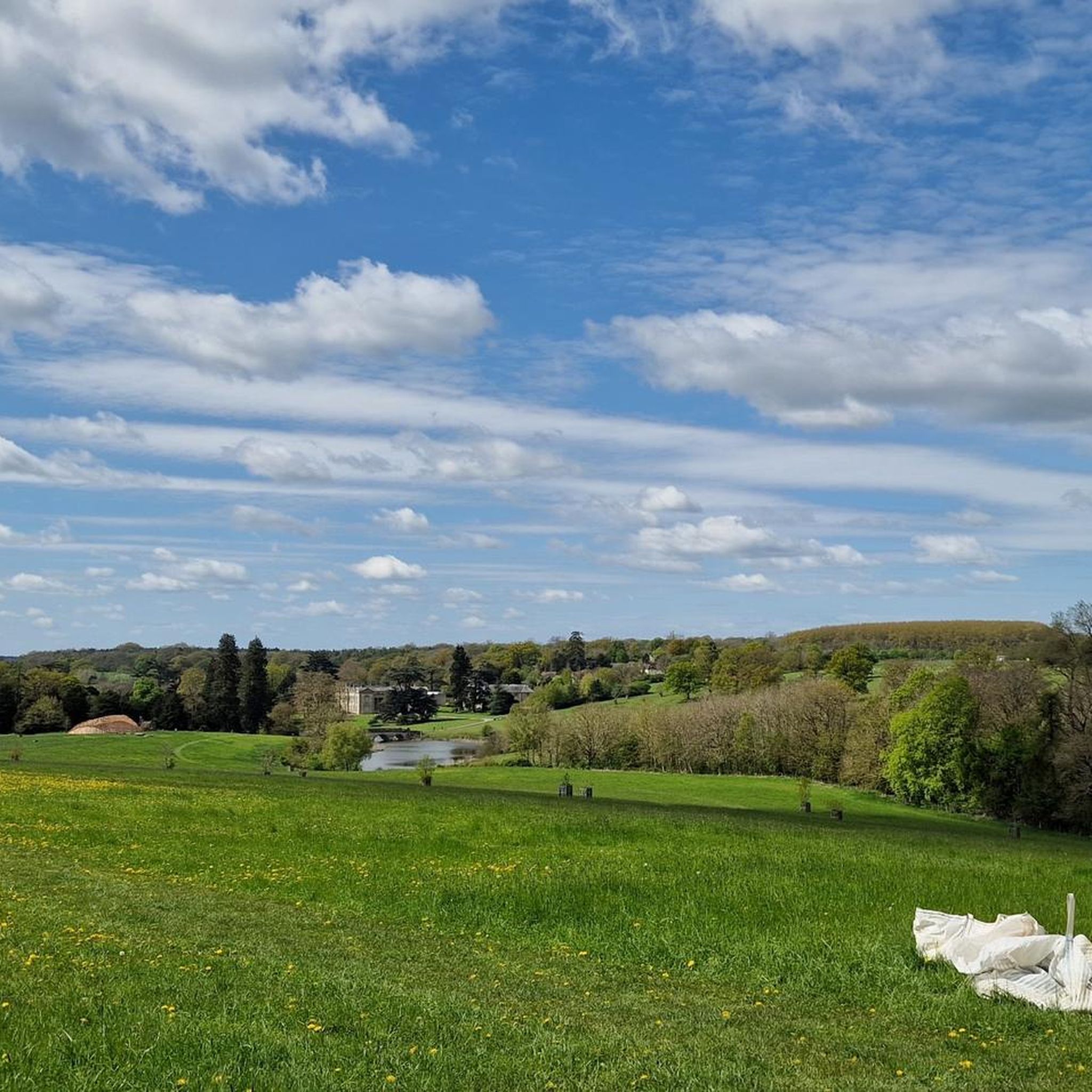
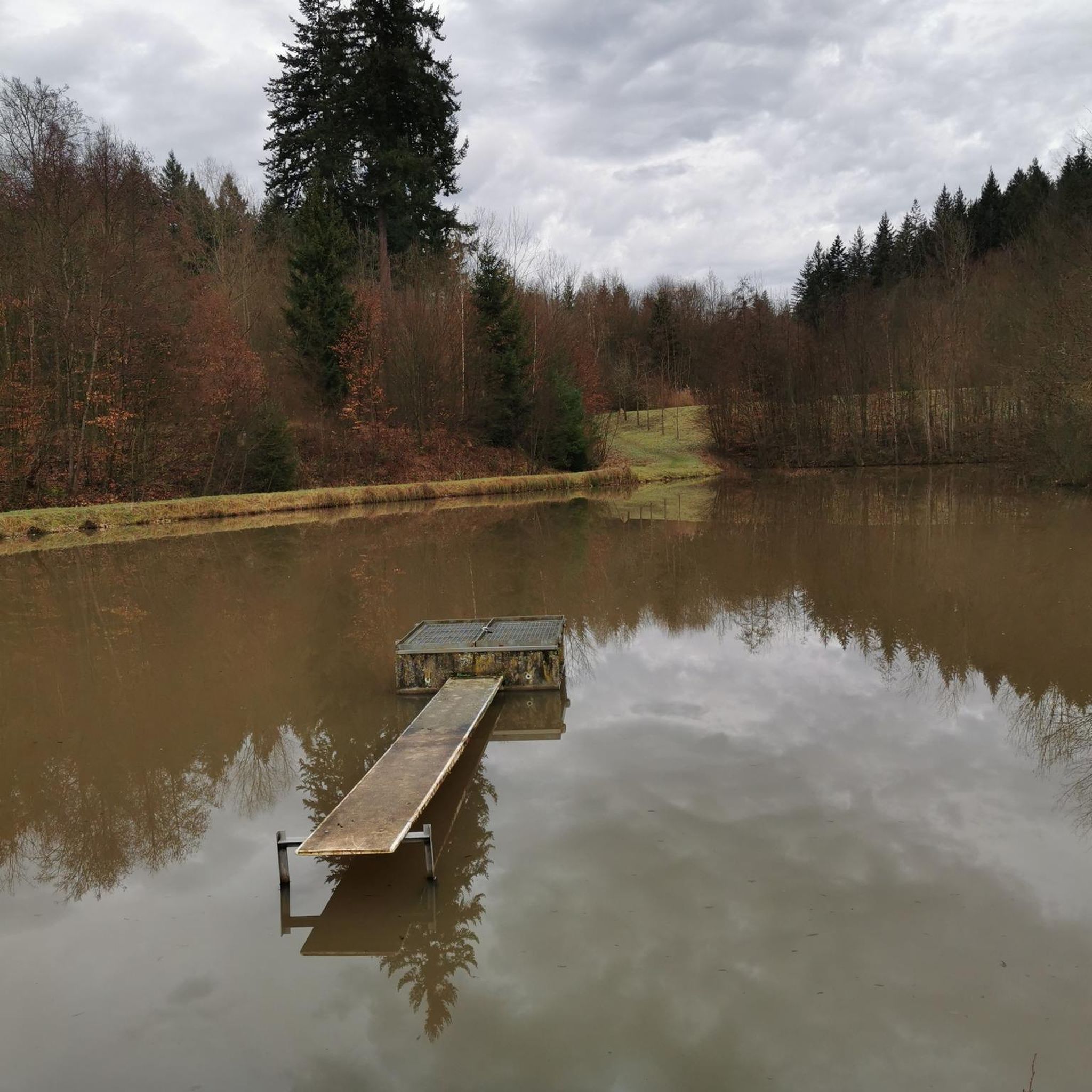
There are great views of 'Compton Pools' from many vantage points along this route. The pools are really lakes as they were turned into a single expanse of water by Lancelot Capability Brown circa 1769. The hills, the house and the bridges provide a beautiful backdrop to the lakes.
1
0
"Combroke Village is also known as Combrook and, less frequently, as Combrooke. Its history is closely linked with that of the nearby Compton Verney estate, for which it once served as the estate village, providing living accommodation for a number of the servants. The village dates from at least the time of Henry I, circa 1086, when a small medieval church was built in the village. There is, however, no separate reference to it in the Domesday book. By 1279, following a stocktaking by Edward I known as the Hundred Rolls, Combrook was identified as located in the Kineton hundred. It remained part of the Kineton parish until 1858, when it was separated from Kineton and united with the ecclesiastical parish of Compton Verney. A number of the buildings in the village have a similar style, most easily seen in the church. The original church was modified in Tudor times, with the chancel being rebuilt again in 1831. The present building was erected in 1866, to a design by John Gibson, paid for by the Dowager Lady Margaret Willoughby de Brook of Compton Verney, keeping the existing chancel. John Gibson went on to design the Victorian neo-Elizabethan estate houses and the horse drinking troughs in the village in the same style as that of the church. A number of the other houses in the village are thatched, with clear signs of original thatched roofs visible on several other dwellings. Until the sale of the Compton Verney estate in 1929, Combrook was a "closed" village, entirely owned by the Lord of the Manor, who could determine who lived there, and Combrook today is still considered to be one of the best-preserved estate villages in the country. The largest house in Combrook once served as the school, and there has been a school on the site since at least 1641. The building which now serves as the village hall was built as the village school in 1855, and seems to have served as a design template for John Gibson's style for the church and estate houses. The village school was closed in 1966." Source: Wikipedia https://en.wikipedia.org/wiki/Combrook
1
0
"The church of St Mary & St Margaret at Combrook is an entirely 19th century creation but one of considerable charm and eccentricity. Most of it dates from 1866 to the design of John Gibson, though the chancel remains from a simpler structure of 1831. The church is unusual in both it's shape and detailing, from the wide but low-pitched facade to the multi-gabled aisle walls. The west door and bell turret above are adorned with somewhat over-large demi-figures of angels. The stonework attractively blends white stone with rich golden-brown ironstone details. The interior is dark and largely brick-lined with some small stained glass windows by Willement, Powells and Burlison & Grylls." Source: https://warwickshirechurches.weebly.com/combrook---ss-mary--margaret.html
1
0

Great, just great. Awesome food, dedicated off road bike parking, e-bike charging.
0
0
Great food and dedicated spaces for bike off the Main Street. Also has charger for e-bikes.
0
0


Frequently Asked Questions
How many hiking trails are there around Moreton Morrell?
There are over 290 hiking routes to explore around Moreton Morrell, ranging from easy strolls to more challenging treks. The majority are easy or moderate, making the area accessible for most fitness levels.
What do other hikers think of the trails in this area?
The trails around Moreton Morrell are highly regarded by the komoot community. With over 6,200 visitors and more than 480 reviews, the routes have earned an average rating of 4.5 out of 5 stars. Hikers often praise the classic English countryside scenery, with its rolling meadows and quiet woodlands.
Are there any easy, family-friendly walks?
Yes, the area is great for family outings. The terrain is generally gentle, and there are many shorter, easy routes. For a pleasant walk that's suitable for most abilities, consider the Compton Pools – Stone Bridge at Compton Verney loop from Combrook. It's a relatively flat walk around the scenic Compton Pools.
Can I take my dog on the trails?
Most trails in the Moreton Morrell area are suitable for walking with a dog, as they pass through open countryside and public footpaths. However, you will likely cross fields with livestock, so it's essential to keep your dog on a lead in these areas. Always check for local signage regarding dogs.
Where can I park to start a walk?
Parking availability varies by route. Some walks start from villages with on-street parking, while others begin near specific attractions. For example, the popular Welcombe Hills area has a free country club car park that walkers use. Always check the starting point of your chosen route on komoot for specific parking details.
Are there circular walks that start and end near Moreton Morrell?
Absolutely. Circular walks are very popular in this region. You can find many loops of varying lengths that bring you back to your starting point. A great example of a longer circular route is the St John the Baptist Church – Charlecote Park loop from Newbold Pacey CP, which offers an extended tour of the countryside.
What kind of scenery can I expect on a hike?
The landscape is classic Warwickshire countryside. Expect to walk through rolling meadows, active farmland bordered by hedgerows, and patches of tranquil woodland. Many paths follow small, meandering streams, adding to the area's pastoral charm. You may also encounter historical features, as the ancient Roman Fosse Way passes nearby.
Are there any long-distance footpaths in the area?
Yes, Moreton Morrell is located near the Millennium Way, a 100-mile long-distance footpath that cuts through the heart of England. You can easily tackle manageable sections of this trail as part of a day hike starting from the local area.
What is the terrain like? Are the paths muddy?
The terrain is generally gentle with some rolling hills but no steep mountains. The paths are a mix of farm tracks, field edges, and woodland trails. After rainfall, many of the natural paths, especially through fields and woods, can become quite muddy, so waterproof hiking boots are recommended.
Are there any good spots for views or nature?
While the area is known more for its gentle, rolling scenery than dramatic peaks, there are several lovely spots for nature lovers. The Leam Valley Local Nature Reserve is a popular choice for its accessible trails and wildlife. For broader views, locals often head to Welcombe Hills, which offers stunning vistas over the surrounding landscape.
What historical points of interest can I see while hiking?
The region is rich in history. Some routes pass near significant landmarks, such as the impressive Tudor Gatehouse at Charlecote Park. The village of Moreton Morrell itself has deep historical roots, and you can still see evidence of a shrunken medieval village in the landscape. Sections of the ancient Roman Fosse Way are also incorporated into some local walks.
Most popular routes around Moreton Morrell CP
Most popular attractions around Moreton Morrell CP

Get inspired with the komoot mobile app


Explore more
Browse the best Hikes in other regions.
