Attractions and Places To See around Drumskinny - Top 5
Best attractions and places to see around Drumskinny are concentrated in County Fermanagh, Northern Ireland. This region is characterized by its upland bog areas, drumlin farmland, and valleys. It is primarily known for its significant archaeological sites, offering a glimpse into prehistoric past. The area provides a blend of natural landscapes and ancient cultural heritage for exploration.
Best attractions and places to see around Drumskinny
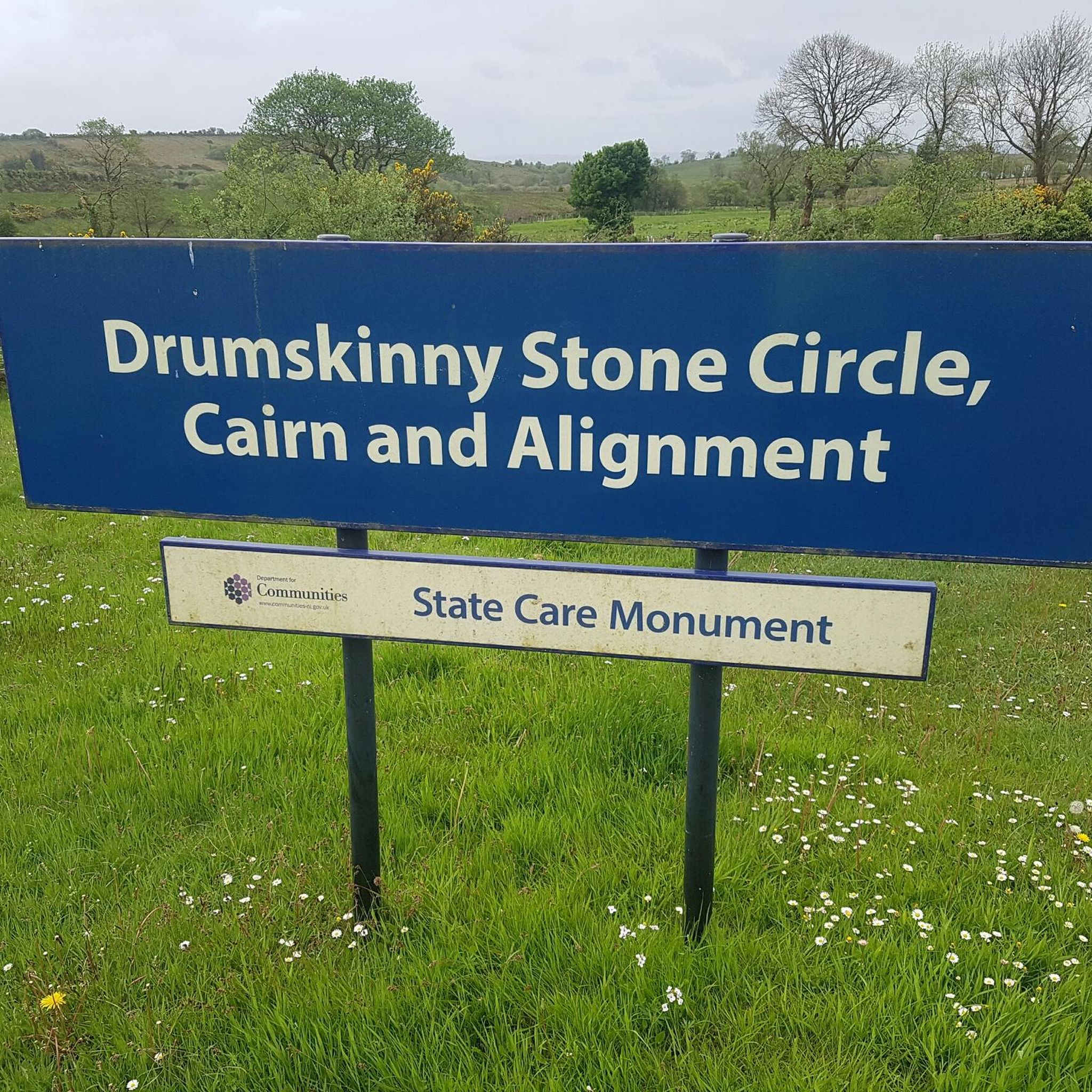
- The most popular attractions is Drumskinny Stone Circle, Cairn and Alignment, a historical site…
Last updated: July 1, 2026
Drumskinny Stone Circle, Cairn and Alignment
Highlight • Historical Site
Tip by

St Patrick's Purgatory
Highlight • Religious Site
Tip by
Sign up now to discover places like this
Get recommendations on the best single tracks, peaks, & plenty of other exciting outdoor places.
Sign up for free
Boa Island Road
Highlight (Segment) • Viewpoint
Tip by

St Caireall’s Church Ruins
Highlight • Historical Site
Tip by
Start today with a free account
Your next adventure awaits.
Login or Signup
Popular around Drumskinny
Tips from the Community

From here over the Lough you can see St Patrick's Purgatory which is an ancient pilgrimage site that is suggested to have not been interrupted for fifteen hundred years, with it continuing in the present day. Its importance in medieval times is clear due to its present on maps all over Europe as early as the 15th century. It was the only Irish site designated on Martin Behaim's world map of 1492.
1
0

It is thought that a church has been sited here since the 6th century. Little is known about St Caireall, but the ruined church was definitely present in 1399 as it was recorded in Archbishop Colton's Visitation of the Derry Diocese. Just up the road is a white painted, tumbling down schoolhouse. It is believed to be built with stones from the church.
0
0
Boa Island is the largest island on Lough Erne. The road cuts through its centre with views of Lusty Beg, Lusty More and Cruninish Islands.
0
0
From here over the Lough you can see St Patrick's Purgatory which is an ancient pilgrimage site that is suggested to have not been interrupted for fifteen hundred years, with it continuing in the present day. Its importance in medieval times is clear due to its present on maps all over Europe as early as the 15th century. It was the only Irish site designated on Martin Behaim's world map of 1492.
1
0
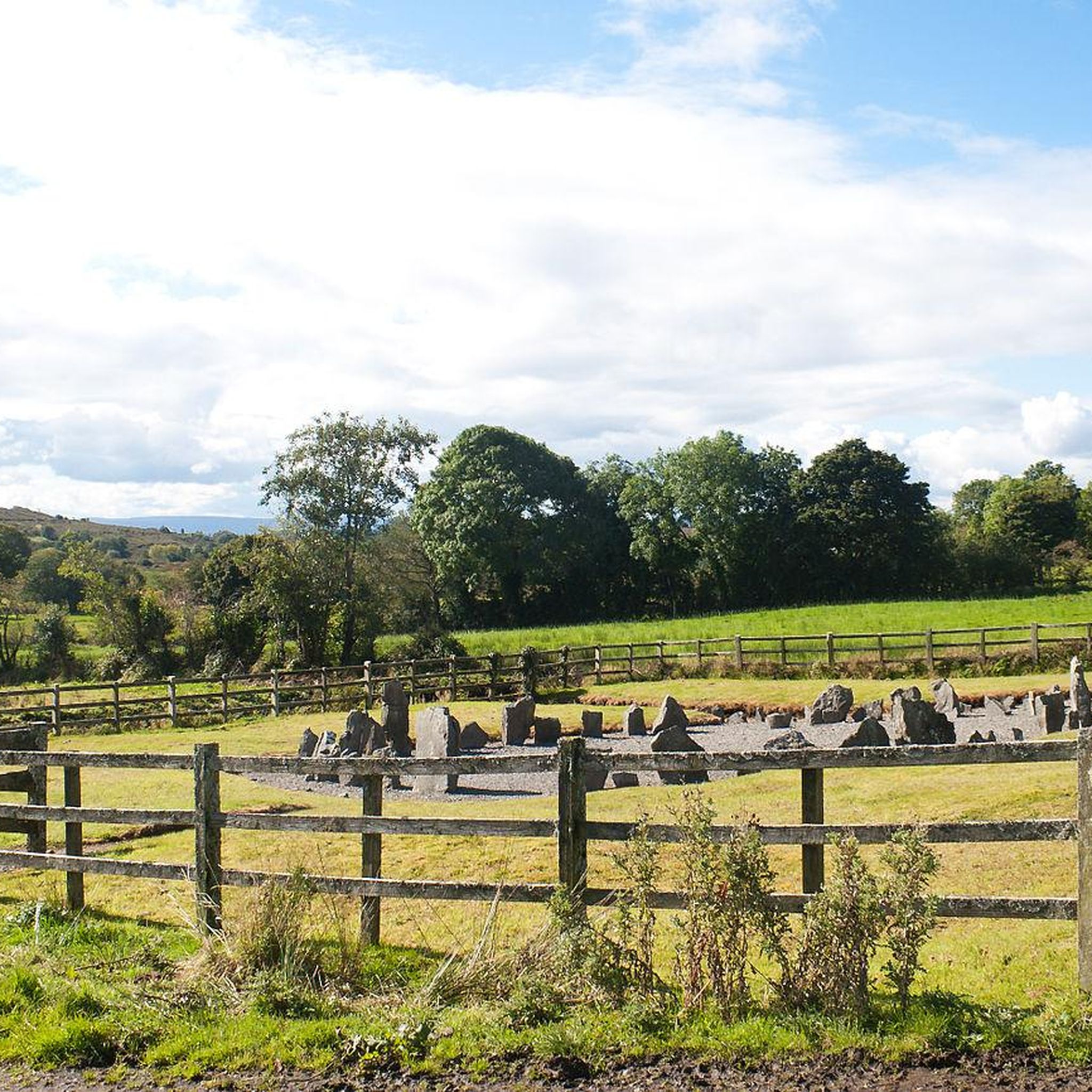
Drumskinny Stone Circle is one of five in the area. It dates back to 2000BC and is thought to have been used for religious ceremonies, calendar functions or astronomical observations. There are 39 stones that make up the circle which are all placed around a small cairn.
1
0

Drumskinny Stone Circle is one of five stone circles located in the area. Although its exact purpose isn't known, it is thought to have been used for religious ceremonies, calendar functions, or astronomical observations. The circle is made up of 39 stones placed around a small round cairn. Entrance to the site is free.
0
0
Frequently Asked Questions
What is the main historical attraction in Drumskinny?
The primary historical attraction is the Drumskinny Stone Circle, Cairn and Alignment. This ancient complex dates back to around 2000 BC and is believed to have been used for religious ceremonies, calendar functions, or astronomical observations. It consists of 39 stones forming a circle around a small cairn, with an alignment of 23-24 smaller stones extending from it.
Are there other historical sites to explore near Drumskinny?
Yes, beyond the main stone circle, you can visit St Caireall’s Church Ruins, which is thought to have been a church site since the 6th century. Its presence was recorded as early as 1399. Additionally, St Patrick's Purgatory, an ancient pilgrimage site, can be seen across the Lough and holds significant medieval importance.
Where can I find scenic views around Drumskinny?
For scenic views, head to Boa Island Road. This road cuts through Boa Island, the largest island on Lough Erne, offering picturesque views of Lusty Beg, Lusty More, and Cruninish Islands.
What kind of landscape can I expect to see in the Drumskinny area?
The Drumskinny area, located in County Fermanagh, Northern Ireland, is characterized by its upland bog areas, drumlin farmland, and valleys. The landscape around the Drumskinny Stone Circle itself is an upland bog area, which was drained after its excavation in 1962 to allow for better access and preservation.
Are there walking routes directly from the Drumskinny Stone Circle?
While there aren't specific named walking routes starting directly from the Stone Circle listed, the site is easily accessible and located in an area suitable for exploration on foot. The broader County Fermanagh landscape offers various walking opportunities through its drumlin farmland and bog areas. For nearby cycling routes that may include pedestrian sections, consider exploring the Cycling around Drumskinny guide.
What cycling opportunities are available near Drumskinny?
The area around Drumskinny offers several cycling opportunities. You can find various routes for both road cycling and touring bicycles. Notable options include sections of the Kingfisher Cycle Trail. For detailed routes and their difficulties, refer to the Road Cycling Routes around Drumskinny and Cycling around Drumskinny guides.
Is the Drumskinny Stone Circle accessible for visitors?
Yes, the Drumskinny Stone Circle, Cairn and Alignment is well-restored and considered easily accessible. The site is a State Care Historic Monument, and the surrounding bog area was drained to improve access and preservation after its excavation.
What is the best time of year to visit Drumskinny?
Given the area's upland bog landscape, visiting during drier months, typically late spring to early autumn, might offer the most comfortable experience for exploring the Drumskinny Stone Circle and surrounding areas. Always check local weather forecasts before your visit, especially if planning walks.
Are there family-friendly attractions around Drumskinny?
The Drumskinny Stone Circle, Cairn and Alignment is considered family-friendly, offering an engaging historical experience for all ages. Additionally, the scenic Boa Island Road provides pleasant views that families can enjoy together.
Can I find dog-friendly walks in the Drumskinny area?
While specific dog-friendly walks are not detailed, the general rural and natural landscape around Drumskinny, including its bog areas and farmland, offers opportunities for walks with dogs. Always ensure dogs are kept under control, especially near livestock or protected areas, and adhere to local regulations regarding pets at historical sites.
What do visitors appreciate most about the Drumskinny Stone Circle?
Visitors appreciate the historical significance and the well-preserved nature of the Drumskinny Stone Circle. Many find it fascinating to explore a site dating back to 2000 BC, with its unique arrangement of stones, cairn, and alignment. The free entrance and easy accessibility also contribute to a positive visitor experience.
Are there places to eat or stay near Drumskinny?
Drumskinny itself is a small area focused on the archaeological site. For amenities like cafes, pubs, and accommodation, you would typically look to nearby villages such as Kesh. Kesh offers various options for dining and lodging, serving as a convenient base for exploring the wider County Fermanagh region.
Most popular routes around Drumskinny

Get inspired with the komoot mobile app


Explore more
Still not found the Highlight you’re looking for? See guides of the top attractions in other regions:
