The best running trails around Fulbrook CP
3.9
(134)
14,626
runners
508
runs
Jogging around Fulbrook CP offers a network of routes through varied terrain, characterized by gentle elevation changes and paths connecting local villages and countryside. The region provides opportunities for both shorter, easier runs and longer, more moderate challenges. Runners can expect to find trails that traverse open landscapes and connect to local landmarks.
Best jogging routes around Fulbrook CP
- The most popular jogging route is St Peter's Church, Barford loop from Barford, a 3.8 miles (6.2 km) trail that…
Last updated: June 23, 2026
14
runners
6.19km
00:39
50m
50m
Moderate run. Good fitness required. Mostly paved surfaces. Suitable for all skill levels.
7
runners
5.20km
00:32
30m
30m
Moderate run. Good fitness required. Mostly paved surfaces. Suitable for all skill levels.

Sign up for free
6
runners
8.89km
00:56
70m
70m
Moderate run. Good fitness required. Mostly paved surfaces. Suitable for all skill levels.
8
runners
3.56km
00:22
40m
40m
Easy run. Great for any fitness level. Mostly paved surfaces. Suitable for all skill levels.
5
runners
11.4km
01:14
120m
120m
Moderate run. Good fitness required. Mostly paved surfaces. Suitable for all skill levels.
Get access to more routes and recommendations from other explorers.
Sign up for free
Already have an account?
Our route recommendations are based on thousands of hikes, rides, and runs completed by other people on komoot.
Start today with a free account
Your next adventure awaits.
Login or Signup
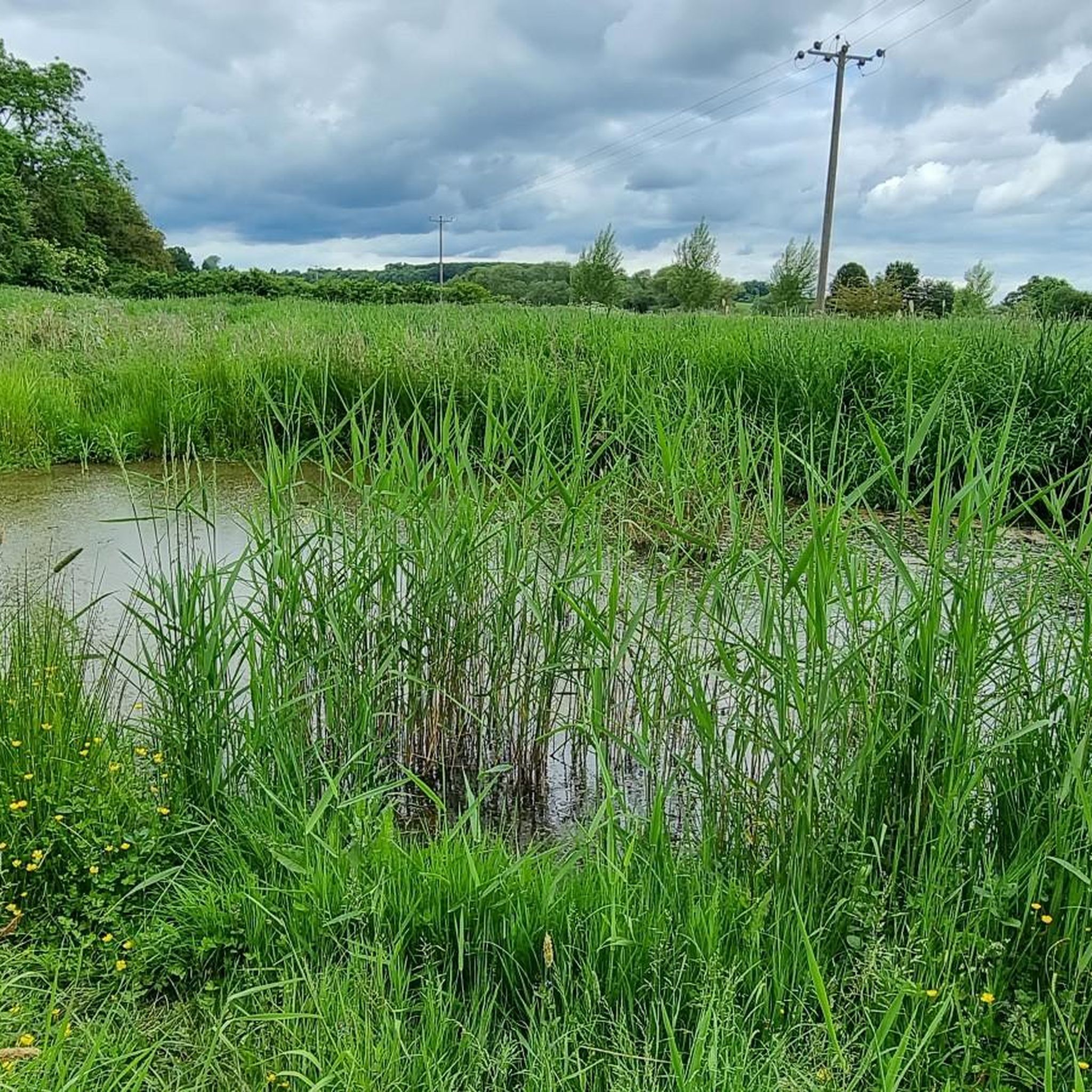
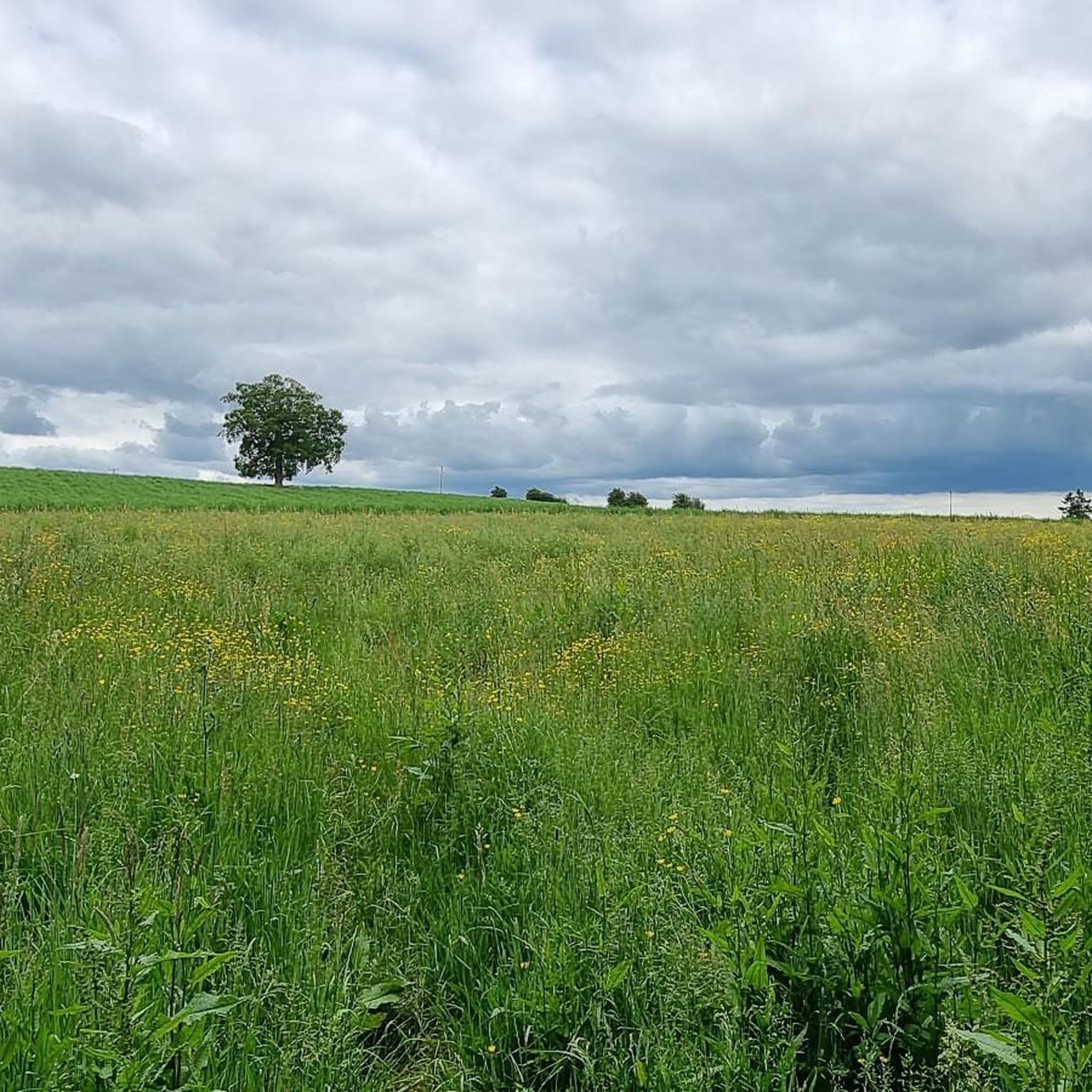
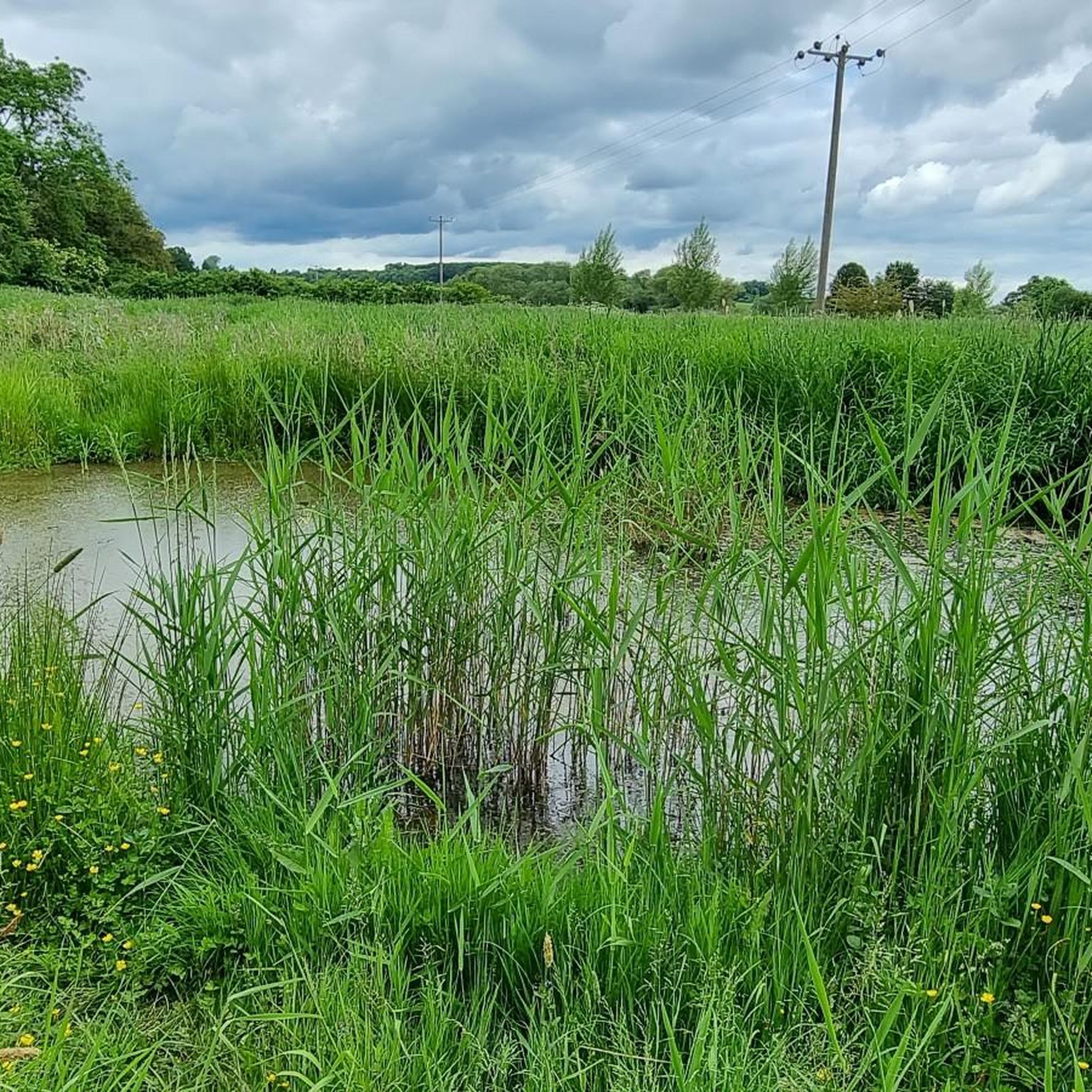
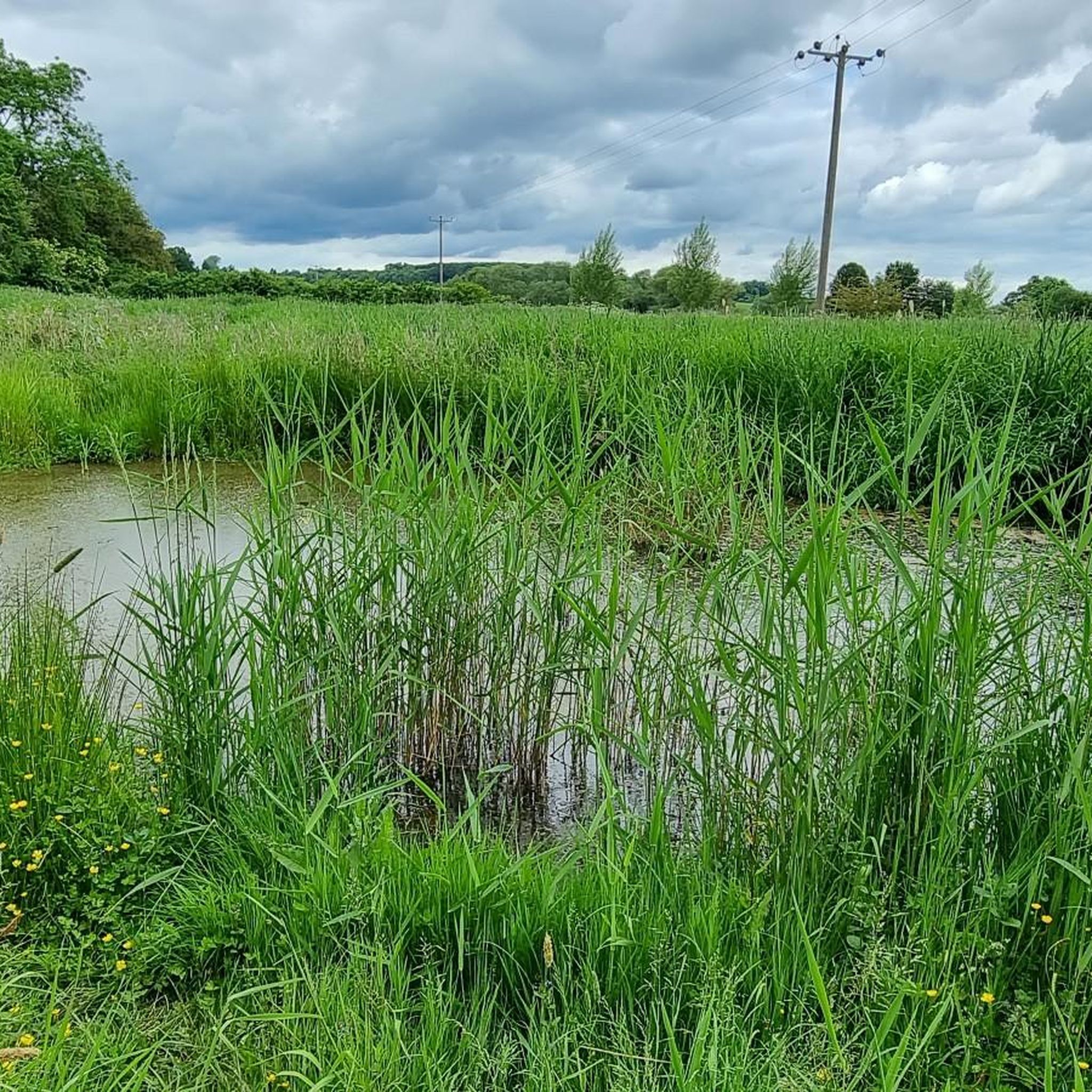
Tips from the Community

Has a community shop with coffee, soft drinks and snacks, a tyre pump and bike rack.
0
0

Always ask for the local hookey if it’s on tap!
0
0

One of the best known landmarks on the hills is Obelisk or Monument Erected in 1876 by Robert Needham Philips to honour his brother Mark Philips, this obelisk on the hill above the Welcombe Hotel is visible for miles up and down the vale of the Avon. Welcombe was once part of the chief manor of Old Stratford and in Shakespeare’s time the Combes family had a considerable estate here. In 1845 Mark Philips, son of a northern industrialist purchased Welcombe Manor and in the 1860s rebuilt it as the family seat. Today this forms the Welcombe Hotel. Mark Philips was also notable as Manchester’s first Member of Parliament. About Mark Phlips Mark Philips (4 November 1800 – 23 December 1873) was an English Liberal Party politician, and one of the first pair of Members of Parliament for Manchester after the Great Reform Act. Born in Philips Park, Whitefield, Lancashire, the son of Robert Philips, a prosperous merchant and Anne Needham. He was educated at the Manchester Academy while it was in York and then at the University of Glasgow. The town of Manchester was deprived of its parliamentary representation in 1660 in reprisal for its support of the Parliamentarian faction during the English Civil War. Representation was only restored following the Great Reform Act of 1832. He and Charles Poulett Thomson were the first pair of MPs elected in that year. He represented the city in Parliament until 1847, an active member of the Anti-Corn Law League. A champion of universal education, in 1837 he chaired a meeting that led to the creation of the Lancashire Public Schools’ Association which was instrumental in establishing a system of publicly-funded schooling in the UK. He also played an important role in establishing the UK’s first free public library in 1852 and he was President of his old school Manchester Academy from 1842–1846 and from 1871 until his death in 1873. He was High Sheriff of Warwickshire in 1851. Philips donated money to many causes including £1,000 towards the fund for the provision of open spaces and parks for the City of Manchester. This resulted in many estates being purchased by the city, including Lark Hill in Salford, which became Peel Park, and the Bradford Estate which became Philips Park in east Manchester. He died, aged 73, at Welcombe House, Stratford-upon-Avon.
0
0

Called into the deli for hot soup and nice crusty bread on a long winter mountain bike ride. The also have real gelato - perfect for summer!
0
0

Great place to stop if you are walking this section of the Monarch’s Way. Good range of food and drinks and if you mention Monarch’s Way you can get a small discount.
1
0

Great for dogs and nice views from the obelisk
0
1
The war memorial in the village of Barford is set into the wall surrounding the churchyard of St Peter’s church, at the corner of Church Street and Church Lane. Five stone plaques are set into the wall; the three central ones commemorate World War I and two smaller ones either side of this, World War II. This section of the wall is heightened and a stone cross on a triple plinth rises from the top of the wall above the plaques. The dedication on the World War I plaque reads IN MEMORY OF THE MEN OF THIS PARISH WHO DIED FOR KING AND COUNTRY 1914 – 1919 The names of the fallen are listed below this: GEORGE HIRONS JOHN SMITH M.M. REUBEN BARNBROOK ARTHUR HOPKINS H. DENNIS SMITH-RYLAND Capt. HARRY WOODWARD FRANCIS H. FREEMAN Wm HENRY REEVE FRANCIS H. TALBOT ALBERT E. WINSTON L-C FREDERICK PILKINGTON WILLIAM CARTER Cpl FREDERICK BARTLETT C WESLEY HUNT FRANK A. BAKER L-C MARY M. GRAHAM and are followed by the words THEY POSSESS THE REWARD OF THEIR VALOUR WITH GOD IN HEAVEN AND LEAVE TO THE WORLD THE RICH INHERITANCE OF THEIR MEMORY The two World War II memorial plaques have the dates 1939 – 1945 and record names of the fallen. MAURICE S BARKER Major LAURENCE E W BYAM Mid JOHN FINCH RICHARD H HADLEY WILLIAM PUMFREY AUBREY A UPSTONE Hon GUSTAVUS L HAMILTON-RUSSELL Lt The original (World War I) memorial, was first unveiled on Sunday 18th September 1921. By 2003 the old bricks had deteriorated beyond repair and the stone plaques were becoming illegible due to spalling which necessitated significant restoration work. The restored memorial was rededicated prior to the Remembrance Day service on Sunday 9th November 2003.
0
0
St Peter’s has almost certainly been a site of Christian worship for over 1000 years. There was a resident priest here in 1085 according to Domesday Book. At the beginning of the 13th century the Saxon church was rebuilt and stood for 600 years. It is possible that the work at Barford may have been carried out by the same masons whom Thomas Beauchamp employed to build the present Warwick Castle and St Mary’s chancel. There are shot marks on the sides of the tower said to have been made by the Parliamentary soldiers before the battle of Edgehill in 1642. The building, except for the tower which remains today, was rebuilt between 1844 and 1845 largely through the generosity of Miss Louisa Ann Ryland. Inside the tower is the ringing gallery from which the peal of six bells is rung. Under the gallery is a 14th century recumbent stone effigy of a woman in a close fitting dress. Nearby is the “Churching Pew” formerly used by women who had recently given birth. By the organ is a 16th century iron-bound chest with two locks which was used to store documents and money. This was distributed to the poor of the village and known as “Parish Relief”. The East window is by Holland of Warwick. In the churchyard, near the line of yews, is the grave of Joseph Arch (1826 – 1919) who started the Union of Agricultural Workers and later became an MP.
0
0
Frequently Asked Questions
How many running routes are available around Fulbrook CP?
There are over 500 running routes recorded around Fulbrook CP on komoot, offering a wide variety of options for joggers of all levels. This includes 67 easy routes, 351 moderate routes, and 92 more challenging trails.
What kind of terrain can I expect on the jogging trails in Fulbrook CP?
The jogging trails around Fulbrook CP are characterized by open countryside, village paths, and gentle hills. You'll find varied terrain with mostly gentle elevation changes, connecting local villages and the surrounding landscape.
Are there any easy running routes suitable for beginners or a relaxed jog?
Yes, Fulbrook CP offers several easy running routes. One popular option is the Running loop from Barford, which is 3.7 km long and has minimal elevation gain, making it perfect for a relaxed run.
Can I find longer distance running trails for more endurance training?
Absolutely. For those looking for a longer run, the Welcome Obelisk loop from Snitterfield CP is a great choice. This moderate trail spans 11.4 km and takes about 1 hour 14 minutes to complete, leading through the local countryside.
What do other runners say about the trails in Fulbrook CP?
The running routes in Fulbrook CP are highly rated by the komoot community, holding an average score of 3.8 stars from over 117 reviews. More than 13,000 runners have used komoot to explore the varied terrain, often praising the scenic countryside and well-maintained paths.
Are there any circular running routes available?
Many of the routes around Fulbrook CP are designed as loops, offering convenient circular runs. For instance, the popular St Peter's Church, Barford loop from Barford is a 6.2 km circular trail, and the Running loop from Snitterfield CP is another excellent moderate loop option.
What interesting landmarks or attractions can I see along the running routes?
While jogging, you can discover several points of interest. Nearby attractions include the historic Charlecote Park and the tranquil Oakley Wood Local Nature Reserve. Other notable spots include Welcombe Hills & Clopton Park and the beautiful Jephson Gardens.
Are the running trails in Fulbrook CP suitable for families?
Many of the easier and moderate routes, particularly those that are shorter and have gentle gradients, are suitable for families. The varied countryside and village paths offer a pleasant environment for a family jog or walk. Always check the specific route details for distance and difficulty to ensure it meets your family's needs.
Are the running routes dog-friendly?
Generally, the countryside trails around Fulbrook CP are dog-friendly. However, it's always advisable to keep dogs on a leash, especially when passing through farmland or areas with livestock, and to be mindful of local signage and regulations. Please ensure you clean up after your pet.
Are there any challenging running routes for experienced runners?
Yes, for experienced runners seeking a challenge, Fulbrook CP offers 92 difficult routes. These trails typically feature longer distances and more significant elevation changes, providing a more strenuous workout amidst the scenic landscape.
What is the best time of year to go running in Fulbrook CP?
The best time to go running in Fulbrook CP largely depends on personal preference. Spring and autumn offer pleasant temperatures and beautiful scenery with blooming wildflowers or vibrant foliage. Summer can be ideal for early morning or late evening runs to avoid the heat, while winter runs can be refreshing, though trails might be muddier after rain.
Most popular attractions around Fulbrook CP

Get inspired with the komoot mobile app


Explore more
Browse the best Running Trails & Routes in other regions.
