Attractions and Places To See around Hunstanton - Top 20
Best attractions and places to see around Hunstanton include coastal features, historical sites, and nature reserves. Located on the Norfolk coast, the area offers diverse landscapes from cliffs to sandy beaches. It is known for its unique geology and significant historical landmarks. Visitors can explore a range of natural and man-made attractions.
Best attractions and places to see around Hunstanton
- The most popular attractions is Old Hunstanton Lighthouse, a man-made monument that has stood on the cliffs since 1665, with the current structure dating to 1840. It offers views over the sea.
- Another must-see spot is Sea Wall and Groynes at Sandbanks, a viewpoint offering expansive views over the coast, sandbanks, and sea defenses. It features seaside cottages and is a location for observing activities like kite surfing.
- Visitors also love Holme Dunes National Nature Reserve, an other natural site located on the northwest tip of Norfolk. This reserve attracts migrating birds and diverse wildlife, and also contains historical sites like remnants of a Bronze Age timber circle.
- Hunstanton is known for its historical sites, natural reserves, and coastal viewpoints. The area provides a variety of attractions to see and explore, from ancient ruins to wildlife habitats.
- The attractions around Hunstanton are appreciated by the komoot community, with more than 70 upvotes and 30 photos shared.
Last updated: October 19, 2026
Old Hunstanton Lighthouse
Highlight • Monument
Tip by

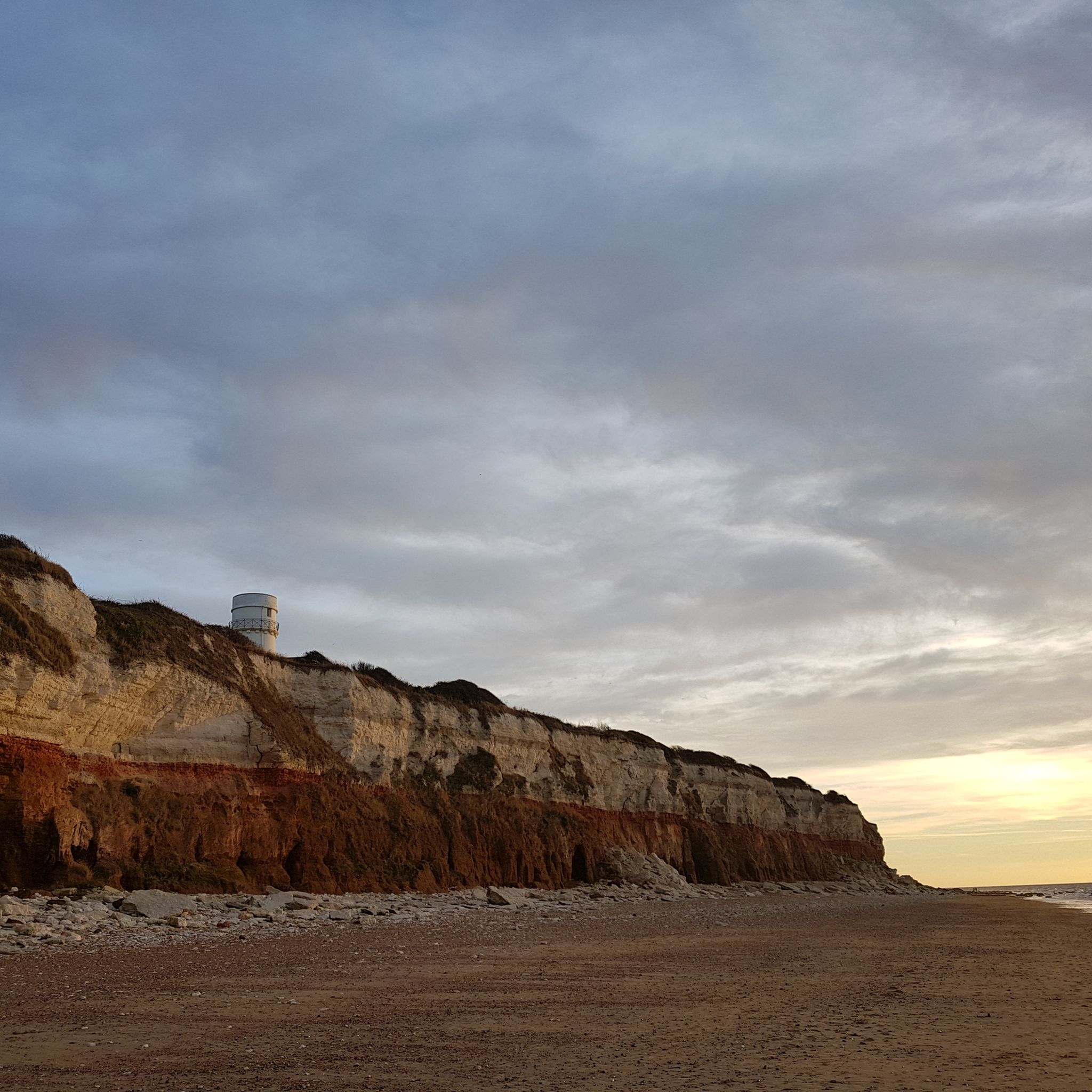
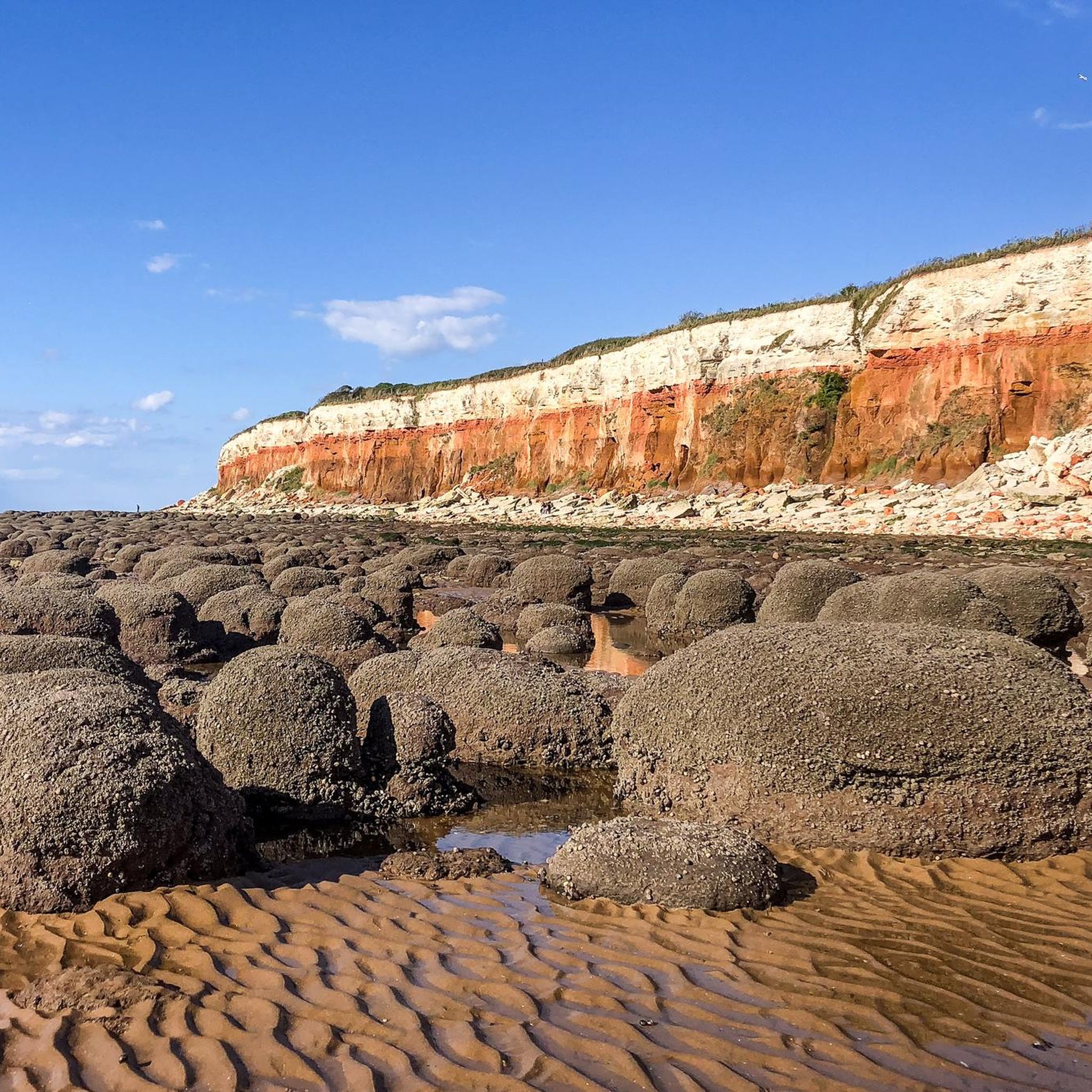
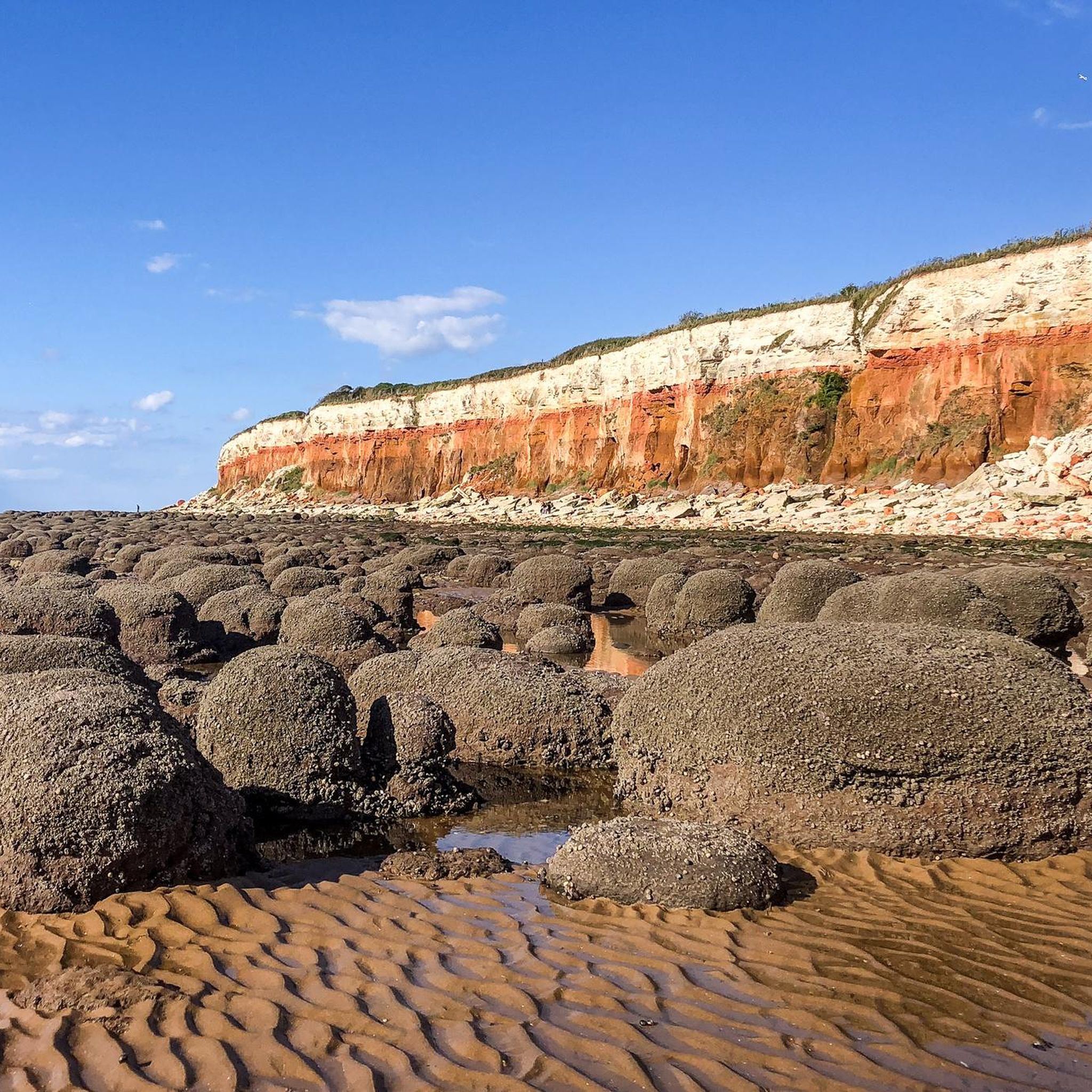
Hunstanton Striped Cliffs
Highlight • Viewpoint
As the only west facing resort on the east coast of England, it's one of the few spots you can watch the sunset across the sea.
There are two sides to Hunstanton, the elegant old Victorian town with its Esplanade Gardens and the lively traditional family holiday resort with amusements.
Tip by

Sign up now to discover places like this
Get recommendations on the best single tracks, peaks, & plenty of other exciting outdoor places.
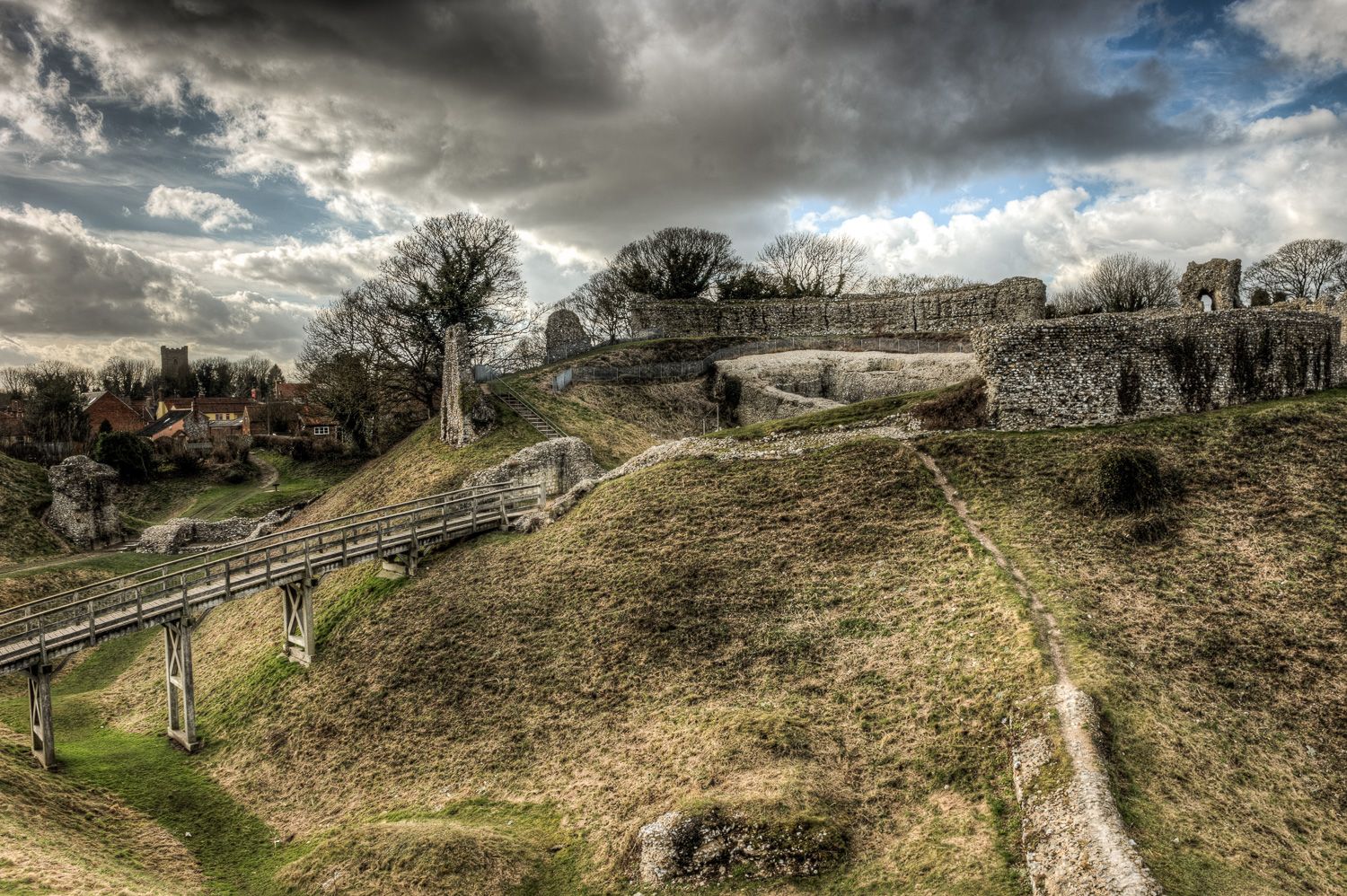
St Edmund's Chapel Ruins
Highlight • Religious Site
Tip by

Coastguard Lookout and Old Marconi Wireless Station
Highlight • Other
The Second World War saw the building continue as a signal station and was visited by his Majesty King George VI and Queen Elizabeth in 1943, together with Princesses Elizabeth (Queen Elizabeth II) and Margaret, who spent time with the Coastguard and all four signed their royal insignias in the coastguard’s log book. This is an event remembered by a proudly-displayed commemmorative plaque on the side of the building.
Tip by
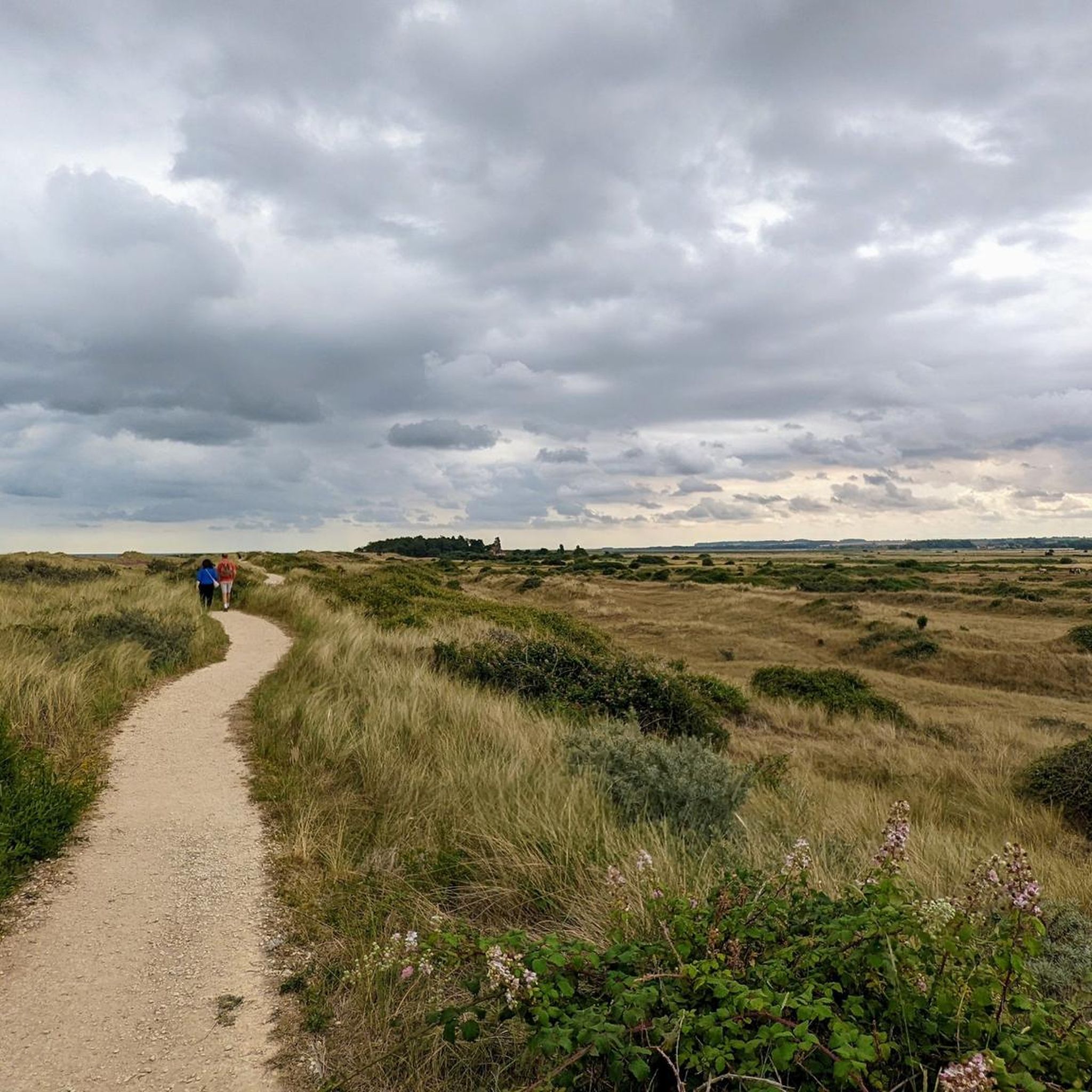
Holme Dunes National Nature Reserve
Highlight • Natural
The reserve also has plenty of interesting historical sites. In 1998, a well-preserved Bronze Age timber circle which was dubber 'Seahenge' was uncovered here. Seahenge is now housed in the King's Lynn Museum. You will also see military remains from WWII such as the remnants of a target-railway.
You can find more information, here: norfolkwildlifetrust.org.uk
Tip by

Sign up for free to discover even more attractions around Hunstanton.
Already have an account?
Start today with a free account
Your next adventure awaits.
Popular around Hunstanton
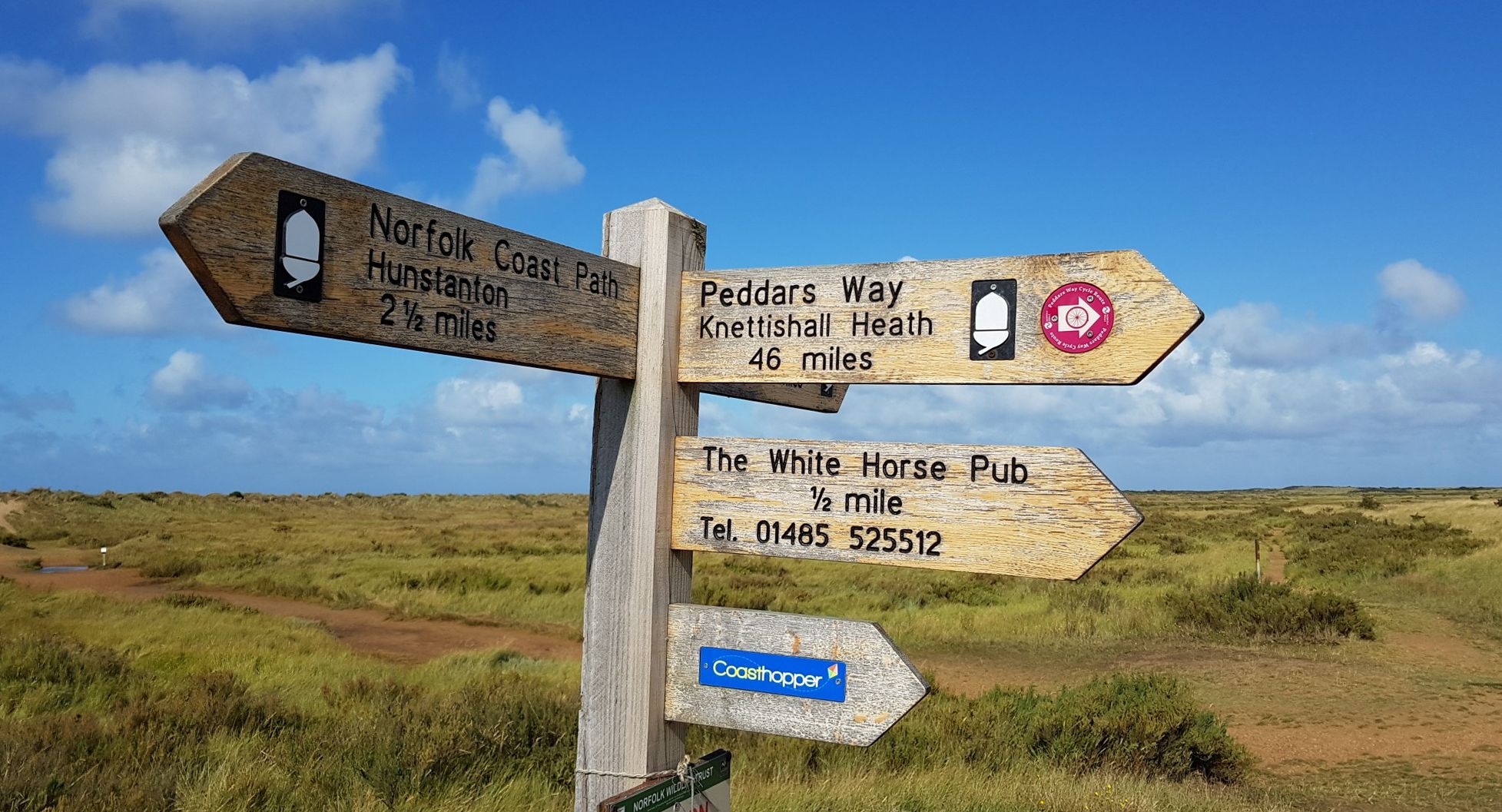
Norfolk Coast Path (National Trail)
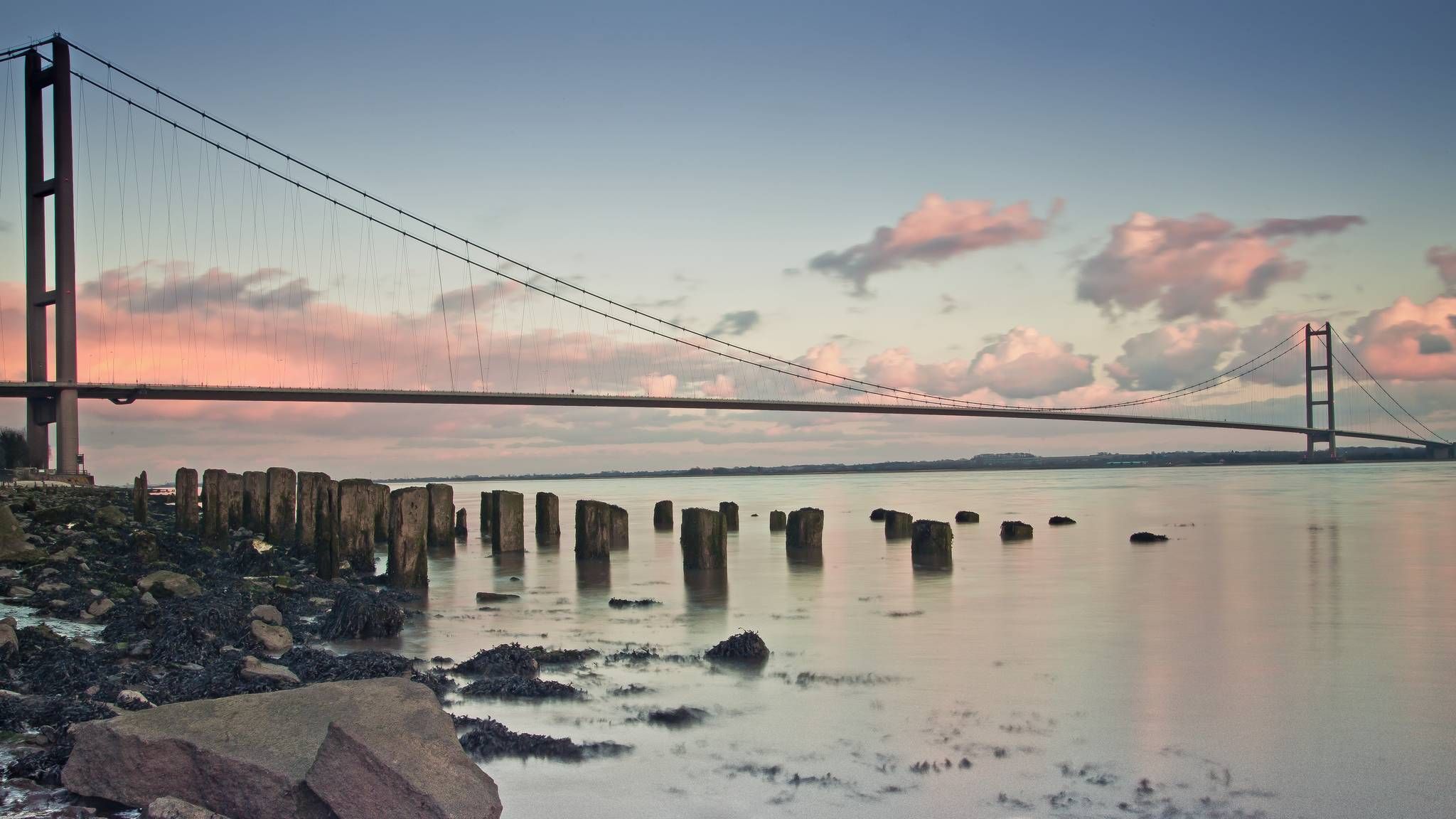
Cycling from Hull to Fakenham – The Lincolnshire Wolds to the Norfolk Coast
Norfolk’s Hidden Gravel Highway — Peddars Way
Hiking around Hunstanton
Road Cycling Routes around Hunstanton

Running Trails around Hunstanton
Cycling around Hunstanton
MTB Trails around Hunstanton


Tips from the Community

Today a very nice holiday home for 4 people, can be rented
1
0

Graet views of the setting sun especially from the Golden LIon hotel bar on top of the cliff.
0
0

Impressive landmark on the northern approach to Hunstanton.
0
0
The beach isn't visible from the cliff road but you do get some great views out across the Wash, with the westering sun if you're here later in the day.
0
0

Stopped for a round of crazy golf whilst doing the rebellion way. Guy put our bikes tucked away nice and safe.
0
1

Now self catering accommodation, the lighthouse at Old Hunstanton sits atop the highest point of Hunstanton Cliffs and was used to guide ships into The Wash. Built in 1840 to replace a previous structure from the 17th century. Before the lighthouses, it is thought that a light was displayed in St Edmund's Chapel, the ruins of which are next door.
0
0

The Old Hunstanton Lighthouse is a truly iconic building on the cliffs between Hunstanton and Old Hunstanton. The current lighthouse was built in 1840, however, there has been a lighthouse on the site since 1665. The lighthouse isn't open to the public but makes for a rather memorable holiday let accommodation. More details: norfolkcoastholidaycottages.co.uk/the-lighthouse-old-hunstanton
1
0
A very popular tourist destination, Hunstanton offers a gently sloping beach with rock pools at the Northern end leading to Hunstanton’s famous red and white stripped cliffs, the unusual colours caused by sand and iron oxide and chalk. As the only west facing resort on the east coast of England, it's one of the few spots you can watch the sunset across the sea. There are two sides to Hunstanton, the elegant old Victorian town with its Esplanade Gardens and the lively traditional family holiday resort with amusements.
2
0
Frequently Asked Questions
What historical sites can I explore around Hunstanton?
Hunstanton offers several historical sites. You can visit the ruins of St Edmund's Chapel Ruins, erected in 1272 in memory of St Edmund. Another significant spot is the Old Hunstanton Lighthouse, which has stood on the cliffs since 1665. Don't miss the Coastguard Lookout and Old Marconi Wireless Station, which played a crucial role in both World Wars.
Where can I experience nature and wildlife near Hunstanton?
For nature and wildlife, head to Holme Dunes National Nature Reserve. Located on the northwest tip of Norfolk, it's a haven for migrating birds and diverse wildlife, including avocets, barn owls, natterjack toads, and dragonflies. The reserve also features a beach and historical elements like remnants of a Bronze Age timber circle.
Are there easy walks or hiking trails near Hunstanton's attractions?
Yes, there are several easy walks and hiking trails. You can find routes like the 'Hunstanton Beach – Hunstanton Striped Cliffs loop' or the 'Old Hunstanton Lighthouse – Old Hunstanton Beach loop'. For more options, explore the Easy hikes around Hunstanton guide.
What are some family-friendly attractions in Hunstanton?
Many attractions around Hunstanton are suitable for families. The Old Hunstanton Lighthouse offers great views, and the Holme Dunes National Nature Reserve is perfect for exploring nature and spotting wildlife. The Sea Wall and Groynes at Sandbanks provides expansive coastal views and opportunities to watch activities like kite surfing.
What coastal features are unique to Hunstanton?
Hunstanton is known for its distinctive coastal features. The Sea Wall and Groynes at Sandbanks offers unique views over the coast, sandbanks, and sea defenses, with interesting seaside cottages. The area is also famous for its striped cliffs, visible from various viewpoints, including near the Old Hunstanton Lighthouse.
Can I go cycling near Hunstanton's attractions?
Absolutely! The area around Hunstanton is great for cycling. You can find routes like the 'North Beach Beach Huts – Heacham Sands Beachfront Path loop' which is an easy ride. For more cycling adventures, check out the Cycling around Hunstanton guide.
Are there any ancient historical sites in the area?
Yes, the Holme Dunes National Nature Reserve holds significant ancient history. In 1998, a well-preserved Bronze Age timber circle, dubbed 'Seahenge,' was uncovered there. While Seahenge is now housed in the King's Lynn Museum, the reserve itself offers a glimpse into the area's deep past.
What do visitors enjoy most about the attractions around Hunstanton?
Visitors particularly enjoy the stunning coastal views, especially at sunrise or sunset from spots like the Old Hunstanton Lighthouse. The diverse wildlife and natural beauty of Holme Dunes National Nature Reserve are also highly appreciated, along with the unique character of the Sea Wall and Groynes at Sandbanks.
Are there opportunities for birdwatching or wildlife spotting?
Definitely. The Holme Dunes National Nature Reserve is a prime location for birdwatching and wildlife spotting. It attracts thousands of migrating birds, and you can look out for species like avocets, barn owls, warblers, and wheaters, as well as natterjack toads and dragonflies.
What is the best time of year to visit Hunstanton for outdoor activities?
The warmer months, from late spring to early autumn, are generally ideal for outdoor activities in Hunstanton, offering pleasant weather for hiking, cycling, and enjoying the beaches and nature reserves. However, the area's natural beauty and historical sites can be appreciated year-round, with winter offering unique opportunities for quiet walks and dramatic coastal scenery.
Are there longer hiking routes available near Hunstanton?
Yes, for those seeking longer hikes, there are several options. You can explore routes such as the 'Hunstanton to Thornham loop' or the 'Hunstanton and Ringstead Circular Walk'. These routes offer more challenging distances and varied landscapes. More details can be found in the Hiking around Hunstanton guide.
Can I see military history near Hunstanton?
Yes, military history is present in the area. The Coastguard Lookout and Old Marconi Wireless Station played a significant role in both World Wars. Additionally, Holme Dunes National Nature Reserve contains remnants of WWII military structures, such as a target-railway.
Most popular routes around Hunstanton

Get inspired with the komoot mobile app


Explore more
Still not found the Highlight you’re looking for? See guides of the top attractions in other regions:
