The best cycling routes around Medstead
4.5
(97)
1,243
riders
180
rides
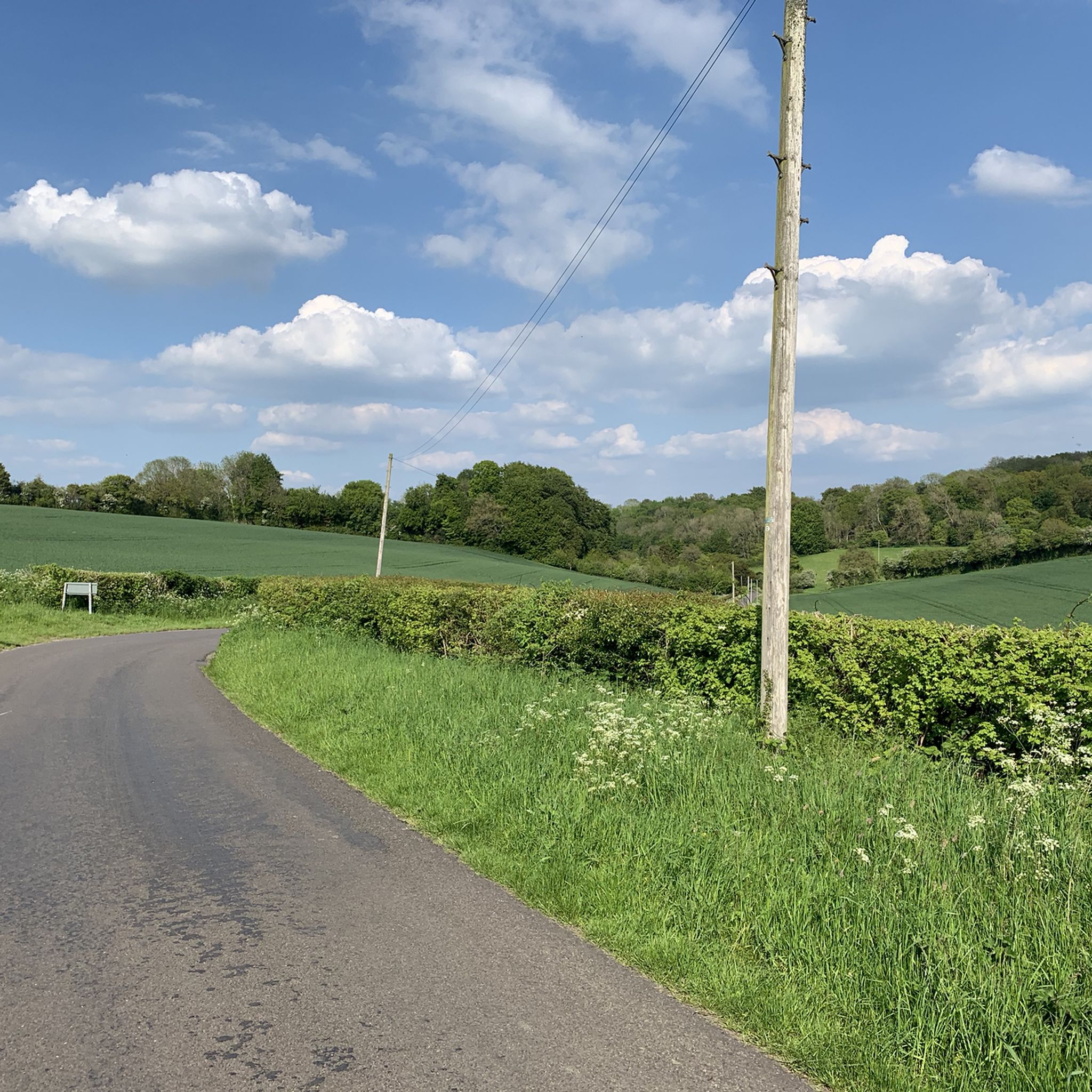
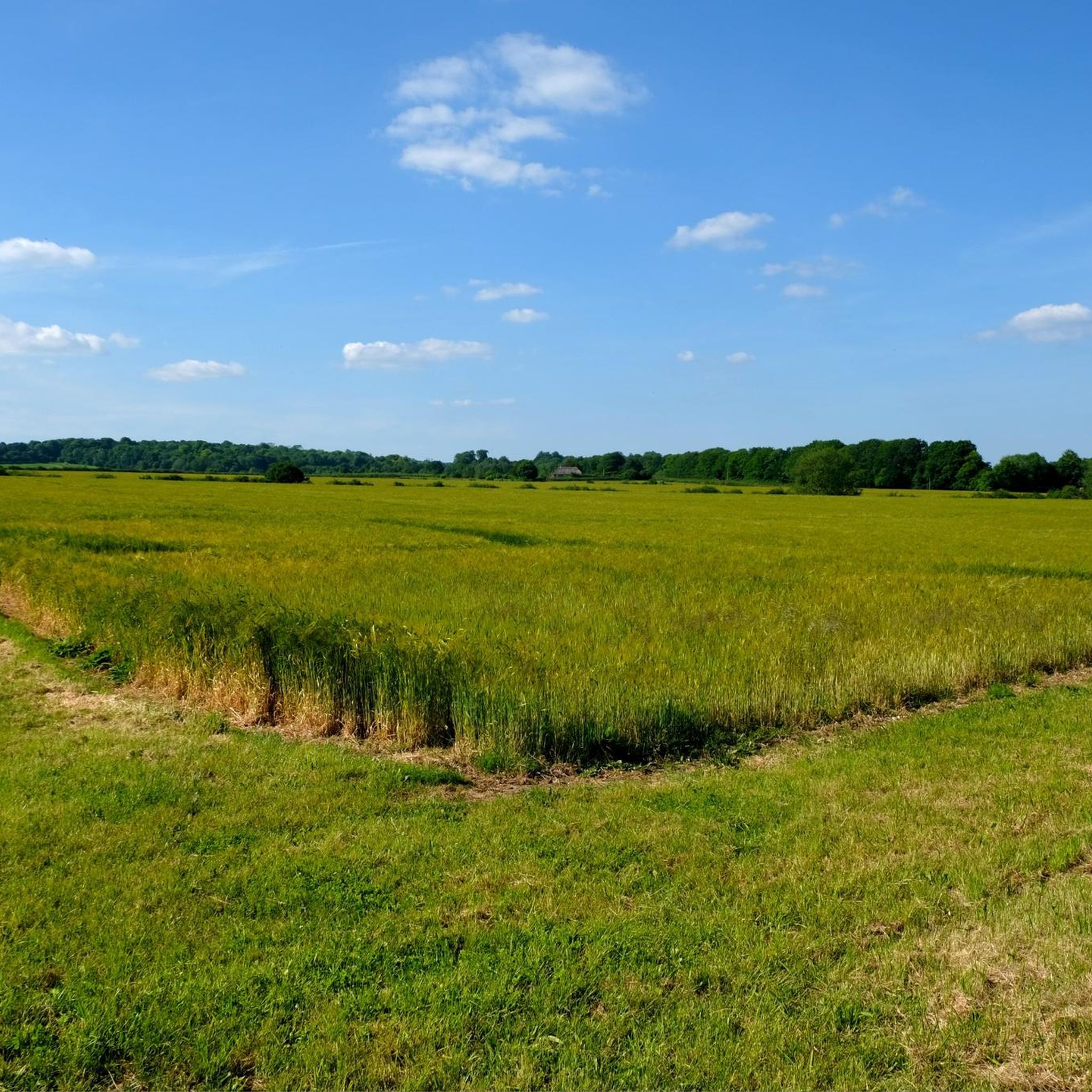
Touring cycling routes around Medstead, Hampshire, traverse a landscape characterized by rolling hills and chalk landscapes. The area offers a mix of mostly paved surfaces and some unpaved segments, providing varied terrain for cyclists. This region is part of the scenic Hampshire countryside, featuring accessible routes suitable for different skill levels.
Best touring cycling routes around Medstead
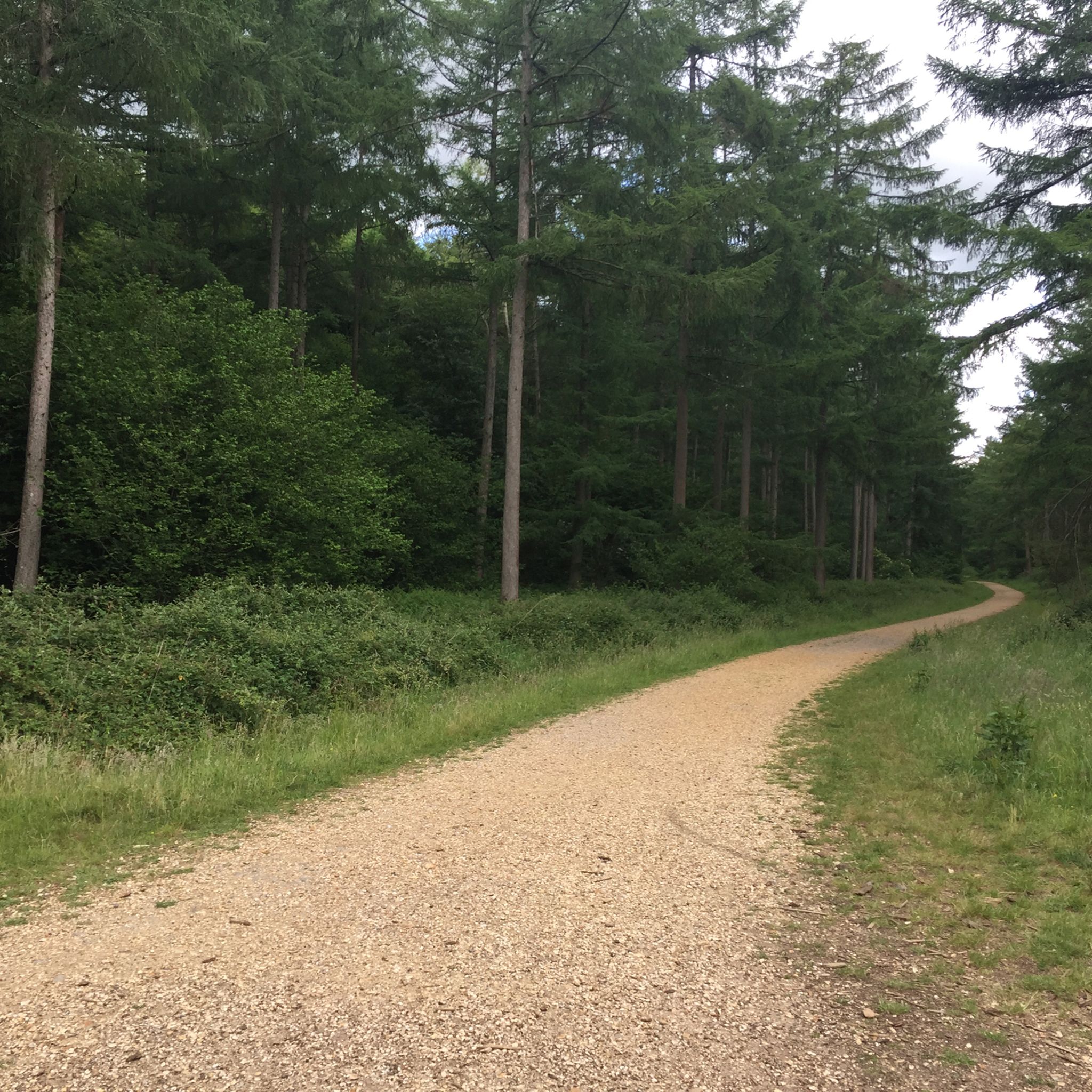
- The most popular touring cycling route is Chawton Woods Gravel Trail – The Green, Alton loop from Medstead, a 25.1 miles (40.3 km) trail that takes 2 hours 34 minutes to complete, featuring gravel sections through woodland.
- Another top favourite among local touring cyclists is Watercress Beds – The Flower Pots Inn & Brewery loop from Medstead, a moderate 33.4 miles (53.7 km) path that winds through scenic areas including watercress beds.
- Local touring cyclists also love the The Flower Pots Inn & Brewery – The Old Forge Tearoom loop from Medstead, a 48.2 miles (77.5 km) trail leading through the Hampshire countryside, often completed in about 4 hours 53 minutes.
- Touring cycling around Medstead is defined by rolling hills, chalk landscapes, and accessible countryside paths. The network offers options for different ability levels, from moderate rides to more challenging routes with significant elevation.
- The routes in Medstead are highly rated by the komoot community with an average score of 4.5 stars from over 50 reviews. More than 600 touring cyclists have used komoot to explore Medstead's varied terrain.
Last updated: June 18, 2026
3.0
(1)
16
riders
32.4km
01:58
280m
280m
Moderate bike ride. Good fitness required. Mostly paved surfaces. Suitable for all skill levels.
5.0
(2)
11
riders
40.4km
02:35
400m
400m
Moderate bike ride. Good fitness required. Mostly paved surfaces. Suitable for all skill levels.

Sign up for free
11
riders
77.5km
04:53
850m
850m
Hard bike ride. Very good fitness required. Mostly paved surfaces. Suitable for all skill levels.
6
riders
13.1km
00:47
110m
110m
Easy bike ride. Great for any fitness level. Mostly paved surfaces. Suitable for all skill levels.
5.0
(2)
10
riders
53.0km
03:10
420m
420m
Moderate bike ride. Good fitness required. Mostly paved surfaces. Suitable for all skill levels.
Get access to more routes and recommendations from other explorers.
Sign up for free
Already have an account?
Our route recommendations are based on thousands of hikes, rides, and runs completed by other people on komoot.
Start today with a free account
Your next adventure awaits.
Login or Signup


Tips from the Community

Open when I passed late morning on a Saturday in May 2026. Lovely church, which was probably the ecclesiastical highlight of my Camino Inglés. I particularly liked the 'prayer tent' set up at the back of the church. Of note that this church is also on the Winchester - Canterbury pilgrim route, so it is a kind of spiritual crossroads.
0
0
Epic village store. When I visited in May 2026, closing time on a weekday was 6pm sharp. I got a wiggle on to get there well before then, as it was a blazing hot day and I was strongly in need of some cold drinks - which were duly procured. Opens at 08:30 on Sat morning and serving tea and pastries is a great breakfast or elevenses option. Selection of food here is epic, quality is high and prices are fair. If you have access to the CSJ Accommodation list, Hector's House is just across the (busyish) road, and (subject to availability) can offer accommodation, including a brilliant camping option.
0
0

Historic waterbeds for growing watercress, on a very quiet road. There's a ford just along with a perfect cycle crossing
0
0

Light hills and lovely scenery. Lots of coffee stops in Arlesford.
0
0


Currently closed for major refurbishment work so not able to check it out!
0
0
Frequently Asked Questions
How many touring cycling routes are available in Medstead?
There are over 15 touring cycling routes around Medstead, offering a variety of experiences for different skill levels. These routes are highly rated by the komoot community, with an average score of 4.5 stars.
What kind of terrain can I expect on Medstead's cycling routes?
The routes around Medstead traverse a landscape of rolling hills and scenic chalk landscapes. You'll find a mix of mostly paved surfaces, making many routes accessible, alongside some unpaved segments for those seeking a more adventurous experience.
Are there routes suitable for beginners or families?
Yes, Medstead offers routes suitable for varying abilities. While many routes are moderate to difficult, there is at least one easy route available. For a moderate option, consider the Watercress Beds – The Flower Pots Inn & Brewery loop from Medstead, which winds through scenic areas.
Are there any challenging routes for experienced touring cyclists?
Absolutely. Medstead features several challenging routes with significant elevation gains. For instance, the The Flower Pots Inn & Brewery – The Old Forge Tearoom loop from Medstead is a difficult 48.2-mile trail with over 840 meters of ascent, leading through the Hampshire countryside.
Can I find circular touring cycling routes around Medstead?
Many of the touring cycling routes in Medstead are designed as loops, allowing you to start and finish in the same location. Examples include the popular Chawton Woods Gravel Trail – The Green, Alton loop from Medstead and the Watercress Beds – The Flower Pots Inn & Brewery loop from Medstead.
What are some scenic viewpoints or natural features to look out for?
The region is known for its rolling hills and chalk landscapes, offering picturesque views. You can explore natural highlights like Joan's Acre Wood or the Source of the River Itchen. The Abbotstone Iron Age Fort and Nature Reserve also offers a viewpoint.
Are there any historical sites or attractions along the routes?
Yes, the area around Medstead is rich in history. You can find attractions such as Jane Austen's House Museum, various historical churches like St John the Baptist Church, New Alresford, and Alton Abbey. The Ancient Yew Tree at St. Mary’s Church is another notable historical site.
Where can I find places to eat or stay near the cycling routes?
Medstead and the surrounding villages offer various options for refreshments and accommodation. The region research mentions The Flower Pots Inn & Brewery and The Old Forge Tearoom, which are featured in some route names, indicating popular stops for cyclists.
Is public transport available to access the cycling routes in Medstead?
While specific public transport links directly to route starting points are not detailed, Medstead is located in Hampshire, a well-connected region. The Mid Hants Railway Watercress Line is also nearby, which might offer connections to the broader area, though direct access to cycling routes would require further investigation.
Are there parking facilities near the starting points of the routes?
Given that many routes start and end in Medstead or nearby villages, it's generally possible to find parking. However, specific parking information for each route's starting point would need to be checked on the individual route pages or local council websites.
What is the best time of year to go touring cycling in Medstead?
The Hampshire countryside is beautiful throughout the warmer months. Spring and autumn offer pleasant temperatures and vibrant scenery, while summer provides longer daylight hours. Be mindful of potential unpaved segments, which might be affected by wet weather.
Are the touring cycling routes in Medstead dog-friendly?
While many outdoor areas in Hampshire are dog-friendly, specific regulations for cycling routes can vary. It's advisable to check the details of individual routes and local signage regarding dogs, especially on shared paths or through nature reserves, to ensure a pleasant experience for everyone.
What do other cyclists enjoy the most about touring cycling in Medstead?
The area is highly rated by the komoot community, with an average score of 4.5 stars from over 50 reviews. Cyclists often praise the diverse terrain, from paved roads to gravel sections through woodlands, and the accessible nature of the Hampshire countryside.
Most popular routes around Medstead
Most popular attractions around Medstead

Get inspired with the komoot mobile app


Explore more
Browse the best Cycling routes in other regions.
