The 8 Most Amazing Peaks around Langrish
Best mountain peaks around Langrish are found within the South Downs National Park, characterized by rolling hills and chalk downland rather than traditional mountains. Langrish is a village in Hampshire, England, offering elevated areas with scenic views. The region provides opportunities for outdoor activities and exploring the English countryside. These elevated points are often referred to as peaks or summits in the local context.
Best mountain peaks around Langrish
- The most popular mountain peaks is Old Winchester Hill Iron Age…
Last updated: October 9, 2026
Butser Hill
Highlight • Natural Monument
Tip by

Old Winchester Hill
Highlight • Climb
Tip by

Sign up now to discover places like this
Get recommendations on the best single tracks, peaks, & plenty of other exciting outdoor places.
Old Winchester Hill Iron Age Fort
Highlight • Historical Site
Tip by
Beacon Hill (South Downs National Park)
Highlight • Natural Monument
Tip by
Torberry Hill Iron Age Hillfort
Highlight • Historical Site
Tip by

Sign up for free to discover even more peaks around Langrish.
Already have an account?
Start today with a free account
Your next adventure awaits.
Other adventures around Langrish

Tips from the Community

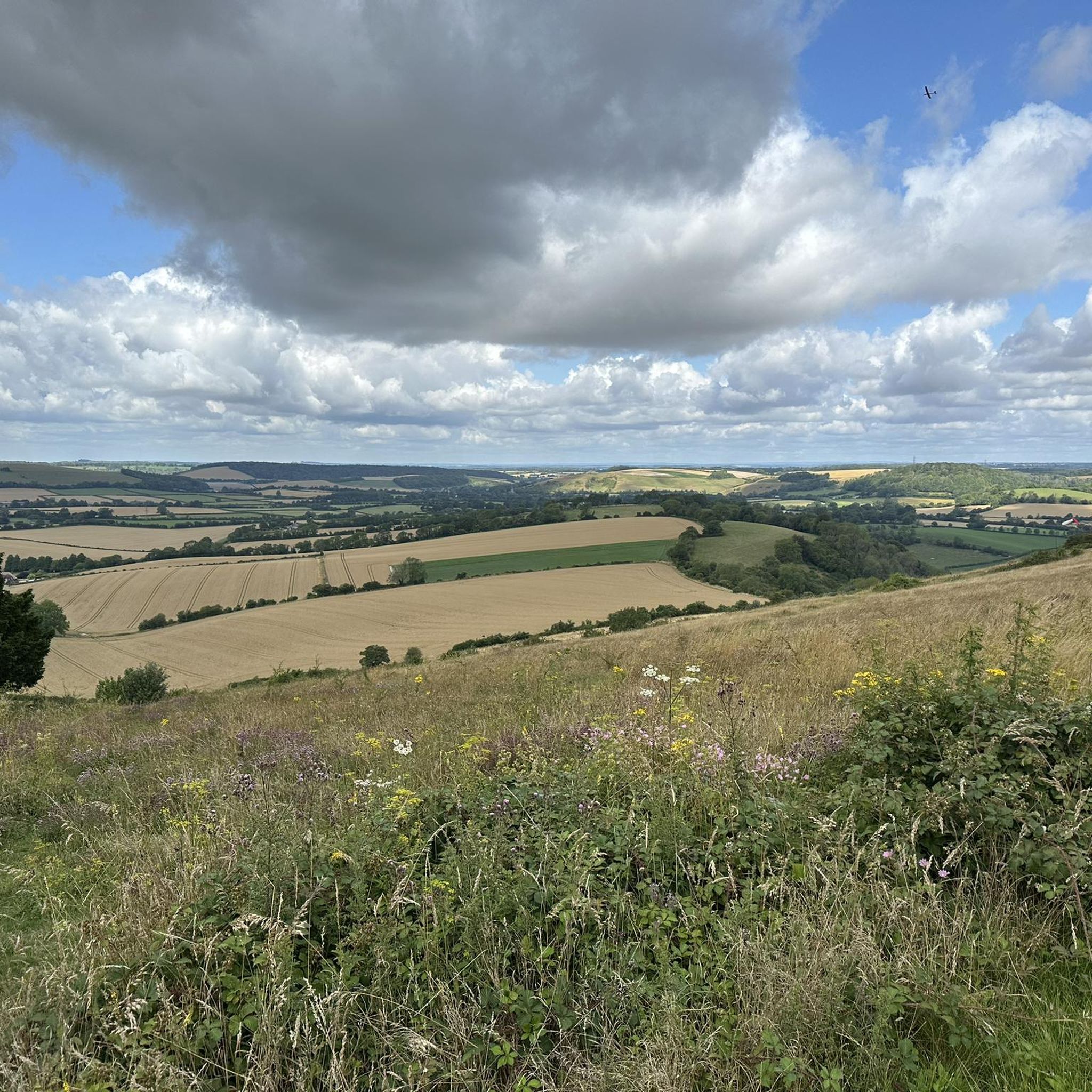
Wonderful views from this hill fort as far as the Isle of Wight.
0
0

This was on the last leg of the King Alfred’s Way for me and was one of the few descents in the whole trip i walked, dry conditions but on a loaded gravel - the descent was more treacherous than i was prepared to risk / but amazing views from the top and a fast through the fields ride from the bottom.
1
0

This is a beautiful Iron Age hill fort that is now a national nature reserve, and it is a great area to bring the family to enjoy the beautiful views from the top. It has come a long way from being a mortar testing range for the British Army back in WW2.
0
0
There are two hills with the name Beacon Hill on the South Downs Way. This one is 201m, trig pointed, and closer to Winchester. It has a cool old style beacon on the top.
1
0

Torberry Hill is an Iron Age hillfort in West Sussex. It is a Scheduled Ancient Monument. The hillfort is located within the parish of Harting, within the South Downs National Park. The hillfort has a pear-shaped layout and covers an area of 2.8 hectares. It has a low dump rampart and a ditch that enclose the western part of the hill. The eastern part is defended by the steep slope of the hill. The interior of the hillfort contains several storage pits that date to the Iron Age. The hillfort was built in several phases, starting from the 5th century BC. Torberry Hill is also a mountain summit that is 156 metres high with a prominence of 65 metres. The summit can be identified by a grass mound. There are several walks that can be done around Torberry Hill, such as the one to West Harting Down or Beacon Hill.
3
0

Trig points within the Old Winchester Hill fort.
0
0
One of the beacons built to celebrate the Diamond Jubilee in 2002. Great views over the valley below, and a leg testing climb to it.
0
0

Beacon Hill is a national nature reserve on a chalk spur that supports some rare plant life. This flora in turn provides a habitat to many species of butterfly. In fact, 25 species are known to breed on the site. The reserve affords stunning views over the Hampshire Basin and the South Downs.
2
0
Frequently Asked Questions
What are the most notable elevated points or 'peaks' around Langrish?
The Langrish area, situated within the South Downs National Park, features prominent chalk hills and elevated areas rather than traditional mountains. Key highlights include Butser Hill, which is the highest point in the South Downs, and Old Winchester Hill Iron Age Fort, known for its historical significance and panoramic views.
Are there historical sites among the peaks near Langrish?
Yes, the region is rich in history. Old Winchester Hill Iron Age Fort is a significant historical site featuring an Iron Age hill fort with evidence of ancient structures and Bronze Age tumuli. Another notable historical site is Torberry Hill Iron Age Hillfort, a Scheduled Ancient Monument with a pear-shaped layout and storage pits dating back to the Iron Age.
What kind of natural features can I expect to see on these elevated areas?
The elevated areas around Langrish are characterized by chalk grassland, ancient woodlands, and diverse habitats typical of the South Downs National Park. Butser Hill, for instance, is a national nature reserve known for its rare flora and fauna. Beacon Hill (South Downs National Park) is also a national nature reserve, supporting rare plant life and a habitat for many butterfly species.
Are there family-friendly options for exploring the peaks around Langrish?
Yes, several elevated areas offer family-friendly exploration. Old Winchester Hill Iron Age Fort is considered family-friendly, offering a wonderful place to explore with incredible views. Torberry Hill Iron Age Hillfort is also suitable for families, providing an interesting historical site to visit.
What is the highest point in the Langrish area?
The highest point in the Langrish area, and indeed the entire South Downs, is Butser Hill. It stands at 271 meters (889 feet) and offers extensive views over Hampshire and the English Channel.
Can I find good views from the elevated areas around Langrish?
Absolutely. Many of the elevated points around Langrish provide stunning panoramic views. From Butser Hill, you can see across Hampshire and the Channel. Old Winchester Hill also offers fantastic vistas from its summit, and Beacon Hill (South Downs National Park) provides stunning views over the Hampshire Basin and the South Downs.
Are there hiking trails near the elevated areas around Langrish?
Yes, the region offers numerous hiking opportunities. You can find easy hikes around Langrish, including loops from Butser Hill. For more details and route options, explore the Easy hikes around Langrish guide.
What other outdoor activities are available near Langrish's elevated areas?
Beyond hiking, the area is popular for cycling. You can find various routes for both touring bicycles and road cycling. Check out the Cycling around Langrish guide and the Road Cycling Routes around Langrish guide for detailed routes and difficulty levels.
What makes Butser Hill a significant place to visit?
Butser Hill is significant as the highest point in the South Downs, offering breathtaking views. It's also a national nature reserve, recognized for its rare chalk grassland flora and fauna, and includes an ancient scheduled monument, making it a site of both natural beauty and historical interest.
What can I expect when visiting Old Winchester Hill?
Visiting Old Winchester Hill involves a steep climb to the summit, where substantial earthen ramparts of an ancient fort remain. The effort is rewarded with fantastic views over the surrounding countryside. The nearby Old Winchester Hill Iron Age Fort offers further exploration of Bronze Age tumuli and hut platforms.
Are there any unique wildlife or plant species to look out for?
Yes, the chalk grasslands of the South Downs are home to unique biodiversity. Beacon Hill (South Downs National Park) is a national nature reserve specifically known for its rare plant life, which in turn supports a habitat for many species of butterfly, with 25 species known to breed on the site.
What kind of terrain can I expect on the trails around Langrish?
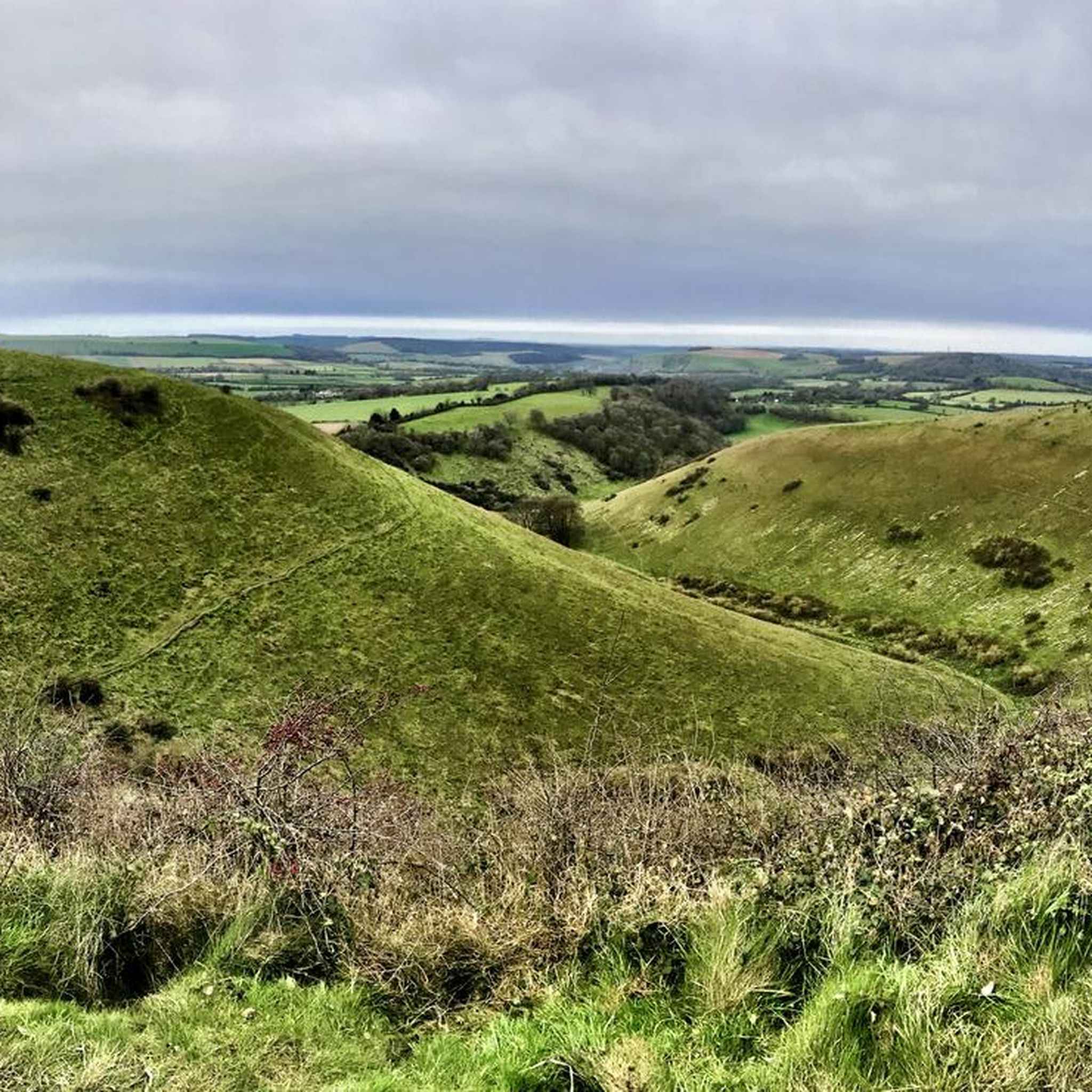
The terrain around Langrish's elevated areas primarily consists of chalk downland. Trails can range from grassy paths to chalky descents and gravelly tracks, as noted on Old Winchester Hill. Expect rolling hills and some steep climbs, characteristic of the South Downs National Park.
Where can I find information about the historic Langrish House?
Langrish House is a historic country house near the village, parts of which date back to the early 1600s. It now operates as a hotel and offers insights into local history. You can find more information about its history and current offerings on Visit Petersfield.
Most popular attractions around Langrish

Get inspired with the komoot mobile app


Explore more
See even more amazing summits around Langrish with these guides:
