Attractions and Places To See around Chawleigh - Top 10
Best attractions and places to see around Chawleigh, a village in North Devon, include historical landmarks, natural landscapes, and cultural points of interest. The region features rolling countryside, ancient hedgerows, and significant historical sites like early medieval castles and Iron Age hillforts. Visitors can explore diverse woodlands and rivers, making it a region with many places to discover.
Best attractions and places to see around Chawleigh
- The most popular attractions is Heywood Castle Motte and Bailey, a historical site…
Last updated: July 2, 2026
Heywood Castle Motte and Bailey
Highlight • Historical Site
Tip by

Eggesford Forest
Highlight • Forest
Tip by

Sign up now to discover places like this
Get recommendations on the best single tracks, peaks, & plenty of other exciting outdoor places.
Sign up for free
All Saints Church, Eggesford
Highlight • Historical Site
Tip by
Tuckingmill Bridge, spanning the River Yeo
Highlight • Bridge
Tip by

North Tawton Town Square
Highlight • Monument
Tip by
Sign up for free to discover even more attractions around Chawleigh.
Sign up for free
Already have an account?
Start today with a free account
Your next adventure awaits.
Login or Signup
Tips from the Community

Great you enjoyed your passage via Tucking Mill
0
0

A Grade-II listed stone bridge just outside Zeal Monachorum, Tuckingmill Bridge sits in a tranquil setting. It was likely built in the late 18th or early 19th century and spans the River Yeo (one of several in the area). With moss dappling its stonework, it's a lovely place to pause and admire the water.
2
0
North Tawton is a lovely village with a particularly pretty square. The town hall is a Grade II-listed building dating to the 19th century whilst a mullion windowed house with a gorgeous door dates back to the 16th. A clock tower sits in the middle and was built in 1887. The poet Ted Hughes once called this village his home after buying a house here in 1961 with Sylvia Plath. Hughes continued to live in the village until his death in 1998.
0
0

Overlooking the TawValley, at the northern end of Heywood Wood, stand the remains of an early medieval motte and bailey castle. Motte and bailey castles are medieval fortifications introduced into Britain by the Normans. This type of castle was made up of an artificial mound, or motte, on which was built a wooden or stone structure known as a keep. Next to this at least one bailey, a fortified embanked enclosure containing additional buildings, would be built. Although many were occupied for only a short period of time, motte and bailey castles continued to be built and occupied from the 11th to the 13th centuries, after which they were superseded by other types of castle. Heywood CastleAt Heywood the circular motte is about 8 metres high and almost 50 metres in diameter, surrounded by a rock-cut ditch 4 metres wide and 2 metres deep. Around the top of the motte is a bank, up to 4 metres high in places. The crescent shaped bailey which lies to the north-east of the motte is 60 metres long and 40 metres wide and bounded on all sides by a bank 2 metres rising to about 4 metres on the eastern side, where there is an entrance with a causeway across the ditch which extends to the outer bank, which surrounds both the motte and bailey. From the bailey to the motte on the north east side there is the possibility of a bridgeway. On the north side of the bailey a more modern entrance has been formed. https://www.devon.gov.uk/historicenvironment/explore-devons-heritage/heywood-castle-eggesford/
4
0
This place is well worth a visit, it is a huge Norman castle mound. No structures are visible (Probably only a wooden keep now long gone) but really worth seeing, it is still quite imposing 1000 years on. "At Heywood the circular motte is about 8 metres high and almost 50 metres in diameter, surrounded by a rock-cut ditch 4 metres wide and 2 metres deep. Around the top of the motte is a bank, up to 4 metres high in places. The crescent shaped bailey which lies to the north-east of the motte is 60 metres long and 40 metres wide and bounded on all sides by a bank 2 metres rising to about 4 metres on the eastern side, where there is an entrance with a causeway across the ditch which extends to the outer bank, which surrounds both the motte and bailey. From the bailey to the motte on the north east side there is the possibility of a bridgeway. On the north side of the bailey a more modern entrance has been formed. The castle at Heywood possibly took the place of an earlier castle some 500 metres to the south in the grounds of Heywood House, on the steep valley side above the River Taw. An alternative theory is that both date to the 1130s and 1140s, and were built during the civil war between Matilda, daughter of Henry I, and his nephew Stephen." https://www.devon.gov.uk/historicenvironment/explore-devons-heritage/heywood-castle-eggesford/
1
0

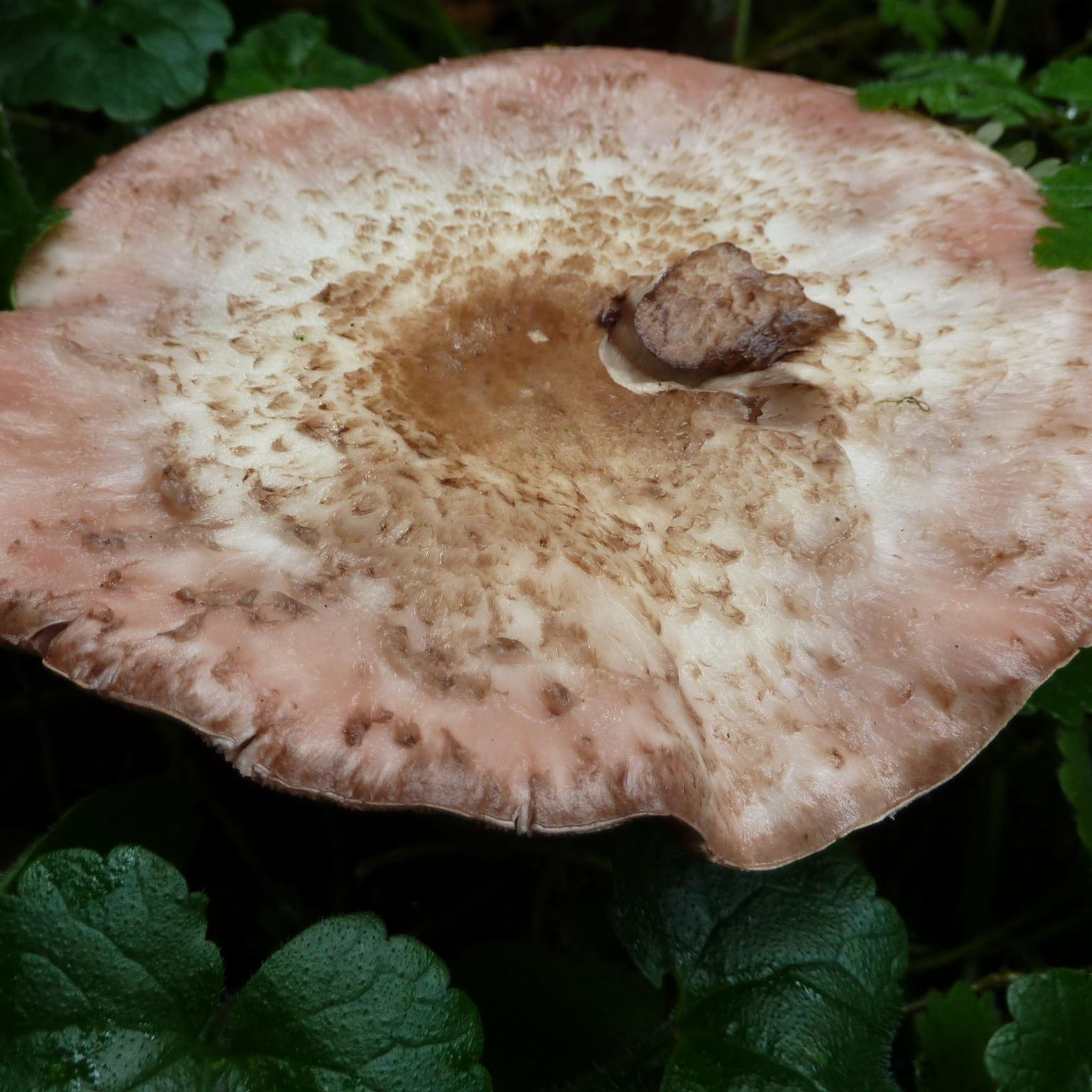
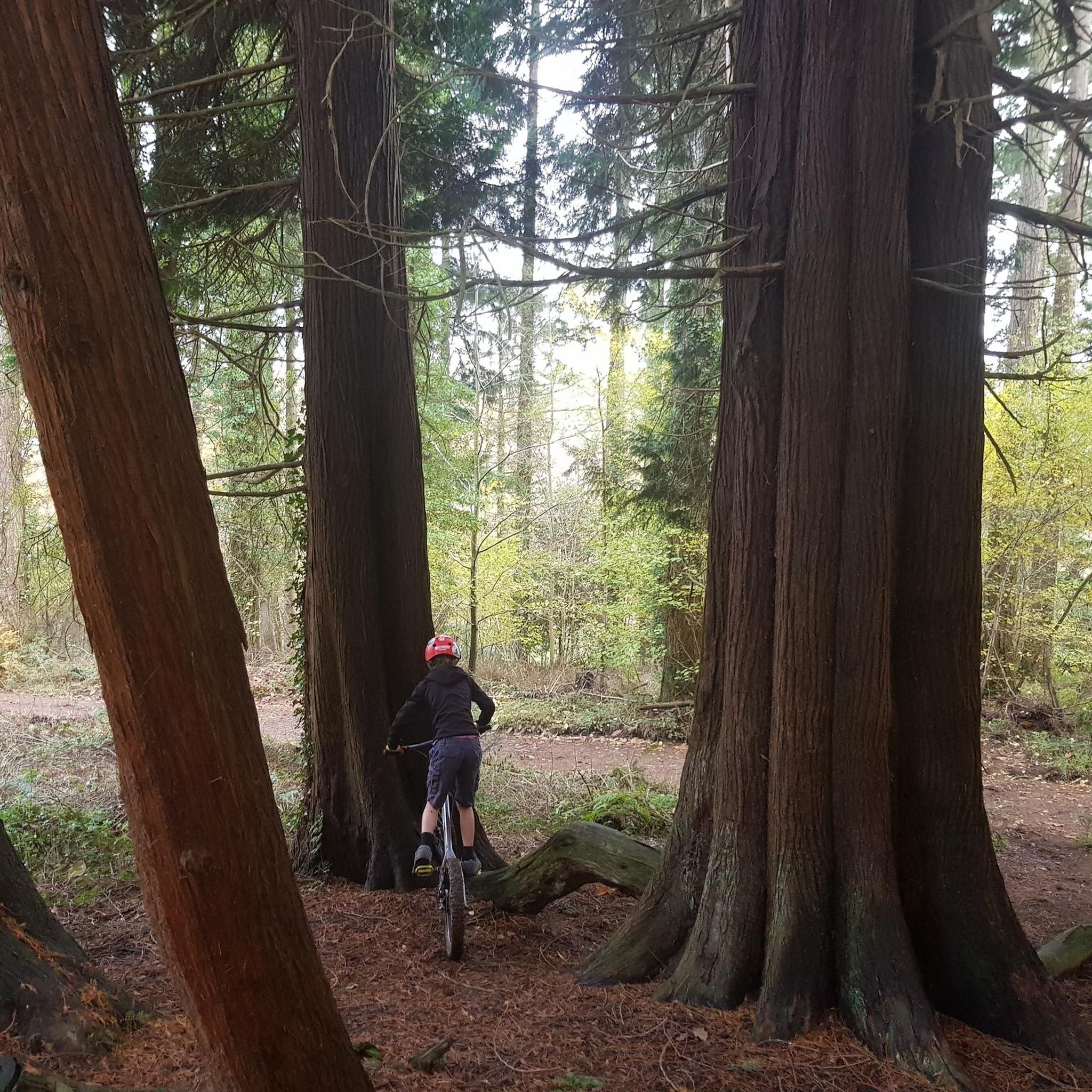
With a network of paths, this diverse woodland is a lovely place to explore. Keep a look-out for wildlife, wildflowers, and interesting fungi. Visit throughout the year; it's different in every season.
1
1
This remote church has a peaceful atmosphere and is steeped in history. Whilst parts of the church date to the 15th century, much of it was restored and rebuilt in 1867. Inside the church, there are two 17th century monuments to the Chichester family and a large 18th century monument to William Fellowes in Italian marble.
1
0
Frequently Asked Questions
What historical landmarks can I explore around Chawleigh?
Chawleigh and its surroundings are rich in history. You can visit the remains of Heywood Castle Motte and Bailey, an early medieval Norman fortification overlooking the Taw Valley. The village also features the Parish Church of St. James, known for its historical stones and war memorials. Additionally, explore the pre-Roman village of Burridge and the Iron Age hillfort, Burridge Camp.
Are there any natural attractions or scenic viewpoints near Chawleigh?
Yes, the area boasts beautiful natural features. Eggesford Forest offers diverse woodlands with paths for wildlife spotting. For stunning seasonal displays, Chenson Woods transforms with bluebells every May. Walks around Chawleigh also provide breathtaking views of Dartmoor, including prominent tors like Cosdun Hill. The Tuckingmill Bridge over the River Yeo is another tranquil spot.
What kind of outdoor activities can I do around Chawleigh?
The gentle terrain around Chawleigh is ideal for walking and cycling. You can find various routes for different skill levels. For hiking, explore options like the 'Riverside Path – Eggesford Castle loop' or the 'Eggesford Forest loop'. Cyclists can enjoy routes such as 'Two Moors Gallery Café – South Molton Market Square loop'. You can find more details on these activities in the hiking guide and road cycling guide for Chawleigh.
Are there family-friendly attractions or activities in the Chawleigh area?
Absolutely. Eggesford Forest is considered family-friendly, offering paths for exploration and nature observation. All Saints Church, Eggesford, also has a family-friendly rating, providing a historical site in a peaceful setting. The Queen's Stone Picnic and Walking Area offers a mile-long woodland circular walk suitable for families.
What is the best time of year to visit Chawleigh for outdoor activities?
Chawleigh offers different experiences throughout the year. Spring is particularly beautiful, especially in May when Chenson Woods is covered in bluebells. The rolling countryside is pleasant for walking and cycling during spring, summer, and early autumn. Eggesford Forest is noted for being different in every season, offering opportunities to spot wildlife, wildflowers, and fungi year-round.
Where can I find easy walking trails near Chawleigh?
For easier walks, consider trails like the 'Riverside Path – Eggesford Castle loop' or the 'Heywood Forest Parking – View of Eggesford House loop from Wembworthy'. These are generally shorter and less challenging. You can find more easy hiking options in the Easy hikes around Chawleigh guide.
Are there any cultural sites or charming villages to visit nearby?
Yes, a short distance from Chawleigh is North Tawton Town Square, a lovely village known for its pretty square, a Grade II-listed 19th-century town hall, and a 16th-century mullioned windowed house. The Village Hall in Chawleigh itself serves as a community hub, hosting various local activities.
What do visitors enjoy most about the attractions around Chawleigh?
Visitors appreciate the blend of historical significance and natural beauty. The historical sites like Heywood Castle Motte and Bailey are noted for their imposing presence even after 1000 years. The peaceful atmosphere of places like All Saints Church, Eggesford, and the tranquil setting of Tuckingmill Bridge are also highly valued. The diverse woodlands of Eggesford Forest are enjoyed for their exploration opportunities.
Can I go wild swimming in the Chawleigh area?
Yes, the Little Dart River, which flows through the area, offers opportunities for wild swimming. It's a great way to cool off and enjoy the natural surroundings during warmer months.
Are there any annual events or local fairs in Chawleigh?
Chawleigh hosts an annual fair on the first Saturday in June. This is a great opportunity to experience local community life and festivities.
What kind of architecture can I expect to see in Chawleigh?
The village of Chawleigh showcases traditional rural building styles. You'll find charming thatched cottages, houses with weathered window frames, and thick stone walls, all reflecting generations of practical design using local materials.
Where can I find a peaceful spot for a picnic with a view?
The Queen's Stone Picnic and Walking Area, situated along the A377, offers a peaceful rest stop with picnic benches. It also provides an attractive mile-long woodland circular walk and a viewpoint to enjoy the surrounding scenery.

Get inspired with the komoot mobile app


Explore more
Still not found the Highlight you’re looking for? See guides of the top attractions in other regions:
