The best walks and hikes around Littleton And Harestock
4.6
(1158)
10,618
hikers
423
hikes
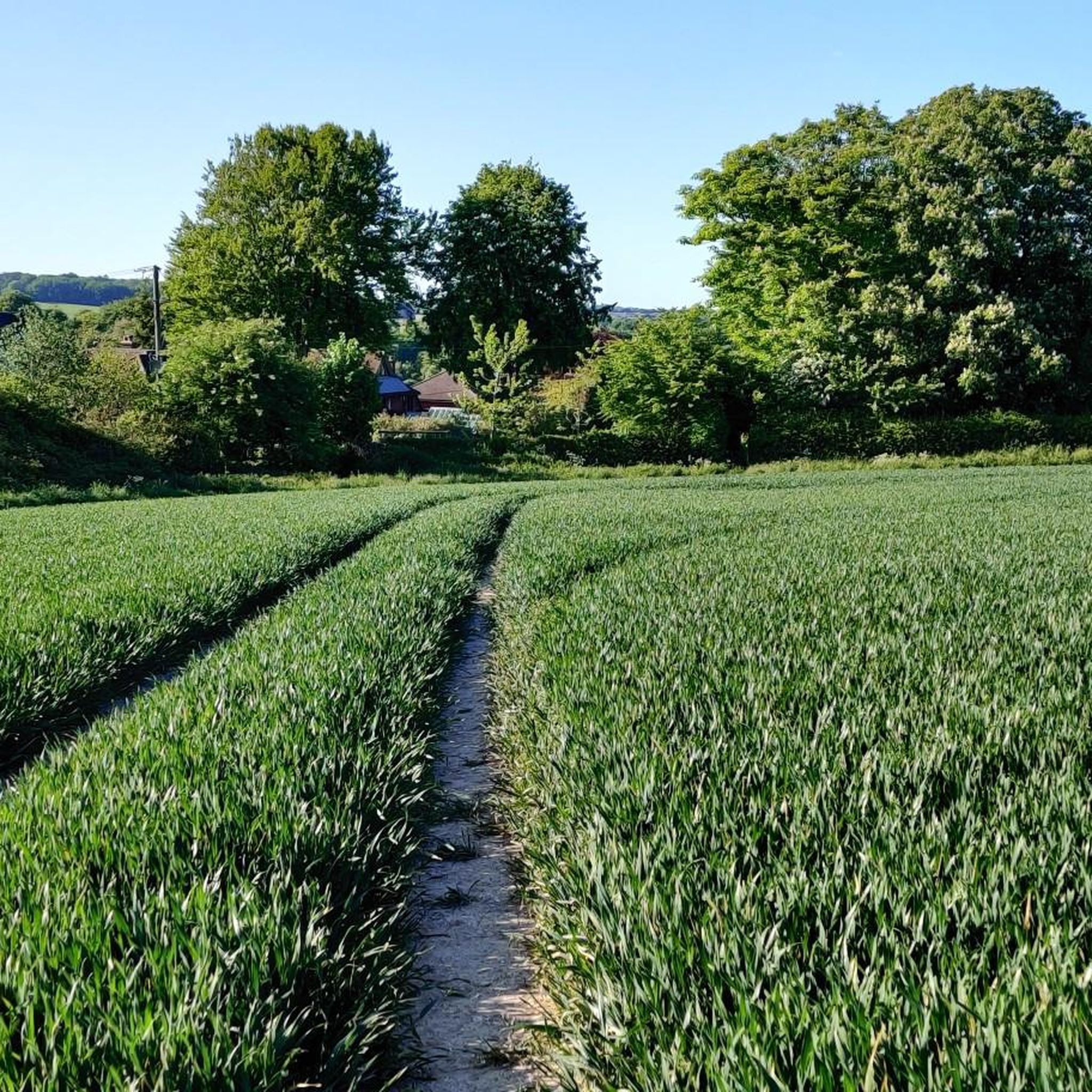
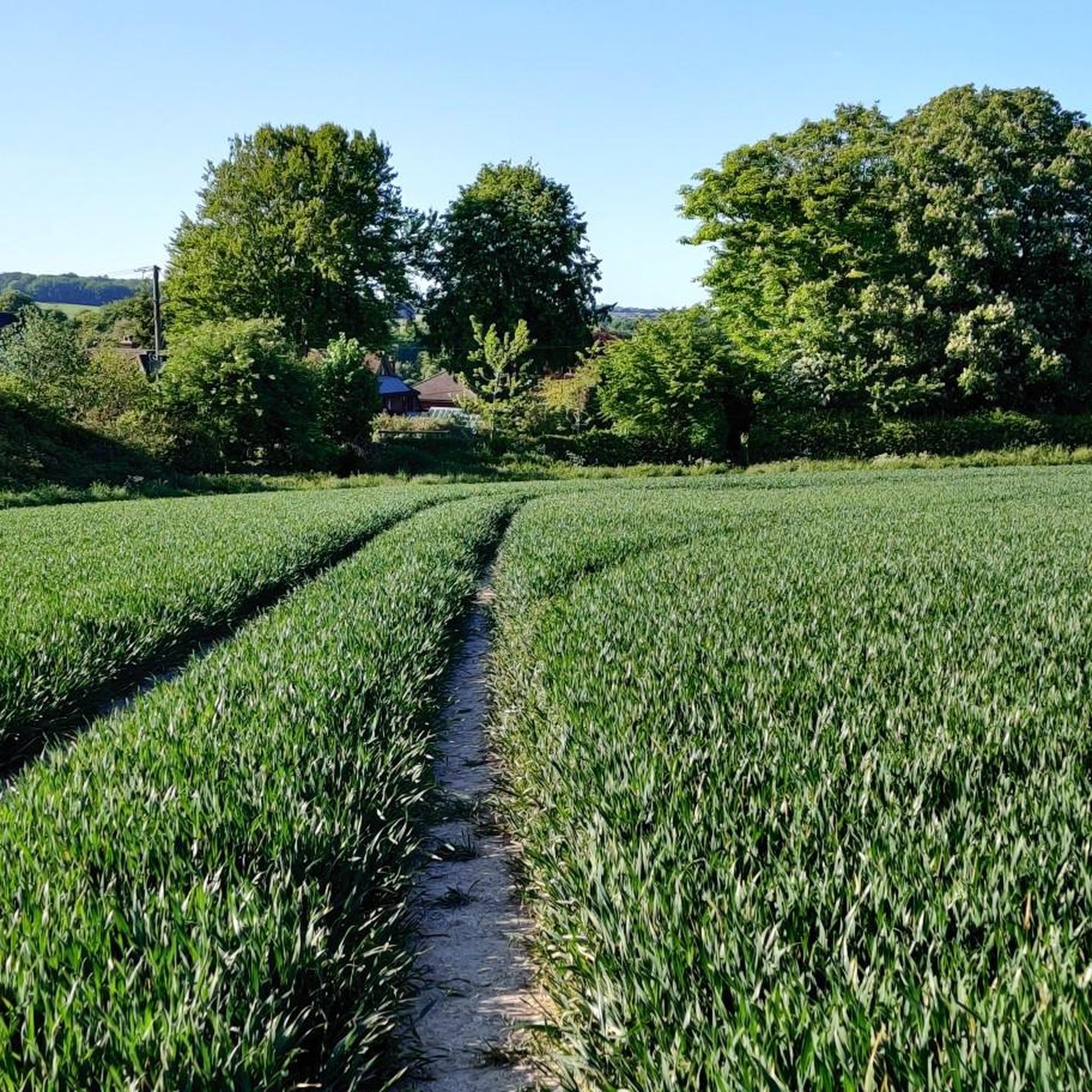
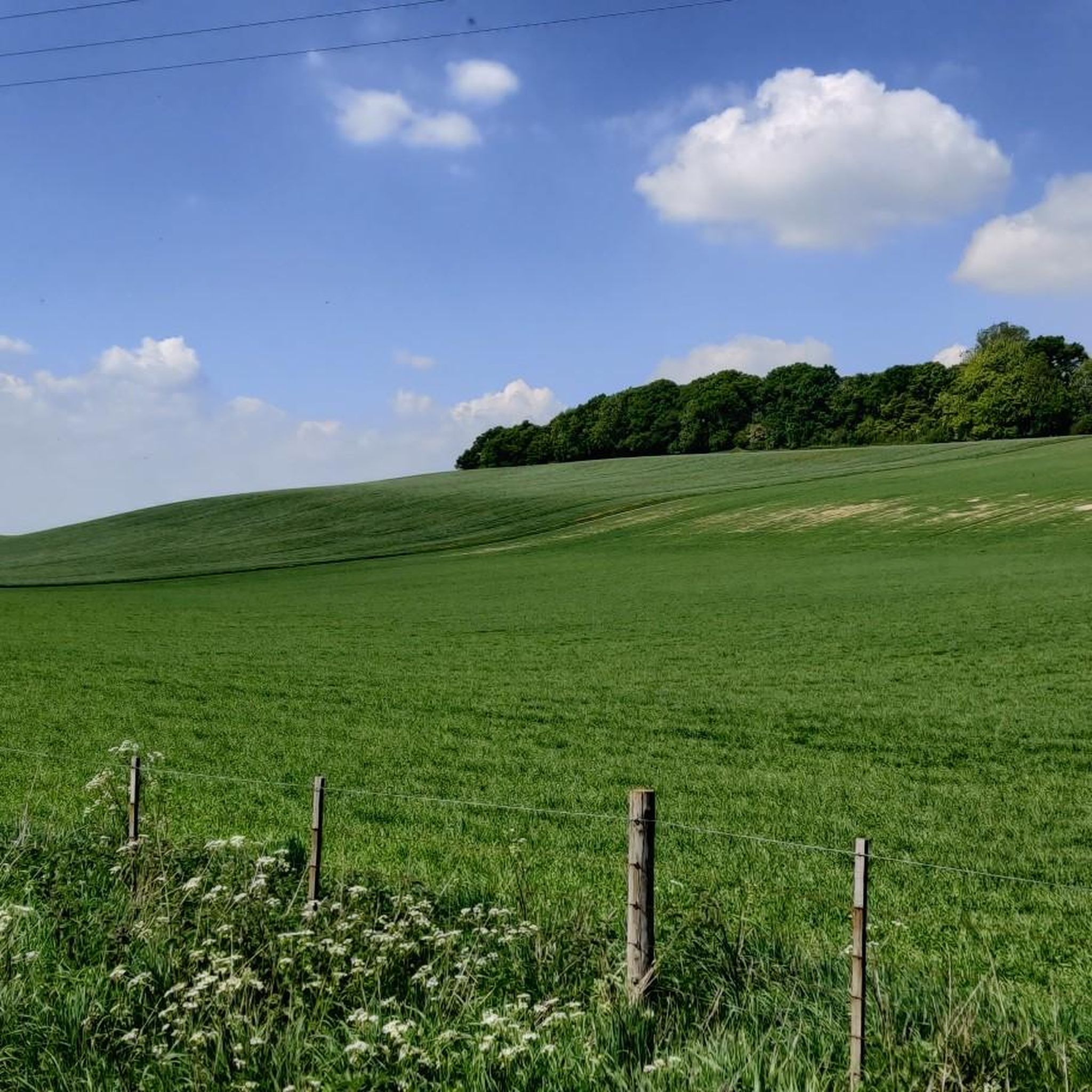
Hikes around Littleton and Harestock offer a mix of rural landscapes and suburban paths near the city of Winchester. The region is characterized by gentle rolling hills, woodlands, and open agricultural fields. This provides a variety of scenery, from shaded footpaths to expansive meadows, with subtle elevation changes suitable for many fitness levels.
Best hiking trails around Littleton And Harestock
- The most popular hiking route is Bench With a View loop from University of Winchester, a 3.4 mile (5.5 km) trail that takes 1 hour 28 minutes to complete. This easy route features gentle ascents and views over the surrounding countryside.
- Another top favourite among local hiking enthusiasts is Path to Sparsholt – Bluebells in the Forest loop from Teg Down, a moderate 5.0 mile (8.0 km) path. The trail passes through sections of forest and open fields.
- Local hiking enthusiasts also love the Flowerdown Disk Barrow loop from Littleton and Harestock, a 2.9 mile (4.7 km) trail leading through open fields, often completed in about 1 hour 14 minutes.
- Hiking around Littleton and Harestock is defined by footpaths through woodlands, open fields, and gentle rolling hills. The network of walking trails near Littleton Hampshire offers routes for different ability levels, from easy loops to more moderate hikes.
- The routes in Littleton And Harestock are highly rated by the komoot community with an average score of 4.6 stars from over 1,000 reviews. More than 10,000 hikers have used komoot to explore Littleton And Harestock's varied terrain.
Last updated: July 3, 2026
60
hikers
5.54km
01:28
60m
60m
Easy hike. Great for any fitness level. Easily-accessible paths. Suitable for all skill levels.
4.3
(4)
27
hikers
Moderate hike. Good fitness required. Easily-accessible paths. Suitable for all skill levels.

Sign up for free
5.0
(2)
28
hikers
Moderate hike. Good fitness required. Easily-accessible paths. Suitable for all skill levels.
2.0
(2)
20
hikers
4.67km
01:14
40m
50m
Easy hike. Great for any fitness level. Easily-accessible paths. Suitable for all skill levels.
14
hikers
Easy hike. Great for any fitness level. Easily-accessible paths. Suitable for all skill levels.
Get access to more routes and recommendations from other explorers.
Sign up for free
Already have an account?
Our route recommendations are based on thousands of hikes, rides, and runs completed by other people on komoot.
Start today with a free account
Your next adventure awaits.
Login or Signup

Tips from the Community

The Royal Oak is a famously historic pub in Winchester, often claiming to be one of the oldest in England, with its origins reputedly tracing back to 1002 AD when the building served as the residence of the Anglo-Saxon Queen Emma. Tucked away in a narrow passage off the High Street, it exudes a traditional charm with its low ceiling beams and wood-panelled walls, and patrons can even venture into a cellar area said to contain remnants of the ancient structure. The pub's current name, which appeared in the 17th century, is believed to reference the Civil War and the Royalist support shown by its patrons, and today it remains a popular spot for enjoying classic pub food, cask ales, a weekly quiz, and a hearty Sunday roast.
1
0
Winchester High Street serves as the ancient, vibrant spine of the historic city, following a route established possibly in Roman times and later formalized in the Anglo-Saxon grid, running from the River Itchen and the statue of King Alfred the Great at the eastern end, up to the medieval Westgate at the west. It is a bustling thoroughfare that seamlessly blends centuries of architecture, featuring landmarks like the 15th-century Butter Cross, the Victorian Guildhall, and the area known as The Pentice, alongside a contemporary mix of independent boutiques, cafes, pubs, and major retail chains. The upper section of the High Street is pedestrianized, enhancing its role as a central hub for shopping, dining, and cultural life in Winchester.
0
0
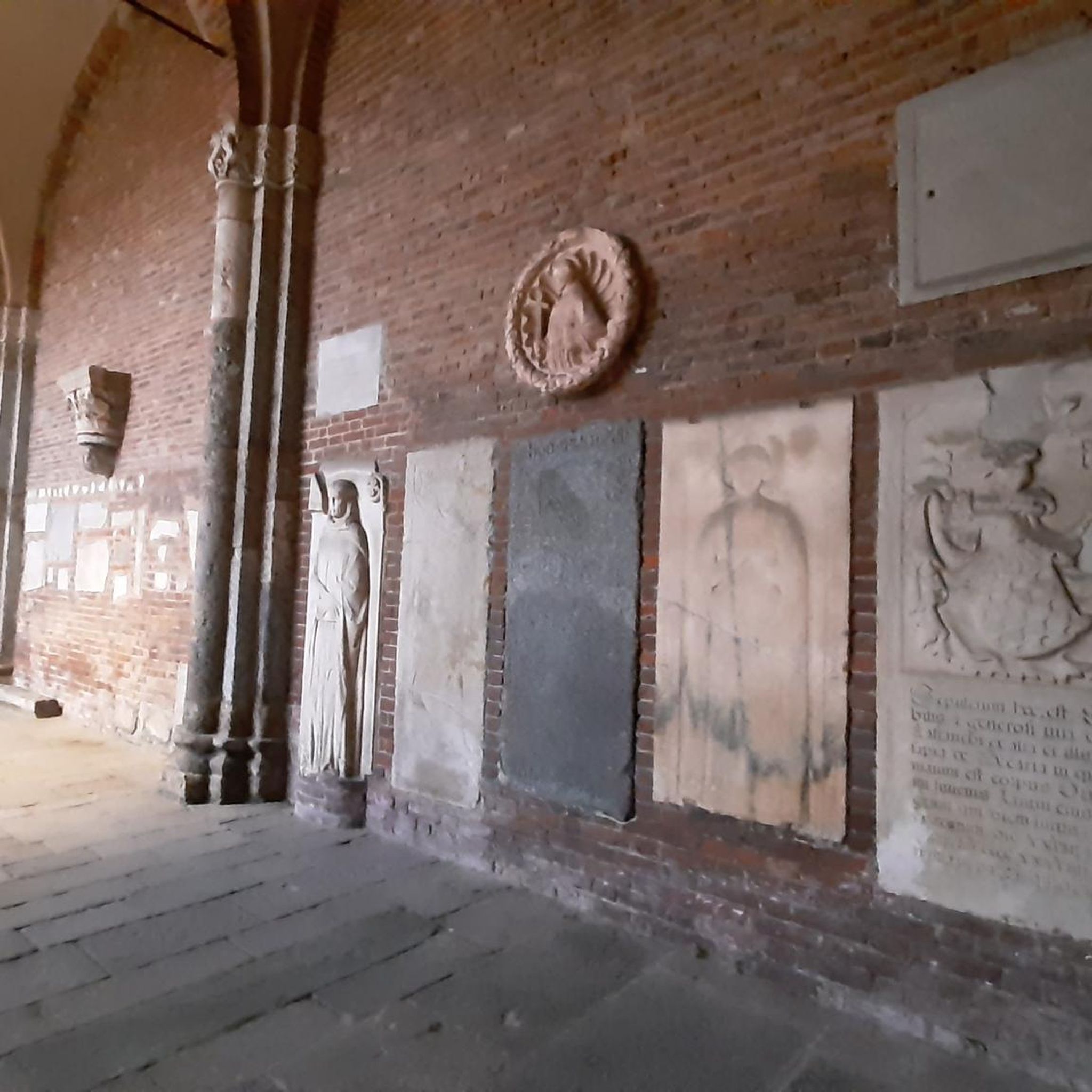
St Peter's Church in Winchester is a Grade II listed Roman Catholic church, built in the Gothic Revival style by architect Frederick Walters and opened in 1926. It stands as a continuation of a significant Catholic presence on St Peter's Street dating back to the Reformation, notably replacing a former chapel—known today as Milner Hall—that was consecrated in 1792 and holds the distinction of being the first Catholic church consecrated in England after the Reformation. Constructed primarily of ironstone rubble with Bath stone dressings, the church features a prominent northeast tower and a wide nave, serving as the central worship space for the Parish of St Peter and the Winchester Martyrs.
0
0
The Buttercross is a magnificent, many-pinnacled, 15th-century stone market cross located prominently on Winchester's High Street. Originally known as the City Cross, it acquired the name "Buttercross" because its five octagonal steps and surrounding area were traditionally used by country people to sell dairy products, eggs, and other produce. The highly decorative Gothic structure features a tall central shaft, numerous smaller pinnacles, and twelve figures, including the Blessed Virgin, various saints, King Alfred the Great, and William of Wykeham (though many of the statues were added during an 1865 restoration by Sir George Gilbert Scott). The monument is also famous for a local "small riot" in 1770, when the citizens successfully prevented a local squire from dismantling and moving the historic cross to his private estate.
1
0
The Church of St Lawrence in the Square (or St Lawrence Church) is a small, historically significant church located right in the heart of Winchester, tucked away just off the High Street, near the Buttercross monument. Royal Chapel Site: St Lawrence Church is believed to be built upon the site of the Royal Chapel of William the Conqueror's Palace, which was constructed shortly after the Norman Conquest around 1069. Mother Church of Winchester: It is often referred to as the Mother Church of Winchester and is the only surviving parish church of Norman foundation within the city walls still in use. Bishop's First Stop: Due to its historic status, a new Bishop of Winchester traditionall makes their first public stop at St Lawrence Church to be presented to the Mayor, clergy, and citizens before proceeding to the Cathedral. The Square: Although its formal address is "The Square," it's easy to miss as it is mostly hidden by surrounding commercial buildings, reflecting its deep entanglement with the city's growth over the centuries.
0
0
The statue on Jewry Street in Winchester is a life-sized bronze sculpture of Licoricia of Winchester and her son, Asher. It is located outside The Arc. A prominent figure: Licoricia was a wealthy, educated, and successful Jewish businesswoman and moneylender who lived in the 13th century. Her clients included King Henry III and his wife. Sculptor: The statue was created by Ian Rank-Broadley, a renowned artist also known for sculpting the effigy of Queen Elizabeth II that appeared on UK and Commonwealth coins. Symbolism and purpose: The statue celebrates Winchester's medieval Jewish community and Licoricia's role in it. The project behind its creation aims to promote tolerance and diversity by teaching about this often-overlooked part of English history. Inscriptions: The plinth features the inscription "Love thy neighbour as thyself" in both English and Hebrew. It also includes the names of Licoricia and her son, Asher. Unveiling: The statue was unveiled in February 2022. It is particularly poignant because it stands in the historic center of Winchester's medieval Jewish quarter.
0
0
Milner Hall in Winchester is a building of significant historical and architectural importance, particularly in the context of Roman Catholicism in England. Original Use and Name: It was originally built as St Peter's Chapel on St Peter Street. Builder and Date: It was constructed in 1792 by the Reverend John Milner (later Bishop Milner), an eminent churchman, scholar, and historian. Post-Reformation Landmark: The chapel is considered highly significant as it is believed to be the first Roman Catholic church to be consecrated in England since the Reformation (1558).
1
0

History and description of the Buttercross: https://www.cityofwinchester.co.uk/history/html/buttercross.html
0
0
Frequently Asked Questions
Are there many circular walks starting in Littleton and Harestock?
Yes, the area is well-suited for circular walks. Many trails start and end within the parish, looping through the surrounding woodlands and open fields. A good example is the St Matthew's Church loop from Peter Symonds College, which offers a moderately challenging circuit through varied scenery.
Can I bring my dog on the trails around Littleton and Harestock?
Most footpaths in the area are dog-friendly, but it's important to be mindful of the landscape. You'll be walking through agricultural land with potential livestock, so keeping your dog on a lead is recommended. Also, be sure to follow local signage regarding dogs, especially in nature reserves like the nearby Winnall Moors.
What are some easy, family-friendly hikes in the area?
The region's gentle, rolling hills make it great for family outings. There are numerous shorter, flatter routes perfect for all ages. For a straightforward and accessible walk, consider the Flowerdown Disk Barrow loop from Weeke, which is an easy trail through open countryside.
Where can I find the best views near Littleton and Harestock?
While the area doesn't have major peaks, its rolling hills provide lovely viewpoints. Many trails offer rewarding vistas over the serene countryside and the Itchen Valley. For a well-known viewpoint, consider a walk up St Catherine's Hill just outside Winchester, which provides commanding views over the city and the River Itchen.
How do other hikers rate the trails in Littleton and Harestock?
The trails are highly regarded by the komoot community, with an average rating of 4.6 out of 5 stars. Hikers often praise the quintessentially English scenery, the mix of woodland and open fields, and the well-maintained footpaths.
What is the Flowerdown Disk Barrow?
The Flowerdown Disk Barrow is a Bronze Age burial mound, a significant historical landmark in the area. It's a type of round barrow, and several walking routes pass by this ancient site, allowing you to combine a pleasant country walk with a glimpse into the region's deep history.
Are there any long-distance paths that pass near Littleton?
Yes, the Clarendon Way, a 26-mile path connecting Winchester and Salisbury Cathedrals, runs close to the area. You can easily walk sections of this historic trail from nearby starting points, offering a more challenging option for a day's hike.
What kind of wildlife might I see while hiking?
The varied habitats support a range of wildlife. In the woodlands and fields, you might spot common British birds and mammals. For a richer experience, the nearby Winnall Moors Nature Reserve is a wetland haven for bird species, and the River Itchen is a famous chalk stream known for its clear water and aquatic life.
Is it possible to walk from Littleton to Winchester?
Absolutely. There are several footpaths and quiet lanes that connect Littleton and Harestock with the city of Winchester. A walk into the city allows you to experience the transition from rural countryside to the historic urban landscape, perhaps ending your hike with a visit to the cathedral or a walk along The Weirs.
What are the trail conditions like?
The trails are a mix of surfaced paths, grassy tracks through fields, and woodland footpaths. After rain, some sections, particularly in fields and forests, can become muddy. It's always a good idea to wear sturdy, waterproof walking shoes.
Where is a good place to park for the trails?
For routes starting within Littleton and Harestock, on-street parking is often available, but please park considerately. For trails starting closer to Winchester, such as those near Teg Down or the universities, there are often dedicated car parks or park & ride facilities that can be used as a base for your walk.
Are there any good pubs on the walking routes?
Many traditional English pubs are located in the villages surrounding Littleton and Harestock, such as Sparsholt. While not directly on every trail, they are often a short detour away and make for a perfect stop for lunch or a drink. Planning your route to pass through a nearby village is a great way to include a pub stop.
Most popular routes around Littleton And Harestock
Most popular attractions around Littleton And Harestock

Get inspired with the komoot mobile app


Explore more
Browse the best Hikes in other regions.
