Attractions and Places To See around Washfield - Top 20
Best attractions and places to see around Washfield, a small village in Mid Devon, England, offer a blend of historical charm and natural beauty. The village itself is compact, featuring the historic St Mary the Virgin Church and a developing Washfield Wetland wildlife recovery zone. Washfield serves as a gateway to several notable attractions in the surrounding area, particularly near Tiverton. Its history dates back to the Domesday Book of 1086, showcasing a long-standing heritage.
Best attractions and places to…
Last updated: April 25, 2026
Bickleigh Mill & The Bridge Inn
Highlight • Historical Site
The Mill is now also home to shops and eateries. With its gorgeous riverside location …
Tip by

All Saints Church, Dulverton
Highlight • Historical Site
Tip by

Sign up now to discover places like this
Get recommendations on the best single tracks, peaks, & plenty of other exciting outdoor places.
Sign up for free
Bury Stone Bridge and Ford
Highlight • Bridge
Tip by
Haddon Hill Trig Point
Highlight • Natural Monument
Tip by
Grand Western Canal
Highlight (Segment) • Structure
Tip by

Sign up for free to discover even more attractions around Washfield.
Sign up for free
Already have an account?
Start today with a free account
Your next adventure awaits.
Login or Signup
Tips from the Community

A song that—originally from the American gospel tradition—has traveled the world, fitting perfectly for this church, which the parish has entrusted to the patron saint of "All Saints." "Oh when the Saints go marching in, oh when the Saints go marching in, oh Lord, I want to be in that number, oh when the Saints go marching in." Over the decades, new versions of the lyrics have repeatedly emerged; the original text cannot be verified due to the early oral tradition. Many artists have taken up the gospel song and released their own interpretations, such as Bruce Springsteen with his session band at a concert in Dublin: https://www.youtube.com/watch?v=i6eKkirEcgE
2
0

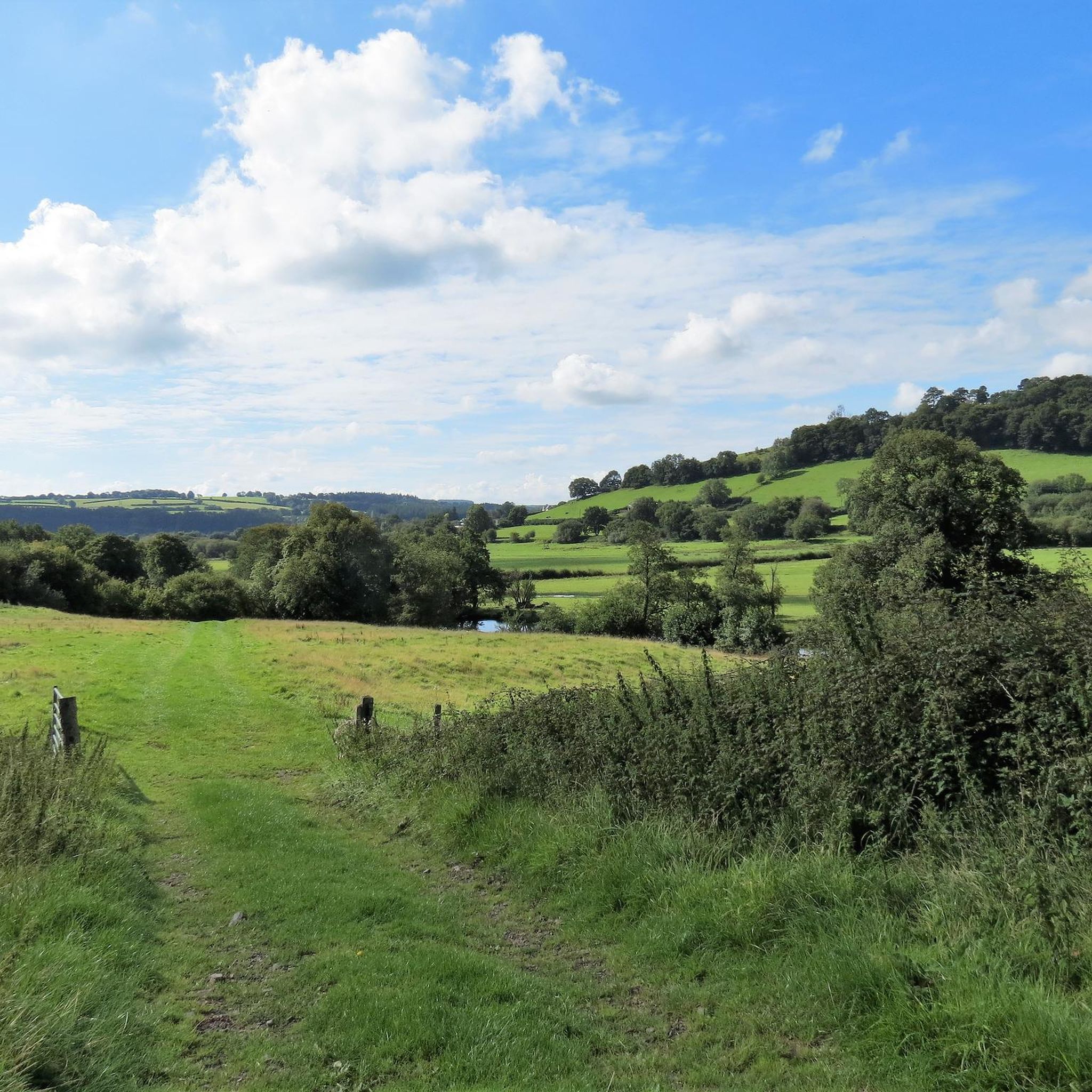
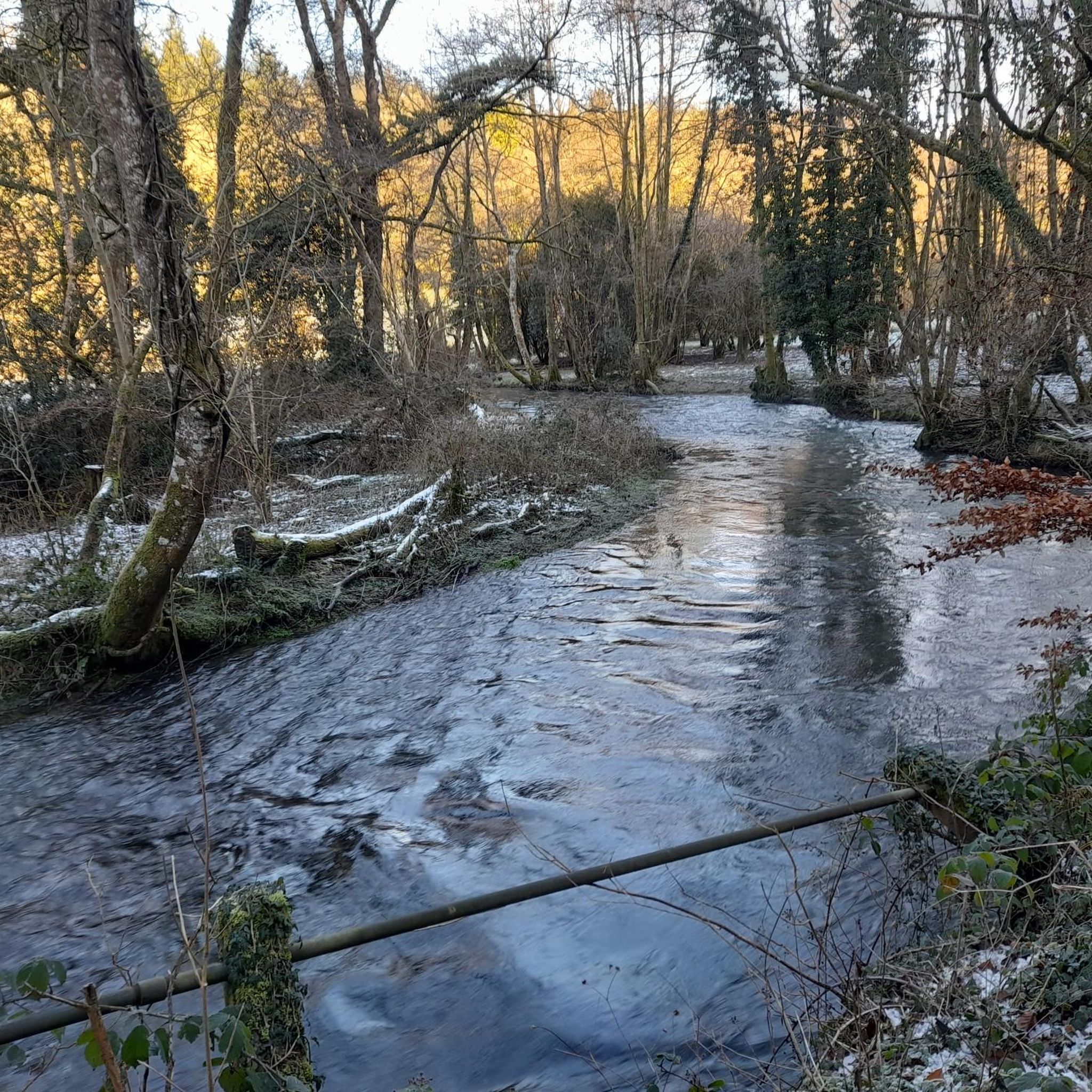
A lovely ford with a beautiful bridge. a warm day. very nice to paddle the feet
0
0
came across this gorgeous bridge with the ford in front of it. a lovely place to stop to paddle your feet
0
0
Using the power of moving water to drive a mill wheel is an ancient invention of the human spirit of discovery, the origins of which can be traced back to times long past. Thanks to such a construction, human or animal muscle power could be easily replaced by the power of the natural elements through a watercourse - natural or artificially created - in order to grind grain into corn or press oil from fruit, for example. There are essentially two different ways of driving watermills: * Either the flowing water simply hits the blades of the water wheel from below to set it in motion; or * the water is guided above the wheel - usually through a so-called "mill channel" - and falls onto the blades; this type of construction is more efficient due to natural gravity.
5
0

Beautiful old church. Wonderful stain glass window. Set in a beautiful, well-kept churchyard on the side of a hill at the top of the village.
1
0
Bury Bridge at Bury in the parish of Brompton Regis within the English county of Somerset is a medieval packhorse bridge. It has been scheduled as an ancient monument and Grade II* listed building. The stone bridge carries a track over the River Haddeo.
1
0
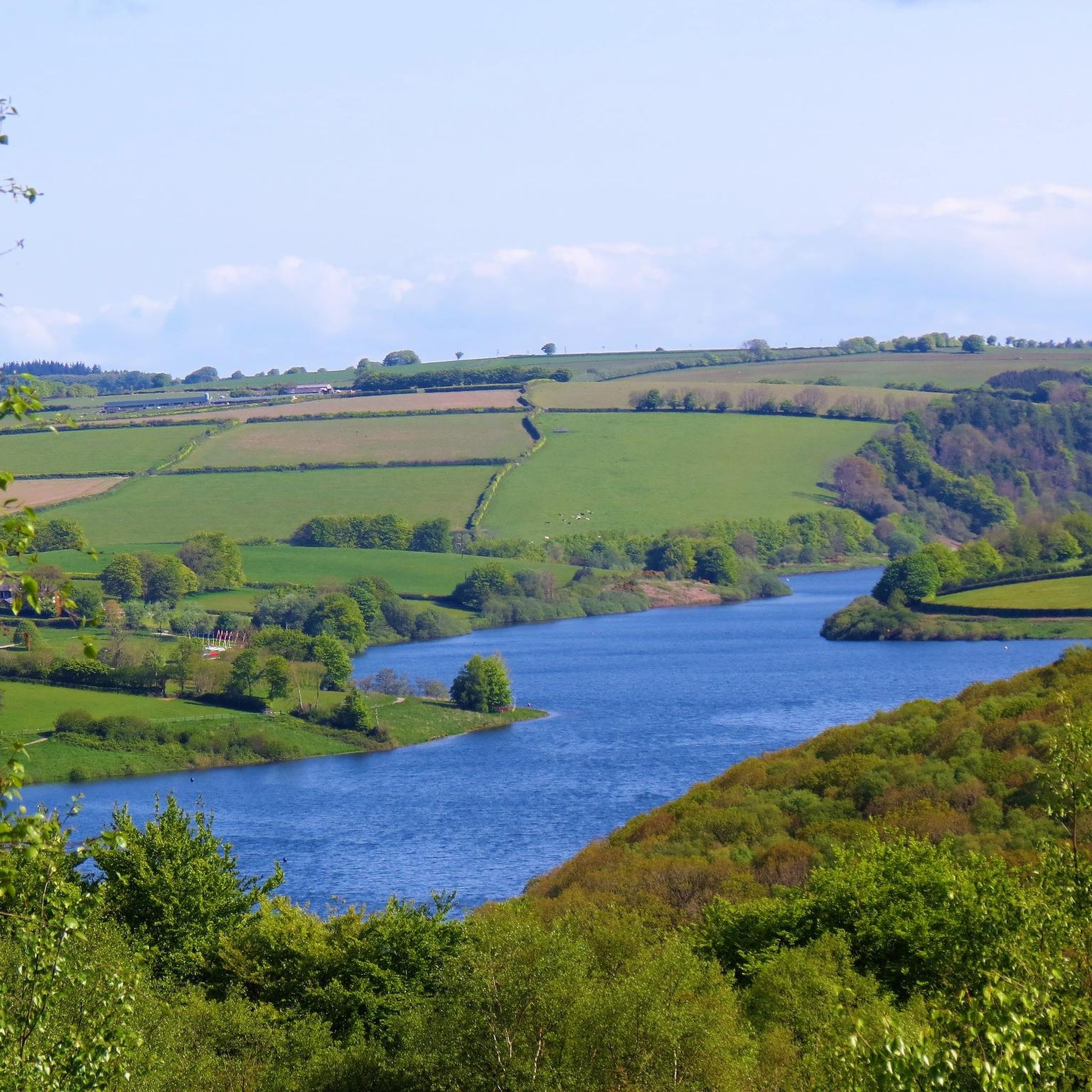
It lies on the southeastern fringe of Exmoor National Park, though it is separated from the Exmoor massif itself by the valleys of the rivers Haddeo and Exe, the highest point of 1,164ft
1
0

This church in Dulverton dates back to the 15th century, although there are records of a church on this site as early as 1155. The tower in Bank Square survives from its origins, but the rest of the church underwent a major reconstruction in the mid-19th century.
0
0
Frequently Asked Questions
What historical sites can I visit near Washfield?
The area around Washfield is rich in history. You can explore the medieval Bury Stone Bridge and Ford, an ancient packhorse bridge with four arches over the River Haddeo. Another notable site is Bickleigh Mill & The Bridge Inn, an 18th-century water mill that is still operational and now houses shops and eateries. Additionally, All Saints Church, Dulverton, dating back to the 15th century, offers a glimpse into the region's religious heritage. The village of Washfield itself is historically significant, being listed in the Domesday Book of 1086.
Are there any natural beauty spots or viewpoints to explore near Washfield?
Yes, for scenic views, head to Haddon Hill Trig Point, situated at 355 meters above sea level, offering beautiful panoramas of the surrounding area, including parts of Wimbleball Lake. The developing Washfield Wetland project, located in the heart of the Exe valley, is also creating a new wildlife recovery zone with pools, ponds, and wet woodlands, aiming to increase biodiversity.
What family-friendly activities are available around Washfield?
Families can enjoy a variety of activities. The Grand Western Canal offers opportunities for cycling, walking, and even horse-drawn barge rides, which are popular with all ages. Bickleigh Mill & The Bridge Inn provides a pleasant stop with shops and eateries in a riverside setting. Nearby Tiverton also hosts attractions like Diggerland Devon, where visitors can operate real construction machinery, and the Devon Railway Centre, appealing to train enthusiasts.
Where can I go for a walk or cycle ride near Washfield?
The Grand Western Canal is an excellent choice for both walking and cycling, offering an 11-mile flat path through picturesque countryside. For more extensive walking options, you can explore various routes around the area, including moderate hikes like the 'River Exe at Tiverton loop' or the 'Knightshayes Court – People's Park loop'. Find more hiking routes in the Hiking around Washfield guide.
Are there any unique or lesser-known attractions worth visiting?
Beyond the main highlights, the developing Washfield Wetland project is a unique initiative focused on wildlife recovery and increasing biodiversity in the Exe valley, with future plans for wildlife hides. The historic Bury Stone Bridge and Ford, a medieval packhorse bridge, also offers a picturesque and less-trafficked historical gem.
What kind of outdoor activities can I do in the Washfield area?
The Washfield area is ideal for outdoor enthusiasts. You can enjoy walking and cycling along the Grand Western Canal. For more challenging activities, there are various hiking routes available, such as those found in the Hiking around Washfield guide. Cyclists can also find numerous routes, including road cycling options detailed in the Road Cycling Routes around Washfield guide and general cycling routes in the Cycling around Washfield guide.
Where can I find refreshments or a meal near the attractions?
For refreshments, Bickleigh Mill & The Bridge Inn offers eateries and a lovely riverside location, perfect for a meal or a Devon cream tea. The Grand Western Canal also has cafes and picnic areas along its 11-mile stretch. Additionally, the nearby town of Tiverton provides a wider range of cafes, pubs, and accommodation options.
What do visitors particularly enjoy about the attractions around Washfield?
Visitors appreciate the blend of historical charm and natural beauty. The picturesque medieval structure of Bury Stone Bridge and Ford is often highlighted. The Grand Western Canal is loved for its tranquil cycling and walking opportunities, with the added charm of horse-drawn barges. The working 18th-century Bickleigh Mill & The Bridge Inn is also a popular spot for its unique setting and refreshments.
Can I visit the Washfield Wetland project?
The Washfield Wetland is an ambitious new wildlife recovery zone in the Exe valley, aiming to boost biodiversity. While it's a developing project, it includes planting trees, creating ponds, and building habitats. Future plans include a wildlife hide for visitors to observe various species. It's a natural feature in progress, contributing to the area's natural beauty.
What is the best time to visit Washfield and its surrounding attractions?
The Mid Devon region, including Washfield, is enjoyable throughout the warmer months, typically from spring to early autumn (April to October), when the weather is most favorable for outdoor activities like walking, cycling, and exploring historical sites. During these times, the natural landscapes are vibrant, and attractions like the Grand Western Canal and Haddon Hill are particularly pleasant to visit.
Are there opportunities for road cycling near Washfield?
Yes, the area around Washfield offers several road cycling routes. You can find various options, including moderate loops like the 'Swans Neck Café – Steep Climb loop from Tiverton' or the 'Two Moors Gallery Café – Friendly Horses loop from Tiverton'. For a comprehensive list of routes, refer to the Road Cycling Routes around Washfield guide.
What is the historical significance of Washfield village itself?
Washfield holds a long-standing heritage, being listed in the Domesday Book of 1086 as two distinct manors: Great Washfield and Little Washfield. The village is also home to the historic St Mary the Virgin Church, serving as a key cultural landmark within the community, reflecting centuries of local history.
Are there any National Trust properties in the vicinity of Washfield?
While not directly in Washfield, the surrounding Mid Devon area features notable National Trust properties. These include Knightshayes, a Victorian Gothic Revival country house with extensive gardens, and Killerton, another historic house with gardens, both offering cultural and natural attractions within a short distance of Washfield.

Get inspired with the komoot mobile app


Explore more
Still not found the Highlight you’re looking for? See guides of the top attractions in other regions:
