Attractions and Places To See around Bathley - Top 20
Best attractions and places to see around Bathley include its historical character and proximity to notable landmarks in Nottinghamshire. This small, tranquil village, recorded in the Domesday Book as "Badeleie," features several Grade II listed buildings, such as Grange Farm House and The Hollies, which dates from 1290. The village also contains earthworks of a medieval castle, destroyed during the English Civil War. Designated footpaths and bridlepaths connect Bathley to the surrounding countryside.
Best attractions and places to see around…
Last updated: October 9, 2026
Southwell Minster
Highlight • Religious Site
Tip by

Maythorne Mill
Highlight • Monument
Tip by

Sign up now to discover places like this
Get recommendations on the best single tracks, peaks, & plenty of other exciting outdoor places.
Caudwell's Mill
Highlight • Monument
When Charles Caudwell, whose family originated from Derbyshire, bought the mill in 1851 he made …
Tip by
Newark Castle Ruins
Highlight • Castle
Tip by

Eakring Windmill
Highlight • Other
Tip by
Sign up for free to discover even more attractions around Bathley.
Already have an account?
Start today with a free account
Your next adventure awaits.



Tips from the Community


currently closed for refurbishment (end of oct 25)
0
0

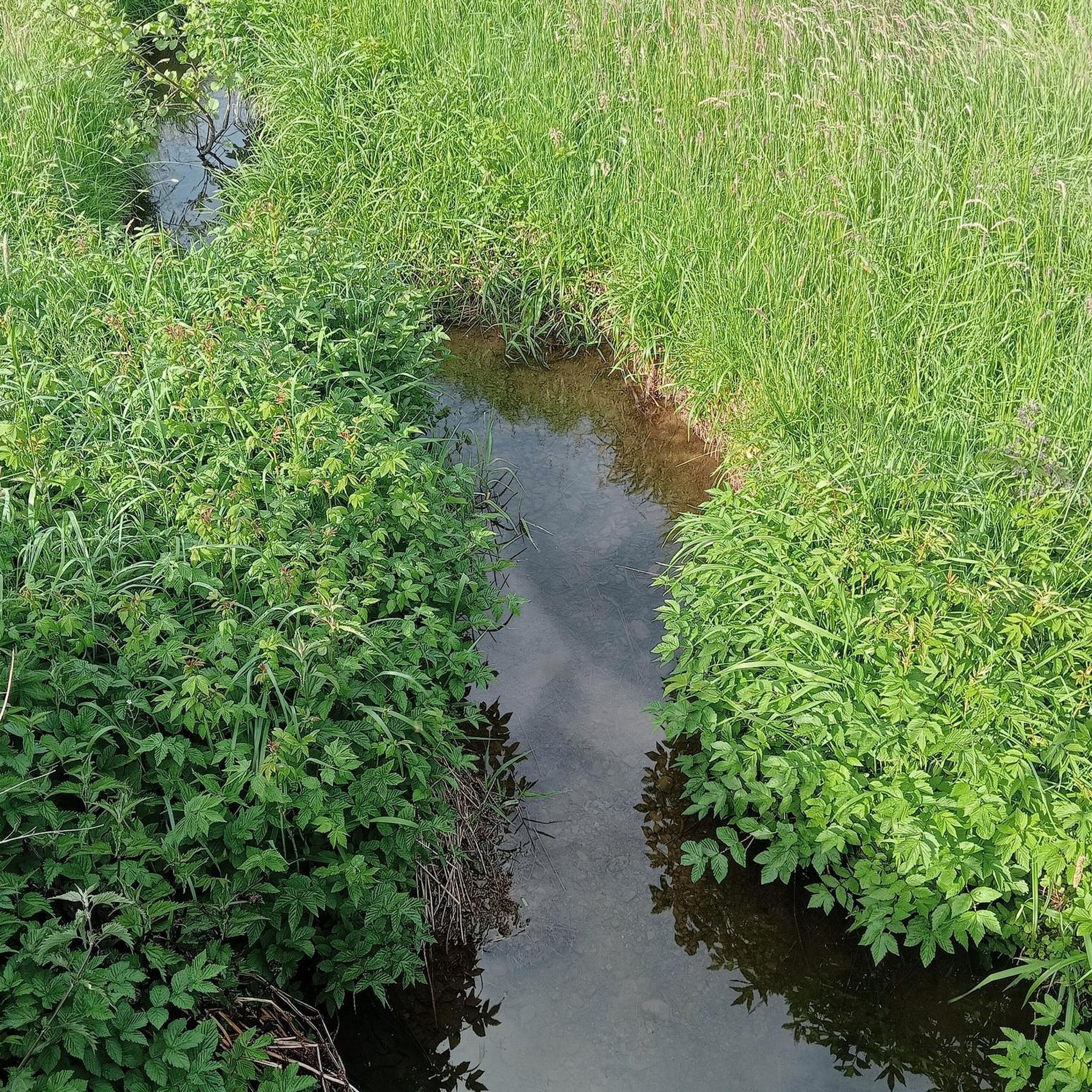
The former Maythorne Mill, its former workers’ cottages and its ancillary buildings, plus a farm, form the greater part of this small hamlet. It was a cotton mill built in 1785 to supply the framework knitting industry with yarns. The speculator that built Maythorne was a Southwell hop merchant. In the early C19th the mill was adapted to produce silk and lace thread. There was also a Mission Hall, a pub & general store. The mainly female workforce was required to wind silk on bobbins, form it into shanks before it was finally washed and pressed and despatched to Nottingham. However, yarn & thread products were not the only items produced here as osier beds provided willow for basket-making and hops were also grown locally. From 1939-45 the mill was used to billet soldiers and in 1948 the land & buildings were put to agricultural use. the mill building has been converted into residential flats & some workshops in various outbuildings. The mill wheel was powered by the River Greet.
0
0
Caudwell's Mill stands on the River Greet on the site of Southwell’s mediaeval Burgage mill. When Charles Caudwell, whose family originated from Derbyshire, bought the mill in 1851 he made changes, thus greatly increasing the mill’s capacity. Wheat was transported to the mill by road, rail and water. Local corn arrived by horse and cart, supplies from further afield came from the R.Trent by barge to a wharf at Fiskerton which still stands. The mill suffered serious fires on three occasions in 1867, 1893 and 1917. On each occasion the opportunity was taken to modernise the plant. Local bakers took their supply of flour from the mill, best known was ‘Mosedale’s’ Bakery and Caudwell’s ‘Greet Lily Flour’ won the Nottinghamshire’s Bakers Cup in 1907, 1908, 1909, 1912 and 1914. The mill was taken over by Associated British Foods, who closed it in 1977 and in 1989 the mill was converted into residential apartments.
0
0
The earliest church on the site is believed to have been founded in 627 by Paulinus, the first Archbishop of York, when he visited the area while baptising believers in the River Trent. The legend is commemorated in the Minster's baptistry window. In 956 King Eadwig gave land in Southwell to Oskytel, Archbishop of York, on which a minster church was established. The Domesday Book of 1086 recorded the Southwell manor in great detail. The Norman reconstruction of the church began in 1108, probably as a rebuilding of the Anglo-Saxon church, starting at the east end so that the high altar could be used as soon as possible and the Saxon building was dismantled as work progressed. Many stones from this earlier Anglo-Saxon church were reused in the construction. The church was originally attached to the Archbishop of York's Palace which stood next door and is now ruined.
0
0

Beautiful spot great scenery and history Castle grounds definitely worth a visit
0
0

Amazing! I wasn't expecting such a castle in the middle of Newark when cycling through.👍 Looks like it would be well worth a visit if you have time.
0
0
Combine a visit to the castle with a picnic, watching the Trent roll by. There are lots of quiet lanes approaching from the south.
0
0
Frequently Asked Questions
What historical sites can I visit near Bathley?
Bathley itself boasts several Grade II listed buildings, including Grange Farm House and The Hollies, which dates back to 1290. You can also see the earthworks of a medieval castle within the village. Nearby, explore the impressive Newark Castle Ruins, a 12th-century castle partly destroyed in 1646. Another significant historical site is Southwell Minster, a beautiful Norman cathedral. For a deeper dive into social history, visit The Workhouse in Southwell, maintained by the National Trust, or the National Civil War Centre in Newark.
Are there any natural attractions or parks to explore around Bathley?
Yes, the region offers several natural attractions. Sherwood Forest Country Park, famous for its association with Robin Hood and the ancient Major Oak, is a significant natural landmark with various walks and cycle routes. Other options include Rufford Abbey Country Park with its monastic ruins, woodlands, and lake, and Bestwood Country Park, offering woodland walks and diverse wildlife habitats. For birdwatching and wetland ecosystems, consider Attenborough Nature Reserve or Idle Valley Nature Reserve.
What family-friendly activities are available near Bathley?
Many attractions around Bathley are suitable for families. Both Southwell Minster and Newark Castle Ruins are listed as family-friendly. Sherwood Forest Country Park offers outdoor activities and trails for all ages. Wollaton Hall & Deer Park provides 500 acres of parkland to explore alongside Nottingham's Natural History Museum. The wider Nottinghamshire area also features various activity centres, including trampoline parks and children's farms.
Where can I go for a walk or hike near Bathley?
Bathley is connected to surrounding areas by designated footpaths and bridlepaths. For longer excursions, you can find numerous hiking routes nearby. Options include the River Trent loop from Holme, or easy walks like the Newark Castle Ruins loop. You can find more details and routes in the Hiking around Bathley guide and the Easy hikes around Bathley guide.
Are there any unique cultural or industrial heritage sites in the area?
Beyond castles and cathedrals, you can visit Maythorne Mill, a former cotton mill adapted for silk and lace thread production, now converted into residential flats. Another interesting site is Caudwell's Mill, a historic flour mill on the River Greet. The Newark Air Museum showcases aviation history, and The Harley Gallery features fine and decorative arts.
What are some distinctive landmarks or architectural points of interest?
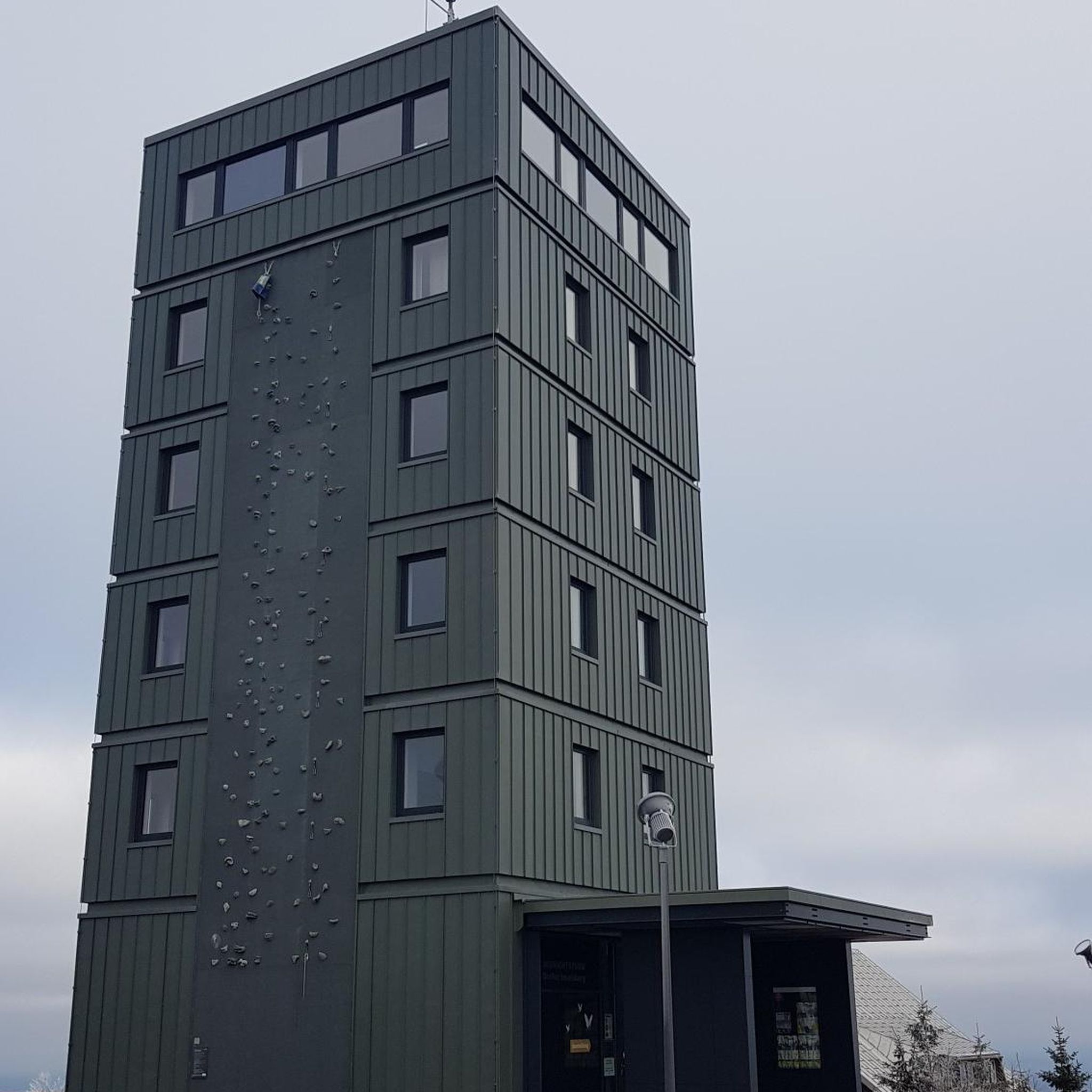
The village of Bathley itself has several Grade II listed buildings, including Grange Farm House and The Hollies. A notable landmark nearby is Eakring Windmill, a distinctive five-storey brick windmill. Southwell Minster is renowned for its Norman architecture and unique 'pepper pot' spires. Wollaton Hall, an Elizabethan mansion, is another architectural highlight.
Can I find places to eat and drink in Bathley or nearby?
Within Bathley, The Crown Inn public house serves as a community hub, and The Blacksmiths Arms is also a popular spot. The nearby market town of Newark offers a wider selection of cafes, pubs, and restaurants. If you visit Eakring, The Saville Arms is the last remaining pub, and The Daffodil Tearoom offers another option for refreshment.
What is the best time of year to visit attractions around Bathley?
The best time to visit depends on your interests. Spring and summer offer pleasant weather for exploring natural features like Sherwood Forest and enjoying outdoor activities. Autumn provides beautiful foliage, especially in the country parks. Historical sites and museums, such as Southwell Minster or the National Civil War Centre, are accessible year-round, offering indoor options during colder months.
Are there opportunities for cycling or mountain biking near Bathley?
Yes, the area around Bathley offers various cycling opportunities. Sherwood Forest Country Park and Sherwood Pines Forest Park both have dedicated cycle routes and mountain bike trails. You can find specific routes, such as the Livers Café loop from Southwell or the Newark Castle Ruins loop, in the MTB Trails around Bathley guide.
What do visitors enjoy most about the attractions around Bathley?
Visitors particularly appreciate the rich history and architectural beauty of sites like Southwell Minster and Newark Castle Ruins. The tranquil, rural setting of Bathley itself, combined with its proximity to diverse attractions, is also highly valued. The komoot community has shared over 30 photos and given more than 50 upvotes, highlighting the appeal of the area's historical buildings, castle ruins, country parks, and nature reserves.
Can I find information about Bathley's local history and listed buildings?
Bathley has a rich history, recorded in the Domesday Book as 'Badeleie'. The village is home to several Grade II listed buildings, including Grange Farm House (16th century) and The Hollies (dating from 1290, making it the oldest recorded home in Nottinghamshire). Other listed buildings include Bathley Hill Farmhouse and Manor Farm House. For more detailed information on these historical structures, you can refer to resources like Newark and Sherwood District Council's listed buildings register.
Are there any unique geological or archaeological sites nearby?
Yes, Creswell Crags, located on the border of Nottinghamshire and Derbyshire, is a significant site. These limestone caves contain evidence of Ice Age human occupation and feature the northernmost cave art in Europe, offering a fascinating glimpse into prehistoric times.

Get inspired with the komoot mobile app


Explore more
Still not found the Highlight you’re looking for? See guides of the top attractions in other regions:
