Attractions and Places To See around South Muskham - Top 20
Best attractions and places to see around South Muskham include historical landmarks, religious sites, and natural features along the River Trent. This Nottinghamshire village offers a quiet, rural atmosphere with points of interest reflecting its past. The area features structures like St. Wilfrid's Church and the historic Muskham Bridge, alongside the tranquil River Trent.
Best attractions and places to see around South Muskham
- The most popular attractions is Southwell Minster, a religious building that is one of the smallest…
Last updated: July 6, 2026
Southwell Minster
Highlight • Religious Site
Tip by

St. Michael's Church, Farnsfield
Highlight • Other
Tip by
Sign up now to discover places like this
Get recommendations on the best single tracks, peaks, & plenty of other exciting outdoor places.
Sign up for free
Caudwell's Mill
Highlight • Monument
When Charles Caudwell, whose family originated from Derbyshire, bought the mill in 1851 he made …
Tip by

Newark Castle Ruins
Highlight • Castle
Tip by

Maythorne Mill
Highlight • Monument
Tip by
Sign up for free to discover even more attractions around South Muskham.
Sign up for free
Already have an account?
Start today with a free account
Your next adventure awaits.
Login or Signup


Tips from the Community

currently closed for refurbishment (end of oct 25)
0
0

The first mention of Farnsfield emerges in 956AD in a document in which King Edwy of Northumbria gave the Danish Archbishop of York, Oscytel, the manor of Southwell, which included the farmstead of Farnsfield. Farnsfield was a small community of farmsteads scraping a living from agriculture in a clearing at the edge of Sherwood Forest. By 1520 Farnsfield was the responsibility of Southwell Minster under the Archbishop of York, Cardinal Wolsey. Most people were farmers and poor land, bad weather, disease and starvation were constant hazards. By the 1600s more specialised trades were developing in Farnsfield including bakers, tailors and shoemakers. By the late 1700s sheep rearing was the main source of income from outside.
0
0
The church dates from the 15th century but was rebuilt between 1859 and 1860 by Thomas Chambers Hine and Robert Evans following a fire. Only a fragment of the tower from the 15th-century building survives.
0
0
The former Maythorne Mill, its former workers’ cottages and its ancillary buildings, plus a farm, form the greater part of this small hamlet. It was a cotton mill built in 1785 to supply the framework knitting industry with yarns. The speculator that built Maythorne was a Southwell hop merchant. In the early C19th the mill was adapted to produce silk and lace thread. There was also a Mission Hall, a pub & general store. The mainly female workforce was required to wind silk on bobbins, form it into shanks before it was finally washed and pressed and despatched to Nottingham. However, yarn & thread products were not the only items produced here as osier beds provided willow for basket-making and hops were also grown locally. From 1939-45 the mill was used to billet soldiers and in 1948 the land & buildings were put to agricultural use. the mill building has been converted into residential flats & some workshops in various outbuildings. The mill wheel was powered by the River Greet.
0
0
Caudwell's Mill stands on the River Greet on the site of Southwell’s mediaeval Burgage mill. When Charles Caudwell, whose family originated from Derbyshire, bought the mill in 1851 he made changes, thus greatly increasing the mill’s capacity. Wheat was transported to the mill by road, rail and water. Local corn arrived by horse and cart, supplies from further afield came from the R.Trent by barge to a wharf at Fiskerton which still stands. The mill suffered serious fires on three occasions in 1867, 1893 and 1917. On each occasion the opportunity was taken to modernise the plant. Local bakers took their supply of flour from the mill, best known was ‘Mosedale’s’ Bakery and Caudwell’s ‘Greet Lily Flour’ won the Nottinghamshire’s Bakers Cup in 1907, 1908, 1909, 1912 and 1914. The mill was taken over by Associated British Foods, who closed it in 1977 and in 1989 the mill was converted into residential apartments.
0
0
The earliest church on the site is believed to have been founded in 627 by Paulinus, the first Archbishop of York, when he visited the area while baptising believers in the River Trent. The legend is commemorated in the Minster's baptistry window. In 956 King Eadwig gave land in Southwell to Oskytel, Archbishop of York, on which a minster church was established. The Domesday Book of 1086 recorded the Southwell manor in great detail. The Norman reconstruction of the church began in 1108, probably as a rebuilding of the Anglo-Saxon church, starting at the east end so that the high altar could be used as soon as possible and the Saxon building was dismantled as work progressed. Many stones from this earlier Anglo-Saxon church were reused in the construction. The church was originally attached to the Archbishop of York's Palace which stood next door and is now ruined.
0
0

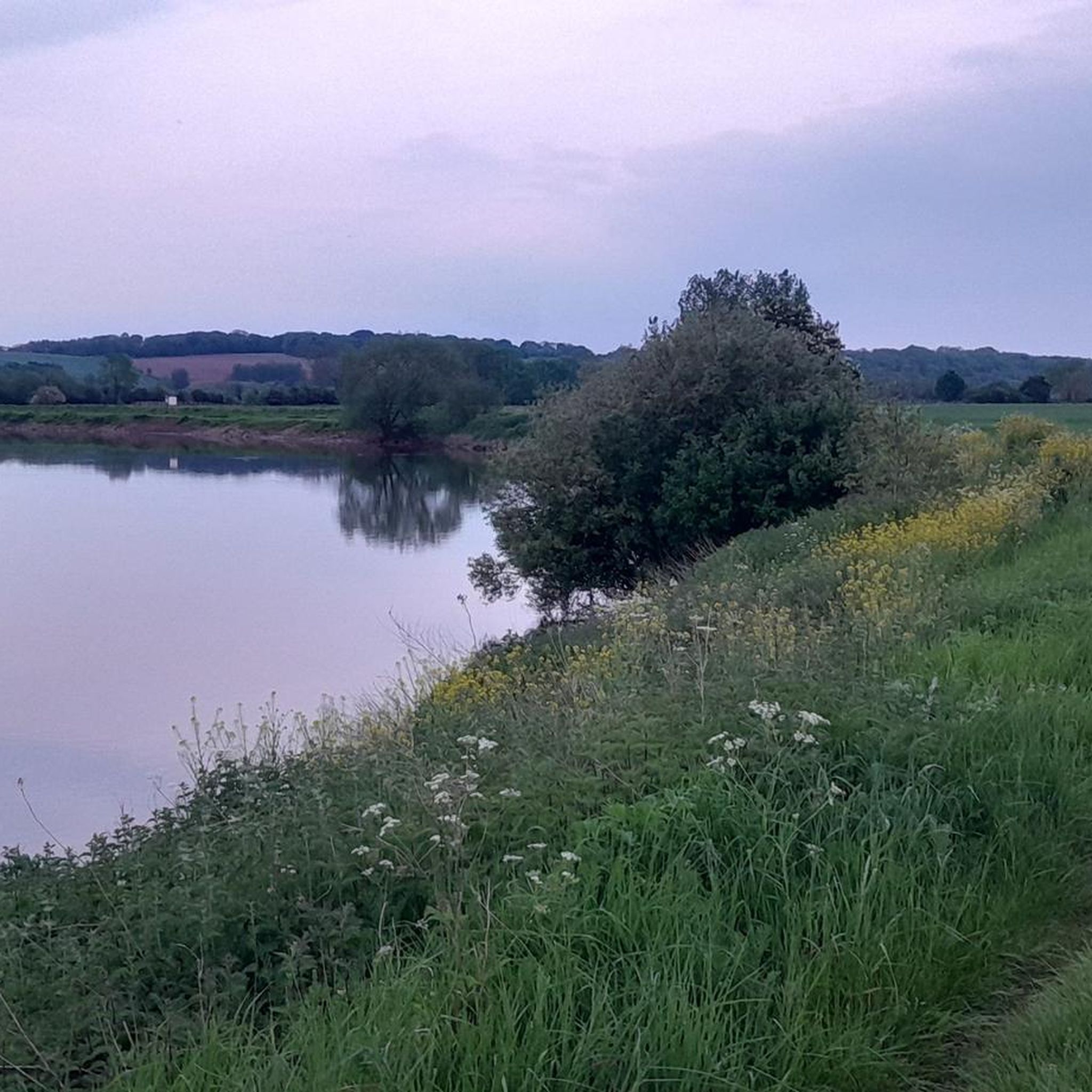
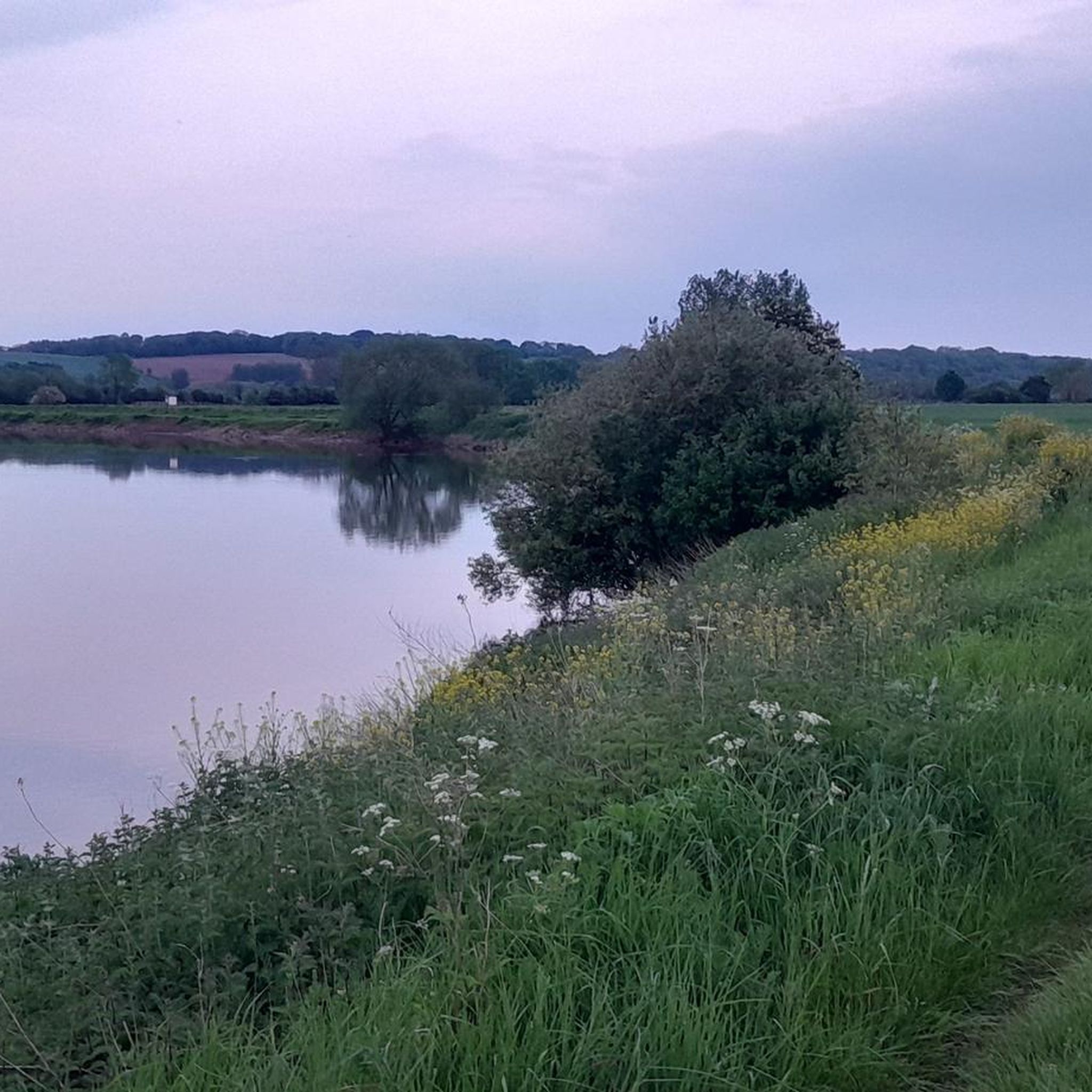
Beautiful spot great scenery and history Castle grounds definitely worth a visit
0
0

Amazing! I wasn't expecting such a castle in the middle of Newark when cycling through.👍 Looks like it would be well worth a visit if you have time.
0
0
Frequently Asked Questions
What historical landmarks can I explore in and around South Muskham?
South Muskham and its surroundings offer a rich history. Within the village, you can visit St. Wilfrid's Church, a Grade I listed building with parts dating back to the 12th century, and the historic Muskham Bridge and causeway, part of the old Great North Road. Nearby, you'll find the impressive Southwell Minster, one of the country's most architecturally interesting cathedrals, and the evocative Newark Castle Ruins, set in formal gardens.
Are there any natural features or scenic spots to visit near South Muskham?
Yes, South Muskham is situated on the banks of the River Trent, offering picturesque views and a tranquil atmosphere. You can experience the river firsthand via the historic Muskham Ferry, which crosses to Gunthorpe. Just north of the village, North Muskham Lake, a former gravel extraction site, has been restored to provide important habitats for wildlife and features a surfaced footpath for walking.
What kind of outdoor activities can I do near South Muskham's attractions?
The area around South Muskham is excellent for outdoor activities. You can find numerous routes for hiking, mountain biking, and road cycling. For example, there are easy to moderate hiking routes like the 'River Trent loop from Holme CP' or 'Newark Castle Ruins – The Bike Chain loop from Newark Northgate'. Cyclists can explore routes such as 'Picnic Spot by the River Trent – Oxton Bank Climb loop from South Muskham CP'. You can find more details and specific routes on the Hiking around South Muskham, MTB Trails around South Muskham, and Road Cycling Routes around South Muskham guide pages.
Are there family-friendly attractions in the South Muskham area?
Absolutely. Many historical sites like Southwell Minster and Newark Castle Ruins are considered family-friendly, offering educational and engaging experiences. For more active fun, Go Ape Sherwood Pines, about 12 miles away, provides high ropes courses, and Jump Inc Lincoln, around 13 miles distant, is an indoor trampoline park.
What are some notable cultural or archaeological sites in the region?
Beyond the prominent historical buildings, South Muskham has archaeological significance, including an Iron Age settlement listed on the National Heritage List for England. The village also features locations like Forge Close and Forge Cottages, hinting at its past industrial importance. Nearby, the National Civil War Centre - Newark Museum offers deep insights into the English Civil War.
Can I learn about the area's industrial heritage?
Yes, the region has a rich industrial past. You can visit Caudwell's Mill in Southwell, which stands on the River Greet and dates back to medieval times, showcasing the region's milling heritage. Another site is Maythorne Mill, a former cotton mill built in 1785, later adapted for silk and lace thread production, providing a glimpse into the textile industry.
What is the best time of year to visit South Muskham?
The best time to visit South Muskham largely depends on your preferred activities. Spring and summer offer pleasant weather for exploring the natural beauty along the River Trent and enjoying outdoor activities like hiking and cycling. The historical sites are accessible year-round, but the warmer months allow for more comfortable exploration of outdoor ruins and gardens.
Are there any unique local experiences in South Muskham?
A truly unique local experience is taking the Muskham Ferry across the River Trent. This small boat has been in operation for over 100 years, offering a charming and traditional way to cross the river and enjoy the surrounding countryside views.
What are some other interesting churches or religious buildings to see?
In addition to Southwell Minster and St. Wilfrid's Church in South Muskham, you can visit St. Michael's Church, Farnsfield. This historical religious building dates from the 15th century, with a fragment of its original tower still surviving after a rebuild in the 19th century.
What do visitors enjoy most about the attractions around South Muskham?
Visitors appreciate the blend of historical significance and natural tranquility. The architectural beauty of sites like Southwell Minster and the historical depth of Newark Castle Ruins are highly valued. Many also enjoy the peaceful rural atmosphere, especially along the River Trent, and the opportunities for outdoor activities like walking and cycling.
Are there any attractions related to transport or aviation history nearby?
Yes, for those interested in transport and aviation history, the Newark Air Museum is located approximately 2.2 miles from South Muskham. It's a notable attraction for enthusiasts of railway and transport heritage, offering a diverse collection of aircraft and exhibits.
Where can I find community hubs or local gathering places in the area?
The South Muskham and Little Carlton Village Hall serves as a central community hub. Built in 1957 and refurbished in 2014, it hosts various local events and activities for both South Muskham and the nearby hamlet of Little Carlton.
Most popular routes around South Muskham

Get inspired with the komoot mobile app


Explore more
Still not found the Highlight you’re looking for? See guides of the top attractions in other regions:
