The 3 Most Amazing Peaks around Normandy
Best mountain peaks around Normandy are characterized by an undulating landscape featuring notable hills and elevated areas, often referred to as "low mountains" or "highest hills." The region, particularly "Suisse Normande," offers impressive viewpoints and opportunities for outdoor activities. These prominent points provide a sense of wilderness and natural beauty, making them ideal for tranquil walks and exploration. Visitors can experience the diverse natural landscape of inland Normandy through its elevated terrain.
Best mountain peaks around Normandy
- The most popular…
Last updated: August 11, 2026
Chinthurst Hill Tower
Highlight • Forest
Tip by

Crooksbury Hill Viewpoint
Highlight • Viewpoint
The hill is known for its scenic views and diversity of habitat, including heathland and …
Tip by

Sign up now to discover places like this
Get recommendations on the best single tracks, peaks, & plenty of other exciting outdoor places.
Sign up for free
Yagden Hill Summit View
Highlight • Summit
Tip by
View from Ash Ranges High Point
Highlight • Summit
Tip by

Start today with a free account
Your next adventure awaits.
Login or Signup
Tips from the Community

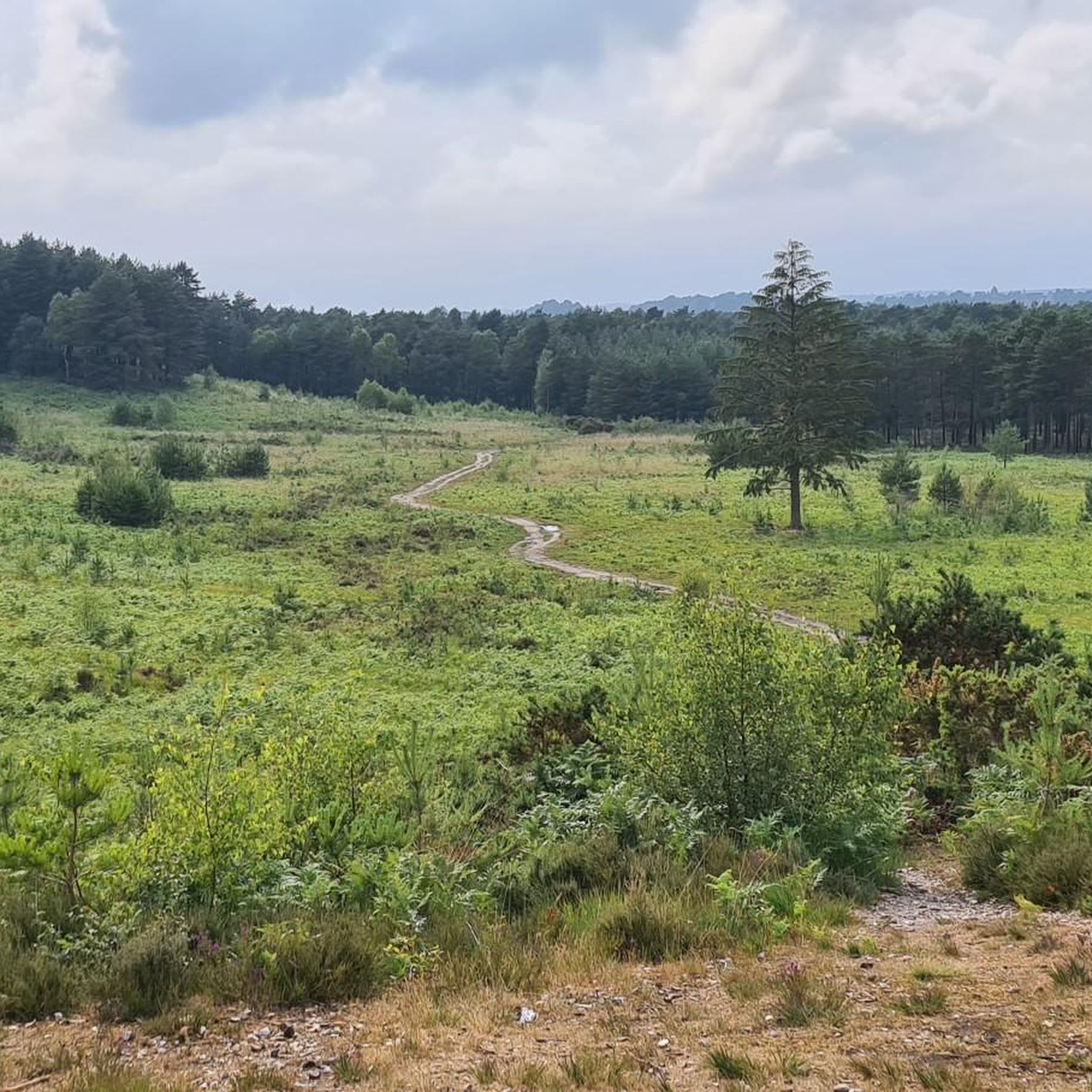
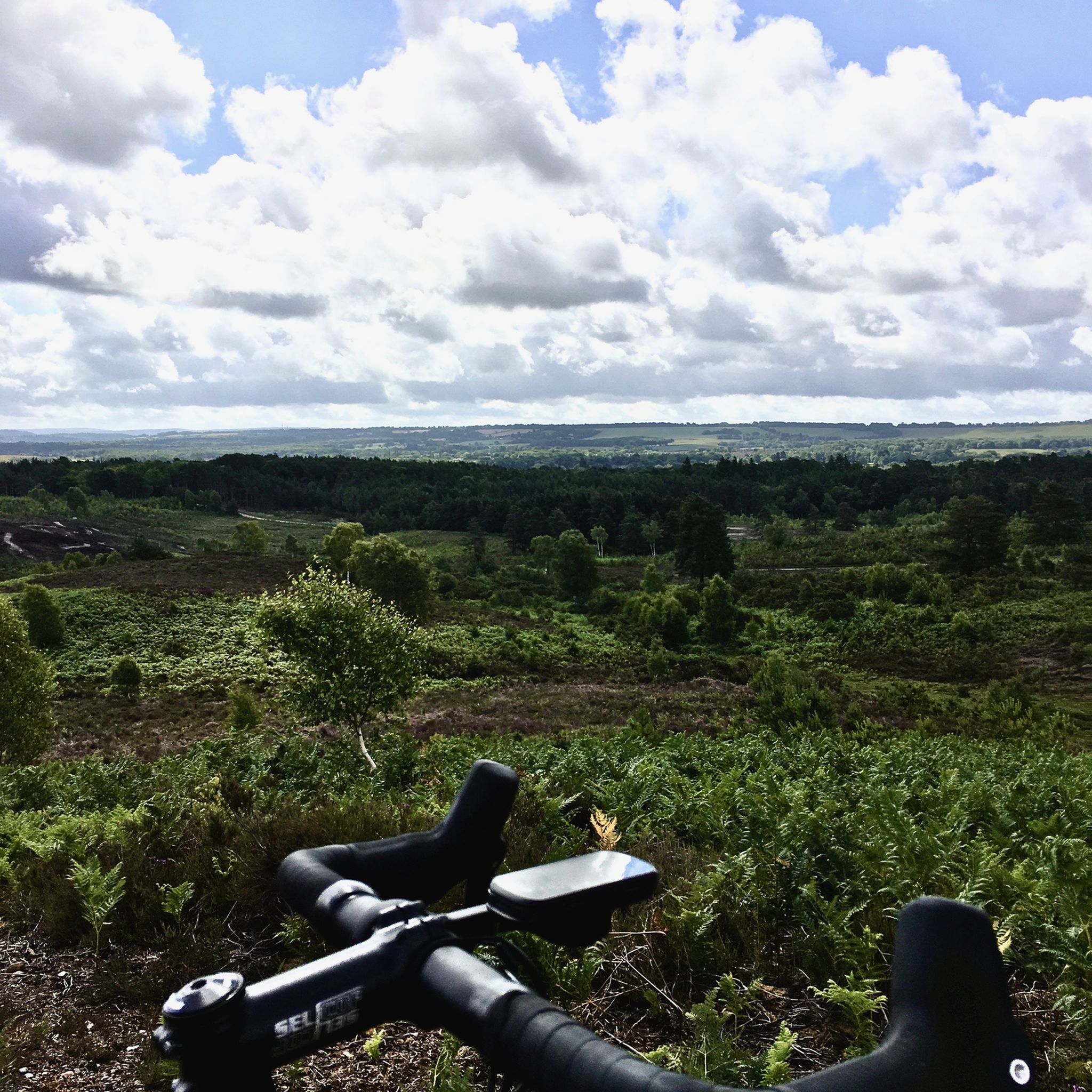
Sat in the middle of Ash Ranges is this unnamed hill which is one of the highest points on the ranges. From here you can see almost all of the ranges themselves and also Woking and Guildford and beyond towards London. I run around the range road on the outskirts of Ash Ranges but this hill in the middle is well worth visiting on your run when the red flags are down. To check when the red flags are down indicating the ranges are not in use, visit here: https://www.gov.uk/government/publications/south-east-training-estate-firing-times
0
0

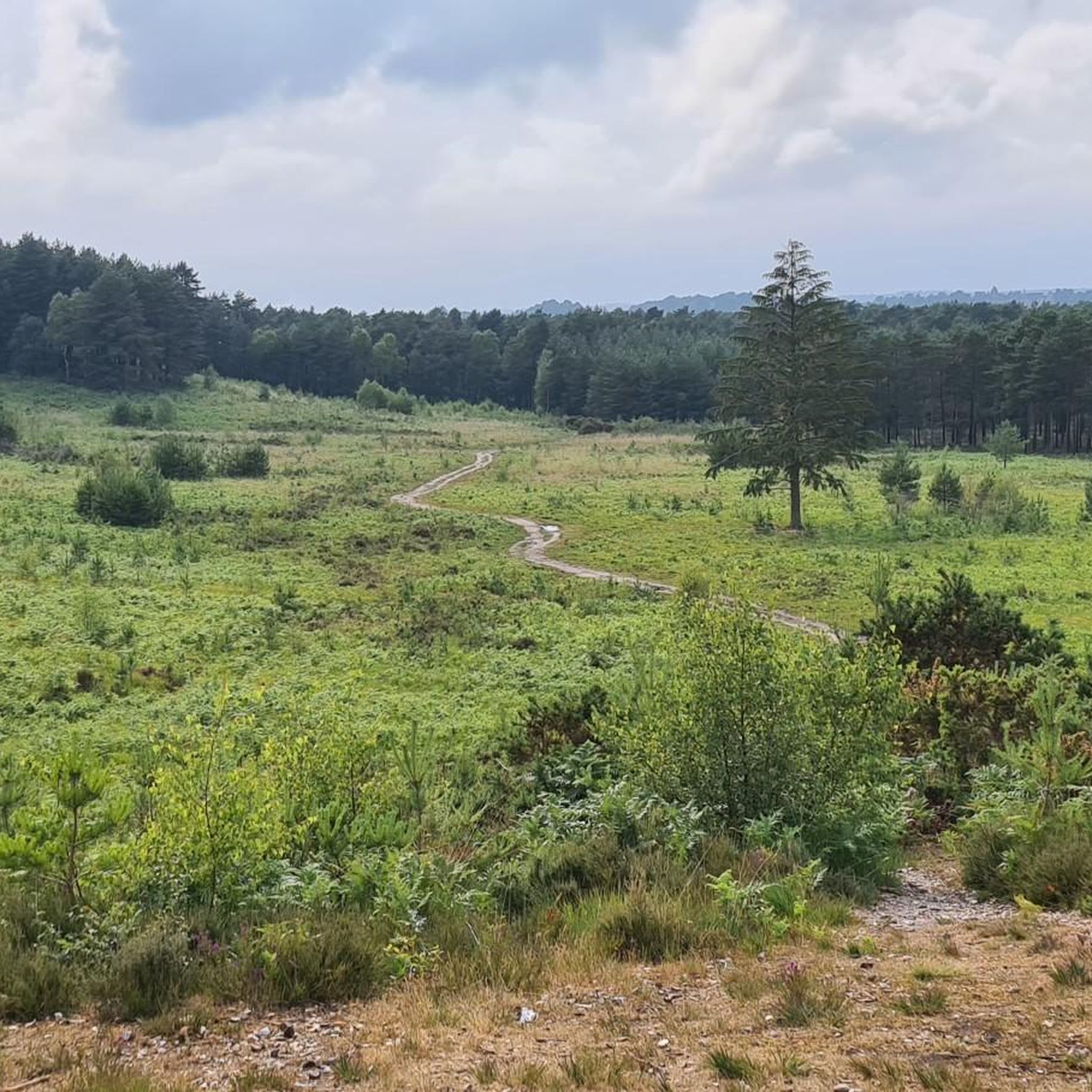
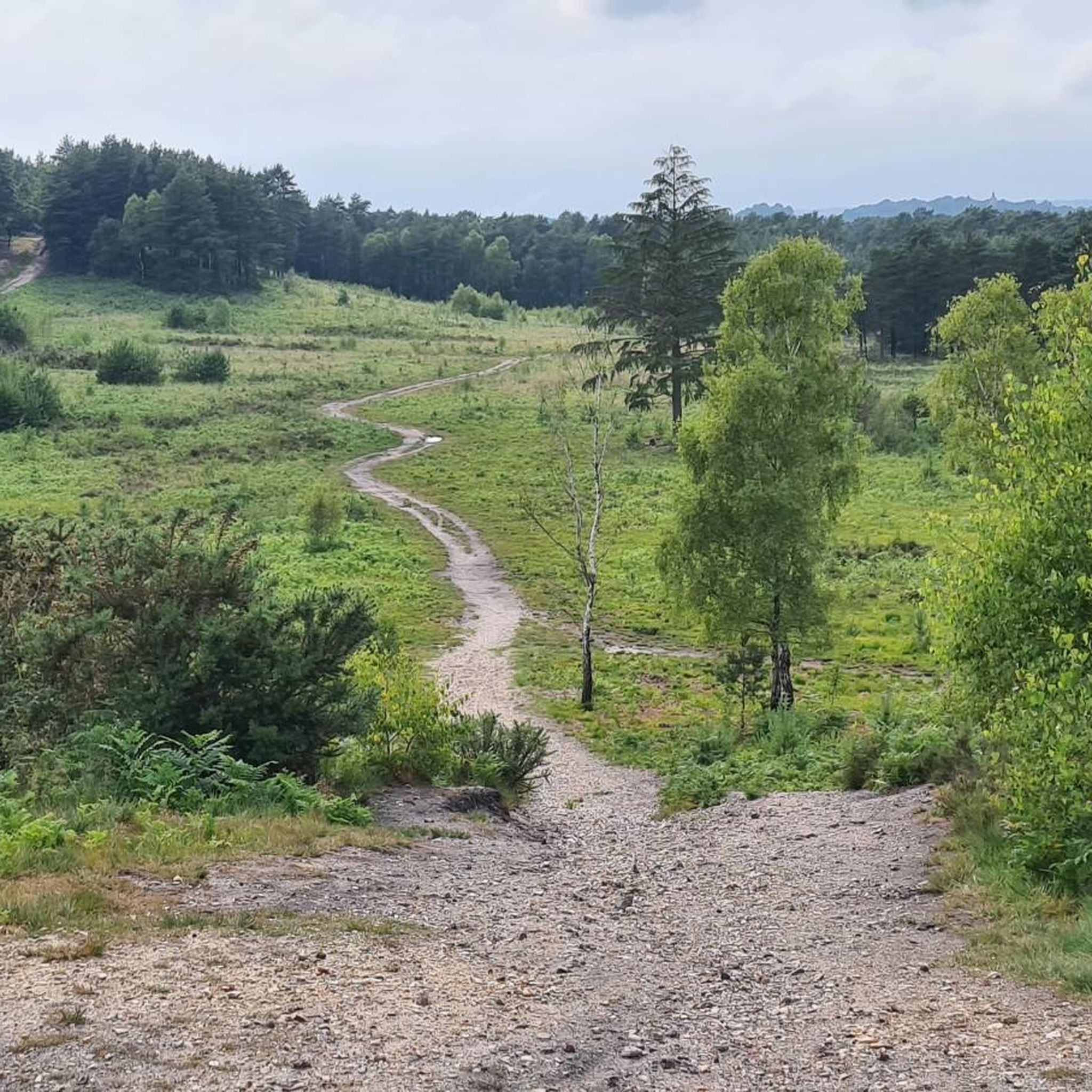
Yagden Hill is a summit situated in Hankley Common in Surrey. From the trig point, you can enjoy some sublime views over the beautiful heathland and woodland that makes up this landscape.
1
0
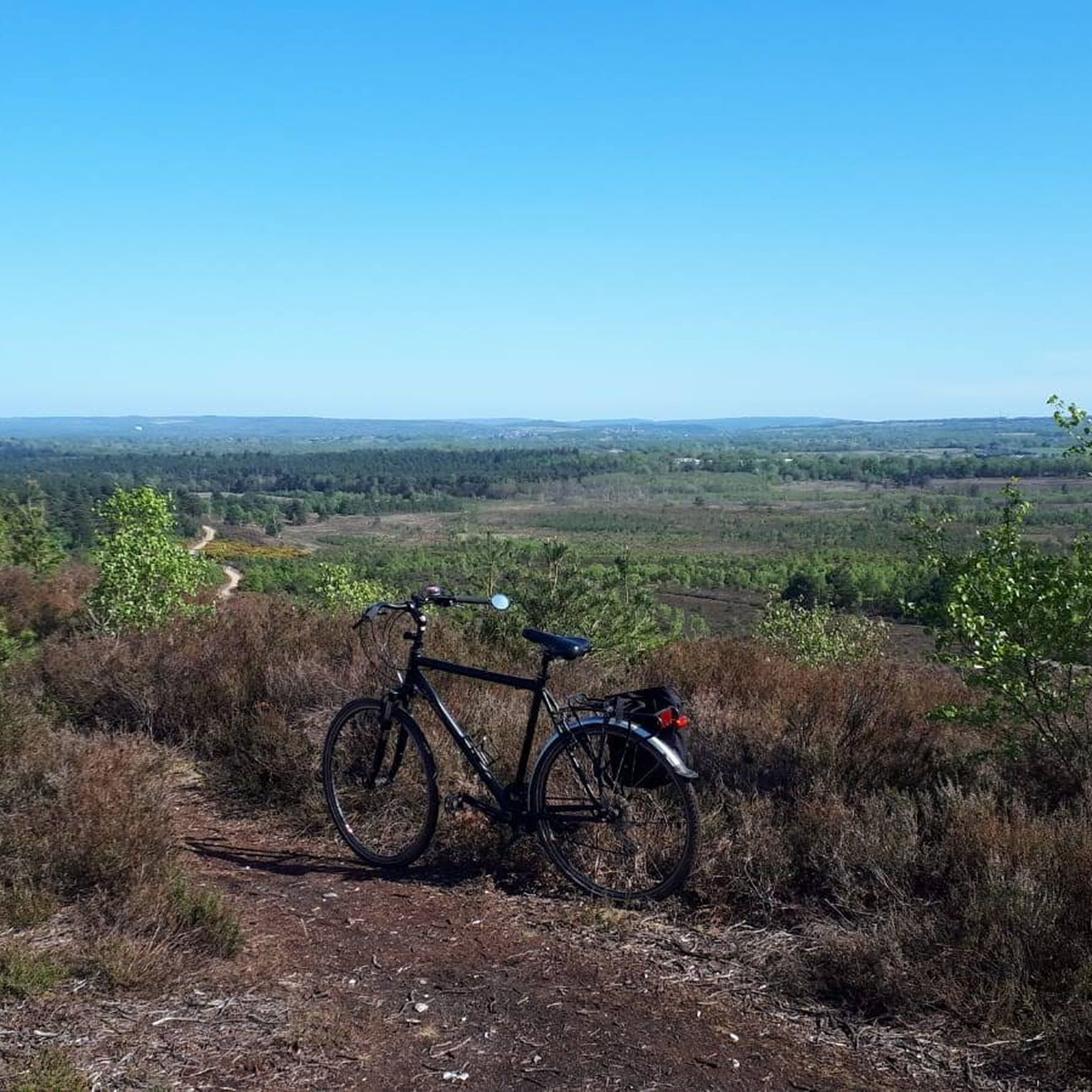
Crooksbury Hill is a wooded hilltop standing at 166m high in the Surrey Hills AONB. The hill is known for its scenic views and diversity of habitat, including heathland and woodland that provides a home to a variety of wildlife, such as butterflies and birds of prey.
1
0


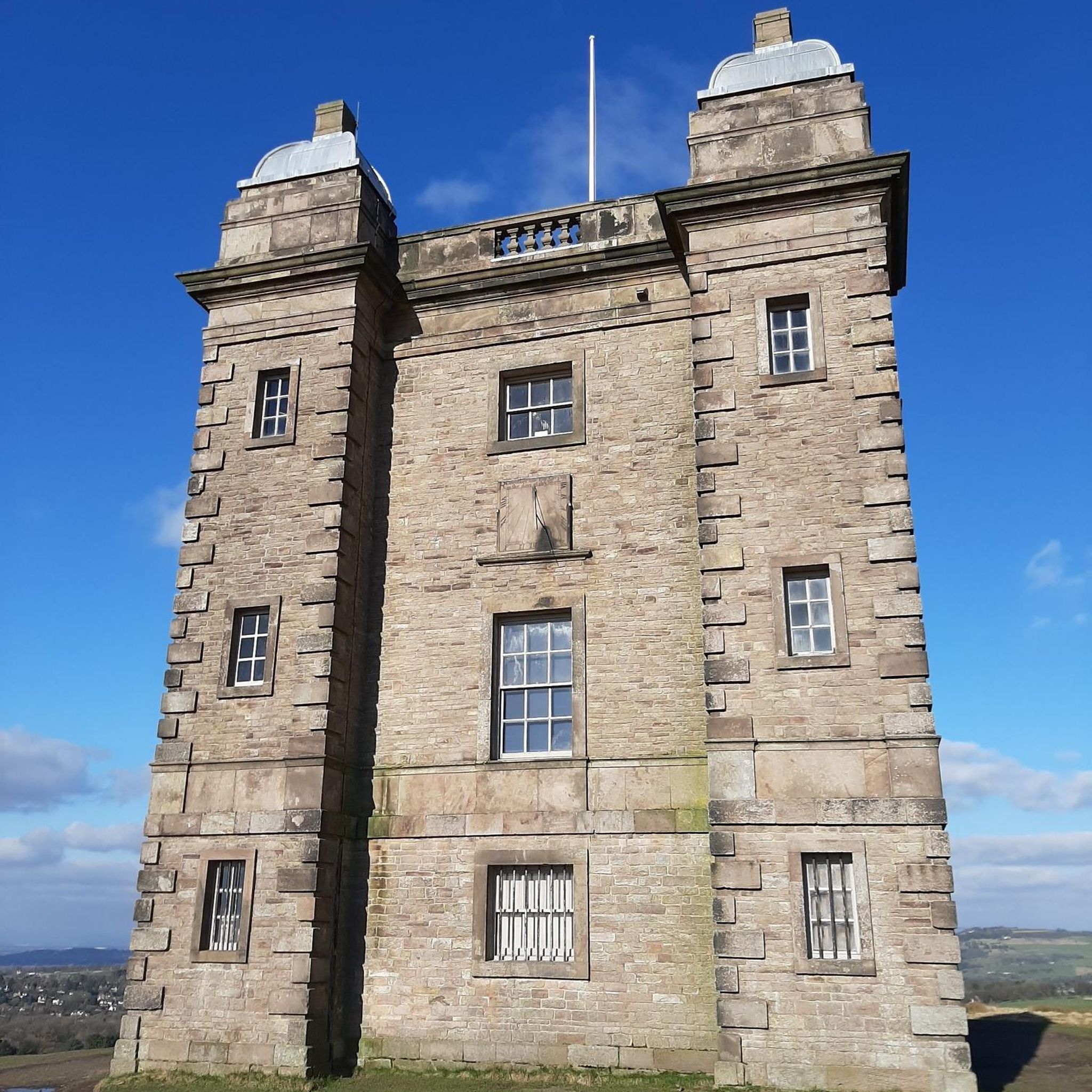
With extensive views and a tower on the summit, Chinthurst Hill is a picturesque nature reserve that is home to lots of wildlife. Birds you can observe include buzzards, sparrowhawks, red kites, and wrens. There are many species of butterfly, as well as roe deer, bats, and insects. The hillside has a broad mix of trees—including oak, sweet chestnut, hazel, and rowan—and is renowned for its wildflower displays. The tower you find on the summit was built in the late 1930s by Lord Inchcape and is Grade II-listed.
0
0
Frequently Asked Questions
What are the highest points in Normandy?
The highest point in Normandy is Signal d'Écouves, reaching 420 meters (1,378 feet) within a forested area. Other significant elevated points include Butte Chaumont at 389 meters (1,276 feet) and Mont Pinçon at 362 meters (1,188 feet), which is the highest point in the Calvados department.
Which mountain peaks in Normandy offer the best panoramic views?
For breathtaking panoramic views, La Roche d'Oëtre is highly recommended, offering dramatic vistas over the Rouvre river gorges. The Rocher des Gardes, also near La Roche d'Oëtre, provides stunning views of the meandering river and the Norman countryside. Additionally, the tower at the summit of Mont de Cerisy offers a 360-degree panorama, allowing views across the Normandy bocage and, on clear days, all three departments of Lower Normandy.
Are there any mountain peaks in Normandy with historical significance?
Yes, Mont Pinçon holds significant historical importance. It was a site of strategic battles during Operation Bluecoat in the Battle of Normandy during World War II. Visitors can appreciate both its panoramic vistas and reflect on its past.
What geological features can I expect to see at Normandy's elevated points?
La Roche d'Oëtre is particularly notable for its striking geological formations, featuring a dramatic granite and puddingstone cliff that rises 118 meters above the Rouvre river gorges. It also has a unique natural rock formation resembling a human profile.
What kind of nature and wildlife can be found around Normandy's peaks?
The elevated areas, especially around Signal d'Écouves, are part of forested regions, offering a sense of wilderness and opportunities for tranquil walks. Mont de Cerisy is known for its thousands of rhododendrons, which are particularly beautiful when in bloom during May and June. These areas provide habitats for local flora and fauna.
Are there hiking opportunities near these mountain peaks in Normandy?
Yes, many of these elevated points serve as excellent starting points for hikes. For instance, La Roche d'Oëtre is a gateway to trails along the Rouvre gorges. You can find various hiking routes in the region, including those around the Suisse Normande area. For more detailed hiking options, explore the Hiking around Normandy guide.
What is the best time of year to visit Normandy's mountain peaks?
The best time to visit Normandy's elevated points is generally during spring, summer, and early autumn. Spring (May-June) is particularly beautiful for places like Mont de Cerisy when the rhododendrons are in bloom. Summer offers pleasant weather for hiking and clear views, while autumn provides vibrant foliage. Winter hiking is possible but may require appropriate gear due to colder temperatures and potentially wet conditions.
Are there family-friendly walks or activities around Normandy's elevated areas?
Many of Normandy's elevated points, such as La Roche d'Oëtre, offer easily accessible viewpoints and well-maintained trails suitable for families. The natural trails and scenic beauty provide a great outdoor experience for all ages. For easier walking options, check out the Easy hikes around Normandy guide.
Can I go cycling near the mountain peaks of Normandy?
Yes, the undulating landscape of Normandy, particularly in areas like Suisse Normande, offers excellent opportunities for cycling. You can find various routes that traverse the scenic countryside and pass near some of the elevated points. For cycling specific routes, refer to the Cycling around Normandy guide.
What makes the 'Suisse Normande' region special for outdoor enthusiasts?
Suisse Normande (Norman Switzerland) is renowned for its picturesque, undulating landscape, often described as 'low mountains' or 'highest hills.' It features dramatic river gorges, striking rock formations like La Roche d'Oëtre, and dense forests, making it an ideal destination for hiking, cycling, and enjoying nature's beauty.
Most popular attractions around Normandy

Get inspired with the komoot mobile app


Explore more
See even more amazing summits around Normandy with these guides:
