The 11 Most Amazing Peaks around Trotton With Chithurst
Best mountain peaks around Trotton With Chithurst are found within the South Downs National Park, an area characterized by gentle topography, sandy heathlands, and river valleys. While not conventional mountains, the region offers notable hills and elevated points that provide scenic views and opportunities for outdoor activities. These elevated areas are integral to the landscape, offering both natural beauty and historical significance. The terrain includes mild ascents and descents, making it accessible for various levels of exploration.
Best mountain peaks…
Last updated: July 1, 2026
Butser Hill
Highlight • Natural Monument
Tip by

Devil's Humps (Bronze Age Barrows)
Highlight • Historical Site
Tip by

Sign up now to discover places like this
Get recommendations on the best single tracks, peaks, & plenty of other exciting outdoor places.
Sign up for free
Torberry Hill Iron Age Hillfort
Highlight • Historical Site
Tip by

Temple of the Wind Viewpoint
Highlight • Viewpoint
Tip by

Black Down Summit and Viewpoint
Highlight • Natural Monument
Tip by

Sign up for free to discover even more peaks around Trotton With Chithurst.
Sign up for free
Already have an account?
Start today with a free account
Your next adventure awaits.
Login or Signup
Tips from the Community


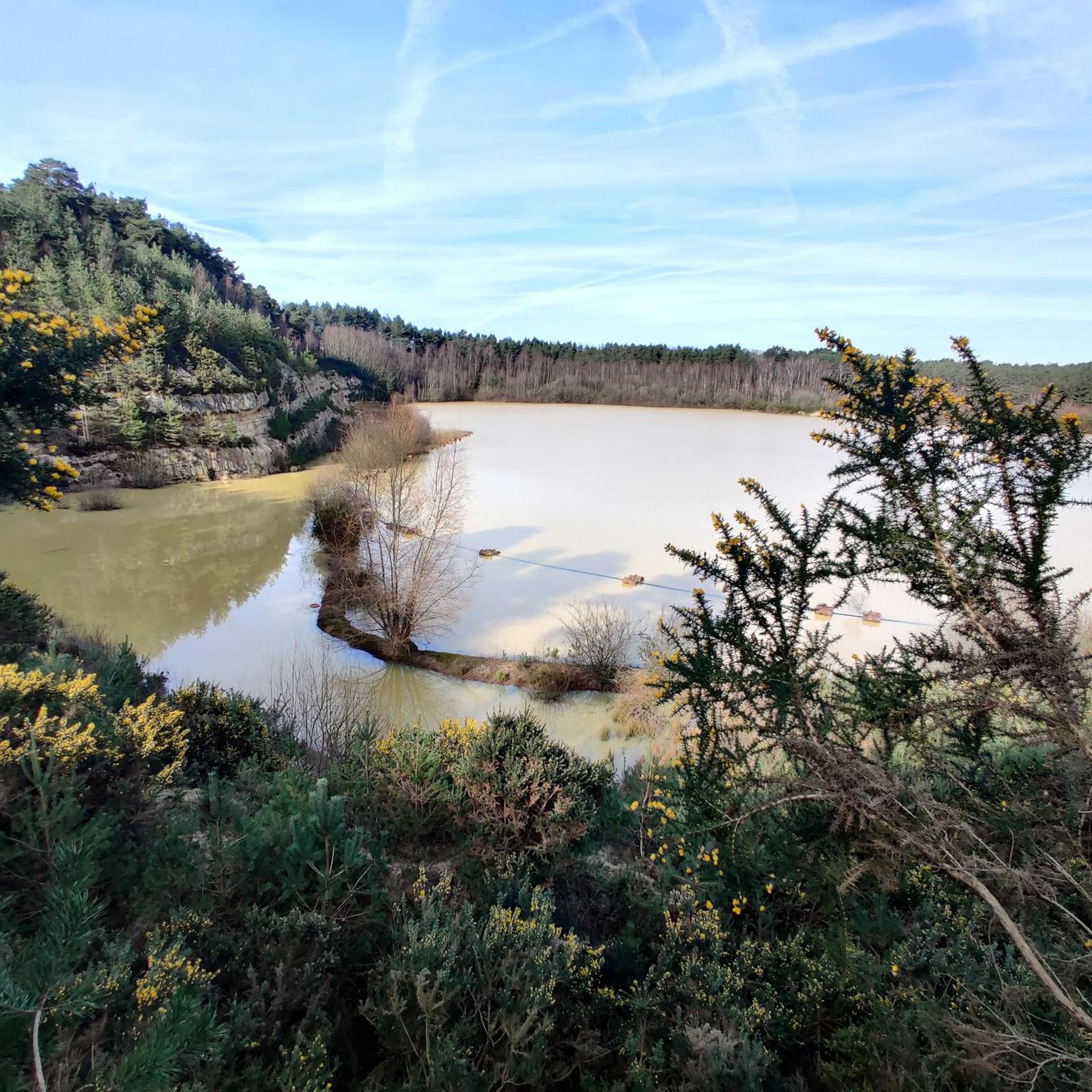
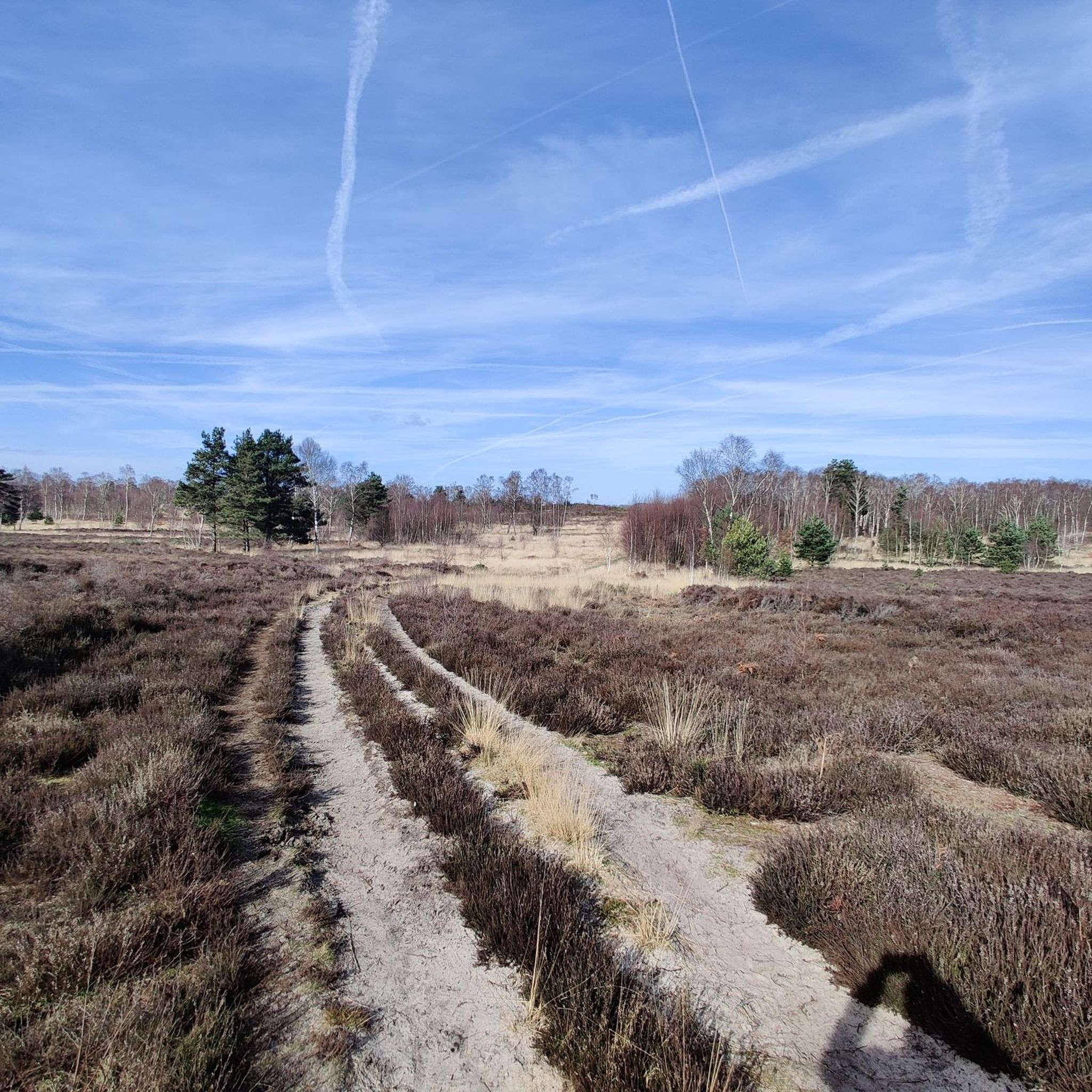
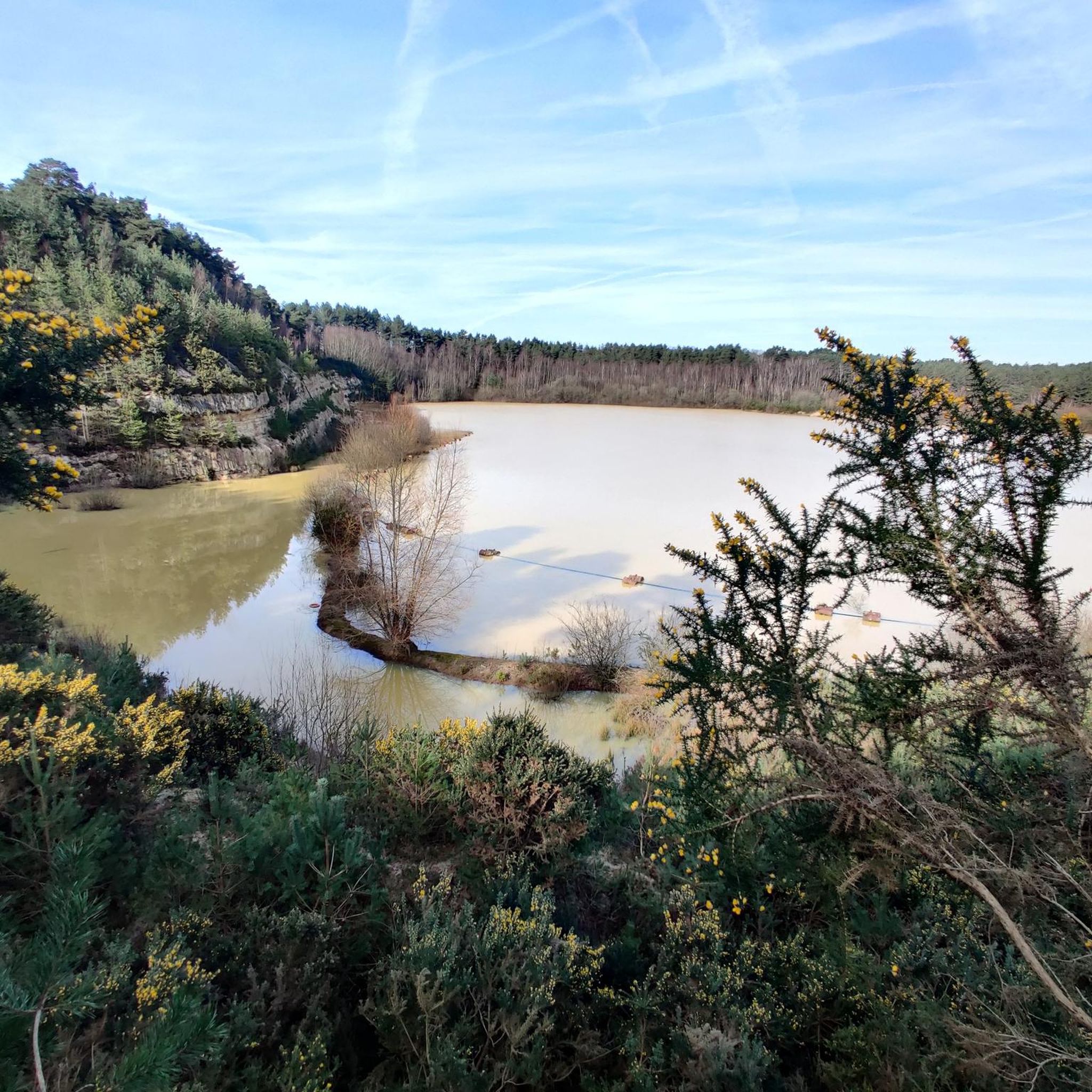
It's worth noting that the pictures here are of Devil's Humps (10 mins away) not Bow Hill. This marker is in the middle of some woodland without a view (but you do walk past a good view as you turn off the main path!)
0
0

The views were amazing, after the 800 ft climb 😆
1
0


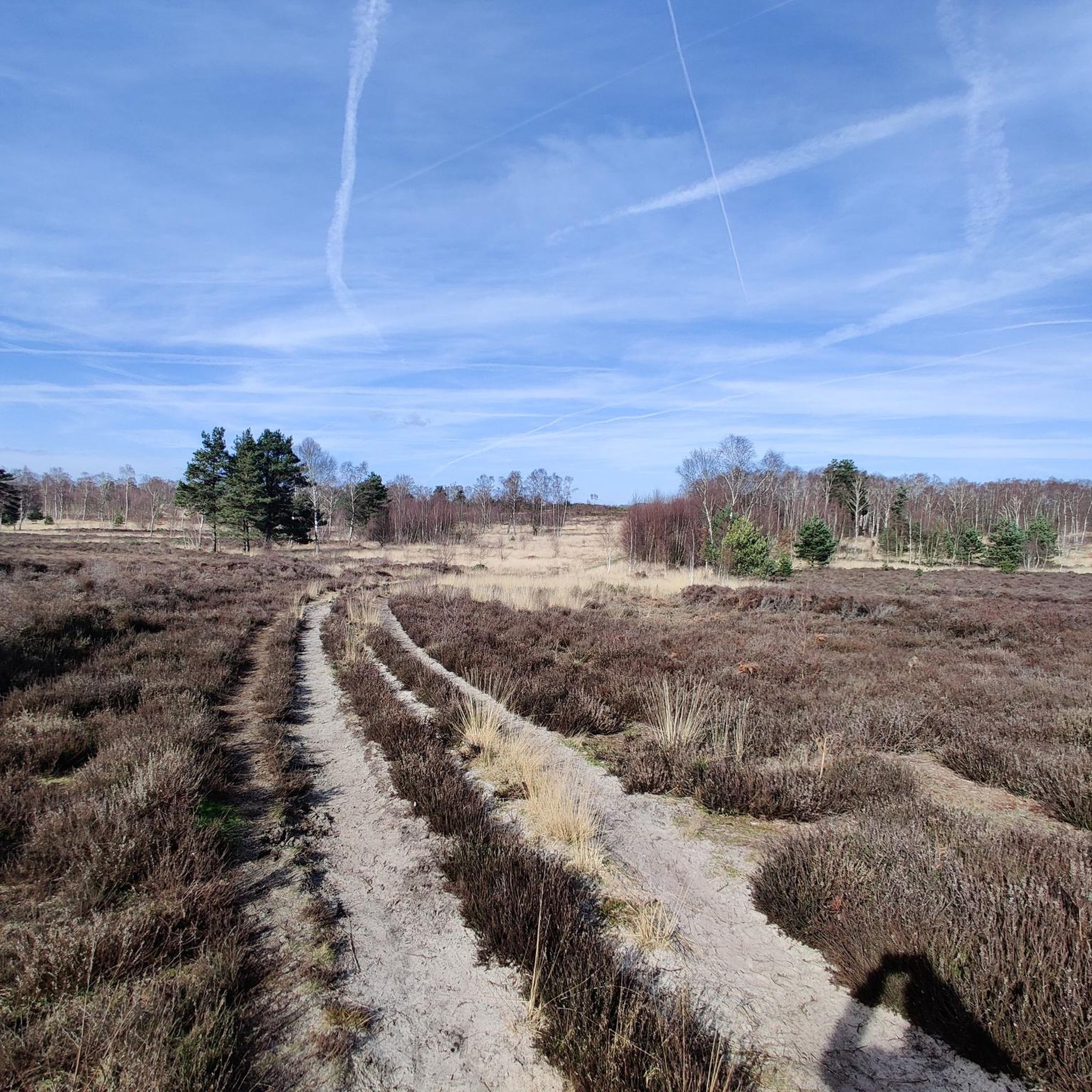
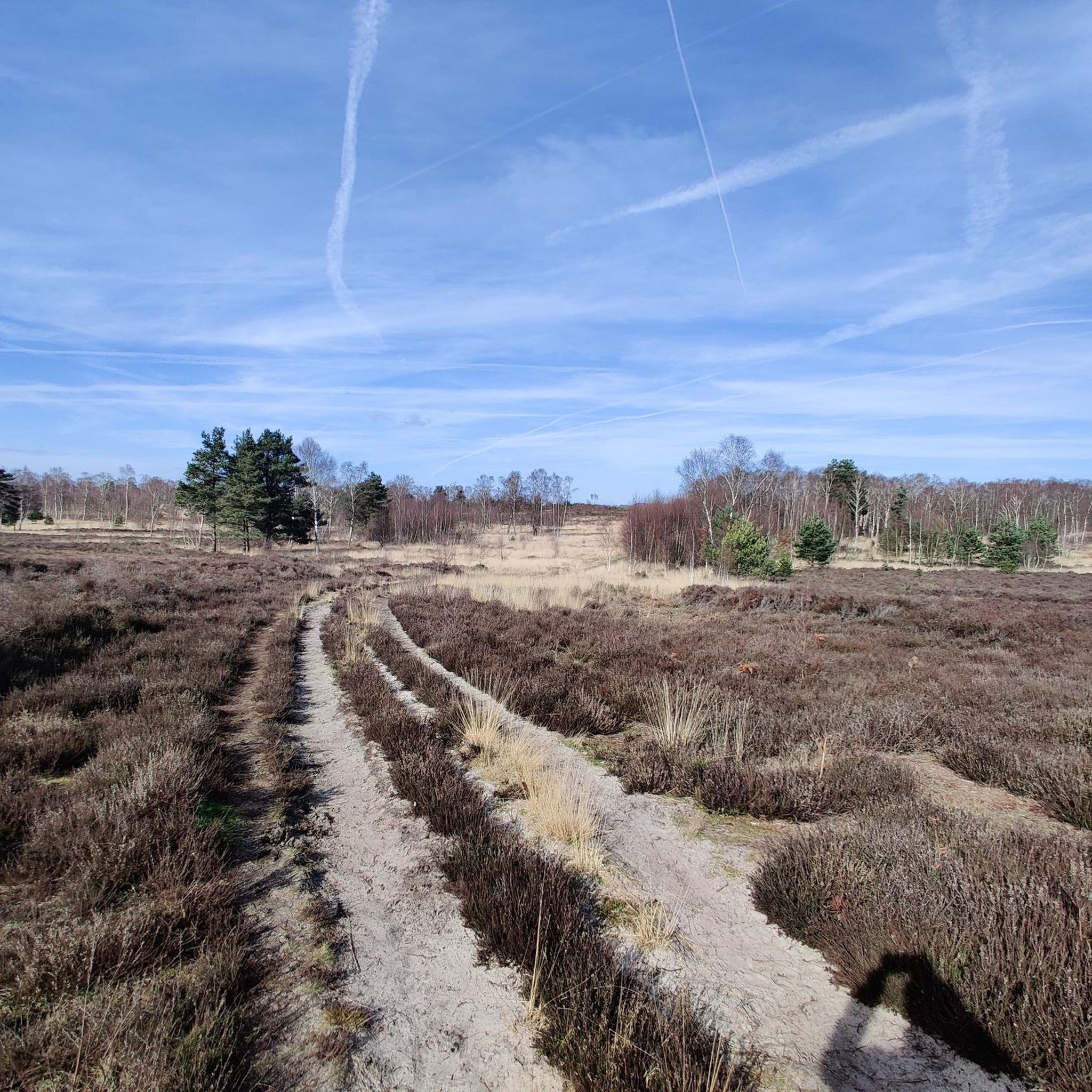
Black Down is the highest point in the South Downs National Park at 290 m. As such it is also is classified one of the UK's Marilyns. Expect a landscape of wavy hair grass, purple heather and pine trees.
0
0

Nice place with spectacular views. Easy path.
2
0

Known as the ‘Devil’s Humps‘and the ‘King's Graves,‘ many legends and folklores surround these Bronze Age barrows. Whatever the truth the commanding position at the very top of Kingley Vale is a clear indication that they marked the resting place of important people, perhaps tribal leaders. This may be evidence of the beginnings of social hierarchies at this time. https://www.southdowns.gov.uk/wp-content/uploads/2018/02/Kingley-Vale-Hidden-Trail-Final-web-version.pdf
0
0

Torberry Hill is an Iron Age hillfort in West Sussex. It is a Scheduled Ancient Monument. The hillfort is located within the parish of Harting, within the South Downs National Park. The hillfort has a pear-shaped layout and covers an area of 2.8 hectares. It has a low dump rampart and a ditch that enclose the western part of the hill. The eastern part is defended by the steep slope of the hill. The interior of the hillfort contains several storage pits that date to the Iron Age. The hillfort was built in several phases, starting from the 5th century BC. Torberry Hill is also a mountain summit that is 156 metres high with a prominence of 65 metres. The summit can be identified by a grass mound. There are several walks that can be done around Torberry Hill, such as the one to West Harting Down or Beacon Hill.
3
0
Frequently Asked Questions
What are the most notable elevated points around Trotton With Chithurst?
While Trotton With Chithurst is characterized by gentle topography rather than prominent mountain peaks, the area offers several notable hills and elevated points. These include Temple of the Wind Viewpoint, known for its expansive vistas, and Butser Hill, the highest point on the South Downs. You can also explore Devil's Humps (Bronze Age Barrows), a historical site with spectacular views, and Torberry Hill Iron Age Hillfort, which combines natural beauty with archaeological interest.
Are there historical sites or landmarks on these elevated points?
Yes, several elevated points in the region offer significant historical interest. Torberry Hill Iron Age Hillfort is a Scheduled Ancient Monument featuring a pear-shaped layout and Iron Age storage pits. Devil's Humps (Bronze Age Barrows) are ancient burial mounds associated with local legends and folklore. Additionally, Butser Hill includes an ancient scheduled monument within its chalk grassland reserve.
What kind of views can I expect from the elevated points in Trotton With Chithurst?
The elevated points around Trotton With Chithurst offer expansive and scenic views of the surrounding South Downs National Park. From Temple of the Wind Viewpoint, you can enjoy extensive vistas after a climb. Butser Hill provides breathtaking views over Hampshire and the Channel. Black Down Summit and Viewpoint offers beautiful 360° views, and on a clear day, you can even see all the way to the sea at Lewis.
Are there family-friendly options for exploring the hills around Trotton With Chithurst?
Yes, many of the elevated points and their surrounding trails are suitable for families. For instance, Torberry Hill Iron Age Hillfort is listed as family-friendly, offering a blend of nature and history. The general terrain in the South Downs National Park, with its mild ascents and descents, makes it accessible for various levels of exploration, including walks with children.
What outdoor activities can I do near these elevated points?
Beyond hiking and exploring the elevated points themselves, the area around Trotton With Chithurst offers a variety of outdoor activities. You can find numerous road cycling routes, running trails, and mountain biking trails. These routes often incorporate the scenic landscapes and offer different difficulty levels.
What is the highest point in the immediate area of Trotton With Chithurst?
The highest point in the broader South Downs area, which includes Trotton With Chithurst, is Butser Hill. Standing at 271 meters (889 feet), it offers expansive views and is designated as a national nature reserve.
What is the best time to visit the elevated points for walking and views?
The South Downs National Park, including the elevated points around Trotton With Chithurst, can be enjoyed year-round. For clear, expansive views, early mornings on clear days are often recommended, especially at spots like Temple of the Wind Viewpoint. Visiting after a fresh snowfall in winter can also offer a unique and beautiful experience at places like Black Down Summit and Viewpoint.
Are there any specific hiking trails that include these elevated points?
Yes, many of the elevated points are integrated into popular hiking trails. For example, Torberry Hill is part of several walks, such as those leading to West Harting Down or Beacon Hill. Titty Hill, another significant elevation in the local landscape, is included in the 'Titty Hill – River Rother loop from Stedham', a moderate 9.6-mile (15.4 km) path.
What natural features can I expect to see on the elevated points?
The elevated points are set within the diverse landscape of the South Downs National Park. You can expect to see chalk grassland, as found on Butser Hill, which is a national nature reserve. Other areas, like Black Down Summit and Viewpoint, feature wooded areas and scrubland, offering a chance to discover various small wonders of nature.
What do visitors enjoy most about the elevated points around Trotton With Chithurst?
Visitors frequently highlight the spectacular and expansive views from these elevated positions. The combination of natural beauty with historical significance, such as the Iron Age hillforts and Bronze Age barrows, is also highly appreciated. Many enjoy the rewarding experience of reaching these summits after a climb and the opportunity to connect with nature through the varied hiking opportunities.
Is it possible to find circular walks around the elevated points?
Yes, the region offers various circular walks that incorporate these elevated points. For instance, there are several walks around Torberry Hill that allow for a circular exploration of the area. The 'Titty Hill – River Rother loop from Stedham' is another example of a circular route that includes a significant local elevation.
Are the trails to these elevated points suitable for dogs?
The South Downs National Park generally welcomes dogs on its trails, provided they are kept under control, especially around livestock and wildlife. Many of the paths leading to and around these elevated points are dog-friendly, allowing you to enjoy the scenic walks with your canine companion.
Most popular routes around Trotton With Chithurst
Most popular attractions around Trotton With Chithurst

Get inspired with the komoot mobile app


Explore more
See even more amazing summits around Trotton With Chithurst with these guides:
