Top 5 Castles around Wraxall And Failand
Best castles around Wraxall And Failand encompass a range of historical sites, from grand manor houses to architectural follies and ancient settlements. The area, rich in heritage, offers diverse historical landmarks that provide insight into different eras. These sites, often set within extensive parklands, are notable for their architecture and historical significance. Visitors can explore these locations to experience the region's past and natural beauty.
Best castles around Wraxall And Failand
- The most popular castles is Ashton Court Mansion,…
Last updated: August 25, 2026
Ashton Court Mansion
Highlight • Settlement
Tip by

Blaise Castle Estate Scenic Path
Highlight (Segment) • Viewpoint
Tip by

Sign up now to discover places like this
Get recommendations on the best single tracks, peaks, & plenty of other exciting outdoor places.
Sign up for free
Royal Fort House and Gardens
Highlight • Historical Site
Tip by

Blaise Castle
Highlight • Castle
Tip by

St Peter's Church and Sensory Herb Garden, Castle Park
Highlight • Historical Site
Tip by
Sign up for free to discover even more castles around Wraxall And Failand.
Sign up for free
Already have an account?
Start today with a free account
Your next adventure awaits.
Login or Signup

Tips from the Community


The Royal Fort House was built in the 18th century on the site of an old fort used in the English Civil war. Three different architects influenced the building and brought three styles of building to the project. If you look you will see Baroque, Palladian and Rococo styles of architecture. The gardens were designed by Humphry Repton in around 1800. Today the building is part of the university of Bristol, used by the faculty of science.
0
0

The location of a manor house ever since the 11th century, Ashton Court and its extensive estate is a grand setting to the west of Bristol. Owned by the Smyth family between the 16th and 20th centuries, today the mansion and its stables are Grade I-listed. The surrounding estate includes a deer park, woodland, MTB trails and golfing facilities and is an absolute delight to explore, rewarding with fine views across Bristol. After a run in the parkland, the Courtyard Cafe is a tempting option.
0
0
The location of a manor house ever since the 11th century, Ashton Court and its extensive estate is a grand setting to the west of Bristol. Owned by the Smyth family between the 16th and 20th centuries, today the mansion and its stables are Grade I-listed. The surrounding estate includes a deer park, woodland, MTB trails and golfing facilities and is an absolute delight to explore, rewarding with fine views across Bristol. After exploring the parkland, the Courtyard Cafe is a tempting option.
0
0
Standing proud on Castle Hill and visible above the trees for miles around is Blaise Castle. This 18th-century, Gothic Revival style folly was built by Robert Mylne and it became a popular attraction on the Blaise Castle Estate. From its turrets, much of Bristol can be seen, as well as Avonmouth and the Avon Gorge. Any run to Blaise Castle involves a little bit of legwork to get up the hill. However, you are amply rewarded with fun descents down towards Hazel Brook at the bottom of Henbury Gorge.
0
0

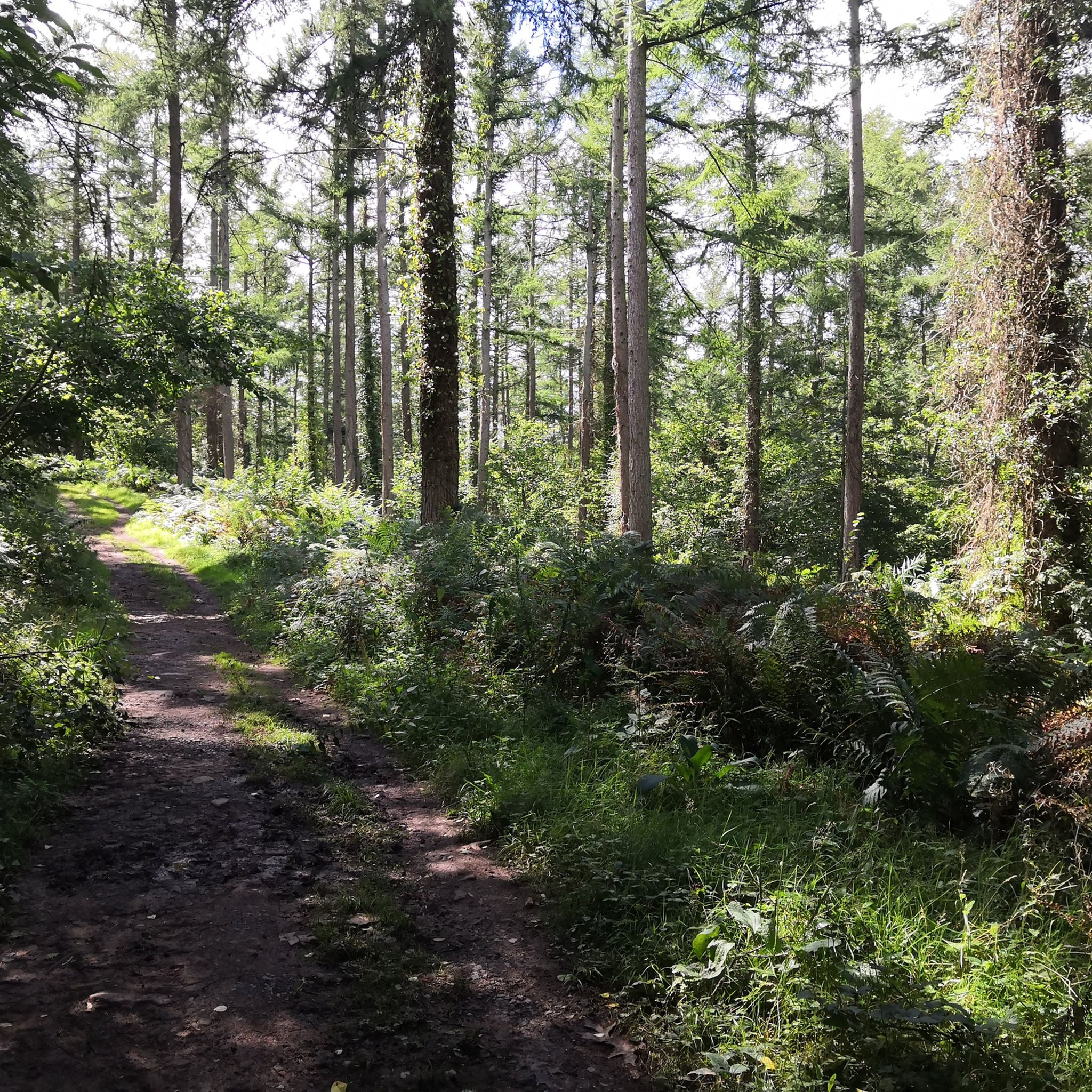
Stunningly beautiful in autumn and I reckon it would be lovely and shaded in the summer. Lots of dog walkers around, so it's definitely not a speed run... just chill and enjoy the scenery.
0
0

Extremely nice to cycle through in the week when there's fewer prams. The switchbacks up the south side of the valley have storm gutters on the turn so be careful on the descent (and ascent on road tyres).
0
0

Nice section but lots of walkers dogs and families so don't go mad!
0
0
Frequently Asked Questions
What kind of historical sites can I expect to find around Wraxall and Failand?
While Wraxall and Failand do not feature traditional fortified castles, the area is rich in historical estates, grand manor houses, and even Iron Age settlements. You'll find sites like the impressive Victorian Gothic Revival house of Ashton Court Mansion, which has roots as a manor house site since the 11th century, and the ancient earthworks of Wraxall Camp, an Iron Age farmstead.
Are there any family-friendly historical sites in the Wraxall and Failand area?
Yes, several sites are great for families. Ashton Court Mansion offers extensive parkland, a deer park, and woodlands perfect for exploration. Similarly, the Blaise Castle estate provides 650 acres of parkland and woodland with many trails, and the folly itself is a fun attraction for all ages. St Peter's Church and Sensory Herb Garden, Castle Park, is also a vibrant green space in Bristol, ideal for family outings.
What are some popular walking trails near these historical sites?
The area offers numerous walking opportunities. For instance, the Blaise Castle Estate Scenic Path is a popular choice within the Blaise Castle parkland. You can also find various hiking routes around the region, such as the 'Tyntesfield Woodland Walk' or the 'Failand – Giant Redwoods loop'. For more options, explore the Hiking around Wraxall And Failand guide.
What natural features can I explore around Wraxall and Failand's historical sites?
The historical sites are often set within beautiful natural surroundings. Ashton Court Mansion boasts a deer park, woodlands, and offers fine views across Bristol. The Blaise Castle estate features 650 acres of parkland and woodland, with the folly offering views of Bristol, Avonmouth, and the Avon Gorge. Failand House also has a late-19th-century garden with specimen trees and an ornamental wood.
Are there any historical sites with good viewpoints in the area?
Yes, Blaise Castle is an excellent choice for views. From its turrets, you can see much of Bristol, Avonmouth, and the Avon Gorge. Ashton Court Mansion also provides fine views across Bristol from its extensive estate.
What is the best time of year to visit the historical sites around Wraxall and Failand?
The historical estates and their grounds, like those at Ashton Court Mansion and Blaise Castle, are beautiful year-round. Spring and summer offer lush greenery and pleasant weather for exploring the extensive parklands and gardens. Autumn provides stunning foliage, while winter can offer crisp walks and a different perspective on the architecture. Always check specific opening hours for indoor attractions.
Are there any dog-friendly historical sites or walks nearby?
Many of the outdoor areas around the historical sites are dog-friendly. For example, the extensive parkland at Ashton Court Mansion and the 650 acres of Blaise Castle estate are popular with dog walkers. Always keep dogs on a lead where required, especially in deer parks or near livestock, and be mindful of other visitors.
What are some other outdoor activities I can do near these historical sites?
Beyond walking and hiking, the region offers various outdoor activities. Ashton Court Mansion estate includes MTB trails and golfing facilities. You can also find road cycling routes, such as the 'Failand – View of the Severn Estuary loop', or running trails like the 'Backwell Lake loop'. For more details, check out the Road Cycling Routes and Running Trails around Wraxall And Failand guides.
What is the historical significance of Wraxall Court?
Wraxall Court is a historically significant manor house with roots dating back to Saxon times. The current Grade II listed building, originally from 1658, underwent significant remodelling over centuries. It has served various purposes, including a convalescent home during WWII and a university hall of residence, before returning to private ownership. Its long history reflects centuries of architectural changes and local heritage. More information can be found on Wikipedia.
Are there any sites related to earlier periods, like the Iron Age, in the area?
Yes, Wraxall Camp is an Iron Age settlement and a listed monument. Earthworks from this ancient farmstead are still visible, offering a fascinating archaeological insight into the early inhabitants of the region. It provides a glimpse into a much older history than the manor houses and estates.
How accessible are these historical sites by public transport?
Public transport options vary by site. For example, Tyntesfield Estate (a notable historical site in the area, though not listed in the highlights) is accessible by bus from Bristol. For sites like Ashton Court Mansion and Blaise Castle, public transport links from Bristol are generally available, often requiring a bus journey followed by a walk. It's always best to check local bus schedules for the most up-to-date information.
What do visitors particularly enjoy about the historical sites around Wraxall and Failand?
Visitors appreciate the blend of history and natural beauty. They enjoy exploring the extensive parklands, the architectural grandeur of places like Ashton Court Mansion, and the unique charm of follies like Blaise Castle. The opportunity for walks, fine views, and family-friendly activities within these historical settings is also highly valued.
Most popular routes around Wraxall And Failand
Most popular attractions around Wraxall And Failand

Get inspired with the komoot mobile app


Explore more
Looking for the best castles somewhere else? Discover other guides around Wraxall And Failand:
