The best road cycling routes around Maria Taferl
4.5
(115)
3,757
riders
182
rides
Road cycling routes around Maria Taferl are set within the Nibelungengau region of Lower Austria, characterized by its elevated position offering panoramic views over the Danube River and surrounding hilly countryside. The area features a mix of flat, asphalted sections along the Danube Cycle Path and more challenging ascents into the hills, rewarding cyclists with expansive vistas. The landscape includes the majestic Danube River, the scenic Nibelungengau, and proximity to the picturesque Wachau region with its orchards and vineyards.
Best…
Last updated: July 5, 2026
4.8
(21)
565
riders
50.3km
02:04
130m
130m
Moderate road ride. Good fitness required. Some segments of this route may be unpaved and difficult to ride.
5.0
(9)
248
riders
107km
04:50
650m
650m
Moderate road ride. Good fitness required. Mostly well-paved surfaces and easy to ride.

Sign up for free
5.0
(3)
149
riders
65.9km
02:55
510m
510m
Moderate road ride. Good fitness required. Some segments of this route may be unpaved and difficult to ride.
4.0
(3)
141
riders
95.7km
04:39
970m
970m
Hard road ride. Very good fitness required. Some segments of this route may be unpaved and difficult to ride.
4.0
(3)
106
riders
51.1km
02:03
180m
180m
Moderate road ride. Good fitness required. Some segments of this route may be unpaved and difficult to ride.
Get access to more routes and recommendations from other explorers.
Sign up for free
Already have an account?
Our route recommendations are based on thousands of hikes, rides, and runs completed by other people on komoot.
Start today with a free account
Your next adventure awaits.
Login or Signup
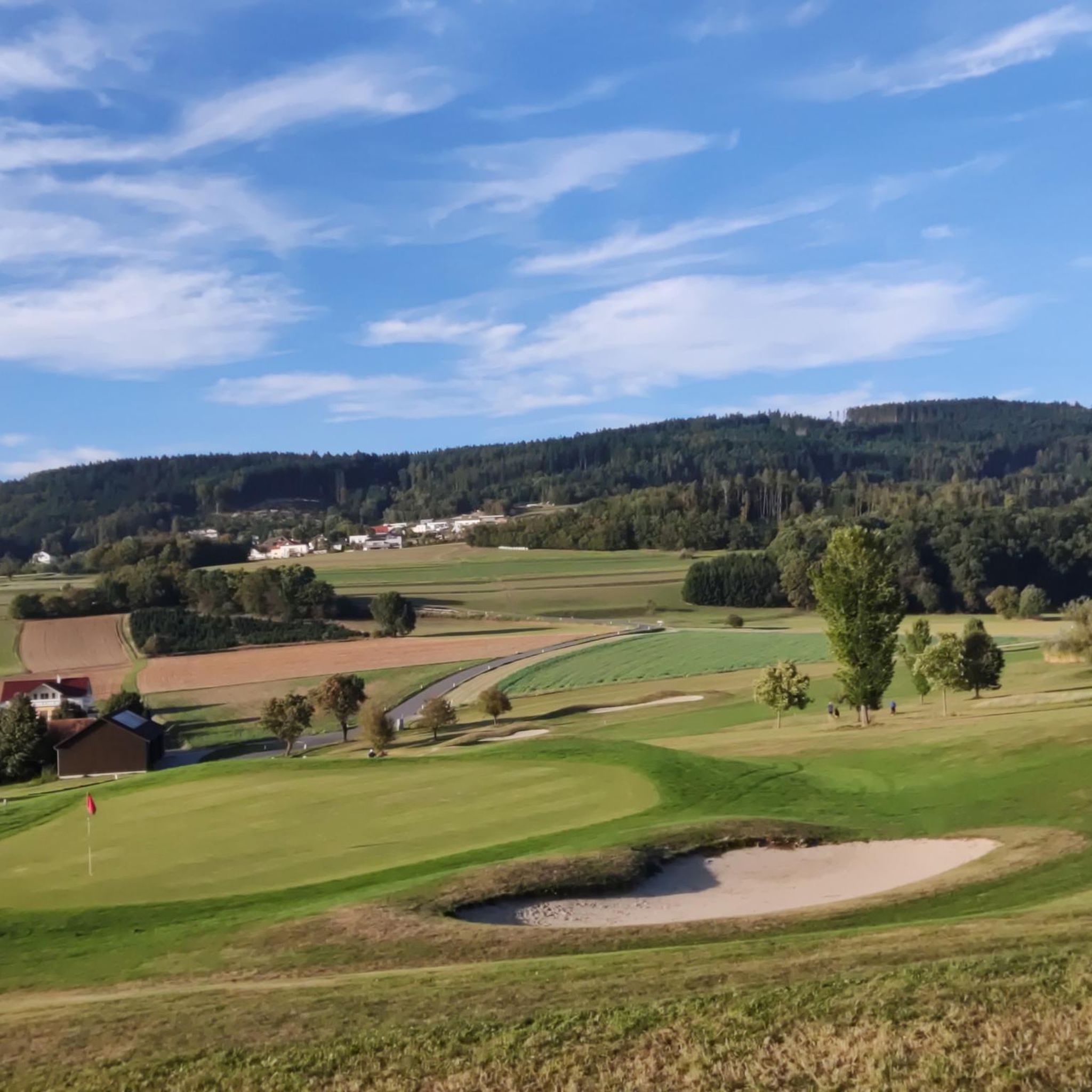
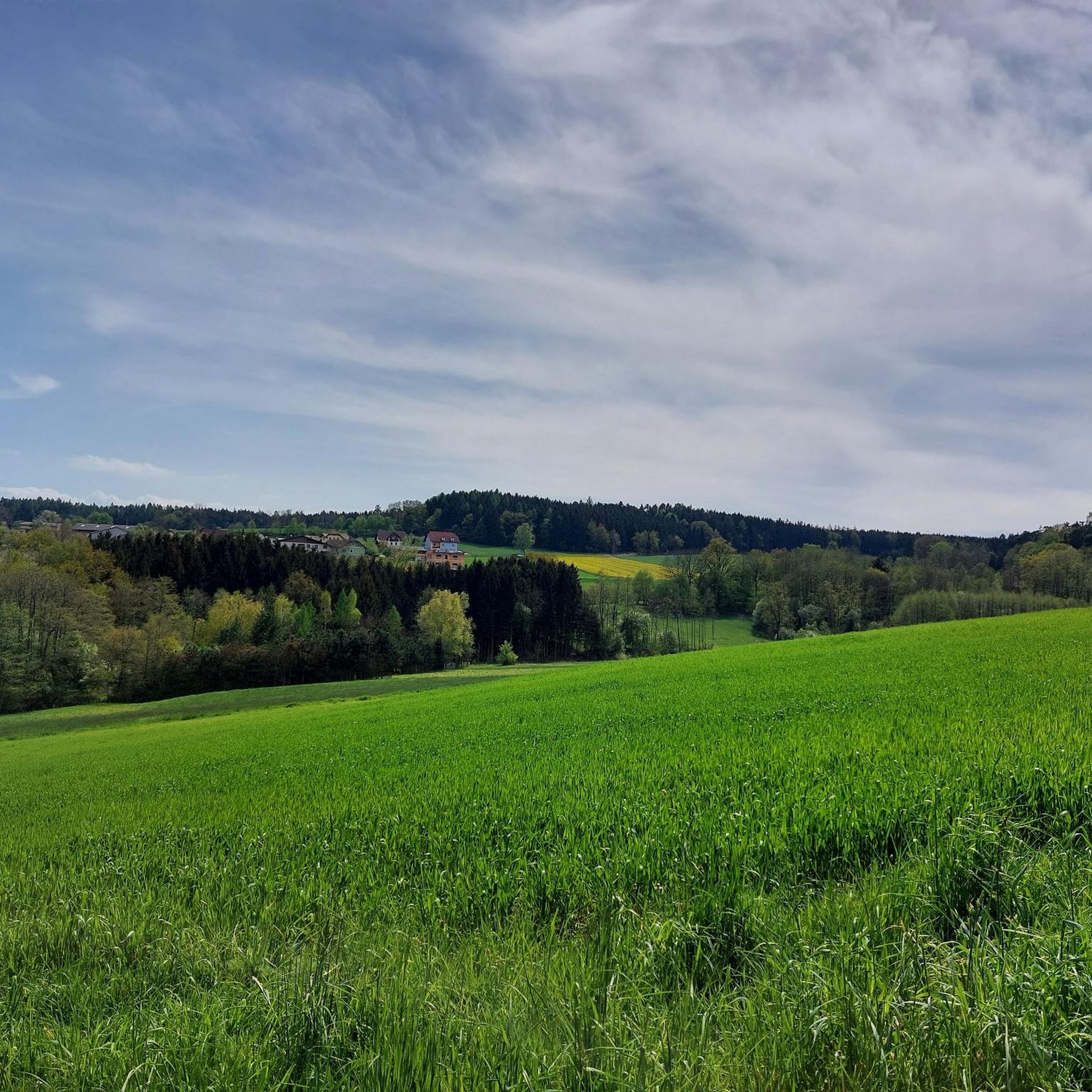
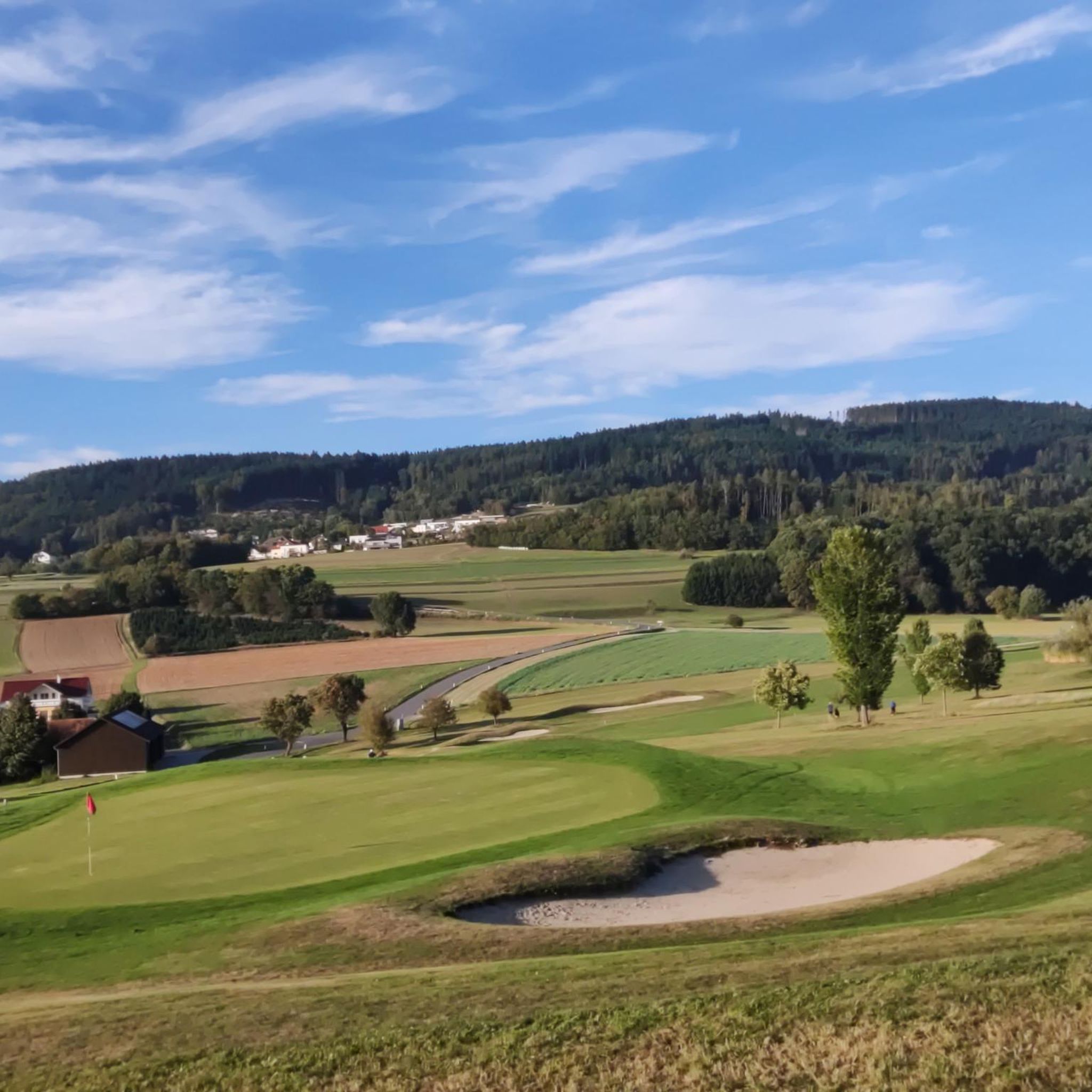
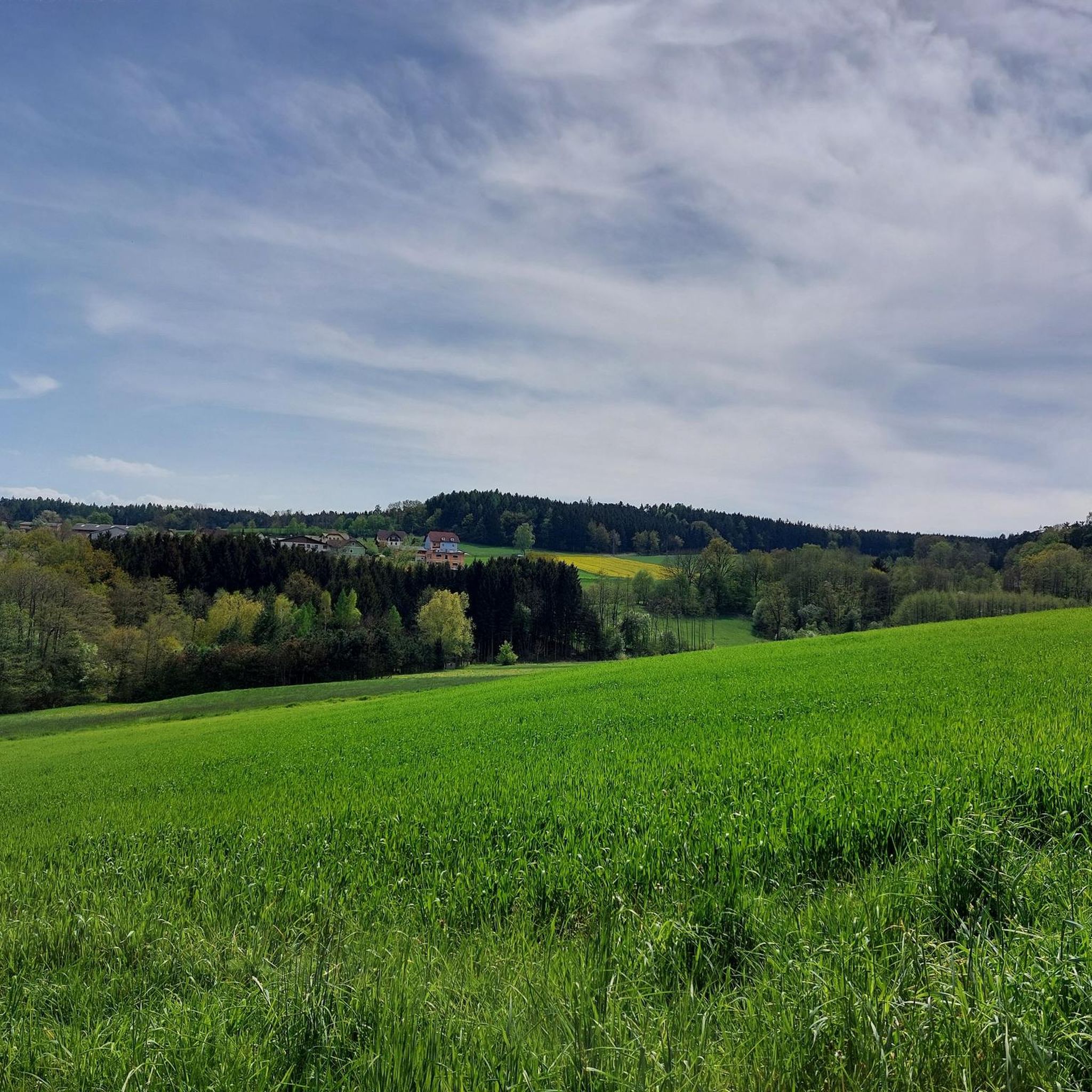
Tips from the Community

The subsidiary church of Schwallenbach belonged to the large complex of property of the Niederaltaich monastery in the Wachau, which was allegedly founded by Charlemagne. This resulted in close ties to the monastery administration and the parish in Spitz. Thus, a small noble family from Spitz directly founded and endowed this church. Above the north gate, two interesting coat of arms reliefs with a chain and lock have been preserved. They refer to the mutual dependence of liege lord and vassal knight. Since the end of the 13th century, the monastery has enfeebled its dominion to the Dukes of Bavaria, who ceded it to King Maximilian I in 1504. The subsidiary church is first mentioned in 1419 and shows strikingly pronounced features of its Gothic period of origin. For example, the brick-built pointed helmet of the tower is a building form from the late Gothic period, which is particularly characteristic of the Wachau. The church is dedicated to St. Sigismund, the legendary King of Burgundy - he lived around 500.
0
0
Seyfried der Ritzendorfer sought permission from Pope Martin V to rebuild the church, and received permission in 1420. In 1421, Seyfried Ritzendorfer and his wife Anna issued the deed of foundation for the chapel. The new church, dedicated to St. Sigmund, was to be subordinate to the parish church of Spitz as a daughter church, along with the cemetery. The two shields above the entrance are the coats of arms of the founding couple (right: coat of arms of the Knights of Schwallenbach; left: coat of arms of the Ritzendorfers). Seyfried Ritzendorfer is buried in the church.
0
0
Branch church of St. Sigismund - Typical of Wachau Gothic The branch church of Schwallenbach belonged to the large property complex of the Niederaltaich Monastery in the Wachau region, which was allegedly donated by Charlemagne himself. This resulted in close ties to the monastery administration and the parish in Spitz. A small noble family from Spitz directly endowed and endowed this church. Two interesting coat of arms reliefs with chain and lock have been preserved above the north gate. They refer to the mutual dependence of feudal lord and feudal knight. Since the end of the 13th century, the monastery has enfeoffed its dominion to the Dukes of Bavaria, which they ceded to King Maximilian I in 1504. The branch church is first mentioned in 1419 and shows strikingly pronounced features of its Gothic period of origin. For example, the brick-built pointed helmet of the tower is a building form from the late Gothic period that is particularly characteristic of the Wachau region. The church is dedicated to St. Sigismund, the legendary king
0
0
The church of Schwallenbach dates back to a chapel from 1420, which was dedicated to Saint Sigismund. Buttresses and vault ribs indicate the late Gothic style. A statue of the Virgin Mary from the church, dating from 1515, has been preserved, the baroque altar was consecrated in 1724 by the bishop of Passau. The altarpiece dedicated to Saint Sigismund by Martin Johann Schmidt dates from 1767.
0
0

View and a beautiful church >> Plan time
0
0

Sindelburg Church
0
0

The Gottsdorf Parish Church, dedicated to the Apostles Peter and Paul, is a late Gothic church with an early Gothic core and dominates the townscape of Gottsdorf an der Donau. Its origins date back to the 12th century, and it was first documented in 1268. After several renovations and consecrations in the 15th century, it acquired its present appearance with a Baroque-style west tower and characteristic onion dome. The choir and sacristy still feature Gothic elements such as pointed arch windows and cross-ribbed vaults. The high altar dates from the 16th century and was erected around 1710; the altarpiece by Paul Troger (around 1741/42) depicts the farewell of the princely apostles Peter and Paul. The interior was restored in the 1950s, carefully preserving the historic structure and furnishings.
2
0

Persenbeug Castle is beautifully situated on the Danube bridge and lock of the power plant
0
0
Frequently Asked Questions
How many road cycling routes are available around Maria Taferl?
There are over 190 road cycling routes documented around Maria Taferl, catering to various fitness levels. These include routes along the Danube River and into the surrounding hilly countryside.
What kind of terrain can I expect on road cycling routes in Maria Taferl?
The region offers a diverse mix of terrain. You'll find mostly flat, asphalted sections along the Danube Cycle Path, ideal for relaxed rides. Routes extending from the river up to Maria Taferl involve climbs that reward cyclists with spectacular panoramic views over the Danube and the Nibelungengau region.
Are there easy road cycling routes suitable for beginners or families?
Yes, there are 12 easy road cycling routes around Maria Taferl. The sections along the Danube Cycle Path are particularly well-suited for relaxed cycling, offering mostly flat and well-maintained surfaces. These paths are excellent for enjoying the riverside scenery at a leisurely pace.
Are there challenging road cycling routes for experienced cyclists?
Absolutely. Maria Taferl offers 62 difficult road cycling routes. These routes often include significant ascents into the hills, such as the climbs towards Maria Taferl itself, providing a good workout and rewarding cyclists with expansive vistas. An example of a challenging route is the View of Maria Taferl – Yspertal loop from Pöchlarn, which features nearly 1000 meters of elevation gain.
What natural features and landscapes will I encounter on the routes?
You will experience the majestic Danube River, with many routes running alongside it. The region is nestled within the scenic Nibelungengau and close to the picturesque Wachau, known for its orchards and vineyards. From elevated positions, especially around Maria Taferl, you can enjoy breathtaking panoramic views over the river and the hilly countryside.
Are there any specific viewpoints or landmarks along the road cycling routes?
Many routes offer stunning viewpoints, particularly from the elevated positions around Maria Taferl, providing panoramic views of the Danube River. You can also pass by historical sites like the pilgrimage church of Maria Taferl. For a route that includes historical ruins, consider the View of the Weitenegg ruins – Hinterhaus Castle Ruins loop from Pöchlarn.
What do other cyclists think about the road cycling routes in Maria Taferl?
The road cycling routes in Maria Taferl are highly rated by the komoot community, with an average score of 4.5 stars from over 100 reviews. Cyclists often praise the varied terrain, from flat riverside paths to challenging climbs, and the spectacular views over the Danube and surrounding landscapes.
Are there circular road cycling routes available?
Yes, many road cycling routes around Maria Taferl are designed as loops. For instance, the popular View of Maria Taferl – View of Maria Taferl loop from Pöchlarn offers a scenic circular ride, and the View of Maria Taferl – Struden loop from Pöchlarn provides a longer, varied loop experience.
What is the best time of year for road cycling in Maria Taferl?
The region is generally pleasant for cycling from spring through autumn. The mild climate allows for comfortable rides, and the landscapes are particularly vibrant during these seasons. Checking local weather forecasts before your ride is always recommended.
Are there any natural monuments or lakes to see near the cycling routes?
Yes, the area around Maria Taferl features several natural attractions. You might encounter natural monuments like Herzstein (Heart Stone) or Totenkopf and Drachenstein. There are also various lakes, such as Forest Pond and Puschacherteich, which can be found near some routes.
Where can I find parking for road cycling routes in Maria Taferl?
Many routes, especially those starting from towns like Pöchlarn, offer accessible parking options. It's advisable to check specific route details for recommended starting points and parking facilities to ensure convenience.
Can I combine road cycling with public transport in the Maria Taferl region?
The region's infrastructure often supports cycling, including options for public transport accessibility to starting points of routes. This allows for more flexible planning, such as cycling one way and returning by train or bus where bicycle transport is permitted.
Most popular attractions around Maria Taferl

Get inspired with the komoot mobile app


Explore more
Browse the best Road cycling routes in other regions.
