The 8 Most Amazing Peaks around East Harptree
Best mountain peaks around East Harptree are primarily elevated areas within the Mendip Hills, offering a blend of natural beauty and historical significance. These locations, including Niver Hill and Smitham Hill, provide scenic views and opportunities for outdoor activities like walking and cycling. The region is characterized by diverse habitats, ancient archaeological sites, and remnants of its lead mining past. Visitors can explore a landscape rich in both natural features and cultural heritage.
Best mountain peaks around East Harptree
- The…
Last updated: July 7, 2026
Beacon Batch summit trig point
Highlight • Viewpoint
Tip by

Black Down Summit and Wild Ponies
Highlight • Natural
Tip by

Sign up now to discover places like this
Get recommendations on the best single tracks, peaks, & plenty of other exciting outdoor places.
Sign up for free
Mendip Hills National Landscape
Highlight • Natural
Tip by

Knowle Hill
Highlight • Summit
Tip by
North Hill
Highlight • Natural
Tip by
Sign up for free to discover even more peaks around East Harptree.
Sign up for free
Already have an account?
Start today with a free account
Your next adventure awaits.
Login or Signup
Tips from the Community

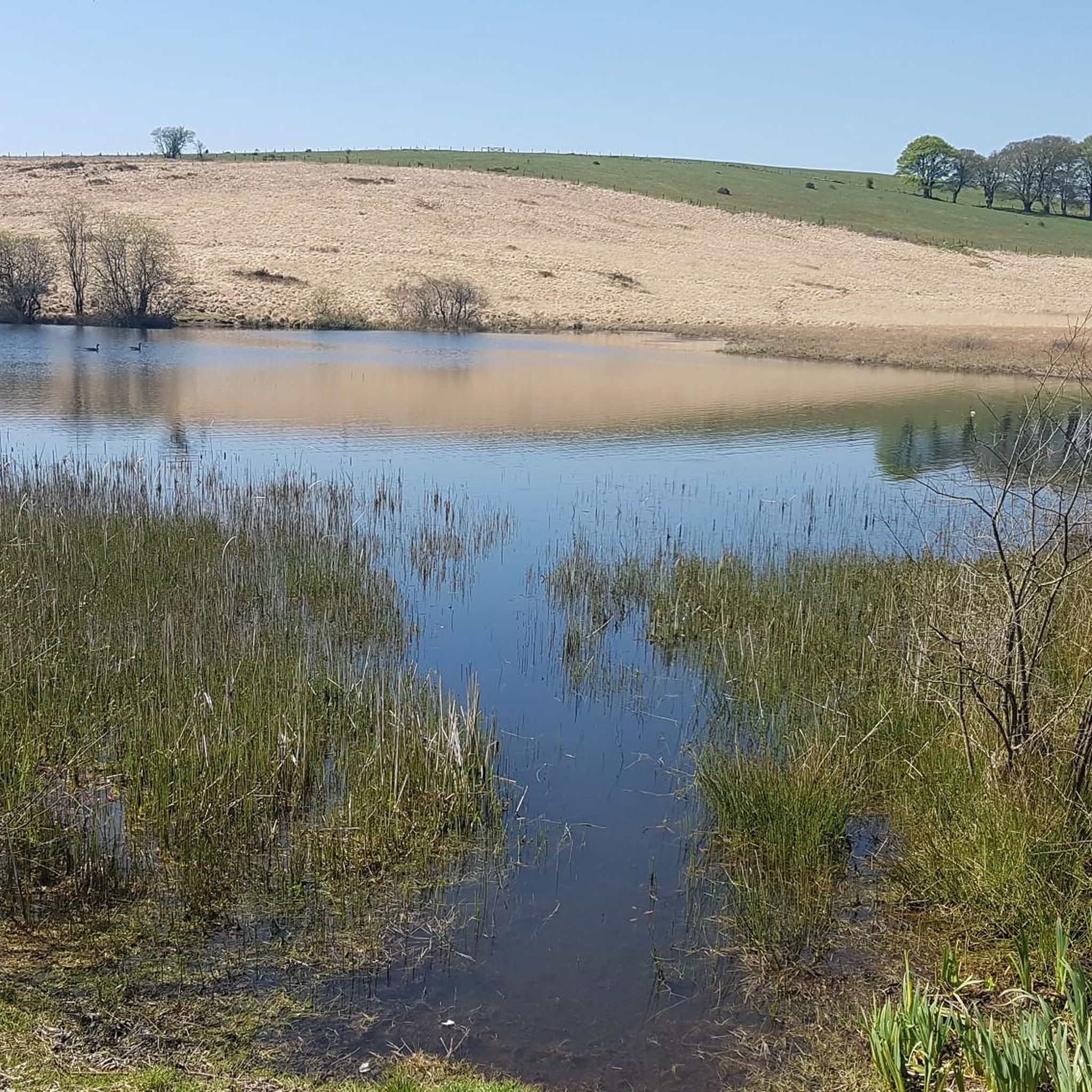
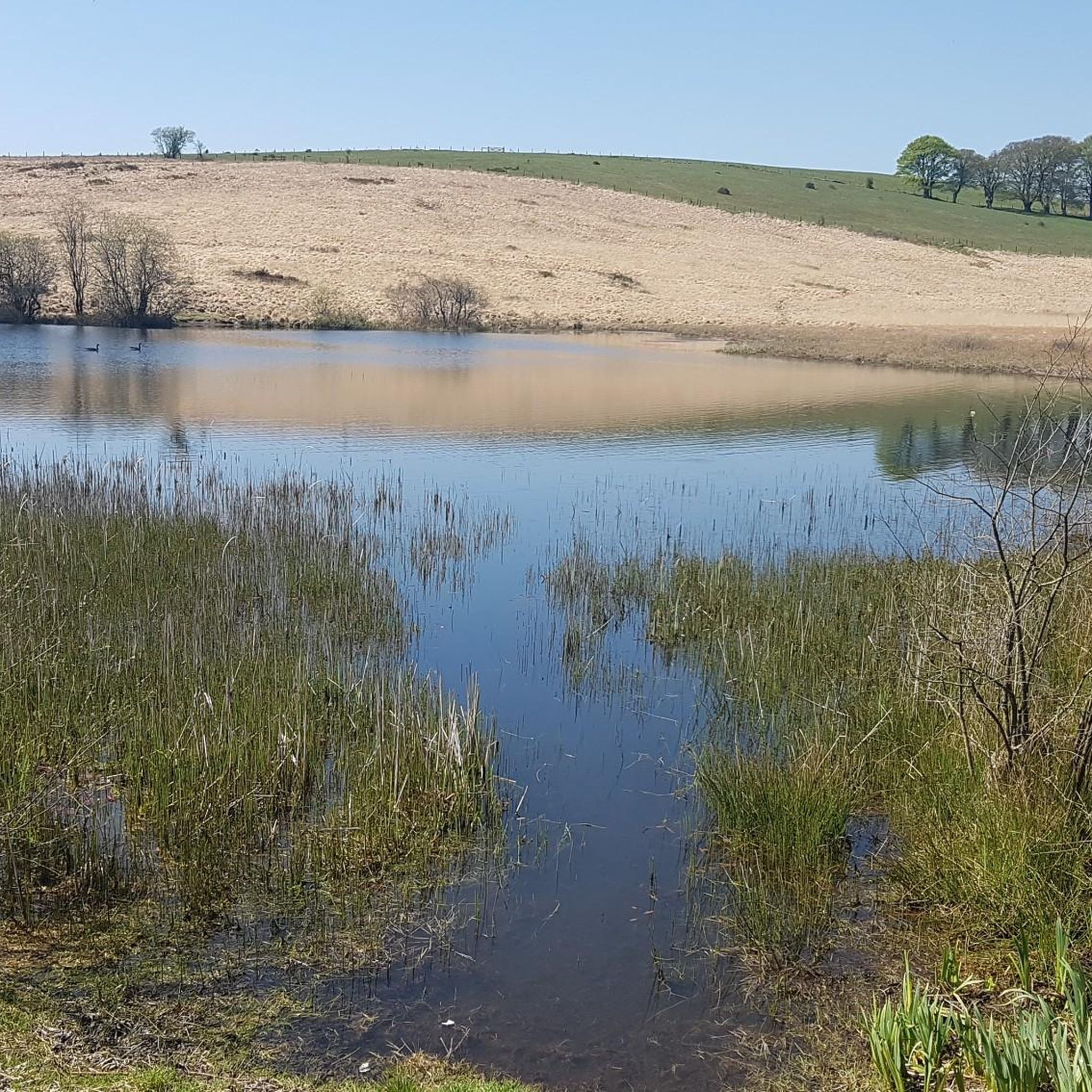
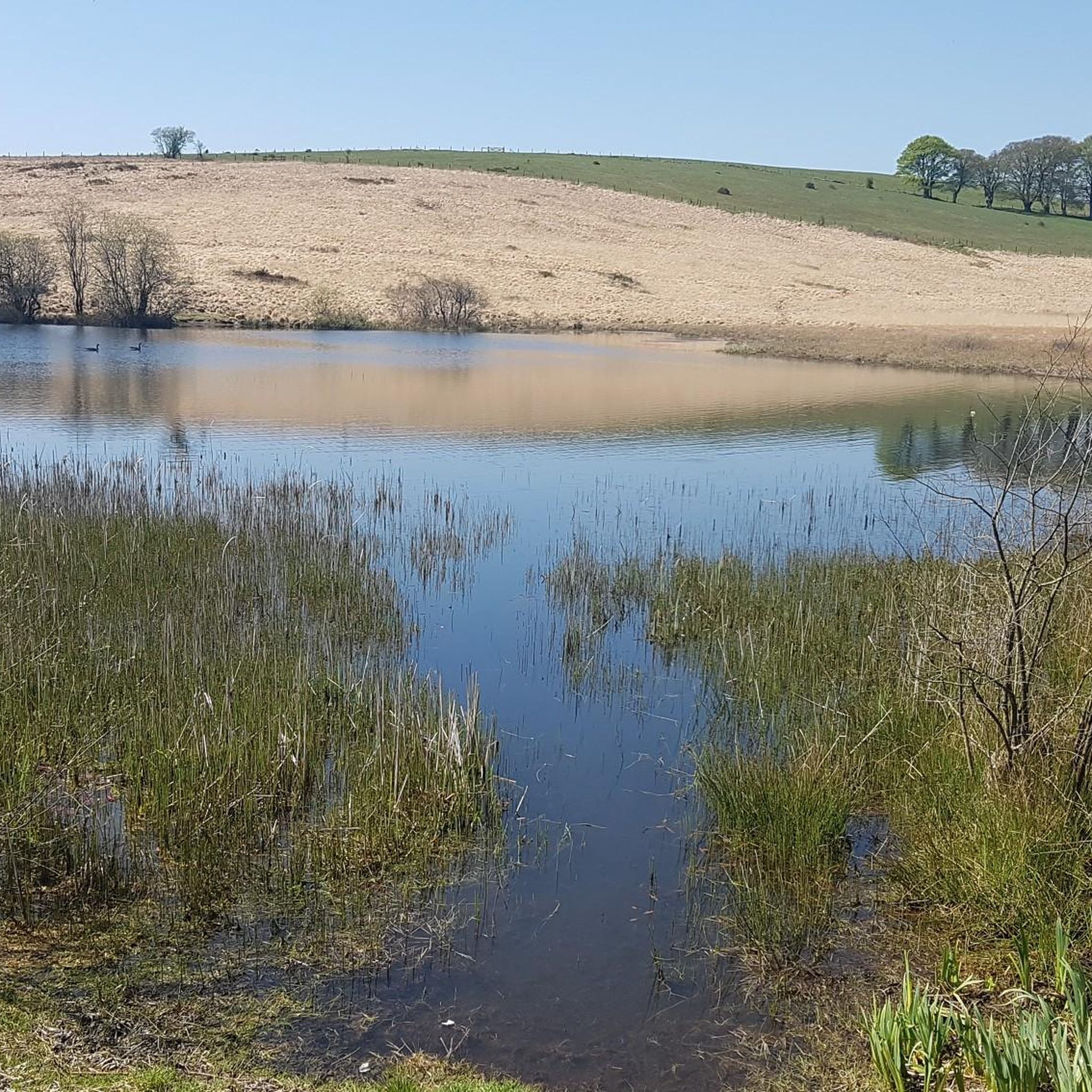
This hill, while lower than the surrounding ridges, provides great views from the top. Fern covered with several tracks crossing the slopes.
0
0

Black Down Hill or Beacons Batch is the highest hill in the Mendip Hills at 325m, Somerset, in south-western England. Black Down lies just a few miles eastward of the Bristol Channel at Weston-super-Mare, and provides a view over the Chew Valley. It has a trig pointed summit and is a UK designated Marilyn with a prominence of over 150m.
3
1

One of the highest points in the area with great views all around. Not too tough to climb or descend either, but can get overgrown in the Summer months.
0
0

Despite it's less than dramatic peak. North Hill is actually the Mendip Hills Area of Oustanding Natural Beauty's second highest hill at 300M high. It is situated between Priddy Mineries and Priddy Nine Barrows.
0
0
This special site is designated as a Site of Special Scientific interest for its valuable wildlife habitats and is a nationally important site for its archaeology from the late Stone Age and Bronze Age through to the Second World War. Black Down provides the largest area of open access on the Mendip Hills at over 400 ha. Black Down, like most heathlands, is formed through a combination of factors– soil type, rainfall and human activity. The underlying Old Red Sandstone rock together with high rainfall created a waterlogged and acidic soil. The removal of tree cover by our Bronze Age ancestors 2,000 years ago helped to make sure that the soil stayed damp and acid. Only certain plants can survive in this type of ground. The key species include heather or ling, bell heather, bilberry, purple moor grass and European gorse, along with mosses and lichens. Now the bracken is managed by harvesting and grazing by cattle and wild ponies to allow the heathers and grasses to flourish again. Black Down supports a wide variety of birds, mammals, reptiles and invertebrates.
3
0
This special site is designated as a Site of Special Scientific interest for its valuable wildlife habitats and is a nationally important site for its archaeology from the late Stone Age and Bronze Age through to the Second World War. Black Down provides the largest area of open access on the Mendip Hills at over 400 ha. Black Down, like most heathlands, is formed through a combination of factors– soil type, rainfall and human activity. The underlying Old Red Sandstone rock together with high rainfall created a waterlogged and acidic soil. The removal of tree cover by our Bronze Age ancestors 2,000 years ago helped to make sure that the soil stayed damp and acid. Only certain plants can survive in this type of ground. The key species include heather or ling, bell heather, bilberry, purple moor grass and European gorse, along with mosses and lichens. Now the bracken is managed by harvesting and grazing by cattle and wild ponies to allow the heathers and grasses to flourish again. Black Down supports a wide variety of birds, mammals, reptiles and invertebrates.
3
1

Black Down is the highest area of the Mendip Hills and affords wonderful views across the Bristol Channel into Wales, over Weston-super-Mare, the Chew Valley, the Quantocks and beyond. There are many Bronze Age burial sites dotted around. You might also see the wild ponies strutting their stuff.
4
1
Beacon Batch is the highest point in the Mendip Hills Area of Outstanding Natural Beauty. From the trig point, you get breathtaking panoramic views that stretch over the Bristol Channel into Wales, over Weston-super-Mare, the Chew Valley and across the Mendips. There are Bronze Age burial mounds at the summit, too. A very special place with lots of great walking to enjoy all around.
3
2
Frequently Asked Questions
What are the most notable elevated areas around East Harptree?
The region features several significant elevated areas within the Mendip Hills. These include Beacon Batch summit trig point, which is the highest point in the Mendip Hills, and Black Down Summit and Wild Ponies, known for its expansive views. Other prominent spots are Niver Hill, the high point for Bath and North East Somerset, and Smitham Hill, which holds historical significance related to lead mining.
What kind of views can I expect from the mountain peaks in this area?
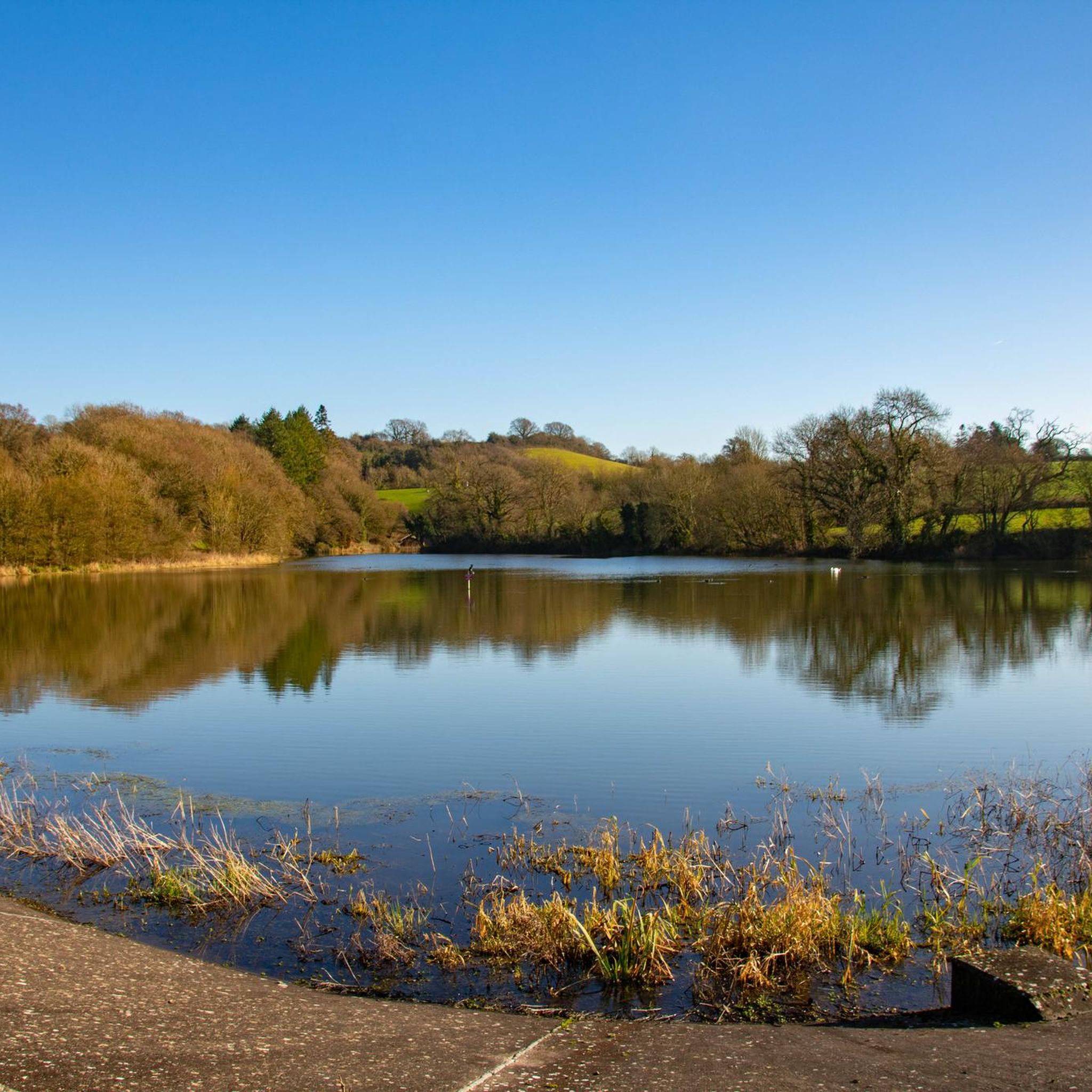
From elevated points like Beacon Batch summit trig point and Black Down Summit and Wild Ponies, you can enjoy breathtaking panoramic views. These often stretch over the Bristol Channel into Wales, across Weston-super-Mare, and over the Chew Valley and the wider Mendip Hills landscape. Knowle Hill also offers lovely views over Chew Lake.
Are there family-friendly walks or activities near East Harptree's elevated areas?
Yes, the area offers several family-friendly options. Many routes around Niver Hill and Smitham Hill are suitable for walking. The Black Down Summit and Wild Ponies highlight is particularly popular with families, where you might spot wild ponies. For easy hikes, you can explore routes like the 'East Harptree Woods & Harptree Combe loop' or the 'Chew Valley Lake loop from West Harptree', which are listed in the Easy hikes around East Harptree guide.
What historical sites or features can be found on these elevated areas?
The region is rich in history. Beacon Batch summit trig point and Black Down Summit and Wild Ponies are nationally important archaeological sites with Bronze Age burial mounds at their summits. Smitham Hill features the Smitham Chimney, dating from 1867, which is the last old lead-smelting chimney still standing on Mendip, a testament to the area's past mining activities.
What kind of wildlife and flora can I observe in the Mendip Hills around East Harptree?
The Mendip Hills, including areas like Beacon Batch summit trig point and Black Down Summit and Wild Ponies, are designated as Sites of Special Scientific Interest due to their valuable wildlife habitats. You can find distinctive heathland flora such as heather, bell heather, bilberry, and gorse. The area supports a wide variety of birds, mammals, reptiles, and invertebrates. Harptree Combe, near Smitham Hill, is also an SSSI with diverse habitats including old ash woodland and rough grassland.
Are there hiking trails available near East Harptree's mountain peaks?
Yes, there are numerous hiking trails. Niver Hill offers routes for walking, including an accessible out-and-back walk from the Forestry England East Harptree Car Park. You can find various options in the Easy hikes around East Harptree guide, such as the 'East Harptree Woods & Smitham Chimney loop' or the 'Chew Valley Lake loop from West Harptree'.
What other outdoor activities can I do near these elevated areas?
Beyond hiking, the region is excellent for cycling. Niver Hill provides challenging cycling routes with an average gradient of 5.7%. You can find various options in the Road Cycling Routes around East Harptree guide, including routes like 'Rickford Chapel and Pond – Burrington Combe Road Climb loop'. Running is also popular, with trails like the 'River Chew loop from East Harptree' available in the Running Trails around East Harptree guide.
What is the best time of year to visit the mountain peaks around East Harptree?
The Mendip Hills offer beauty throughout the year. Spring and summer bring vibrant flora and longer daylight hours, ideal for extended walks and cycling. Autumn showcases beautiful foliage. While some areas might get overgrown in summer, as noted for North Hill, the varied landscape ensures enjoyable visits in most seasons. Always check local weather conditions before heading out.
What makes the <a href="https://www.komoot.com/highlight/956130" target="_blank" rel="noopener">Mendip Hills National Landscape</a> special?
The Mendip Hills National Landscape is a designated Area of Outstanding Natural Beauty (AONB) spanning 76 square miles. It features a stunning landscape of rolling limestone hills, grassland, woodland, and rocky formations. It's also known for its dramatic gorges and intricate network of caves, making it popular with cavers.
Are there any specific challenges or terrain considerations for walks in this area?
While not towering mountains, the elevated areas can present varied terrain. Niver Hill, for instance, has a significant ascent. Areas like Smitham Hill can have boggy, acidic soil, supporting unique heathland flora. Some trails, like those on North Hill, can become overgrown in summer. Always wear appropriate footwear and be prepared for changing conditions.
What do visitors enjoy most about the mountain peaks around East Harptree?
Visitors frequently appreciate the expansive panoramic views, the rich historical significance, and the diverse natural habitats. The opportunity to encounter wild ponies at Black Down Summit and Wild Ponies is a highlight for many. The area's blend of natural beauty and cultural heritage, along with varied walking and cycling opportunities, makes it a popular destination, as evidenced by over 170 upvotes and 40 photos shared by the komoot community.
Where can I find parking or public transport options for accessing these elevated areas?
For Niver Hill, an out-and-back walk is accessible from the Forestry England East Harptree Car Park. For other areas within the Mendip Hills, various trailheads and parking spots are available. Public transport options may be limited, so planning your journey in advance, especially for specific starting points, is recommended.
Most popular routes around East Harptree
Most popular attractions around East Harptree

Get inspired with the komoot mobile app


Explore more
See even more amazing summits around East Harptree with these guides:
