Attractions and Places To See around Mancetter - Top 20
Best attractions and places to see around Mancetter include a blend of historical sites, Roman heritage, and natural landscapes. This North Warwickshire village is situated on the ancient Watling Street and features the Coventry Canal and River Anker. The area offers insights into its Roman past and provides access to various natural features. Mancetter's landscape combines historic architecture with significant geological sites like Mancetter Quarry.
Best attractions and places to see around Mancetter
- The most popular attractions is Maxstoke Priory…
Last updated: August 26, 2026
Maxstoke Priory Ruins
Highlight • Historical Site
Tip by

Tame Valley Wetlands Community Wetland
Highlight • Natural Monument
It was led …
Tip by

Sign up now to discover places like this
Get recommendations on the best single tracks, peaks, & plenty of other exciting outdoor places.
Sign up for free
Shustoke Reservoir
Highlight • Lake
Tip by

Echills Wood Railway
Highlight • Structure
Tip by

St Mary and All Saints Church, Fillongley
Highlight • Historical Site
Tip by
Sign up for free to discover even more attractions around Mancetter.
Sign up for free
Already have an account?
Start today with a free account
Your next adventure awaits.
Login or Signup
Tips from the Community

Open every Sunday except the 4 Sunday of January.... Guess which day I went
0
0

Maxstoke Hill Challenge The Maxstoke Hill Challenge is a cycling time trial measured from the bottom of Maxstoke Hill (where the road does a 90-degree turn) to the very top of the hill (past the water works – first lay by on the left). The long-standing record held by Mr N Wiggin was beaten by Mr J House on his return to the United Kingdom in April 2012. The record now stands at 4 minutes 37 seconds. From Wikipedia
1
0
The old priory was established in 1331 it was expanded several times over the next 100 or so years and then disbanded in 1536. Since then the buildings have fallen into ruin except what was once the inner gate house and is now a B&B. The village church is the same age as the priory.
0
0
Shustoke Reservoir is managed by Severn Trent. The reservoir was completed in 1884 to provide water for Birmingham. Nowerdays the reservoir supplies Nuneaton and the surrounding area.
1
0

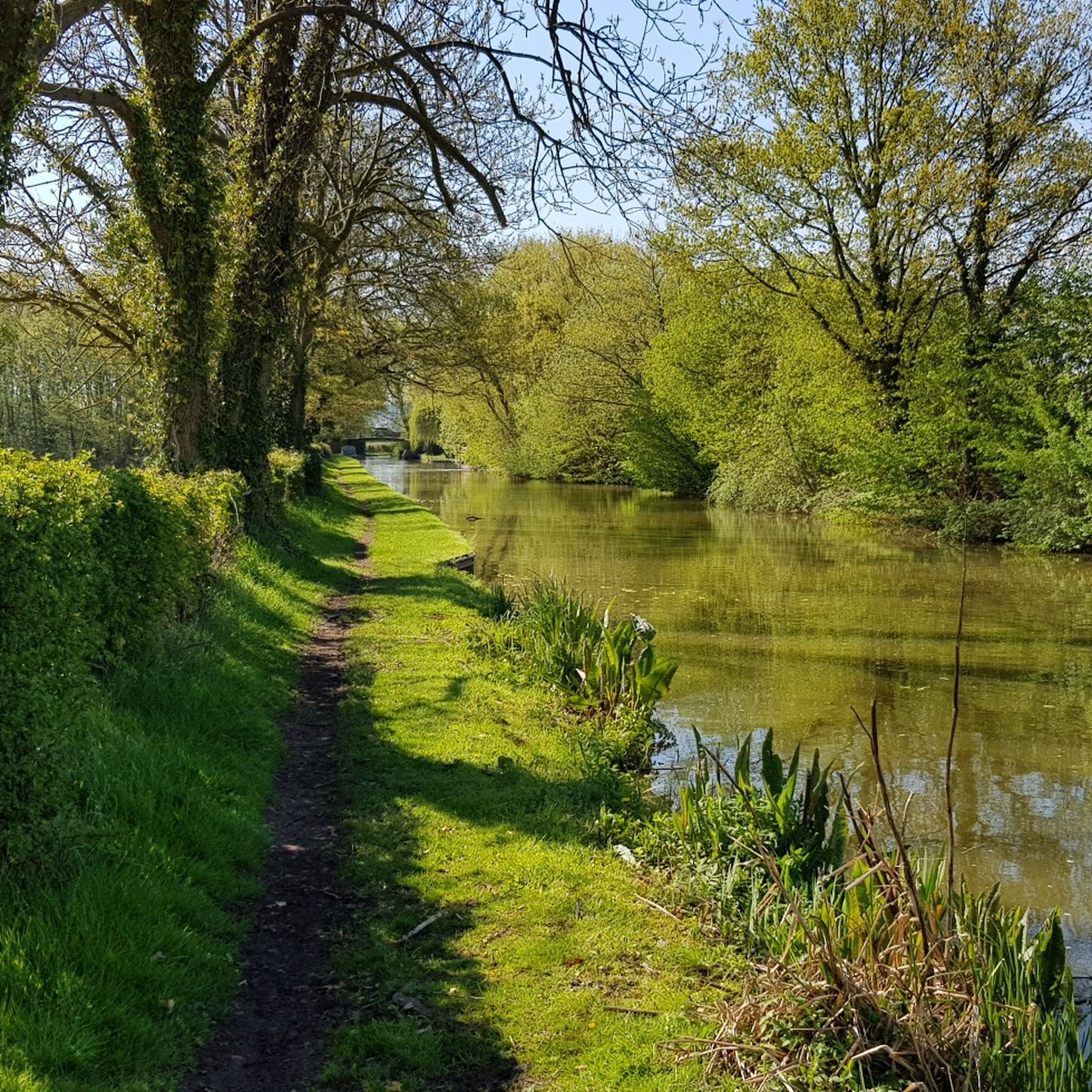
A nice little hill ,stay on it for a challenge or turn right at the nice little church.
1
0

The history of Shustoke Why were the reservoirs created here? In 1870 the Industrial Revolution was in full swing, as was the birthrate and the need for clean water was becoming more pressing. The Birmingham Water Works Company therefore applied to Parliament for permission for water to be taken from the Rivers Bourne and Blythe, whose gathering grounds in rural areas to the East of Birmingham were declared to be away from pollution, and to impound the water from the Bourne in a reservoir which was built at Shustoke. A pumping station, filter beds and another small reservoir was also constructed at Whitacre. What was here before? Before the reservoir was built, the land was occupied by Whitacre Lodge which was part of the Hams Estate. This was sold by Lord Norton in 1879, for the building of Shustoke Reservoir. How long did it take to build the Reservoirs? The time-scale granted for this work was 10 years and although most of the work at Whitacre was completed in the time scheduled, an extension of five years was applied for in 1879 as the reservoir at Shustoke had hardly been started; the eventual completion was around 1884. What is the Reservoirs role in the water supply network? When the reservoirs were built they were to supply water to the nearby Whitacre Treatment Works, which was to provide 28 million litres of water daily to Birmingham. As the city grew this soon became inadequate and with the completion of the Elan Valley scheme in 1904 Whitacre was relegated to standby duty. In 1908 Whitacre was recommissioned to supply water to Coventry to supplement the local borehole supplies. In the 1050’s Whitacre also started to supply Nuneaton and now about 10% of the water from Shustoke supplies Coventry with the rest going to Nuneaton and the surrounding districts of Bedworth and Atherstone. Where does the water come from? The water is gravity fed by the nearby River Bourne which runs along the north of the two reservoirs. How deep and big are the reservoirs? The reservoirs consist of a settling pool of 7.8 acres and a storage reservoir of 92 acres. Combined they have a capacity of around 460,000,000 gallons.
0
0
The railway’s name was taken from Echills Wood near Stoneleigh in Warwickshire where it originated with the settlement of Echills Wood going back over a thousand years with a record in the Doomsday Book. The railway itself enjoys a somewhat shorter history stretching back only over only forty years with its move to Kingsbury Water Park in the early part of 2004 and the first steam hauled passenger trains commencing at Easter of 2006. Since relocating to Kingsbury the railway has grown considerably in size. With the provision of comprehensive maintenance and engineering workshops, the railway has an infrastructure to operate a wide range of engines and rolling stock to carry the general public safely and in comfort. The railway’s name was taken from Echills Wood near Stoneleigh in Warwickshire where it originated with the settlement of Echills Wood going back over a thousand years with a record in the Doomsday Book. The railway itself enjoys a somewhat shorter history stretching back only over only forty years with its move to Kingsbury Water Park in the early part of 2004 and the first steam hauled passenger trains commencing at Easter of 2006. Since relocating to Kingsbury the railway has grown considerably in size. With the provision of comprehensive maintenance and engineering workshops, the railway has an infrastructure to operate a wide range of engines and rolling stock to carry the general public safely and in comfort. The railway now has a main line of over 2 km, a number of sidings and branch lines plus a large loco and stock depot area. All this is located in the park of over 600 acres of woodlands and fifteen lakes, run by the rangers and staff of Warwickshire County Council. The railway is classed as a 7 ¼” gauge railway which carries standard and narrow gauge locomotives and rolling stock. The 7 ¼” denotes the distance between the rails. It is close to 1/8th of the distance between the rails on the national system.
1
0
Frequently Asked Questions
What historical sites can I explore in and around Mancetter?
Mancetter is rich in history, particularly its Roman past. You can explore the area's Roman roots, including the site of a former Vexillation Fortress and Roman Fort. The Roman Mancetter and Boudica Heritage Centre is dedicated to telling this story. Other notable historical sites include the 13th-century Church of St Peter and the timber-framed Mancetter Manor House, dating back to approximately 1330. Further afield, you can visit the picturesque Maxstoke Priory Ruins, part of a hamlet built on the site of an old priory.
Are there any Roman heritage sites in Mancetter?
Yes, Mancetter has significant Roman heritage. It was once known as Manduessedum, a posting station on Watling Street (now the A5). The area housed a Roman walled settlement and forts, and is even suggested as a possible location for Boudica's defeat. The Roman Mancetter and Boudica Heritage Centre provides in-depth information on this fascinating history.
What natural attractions are there to visit near Mancetter?
The Mancetter area offers several natural attractions. The Coventry Canal and the River Anker both flow through the parish, providing scenic waterways. You can also visit Shustoke Reservoir, a large lake completed in 1884, now supplying water to the surrounding area. The Tame Valley Wetlands Community Wetland is a 6-hectare restored floodplain of the River Tame, offering a rich habitat for wildlife.
Can I find family-friendly activities or attractions in the Mancetter area?
Absolutely! For families, the Tame Valley Wetlands Community Wetland offers viewing platforms and willow sculptures, and is great for pond dipping. Shustoke Reservoir is also considered family-friendly. A unique experience is the Echills Wood Railway, a miniature railway running for 2km through Kingsbury Water Park, offering a fun way to see wildlife.
What outdoor activities, like cycling or running, are available near Mancetter?
Mancetter is a great base for outdoor activities. For cycling, you can explore various MTB trails, including routes like the 'Lime Kilns Pub – Rural Downhill Road loop from Nuneaton' or the 'Sutton Wharf Café – Shenton Village loop from Atherstone'. Gravel biking options are also available. Runners can enjoy trails such as the 'View of the Countryside – Quarry loop from Atherstone' or the 'Coventry Canal – St. Mary's Church, Atherstone loop'. You can find more details and routes on the MTB Trails around Mancetter, Gravel biking around Mancetter, and Running Trails around Mancetter guide pages.
Where can I experience local wildlife or unique natural habitats?
The Tame Valley Wetlands Community Wetland is an excellent spot for wildlife, having been restored to its original function as a floodplain. It features new water channels, scrapes, ditches, and reedbeds, and even has a sand martin bank for nesting birds. Mancetter Quarry (Purley Quarry) is also a Regionally Important Geological Site (RIGS) with specialized habitats for rare insects and lichens, and restoration plans aim to support biodiversity, including the endangered 'Dingy Skipper' butterfly.
Are there any notable churches or religious buildings to visit?
Yes, the Church of St Peter in Mancetter is a prominent landmark, dating from the 13th century with parts of its chancel walls from the 12th century. It features 15th-century bell stage and 14th-century stained glass. Another significant religious site is St Mary and All Saints Church, Fillongley, which dates from the 12th century and contains examples of 14th-century stained glass.
What is the significance of the Coventry Canal and River Anker in Mancetter?
The Coventry Canal, built in the 1780s, passes through Mancetter parish and was historically vital for transporting materials from local quarries. Today, it's popular with holiday barges and offers scenic routes. The River Anker flows through the water meadows, eventually meeting the River Tame, contributing to the area's natural beauty and ecological diversity.
What is Mancetter Quarry known for?
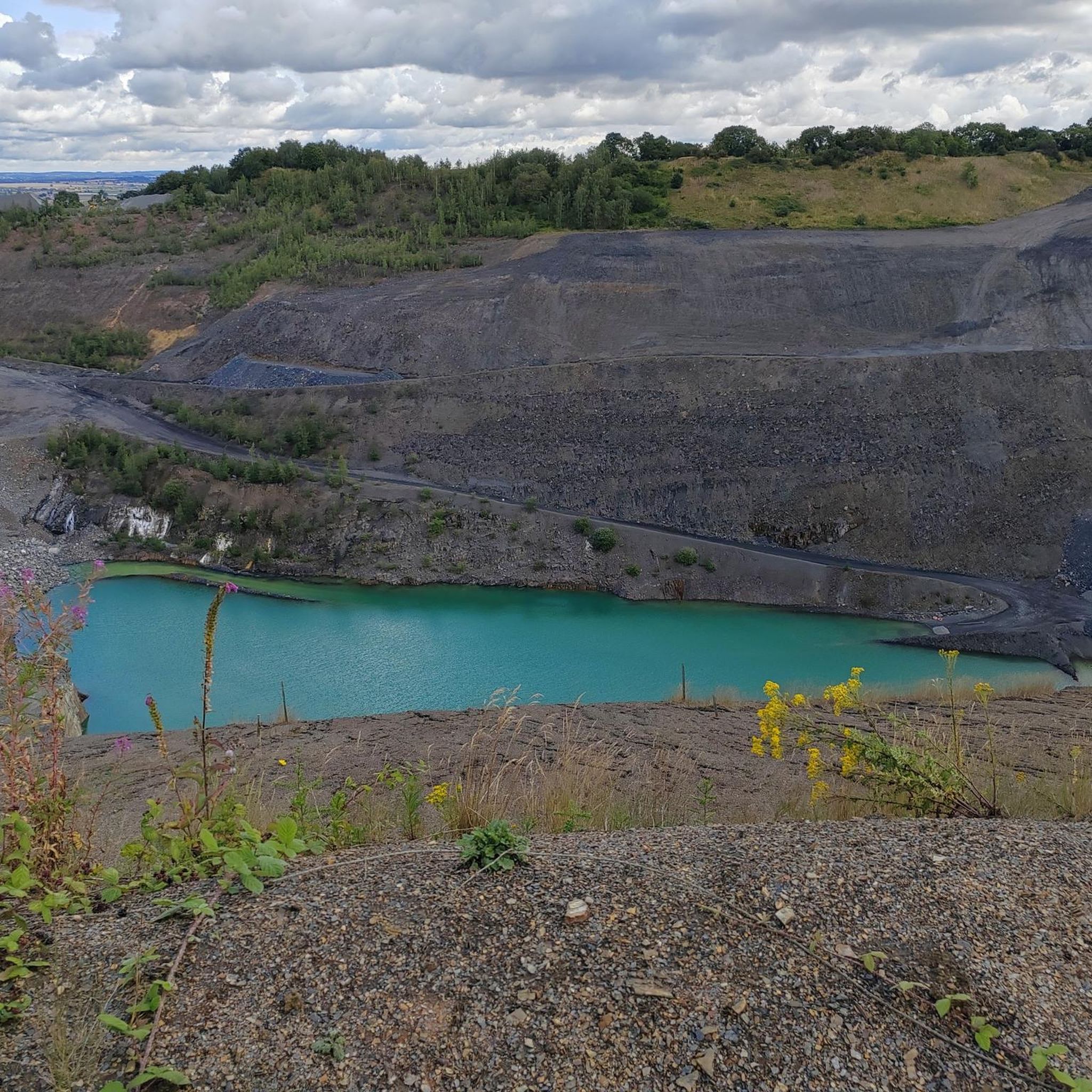
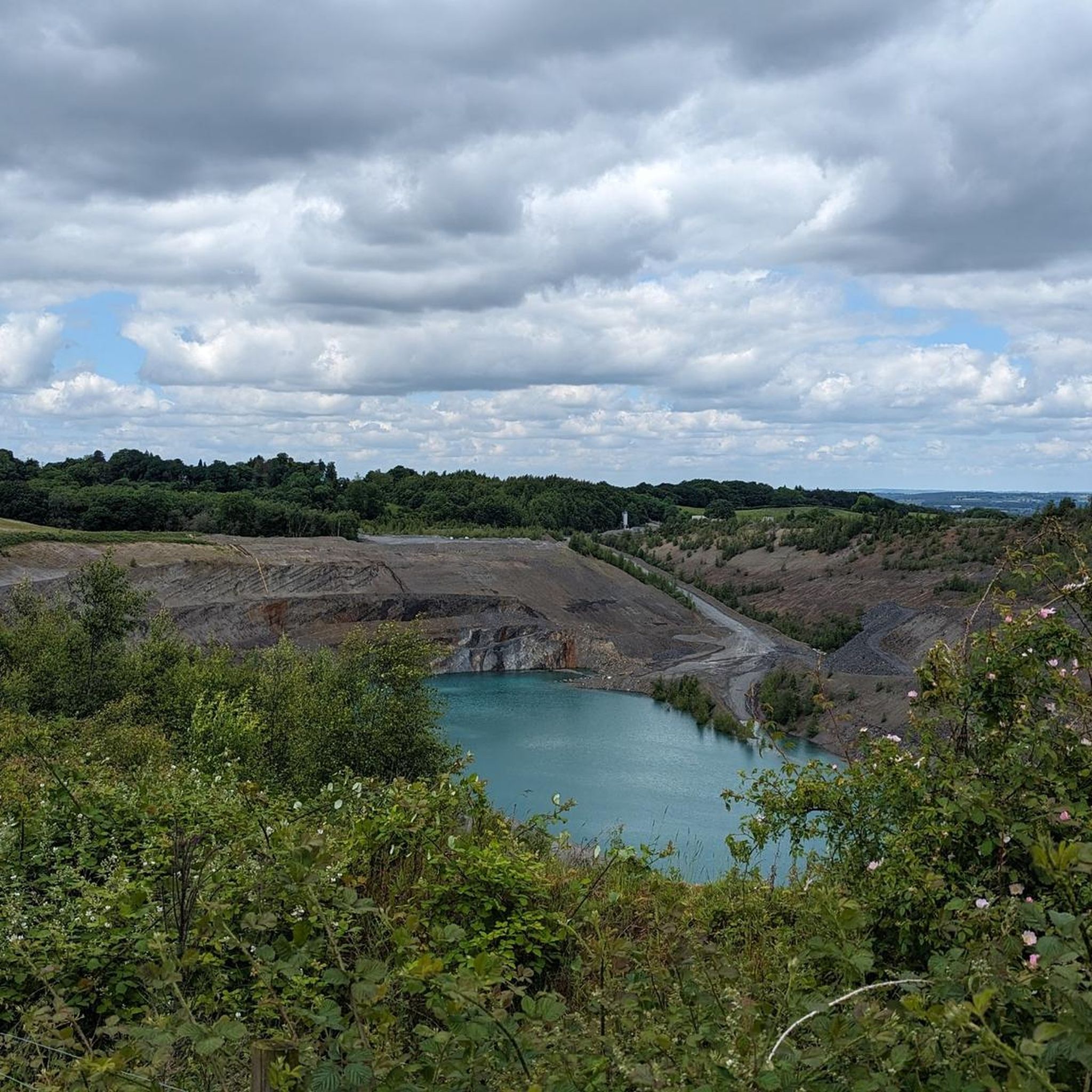
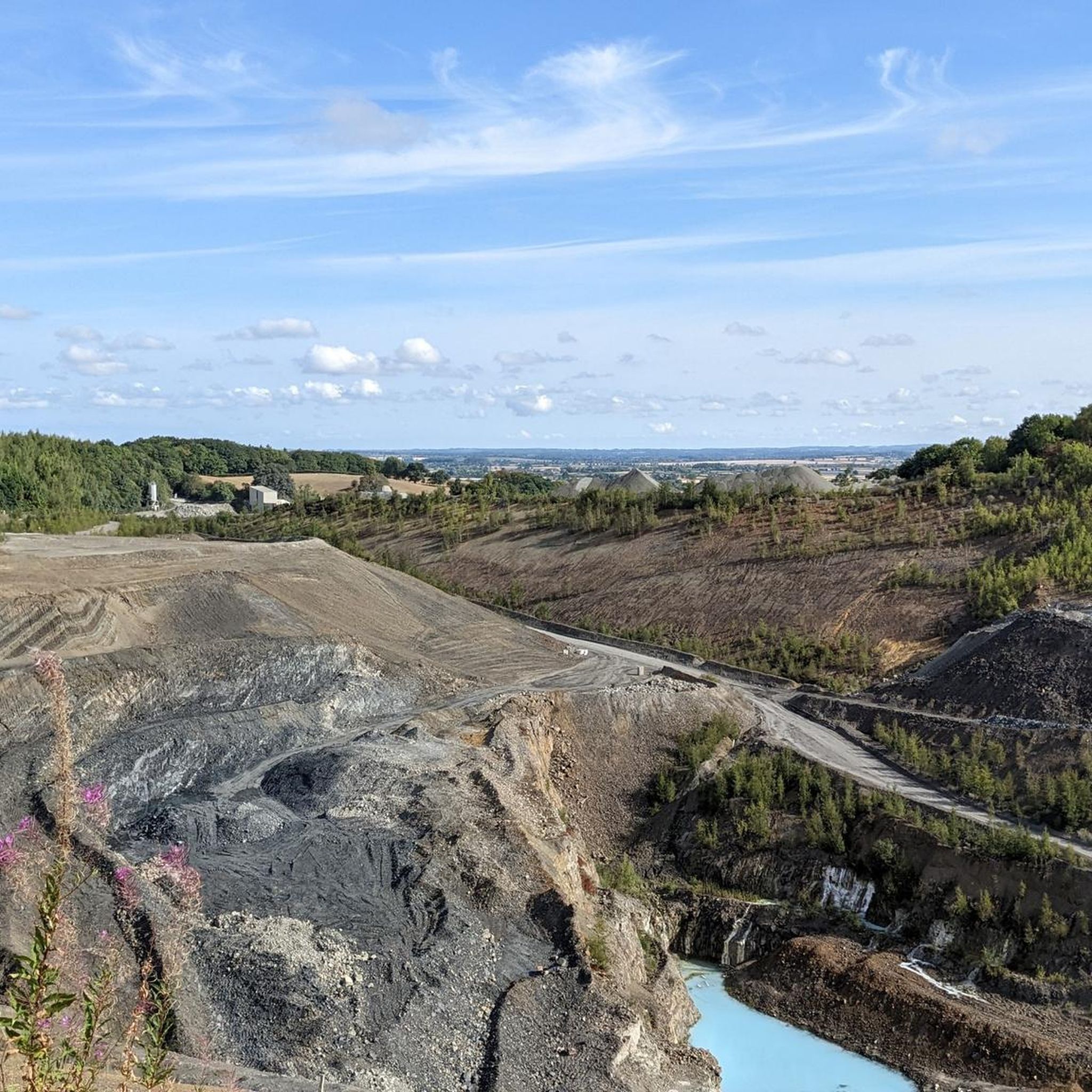
Mancetter Quarry, also known as Purley Quarry, is an active quarry extracting Diorite, a hard rock used in road building. It's also a Regionally Important Geological Site (RIGS), showcasing some of the oldest rocks in the English Midlands, over 500 million years old. Its unique bare rock faces provide habitats for rare insects and lichens, and it's part of conservation efforts to create lowland acidic grassland.
What do visitors particularly enjoy about the attractions around Mancetter?
Visitors appreciate the blend of historical sites, Roman heritage, and natural landscapes. Highlights like Maxstoke Priory Ruins are noted for their picturesque setting, especially along the North Warwickshire Cycleway. The Tame Valley Wetlands Community Wetland is enjoyed for its transformation into a rich wildlife habitat, with visitors finding it great for activities like 'poo sticks'. The area's historical depth and opportunities for outdoor exploration are highly valued.
Are there any unique historical buildings apart from churches?
Yes, the Mancetter Manor House is a notable historical building. This timber-framed structure dates back to approximately 1330 and, despite numerous alterations, retains much of its original character, including the trusses of its Great Hall and North wing. Additionally, Mancetter is home to two sets of almshouses, including Cramer's Almshouses, founded by a local goldsmith.
Most popular attractions around Mancetter

Get inspired with the komoot mobile app


Explore more
Still not found the Highlight you’re looking for? See guides of the top attractions in other regions:
