The best mountain hikes in the Jiri Massif
4.4
(79)
384
hikers
26
hikes
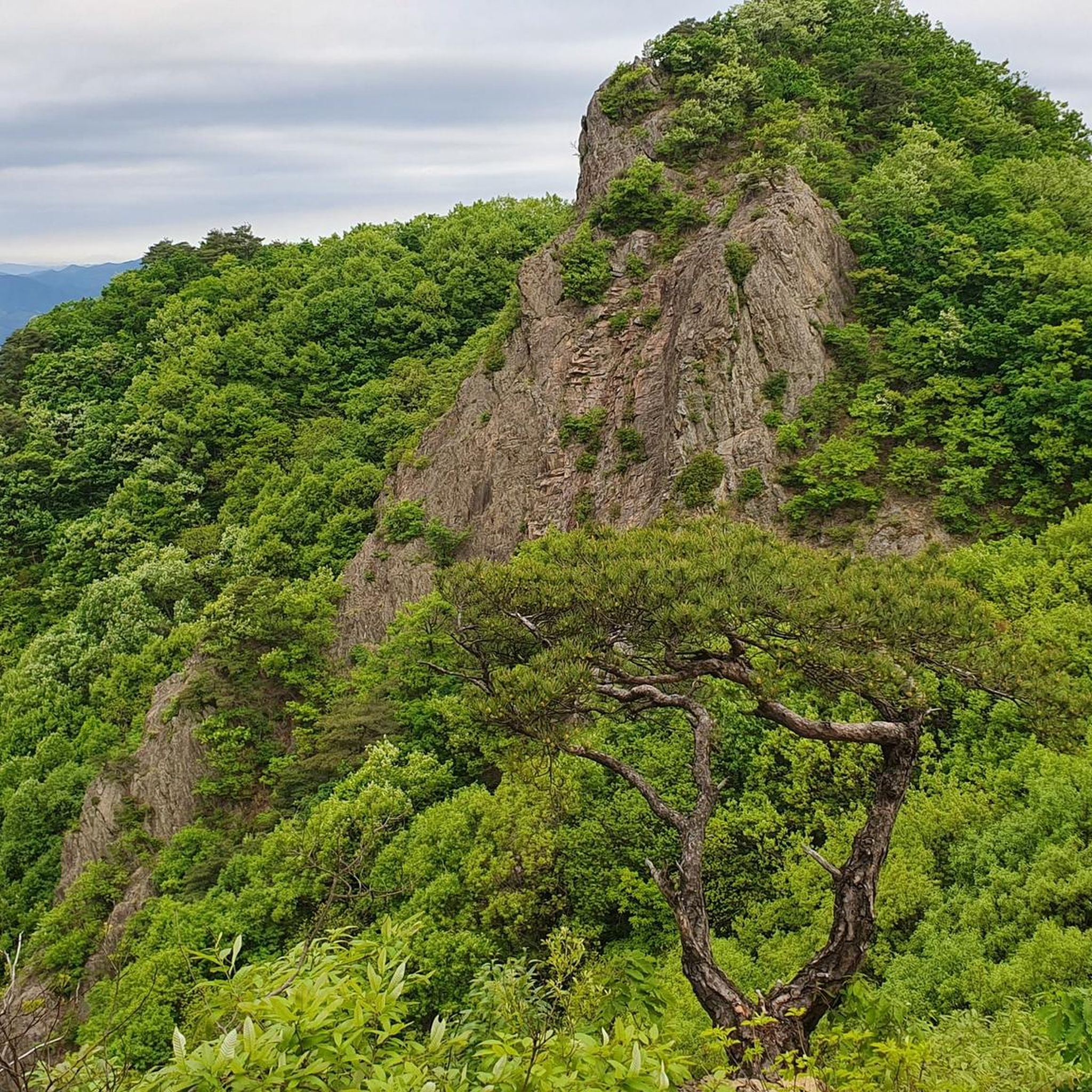
Mountaineering routes in the Jiri Massif traverse South Korea's first and largest mainland national park, characterized by rugged peaks, deep valleys, and an extensive network of streams. The region features prominent summits like Cheonwangbong Peak (1,915 meters) and Nogodan Peak (1,507 meters), offering challenging climbs and panoramic views. Dense forests, diverse flora, and unique geological formations such as Tongcheonmun (Rock Gate) define the landscape. This varied terrain provides a wide spectrum of experiences for mountaineers.
Best mountaineering routes in the…
Last updated: June 27, 2026
4.8
(10)
44
hikers
9.61km
04:12
870m
870m
Moderate mountaineering route. Good fitness required. Easily-accessible paths. Suitable for all skill levels.
4.6
(8)
37
hikers
11.9km
06:05
1,260m
1,260m
Hard mountaineering route. Very good fitness required. Mostly accessible paths. Sure-footedness required.

Sign up for free
4.0
(8)
35
hikers
7.29km
03:32
800m
800m
Moderate mountaineering route. Good fitness required. Easily-accessible paths. Suitable for all skill levels.
4.2
(6)
31
hikers
9.57km
04:16
620m
620m
Moderate mountaineering route. Good fitness required. Mostly accessible paths. Sure-footedness required.
4.8
(6)
28
hikers
11.7km
05:40
960m
960m
Hard mountaineering route. Very good fitness required. Mostly accessible paths. Sure-footedness required.
4.7
(3)
17
hikers
6.09km
03:42
670m
670m
Moderate mountaineering route. Good fitness required. Mostly accessible paths. Sure-footedness required.
4.5
(4)
18
hikers
8.02km
02:42
380m
380m
Moderate mountaineering route. Good fitness required. Easily-accessible paths. Suitable for all skill levels.
4.8
(4)
16
hikers
4.27km
02:19
550m
550m
Moderate mountaineering route. Good fitness required. Mostly accessible paths. Sure-footedness required.
5.0
(1)
15
hikers
6.30km
02:56
620m
620m
Moderate mountaineering route. Good fitness required. Mostly accessible paths. Sure-footedness required.
4.3
(4)
14
hikers
13.8km
06:00
800m
800m
Hard mountaineering route. Very good fitness required. Mostly accessible paths. Sure-footedness required.
Get access to more routes and recommendations from other explorers.
Sign up for free
Already have an account?
Our route recommendations are based on thousands of hikes, rides, and runs completed by other people on komoot.
Start today with a free account
Your next adventure awaits.
Login or Signup
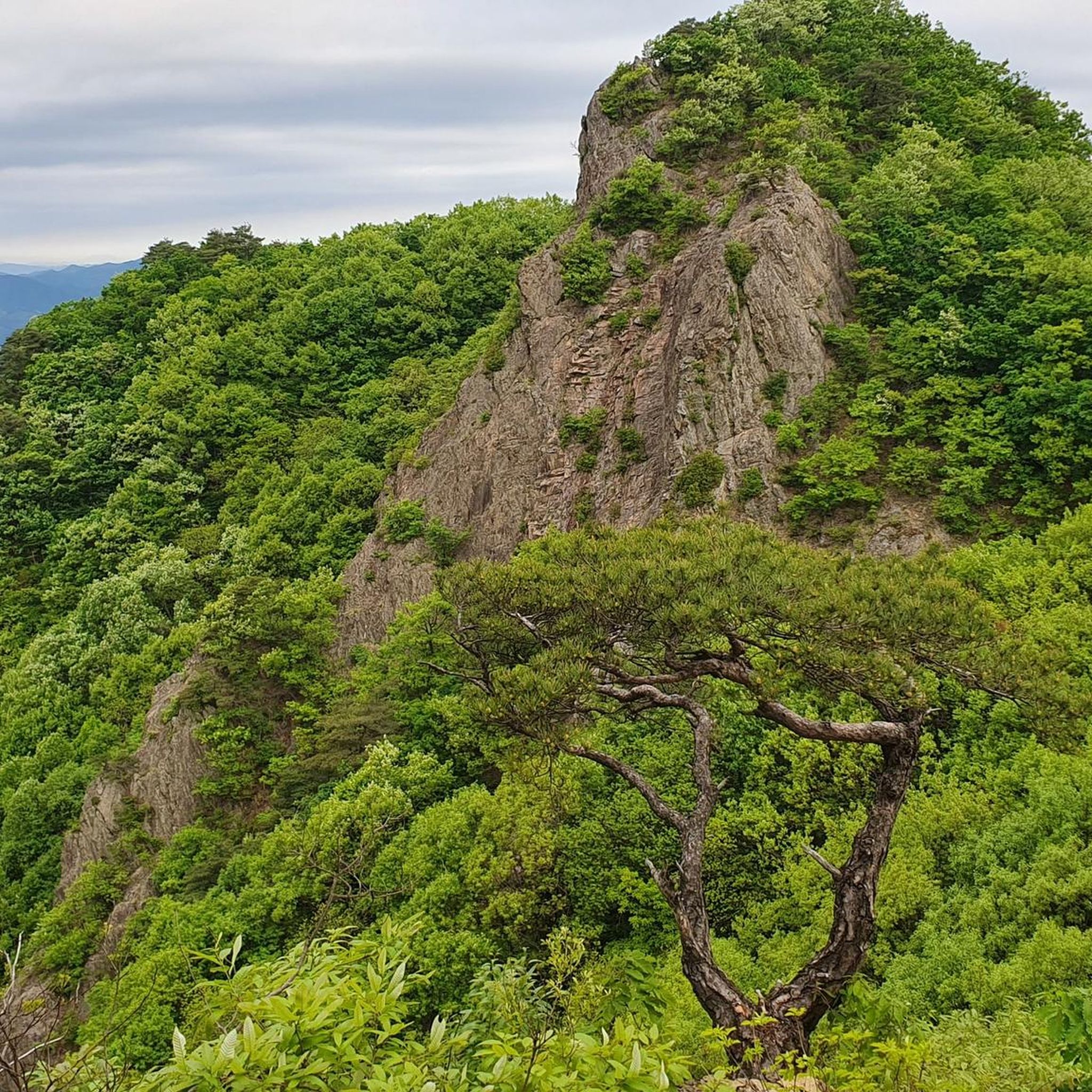
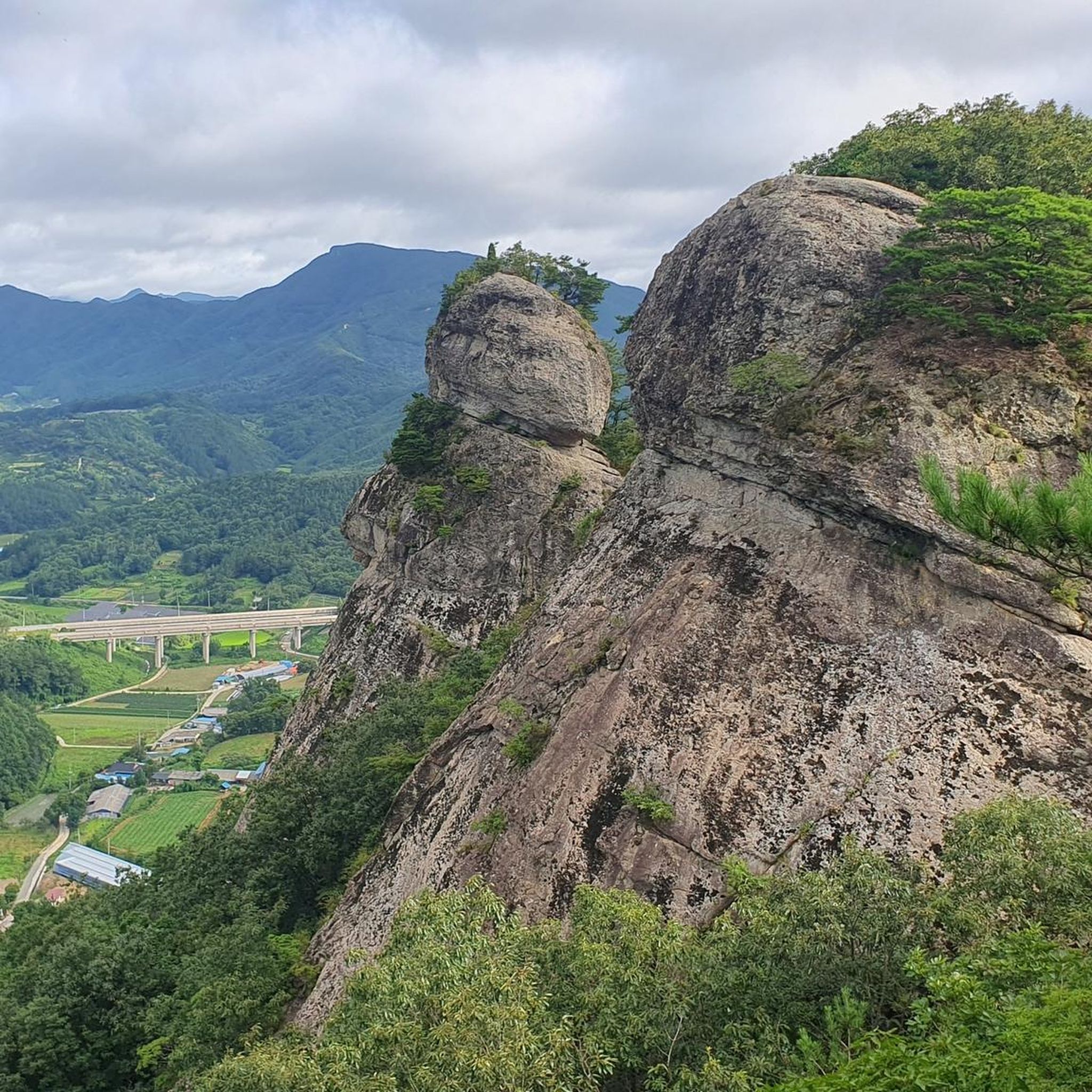
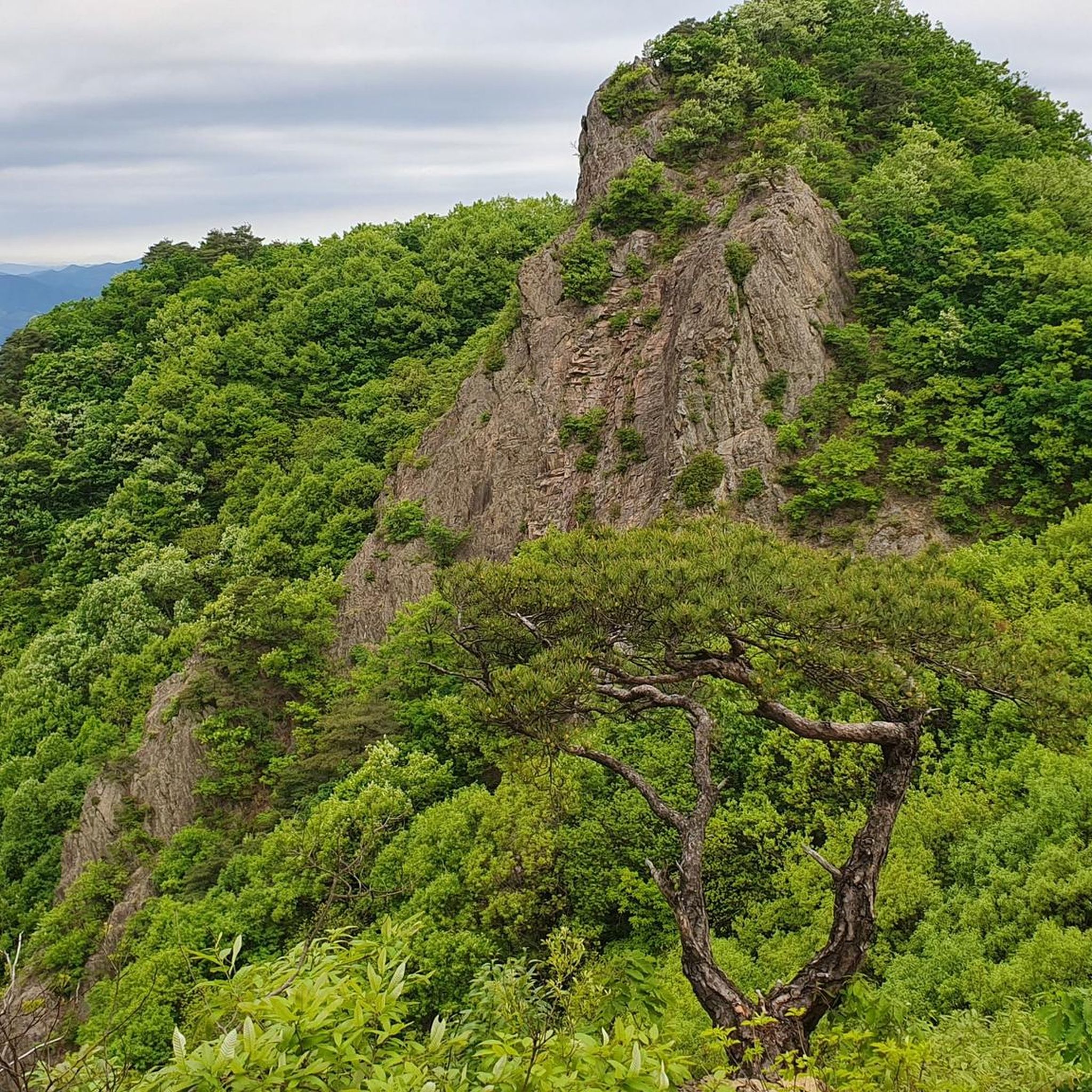
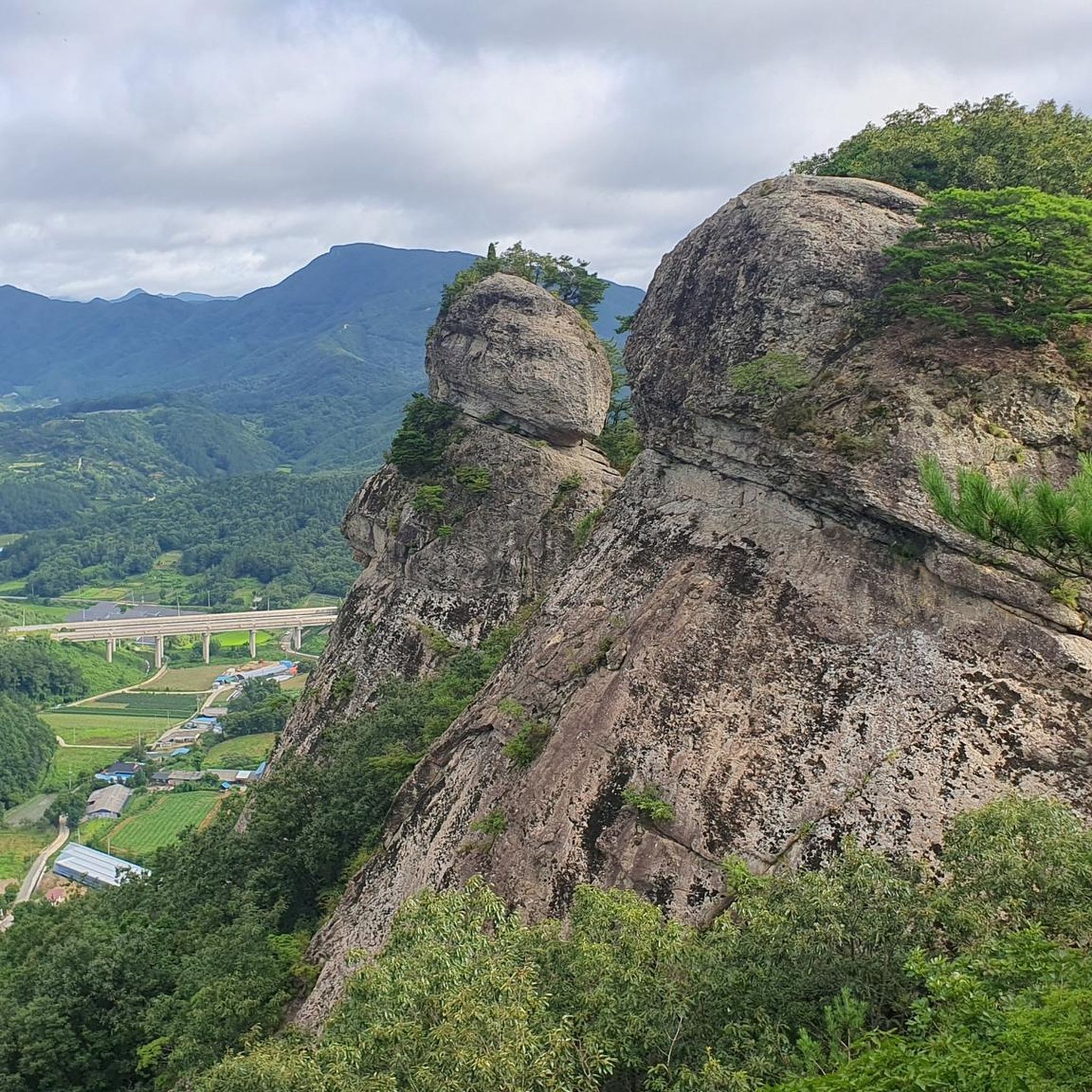
Tips from the Community

A stunning view from the summit of the highest mountain on the Korean Peninsula. Despite the cold November weather, the summit was quite busy.
0
0
The highest mountain on the Korean Peninsula, offering correspondingly good views. The climb shouldn't be underestimated, and the temperature is quite cold and windy due to the high altitude. Snow can also linger at the summit for a long time.
0
0

The Baekmudong to Cheonwangbong section has many stone steps, so shoes with good grip are essential.
0
0
Frequently Asked Questions
How many mountaineering routes are available in the Jiri Massif?
The Jiri Massif offers over 25 mountaineering routes, ranging from moderate ascents to challenging multi-day traverses. These routes explore South Korea's first and largest mainland national park, providing diverse experiences for all skill levels.
What kind of natural features can I expect to see while mountaineering in the Jiri Massif?
Mountaineering in the Jiri Massif offers a rich display of natural beauty. You'll encounter majestic peaks like Cheonwangbong Peak, deep valleys, and an extensive network of streams and waterfalls, such as Hanshin Falls. Unique geological formations like Tongcheonmun (Rock Gate) also add to the allure.
Are there any cultural or historical sites along the mountaineering routes?
Yes, the Jiri Massif is home to several ancient Buddhist temples and historical sites. Notable temples include Hwaeomsa, Ssanggyesa, Cheoneunsa, and Eunsusa Temple, offering serene cultural retreats amidst the natural beauty. These sites provide a glimpse into Korea's rich heritage.
What is the best time of year to go mountaineering in the Jiri Massif?
The Jiri Massif offers a unique experience in every season. Spring brings vibrant blossoms, summer provides lush greenery, autumn showcases stunning foliage, and winter features snow-capped peaks. Each season ensures captivating scenery, so the 'best' time depends on your preferred landscape and weather conditions.
Are there any circular routes for mountaineers in the Jiri Massif?
Yes, the Jiri Massif features several circular routes. For example, the moderate 서장대 – 가야산칠불봉 loop from Gayasan National Park is a popular 9.1 km trail. Another option is the more challenging Korean yew – Jirisan loop from 지리산국립공원매표소, which is 11.9 km long and leads through dense forests.
Are there any less crowded routes for a more solitary mountaineering experience?
While some routes are popular, the vastness of Jirisan National Park allows for a sense of solitude. Consider exploring routes like the moderate 금오산(현월봉) loop from Hyeongil Elementary School, a 7.3 km trail, or the 바래봉 – 구상나무군락지 loop from Unbong-eup, a 9.6 km moderate route, which might offer a quieter experience away from the main summits.
What are some of the more challenging mountaineering routes in the Jiri Massif?
For experienced mountaineers, the Jiri Massif offers demanding routes. The 입석대 – 중봉 loop from 학운교 is a difficult 11.7 km trail leading through rugged peaks and valleys. Additionally, the 삼도봉 – 민주지산 loop from Mulhan-ri is a difficult 13.8 km route with significant elevation gain.
Do I need any permits for mountaineering in Jirisan National Park?
Jirisan National Park, as South Korea's first and largest mainland national park, may have specific regulations regarding permits, especially for multi-day traverses or certain restricted areas. It's advisable to check the official Jirisan National Park website or contact the park authorities directly for the most up-to-date information on permit requirements before your trip. You can find general information about South Korean national parks at nationalparksassociation.org.
What do other mountaineers enjoy most about the Jiri Massif?
The Jiri Massif is highly rated by the komoot community, with an average score of 4.3 stars from over 70 reviews. Mountaineers often praise the diverse terrain, the challenging climbs to prominent summits, and the breathtaking panoramic views, including the renowned 'sea of clouds' and spectacular sunrises.
Are there any family-friendly options for mountaineering in the Jiri Massif?
While many routes are challenging, Jirisan National Park does offer some easier, family-friendly paths. These often include paved sections and wooden walkways, such as parts of the route leading to Nogodan Peak. Look for routes with lower elevation gain and shorter distances, like the moderate Macheondae Peak loop from Daedunsan Peak, which is 4.6 km.
What kind of flora and fauna can I expect to see in the Jiri Massif?
Jirisan boasts dense forests, particularly vibrant with autumn foliage, and a profusion of wildflowers, including azaleas in spring. The park is also a vital sanctuary for diverse wildlife, notably the endangered Asiatic black bear, making it a rich environment for nature observation.
Can I bring my dog on the mountaineering routes in Jirisan National Park?
National parks in South Korea, including Jirisan National Park, generally have strict regulations regarding pets on trails to protect wildlife and maintain the natural environment. It is highly recommended to check the official park rules or contact the park administration directly for their specific dog policy before planning your trip.
How can I get to the trailheads in the Jiri Massif using public transport?
Jirisan National Park is accessible by public transport, with buses serving various towns and trailheads around the massif. Major cities like Gurye, Namwon, and Hamyang serve as gateways. From these towns, local buses often connect to park entrances and specific trailheads. For detailed schedules and routes, it's best to consult local transport information or the official park website.
Are there accommodations available near the Jiri Massif trailheads?
Yes, there are various accommodation options near the Jiri Massif trailheads and within the surrounding towns. These can range from guesthouses and small hotels to mountain shelters located along multi-day traverse routes. It's advisable to book accommodations in advance, especially during peak seasons, to ensure availability.
Most popular routes in the Jiri Massif
Most popular attractions in the Jiri Massif

Get inspired with the komoot mobile app


Explore more
Browse the best Mountain Hikes & Routes in other regions.
