The best running trails around Muchelney
4.5
(31)
2,281
runners
285
runs
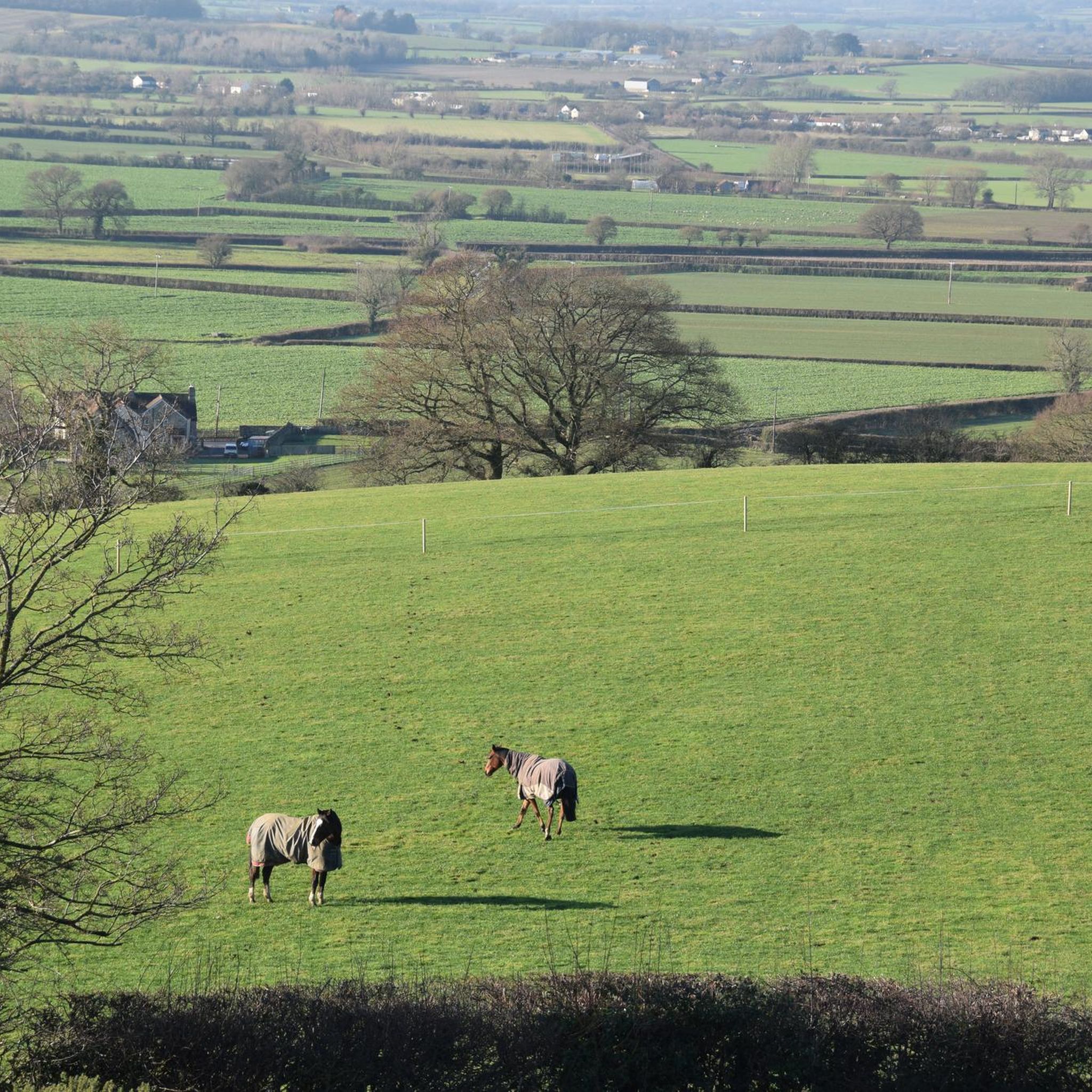
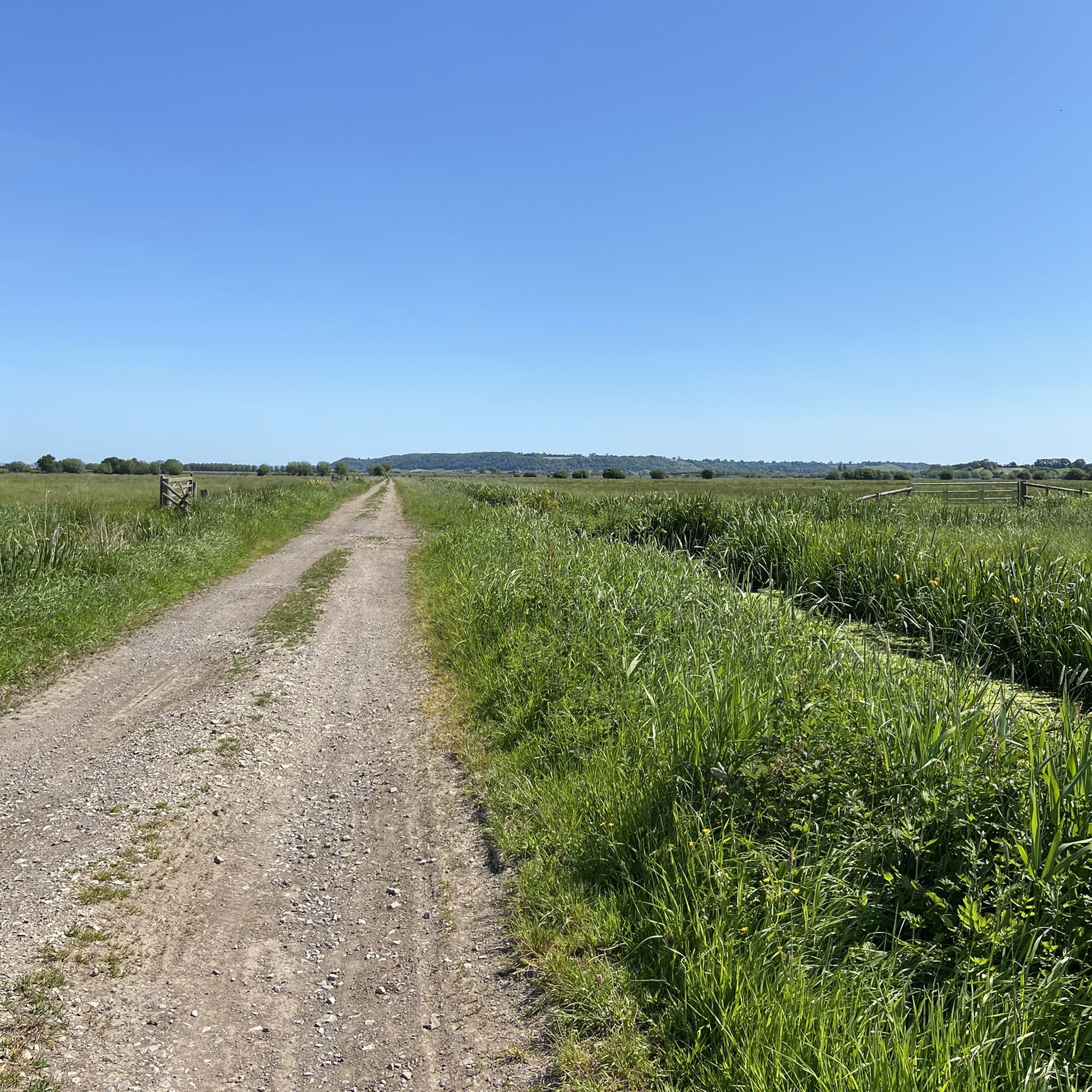
Jogging around Muchelney offers routes through the distinctive landscapes of the Somerset Levels. The region is characterized by extensive grazing marsh grasslands and intricate ditch systems, providing a predominantly flat and open terrain. Muchelney itself is situated on a slight elevation, an "island" within these Levels, offering views over the surrounding farmland. Riverside paths along the River Parrett also provide opportunities for running, often featuring scenic farmland and orchards.
Best jogging routes around Muchelney
- The most popular jogging route is…
Last updated: April 28, 2026
30
runners
6.22km
00:39
20m
20m
Moderate run. Good fitness required. Mostly paved surfaces. Suitable for all skill levels.
24
runners
6.53km
00:41
20m
20m
Moderate run. Good fitness required. Mostly paved surfaces. Suitable for all skill levels.

Sign up for free
22
runners
5.04km
00:31
10m
10m
Moderate run. Good fitness required. Mostly paved surfaces. Suitable for all skill levels.
15
runners
10.7km
01:06
30m
30m
Moderate run. Good fitness required. Mostly paved surfaces. Suitable for all skill levels.
10
runners
Moderate run. Good fitness required. Mostly paved surfaces. Suitable for all skill levels.
Get access to more routes and recommendations from other explorers.
Sign up for free
Already have an account?
Our route recommendations are based on thousands of hikes, rides, and runs completed by other people on komoot.
Start today with a free account
Your next adventure awaits.
Login or Signup
Tips from the Community

Great breakfast and coffee.
0
0

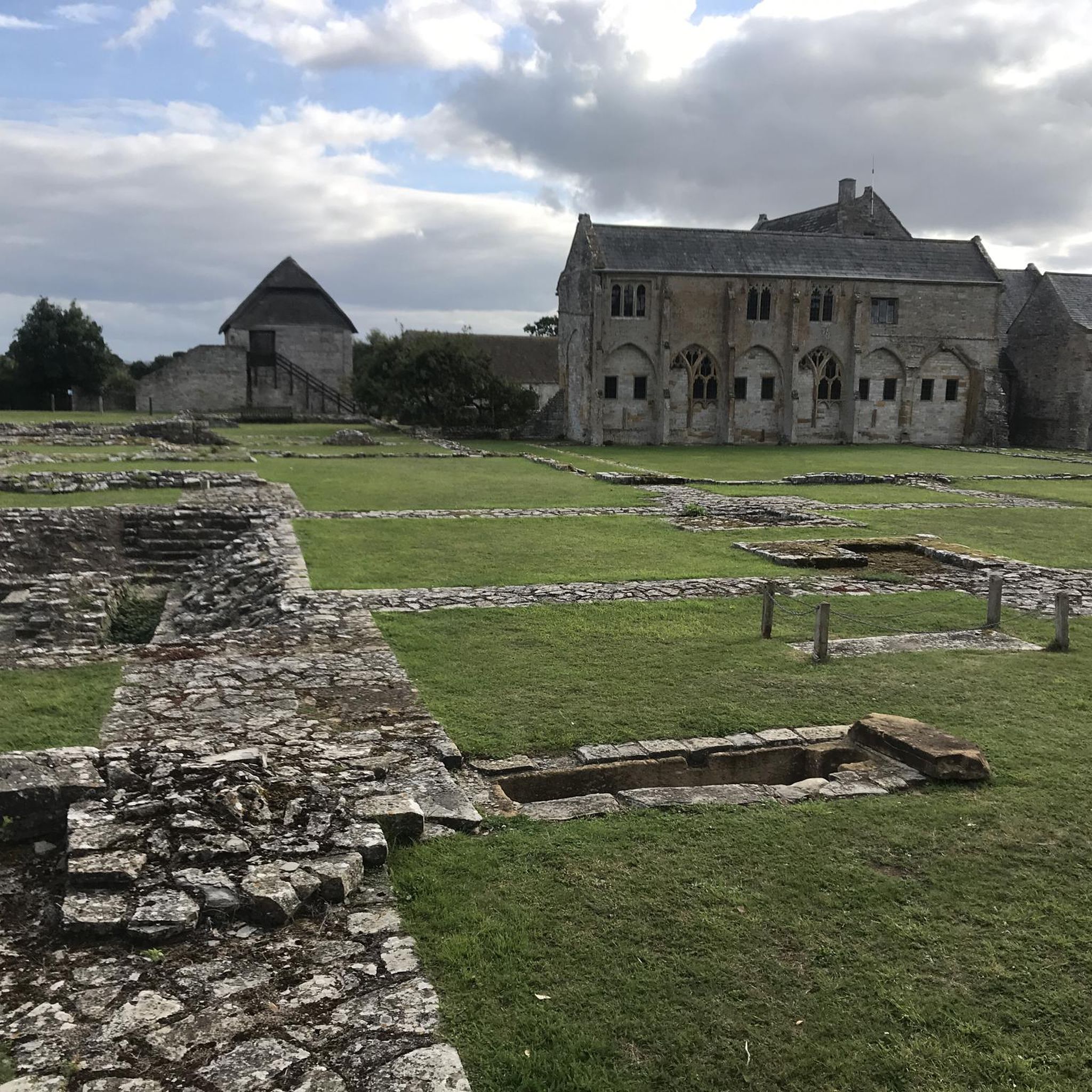
Muchelney Abbey is a fabulous stop over!
0
0


Be patient at busy times.
0
0

can get busy but plenty of seats inside and out lovely walk or ride along the river
0
0

The vanquishing of a royalist army in the south-west by the New Model Army further reduced the King's military capabilities and hastened his ultimate defeat. The New Model Army approached the small town of Langport from the east. It was a key bridging point where the major road from Somerton passed between two large areas of wet moorland. This was a logical place for the royalists to make a stand, or at least to try to hold up the parliamentarians in order to enable retreat, via Sedgemoor, to the port of Brridgewater. Goring sent his baggage and artillery ahead towards the port, keeping only two pieces of ordnance with the army. He then turned and marched out to the east of Langport, to face the parliamentarian army. Though he held a strong position, on high ground controlling the roads that approached the town from the east, his forces were still outnumbered and outgunned and were soon defeated. Although the royalist army was not destroyed at Langport, the defeat was to have a significant effect upon troop morale. As Goring admitted: 'the consequences of this blow is very much for there is so great terror and dejection amongst our men that I am confident at this present they could not be brought to fight against half their number’. Bridgwater fell soon after, isolating the remaining royalist garrisons in the West Country. Three alternative locations have been suggested for the battle along the Wagg Rhyne. Archaeological research by the Battlefields Trust in 2021 and 2023 indicates that the location of the battle is that registered by Historic England on either side of the B3153. The reports of these metal detecting surveys are available for download in the File Download section on the left of this webpage. Most of the landscape here is still agricultural but there has been some development, especially on the southern site, while there is continuing small scale erosion of the battlefield by small scale development right across this landscape. There is no on site interpretation or monument at the registered battlefield site, though an information board is located at Huish Episcopi on the A372. The Wagg Drove is a quiet narrow lane with verges running a little to the side of the Rhyne, giving public access across part of the battlefield. Furpits Lane, where there is some limited parking and public footpaths south east of Hamdown House and the Wagg Rhyne also enable the battlefield to be explored. The B3153 is a very busy, fast road with no verges. Although it is possible approach the point where the road crosses the Rhyne by walking along the Wagg Drove, it is not recommended to attempt to walk along the main road itself. A leaflet describing a battlefield walk at Langport can be downloaded from the panel on the left. https://www.battlefieldstrust.com/resource-centre/battleview.asp?BattleFieldId=20
0
0
Chris Osborne, a well known local figure who was active in community affairs and chaired the Town Council, was instrumental in rescuing a long-disused water pump and putting it on display in the Walter Bagehot Town Garden in 2011. This is his story explaining the significance of the pump to the town. The floods in the winter of 1960 were worse than usual. The river had burst its banks and the moors were flooded. It looked as though Bow Street would be flooded again, and badly. Houses and businesses were at risk. Chris, then a young man in his 20s, was busy in his workshop at the Great Bow Yard. He had come to Langport to construct the Langport Huish sewer system, replacing the old channel of waterways and canals. He remembers the following events well. He said: “I was wearing my Wellington boots because the water came up to your shins. I was working in my workshop when a chap called Hugh Binder walked in. He said: ‘Chris, this bloody flood is getting serious.’ Everybody was concerned at the level of rising water and could see what was going to happen. “The next thing there were four or five Green Goddess fire engines at the bank and pumping water and chucking it on the moor. I said: ‘What about the pump?'” A huge G & H Gwynne of London water pump installed in the early decades of the 20th century, sat redundant by the side of the Parrett. It was called the Invincible. He said: “It was rusty and solid as anything. We got a tractor to pull it out and we stripped it down. We replaced the glands, the bearings and totally cleaned it out. It’s a remarkable piece of engineering. “We managed to get it going about 3.15am and the noise woke everybody in the town. We removed two inches of water in the first hour and just needed to keep it going. We then got to removing eight inches per hour no problem. It worked like a dream.” The pump was kept running and drained enough water to reduce the level running through the town and keep it out of the properties. Many years later, that same pump was rescued from the river bank again and put on display www.langportheritage.co.uk
0
0

Frequently Asked Questions
What kind of terrain can I expect on running trails in Muchelney?
Running routes in Muchelney are predominantly flat and open, set within the distinctive landscapes of the Somerset Levels. You'll encounter extensive grazing marsh grasslands, intricate ditch systems, and paths along the River Parrett. The village itself is on a slight elevation, offering occasional vantage points over the surrounding farmland, and some routes may feature scenic orchards.
How many running routes are available around Muchelney?
There are over 290 running routes available around Muchelney, offering a wide variety of options for different preferences and fitness levels. These include easy, moderate, and more challenging trails.
Are there easy running routes suitable for beginners in Muchelney?
Yes, Muchelney offers several easy running routes perfect for beginners or those looking for a relaxed pace. For example, the Church of All Saints, Langport – The Hanging Chapel loop from Langport is an easy 3.1 miles (5.0 km) trail that takes about 30 minutes.
What historical sites or landmarks can I see while running in Muchelney?
Many running routes in Muchelney offer glimpses of historical sites. You can pass by the ruins of Muchelney Abbey, the historic Parish Church of St Peter and St Paul, or the 14th-century Priest's House. For specific highlights, consider routes that pass near Ham Hill War Memorial and Stone Circle or Burrow Mump.
Are there running routes along the River Parrett?
Yes, the region offers excellent riverside paths along the River Parrett, which are ideal for running. These routes are typically flat and well-marked, providing scenic views of farmland and countryside. The Little Bakery – The Pump That Saved Langport loop from Langport is a popular moderate route that follows flat paths near the river.
What do other runners enjoy most about jogging in Muchelney?
The running routes in Muchelney are highly rated by the komoot community, with an average score of 4.5 stars from over 30 reviews. Runners often praise the predominantly flat terrain, the scenic views of the Somerset Levels, and the peaceful atmosphere, making it ideal for a refreshing run.
Are the running trails in Muchelney suitable for families?
Yes, many of the flat and well-marked paths in Muchelney are suitable for families. The gentle terrain of the Somerset Levels makes for enjoyable and accessible runs for various ages. Look for easy to moderate routes that avoid significant elevation changes.
Can I bring my dog on the running trails in Muchelney?
Many running trails in Muchelney are dog-friendly, especially those through open countryside and along river paths. However, as you'll be in an agricultural area with grazing livestock, it's essential to keep dogs under control, preferably on a lead, and to follow the Countryside Code. Always check local signage for any specific restrictions.
Where can I find parking for running trails in Muchelney?
While specific parking areas for individual trails may vary, general parking can often be found in nearby villages like Langport. For example, searching for 'Whatley Car Park Langport' might provide options. Always check local parking regulations and availability before your visit.
How can I reach Muchelney by public transport for running?
Public transport options to Muchelney are limited due to its rural location. It's advisable to check local bus services connecting to larger towns like Langport or Yeovil, from where you might need to arrange further transport. Planning your journey in advance is recommended.
Are there any circular running routes in Muchelney?
Yes, many of the running routes around Muchelney are designed as loops, offering circular experiences. For instance, the Simple Gravel Path loop from Muchelney is a moderate 3.1 miles (5.0 km) circular path, and the Little Bakery loop from Langport is a longer 6.7 miles (10.7 km) circular trail.
Are there cafes or pubs near the running routes in Muchelney?
While Muchelney itself is a small village, nearby Langport offers a selection of cafes and pubs where you can refuel after your run. These establishments provide a good opportunity to enjoy local refreshments and cuisine.
What is the best time of year for running in Muchelney?
The Somerset Levels can be prone to flooding, especially in winter. Therefore, the best time of year for running in Muchelney is generally during the drier months, from late spring through early autumn, when paths are less likely to be waterlogged and the weather is more favorable for outdoor activities.
Most popular attractions around Muchelney

Get inspired with the komoot mobile app


Explore more
Browse the best Running Trails & Routes in other regions.
