The 8 Most Amazing Peaks around Albourne
Best mountain peaks around Albourne are found within the surrounding South Downs, offering elevated natural features despite the village's low Weald location. This region, with an average elevation of 35 meters and a maximum of approximately 145 meters, provides impressive views and diverse hiking opportunities. The area is characterized by chalk hills and valleys, forming a distinctive natural landscape. These elevated points contribute to the area's outstanding natural beauty, offering accessible paths and viewpoints.
Best mountain peaks around Albourne
- The most popular mountain peaks is Ditchling Beacon, a natural monument that stands as the highest point along the Sussex Downs. It offers expansive panoramic views, allowing sight of the sea to the south and the Weald to the north.
- Another must-see spot is Wolstonbury Hill, a natural monument projecting into the Weald from the main ridge of the South Downs. Visitors can expect panoramic views across the Weald, with landmarks like the Clayton Windmills and Ditchling Beacon visible.
- Visitors also love Truleigh Hill, a natural monument and highpoint on the South Downs Way. It provides excellent panoramic views over the Weald to the north, over Shoreham and the Adur Estuary to the southwest, and over Brighton to the English Channel.
- Albourne is known for natural monuments, viewpoints, and summits. These features offer diverse hiking experiences and historical insights, including Iron Age hillforts.
- The mountain peaks around Albourne are appreciated by the komoot community, with more than 500 upvotes and over 70 photos shared.
Last updated: August 25, 2026
Ditchling Beacon
Highlight • Natural Monument
Tip by

Devil's Dyke Trig Point
Highlight • Viewpoint
Here you will find the trig point of Devil's Dyke, standing tall at 217 m. From here, you will be afforded some magnificent views across the valley and rolling hills of the surrounding countryside.
Tip by

Sign up now to discover places like this
Get recommendations on the best single tracks, peaks, & plenty of other exciting outdoor places.
Sign up for free
Wolstonbury Hill
Highlight • Natural Monument
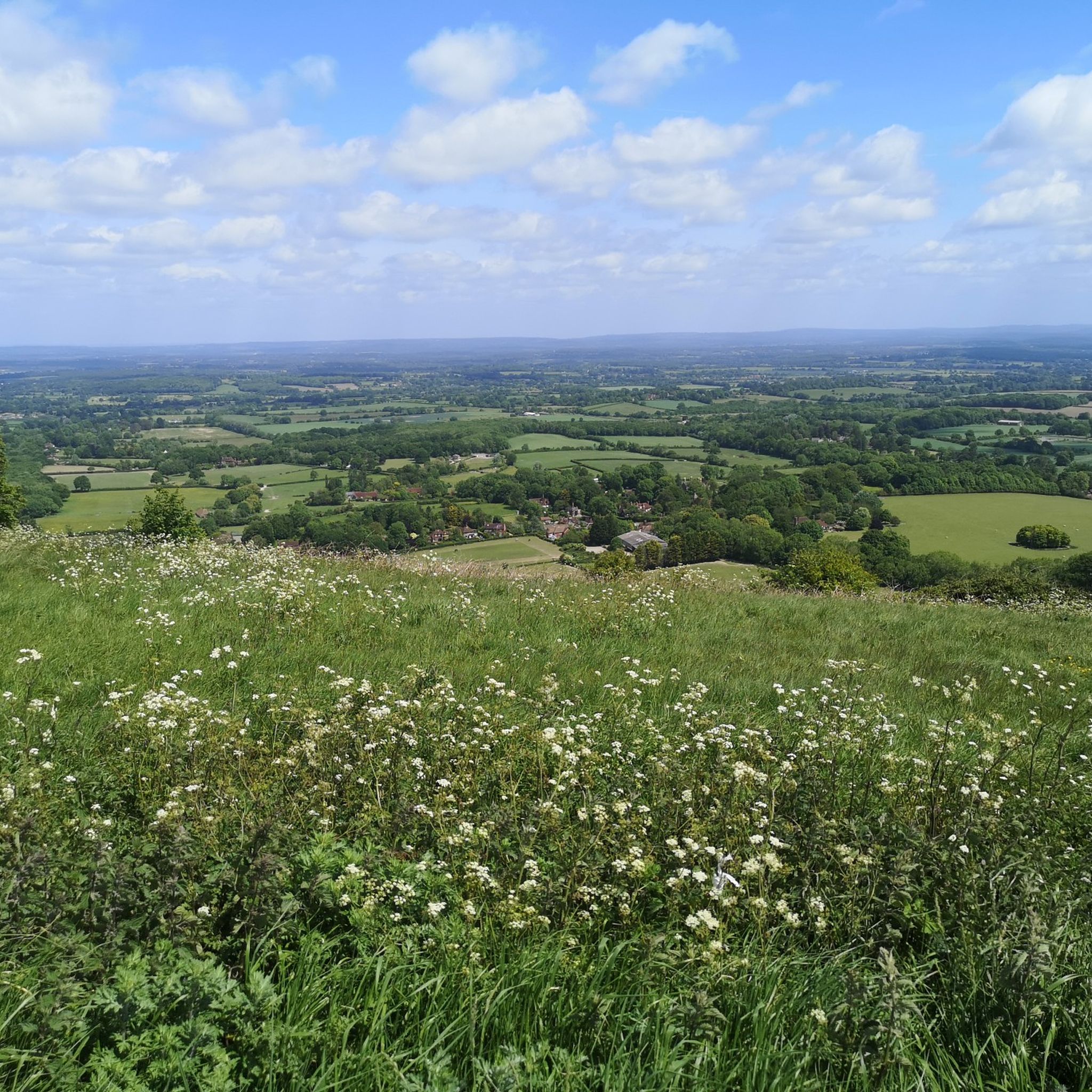
Looking west one can see Newtimber Hill, West Hill with Devil's Dike just beyond, further out Chanctonbury Ring is clearly visible.
quite a challenging walk coming from the north however you are treated with great views from the Top and access to other sections of the South Downs.
Tip by

Truleigh Hill
Highlight • Natural Monument
Tip by

Keymer Post Viewpoint
Highlight • Summit
Tip by

Sign up for free to discover even more peaks around Albourne.
Sign up for free
Already have an account?
Start today with a free account
Your next adventure awaits.
Login or Signup
Tips from the Community

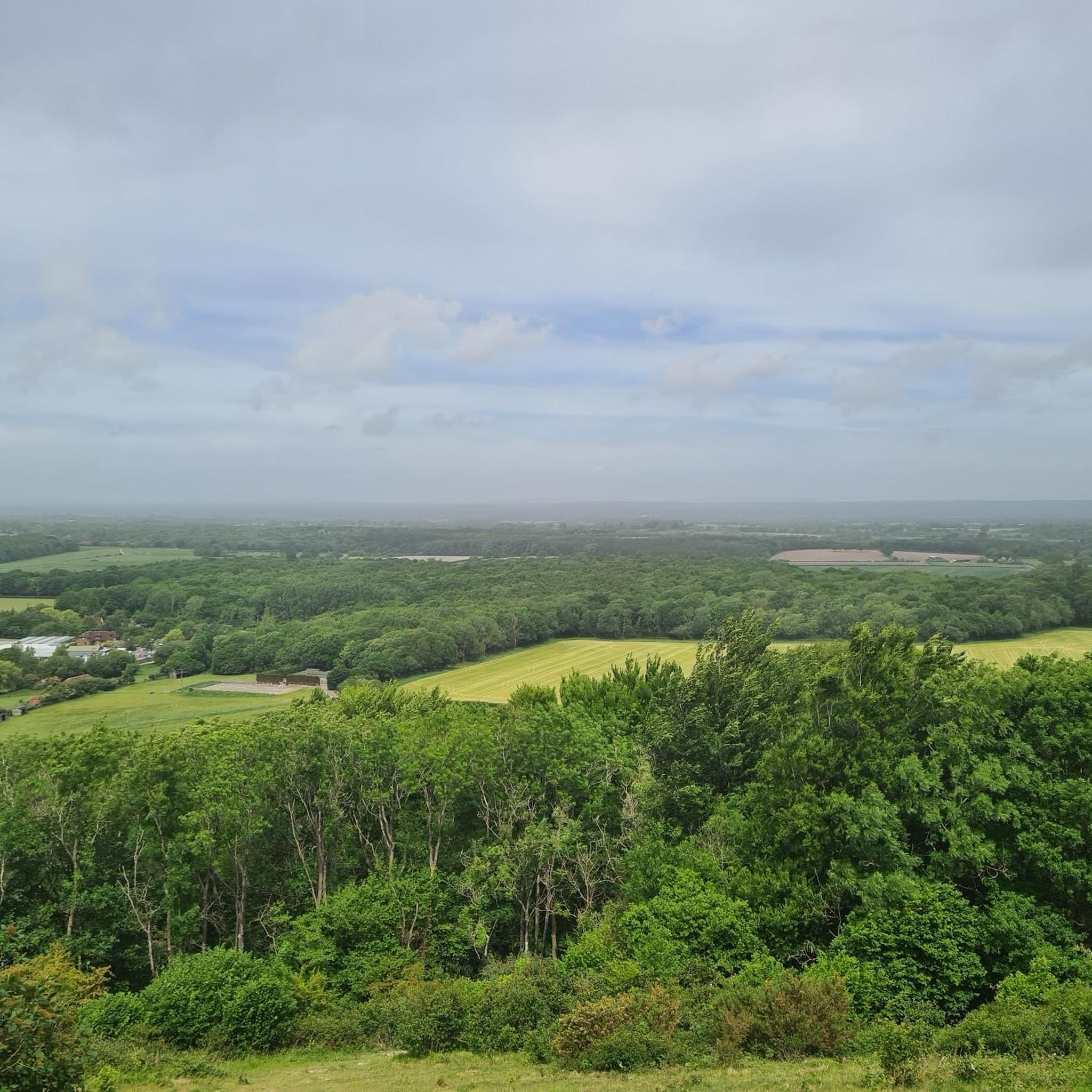
Devil’s Dyke is the largest chalk land dry combe in Britain and an area of great beauty. It is a V-shaped valley that has the South Downs Way traversing it immediately south of its location. It also has a multivallate Iron Age hill fort adjacent to it to the west, where on some high ground there is a trig pint that sits on the southern rampart of the fort. At just over 710 feet high (217 m), it is not very high, but the views out over Adder Bottom and the South Downs towards the coast are superb.
2
0
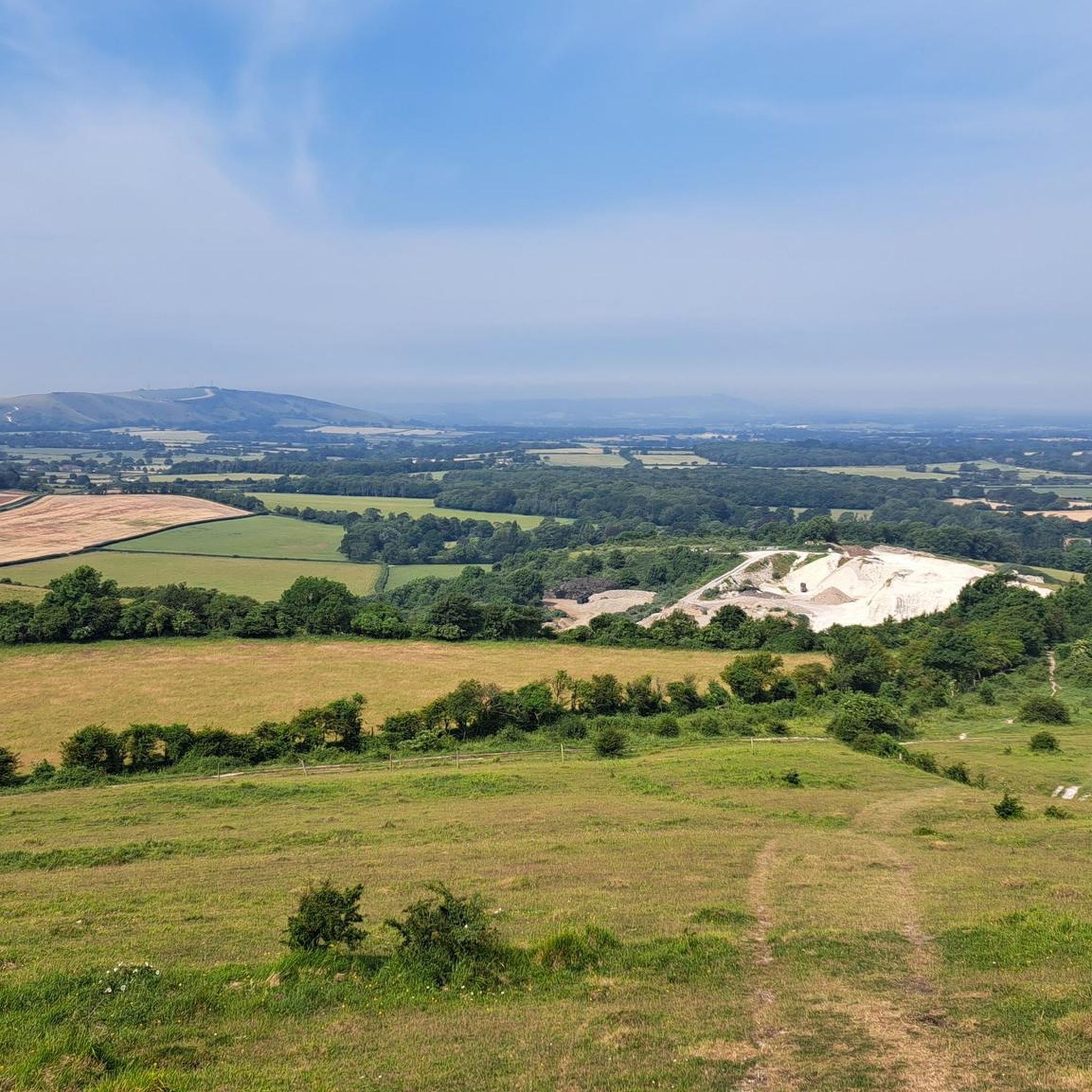
At over 650 feet (200 m), Ditchling Beacon gives you a good climb and a great vantage point to see out over the surrounding countryside. To the north you look back at the lush countryside of the Weald, to the south are views of Brighton, and to the east and west, the rolling undulating views out over the South Downs.
1
1

Nice trig point placed on one of the actual ramparts of an Iron Age hillfort.
0
0

Ice cream van also serving Tea today (Easter Monday). view from the top on a nice clear day
0
0


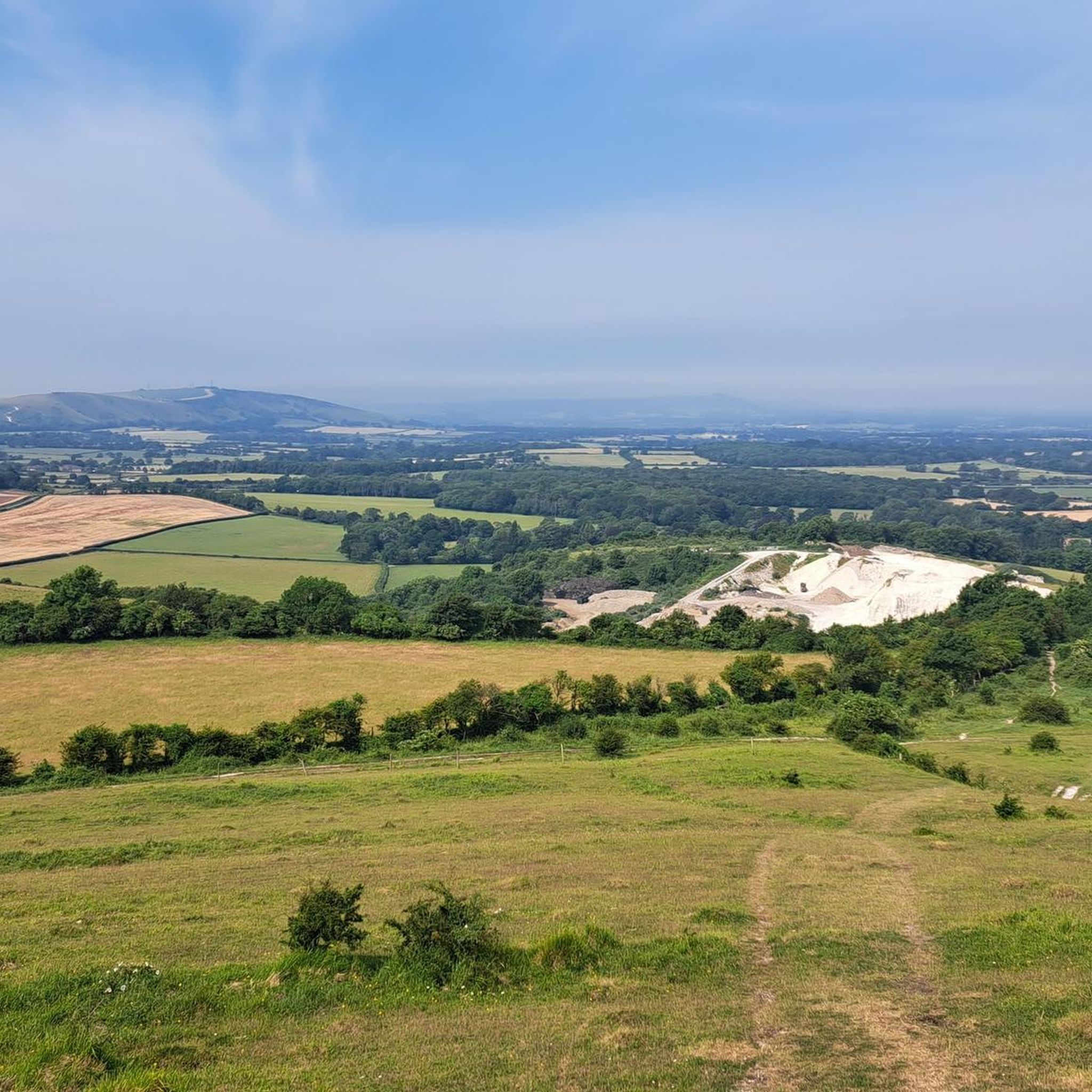
Devil's Dyke is a V-shaped valley situated in the South Downs National Park, not too far from Brighton. Here you will find the trig point of Devil's Dyke, standing tall at 217 m. From here, you will be afforded some magnificent views across the valley and rolling hills of the surrounding countryside.
2
0
Ditchling Beacon is the highest point in East Sussex, England, with an elevation of 248 m (814 ft). It is south of Ditchling and to the north-east of Brighton. It is a large chalk hill with a particularly steep northern face, covered with open grassland and sheep-grazing areas. It is the third-highest point on the South Downs, behind Butser Hill (270 m (890 ft) and Crown Tegleaze (253 m (830 ft).
2
0
Frequently Asked Questions
What are the most prominent elevated features or 'peaks' around Albourne?
While Albourne itself is in the low Weald, the surrounding South Downs offer several notable elevated features. Among the most prominent are Ditchling Beacon, the highest point along the Sussex Downs, and Wolstonbury Hill, which projects into the Weald offering panoramic views.
What kind of views can I expect from Ditchling Beacon?
Ditchling Beacon, standing at 248 meters (814 feet), provides expansive panoramic views. You can see the sea to the south, the Weald to the north, and the rolling extent of the Downs to the east and west. It's also a great vantage point to observe Brighton.
Are there any historical sites on or near these peaks?
Yes, both Ditchling Beacon and Devil's Dyke Trig Point have significant historical interest. Ditchling Beacon features an Iron Age hillfort, and Devil's Dyke also has a multivallate Iron Age hillfort adjacent to its location.
What makes Wolstonbury Hill a challenging but rewarding walk?
Wolstonbury Hill, rising to 206 meters (676 feet), offers a challenging walk, especially when approached from the north. However, the summit rewards visitors with exceptional panoramic views across the Weald, including sights of the Clayton Windmills and Ditchling Beacon to the east, and Newtimber Hill, West Hill, and Devil's Dyke to the west.
What outdoor activities can I do near the peaks around Albourne?
The area around Albourne offers a variety of outdoor activities. You can find numerous routes for cycling, hiking, and gravel biking. For hiking, consider routes like the 'Wolstonbury Hill – Danny House loop from Hurstpierpoint' or the 'Wolstonbury Hill – Jack and Jill Windmills loop from Poynings'. You can explore more options in the Hiking around Albourne guide. Cyclists might enjoy the 'Royal Pavilion, Brighton – Devil's Dyke Road loop from Albourne' found in the Cycling around Albourne guide.
Are there family-friendly trails or walks around Albourne's elevated features?
Yes, while some routes can be challenging, there are options suitable for families. For instance, the Keymer Post Viewpoint is categorized as family-friendly, offering great views along the South Downs Way. When planning, look for trails marked as 'easy' or 'family-friendly' in route descriptions.
What is the best time to visit the peaks around Albourne?
The South Downs, including Ditchling Beacon and Wolstonbury Hill, are beautiful year-round. Summer offers glorious sunsets and clear views, as noted for Keymer Post Viewpoint. Spring and autumn provide pleasant temperatures for hiking and vibrant natural scenery. Winter can offer crisp views, but be prepared for potentially muddy conditions and colder weather.
What are some other notable viewpoints besides Ditchling Beacon and Wolstonbury Hill?
Beyond the two main peaks, Devil's Dyke Trig Point is a significant viewpoint in a V-shaped valley, offering magnificent views across the valley and rolling hills. Truleigh Hill also provides excellent panoramic views over the Weald to the north, Shoreham and the Adur Estuary to the southwest, and Brighton to the English Channel.
Can I find pubs or cafes near the hiking trails around Albourne?
Yes, the region has various amenities. While specific locations vary by trail, many villages and towns in the South Downs area, including those near popular hiking spots, offer pubs and cafes. For example, some hiking routes, like the 'Dirt Path Along Grassy Field – Morley's Wine Bar loop from Hurstpierpoint and Sayers Common', incorporate local establishments.
Are the trails around Albourne's peaks suitable for dogs?
Many trails in the South Downs National Park are dog-friendly, allowing you to enjoy walks with your canine companion. However, it's always advisable to keep dogs on a lead, especially in areas with livestock or ground-nesting birds, and to check specific trail regulations before you go.
What kind of terrain can I expect when hiking around Albourne?
The terrain around Albourne, particularly in the South Downs, is characterized by chalk hills and valleys. You can expect rolling hills, open grassland, and some steep ascents, such as the northern face of Ditchling Beacon. Trails can range from well-maintained paths to more rugged, natural surfaces, which may become muddy in wet weather.
Most popular routes around Albourne
Most popular attractions around Albourne

Get inspired with the komoot mobile app


Explore more
See even more amazing summits around Albourne with these guides:
