Attractions and Places To See around Chaffcombe - Top 20
Best attractions and places to see around Chaffcombe include a mix of historical sites and natural landscapes. This tranquil village in Somerset, England, is characterized by its rural charm and verdant farmlands. The area offers points of interest ranging from ancient hill forts to historical buildings. Visitors can explore sites that showcase both the region's natural beauty and its rich heritage.
Best attractions and places to see around Chaffcombe
- The most popular attractions is Pilsdon Pen Summit and Trig Point…
Last updated: June 23, 2026
Pilsdon Pen Summit and Trig Point
Highlight • Natural Monument
Tip by

Castle Neroche Iron Age Hill Fort
Highlight • Castle
Tip by

Sign up now to discover places like this
Get recommendations on the best single tracks, peaks, & plenty of other exciting outdoor places.
Sign up for free
Donyatt Halt
Highlight • Structure
Tip by

St John the Baptist Church, Broadwindsor
Highlight • Historical Site
Tip by
Forde Abbey and Gardens
Highlight • Monument
Tip by

Sign up for free to discover even more attractions around Chaffcombe.
Sign up for free
Already have an account?
Start today with a free account
Your next adventure awaits.
Login or Signup
Tips from the Community

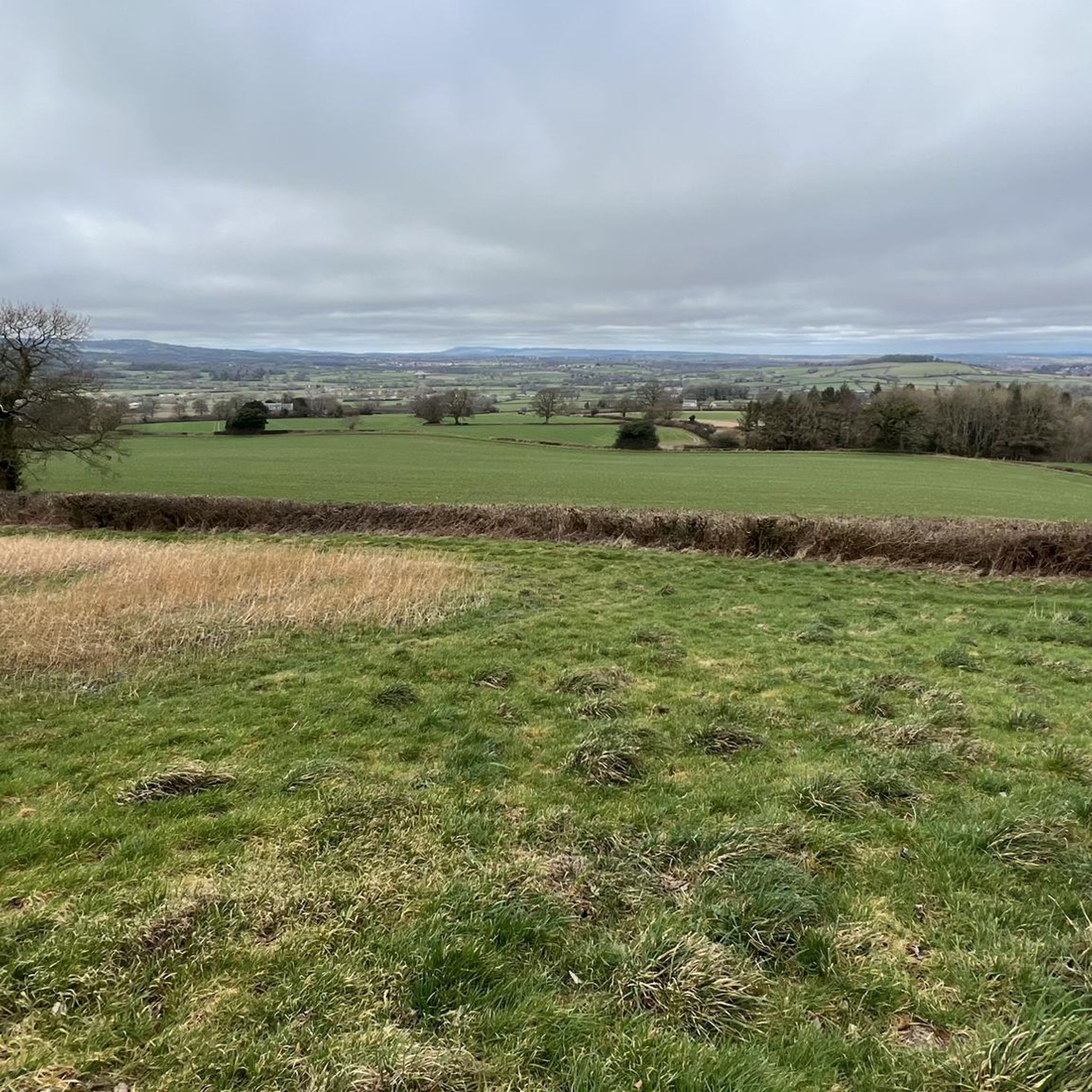
From the trig point at Pilsdon Pen summit, you get spectacular, wide-open views across Dorset. Looking south, the eye sweeps over the lush farmlands and rolling hills of the Marshwood Vale, extending all the way down to Bridport and the dramatic cliffs of the Jurassic Coast.
0
0
Gemini said If you find yourself in the rolling hills of West Dorset, the Church of St John the Baptist in Broadwindsor is a classic, "slow-paced" country church that packs a surprising amount of history into its quiet stone walls. It’s perched on a high spot right in the heart of the village, looking out over the square like it’s been keeping watch forever (which, to be fair, it mostly has). Here’s why it’s worth a wander: A Royal Fugitive’s Hiding Spot The village’s biggest claim to fame involves a high-stakes game of hide-and-seek. After losing the Battle of Worcester in 1651, King Charles II fled for his life and spent a night right here in Broadwindsor. While the King was hiding in a nearby inn (now private cottages), Parliamentarian soldiers actually arrived in the village to search it. Legend says he only escaped because a local woman went into labor in the same building, causing such a chaotic distraction that the soldiers moved on without finding him. He eventually escaped to France, but the church stands as a silent witness to that tense night. The "Witty" Rector In the 1630s, the church was led by Thomas Fuller, a man described as one of the first English writers to actually make a living from his pen. He was famous for his "pregnant wit" and once said, "Charity begins at home, but should not end there." * Even today, the village is very proud of him—you’ll often find his quotes inscribed in the local community pub, The White Lion, just down the road. What to Look For Inside The "Wonky" Architecture: The church has a mix of styles because it’s been rebuilt and patched up over nearly 900 years. You’ll see heavy, rounded Norman arches on one side of the nave and more pointed "Early English" ones on the other. It gives the interior a slightly mismatched, organic feel. The Ancient Font: There is a square font made of Purbeck Marble that dates back to the early 1200s. It’s been used to baptize village children for eight centuries. The Bells: The tower holds a ring of six bells. Some of them are "pre-Reformation," meaning they’ve been swinging in that tower since before Henry VIII broke away from Rome. The "Compromise" Clock: If you’re there during the day, you’ll hear the clock chime. There was a recent local debate about whether it should chime at night; in a very "British village" move, they compromised—it now stays quiet from 9:00 PM to 6:00 AM so the neighbors can sleep!
0
0

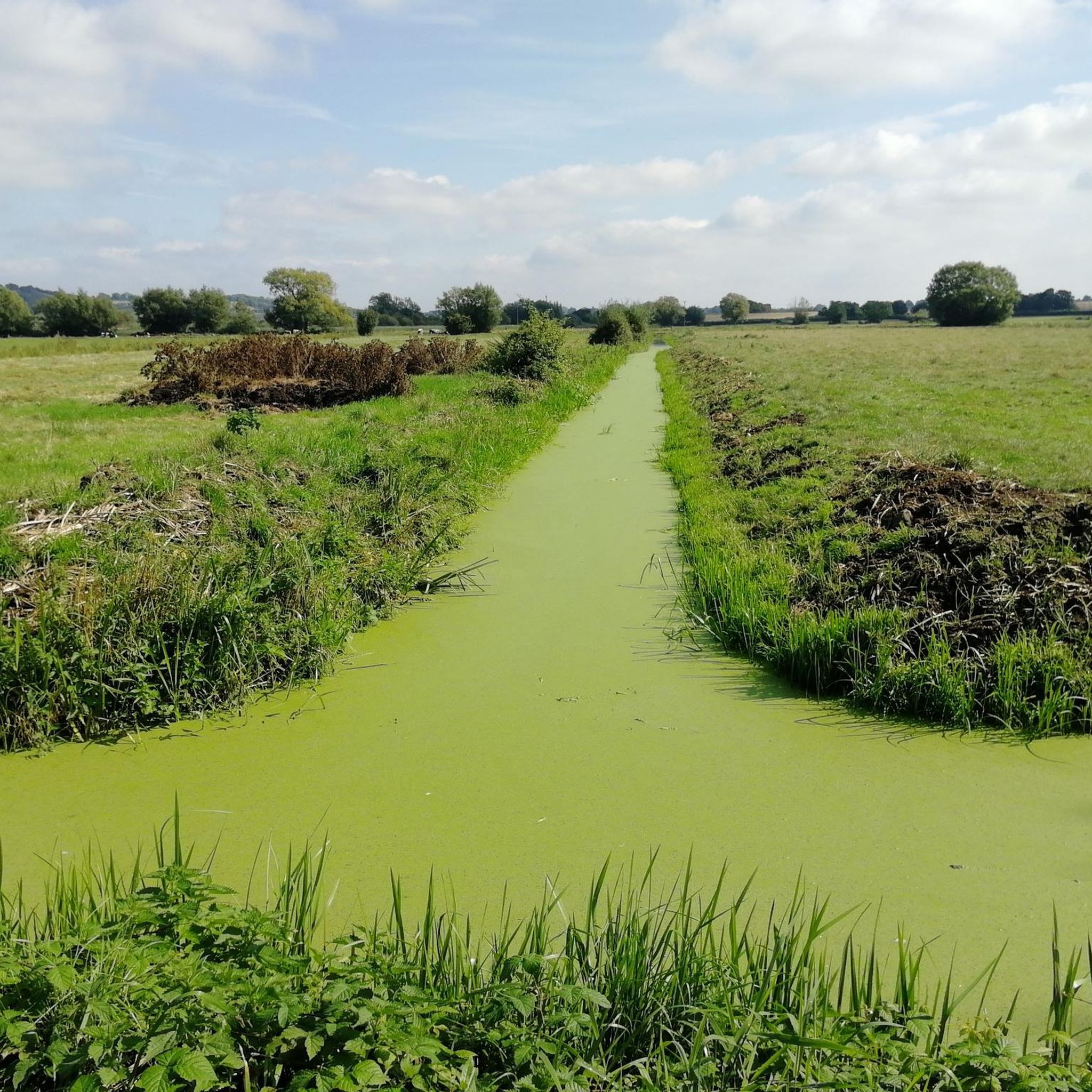
Donyatt Halt Records for Donyatt Halt state: "This halt, opened on May 5th, 1928, has a single platform edged with wooden sleepers, and a small wooden shelter. A pathway leads up from the platform to the road, which crosses the line by an overbridge at the Ilminster end of the platform. An ornate oil lamp stands at the top of the path and there are various posts with brackets for hanging oil lamps in winter." It would be the guard's duty to light and extinguish these lamps. Five trains a day operated in each direction taking about 45 minutes for the 15 - mile journey from Taunton to Chard, having made stops at Thornfalcon, Hatch, Ilton, Ilminster and Donyatt. Donyatt.com
0
0
Norman castle The earthworks at the site are larger than would normally be found in a castle from the Norman period, raising speculation that it reused previously developed features. The castle was probably built by Robert, Count of Mortain in the 11th century. Archaeological evidence suggests it was built in several stages. During the first a rampart enclosing 7.5 acres (3.0 ha) was built. Soon after the Norman Conquest a smaller inner ringwork was constructed. The site was later converted into a motte and bailey, with a corner of the 20 feet (6.1 m) high motte serving as a barbican. By the early 12th century the castle was no longer in regular use. However, its use was resumed during The Anarchy, a period of civil war and unsettled government during a succession dispute between the supporters of King Stephen (1135–1154) and those of his cousin, the Empress Matilda. Continued use in the later 12th century may have been by administrators of the surrounding royal forest as a base for operations against poachers.
2
1
Castle Neroche is a Norman motte-and-bailey castle on the site of an earlier hill fort in the parish of Curland, near Staple Fitzpaine, Somerset, England. It is a Scheduled Ancient Monument. The origin of the term Neroche is believed to be a contraction of the Old English words nierra and rechich or rachich for Rache, a type of hunting-dog used in Britain in the Middle Ages, giving a meaning of the camp where hunting dogs were kept. This also gives the site its alternative name of Castle Rache. Iron Age The reason for the construction of Iron Age hill forts has been a subject of debate. It has been argued that they could have been military sites constructed in response to invasion from continental Europe, sites built by invaders, or a military reaction to social tensions caused by an increasing population and consequent pressure on agriculture. The dominant view since the 1960s has been that the increasing use of iron led to social changes in Britain. Deposits of iron ore were separated from the sources of tin and copper necessary to make bronze, and as a result trading patterns shifted and the old elites lost their economic and social status. Archaeologist Barry Cunliffe believes that population increase played a role and has stated "[the forts] provided defensive possibilities for the community at those times when the stress [of an increasing population] burst out into open warfare. But I wouldn't see them as having been built because there was a state of war. They would be functional as defensive strongholds when there were tensions and undoubtedly some of them were attacked and destroyed, but this was not the only, or even the most significant, factor in their construction.
2
0

The summit of this hill represents the second highest point in Dorset, and from here, you'll have breathtaking panoramic views. At the top, there was an Iron Age hillfort, which was excavated in the mid-20th century.
0
0
At the heart of the village, you'll find this lovely church, with its churchyard, of which the oldest parts are known to date back to the 12th century, in a Norman Romanesque style. During the Victorian era, it underwent significant restoration, so you can see signs of this period in its exterior appearance.
0
0

Castle Neroche was a motte-and-bailey castle on the site of an earlier hill fort. Evidence suggests that it was an Iron Age hill fort before the Norman castle was built as the earth works are larger than most Norman castles. Now it's a really fascinating place; the old earth works are covered in trees with amazing views between the trunks. Managed by Forestry England.
3
0
Frequently Asked Questions
What historical sites can I visit around Chaffcombe?
The area around Chaffcombe is rich in history. You can explore the ancient earthworks of Castle Neroche Iron Age Hill Fort, which was later a Norman motte-and-bailey castle. Another significant site is Pilsdon Pen Summit and Trig Point, an Iron Age fort where flint tools dating back 10,000 years have been found. Don't miss the historic St John the Baptist Church, Broadwindsor, a 12th-century church with a fascinating past, including a connection to King Charles II.
Are there any natural attractions or viewpoints near Chaffcombe?
Yes, Chaffcombe offers beautiful natural spots and panoramic views. Pilsdon Pen Summit and Trig Point provides fine views over the Dorset countryside, including Golden Cap, Marshwood Vale, and the ocean on clear days. You can also enjoy sweeping views over Chard from Windwhistle Ridge, where Chaffcombe is perched. The area also features trickling streams and pure springs, adding to its natural charm.
What outdoor activities can I do near Chaffcombe?
The region around Chaffcombe is excellent for outdoor activities. You can find numerous hidden gems for hiking and cycling. For hiking, explore trails like the 'Chard to Wambrook loop' or the 'Sunset View Over the River – Chard Reservoir Nature Reserve loop'. Cyclists can enjoy routes such as the 'Donyatt Halt – Castle Neroche Woods loop' or the 'Donyatt Halt – Chard Reservoir Nature Reserve loop'. Many of these routes utilize sections of the Stop Line Way. You can find more details on these activities in the Hiking around Chaffcombe and MTB Trails around Chaffcombe guides.
Are there family-friendly attractions around Chaffcombe?
Absolutely! Families can enjoy exploring Castle Neroche Iron Age Hill Fort, which offers a fascinating historical experience amidst a forested landscape. Donyatt Halt, a disused train station now part of a cycle path, makes for a suitable pit stop during a family bike ride. The St John the Baptist Church, Broadwindsor is also considered family-friendly, offering a glimpse into local history.
Where can I find walking and cycling routes in the area?
Chaffcombe is a popular spot for walking and cycling. The old Chard to Ilminster railway line, now a cycle path, passes through Donyatt Halt and is great for both activities. You can discover various hiking trails, including easy and moderate options, and mountain biking routes that explore the local countryside. For detailed routes, refer to the Hiking around Chaffcombe and MTB Trails around Chaffcombe guides.
What is Chard Reservoir Nature Reserve?
Chard Reservoir Nature Reserve, built in 1842 to supply water for a local canal, is now a thriving nature reserve and fishing lake. It's a great spot for wildlife spotting and offers tranquil surroundings for a leisurely walk or run. Several routes, such as the 'Sunset View Over the River – Chard Reservoir Nature Reserve loop', incorporate this beautiful area.
Are there any grand estates or gardens to visit nearby?
Yes, a short drive from Chaffcombe will take you to Forde Abbey and Gardens. This Grade I-listed building was originally a priory from the 1100s and features spectacular gardens with lawns, water features, an arboretum, and the highest-powered fountain in the country. Another notable estate is Dillington House, a historic 16th-century manor set amidst parkland and gardens.
What is the significance of Pilsdon Pen?
Pilsdon Pen Summit and Trig Point is a natural monument and the second highest point in Dorset. It's significant for its Iron Age hill fort, where archaeologists have found flint tools dating back 10,000 years. Beyond its historical importance, it offers breathtaking panoramic views over the Dorset countryside, including distant views of Exmoor and the Quantocks. It is cared for by the National Trust.
What is the Clock Turret (Monmouth Tower) in Chaffcombe?
The Clock Turret, also known as Monmouth Tower or The Castle, is a 19th-century folly located near Avishays. It stands on the site of a former sham castle and served as a water tower. It features a hand-wound clock originally from Highclere Castle. The name 'Monmouth Tower' comes from a local legend involving Elias Sealy, an owner of Avishays, who reportedly hid in a tree during the Monmouth Rebellion.
What is the best time to visit Chaffcombe's attractions?
Chaffcombe's attractions, particularly its natural features and outdoor routes, are enjoyable throughout much of the year. Spring and summer offer pleasant weather for walking and exploring the gardens of places like Forde Abbey. Autumn brings beautiful foliage to forested areas like Castle Neroche. While some outdoor activities might be more challenging in winter, historical sites and indoor attractions remain accessible. Clear days are best for enjoying the panoramic views from Pilsdon Pen.
Are there any unique or 'hidden gem' attractions in the area?
Beyond the well-known sites, Chaffcombe offers some unique points of interest. The Donyatt Halt, a disused train station now part of a cycle path, offers a nostalgic pit stop. The Clock Turret (Monmouth Tower) is a charming 19th-century folly with a local legend. Exploring the quiet village itself, with its thatched cottages and the historic Church of St Michael and All Angels, reveals the area's rural charm.
What kind of routes are available for running near Chaffcombe?
For runners, there are several trails around Chaffcombe, ranging from moderate to difficult. Popular running routes include the 'Chard Reservoir Nature Reserve – Donyatt Halt loop' and the 'Chard Reservoir Nature Reserve – Chard Reservoir loop'. These routes often combine natural beauty with historical points of interest. You can find more options in the Running Trails around Chaffcombe guide.
Most popular attractions around Chaffcombe

Get inspired with the komoot mobile app


Explore more
Still not found the Highlight you’re looking for? See guides of the top attractions in other regions:
