Attractions and Places To See around Watchet - Top 20
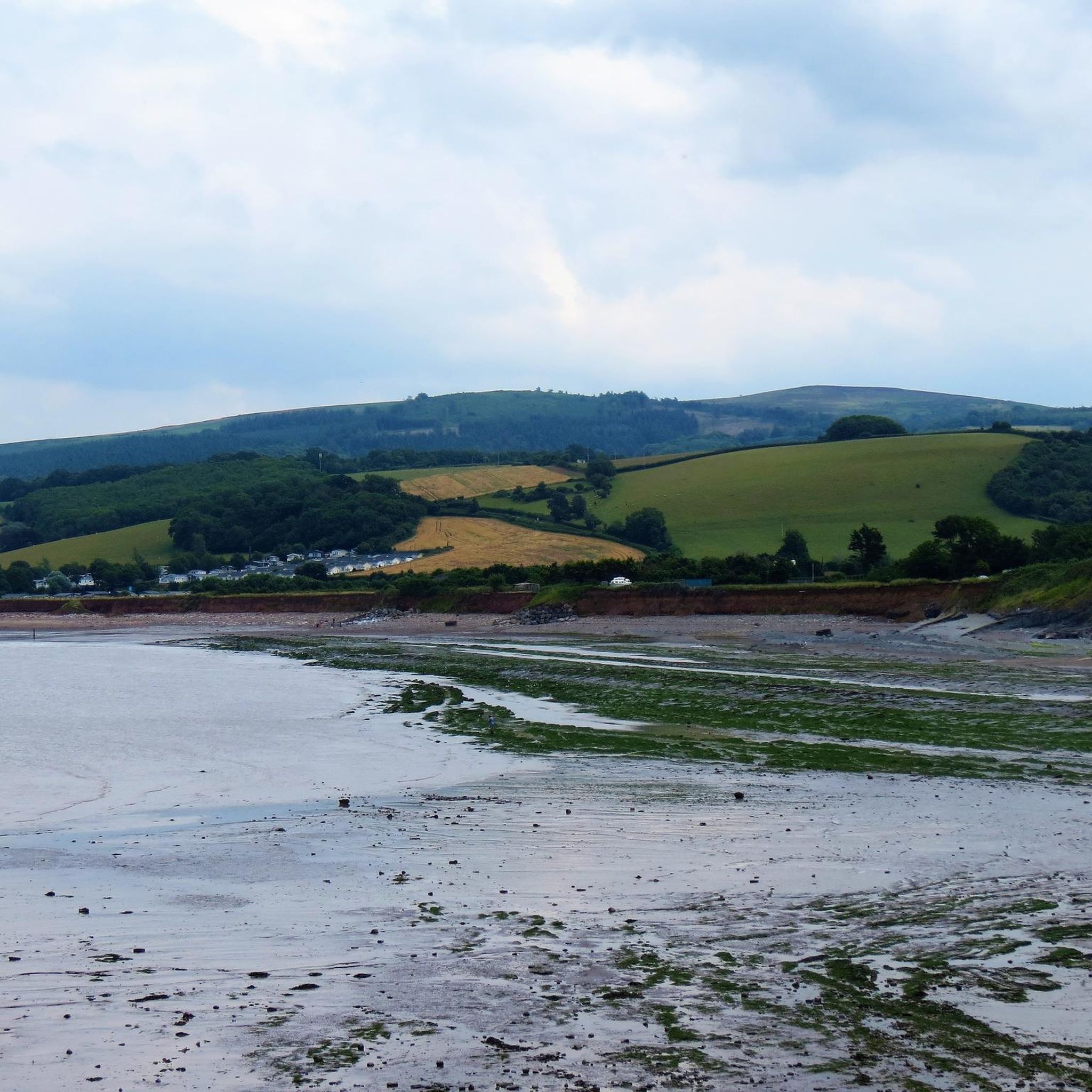
Best attractions and places to see around Watchet include a blend of historical sites, natural landscapes, and cultural venues along the Somerset coast. The town features a historic harbor and is situated near Exmoor National Park and the Quantock Hills Area of Outstanding Natural Beauty. Visitors can explore diverse environments, from ancient woodlands to coastal paths and beaches known for fossil hunting. This area offers opportunities for exploring both maritime heritage and scenic trails.
Best attractions and places to see around Watchet
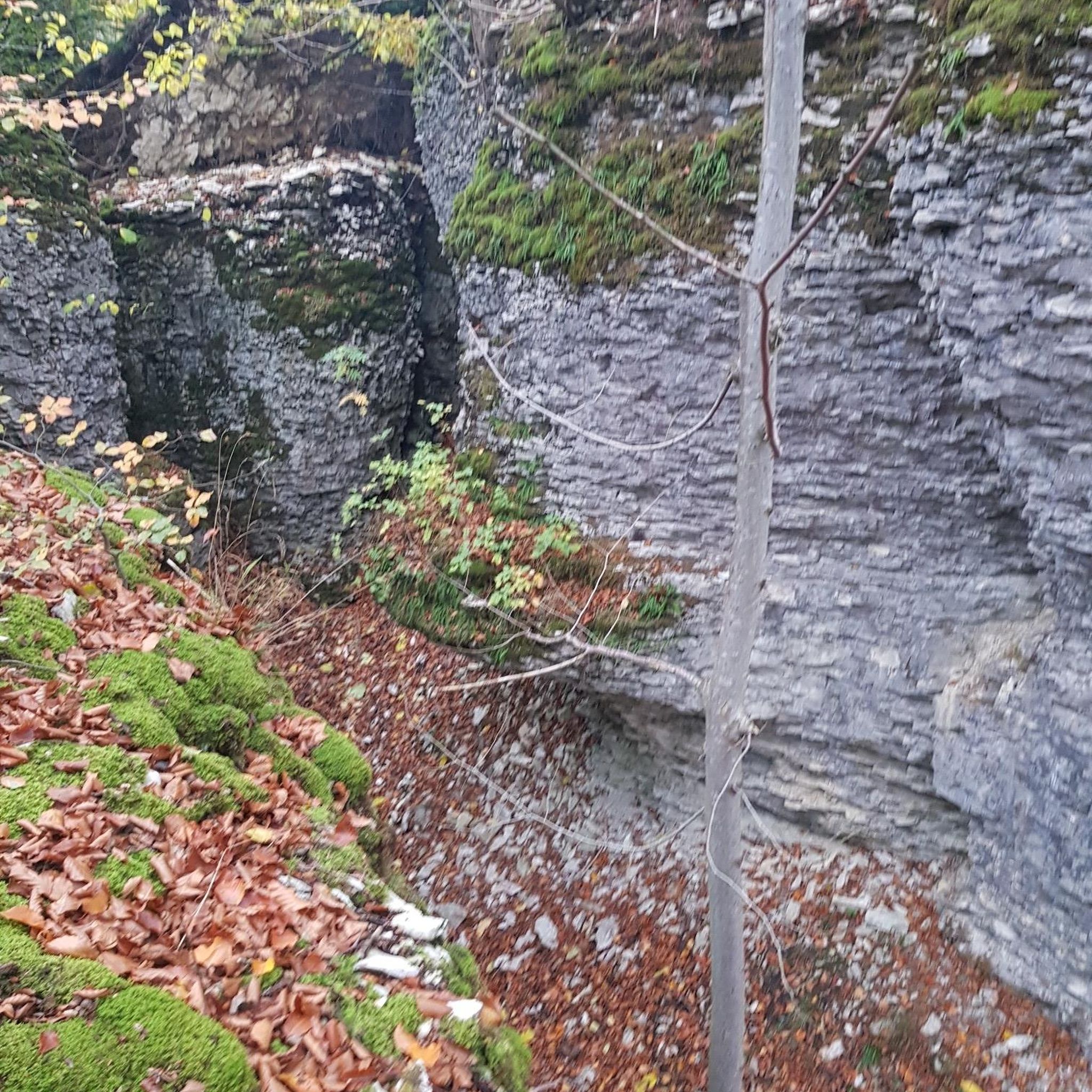
- The most popular attractions is Holford Combe, a gorge that features a wooded valley with stream crossings. This combe offers a memorable experience for those who enjoy singletrack trails and ancient woodland.
- Another must-see spot is Beacon Hill Trig Point, a viewpoint offering extensive coastal views. Located at 310m, it is the highest northerly point on the Quantock Hills, providing vistas across the Bristol Channel to Wales.
- Visitors also love Dunster Village, a settlement with over 200 listed buildings. This picturesque village, on the edge of Exmoor National Park, is home to an 11th-century castle and the Old Yarn Market.
- Watchet is known for its historical sites, natural features, and cultural attractions. The area provides a variety of places to see and explore, from maritime museums to scenic viewpoints and walking routes.
- The attractions around Watchet are appreciated by the komoot community, with more than 70 upvotes and 40 photos.
Last updated: October 9, 2026
Dunster Village
Highlight • Settlement
Between us Komootlers: don't come by car, there are only a few (expensive) parking spaces. Better walk here from Minehead, the path through the forest is beautiful!
Translated by Google •
Tip by

Priory Church of St George, Dunster
Highlight • Religious Site
The legend of Saint George as a dragon slayer is well known and widespread, however, and he is usually depicted - in paintings or as a statue - as the conqueror of the monster, often as a knight on horseback.
The memorial day of the very popular George in the calendar of saints is celebrated on April 23rd in both the Roman Catholic and Anglican churches. Among other things, he is the patron saint of the English kingdom, and some of the orders and decorations awarded there also bear his name.
Translated by Google •
Tip by

Sign up now to discover places like this
Get recommendations on the best single tracks, peaks, & plenty of other exciting outdoor places.
Beacon Hill Trig Point
Highlight • Viewpoint
Tip by

Holford Combe
Highlight (Segment) • Gorge
Actually, I'm not sure that such a place exists - and it's a complete blast heading down, as those many, many stream crossings will attest - but it's of a sufficient gradient that you gain quite a lot of height quite quickly, and those self-same stream crossings that are such fun going downhill serve to distract your attention from how hard you're working.
And it's all in gorgeous surroundings, too!
Tip by

Gallox Bridge
Highlight • Historical Site
Tip by

Sign up for free to discover even more attractions around Watchet.
Already have an account?
Start today with a free account
Your next adventure awaits.

Other adventures around Watchet

Tips from the Community

Almost nothing reliable is known about the life of Saint George, to whom this church was dedicated, but veneration of him stretches back to early Christianity. A martyr identified with George is said to have lived in the third century. The legend of Saint George as the dragon slayer, however, is quite well known and widespread; he is often depicted—in paintings or statues—as the conqueror of the monster, often as a knight on horseback. The feast day of the very popular Saint George in the calendar of saints is celebrated on April 23rd in both the Roman Catholic and Anglican churches. Among other things, he is the patron saint of the English kingdom, and some of the orders and decorations awarded there bear his name.
0
0
Almost nothing reliable is known about the life of Saint GEORGE, to whom the church of Dunster was dedicated, but the veneration of him goes back a long way to early Christianity. A martyr who is equated with George is said to have lived in the third century. The legend of Saint George as a dragon slayer is well known and widespread, however, and he is usually depicted - in paintings or as a statue - as the conqueror of the monster, often as a knight on horseback. The memorial day of the very popular George in the calendar of saints is celebrated on April 23rd in both the Roman Catholic and Anglican churches. Among other things, he is the patron saint of the English kingdom, and some of the orders and decorations awarded there also bear his name.
4
0

Dunkery Beacon at the summit of Dunkery Hill is the highest point on Exmoor and in Somerset, England. It is also the highest point in southern England outside of Dartmoor. The sandstone hill rises to 519 metres and provides views over the surrounding moorland, the Bristol Channel, and hills up to 86 miles away.
1
1
The Priory Church of St George in Dunster, Somerset, England, is predominantly 15th-century with evidence of 12th- and 13th-century work. It has been designated as a Grade I listed building.
2
0
This late medieval stone bridge - originally 'gallows bridge' - across the River Avill once carried packhorses bringing fleeces from Exmoor to the Somerset market town of Dunster. The town had become a centre of the wool trade by the 13th century, when it was the main source of England's wealth.
1
0
Dunster is a village and civil parish in Somerset, England, within the northeastern boundary of Exmoor National Park. It lies on the Bristol Channel 2.5 miles southeast of Minehead and 20 miles northwest of Taunton. At the 2011 Census, it had a population of 817. There are Iron Age hillforts in the area.
2
2

Dunster is almost indecently pretty and exactly how you would imagine an English village to be... If only the traffic didn't meander through. Between us Komootlers: don't come by car, there are only a few (expensive) parking spaces. Better walk here from Minehead, the path through the forest is beautiful!
7
1
Frequently Asked Questions
What historical sites can I explore in and around Watchet?
Watchet and its surroundings are rich in history. You can visit the earthwork remains of Daws Castle, a Saxon fortress, or the oldest building in town, St. Decuman's Church. The nearby Dunster Village is home to an 11th-century castle and over 200 listed buildings, including the Priory Church of St George. Don't miss Gallox Bridge, a medieval packhorse bridge near Dunster.
Are there any museums or cultural attractions in Watchet?
Yes, Watchet offers several cultural sites. The Watchet Market House Museum covers the town's history and maritime heritage, while the Watchet Boat Museum showcases local 'Flatner' boats. For something different, the Radio Museum displays a private collection of broadcasting equipment. Additionally, East Quay is a modern art gallery and arts center with rotating exhibitions.
Where can I find scenic views around Watchet?
For breathtaking vistas, head to Beacon Hill Trig Point, the highest northerly point on the Quantock Hills, offering extensive coastal views across the Bristol Channel to Wales. The wider region also includes Dunkery Beacon, the highest point on Exmoor, providing panoramic views over the moorland.
What outdoor activities can I do near Watchet?
The area around Watchet is perfect for outdoor enthusiasts. You can explore the wooded valley and stream crossings of Holford Combe. The Coleridge Way, a 36-mile trail, passes through Watchet, offering walks through the scenic Quantock Hills, Brendon Hills, and Exmoor. For cycling, there are various routes, including the 'Northern Quantocks & Exmoor Coast loop' or 'Minehead Seafront – Dunster Village loop'. You can find more details on these routes in the Cycling around Watchet guide.
Are there family-friendly attractions around Watchet?
Many attractions cater to families. The West Somerset Railway offers a nostalgic steam train experience. Exploring Dunster Village with its castle and historic buildings is also a great family outing. The beaches near Watchet, such as West Street Beach and Hellwell Bay, are excellent for fossil hunting, which can be an engaging activity for all ages.
Can I go fossil hunting on the beaches near Watchet?
Yes, Watchet's beaches are renowned for fossil hunting. West Street Beach, Long Sands, and especially Hellwell Bay are excellent spots to search for ammonites, bi-valves, and 'Devil's Toe Nails' from the Jurassic period. The exceptionally high tidal range constantly refreshes the beaches, revealing new finds.
What natural landscapes can I explore near Watchet?
Watchet is ideally situated for exploring diverse natural landscapes. It's close to Exmoor National Park and the Quantock Hills Area of Outstanding Natural Beauty. These areas offer everything from ancient oak woodlands and sweeping moorland to rugged coastlines. You can also discover the unique environment of Holford Combe, a wooded valley with stream crossings.
What is the best time to visit Watchet for outdoor activities?
The spring and summer months (April to September) generally offer the most pleasant weather for exploring Watchet's outdoor attractions, walking trails, and beaches. However, the unique charm of the area, including its historical sites and museums, can be enjoyed year-round. Fossil hunting is often best after strong tides or storms, regardless of the season.
Are there cycling routes available near Watchet?
Absolutely. Watchet is a great starting point for various cycling adventures. You can find routes for touring bicycles, road cycling, and mountain biking. Examples include the 'Northern Quantocks & Exmoor Coast loop' for touring, or the 'Porlock Toll Road – Exford Bridge Tea Rooms loop' for road cycling. For mountain biking, consider routes like 'Dunster Village – Selworthy Beacon loop'. More detailed information and routes can be found in the Cycling around Watchet, Road Cycling Routes around Watchet, and MTB Trails around Watchet guides.
What are some unique landmarks or statues in Watchet?
Watchet has several distinctive landmarks. The Ancient Mariner Statue on the harborside commemorates Samuel Taylor Coleridge's famous poem, inspired by the area. You'll also find the Yankee Jack Statue, honoring mariner John Short, and the historic Watchet Lighthouse. The Esplanade features bronze statues by Alan Herriot, reflecting the town's maritime traditions, and the Fitzroy Barometer is another interesting historical feature.
Is Watchet a dog-friendly destination?
Yes, Watchet and its surrounding areas are generally dog-friendly. Many walking trails in the Quantock Hills and Exmoor National Park welcome dogs, often requiring them to be on a lead in certain areas. For example, Gallox Bridge and its surrounding paths are noted as dog-friendly. Always check local signage for specific restrictions on beaches or in nature reserves.
Most popular routes around Watchet
Most popular attractions around Watchet

Get inspired with the komoot mobile app


Explore more
Still not found the Highlight you’re looking for? See guides of the top attractions in other regions:
