The best cycling routes around Timberscombe
4.5
(29)
1,008
riders
126
rides
Touring cycling around Timberscombe, situated within Exmoor National Park, offers diverse landscapes characterized by wooded and farmed hills, red soils, and the River Avill. The region features rolling moorlands and varied terrain, including prominent hills like Dunkery Beacon (520 m) and Selworthy Beacon, which provide panoramic views. This topography creates a range of routes suitable for different cycling preferences.
Best touring cycling routes around Timberscombe
- The most popular touring cycling route is Dunster Village – Dunster Watermill loop from Minehead…
Last updated: June 26, 2026
4.1
(10)
44
riders
32.7km
02:10
420m
420m
Moderate bike ride. Good fitness required. Mostly paved surfaces. Suitable for all skill levels.
5.0
(1)
21
riders
51.9km
03:37
930m
930m
Hard bike ride. Very good fitness required. Mostly paved surfaces. Suitable for all skill levels.

Sign up for free
5.0
(1)
25
riders
17.4km
01:28
350m
350m
Moderate bike ride. Good fitness required. Mostly paved surfaces. Suitable for all skill levels.
11
riders
65.4km
04:37
1,210m
1,210m
Hard bike ride. Very good fitness required. Mostly paved surfaces. Suitable for all skill levels.
5.0
(1)
15
riders
36.3km
02:19
390m
390m
Moderate bike ride. Good fitness required. Mostly paved surfaces. Suitable for all skill levels.
Get access to more routes and recommendations from other explorers.
Sign up for free
Already have an account?
Our route recommendations are based on thousands of hikes, rides, and runs completed by other people on komoot.
Start today with a free account
Your next adventure awaits.
Login or Signup
Tips from the Community


Unfortunately the tearoom is now closed.
0
0

Almost nothing reliable is known about the life of Saint George, to whom this church was dedicated, but veneration of him stretches back to early Christianity. A martyr identified with George is said to have lived in the third century. The legend of Saint George as the dragon slayer, however, is quite well known and widespread; he is often depicted—in paintings or statues—as the conqueror of the monster, often as a knight on horseback. The feast day of the very popular Saint George in the calendar of saints is celebrated on April 23rd in both the Roman Catholic and Anglican churches. Among other things, he is the patron saint of the English kingdom, and some of the orders and decorations awarded there bear his name.
0
0

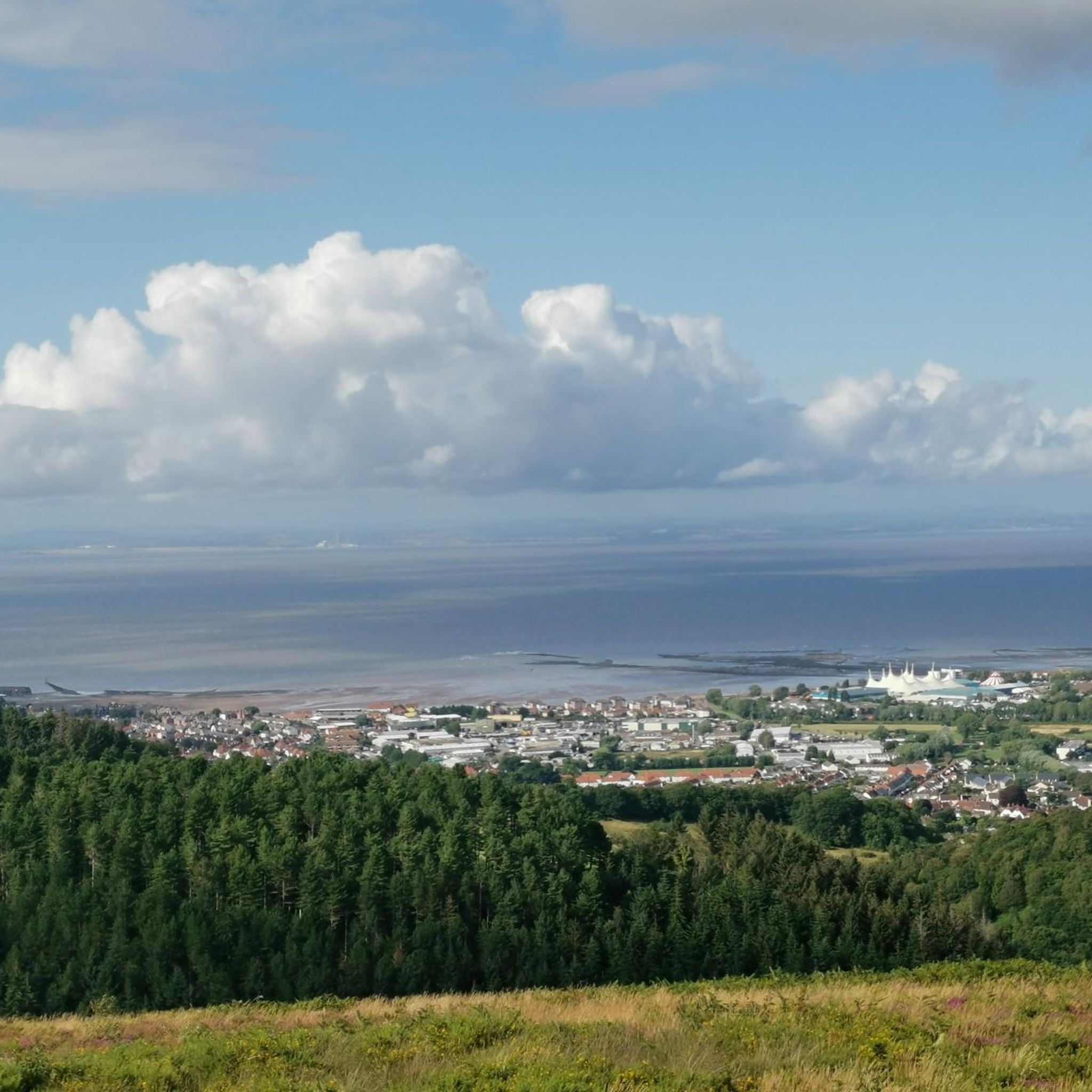
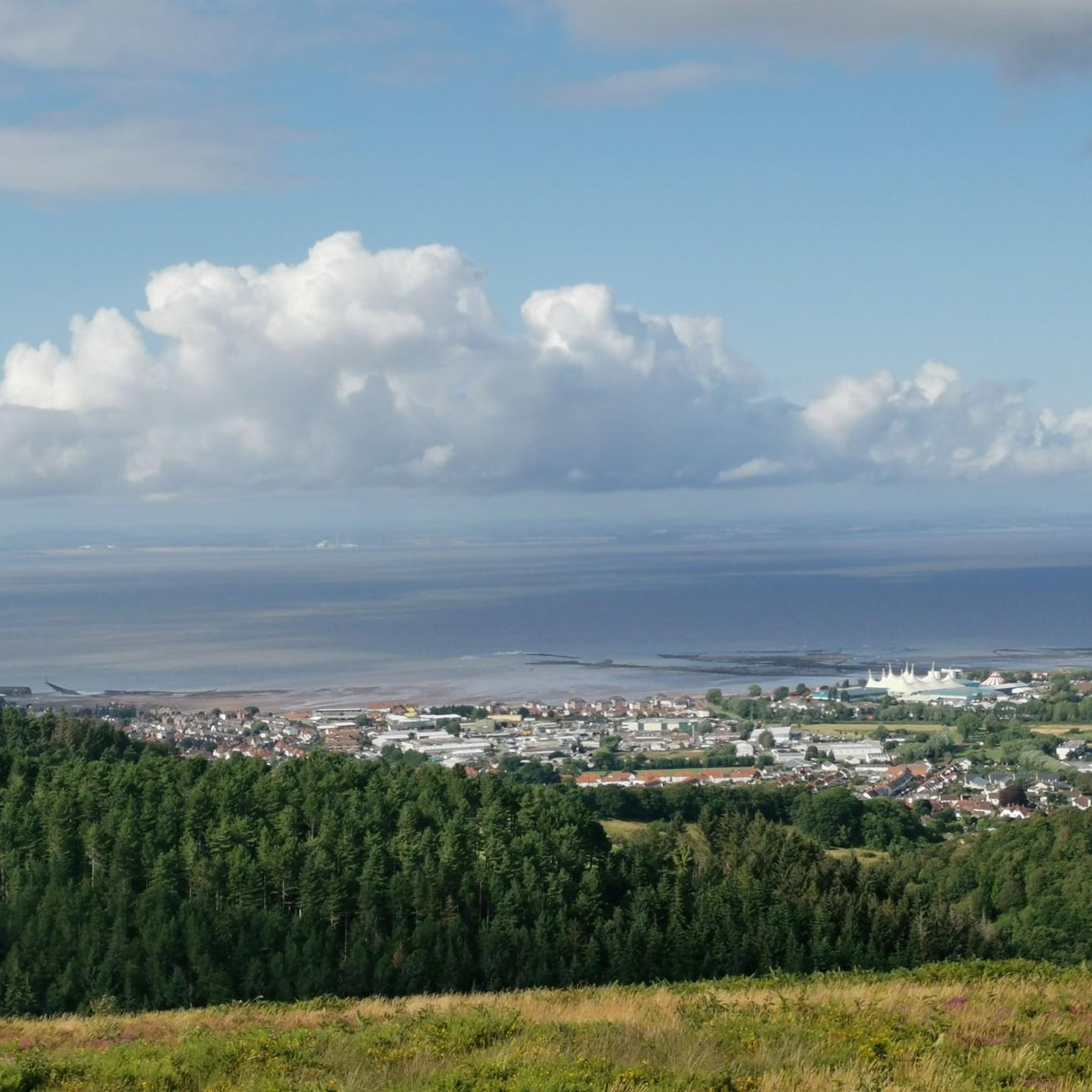
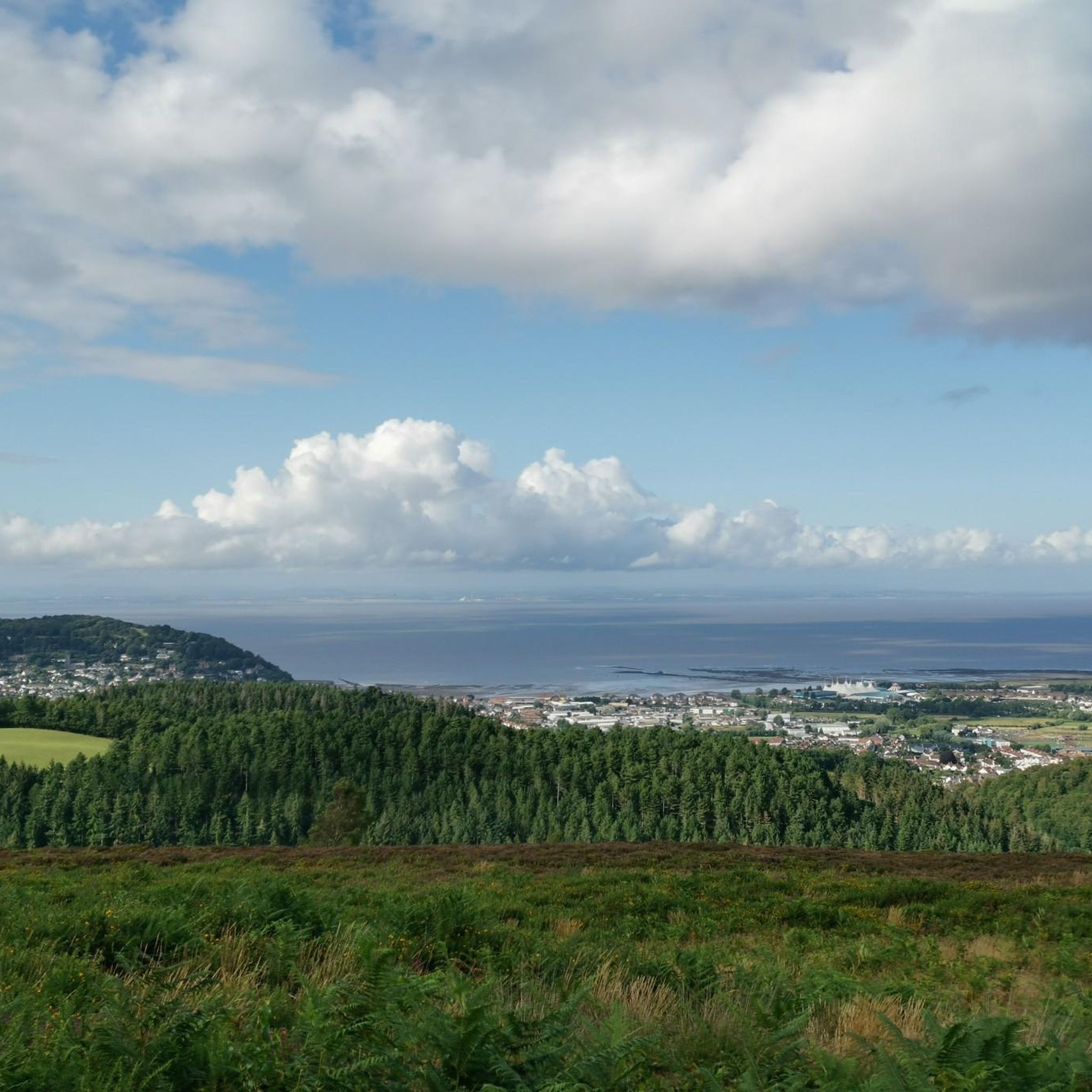
Wonderful views over the coast and to Wales. I came up some hike a bike crazy bridleway but I'm sure there is easier ways to ascend before you get ready for the crazy single track descent.
0
0
It is not so common for a Christian place of worship – which encompasses the whole of heaven – to be dedicated to “ALL SAINTS”. Usually it is one (or occasionally two) named saints who hold the patronage of a church – and thus usually also of the parish or town in which it is located. But to find the origin of such a dedication, one has to go far back in history, because the model for this practice of dedication to ALL SAINTS can be seen as a pagan custom, according to which there were already central temples in pre-Christian times that were dedicated to all deities (PANTHEON). The probably most famous Pantheon, formerly a pagan temple and now a Christian place of worship, is located in the Italian capital.
4
0
Almost nothing reliable is known about the life of Saint GEORGE, to whom the church of Dunster was dedicated, but the veneration of him goes back a long way to early Christianity. A martyr who is equated with George is said to have lived in the third century. The legend of Saint George as a dragon slayer is well known and widespread, however, and he is usually depicted - in paintings or as a statue - as the conqueror of the monster, often as a knight on horseback. The memorial day of the very popular George in the calendar of saints is celebrated on April 23rd in both the Roman Catholic and Anglican churches. Among other things, he is the patron saint of the English kingdom, and some of the orders and decorations awarded there also bear his name.
4
0
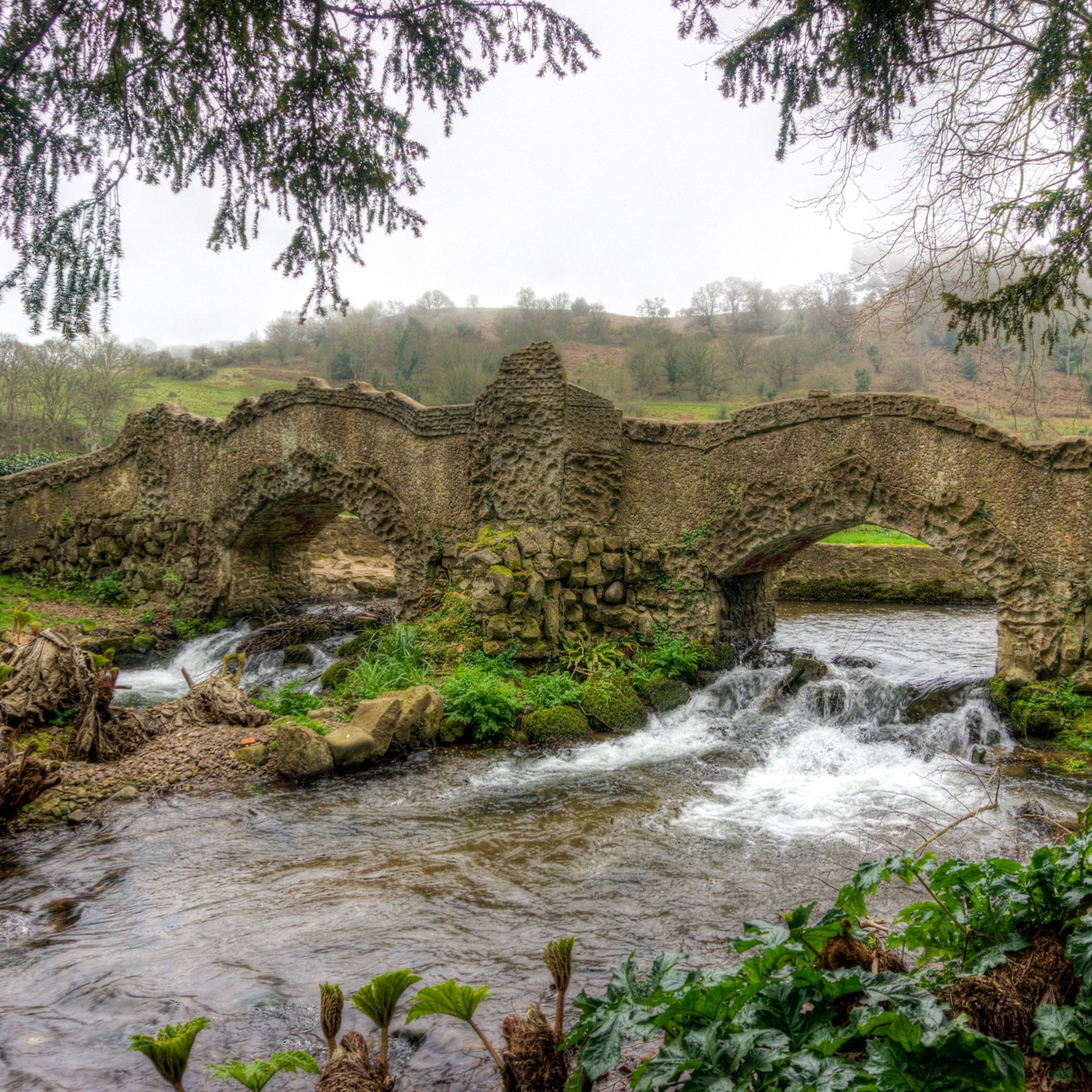
Using the power of moving water to drive a mill wheel is an ancient invention of the human spirit of discovery, the origins of which can be traced back to times long past. Thanks to such a construction, human or animal muscle power could be easily replaced by the power of the natural elements through a watercourse - natural or artificially created - in order to grind grain into corn or press oil from fruit, for example. There are essentially two different ways of driving watermills: * Either the flowing water simply hits the blades of the water wheel from below to set it in motion; or * the water is guided above the wheel - usually through a so-called "mill channel" - and falls onto the blades; this type of construction is more efficient due to natural gravity.
5
0

Selworthy Beacon is a hill and Marilyn of Exmoor in Somerset, England. It lies within the boundaries of Exmoor National Park, to the north of the village of Selworthy and northwest of Minehead.
1
1
Frequently Asked Questions
What types of terrain can I expect on touring cycling routes around Timberscombe?
Touring cycling around Timberscombe, located within Exmoor National Park, features a diverse landscape. You can expect wooded and farmed hills, rolling moorlands, and coastal views. The area is characterized by red soils and sandstone, with prominent hills like Dunkery Beacon and Selworthy Beacon offering significant elevation gains and panoramic vistas. Routes vary from easier road rides to more challenging paths with substantial climbs.
Are there routes suitable for beginner touring cyclists in Timberscombe?
Yes, while many routes in the Timberscombe area are challenging, there are options for beginners. The region offers easier road rides, particularly along the lower slopes and through valleys of Exmoor. Out of 133 total touring cycling routes, 7 are rated as easy, providing a good starting point for less experienced riders.
What are some notable natural features or viewpoints I can see on a touring bike ride near Timberscombe?
The area boasts several impressive natural features and viewpoints. You can cycle towards Dunkery Beacon Summit, the highest point in Somerset, offering spectacular panoramic views. Another prominent spot is Selworthy Beacon, providing views across the Bristol Channel. Additionally, you might encounter ancient woodlands like Horner Wood Ancient Oak Woodland or enjoy views of Wimbleball Lake.
Are there any family-friendly touring cycling routes around Timberscombe?
While specific family-friendly routes are not explicitly detailed, the region offers easier road cycling options that can be suitable for families. Routes along the valleys and lower slopes of Exmoor tend to be less strenuous. It's advisable to check the difficulty and elevation profiles on komoot for routes like the Selworthy Beacon – Minehead Bay loop from Minehead, which is moderate but shorter, to see if they align with your family's abilities.
Can I find circular touring cycling routes in the Timberscombe area?
Yes, many touring cycling routes around Timberscombe are designed as loops, allowing you to start and finish in the same location. Examples include the popular Dunster Village – Dunster Watermill loop from Minehead and the Dunster Village – Minehead Seafront loop from Minehead. These circular routes are convenient for exploration without needing return transport.
What is the best season for touring cycling in Timberscombe?
The best season for touring cycling in Timberscombe, within Exmoor National Park, is generally spring through autumn. During these months, the weather is milder, and the landscapes are vibrant. Summer offers the longest daylight hours, while spring and autumn provide beautiful scenery with fewer crowds. Be prepared for changeable weather, as is typical for Exmoor.
What do other touring cyclists enjoy most about cycling in Timberscombe?
The touring cycling routes around Timberscombe are highly rated by the komoot community, with an average score of 4.5 stars from over 20 reviews. Cyclists frequently praise the varied terrain, from wooded hills to rolling moorlands and coastal views, and the opportunities to explore historic villages and natural landmarks. Over 1000 touring cyclists have used komoot to discover the area's diverse paths.
Are there any historical landmarks to visit along the cycling routes?
Yes, the region around Timberscombe is rich in history. Cycling routes often pass through quaint villages like Dunster, where you can visit historic sites such as Dunster Castle and the Dunster Watermill. The area also features historical attractions like an Iron Age Fort and the restored Cowbridge Sawmill, which can be incorporated into your touring plans.
How long are the touring cycling routes around Timberscombe?
The touring cycling routes around Timberscombe vary significantly in length and duration. For example, the Selworthy Beacon – Minehead Bay loop from Minehead is about 10.8 miles (17.4 km) and takes around 2 hours 20 minutes. Longer routes, such as the Periwinkle Cottage Tea Room – Porlock Toll Road loop from Dunster, can be over 40 miles (65 km) and take more than 4 hours to complete, offering options for various fitness levels and time commitments.
Is public transport available to access touring cycling routes near Timberscombe?
Minehead, a short distance from Timberscombe, offers good public transport links and can serve as a convenient starting or finishing point for many routes, including sections of the permanent Tour of Britain circular route. From Minehead, you can access various cycling paths that explore the Exmoor National Park area.
Where can I find parking for touring cycling routes around Timberscombe?
While specific parking locations for Timberscombe are not detailed, many touring cycling routes in the area start from towns like Minehead or Dunster. These larger settlements typically offer public parking facilities suitable for accessing the trails. It's always recommended to check local parking information for your chosen starting point.
Are there cafes or pubs along the touring cycling routes for refreshments?
Yes, cycling routes in the Timberscombe area often pass through quaint countryside towns and villages, providing opportunities for pit stops. You can find cafes and pubs in villages like Dunster and Minehead, and even specific spots like the Coffee Couture Café at Wimbleball Lake, where you can enjoy refreshments and local hospitality.
Are there any specific permits required for cycling in Exmoor National Park near Timberscombe?
Generally, no specific permits are required for cycling on public roads and designated bridleways within Exmoor National Park. However, it's always good practice to respect local signage and regulations, especially when cycling through private land or sensitive natural areas. For more detailed information on cycling within the park, you can visit the Visit Exmoor website.
Most popular attractions around Timberscombe

Get inspired with the komoot mobile app


Explore more
Browse the best Cycling routes in other regions.
