The best road cycling routes around Compton Abbas
4.7
(64)
2,155
riders
263
rides
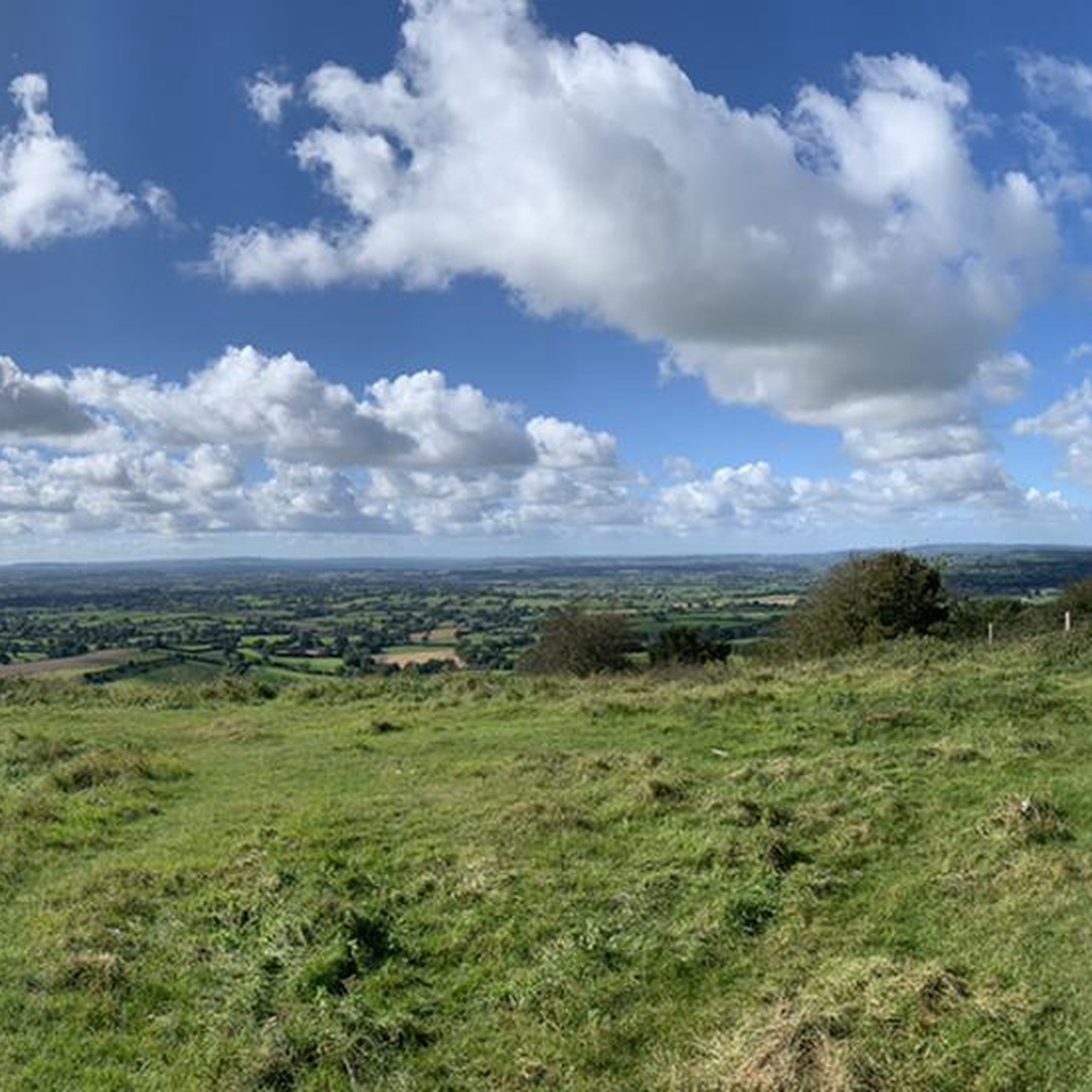
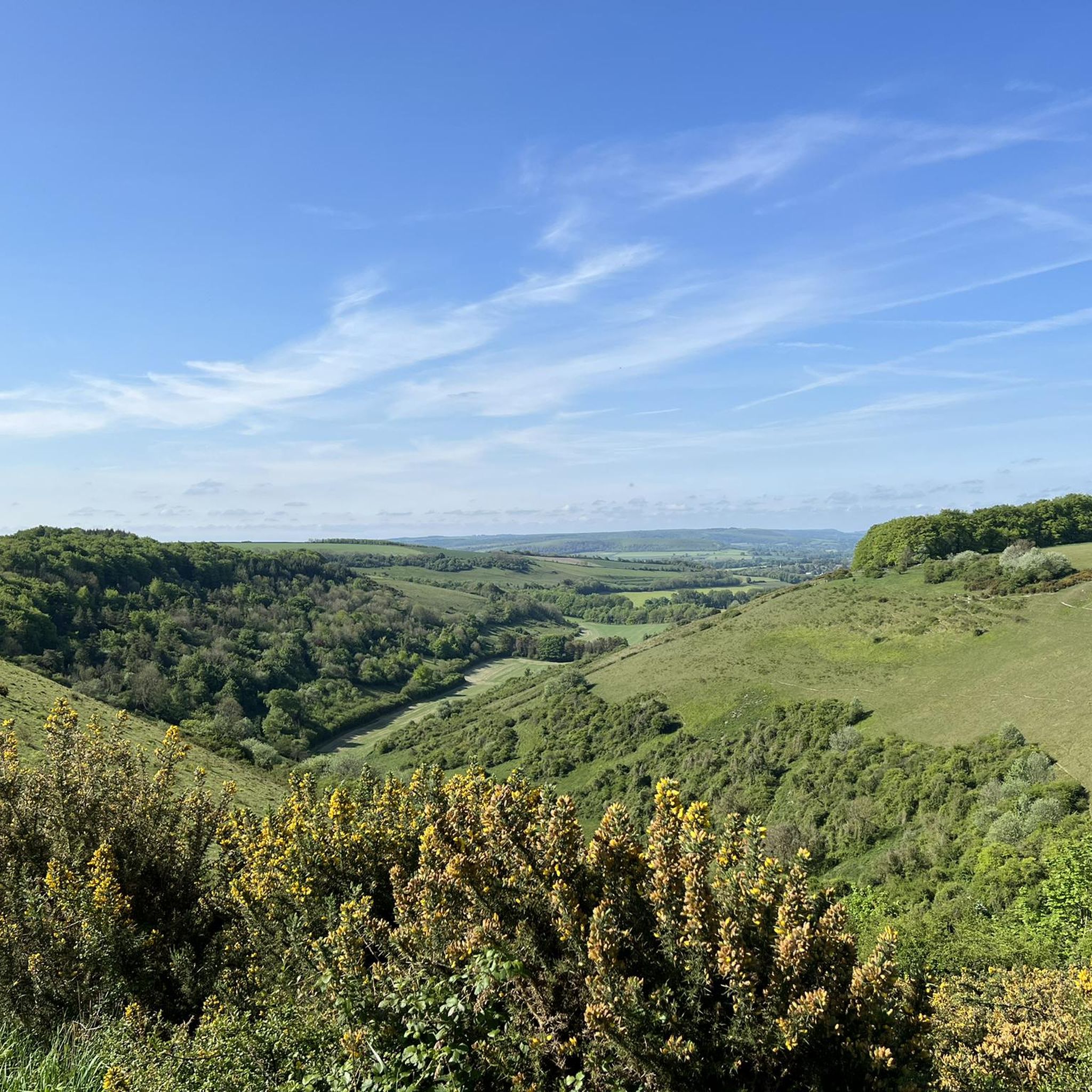
Road cycling routes around Compton Abbas are set within the varied terrain of the Cranborne Chase Area of Outstanding Natural Beauty (AONB). The region is characterized by its hilly nature, chalk downland, and scenic valleys, offering engaging cycling adventures. Cyclists can expect routes with mostly paved surfaces, featuring significant elevation gains and panoramic views across the Blackmore Vale and surrounding countryside. This area provides a diverse landscape for road cyclists to explore.
Best road cycling routes around Compton Abbas
- The…
Last updated: July 1, 2026
5.0
(1)
39
riders
65.2km
02:58
520m
510m
Moderate road ride. Good fitness required. Mostly well-paved surfaces and easy to ride.
3.0
(1)
20
riders
Moderate road ride. Good fitness required. Mostly well-paved surfaces and easy to ride.

Sign up for free
8
riders
Moderate road ride. Good fitness required. Mostly well-paved surfaces and easy to ride.
8
riders
Easy road ride. Great for any fitness level. Mostly well-paved surfaces and easy to ride.
6
riders
Easy road ride. Great for any fitness level. Mostly well-paved surfaces and easy to ride.
Get access to more routes and recommendations from other explorers.
Sign up for free
Already have an account?
Our route recommendations are based on thousands of hikes, rides, and runs completed by other people on komoot.
Start today with a free account
Your next adventure awaits.
Login or Signup

Tips from the Community

If you’re looking for a town that feels like a giant, historical treasure chest, Wimborne MinsterClick to open side panel for more information is the place to be. It’s a quirky mix of ancient legends, beautiful architecture, and a slightly obsession with things being very, very small. The Heart of the Town The town is dominated by the Wimborne Minster Parish OfficeClick to open side panel for more information and the stunning church itself, which has been standing for over 1,300 years. It’s famous for its unique "twinned" towers and some seriously cool interior features. The Chained Library: It’s home to one of the few surviving chained libraries in the world, where the books are literally locked to the shelves to stop medieval students from "borrowing" them forever. The Quarter Jack: Keep an eye on the exterior clock; a colorful figure known as the Quarter Jack strikes the bells every fifteen minutes. He’s been on duty since 1612! The Man in the Wall: Look for the tomb of Anthony Ettrick, who was convinced he’d die in a specific year and had his coffin built into the wall of the church so he wouldn't be buried "in" or "outside" the consecrated ground.
0
0
The bridge you are referring to is officially known as Town Bridge (or Sturminster Newton Bridge), though it is often referred to as a "County Bridge" due to its historical significance and maintenance. Here are the key details about this historic structure in Sturminster Newton, Dorset: Historical Significance and Features Age: It is a remarkably old bridge, dating from the late 15th or early 16th century (circa 1500). It replaced a historic fording point on the River Stour. Structure: It is a multi-span stone arch bridge with six two-centred arches spanning the River Stour. Listing Status: It is a Grade I Listed Building (List Entry Number: 1110531) by Historic England, which means it is of exceptional interest. Widening: The bridge was widened from 12ft to 18ft in the 17th century. Later, in 1820, one of the central cutwaters (the pointed projections on the piers) was repaired. Pedestrian Refuges: The bridge features larger, central cutwaters that are corbelled out to form pedestrian refuges (small alcoves) to either side of the roadway. The "Transportation for Life" Plaque One of the most famous and curious features of the bridge is an iron plaque affixed within one of the downstream pedestrian refuges. The inscription on this plaque reads: "ANY PERSON WILFULLY INJURING ANY PART OF THIS COUNTY BRIDGE WILL BE GUILTY OF FELONY AND UPON CONVICTION LIABLE TO BE TRANSPORTED FOR LIFE." This plaque is a reminder of the harsh laws of the 19th century, though it is reported that no one was ever transported for damaging this specific bridge. Literary Connection The bridge holds a connection to English literature. It is the one featured in the poem "On Sturminster Bridge" by Thomas Hardy, who lived in the town from 1876 to 1878 while writing his novel The Return of the Native.
0
0
Here are the key details about this historic structure in Sturminster Newton, Dorset: Historical Significance and Features Age: It is a remarkably old bridge, dating from the late 15th or early 16th century (circa 1500). It replaced a historic fording point on the River Stour. Structure: It is a multi-span stone arch bridge with six two-centred arches spanning the River Stour. Listing Status: It is a Grade I Listed Building (List Entry Number: 1110531) by Historic England, which means it is of exceptional interest. Widening: The bridge was widened from 12ft to 18ft in the 17th century. Later, in 1820, one of the central cutwaters (the pointed projections on the piers) was repaired. Pedestrian Refuges: The bridge features larger, central cutwaters that are corbelled out to form pedestrian refuges (small alcoves) to either side of the roadway.
0
0
St Peter's Church is the oldest church in Shaftesbury, located at the top of the famous Gold Hill, right next to the ruins of Shaftesbury Abbey. It is a key historic building and a prominent part of the town's landscape. St Peter's Church was originally built in the 14th century to serve pilgrims visiting the nearby Shaftesbury Abbey. Due to economic hardships, such as the Black Death, its construction was prolonged, resulting in a mix of architectural styles, including Decorated and Perpendicular Gothic. The lower part of the tower is the oldest section of the current building. The nave and its arcades are from the 14th century, while the clerestory and the panelled oak roofs were added in the 15th and 16th centuries. The church also features a crypt under its south aisle. Decline and Restoration: By the late 19th century, St Peter's fell into disuse and disrepair. It was even used as a grain store during World War II. In 1971, it was officially declared redundant. However, a major restoration effort was launched by local groups, and in 1977, it was rededicated and became the parish church of Shaftesbury once again. It was the first church in the country to be re-established as a full-time parish church after being declared redundant.
0
0
Holy Trinity Church in Shaftesbury is a Grade II listed building with a rich history, but it is no longer a consecrated place of worship. Today, it is known as the Trinity Centre, a vibrant community hub. The current building, designed in the Early English Gothic Revival style by the famous architect Sir George Gilbert Scott, was largely built between 1841 and 1842 on the site of an even older medieval church. The new building featured a 100-foot-tall western tower and a chancel that was added in 1908. It was the principal Anglican parish church in Shaftesbury for over a century, even as the nearby St Peter's Church fell into disuse. However, with declining congregation numbers, Holy Trinity was made redundant as a parish church in 1977. Its congregation was transferred back to the newly restored St Peter's Church, and the Holy Trinity building was sold. I find it weird how a church can be sold off to become a selection of business's, while still keeping its graveyard.
0
0


Frequently Asked Questions
What kind of terrain can I expect on road cycling routes around Compton Abbas?
Road cycling routes around Compton Abbas are characterized by varied and often hilly terrain, set within the Cranborne Chase Area of Outstanding Natural Beauty (AONB). You'll encounter chalk downland and scenic valleys, with many routes featuring significant elevation gains and panoramic views across the Blackmore Vale and surrounding countryside. Expect mostly paved surfaces, but be prepared for challenging climbs.
Are there road cycling routes suitable for beginners in Compton Abbas?
Yes, Compton Abbas offers several road cycling routes suitable for beginners. There are 66 easy routes available, such as the Gold Hill, Shaftesbury – St Peter's Church, Shaftesbury loop from HMP Guys Marsh, which is 17.0 miles (27.3 km) long with 260m of elevation gain. Another option is the Gold Hill Organic Farm Café – Child Okeford Village loop from Compton Abbas, covering 13.5 miles (21.7 km) with 208m of elevation.
Are there challenging road cycling routes for experienced cyclists?
Absolutely. For experienced cyclists seeking a challenge, Compton Abbas features 17 difficult routes. The region is known for its 'very hilly' sections, offering significant elevation gains that require strong fitness. The Cranborne Chase AONB provides a demanding yet rewarding cycling experience with its undulating landscapes.
What scenic viewpoints can I enjoy on road cycling routes near Compton Abbas?
The region boasts numerous scenic viewpoints. You can experience breathtaking panoramic views from Win Green Summit, the highest point in the Cranborne Chase AONB, which offers vistas extending to Blackmore Vale, Salisbury Plain, and even the Isle of Wight on clear days. Other notable viewpoints include Hambledon Hill Iron Age hill fort and Fontmell Down, both providing stunning views across the Blackmore Vale.
Are there any historical sites or natural monuments to see along the routes?
Yes, the area is rich in historical sites and natural monuments. You can visit the Shillingstone Railway Station & Museum, offering a glimpse into railway heritage. The Hambledon Hill Iron Age hill fort is considered one of Britain's best-preserved and is a significant Neolithic landscape. Additionally, Win Green Summit, crowned by beech trees, sits atop a Bronze Age bowl barrow.
Can I cycle past the Compton Abbas Airfield?
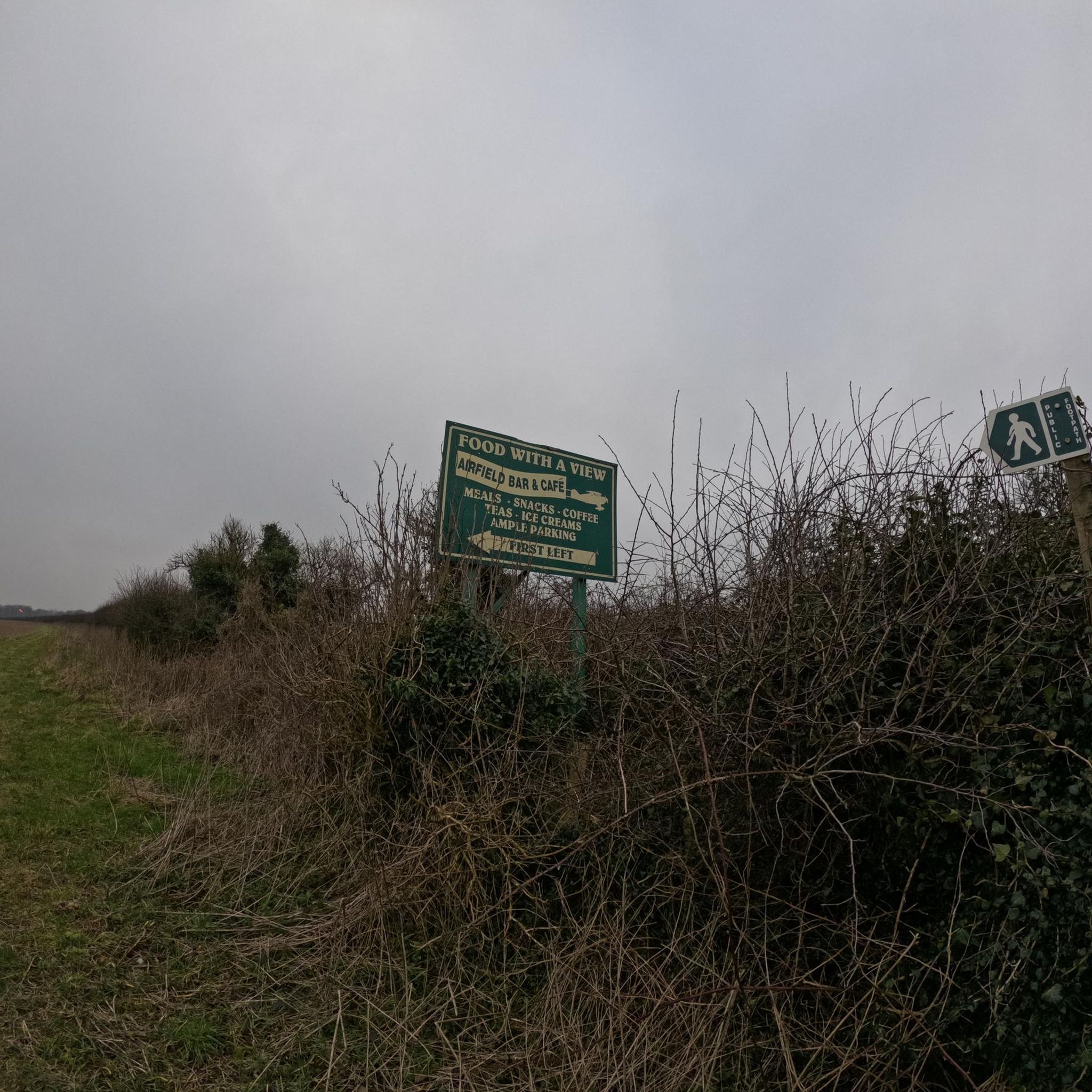
Yes, the Compton Abbas Airfield is a recognized stop-off point for cyclists and is often incorporated into local routes. It's known for its 'incredible roads' leading to it and offers scenic views from its elevated position. You can observe historic aircraft and find food and beverages there.
Are there circular road cycling routes available in Compton Abbas?
Many of the road cycling routes around Compton Abbas are designed as loops, offering circular journeys. Examples include the popular Furzehill Lane – North Dorset Trailway loop from Sutton Waldron, a 40.5-mile (65.2 km) route, and the Fifehead Magdalen Church – Sturminster Newton Mill loop from HMP Guys Marsh, which is 24.8 miles (39.9 km).
Are there places to stop for refreshments along the road cycling routes?
Yes, you'll find options for refreshments. The Compton Abbas Airfield is a popular stop with food and beverages. The Child Okeford Village – Gold Hill Organic Farm Café loop from Sutton Waldron specifically mentions the Gold Hill Organic Farm Café, indicating other charming villages along routes may also offer amenities.
What do other road cyclists enjoy the most about road cycling in Compton Abbas?
The area is highly rated by the komoot community, with an average score of 4.7 stars from over 60 reviews. Reviewers often praise the varied terrain, the stunning panoramic views across the Blackmore Vale, and the engaging cycling adventures offered by the hilly nature and chalk downland within the Cranborne Chase AONB.
How many road cycling routes are available around Compton Abbas?
There are over 280 road cycling routes available around Compton Abbas, catering to various skill levels. This includes 66 easy routes, 197 moderate routes, and 17 difficult routes, ensuring a diverse range of options for all cyclists.
What is the best time of year for road cycling in Compton Abbas?
While the guide doesn't specify a single 'best' time, the varied terrain and scenic beauty of Compton Abbas are generally best enjoyed during the milder months. Spring and early autumn offer pleasant temperatures and vibrant landscapes, while summer provides longer daylight hours. Always check local weather conditions before heading out, as the hilly nature can be more challenging in adverse weather.
Can I find routes that pass through charming villages?
Yes, many routes wind through picturesque countryside and charming villages. For instance, the Child Okeford Village – Gold Hill Organic Farm Café loop from Sutton Waldron passes through Child Okeford Village, providing a classic rural cycling experience.
Most popular routes around Compton Abbas
Most popular attractions around Compton Abbas

Get inspired with the komoot mobile app


Explore more
Browse the best Road cycling routes in other regions.
