The best road cycling routes around Broadstairs And St Peters
4.6
(170)
3,414
riders
18
rides
Road cycling routes around Broadstairs And St Peters are characterized by their coastal landscapes and diverse terrain, situated on the Isle of Thanet in Kent. The area features mostly well-paved surfaces with a mix of flat stretches and moderate climbs, offering varied experiences for road cyclists. Defining natural features include sandy beaches, dramatic chalk cliffs, and numerous green spaces that contribute to the scenic routes.
Best road cycling routes around Broadstairs And St Peters
- The most popular road cycling route…
Last updated: October 13, 2026
4.8
(14)
285
riders
54.6km
02:18
210m
210m
Moderate road ride. Good fitness required. Some segments of this route may be unpaved and difficult to ride.
5.0
(1)
36
riders
24.7km
01:14
190m
190m
Moderate road ride. Great for any fitness level. Some segments of this route may be unpaved and difficult to ride.

31
riders
46.5km
02:02
250m
250m
Moderate road ride. Good fitness required. Some segments of this route may be unpaved and difficult to ride.
19
riders
65.0km
02:43
370m
370m
Moderate road ride. Good fitness required. Mostly well-paved surfaces and easy to ride.
4.0
(1)
22
riders
28.4km
01:10
150m
150m
Easy road ride. Great for any fitness level. Mostly well-paved surfaces and easy to ride.
Get access to more routes and recommendations from other explorers.
Already have an account?
Our route recommendations are based on thousands of hikes, rides, and runs completed by other people on komoot.
Start today with a free account
Your next adventure awaits.
Tips from the Community


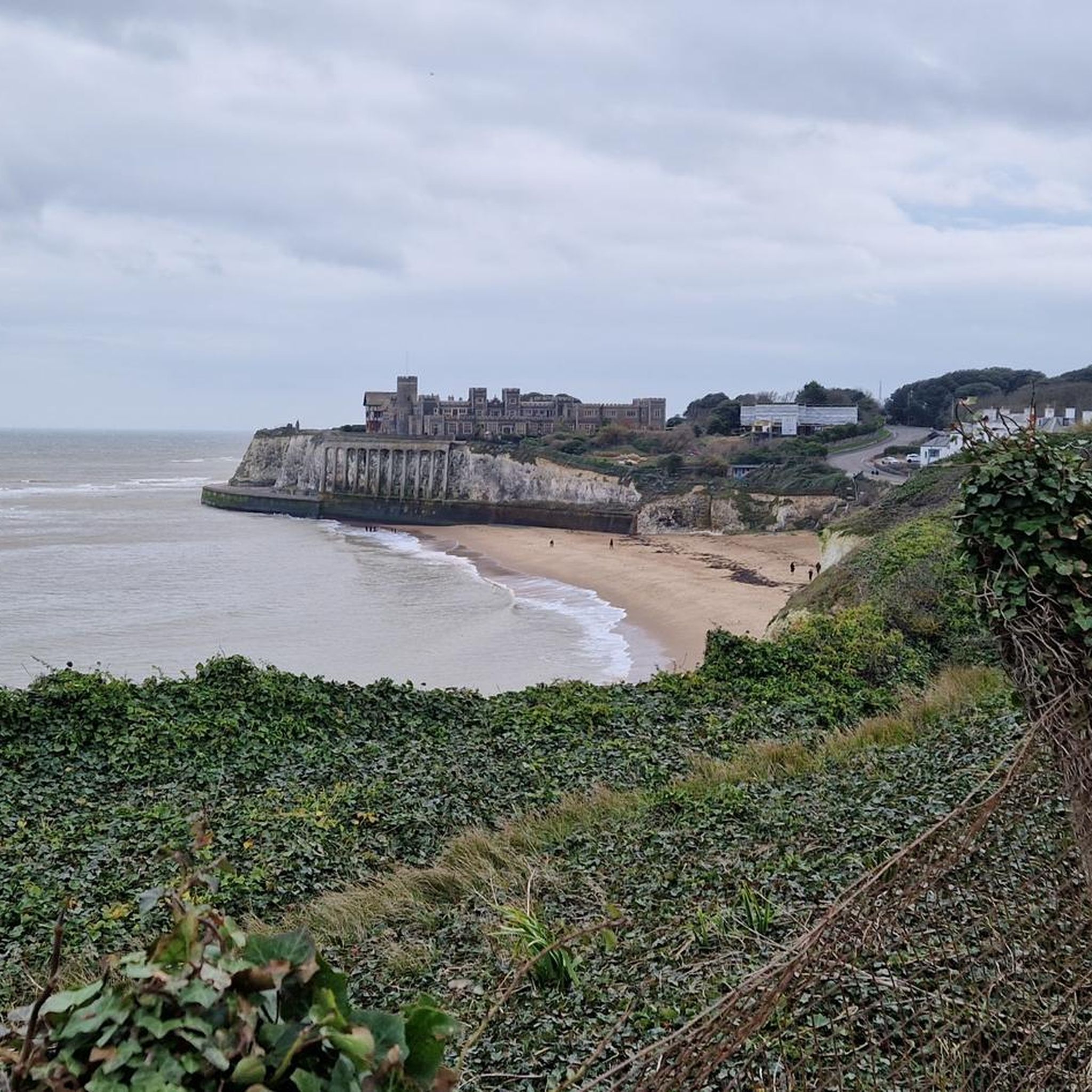
Apart from the single Turner (depicting Margate) - and the Gormley sculpture in the sea in front of the gallery (low tide only), this gallery hosts a series of temporary exhibitions. The one we saw (Steve MacQueen - Resistance) was great.
0
0
Didn't know until I got here that Ramsgate was a central point for the Dunkirk little ships in WW2
1
0
Interesting - if a little confused - history, of Angles, Saxons and the later Vikings.
0
0

The Sandwich Bay part is free to cyclists and walkers. Only motor vehicles pay the toll.
0
0

On 21 Sep 2024 this Viking boat was no longer here.
2
0
You cycle here on a private road for a fee along Sandwich Bay and the beautiful golf course of The Royal St Georges Golf Club.
7
1

At the end of the pier is a restaurant/cafe
1
0
Frequently Asked Questions
How many road cycling routes are available in Broadstairs And St Peters?
There are over 15 road cycling routes around Broadstairs And St Peters, offering diverse experiences for cyclists. These routes are highly rated by the komoot community, with an average score of 4.5 stars.
Are there road cycling routes suitable for beginners or families in Broadstairs And St Peters?
Yes, Broadstairs And St Peters offers several easier road cycling routes. For instance, the Viking Bay Beach, Broadstairs – Ship Shape Café loop is an easy option, and the Viking Bay Beach, Broadstairs – The Rose Inn loop is also suitable for various fitness levels with mostly well-paved surfaces.
What kind of terrain can I expect on road cycling routes in Broadstairs And St Peters?
The region features mostly well-paved surfaces with a mix of flat stretches and moderate climbs. You'll encounter picturesque coastal landscapes, dramatic chalk cliffs, and green spaces, providing varied terrain and scenic views.
Are there any challenging road cycling routes for experienced cyclists?
Yes, for those seeking more challenging rides, there are routes with greater elevation gain and longer distances. The area offers options that can take over five hours to complete with elevation gains exceeding 3,000 ft, providing a good test for experienced road cyclists.
What are some scenic viewpoints or landmarks I can see along the road cycling routes?
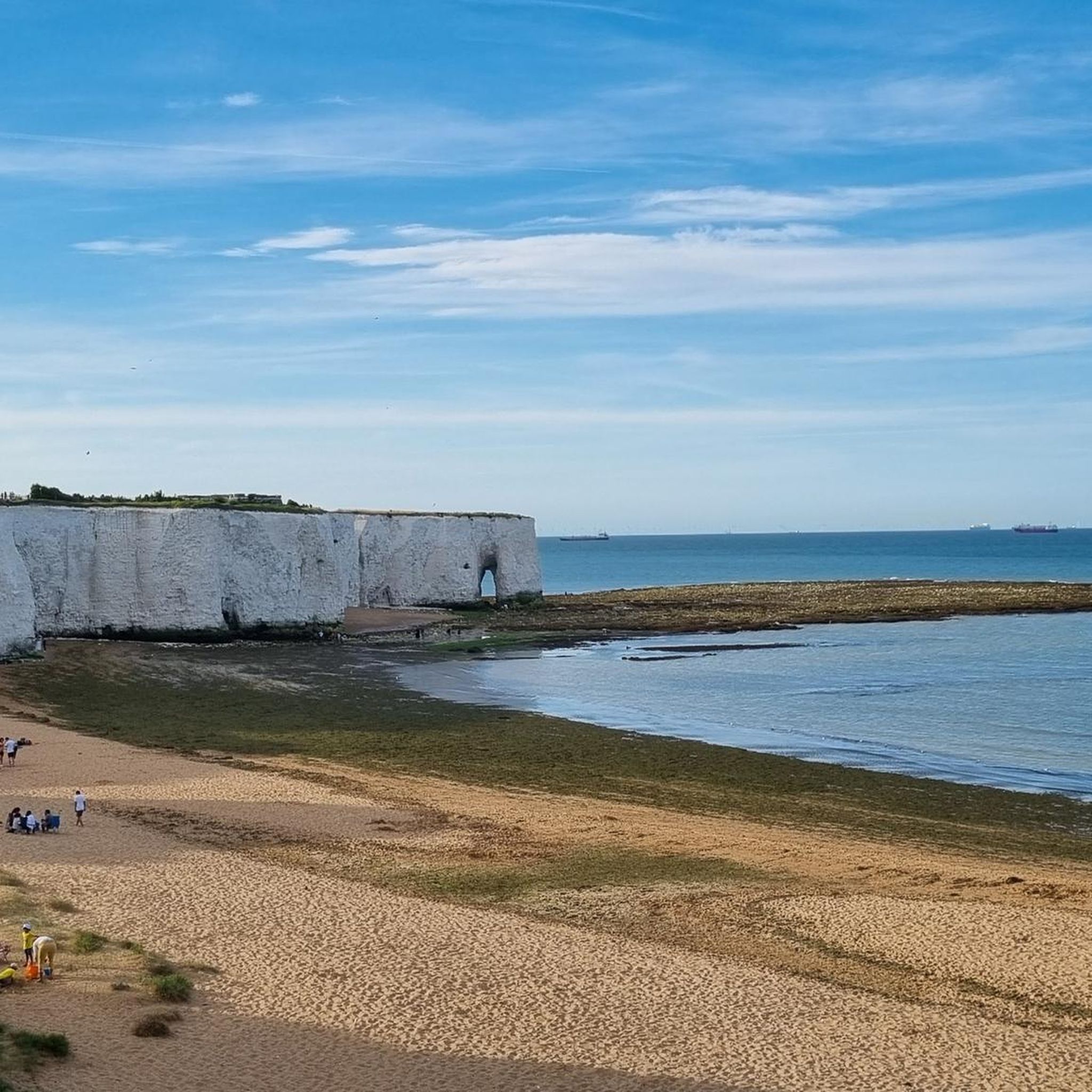
Many routes offer stunning coastal views and pass by notable landmarks. You can expect to see the iconic chalk stacks at Botany Bay, the historic Kingsgate Bay and the Chalk Cliffs, and the lively Viking Bay, Broadstairs. The Sandwich Quay – Deal Castle loop also leads through varied coastal and inland landscapes.
Are there circular road cycling routes available?
Yes, many of the road cycling routes in Broadstairs And St Peters are designed as loops, allowing you to start and finish in the same location. Examples include the Royal Cinque Ports Golf Club – Sandwich Quay loop and the Viking Bay, Broadstairs – Sandwich Quay loop.
What is the best time of year for road cycling in Broadstairs And St Peters?
The area is enjoyable for road cycling throughout much of the year. Spring and summer offer pleasant weather for coastal rides, while autumn can provide beautiful scenery. Even in winter, the well-maintained routes and coastal paths can be explored, though conditions may vary.
Are there places to stop for refreshments like cafes or pubs along the routes?
Yes, the region is well-equipped with amenities. Many routes pass through or near towns and villages where you can find cafes, pubs, and other establishments for refreshments. The Viking Bay Beach, Broadstairs – Ship Shape Café loop, for example, suggests a stop at a café.
What do other road cyclists enjoy most about cycling in Broadstairs And St Peters?
The komoot community highly rates the road cycling experience in Broadstairs And St Peters, with an average score of 4.5 stars. Cyclists often praise the stunning coastal views, the mix of flat and moderately challenging terrain, and the well-paved surfaces that make for an enjoyable ride.
Is public transport accessible for reaching the road cycling routes?
Broadstairs and St. Peter's is well-connected by public transport, including train services to Broadstairs station. This makes it convenient to access the starting points of many routes, especially those that begin in or near the town centers.
Where can I find more information about the broader Thanet area for outdoor activities?
For additional information about the great outdoors and other activities in the wider Thanet area, you can visit the official tourism website: visitthanet.co.uk.
Most popular routes around Broadstairs And St Peters
Most popular attractions around Broadstairs And St Peters

Get inspired with the komoot mobile app


Explore more
Browse the best Road cycling routes in other regions.
