The best cycling routes around Dunkirk
4.4
(535)
5,287
riders
291
rides
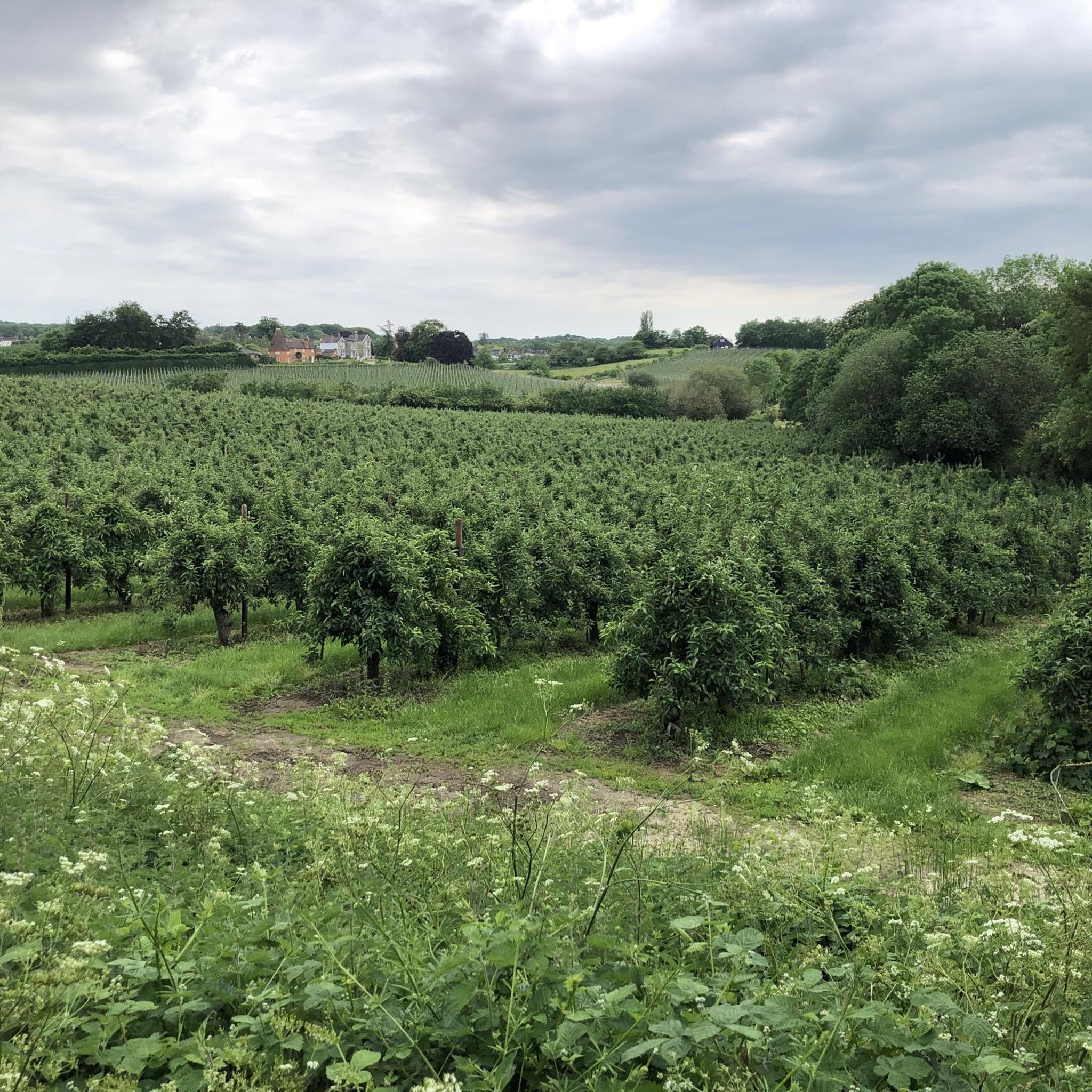
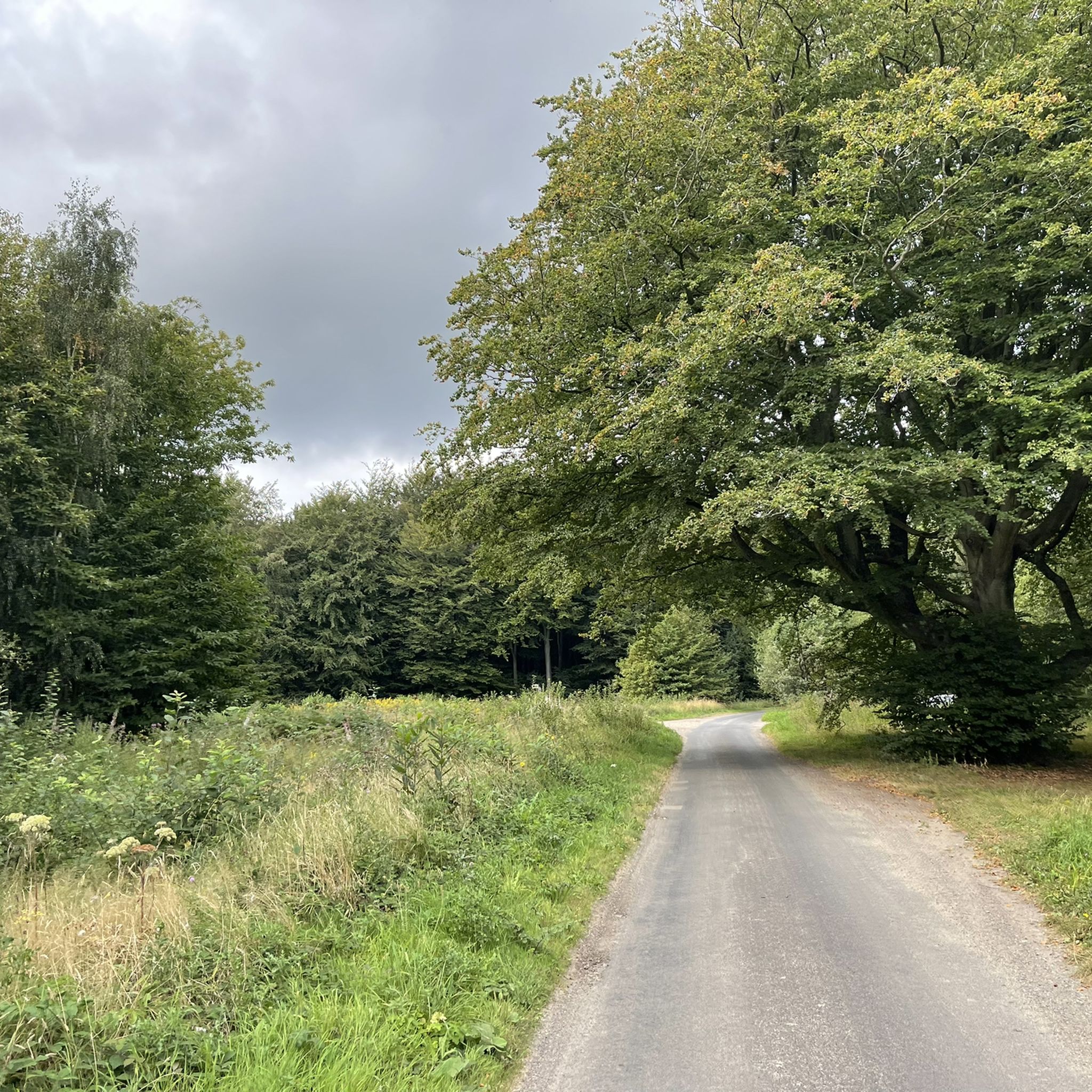
Touring cycling around Dunkirk offers a variety of routes across generally flat to gently rolling terrain. The region is characterized by coastal paths and inland trails, often following rivers or through agricultural landscapes. These routes typically feature minimal elevation changes, making them suitable for a wide range of cyclists. The network provides opportunities to explore both natural and historical points of interest.
Best touring cycling routes around Dunkirk
- The most popular touring cycling route is Bridge Over the Stour –…
Last updated: June 20, 2026
4.7
(3)
51
riders
45.2km
02:48
400m
400m
Moderate bike ride. Good fitness required. Mostly paved surfaces. Suitable for all skill levels.
3
riders
22.7km
01:22
130m
130m
Easy bike ride. Great for any fitness level. Mostly paved surfaces. Suitable for all skill levels.

Sign up for free
9
riders
24.8km
01:30
190m
190m
Moderate bike ride. Good fitness required. Mostly paved surfaces. Suitable for all skill levels.
8
riders
27.3km
01:42
180m
180m
Moderate bike ride. Good fitness required. Mostly paved surfaces. Suitable for all skill levels.
5
riders
47.1km
02:52
400m
400m
Moderate bike ride. Good fitness required. Mostly paved surfaces. Suitable for all skill levels.
Get access to more routes and recommendations from other explorers.
Sign up for free
Already have an account?
Our route recommendations are based on thousands of hikes, rides, and runs completed by other people on komoot.
Start today with a free account
Your next adventure awaits.
Login or Signup
Tips from the Community

Beauiful gardens to spend a few hours walking and exploring in Kent. The garden of England.
0
0


Nice gravel ride along Faversham creek towards Whitstable
0
0

In the 12th century a highway was laid out as a grand approach to the Abbey which had survived Henry VIII's dissolution of the monasteries to become a residential area popular with anyone who owed their livelihood to the Creek, whether as merchant, craftsman or seaman. Toward the end of the 19th century its middle-class residents started moving to new houses elsewhere in the town, and many of its properties became tenanted. The new occupiers were often much poorer than their predecessors. Landlords neglected the properties and so the street came to look 'down-at-heel'. Determination to build a 'brave new world' after the end of the Second World War encouraged local councils to sweep away houses that lacked modern amenities. Most of those in Abbey Street qualified, but they were also historic buildings of importance. After intervention by the Society for the Protection of Ancient Buildings, an ingenious pioneering scheme launched by Faversham Borough Council in the late 1950s saved them from the fate that overtook many of their counterparts elsewhere. Apart from Arden's House (No 80), none of the properties is of outstanding national importance, and so they were not eligible for historic building repair grants. However, collectively they are of national importance, and so the first 'town scheme' was introduced to make them eligible. Most of them were bought by the council under slum-clearance powers, and their occupants re-housed elsewhere. However, instead of being demolished the properties in Abbey Street were sold to sympathetic owners who covenanted with the council to restore them under the supervision of an architect with experience of historic building care. To cover its costs, the council made a slight profit on each - buying the smaller houses for about £250 each and then selling them for about £300. In other historic towns, streets were being brutally widened, but in Abbey Street the carriageway was actually narrowed - the first in the UK - to reduce traffic nuisance. At the same time, the street was planted with trees. Abbey Street is sometimes said to be the finest medieval street in southeast England. It is certainly a wonderful "gallery" of old buildings, mainly timber-framed. As already noted, the ace in the pack is Arden's House, one of the few surviving buildings of Faversham Abbey, and possibly its guesthouse. With 81 (Arden's Cottage), it originally formed a big "open courtyard" house. It dates from around 1450-1500, with remains of the Abbey outer gatehouse of c 1200, which spanned the street here.
1
0
Boughton Parish Church - St Peter & St Paul's
2
0

A former oyster store serving seafood in a very rustic setting!
0
0

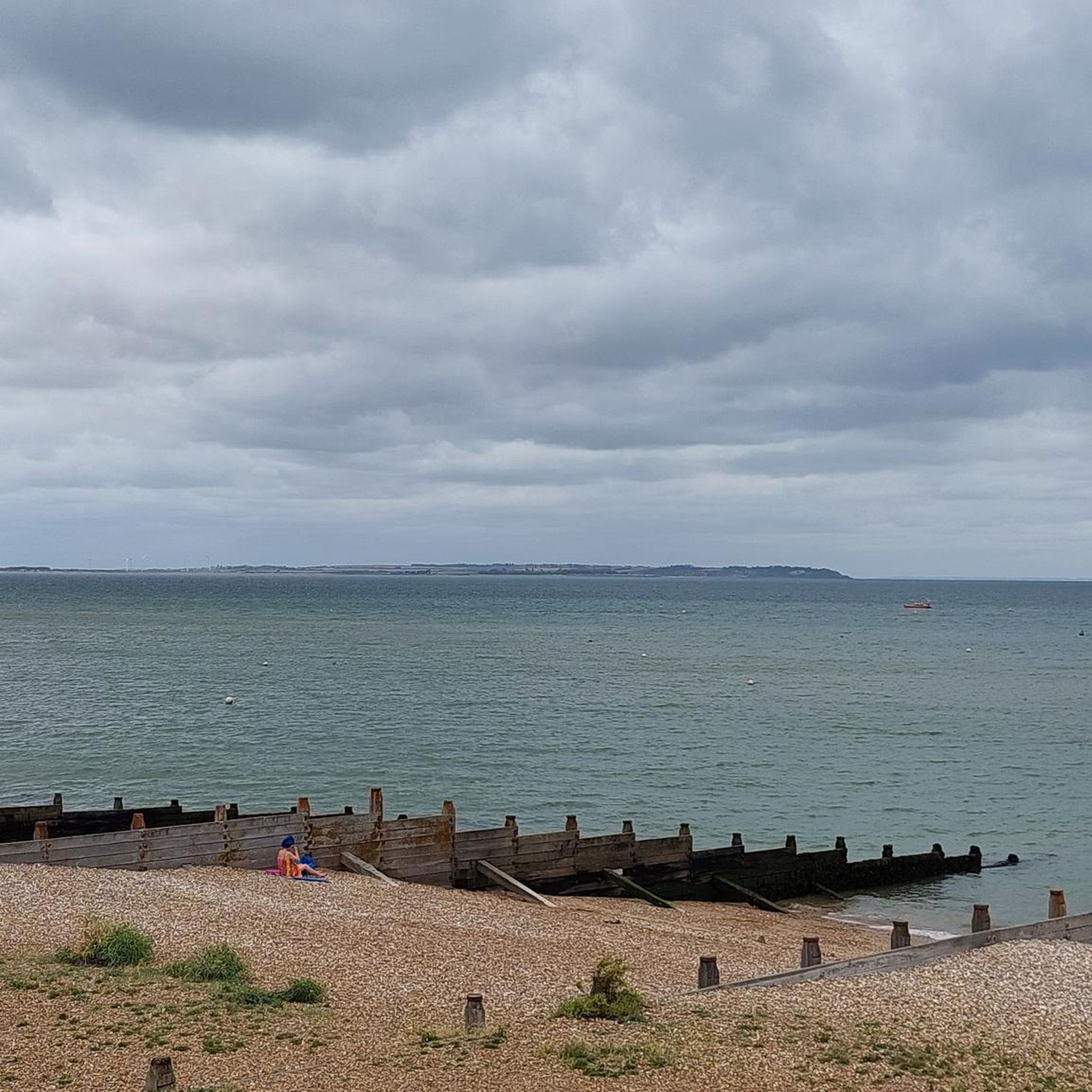
There is a lovely little market at Whitstable Harbour. It has expanded enormously over the years and now has some really excellent, trendy restaurants as well as arts and crafts stalls where you can find some gems. There are also a number of very cheap stalls selling fresh fish and takeaway food just outside the market itself.
8
0
Frequently Asked Questions
How many touring cycling routes are available around Dunkirk?
There are nearly 300 touring cycling routes recorded around Dunkirk on komoot. These routes cater to various skill levels, with a significant number being easy or moderate, making the region accessible for many cyclists.
What is the general difficulty level of touring bike trails in Dunkirk?
The touring cycling routes around Dunkirk are predominantly easy to moderate. Out of nearly 300 routes, 78 are classified as easy and 167 as moderate. This is due to the region's generally flat to gently rolling terrain, featuring coastal paths, river routes, and agricultural landscapes with minimal elevation changes.
Are there any family-friendly bike trails in Dunkirk?
Yes, many of the 78 easy routes around Dunkirk are suitable for families. These routes typically feature gentle gradients and well-maintained paths. An example of an easy, family-friendly option is the Bridge Over the Stour – Chatterbox Café loop from Chartham, which is 16.5 km long and follows a river section.
What kind of scenery can I expect on touring bike trails near Dunkirk?
Touring cycling around Dunkirk offers diverse scenery, including coastal paths with sea views, serene river routes, and picturesque agricultural landscapes. You'll also find trails passing through rural areas and charming villages. For coastal views, consider the Whitstable Bay – Whitstable Harbour loop from Boughton under Blean.
Are there circular bike routes available in Dunkirk?
Yes, many touring cycling routes in Dunkirk are designed as loops, allowing you to start and end at the same point. Examples include the Bridge Over the Stour – Chatterbox Café loop from Chartham and the The Red Lion, Hernhill – The Dove, Dargate loop from Selling, which takes you through varied rural landscapes.
What are some interesting places to explore or landmarks to see along the touring cycling routes?
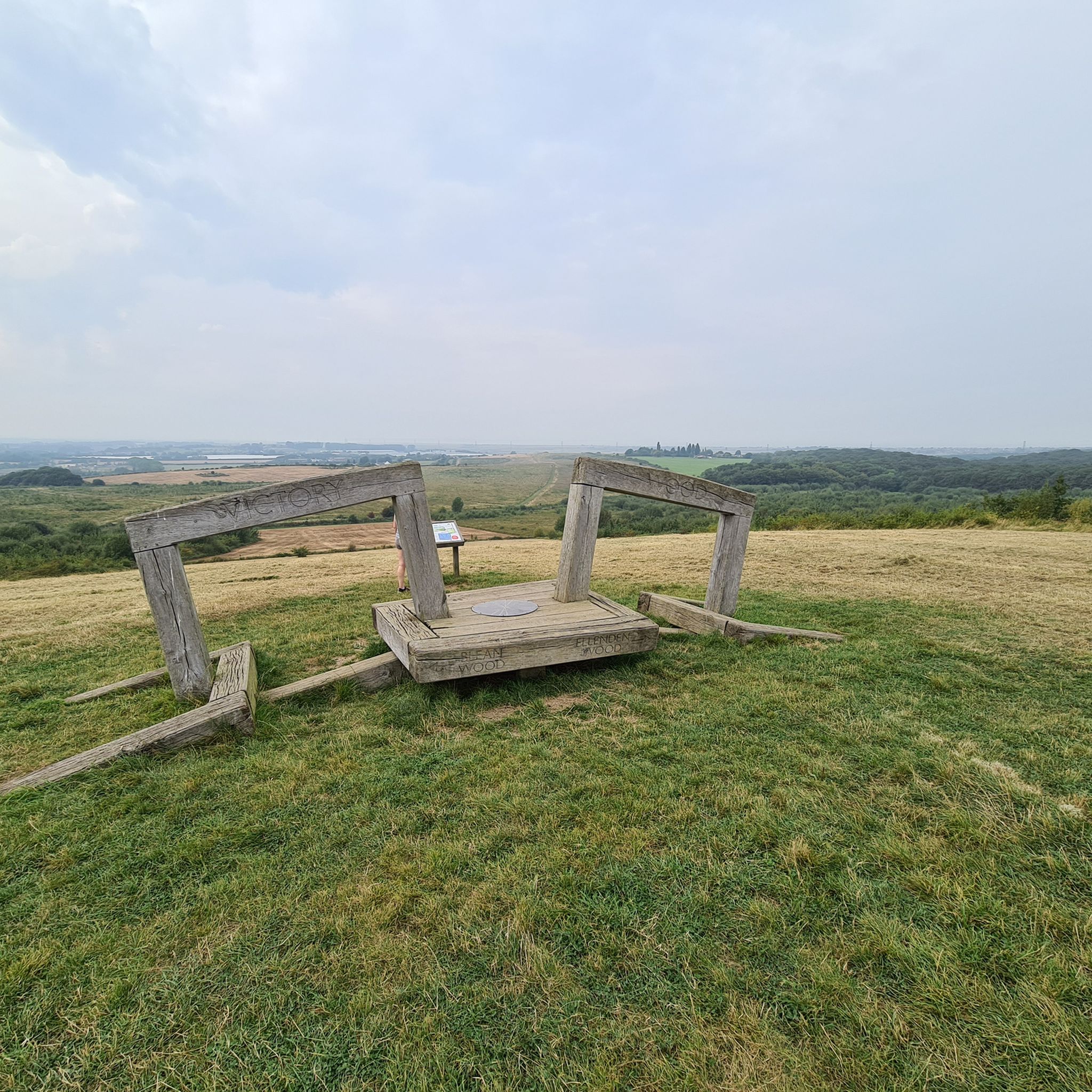
The Dunkirk area offers several points of interest. You can cycle past historical sites like Bigbury Camp hillfort, or enjoy natural beauty at Bluebells in King's Wood. For panoramic views, visit the Millennium Stone and Wye Crown viewpoint or the View of the Valley, Kent Downs National Landscape. The Crab and Winkle Way is also a notable cycle path in the vicinity.
What do other touring cyclists enjoy most about cycling in Dunkirk?
The touring cycling experience in Dunkirk is highly rated by the komoot community, with an average score of 4.4 stars from over 500 reviews. Cyclists often praise the region's varied terrain, which includes coastal paths and rural landscapes, and the accessibility of routes for different ability levels.
Are there any beginner-friendly touring bike routes around Dunkirk?
Yes, Dunkirk is an excellent region for beginner touring cyclists due to its generally flat terrain. There are 78 easy routes available. A good option for beginners is the Bigbury Camp – Rheims Way Cycling Route loop from Upper Harbledown, which is 15.7 km long with manageable elevation.
Can I find cafes or refreshment stops along the bike trails near Dunkirk?
Many routes in the Dunkirk area pass through or near villages and towns where you can find cafes and pubs. Some routes are even named after establishments, indicating their presence. For example, the Forget-Me-Not Cafe – Graveney Church Plums loop from Blean suggests a cafe stop along the way.
What is the best time to cycle in Dunkirk?
While cycling is possible year-round, the generally flat terrain and coastal exposure mean that spring, summer, and early autumn offer the most pleasant conditions for touring cycling in Dunkirk. These seasons typically provide milder weather and less chance of strong winds or heavy rain, making for a more enjoyable ride.
Are there less crowded bike paths near Dunkirk?
While some popular coastal paths can see more activity, the extensive network of nearly 300 routes, especially those venturing inland through agricultural landscapes and rural areas, offers many opportunities for quieter rides. Exploring some of the moderate or easy routes slightly off the main tourist trails can lead to a more peaceful experience.
Most popular attractions around Dunkirk

Get inspired with the komoot mobile app


Explore more
Browse the best Cycling routes in other regions.
