The best cycling routes around Milstead
4.4
(92)
788
riders
119
rides
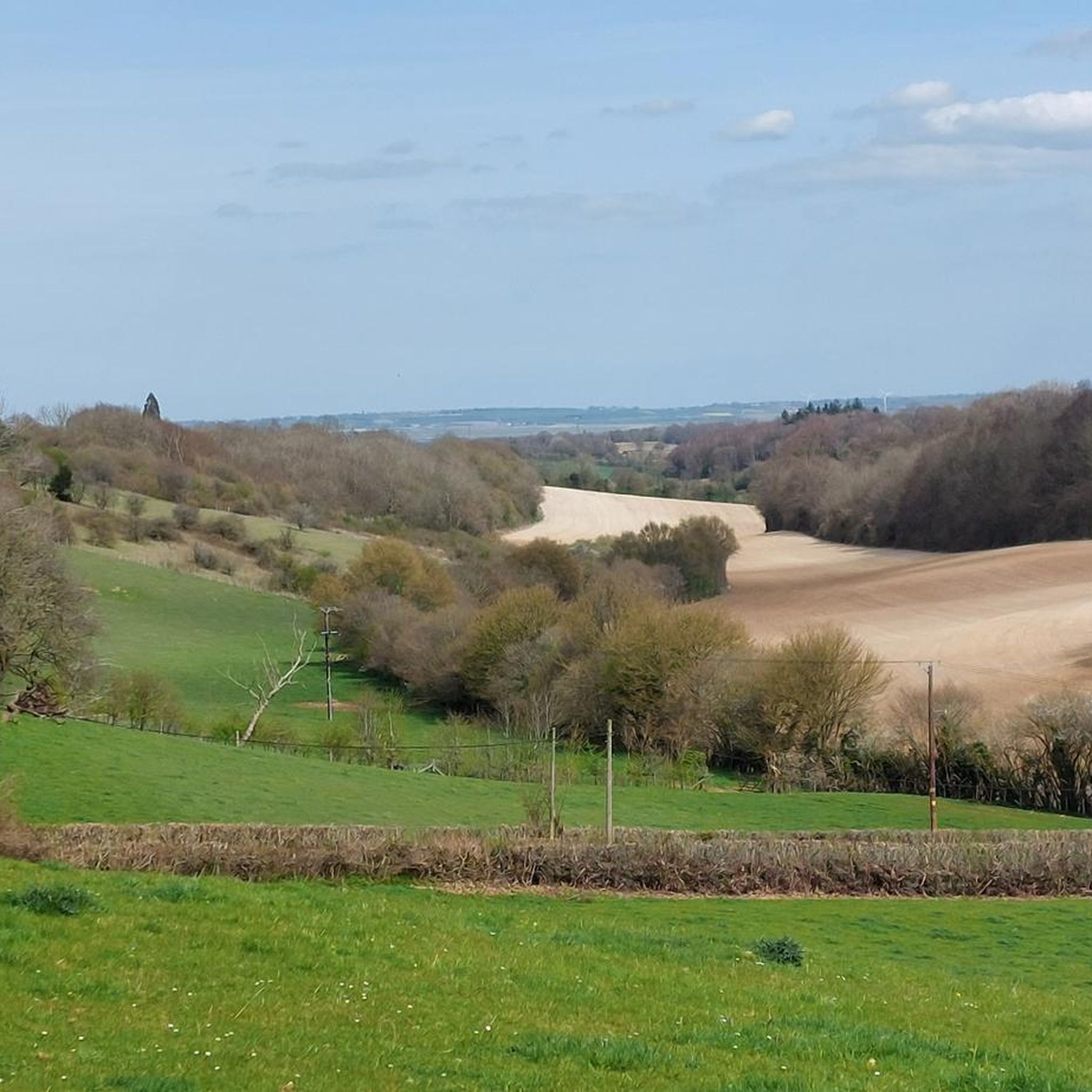
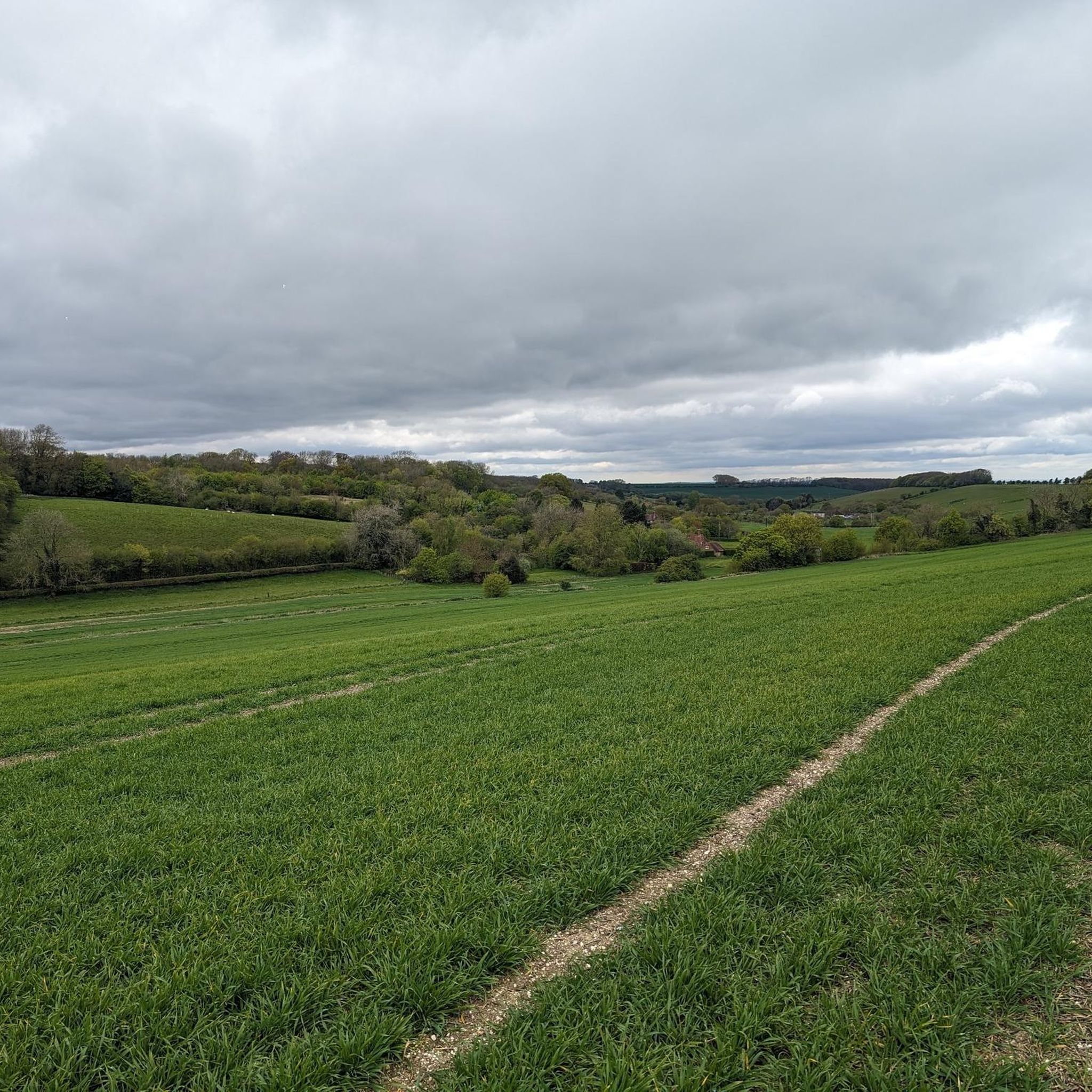
Touring cycling around Milstead offers routes through the gently rolling landscape of Kent, characterized by agricultural fields, small villages, and proximity to the Swale estuary. The terrain generally features moderate elevation changes, suitable for various cycling abilities. Routes often connect historic market towns with scenic rural paths. This area provides a network of paths for exploring the local countryside by bike.
Best touring cycling routes around Milstead
- The most popular touring cycling route is Market Place, Faversham – Abbey Street, Faversham loop from Sittingbourne, a 34.7 miles (55.9 km) trail that takes 3 hours 14 minutes to complete. This route explores the historic town of Faversham and its surrounding rural areas.
- Another top favourite among local touring cyclists is The Cafe by the Creek – Market Place, Faversham loop from Sittingbourne, a moderate 18.6 miles (29.9 km) path. This route combines waterside views with passages through the Kentish countryside.
- Local touring cyclists also love the View of Sheppey Crossing – Seafront View loop from Sittingbourne, a 23.9 miles (38.6 km) trail leading through coastal areas and offering views of the Swale estuary, often completed in about 2 hours 13 minutes.
- Touring cycling around Milstead is defined by rural lanes, estuary views, and gentle hills, offering a variety of scenic experiences. The network provides options for different ability levels, from beginner touring bike routes Milstead to more advanced cycling trails Milstead.
- The routes in Milstead are highly rated by the komoot community with an average score of 4.36 stars from over 90 reviews. More than 850 touring cyclists have used komoot to explore Milstead's varied terrain.
Last updated: June 20, 2026
4.4
(5)
80
riders
56.9km
03:18
290m
290m
Moderate bike ride. Good fitness required. Mostly paved surfaces. Suitable for all skill levels.
4.0
(4)
41
riders
29.7km
01:44
170m
170m
Moderate bike ride. Good fitness required. Mostly paved surfaces. Suitable for all skill levels.

Sign up for free
4.3
(3)
28
riders
38.7km
02:15
110m
110m
Moderate bike ride. Good fitness required. Mostly paved surfaces. Suitable for all skill levels.
5.0
(2)
26
riders
Moderate bike ride. Good fitness required. Mostly paved surfaces. Suitable for all skill levels.
4.0
(2)
21
riders
58.7km
03:36
330m
330m
Moderate bike ride. Good fitness required. Mostly paved surfaces. Suitable for all skill levels.
Get access to more routes and recommendations from other explorers.
Sign up for free
Already have an account?
Our route recommendations are based on thousands of hikes, rides, and runs completed by other people on komoot.
Start today with a free account
Your next adventure awaits.
Login or Signup

Tips from the Community

Easily accessible, wouldn't advise using skinny tires. Other than that all good
0
0

Swale Station is a small, unmanned railway stop located on the Sittingbourne to Sheerness line in Kent, England. Opened in 1922 to serve the nearby Kingsferry Bridge, it primarily caters to local passengers and walkers exploring the surrounding marshlands and the England Coast Path. The station features two short platforms connected by a level crossing and offers a quiet, rural atmosphere with views of the Swale estuary. Though minimal in facilities, Swale Station provides convenient access to the Isle of Sheppey and serves as a tranquil gateway between the mainland and the island’s scenic landscapes.
0
0

One of 1,000 Millennium Mileposts on the National Cycle Network. Installed in 2000, this signpost is the Fossil Tree variant by artist Jon Mills.
0
0

When visiting this impressive church, every visitor, regardless of their denomination, should feel the breath of history. The cathedral—the episcopal church of the Anglican diocese of the same name—in the city of Rochester takes us far back to the beginnings of the Christianization of England, to the early seventh century.
2
0


In the 12th century a highway was laid out as a grand approach to the Abbey which had survived Henry VIII's dissolution of the monasteries to become a residential area popular with anyone who owed their livelihood to the Creek, whether as merchant, craftsman or seaman. Toward the end of the 19th century its middle-class residents started moving to new houses elsewhere in the town, and many of its properties became tenanted. The new occupiers were often much poorer than their predecessors. Landlords neglected the properties and so the street came to look 'down-at-heel'. Determination to build a 'brave new world' after the end of the Second World War encouraged local councils to sweep away houses that lacked modern amenities. Most of those in Abbey Street qualified, but they were also historic buildings of importance. After intervention by the Society for the Protection of Ancient Buildings, an ingenious pioneering scheme launched by Faversham Borough Council in the late 1950s saved them from the fate that overtook many of their counterparts elsewhere. Apart from Arden's House (No 80), none of the properties is of outstanding national importance, and so they were not eligible for historic building repair grants. However, collectively they are of national importance, and so the first 'town scheme' was introduced to make them eligible. Most of them were bought by the council under slum-clearance powers, and their occupants re-housed elsewhere. However, instead of being demolished the properties in Abbey Street were sold to sympathetic owners who covenanted with the council to restore them under the supervision of an architect with experience of historic building care. To cover its costs, the council made a slight profit on each - buying the smaller houses for about £250 each and then selling them for about £300. In other historic towns, streets were being brutally widened, but in Abbey Street the carriageway was actually narrowed - the first in the UK - to reduce traffic nuisance. At the same time, the street was planted with trees. Abbey Street is sometimes said to be the finest medieval street in southeast England. It is certainly a wonderful "gallery" of old buildings, mainly timber-framed. As already noted, the ace in the pack is Arden's House, one of the few surviving buildings of Faversham Abbey, and possibly its guesthouse. With 81 (Arden's Cottage), it originally formed a big "open courtyard" house. It dates from around 1450-1500, with remains of the Abbey outer gatehouse of c 1200, which spanned the street here.
1
0

Beautiful church. Entrance is free.
0
0
Frequently Asked Questions
How many touring cycling routes are available around Milstead?
There are over 120 touring cycling routes around Milstead, offering a wide variety of options for exploring the Kentish countryside. These routes cater to different skill levels, from easy rides to more challenging excursions.
What is the general difficulty level of touring cycling routes in Milstead?
The routes around Milstead generally feature moderate elevation changes, making them suitable for various cycling abilities. Out of over 120 routes, 28 are considered easy, 74 are moderate, and 22 are more difficult, providing options for all experience levels.
Are there any circular touring cycling routes in Milstead?
Yes, many touring cycling routes around Milstead are designed as loops, allowing you to start and finish at the same point. Examples include the popular Market Place, Faversham – Abbey Street, Faversham loop from Sittingbourne and The Cafe by the Creek – Market Place, Faversham loop from Sittingbourne, which offer varied scenery and experiences.
What do other touring cyclists say about the routes around Milstead?
The touring cycling routes around Milstead are highly rated by the komoot community, with an average score of 4.36 stars from over 90 reviews. Cyclists often praise the scenic rural lanes, estuary views, and the gentle hills that define the area, making for enjoyable rides.
Are there family-friendly touring cycling routes in Milstead?
Milstead's gently rolling landscape and network of rural paths make it suitable for family-friendly touring cycling. Many of the easier routes, characterized by moderate distances and minimal elevation, are ideal for families looking to explore the countryside together. Look for routes marked as 'easy' on komoot for the most suitable options.
What are the options for parking when cycling around Milstead?
While specific parking details vary by route starting point, many touring cycling routes around Milstead begin or pass through towns like Sittingbourne or Faversham, where public parking facilities are available. It's advisable to check local parking information for your chosen starting location.
Can I reach touring cycling routes in Milstead by public transport?
Milstead and the surrounding areas are accessible by public transport, particularly through nearby towns like Sittingbourne and Faversham, which have train stations. From these hubs, you can often connect to local bus services or cycle directly onto routes. Always check current timetables and bicycle carriage policies for public transport providers.
Are there cafes or places to stop for refreshments along the routes?
Yes, many touring cycling routes around Milstead pass through or near charming villages and market towns like Faversham, offering opportunities to stop for refreshments. Routes like Bredgar Farm Shop & Tea Room – The Cafe by the Creek loop from Sittingbourne specifically highlight places to eat, ensuring you can refuel during your ride.
What kind of scenery can I expect on touring cycling routes around Milstead?
Touring cycling around Milstead offers diverse scenery, including agricultural fields, small traditional villages, and picturesque views of the Swale estuary. The routes often combine historic market towns with serene rural paths, providing a rich visual experience of the Kentish countryside.
Are there any interesting landmarks or attractions to see along the touring cycling routes?
Yes, the area around Milstead is rich in historical and natural attractions. You might encounter landmarks such as Leeds Castle, the historic Pilgrims' Way, or the unique Lenham Cross. Many routes offer views of the Swale estuary, such as the View of Sheppey Crossing – Seafront View loop from Sittingbourne.
When is the best time of year for touring cycling in Milstead?
The best time for touring cycling in Milstead is generally from spring through early autumn (April to October), when the weather is milder and the countryside is in full bloom. This period offers comfortable temperatures and less chance of adverse weather, making for more enjoyable rides through the open fields and along the estuary.
Are there touring cycling routes suitable for winter?
While touring cycling is possible year-round, winter rides around Milstead require more preparation due to potentially colder temperatures and wetter conditions. Routes on paved rural lanes are generally more accessible than unpaved paths during wet periods. Always check local weather forecasts and route conditions before heading out in winter.
Most popular routes around Milstead
Most popular attractions around Milstead

Get inspired with the komoot mobile app


Explore more
Browse the best Cycling routes in other regions.
