Attractions and Places To See around Carnmore - Top 8
Attractions and places to see around Carnmore offer a diverse range of historical sites, natural features, and cultural landmarks. This rural area in County Galway, Ireland, is characterized by its blend of ancient history, including archaeological sites like ringforts and dolmens, and natural landscapes such as turloughs and boglands. Visitors can explore significant religious heritage sites and enjoy panoramic views of the surrounding countryside. The region also serves as a starting point for exploring wider natural attractions like Connemara.
Best…
Last updated: June 18, 2026
Clones 'Wee' Abbey
Highlight • Religious Site
Tip by

Cooneen Ghost House
Highlight • Historical Site
Tip by

Sign up now to discover places like this
Get recommendations on the best single tracks, peaks, & plenty of other exciting outdoor places.
Sign up for free
Clones Round Tower
Highlight • Historical Site
Tip by
Carnmore Lough
Highlight • Viewpoint
Tip by

Lough Antrawar
Highlight • Lake
Tip by

Sign up for free to discover even more attractions around Carnmore.
Sign up for free
Already have an account?
Start today with a free account
Your next adventure awaits.
Login or Signup

Tips from the Community

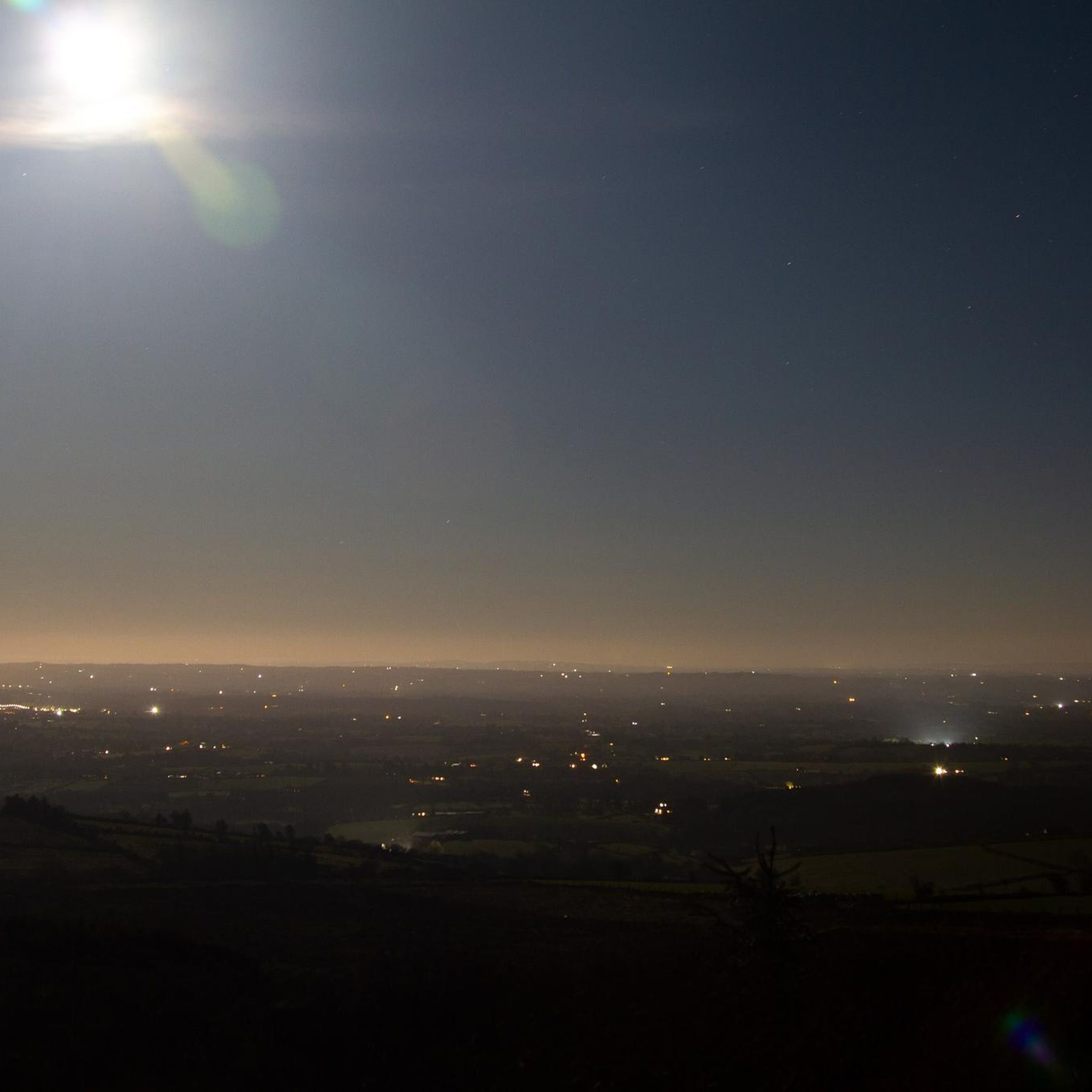
Lough Antrawar lies in the dip southeast of Slieve Beagh. The slopes above the lough are very wet and boggy so this is where the ground drains. The outflow stream flows down the valley and joins the River Blackwater.
0
0


Known locally as the "Wee Abbey", Clones Abbey is a ruined monastery dating back to the 12th century. The original abbey was founded by St. Tigernach as early as the 6th century. However, the abbey was destroyed by fire not once, but four times during its history. In the 16th century, the abbey suffered once again during the suppression of monasteries and Protestant reformation under Henry VIII. Less than a hundred years later, it lay in ruin, although some solitary monks still lived here until the 18th century. Today, you can visit the crumbling walls and take a look at the interesting graveyard. The abbey is free to visit and you can access it any time.
1
0

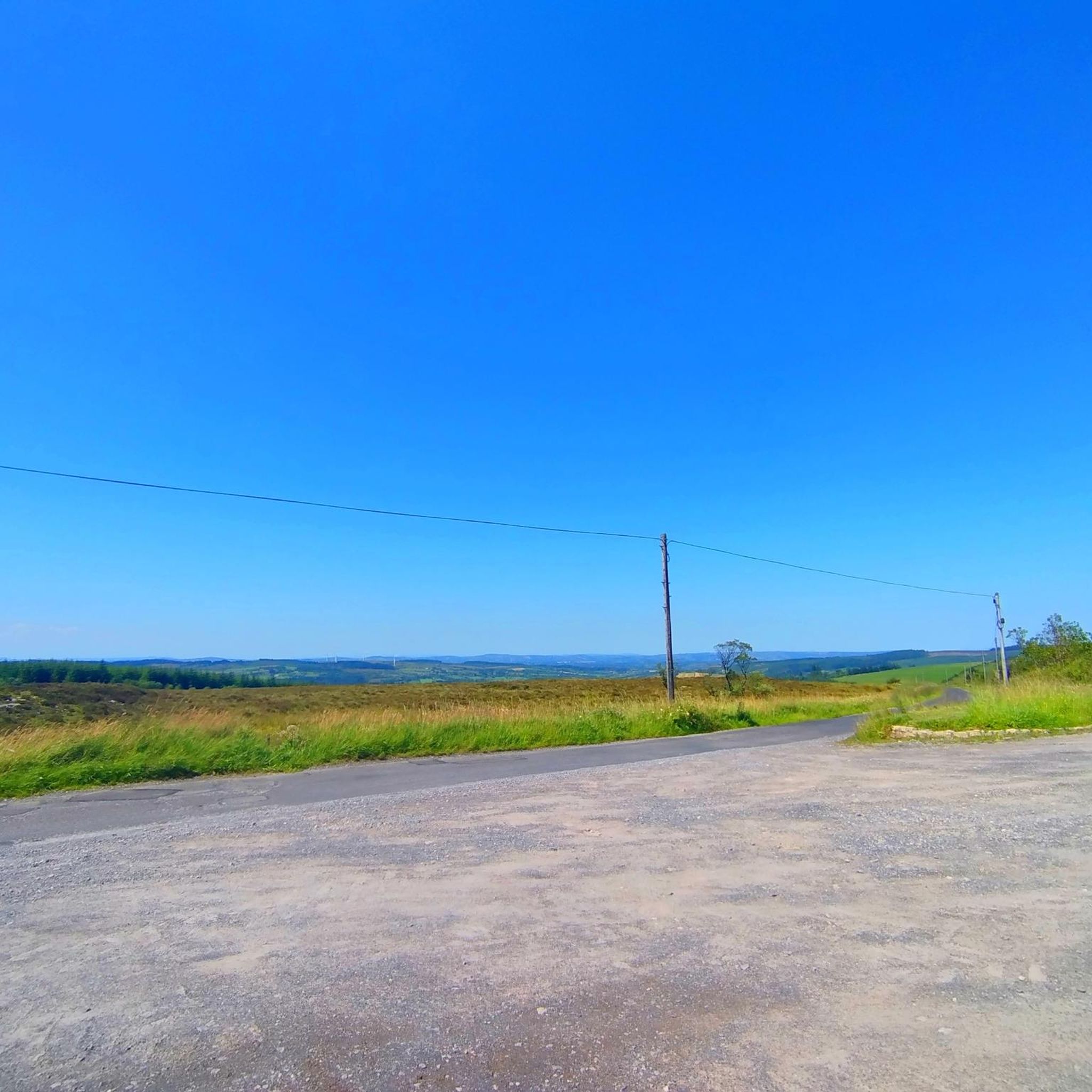
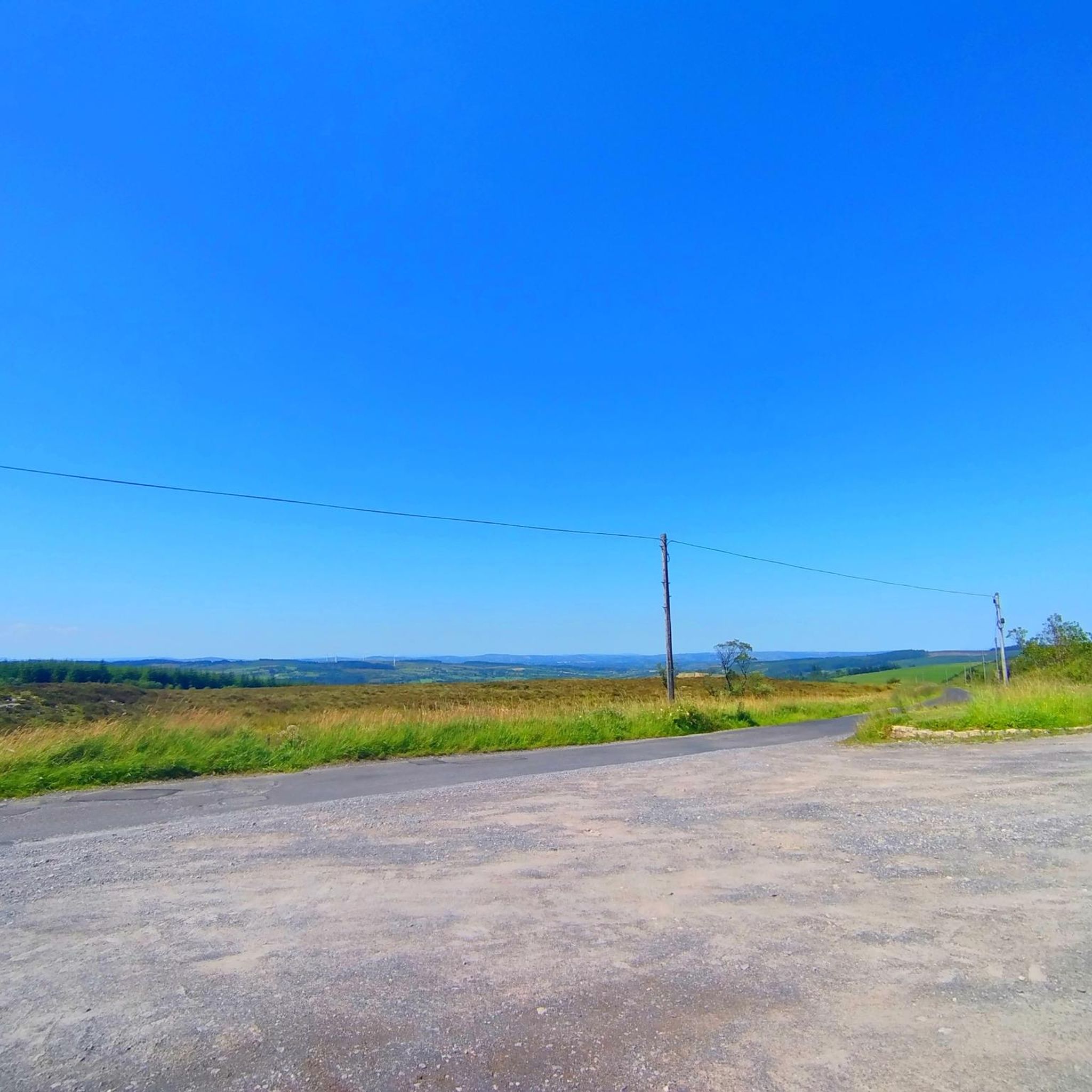
This is an extraordinarily wild and scenic part of Northern Ireland. The lough appears on your right as you travel down Carnmore Road against a backdrop of vibrant green coniferous forest.
2
0

This house is thought to be the only one in Ireland where an exorcism has taken place. Since the exorcism the house is said to be haunted by the poltergeist. Experts of the paranormal suggests that there is a very heavy and eerie atmosphere in the house. Head east on Mullaghfad road for 100 metres to find the spooky house!
1
0
The round tower in Clones was originally built around the 10th century as part of the abbey. Although it would once have stood at 75 feet (23 m), the top part is now missing. Nonetheless, it is still a prominent feature on Clones' skyline. There would once have been four storeys, including a bell storey. St Tierney's graveyard, which surrounds the tower, is also an interesting place to explore with many 17th and 18th-century gravestones and the tomb shrine of St Tighernach.
1
0
Known locally as the "Wee Abbey", Clones Abbey is a ruined monastery dating back to the 12th century. The original abbey was founded by St. Tigernach as early as the 6th century. However, the abbey was destroyed by fire not once, but four times during its history. In the 16th century, the abbey suffered once again during the suppression of monasteries and Protestant reformation under Henry VIII. Less than a hundred years later, it lay in ruin, although some solitary monks still lived here until the 18th century. Today, you can visit the crumbling walls and take a look at the interesting graveyard. The abbey is free to visit and you can access it any time.
0
0
Frequently Asked Questions
What historical sites can I explore around Carnmore?
Carnmore and its surroundings are rich in history. You can visit the restored Clones 'Wee' Abbey, a 12th-century ruined monastery, or see the prominent Clones Round Tower, originally built around the 10th century. Nearby, Claregalway Castle offers guided tours, and the 13th-century Claregalway Abbey is free to visit. The landscape also features ancient ringforts, souterrains, and dolmen-style burial sites.
Are there any unique or unusual attractions in the Carnmore area?
Yes, for those interested in the unusual, the Cooneen Ghost House is a notable site. It's thought to be the only house in Ireland where an exorcism has taken place, and experts suggest it has a very eerie atmosphere.
What natural features and viewpoints can I find near Carnmore?
The area boasts diverse natural beauty. You can visit Carnmore Lough, a wild and scenic lake visible from Carnmore Road, or explore Lough Antrawar, nestled in a boggy landscape. Carnmore's landscape also includes seasonal lakes known as turloughs and extensive boglands, which are great for birdwatching. Higher points, particularly in Carnmore West, offer panoramic views of the countryside.
What outdoor activities, like hiking, are available near Carnmore?
Carnmore is a great base for outdoor activities. For hiking, you can explore routes like the 'Errasallagh and Kimran Forest loop via Lough Corry' (easy, 6.5km) or the 'Slieve Beagh loop via lough Antrawer' (moderate, 8.9km). You can find more details and other hiking options on the Hiking around Carnmore guide page.
Are there cycling routes around Carnmore?
Absolutely! Cyclists can enjoy various routes, including the 'Newbliss and Rockcorry Loop from Clones' (easy, 42km) for road cycling, or the 'Kingfisher Cycle Trail - Clones - Newbliss - Scotshouse' (moderate, 35km) for touring. For a comprehensive list of options, check out the Road Cycling Routes around Carnmore and Cycling around Carnmore guides.
Is Carnmore a good starting point for exploring wider natural attractions?
Yes, Carnmore serves as a convenient starting point for day trips to renowned natural areas. It's close enough to allow easy access to Connemara National Park, known for its scenic mountains, bogs, and woodlands, and the stunning coastal landscapes of the Wild Atlantic Way.
What is the best time to visit Carnmore attractions?
Most of Carnmore's rural attractions, such as archaeological sites and natural features, can be explored throughout the year during daylight hours. Specific sites like Claregalway Castle have set opening times and require tickets, so it's advisable to check their schedules in advance.
Are there any family-friendly attractions in the area?
Many of the historical sites, such as the ruins of Clones 'Wee' Abbey, are accessible and interesting for families. Exploring the natural landscapes, including the turloughs and boglands, can also be an engaging activity for all ages, offering opportunities for birdwatching and gentle walks.
What is the cultural significance of Carnmore?
Carnmore is part of a Gaeltacht area, reflecting a vibrant Gaelic culture, although English is widely spoken. The local hurling club, Carnmore GAA, also plays a significant role in the community's cultural and sporting identity. The area's history is also marked by sites like Mass Rocks and Lisheens (small burial grounds), highlighting its religious heritage and resilience.
Do I need tickets or permits to visit attractions in Carnmore?
For the general rural area of Carnmore, including its archaeological features and natural landscapes, no tickets or permits are required, and access is typically during daylight hours. However, specific nearby attractions like Claregalway Castle do require tickets for entry.
Can I spot wildlife in Carnmore?
Yes, the turloughs and boglands around Carnmore support diverse flora and fauna, making them ideal locations for birdwatching and observing local wildlife. These unique ecosystems provide habitats for various species throughout the year.
Most popular routes around Carnmore

Get inspired with the komoot mobile app


Explore more
Still not found the Highlight you’re looking for? See guides of the top attractions in other regions:
