Attractions and Places To See around Cottingwith - Top 20
Best attractions and places to see around Cottingwith include historical sites and natural landscapes. This village in the East Riding of Yorkshire offers a glimpse into rural life, with the River Derwent and Pocklington Canal providing scenic views and waterside access. The area features significant historical landmarks and natural features for visitors to explore.
Best attractions and places to see around Cottingwith
- The most popular attractions is Stamford Bridge Railway Viaduct, a bridge that spans over the River Derwent.…
Last updated: October 5, 2026
Pocklington Canal
Highlight (Segment) • Historical Site
Tip by

Stamford Bridge Railway Viaduct
Highlight • Bridge
Once a vital link for the railway connecting …
Tip by

Sign up now to discover places like this
Get recommendations on the best single tracks, peaks, & plenty of other exciting outdoor places.
Battle of Stamford Bridge Memorial
Highlight • Historical Site
Tip by

RAF Riccall Bomber Memorial at Skipwith Common
Highlight • Natural Monument
Tip by
Burnby Hall Gardens
Highlight • Structure
Pocklington is known for its red-roofed buildings and unusual street names. The …
Tip by
Sign up for free to discover even more attractions around Cottingwith.
Already have an account?
Start today with a free account
Your next adventure awaits.
Tips from the Community

The oldest surviving cast-iron railway bridge of its kind in Britain, dating back to 1847. - The last train crossed the viaduct on 27 November 1965, after which the line was closed and the structure fell into disuse. By 1991, its condition had deteriorated so badly that East Yorkshire Borough Council planned to demolish it, estimating costs at £60,000. Thanks to local protests and rail heritage campaigners, the demolition was halted. The viaduct was restored and now forms part of the Sustrans National Cycle Network, preserving its legacy for public enjoyment.
0
0
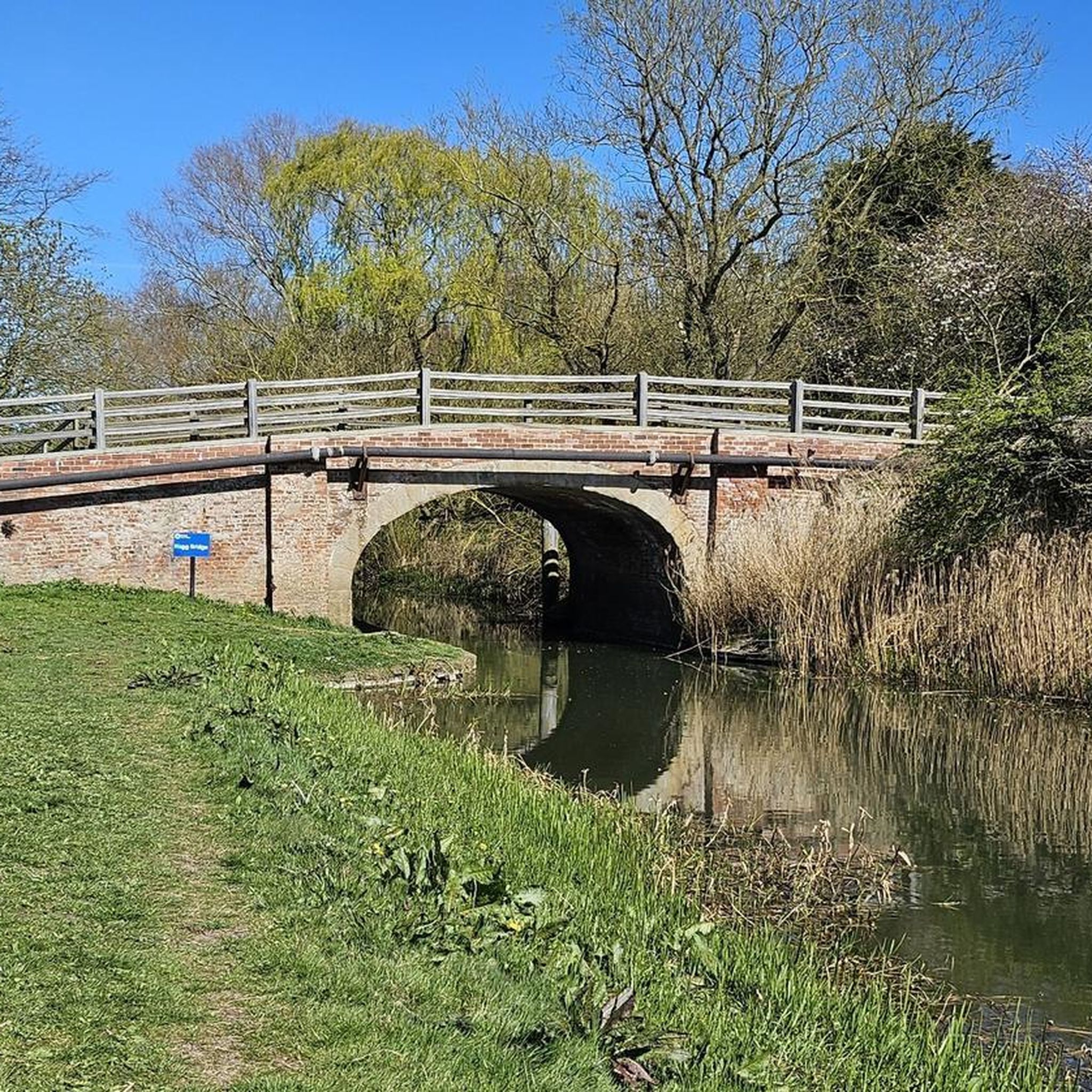
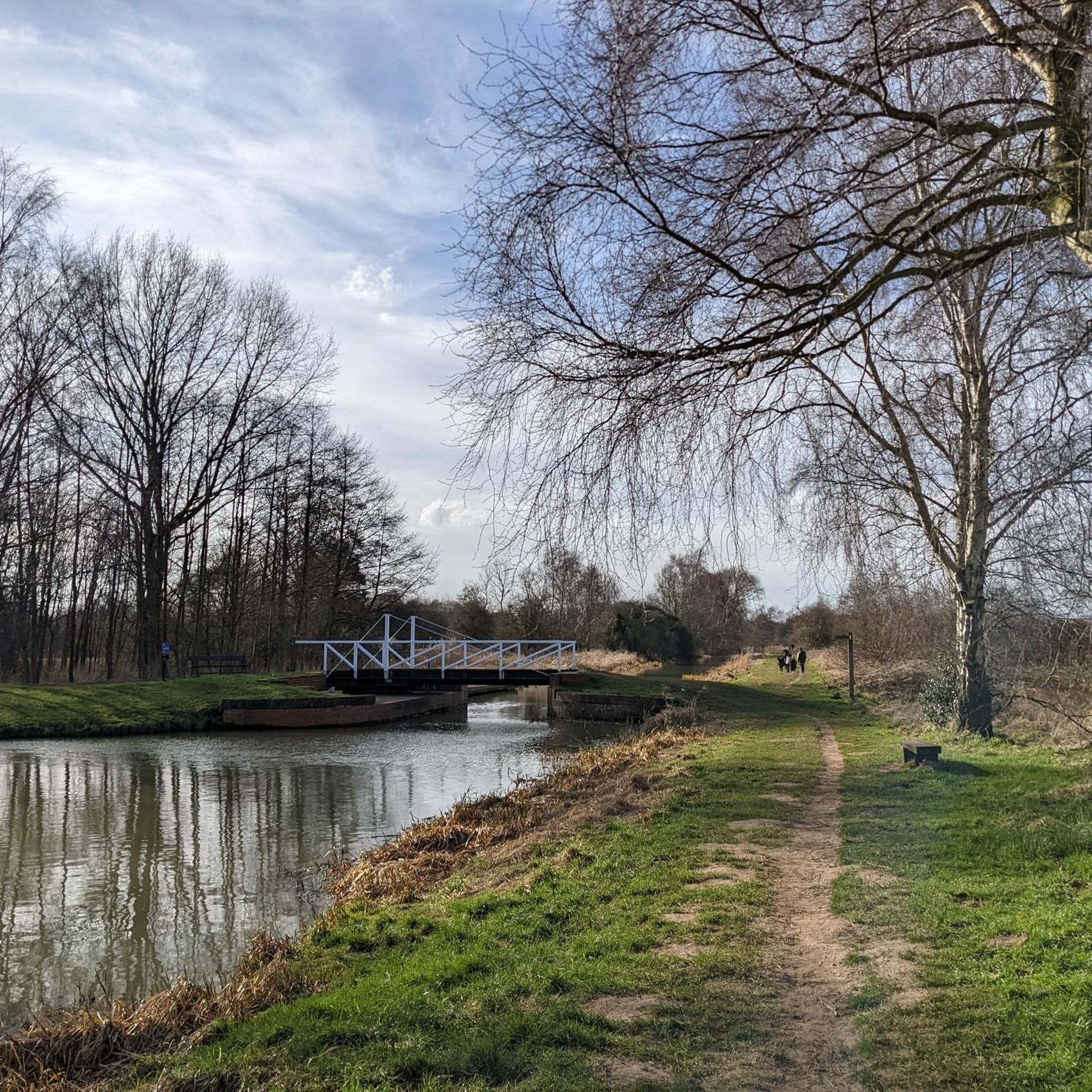
A beautiful rural canal of two halves, the upper reaches of the Pocklington Canal between Canal Head and Melbourne is characterised by un-restored locks, tree lined towpaths, and classic humpbacked bridges. Only the lower reaches of the canal is open to boats, lying in an open landscape of floodplains and meadows, rich in wildlife, and identifiable by its distinctive swing bridges. Once threatened, the canal was saved by the work of local volunteers and campaigners, and is now home to three Sites of Special Scientific Interest. Look out for Church Bridge and Swing Bridge No. 7 on the Pocklington Canal – both recently restored. Lots of history on wikipedia: https://en.wikipedia.org/wiki/Pocklington_Canal Maps (and other useful pages) on the Pocklington Canal Amenity Society website: https://www.pocklingtoncanalsociety.org/maps
2
0
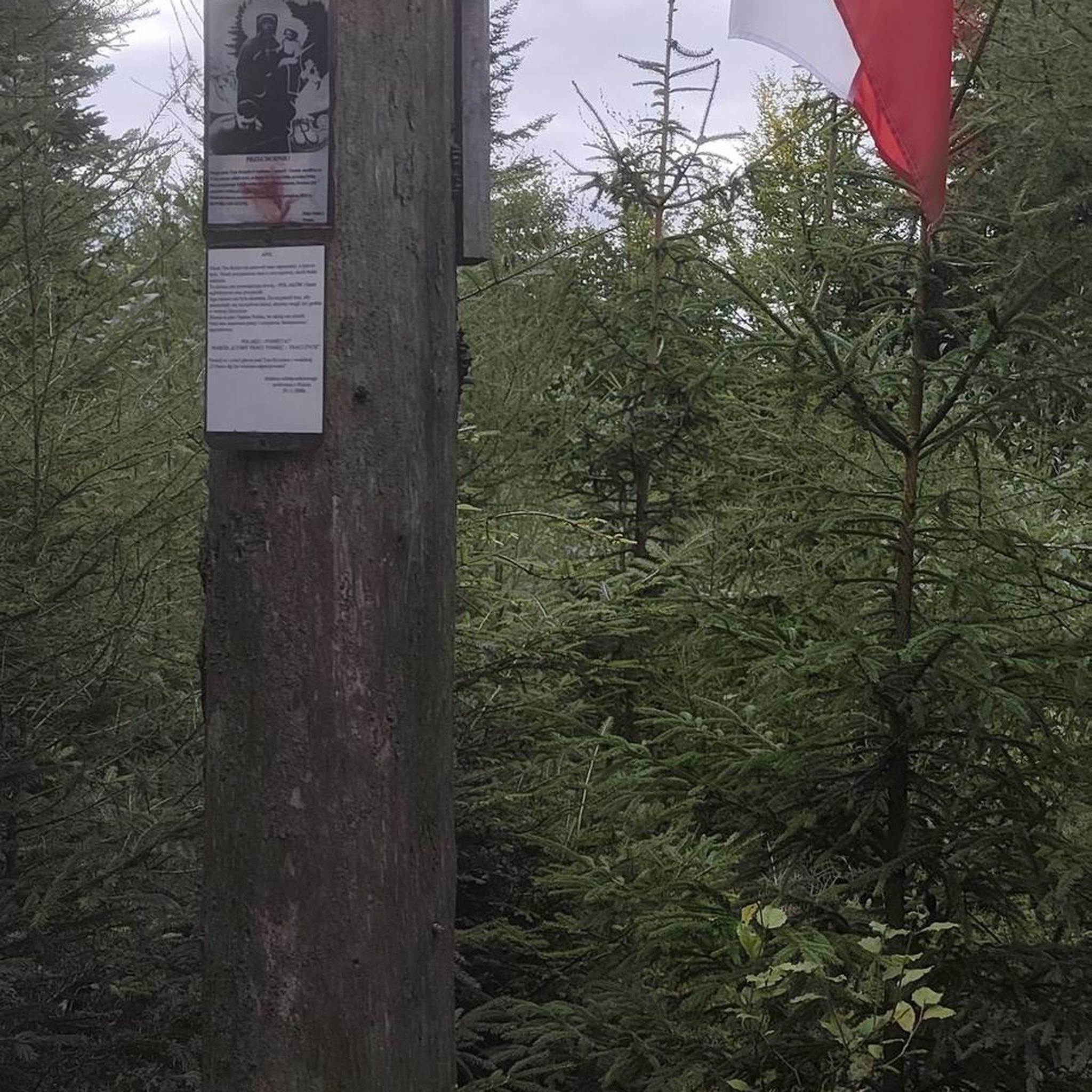
Remnants of RAF Riccall are clearly visible around this loop. The base has a rich history and served as a heavy bomber (Handley Page Halifax) operational conversion unit during the Second World War. Three runways were constructed to form an "A" shape, which allegedly had to be rebuilt after they started to subside and sink into the soft ground. The entire common is riddled with patches of concrete and asphalt that represent the remains of the taxiways and flight pan.
2
0

This is a beautiful rural canal that stretches 9.5 miles (15 km) between East Cottingwith and Canal Head. The canal path is lined with trees and passes by numerous original locks and elegant humpbacked bridges. It's a delightful stretch of walking – truly.
1
0
Pocklington is a classic English market town, located just 15 miles (24 km) from the city of York. Pocklington is known for its red-roofed buildings and unusual street names. The town has an array of independent shops and places to eat, and a number of attractions worth checking out. Among the town's treasures lies Burnby Hall Gardens, a horticultural haven often referred to as the 'jewel in Yorkshire's crown' – a mandatory stop for anyone visiting.
2
0
This impressive old railway viaduct that spans over the River Derwent is built from beautiful red brick and consists of 15 arches. Once a vital link for the railway connecting York and Market Weighton, this structure stands as the largest remaining remnant of that historic railway line. Today, it has transformed into a tranquil and traffic-free crossing, offering a picturesque vantage point to admire the waterway below.
1
0

The field to the north east of the road is the site of the Battle of Stamford Bridge on 25/09/1066, a turning point in English history. It was here that King Harold of England defeated the Viking King Harald Harada and Harold's own brother Tostig. This resulted in the end of the Viking era in England, such was the loss of life. Though from here, King Harold and his men had to march to Hastings on the south coast of England to meet William of Normandy who was challenging Harold's ascension to the throne. Harold's exhausted and much depleted men were defeated at the Battle of Hastings and Harold killed. This lead to the Norman Conquest of England. The Battle of Stamford Bridge is depicted in the Bayeux Tapestry. There are monuments to the Battle of Stamford Bridge in the village and on the site of battle at the end of Whiterose Drive.
0
0

Frequently Asked Questions
What historical sites can I explore around Cottingwith?
The area around Cottingwith is rich in history. You can visit the Battle of Stamford Bridge Memorial, marking a pivotal moment in English history. Another significant site is the RAF Riccall Bomber Memorial at Skipwith Common, where you can see remnants of a World War II airbase. Within Cottingwith itself, St Mary's Church is a Grade II listed building with ancient bells and a historic churchyard.
Are there natural landscapes or waterways to visit in the area?
Yes, Cottingwith offers beautiful natural features. You can enjoy scenic views over the River Derwent Ings, providing a tranquil natural landscape. The Pocklington Canal, stretching 15 km, is another excellent spot for waterside strolls, featuring tree-lined towpaths and original locks. Additionally, Burnby Hall Gardens offers a horticultural haven with lakes and diverse plant life.
What activities are suitable for families near Cottingwith?
Families can enjoy several attractions. The Stamford Bridge Railway Viaduct is part of the Sustrans National Cycle Network, offering a traffic-free crossing for walks and bike rides. The Pocklington Canal provides pleasant walking paths. Burnby Hall Gardens is also a family-friendly destination with its beautiful gardens and lakes. For unique countryside experiences, the Wild Harvest School of Self-Reliance offers activities like archery and foraging.
Where can I find walking or running trails around Cottingwith?
There are various options for walking and running. The Pocklington Canal features tree-lined towpaths perfect for strolls. For more dedicated routes, you can explore running trails such as the 'Allerthorpe Common loop' or the 'Lower Derwent Valley NNR loop'. You can find more detailed running routes in the Running Trails around Cottingwith guide.
Are there cycling routes available near Cottingwith?
Yes, the area is suitable for cycling. The Stamford Bridge Railway Viaduct is now part of the Sustrans National Cycle Network. For more extensive rides, you can find various cycling routes, including the 'Naburn Railway Bridge – York Millennium Bridge loop' or the 'Cawood Bridge – Cawood Castle Gatehouse loop'. Discover more options in the Cycling around Cottingwith guide.
What unique historical landmarks are there besides the main attractions?
Beyond the more prominent sites, Cottingwith holds several unique historical landmarks. The East Cottingwith Village Hall, originally the first registered Friends Meeting House in the East Riding, served as the village school and includes a Quaker burial ground. The Old Chapel, formerly a Methodist chapel, also stands as a historical building in the village. On Ball Hall Lane, you can find a statuesque fountain built by Italian artists from a former Prisoner of War camp.
What is the significance of the Pocklington Canal?
The Pocklington Canal is a beautiful rural waterway stretching 15 km between East Cottingwith and Canal Head. It's significant for its un-restored locks, tree-lined towpaths, and humpbacked bridges. Once threatened, local volunteers saved it, and it's now home to three Sites of Special Scientific Interest, rich in wildlife. It offers a glimpse into historical transport and natural beauty.
Can I learn about World War II history near Cottingwith?
Yes, you can visit the RAF Riccall Bomber Memorial at Skipwith Common. This site contains visible remnants of the former RAF Riccall base, which operated as a heavy bomber operational conversion unit during the Second World War. You can still see patches of concrete and asphalt from the old taxiways and flight pans.
What is there to see in the nearby village of Stamford Bridge?
The village of Stamford Bridge is home to the impressive Stamford Bridge Railway Viaduct, a red-brick structure with 15 arches that is now part of the Sustrans National Cycle Network. Additionally, the Battle of Stamford Bridge Memorial commemorates the historic battle of 1066, a turning point in English history.
What kind of outdoor experiences does the Wild Harvest School offer?
Located at Boundary Farm, the Wild Harvest School of Self-Reliance/Wild Harvest Tipis & Activities offers unique countryside experiences. These include activities like archery and foraging, providing an immersive way to connect with nature and learn practical skills in a rural setting.
Are there opportunities for gravel biking around Cottingwith?
Yes, the region offers gravel biking opportunities. You can find routes such as the 'Bubwith Old Station – Pocklington Canal Lock loop'. For more detailed gravel biking trails and information, refer to the Gravel biking around Cottingwith guide.
What do visitors enjoy most about the attractions near Cottingwith?
Visitors particularly appreciate the historical significance and natural beauty of the area. The Stamford Bridge Railway Viaduct is admired for its impressive architecture and its transformation into a scenic, traffic-free crossing. The Pocklington Canal is loved for its rural charm, wildlife, and peaceful walking paths. The visible remnants and rich history of the RAF Riccall Bomber Memorial also draw interest from those keen on World War II history.
Most popular attractions around Cottingwith

Get inspired with the komoot mobile app


Explore more
Still not found the Highlight you’re looking for? See guides of the top attractions in other regions:
