Attractions and Places To See around Cropwell Butler - Top 20
Best attractions and places to see around Cropwell Butler include a range of sites highlighting its history and natural setting. This picturesque Nottinghamshire village is characterized by a gently rolling rural landscape, fertile soils, and mature trees. The area features several Grade II listed buildings and a designated conservation area, preserving its distinct rural feel.
Best attractions and places to see around Cropwell Butler
- The most popular attractions is Gunthorpe Riverside and The Unicorn Hotel, a settlement that is a beautifully maintained village with a lot of charm. It is a lovely riverside village with a pub and a pier, ideal for photography.
- Another must-see spot is Ye Olde Trip to Jerusalem – The Oldest Inn in England, a historical site claiming to be the oldest inn on the island. This cozy pub offers a historical atmosphere for visitors.
- Visitors also love Netherfield Lagoons Nature Reserve, a Local Nature Reserve situated on the Trent Valley Flood Plain. It features gravel ponds and slurry pits that attract various wildfowl and smaller birds.
- Cropwell Butler is known for historical sites, natural landscapes, and community hubs. The area offers a variety of attractions to explore, from listed buildings to nature reserves and traditional village settings.
- The attractions around Cropwell Butler are appreciated by the komoot community, with more than 80 upvotes and 19 photos shared.
Last updated: July 6, 2026
Ruins of St John the Baptist Church
Highlight • Monument
source: travellerj.com/2018/12/18/ruins-of-st-johns-church
Tip by

Ye Olde Trip to Jerusalem – The Oldest Inn in England
Highlight • Historical Site
Tip by

Sign up now to discover places like this
Get recommendations on the best single tracks, peaks, & plenty of other exciting outdoor places.
Sign up for free
Gunthorpe Riverside and The Unicorn Hotel
Highlight • Settlement
Tip by

Netherfield Lagoons Nature Reserve
Highlight • Viewpoint
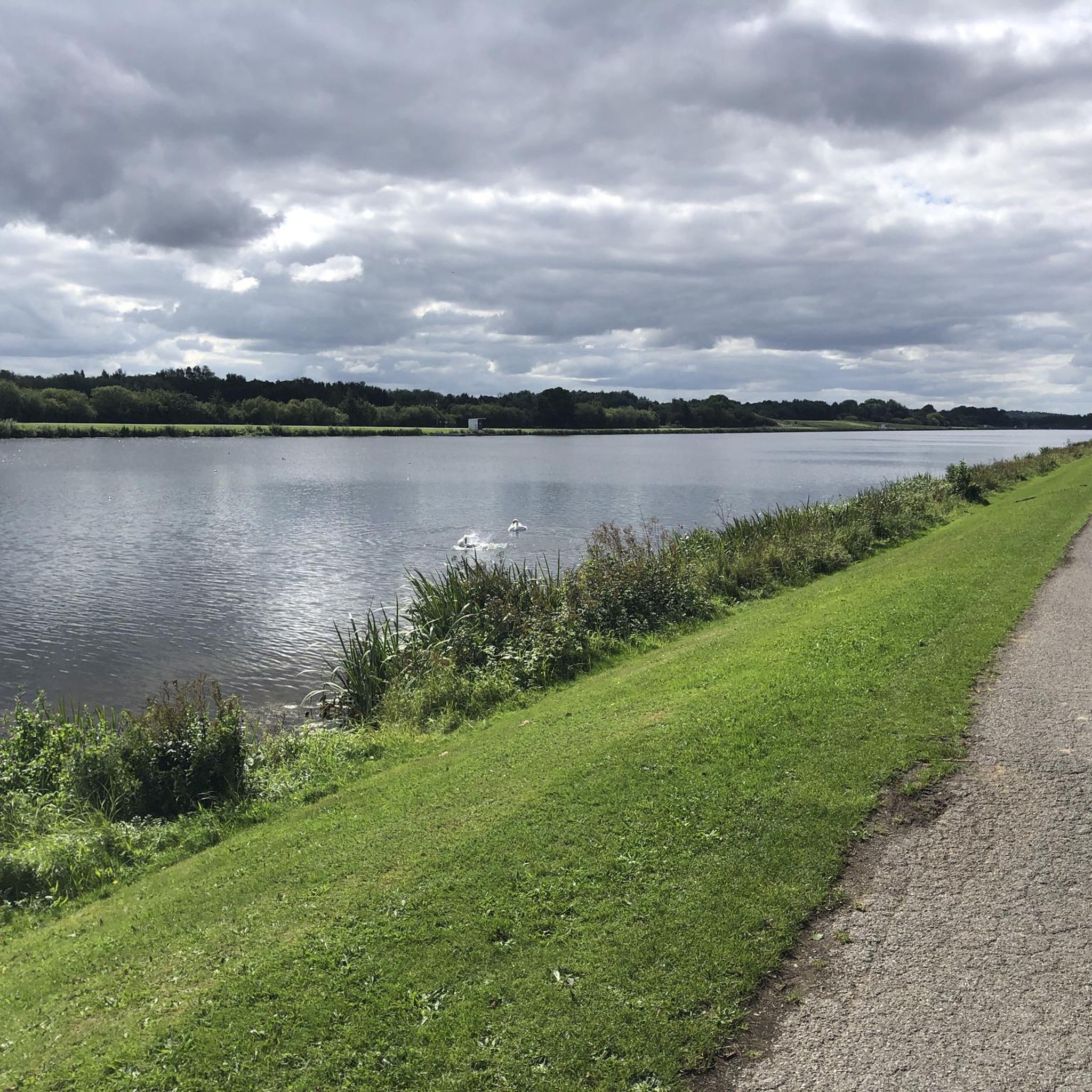
The Netherfield Lagoons, Local Nature Reserve is situated on the Trent Valley Flood Plain in Nottinghamshire and has been partly used as a dump for coal slurry but with two remaining gravel ponds. The two slurry pits are separated by a raised causeway, which is elevated some 50 feet (15 m) above the pits, giving a commanding view of the area. The largest tank is virtually full but retains some water, with muddy edges attractive to waders and roosting gulls and terns. The smaller tank is mainly deep water, attracting good numbers of wildfowl, with smaller birds, especially warblers, feeding and breeding around the tank edges. The site consists roughly of three compartments, the Slurry Lagoon, the Deep Pit and the two Gravel Pits.
(source: gedlingconservationtrust.org/netherfield-lagoons/)
Tip by
St Peter's Church, Nottingham
Highlight • Historical Site
The church shows traces of many stages of construction from about 1180 onwards (the original church of around 1100 was destroyed by fire).
(en.wikipedia.org/wiki/St_Peter%27s_Church,_Nottingham)
Tip by
Sign up for free to discover even more attractions around Cropwell Butler.
Sign up for free
Already have an account?
Start today with a free account
Your next adventure awaits.
Login or Signup
Tips from the Community

The Domesday Book records a church and priest at Colwick in 1086. The church that now stands in ruins was largely built by Sir John Byron in the 16th Century but incorporates 14th and 15th Century sections from an earlier church. The building at that time probably had a spire not a plain tower. By 1912 the roof of the church was in a poor state. Although repairs made the building serviceable again for a few years, the condition of the church continued to deteriorate and by 1920 some of the services were being held in the Schoolrooms in wintertime and later in a newly built Parish Hall. From 1923 some marriages were conducted in the Parish Hall. In Mar 1924, the down-pipes were repaired and the walls pointed. The roof was again repaired but its condition continued to give concern and in 1933 the church was abandoned as dangerous. It was finally closed as being unsafe in March 1936, and in November 1936, the principal beam of the roof gave way.
0
0

Whether its claim to be England's oldest inn is true or not, this is a lovely, old, atmospheric inn well worth a visit! 🍻
0
0

A cozy pub with history - whether the story is real or well-invented
2
0

A Local Nature Reserve in Nottinghamshire The Netherfield Lagoons, Local Nature Reserve is situated on the Trent Valley Flood Plain in Nottinghamshire and has been partly used as a dump for coal slurry but with two remaining gravel ponds. The two slurry pits are separated by a raised causeway, which is elevated some 50 feet (15 m) above the pits, giving a commanding view of the area. The largest tank is virtually full but retains some water, with muddy edges attractive to waders and roosting gulls and terns. The smaller tank is mainly deep water, attracting good numbers of wildfowl, with smaller birds, especially warblers, feeding and breeding around the tank edges. The site consists roughly of three compartments, the Slurry Lagoon, the Deep Pit and the two Gravel Pits. (source: https://www.gedlingconservationtrust.org/netherfield-lagoons/)
1
0
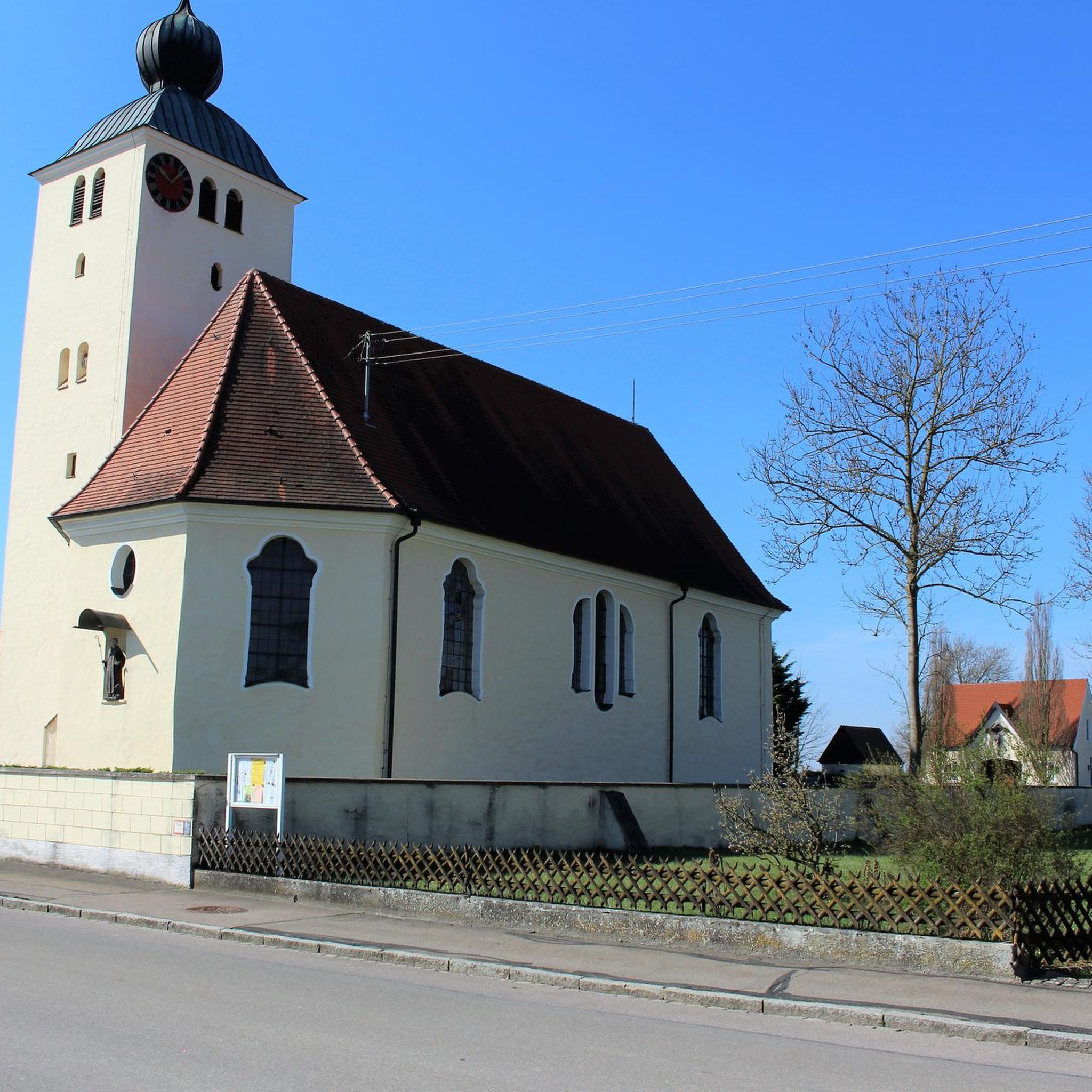
The now derelict St John the Baptist Church was built by Sir John Byron in the 16th century, incorporating 14th and 15th century sections from an earlier church. It was restored again in 1684 by Sir John Musters and was in use until the mid-1930s when it was no longer repaired, the nave roof collapsed and it was abandoned as dangerous and left to ruin. source: https://travellerj.com/2018/12/18/ruins-of-st-johns-church/
1
0

Lovely beer garden behind the pub, nice for a summers drink
3
0

St Peter's is one of the three mediaeval parish churches in Nottingham, the others being St Mary's and St Nicholas. The parish of St. James' Church, Standard Hill, founded in 1807 was united with St Peter's in 1933 and the official title "St Peter with St James" came into being. (St James's was demolished a few years later; some monuments from St James's are preserved in St Peter's.) The church shows traces of many stages of construction from about 1180 onwards (the original church of around 1100 was destroyed by fire). (https://en.wikipedia.org/wiki/St_Peter%27s_Church,_Nottingham)
5
0
Inn, which claims to be the oldest on the island (tough it does not seem to be alone with the claim). The name together with its believed origin on the coronation year of Richard I. is a great example of British humor.
9
0
Frequently Asked Questions
What historical sites can I explore in Cropwell Butler?
Cropwell Butler is rich in history, featuring several Grade II listed buildings such as The Poplars, West Lea, The Grange, and The Court, which includes an octagonal dovecote. You can also see the historic Grantham Canal Milepost and the War Memorial Lychgate at the cemetery. Further afield, consider visiting Ye Olde Trip to Jerusalem – The Oldest Inn in England for a historical pub experience, or the Theatre Royal Nottingham and St Peter's Church, Nottingham.
Are there any natural attractions or scenic spots in the Cropwell Butler area?
Yes, the village is set within a gently rolling rural landscape, characterized by the Mercia Mudstone escarpment. Hoe Hill, a significant natural landmark, offers scenic views. The Grantham Canal runs along the western edge of the parish, providing a tranquil setting. A notable natural attraction nearby is Netherfield Lagoons Nature Reserve, a Local Nature Reserve on the Trent Valley Flood Plain, known for attracting various wildfowl and smaller birds.
What kind of outdoor activities can I do near Cropwell Butler?
The area around Cropwell Butler is ideal for various outdoor activities. You can find numerous routes for road cycling, hiking, and running. For road cycling, explore routes like 'The Tea Junction loop from Rushcliffe' or 'The Old Wharf – The Old Wharf loop from Bingham'. Hikers can enjoy trails such as the 'Grantham Canal Path' or 'St Luke's Church, Kinoulton loop'. Running enthusiasts have options like 'Rhododendron Plantation – Bellevue Spinney loop'. You can find more details on these activities and routes in the dedicated guides for Road Cycling, Hiking, and Running Trails around Cropwell Butler.
Are there family-friendly attractions in Cropwell Butler?
Absolutely. The village green, with its public open space and old pump, is a pleasant spot for families. The Sheldon Field, located behind the Village Hall, provides a valuable community amenity, particularly with its children's play area. Additionally, Gunthorpe Riverside and The Unicorn Hotel offers a charming riverside village experience that is family-friendly, and Netherfield Lagoons Nature Reserve is a great place for nature-loving families to spot birds.
Where can I find walking or hiking trails around Cropwell Butler?
Cropwell Butler is surrounded by a network of walking and hiking trails. The Grantham Canal Path offers a pleasant route, and you can find various loops like the 'Radcliffe Cliff Walk' or 'Smite Bridge – Quiet Path loop'. These trails allow you to explore the rural landscape and enjoy the natural beauty of the area. For detailed routes and difficulty levels, refer to the Hiking around Cropwell Butler guide.
What is the Cropwell Butler Conservation Area?
The Cropwell Butler Conservation Area, designated in 1990, covers approximately 41.4 hectares. It recognizes and preserves the village's cultural and architectural significance, maintaining its distinct rural feel. This area includes a mix of traditional buildings, walls, and green spaces, ensuring the village's unique character is protected. You can learn more about its appraisal at rushcliffe.gov.uk.
Can I find traditional English pubs in Cropwell Butler?
Yes, The Plough Inn is a traditional public house in Cropwell Butler, serving as a social hub for residents and visitors. It's a great place to experience local hospitality. Additionally, the nearby Gunthorpe Riverside and The Unicorn Hotel also offers a pub by the river.
What is the best time of year to visit Cropwell Butler for outdoor activities?
The gently rolling rural landscape and natural features of Cropwell Butler are enjoyable throughout the warmer months, typically from spring to early autumn. During this period, the weather is generally more favorable for hiking, cycling, and exploring the village's outdoor attractions. The mature trees and hedgerows are in full foliage, enhancing the picturesque atmosphere.
Are there easy walks suitable for all abilities near Cropwell Butler?
Yes, there are easy walks available. For instance, the 'Radcliffe Cliff Walk loop from Stoke Bardolph' is listed as an easy hiking route. The Grantham Canal path also offers relatively flat sections suitable for leisurely strolls. These routes are great for those looking for less strenuous options to enjoy the local scenery. Check the Hiking around Cropwell Butler guide for more easy-rated trails.
What is the community spirit like in Cropwell Butler?
Cropwell Butler is known for its strong sense of community. The village hosts local events, such as the annual Cropwell Butler Village Fete, which brings residents together. It has also received accolades in 'Best Kept Village' competitions, reflecting the pride and collective effort of its community members.
What is the significance of the Grantham Canal in Cropwell Butler?
The Grantham Canal, passing along the western edge of the parish, played a historical role in the village's economy, with a wharf that handled goods. Today, while the historic lock house and workshops are gone, the canal remains a significant natural and historical feature, offering scenic views and walking opportunities.
Are there any unique or 'hidden gem' places to discover in the Cropwell Butler area?
Beyond the well-known spots, exploring the Grade II listed buildings like The Court with its octagonal dovecote offers a glimpse into unique architectural heritage. The Village Green, transformed from allotments, holds a charming wooden village sign and an old pump, telling a story of community evolution. The Methodist Chapel, with its long-standing congregation dating back to 1773, is another quiet historical gem.
Most popular attractions around Cropwell Butler

Get inspired with the komoot mobile app


Explore more
Still not found the Highlight you’re looking for? See guides of the top attractions in other regions:
