The best cycling routes around Pöllau
4.6
(221)
1,407
riders
77
rides
Touring cycling around Pöllau is characterized by its diverse landscape of gentle, rolling hills within the Pöllau Valley Nature Park. The region features a patchwork of forests, meadows, fields, and extensive Hirschbirne orchards. Elevation ranges from 345 meters to 1,280 meters, providing varied gradients for cyclists. River valleys, such as the Feistritz Valley, and natural features like Lake Stubenberg, are also part of the terrain.
Best touring cycling routes around Pöllau
- The most popular touring cycling route is Pöllau Parish…
Last updated: June 24, 2026
4.9
(24)
157
riders
46.2km
03:11
720m
720m
Hard bike ride. Very good fitness required. Mostly paved surfaces. Suitable for all skill levels.
4.8
(26)
110
riders
63.8km
03:59
530m
530m
Hard bike ride. Very good fitness required. Mostly paved surfaces. Suitable for all skill levels.

Sign up for free
4.9
(19)
71
riders
41.2km
02:42
450m
450m
Hard bike ride. Very good fitness required. Mostly paved surfaces. Suitable for all skill levels.
4.9
(9)
74
riders
32.2km
02:00
270m
270m
Moderate bike ride. Good fitness required. Mostly paved surfaces. Suitable for all skill levels.
4.8
(14)
39
riders
44.7km
03:05
710m
710m
Hard bike ride. Very good fitness required. Mostly paved surfaces. Suitable for all skill levels.
Get access to more routes and recommendations from other explorers.
Sign up for free
Already have an account?
Our route recommendations are based on thousands of hikes, rides, and runs completed by other people on komoot.
Start today with a free account
Your next adventure awaits.
Login or Signup
Popular around Pöllau
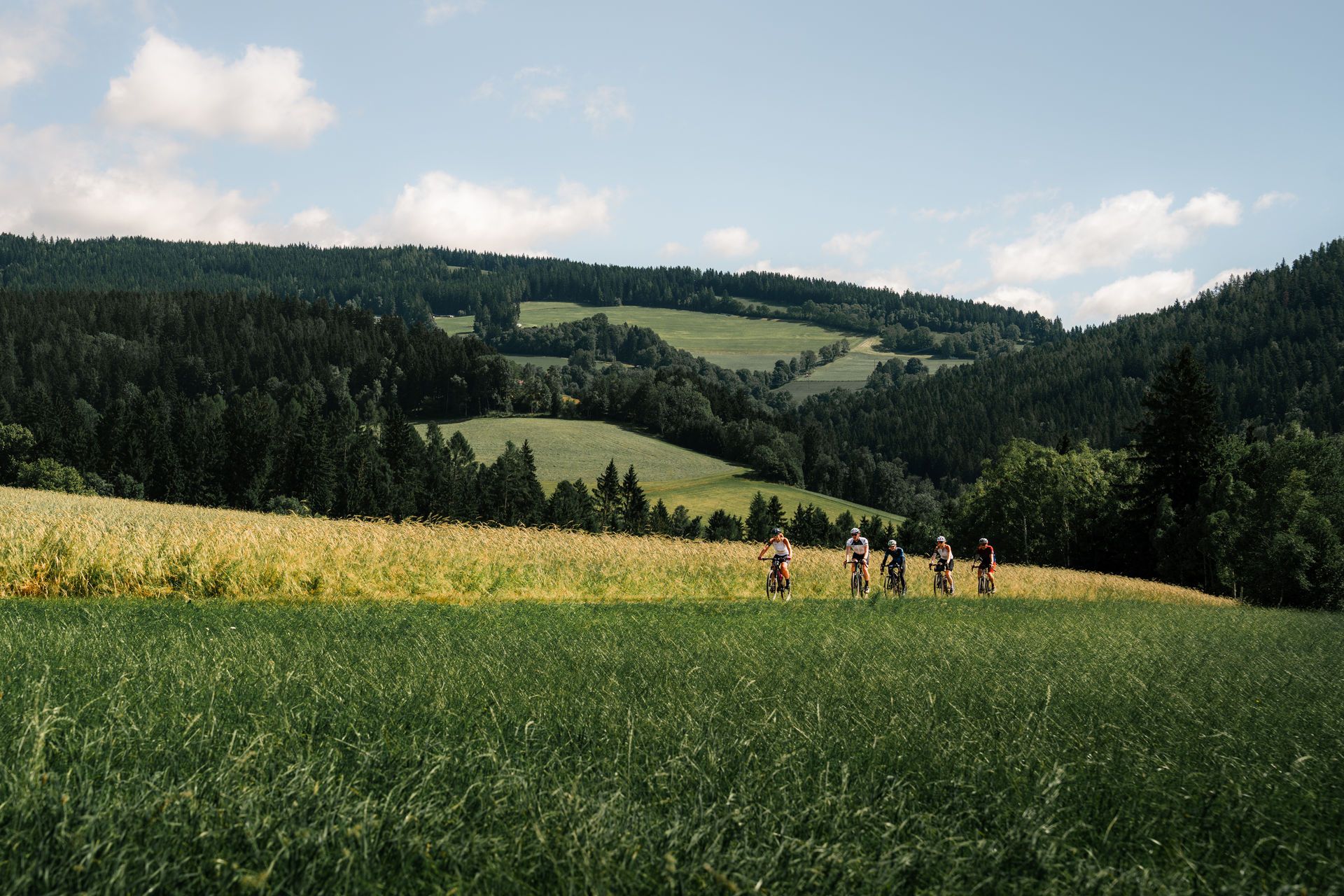
Spring awakening – through Eastern Styria on two wheels
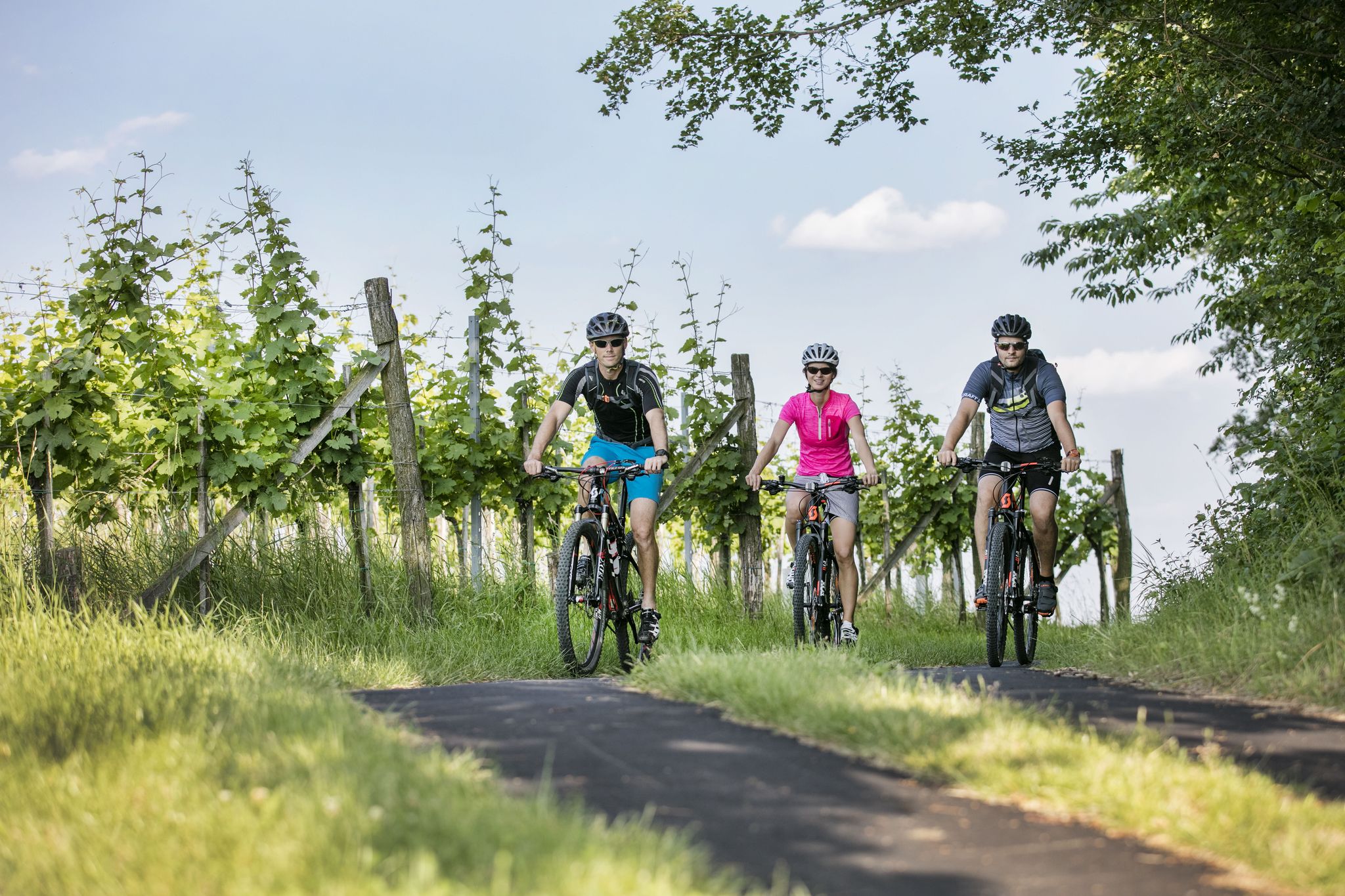
6 gourmet rides in East and Southeast Styria
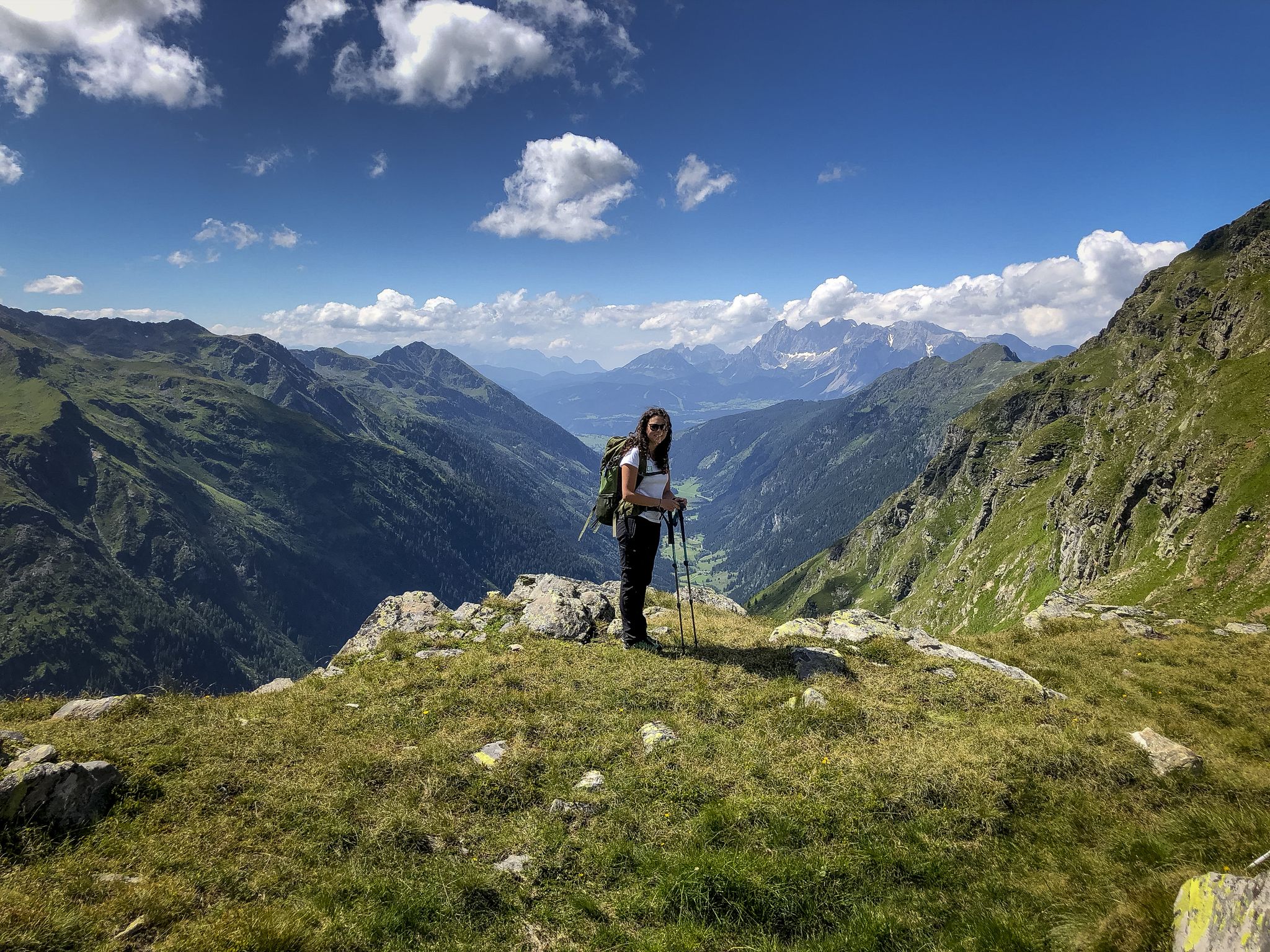
Discover Styria in Austria on foot – ‘From Glacier to Wine’ North Route
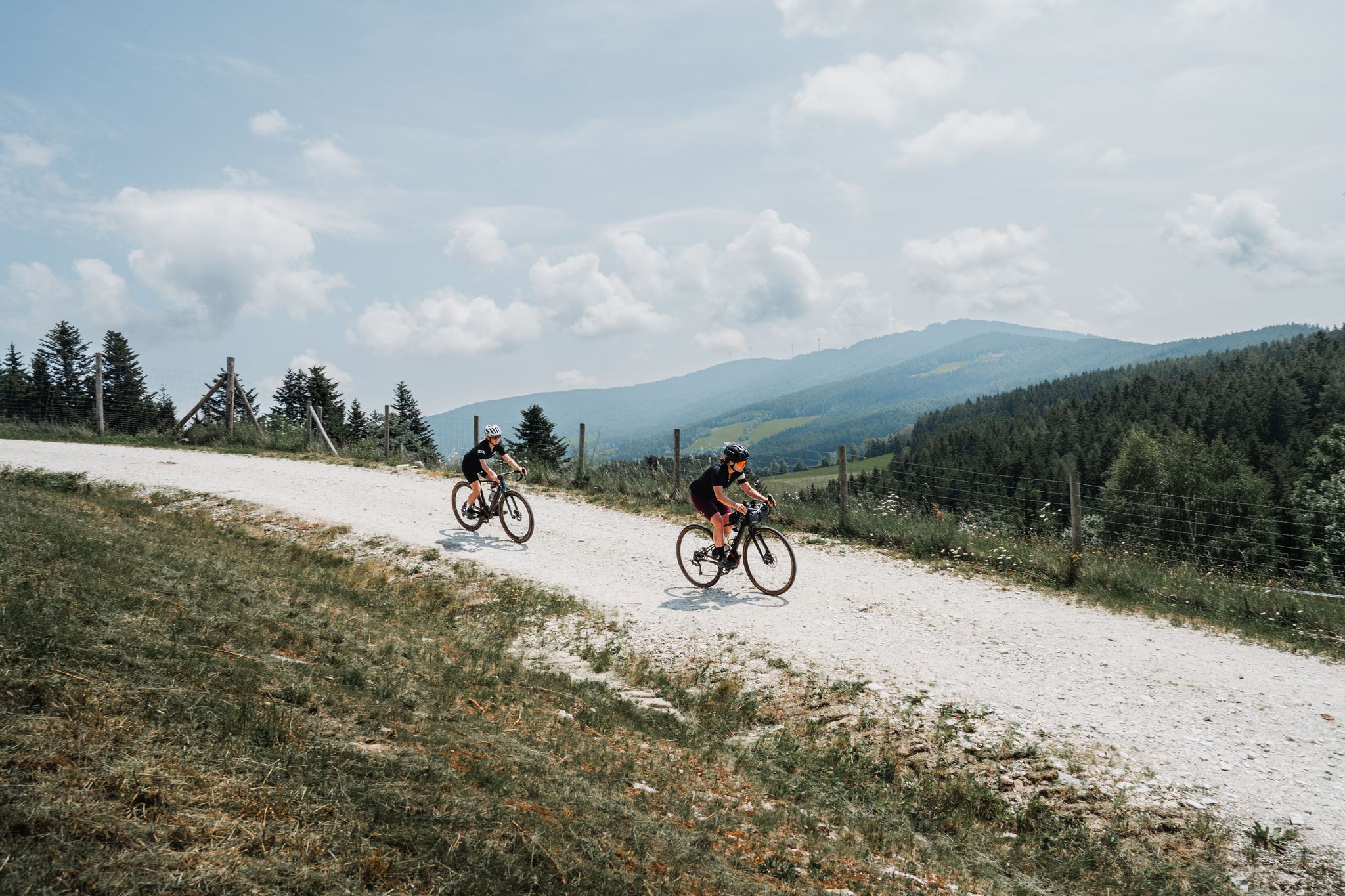
Gravel Challenge - Der große Jogl
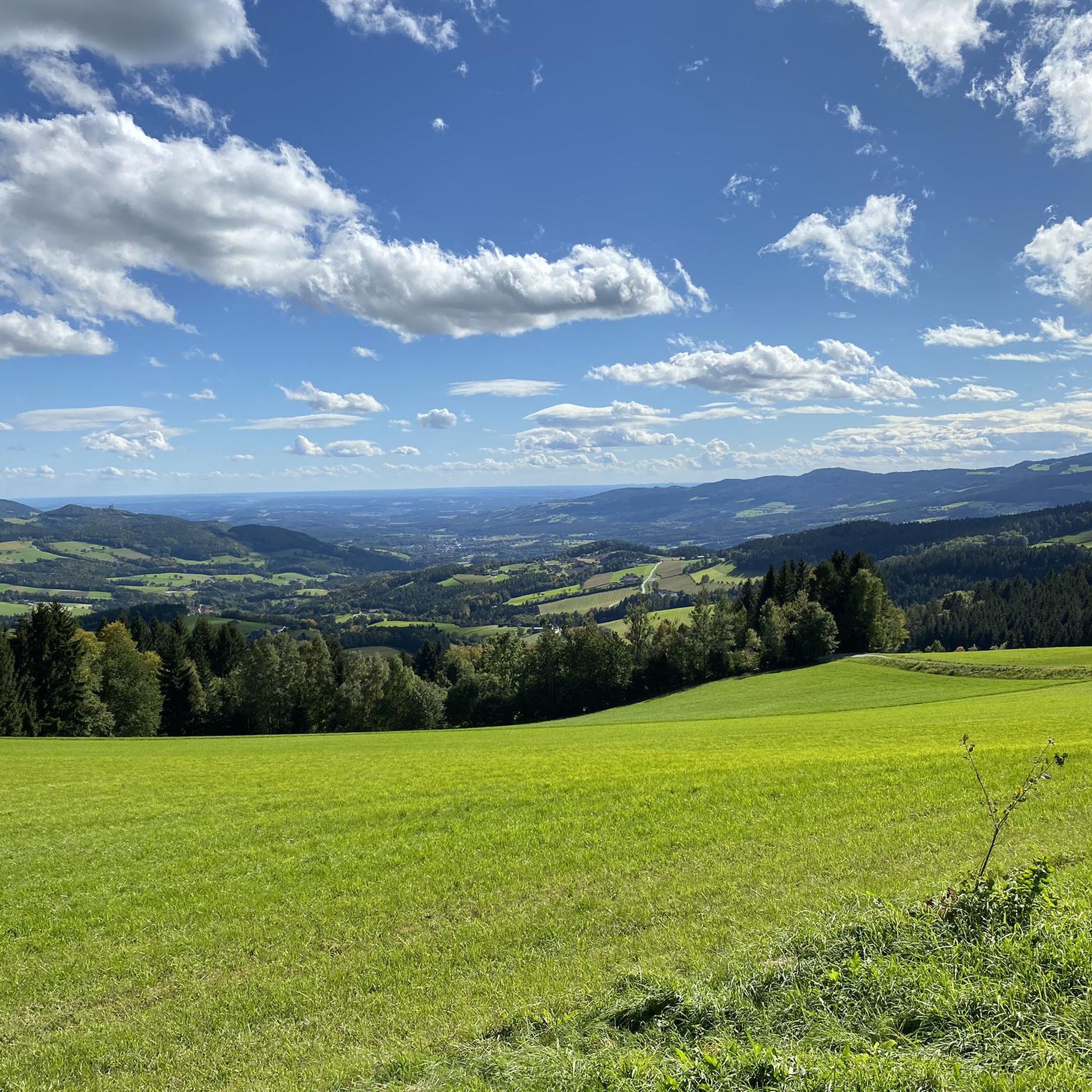
Hiking around Pöllau
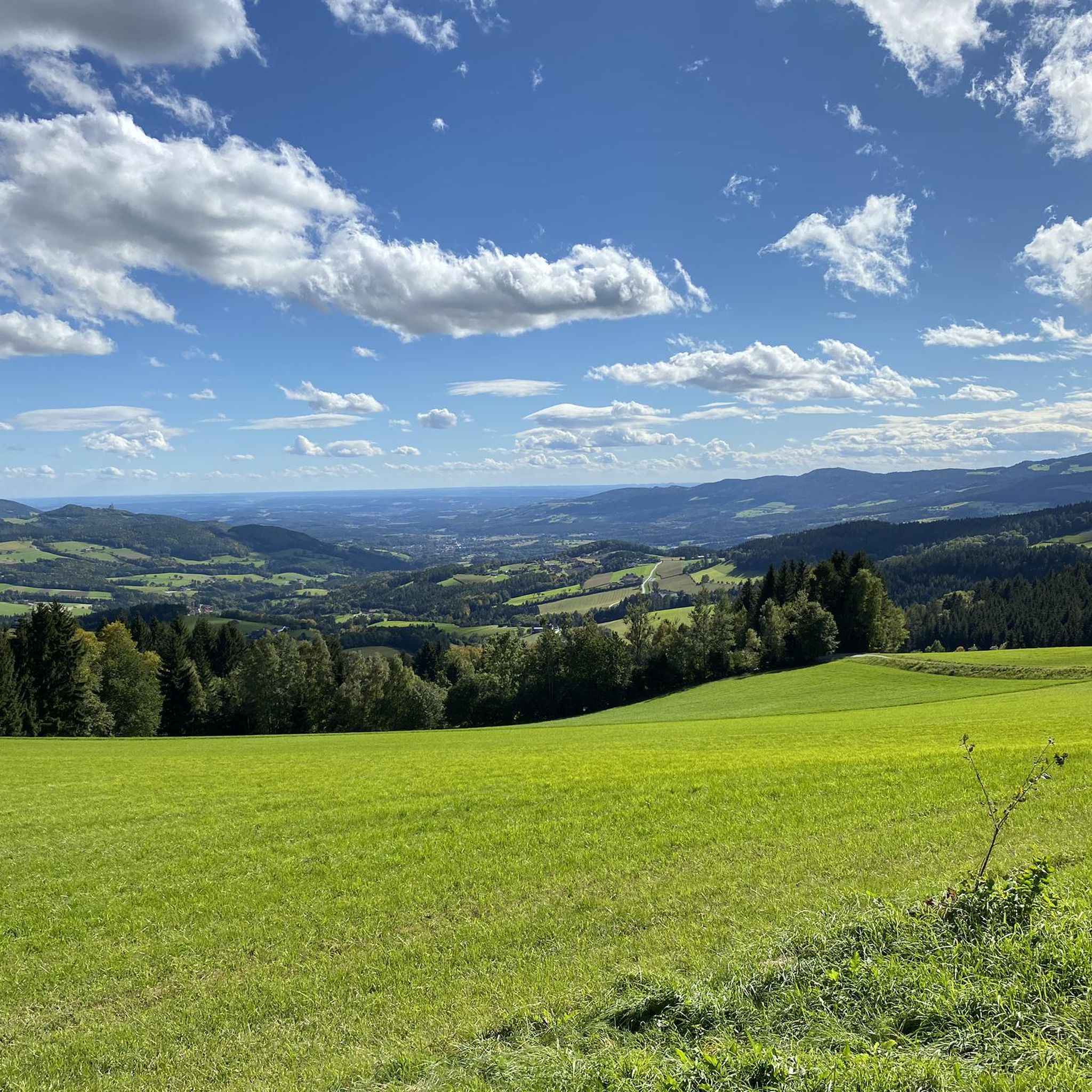
MTB Trails around Pöllau
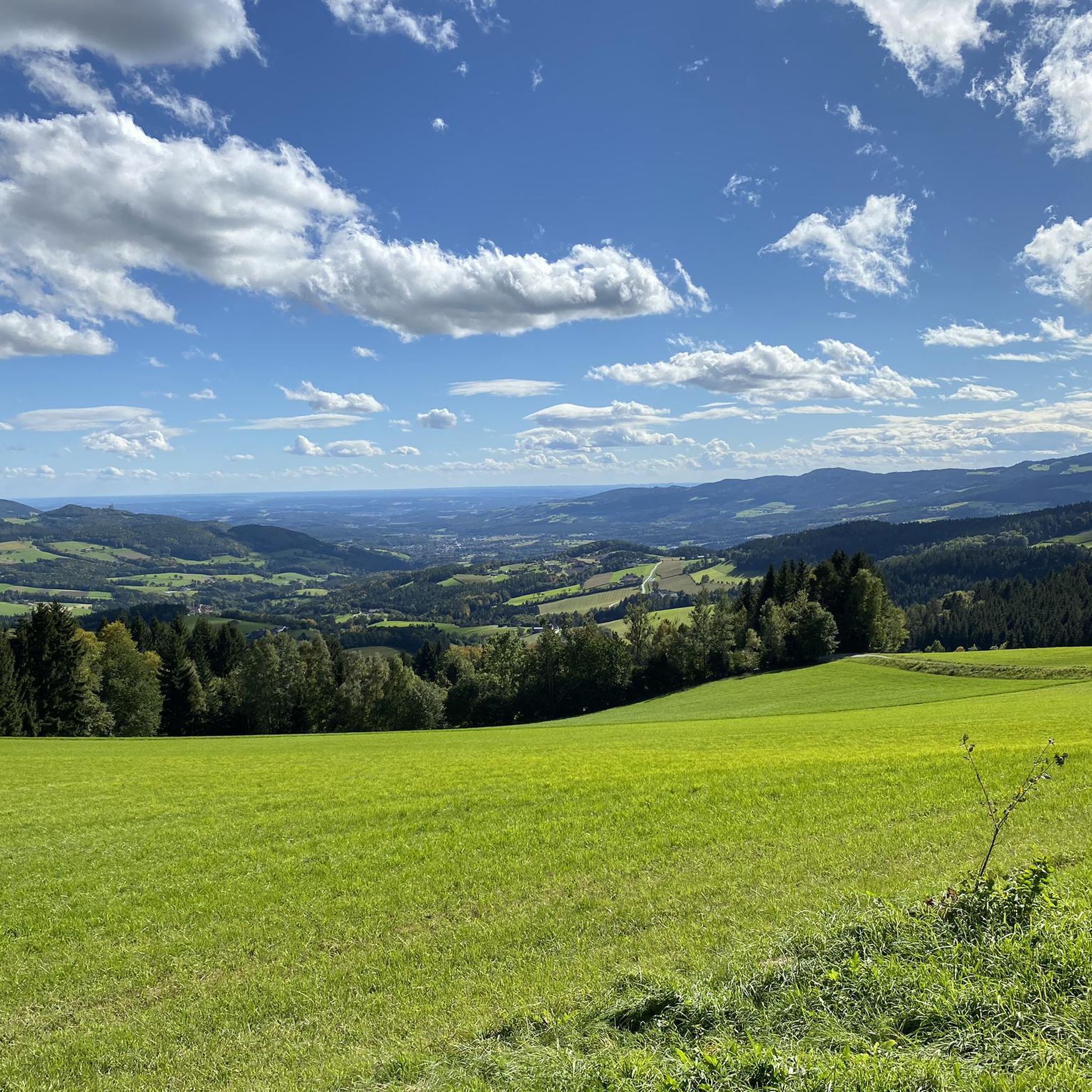
Road Cycling Routes around Pöllau
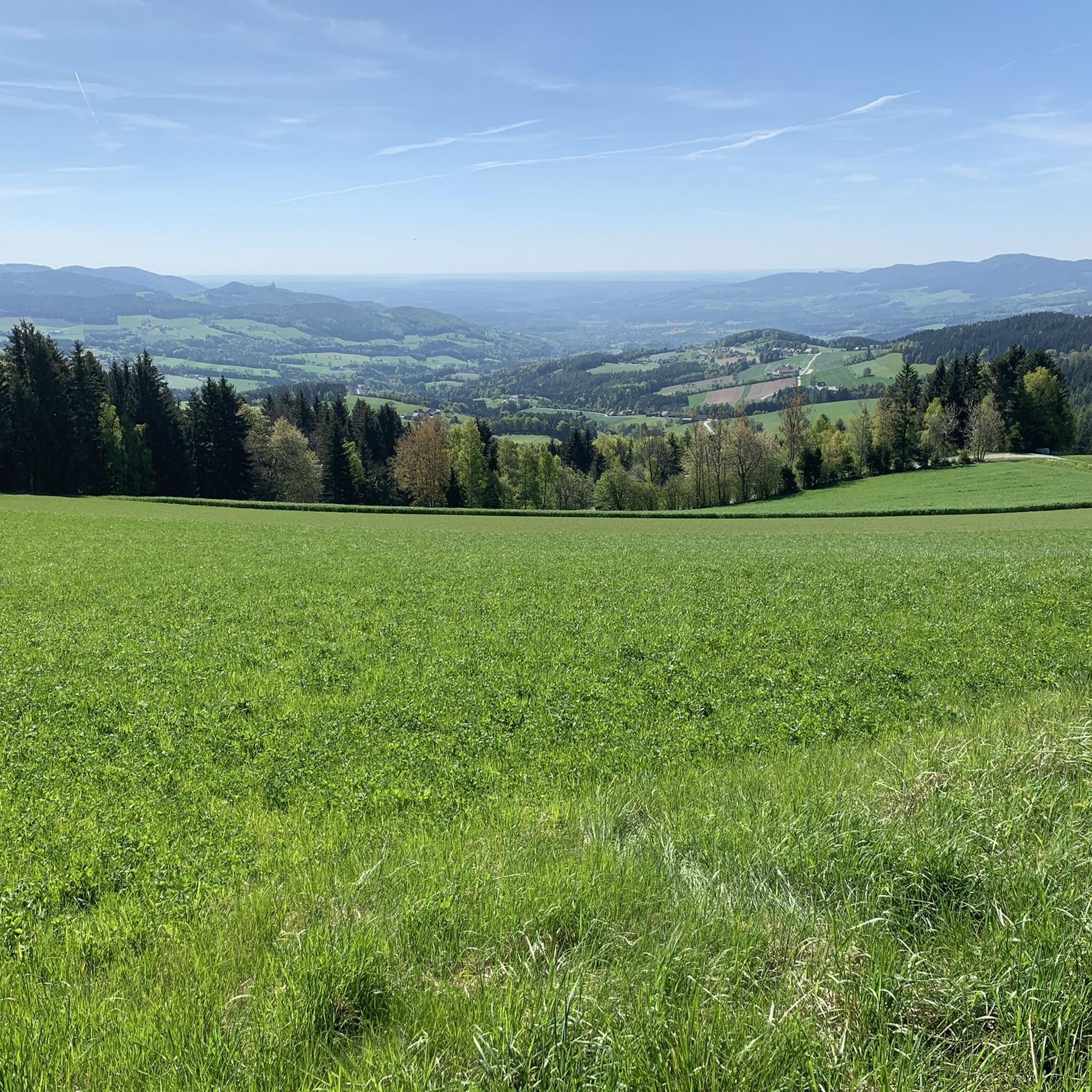
Running Trails around Pöllau

Gravel biking around Pöllau
Mountain Hikes around Pöllau
Other adventures around Pöllau


Tips from the Community

The church was built in 1384 in quarry stone masonry and has remained unplastered. Therefore, the scaffolding holes are visible. It is one of the few churches in Styria whose original Gothic condition has been largely preserved. During renovation work in 1958, frescoes dating from around 1530 were uncovered. The frescoes in the chancel depict the Last Judgment. The floor of large stone slabs was laid in 1722. The sacristy was added to the church in 1771. The high altar was designed by the Hartberg sculptor Johann Feiner and the carpenter Georg Maurer in 1647.
0
0

Hartberg is a fine town with just under 6800 inhabitants, known primarily for its historic buildings. The main square is the heart of the city, featuring the town parish church, the town hall, the Marian column, and many other historical buildings, all of which are under monument protection. You can really feel the long history when you walk through it. It's not particularly ugly when the sun's rays shine on the main square and people sit together in the beer gardens of the numerous inns and cafés. You can comfortably enjoy a cool beer or a Styrian cider and gaze at the magnificent buildings. The main square is practically the living room of Hartberg, where people meet and wind down the day. And the square isn't just lively at all times, no! Many events take place there. Whether festivals, markets, or cultural highlights, there's always something going on at Hartberg's main square. This is how tradition stays alive and connects the past with the here and now. Anyone visiting Hartberg should definitely take time to experience the charm and hospitable atmosphere in the middle of the historic ambience. It is a real tip for anyone who wants to feel a bit of Styrian cosiness.
6
0
The Roman Catholic city parish church of St. Martin in Hartberg is a true jewel of Styrian church history and deeply rooted in the faith of our ancestors. It is dedicated to Saint Martin of Tours, one of the most important saints, known primarily for his charity. The location of the church alone is impressive, as it stands on the remains of a Roman structure from around 200 AD, which shows how long the area of Hartberg has been settled and how closely history is intertwined here. The first written mention of the late Gothic city parish church of St. Martin dates back to 1157. At that time, it was an important spiritual center in the region. From 1745 to 1760, the church was expanded in the Baroque style, which shapes its current appearance. Particularly exciting is the late Baroque coloring of the exterior, which gives the church its unique character and immediately amazes visitors. The high altar painting, created by the renowned artist Johann Cyriak Hackhofer, captures the attention of all believers and wonderfully expresses the spiritual aura of the house of God. Anyone who visits the city parish church of St. Martin immediately feels the connection of history, art, and faith, which is deeply rooted here and keeps Styrian Catholicism alive. Thus, the church is not only a place of prayer but also a testament to Hartberg's cultural identity.
4
0

A real highlight here between Neustift and Ebersdorf. A lot of heart and soul has gone into it. Definitely visit. Rest stops are also available.
0
0
An imposing church with a small park and resting places. I have to explore the interior another time... I didn't want to be the party pooper at the fair.
0
0
A beautiful wayside shrine here by the roadside. Directly opposite, you will also find some resting places.
1
0
A truly imposing church here in the center of Hartberg. It dominates the cityscape and cannot be missed. And no matter if viewed from the front, back, or side: we like it from all angles.
2
0

Frequently Asked Questions
How many touring cycling routes are available in Pöllau?
There are over 80 touring cycling routes available in the Pöllau region on komoot. These routes cater to various preferences, from moderate to difficult, allowing cyclists to explore the diverse landscapes of the Pöllau Valley Nature Park.
What kind of terrain and elevation can I expect on touring cycling routes in Pöllau?
Pöllau is characterized by its gentle, rolling hills within the Pöllau Valley Nature Park. The elevation ranges from 345 meters to 1,280 meters above sea level, offering varied gradients. You'll cycle through a rich patchwork of forests, meadows, fields, and extensive 'Hirschbirne' orchards, with some routes also featuring river valleys like the Feistritz Valley and natural features such as Lake Stubenberg.
Are there touring cycling routes suitable for beginners in Pöllau?
Yes, while many routes are classified as difficult, there are 4 easy and 29 moderate touring cycling routes available in Pöllau. These provide excellent options for beginners or those looking for a more relaxed ride through the scenic landscape.
What are some notable landmarks or attractions I can see along touring cycling routes in Pöllau?
Many touring cycling routes in Pöllau pass by significant cultural and natural attractions. You can explore historic sites like Pöllau Parish Church, also known as the 'Styrian St. Peter's Cathedral', or the Stubenberg Castle. For panoramic views, consider routes that lead to the Ringwarte Observation Tower or the Hoher Zetz summit cross.
Are there circular touring cycling routes in the Pöllau region?
Yes, many touring cycling routes in Pöllau are designed as loops, allowing you to start and end your journey in the same location. An example is the Pöllau Parish Church – Hartberger Gmoos loop from Pöllau, which offers extensive views across the varied landscape.
What do other touring cyclists enjoy the most about touring cycling in Pöllau?
The touring cycling experience in Pöllau is highly rated by the komoot community, with an average score of 4.6 stars from over 200 reviews. Cyclists often praise the diverse landscape, the charming 'Hirschbirne' orchards, and the well-maintained routes that offer a mix of challenging climbs and gentle stretches through picturesque valleys.
What is the best time of year for touring cycling in Pöllau?
The Pöllau Valley is beautiful throughout the warmer months. Spring (especially May) is stunning when the 'Hirschbirne' orchards are in bloom with white flowers. Summer offers lush green landscapes, while autumn provides vibrant colors. The gentle hilly terrain makes it enjoyable from spring through early autumn, avoiding the colder winter months.
Are there any touring cycling routes that pass by Lake Stubenberg?
Yes, some touring cycling routes in the Pöllau region incorporate natural features like Lake Stubenberg. For example, the Harter Pond – Lake Stubenberg loop from Schönauer Klamm is a difficult route that includes this scenic lake.
Can I find routes that offer views over the Pöllau Valley?
Absolutely. Many touring cycling routes are designed to provide magnificent views over the Pöllau Valley. Routes often ascend from Pöllau up towards Pöllauberg, where the Pilgrimage Church offers fantastic vistas. The diverse landscape of forests, meadows, and orchards ensures constantly changing and beautiful backdrops.
Are there any specific routes that highlight the Pöllauer Hirschbirne orchards?
The 'Hirschbirne' orchards are a defining feature of the Pöllau Valley, and many routes traverse these areas. While there isn't one single 'Hirschbirne' themed route, cycling through the region, especially in spring or autumn, will immerse you in these unique landscapes. The Hartberg – Hartberg Town Hall loop from Pöllau, for instance, passes through the region's characteristic agricultural lands, including orchards.
What is the longest touring cycling route mentioned in Pöllau?
One of the longer touring cycling routes is the Pöllau Parish Church – Hartberger Gmoos loop from Pöllau, which covers approximately 63.8 km (39.6 miles) and typically takes around 4 hours to complete. This difficult route offers extensive views across the varied landscape.
Are there touring cycling routes that connect Pöllau to other regions?
Yes, the cycling network in Pöllau is well-integrated. The region's routes, such as the Safental cycle tour, can take riders through the Pöllauer Tal Nature Park and connect to neighboring areas like the thermal spa region of Bad Waltersdorf or the Wechselland, offering extended touring opportunities.
Most popular routes around Pöllau
Most popular attractions around Pöllau

Get inspired with the komoot mobile app


Explore more
Browse the best Cycling routes in other regions.
