Attractions and Places To See around Little Witley - Top 20
Best attractions and places to see around Little Witley offer a blend of historical landmarks, natural beauty, and cultural sites within the Worcestershire countryside. The area features ancient woodlands, river valleys, and significant geological formations. Visitors can explore dramatic ruins, historic churches, and nature reserves. This region provides diverse opportunities for outdoor exploration and cultural discovery.
Best attractions and places to see around Little Witley
- The most popular attractions is Burlish Top Nature Reserve, a nature reserve that is…
Last updated: October 9, 2026
Burlish Top Nature Reserve
Highlight • Natural
Tip by

Leapgate Old Railway Line
Highlight • Trail
Tip by

Sign up now to discover places like this
Get recommendations on the best single tracks, peaks, & plenty of other exciting outdoor places.
St Peter's Church, Martley
Highlight • Religious Site
Tip by
The Mug House
Highlight • Historical Site
Tip by

Holt Fleet Bridge
Highlight • River
Tip by

Sign up for free to discover even more attractions around Little Witley.
Already have an account?
Start today with a free account
Your next adventure awaits.
Tips from the Community

Fine church with lovely grounds, made from the local sandstone.
0
0
One of the highlights of this part of the Geopark Way, rather better than walking through Stourport.
0
0

A large village church with 12th century Norman origins and work from several later periods. The tower is 15th century. The church was restored in 1909 by Sir Charles Nicholson. There is an excellent west window by Tom Denny, 1999. Parish church. Early C12, early C13 and circa 1315, restored 1875, 1884 and 1909. Last restoration by Sir Charles Nicholson. Ashlar, plain tile roof. Nave and chancel continuous, west tower, north vestry of 1875, south porch of 1184. Chancel: three bays, north wall early C13 with two lancets, north vestry; east window: restored Decorated of early C14, three trefoiled lights; south wall: eastern window Decorated with two trefoiled lights, other two larger each with two ogee trefoiled lights, formerly looked into Mortimer chapel (consecrated 1315, demolished), they flank a three-centred-headed priest's door; stepped right angle buttresses to corners. Nave: three bays, all windows restored: decorated each with two trefoiled lights in both walls. Restored early C12 south door with timber porch of 1884; blocked north door more complete and similar in design; doorway projects c150mm from wall face, with decorated semicircular head and consecration cross; wall has five bays defined by a series of early C12 pilasters, top four courses of naves walls are of alternate bands of red and white sandstone. West tower: C15 in three stages divided by moulded string, moulded plinth, embattled parapet with pinnacles of 1909 to diagonal corner buttresses. C15 Perpendicular west window with three cinquefoiled lights; first stage has single trefoiled lights, bell chamber has windows with two cinquefoiled lights under two-centred head. INTERIOR: chancel: double aumbry in north wall, piscina in south wall with priests head to label stop; nave: entrance to rood stairs and above rood left door, stairs were in an external projection, now lost; tower arch of two chamfered orders with moulded abaci at springing. Roofs: similar over nave and chancel, slightly lower pitch to chancel, collar-rafter roof with straight braces from rafter to collar and ashlar pieces, five tie beams in nave, two in chancel, probably early C14. A framed tympanum divides the nave from the chancel roof, probably C17. Fittings: wall paintings in nave of C15 including St Martin on horseback dividing his cloak for the beggar; in chancel wall paintings of late C13 and C15, including C15 canopy design on east wall, and a C15 Annunciation group on the south wall. A few late C15 Malvern tiles in chancel floor; early C20 screen, font, pulpit and organ. Late C15 recumbent effigy of alabaster against north wall of chancel, ridged coffin lid to south with traces of incised cross and pastoral staff. The two eastern windows in the south wall of the nave and central window in north wall are of circa 1915 by Walter E Tower. Source: britishlistedbuildings
0
0
The nature reserve is approximately 35 hectares (86 acres) in size. The dominant habitat is heath and acid grassland, surrounded by oak and birch scrub. The acid grassland has been surveyed by many professional bodies, and Natural England rated it as the best quality acid grassland in the county. Wildlife on the site is typical for what you would expect on a heathland site, while reptiles are scarce due to the levels of disturbance from the public; however common lizard, grass snake and slow worm have been seen. There are many notable species of solitary bee and wasp which make use of the bare sandy soil, as do unusual heathland specialists, the green tiger beetle. The open areas are also utilised by a variety of ground feeding birds such as green woodpecker and as nesting sites for rarities like woodlark. There are a few small pools on site; one in particular supports a good breeding population of smooth newt, common frog, various dragonflies, damselflies and great diving beetle. Although traditionally a heath, this has given way in the main to gorse and broom scrub. There has been an increase in the density of rare grey hair grass after scrub clearance carried out in previous years. The area has an interesting history, with the site being used as a World War II American Army training and hospital camp. All that remains from those days are concrete paths, and some foundations from the original buildings. Much of this has been highlighted along a way marked ‘History’ trail. The website 'Burlish Camp' has more on the history of the site. In addition to the history trail, there are 3 other trails around the site, including 2 easy going routes, which take advantage of the sites historical concrete tracks, and a heathland circular, which also incorporates much of the Rifle Range SSSI. Source: Wyre Forest District Council
0
0
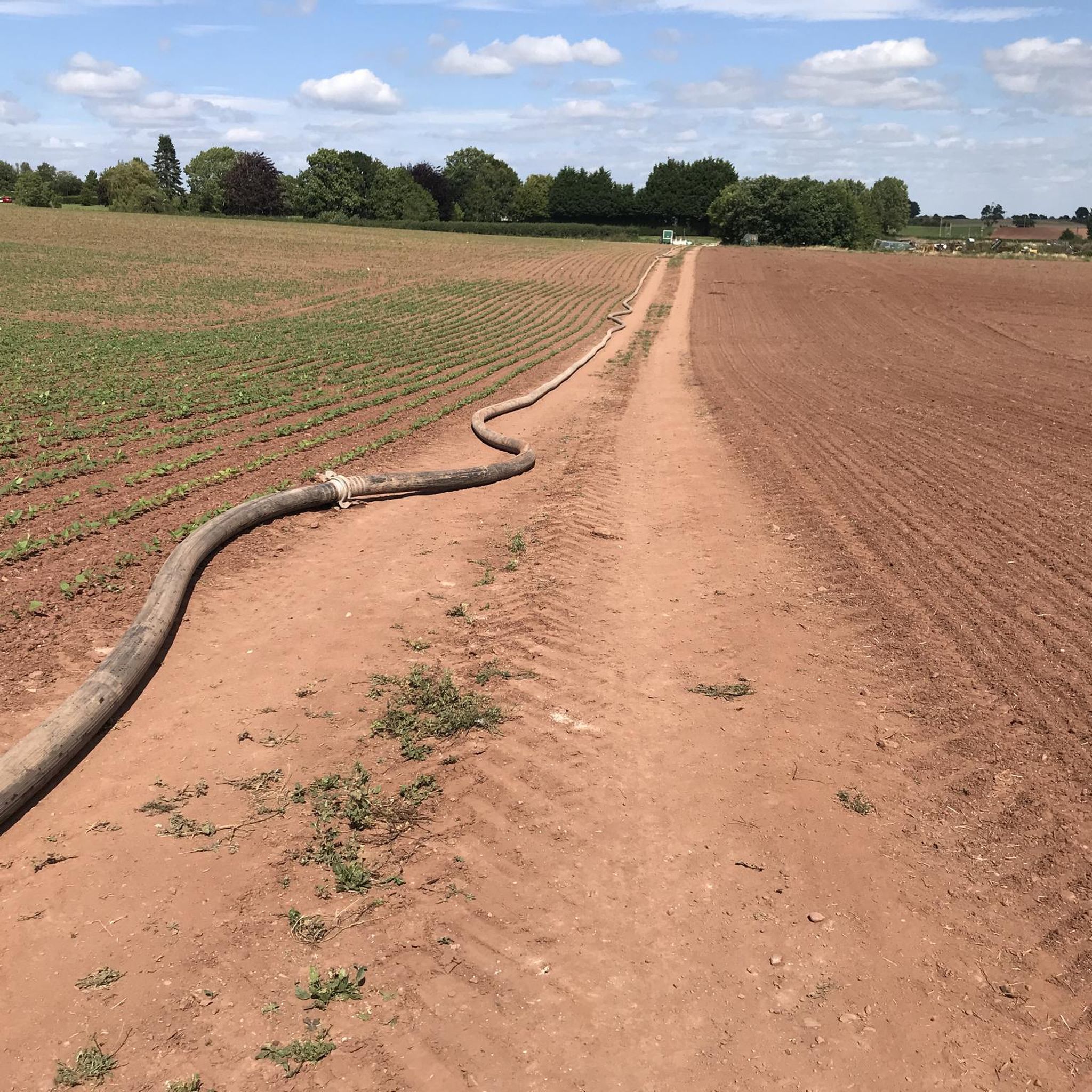
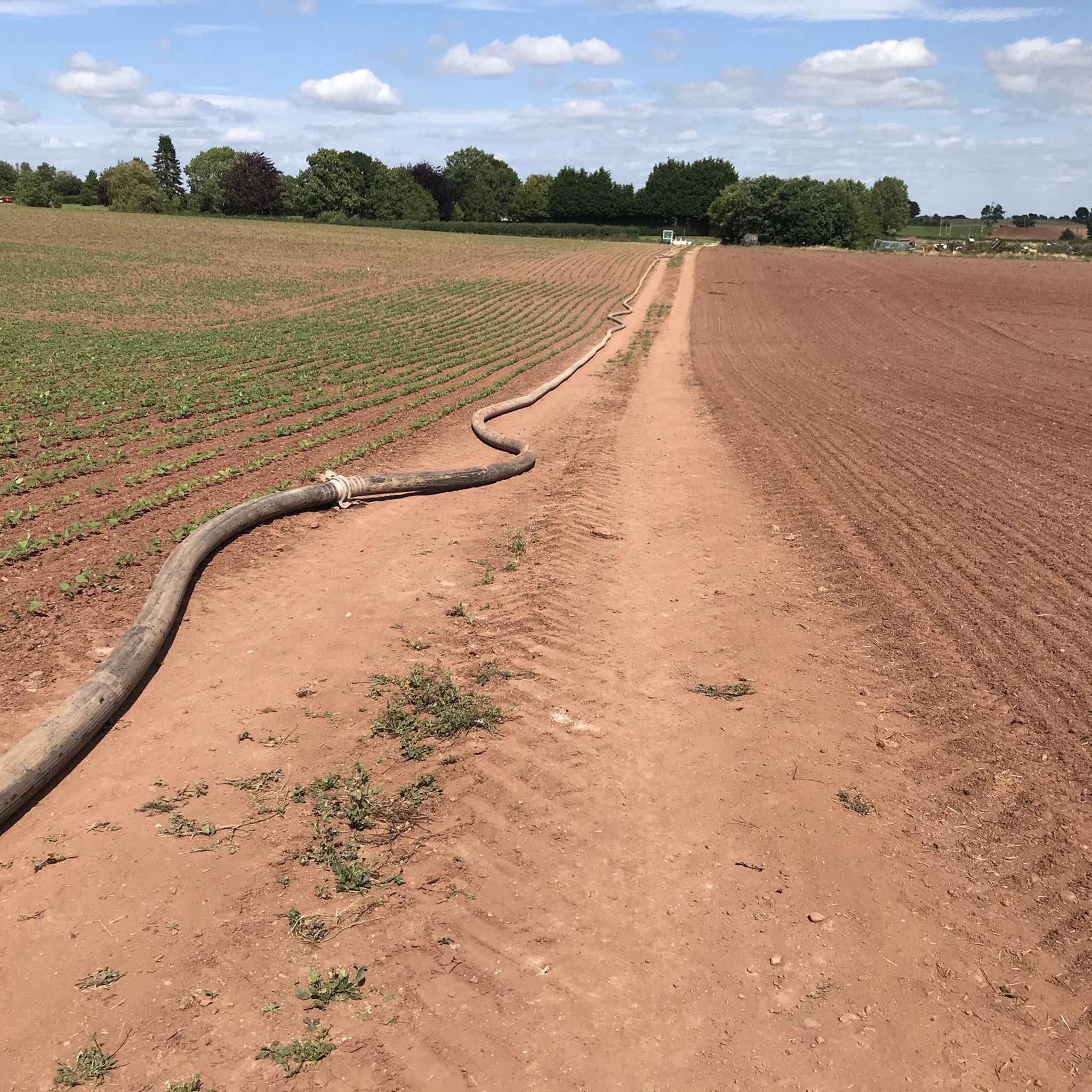
The ‘Old Railway Line’ cuts through the red sandstone bedrock. These sandstones are Triassic in age, belonging to the ‘Sherwood Sandstone Group’ of rocks. The Sherwood Sandstone Group, the older Permian-aged Bridgnorth Sandstone and the younger Triassic-aged Mercia Mudstone Group have one thing in common; they were deposited in a vast rift basin, called the Worcester Basin. The Worcester Basin was north-south orientated and formed during the Permian period. Its western edge, in the Geopark area, followed the line of a major fault-line, the East Malvern Fault. In the present day this fault line is most clearly marked by the Malvern, Suckley and Abberley Hills. The eastern edge of the Basin followed the line of another major fault-line, the Inkberrow Fault. Into this basin a great variety of different sedimentary rocks were deposited and formed. Some were windblown deposits, others were despotised by streams and rivers, evaporate deposits also formed in lakes and the other significant deposit was alluvial fans that formed along the edge of the basin. Each of the rocks represents the changing environments experienced in the basin through the passage of time. The rocks seen along the ‘Old Railway Line’ belong to the Wildmoor Sandstone Formation, part of the Sherwood Sandstone Group of rocks. They are around 220 million years ago and comprises soft, weakly cemented, pale red-brown, micaceous, sandstones. The well-rounded, evenly sized grains suggest reworking of windblown sands that were deposited the Worcester Basin during the Permian period. Source: geopark.org
0
0
Originally the Mug House was the church ale house, and its history goes back to the Plantagenets and the House of Lancaster. "Brew houses were at one time an essential form of income for the church, for with some 75 feast days to celebrate; it meant money in the coffers of the church." It is known that Puritans closed most of the ale houses locally because of the drunken and lewd behaviour of the populace at the time but the Mug survived. In 1638, the Constable of Claines had closed six filthy public houses in Claines, in an attempt to quell the plague, but again not the Mug House! "Our poor are provided for, the highways repaired, riot we know none, gamesters we know none, drunkenness none." The name “Mug” is said to be connected with the old time Communion plate, or possibly also associated with clinching a deal over a “mug” of ale. The Mug House was the venue for the parish “Vestry” meetings. In the 1784 Vestry meeting 2 shilling and 11d was spent on a new cloth for the Communion table, whilst the ale bill for the same meeting was £3 15 shillings! Claines Parish records recall "if it shall be necessary at any time to have a Church Ale for the maintenance of the said church, it shall be lawful for them to have the use of the whole House during their Ale” The proceeds of the ale were devoted to Church repairs, provision of service books, communion plate and vestments. The Mug House contributed to the riotous festival wakes which featured in Claines Churchyard in medieval times, which included bull and bear bating, dancing and “drunken roystering”. In 1750 a number of parishioners bound themselves under a penalty of 40/- to attend and endeavour to halt the evil practices. The original location of the parish stocks was between the Church and the Mug House, last used in 1853 when “a cowman occupied this instrument of public disgrace for being paralytic drunk.” By the time of the early censuses, the early innkeepers were women: in 1841 Ann Mansill aged 60 and living with her, Henry Mansill, 40, possibly her son, who was a merchant. By 1851 Ann is still there, listed as a victualler, now in her early 70s and has the support of Sarah Russell from Hartlebury who was a house servant. Around 1855 Sarah Williams (29) took over as victualler and in 1861 she was living there with her brother Elijah R Williams, who was a clerk at the Post Office. Earlier Elijah had lived at home with his parents James and Elizabeth who were the schoolmaster and schoolmistress at the National School House, Claines. Then men took over: firstly Joseph Knott in 1871, he is listed as Innkeeper aged 62, from Astley, Worcestershire, and his wife Mary, 54, from Watford in Hertfordshire, but by 1879 and through to the 1881 census, Frank Evans (29) and his wife Mary Jane (30) ran the Mug and lived there with their baby Amy. By the 1891 census, Charles Daniels (28) and his wife Florence (25) had taken over. Interestingly Charles who had been born in Bourton on the Water, had previously worked as a footman at Brockhampton Park, good training for a licensed victualler! Florence also had a good background, as her father John and mother Ann were Innkeepers at the Fox and Hounds Beer House, at Stogursey, a small village in Somerset, near Bridgwater. There was a Somerset link too, in 1901 when John Minton (40) from Hereford and his wife Bessie (36) from Yeovil in Somerset took over, but by 1905 Albert Beck was in charge and then in 1911 George Hobbs. (Albert Beck left the Mug to become a farmer and dairyman at Chatley Villas, Droitwich Road, Claines. He was found drowned in the river at Bevere Lock in 1915) George and his wife Mary had lived in Coachmaris House, in Minto, Roxburghshire. Mary herself was from Kinlock in Perthshire, though George was originally from St Johns, Worcester. In 1901 they had two sons George and Cameron and father George was a coachman. Being in service, was probably good training to run a pub! In 1911, son George (24) was living at the Mug and working as an Engine Fitter, whilst George was listed as the Licensed Victualler aged 53 and Mary his wife was 49. Wally Trow was possibly the longest serving landlord, from the the 1930’s to the 1980’s, serving over 50 years. He was followed by Geoff and Barbara, John Crabb and then in 1990 by Judy Allen who has kept up the excellent traditional local presence and hospitality of the Mug House. In 1947 renovations were taking place at the Mug and within a wall, the silver head of a medieval bishop's crook, a crosier, was discovered. It is a mystery of why it was secreted away in the Mug House but could have been hidden with the rest of the Church Silver during the reformation. It is now used every year by the Claines Boy Bishop. In the 1950s the vicar told the publican of the Mug: "You fill my church and I'll fill your pub" ! He did and more than one service was “piped” down to the Mug to ensure no one missed it. The Mug House and the Church share many customers and live healthily side by side. Generations of Bell ringers, choir members and parishioners have frequented the Mug House and continue to do so today. The older children of the Church Sunday School meet at the Mug, every Sunday, they are "God's Own Pub Club"!
0
0
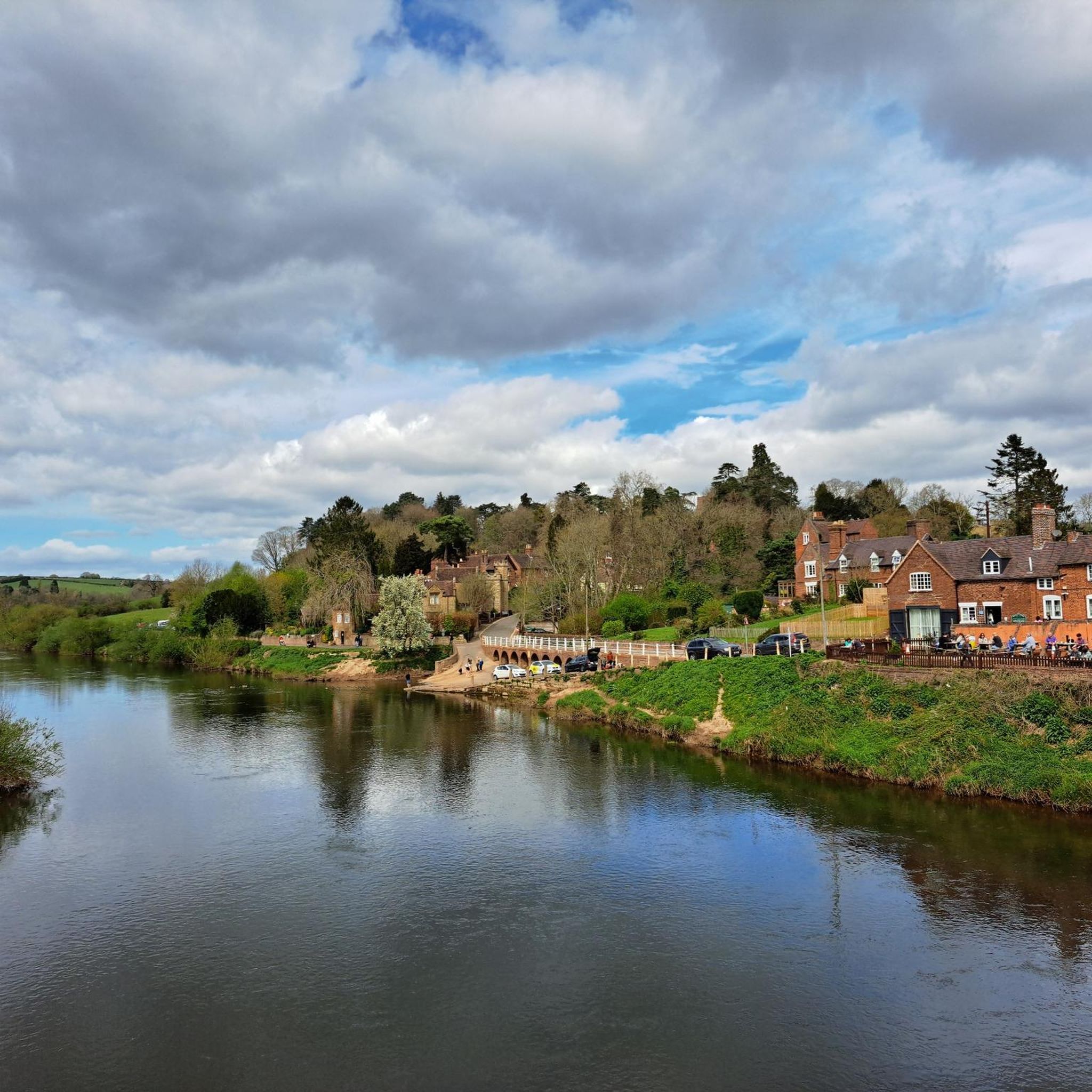
Holt Fleet Bridge, also known as Holt Bridge, is a cast-iron arch bridge over the River Severn, at Holt in Worcestershire, England. It has a span of 150 feet (46 m); it was designed by Thomas Telford and opened in 1828. It is Grade II listed, and is similar to Telford's Galton Bridge, which is a Grade I listed structure that spans his BCN New Main Line canal at Smethwick. The bridge was built with five cast-iron ribs, with X-braced spandrels, as were several of Telford's bridges. It was strengthened in 1928, when the upper and lower parts of each rib and some of the diagonal struts above them were encased in concrete. The road deck was rebuilt in reinforced concrete and widened at the same time. Semicircular arches at each end, built in red sandstone, allow for the passage of riverbank foot-traffic and floodwater.
0
0

Frequently Asked Questions
What historical sites can I explore around Little Witley?
The area is rich in history. You can visit the dramatic ruins of Witley Court & Gardens, an English Heritage property, known for its elaborate Perseus and Andromeda fountain and the nearby Great Witley Parish Church. Don't miss St Peter's Church, Martley, a large village church with 12th-century Norman origins and a distinctive 1999 west window. The Mug House, originally a church ale house, also offers a glimpse into local history. Additionally, the Site of Astley Iron Forge Mill (1652) provides insight into the region's industrial past.
Are there any natural attractions or nature reserves to visit?
Yes, nature lovers will enjoy Burlish Top Nature Reserve, an 86-acre lowland heath that provides vital habitats for insects, reptiles, and rare plants. You can also explore the Leapgate Old Railway Line, which cuts through Triassic-aged red sandstone bedrock, offering geological insights. The wider area features the River Teme Valley with its traditional orchards and ancient woodlands, and the vast Wyre Forest National Nature Reserve, one of England's largest ancient oak woodlands.
What outdoor activities are available near Little Witley's attractions?
The region offers various outdoor activities. For running, you can explore trails like the 'Kingswood Common – John Niklins Fault loop' or the 'Meadow by the River Severn – Stanley Wood loop'. Hikers can enjoy routes such as the 'Wooden Footbridge in Woodland – Meadow by the River Severn loop' or the 'View of Abberley Landscape – Abberley Clock Tower loop'. Mountain biking enthusiasts have options like the 'Wyre Forest and Abberley Loop' or the 'St Peter's Church, Martley – View of the Countryside loop'. You can find more details on these routes in the Running Trails around Little Witley, Hiking around Little Witley, and MTB Trails around Little Witley guides.
Are there family-friendly attractions in the Little Witley area?
Absolutely. Burlish Top Nature Reserve is great for families with its easy trails and historical remnants of a WWII camp. St Peter's Church, Martley and the Leapgate Old Railway Line are also suitable for family visits. Beyond Little Witley, popular attractions like West Midlands Safari Park and Cadbury World are approximately 6.8 miles away, offering exciting experiences for all ages.
Where can I find scenic viewpoints around Little Witley?
Little Witley offers scenic views towards the majestic Abberley Hills. For a specific elevated point, Woodbury Hill provides fabulous views overlooking the River Teme. Many of the local walking and cycling routes also pass through picturesque landscapes, offering various vantage points of the Worcestershire countryside.
What is the Holt Fleet Bridge and why is it significant?
Holt Fleet Bridge, also known as Holt Bridge, is a Grade II listed cast-iron arch bridge spanning the River Severn. Designed by Thomas Telford, it opened in 1828 and is an important historical landmark. It's similar in design to Telford's Galton Bridge and features semicircular arches at each end for foot traffic and floodwater.
Are there any unique geological features in the area?
Yes, the Leapgate Old Railway Line is notable for cutting through Triassic-aged red sandstone bedrock, part of the ancient Worcester Basin. This area provides a fascinating insight into the region's geological past, showcasing sedimentary rocks from around 220 million years ago.
What are some lesser-known historical gems near Little Witley?
Beyond the major sites, you can discover the Milestone on the A443, an early 18th-century inscribed marker stone that guided travelers. The Site of Astley Iron Forge Mill (1652) is another hidden gem, which functioned as a tilt hammer mill and was even used by the Worcester Porcelain Company. Dick Brook, reputed to be England's first canalized brook, also features remnants of an old iron forge.
What is the best time of year to visit Little Witley for outdoor activities?
The Worcestershire countryside, including Little Witley, is beautiful throughout the year. Spring and summer offer pleasant weather for exploring nature reserves and walking trails, with wildflowers in bloom. Autumn brings vibrant foliage to the woodlands. While winter walks are possible, some trails might be muddy, so checking local weather conditions is advisable.
Are there any pubs or cafes near the attractions?
The Mug House, a historical pub, is a great option for refreshments and a taste of local history. Many villages in the vicinity of Little Witley will also have local pubs and cafes, offering places to rest and eat after exploring the attractions.
What other significant cultural sites are within a short drive of Little Witley?
Within approximately 7-8 miles, you can visit several significant cultural sites. Worcester Cathedral, a major architectural and cultural landmark, is about 8 miles southeast. For literary enthusiasts, Shakespeare's Birthplace is roughly 7.1-7.2 miles away. The Severn Valley Railway, about 8.5 miles away, offers scenic heritage train journeys.
Most popular attractions around Little Witley

Get inspired with the komoot mobile app


Explore more
Still not found the Highlight you’re looking for? See guides of the top attractions in other regions:
