Attractions and Places To See around Shrawley - Top 20
Best attractions and places to see around Shrawley include a blend of natural beauty, historical landmarks, and cultural sites in Worcestershire, England. The region features significant woodlands, such as Shrawley Wood, and historical structures like the Church of St Mary. Visitors can explore diverse landscapes, from river valleys to areas characterized by Triassic-aged red sandstone bedrock.
Best attractions and places to see around Shrawley
- The most popular attractions is Bewdley Bridge, a historical bridge and settlement known for its…
Last updated: October 5, 2026
Bewdley Bridge
Highlight • Cafe
Tip by

Burlish Top Nature Reserve
Highlight • Natural
Tip by

Sign up now to discover places like this
Get recommendations on the best single tracks, peaks, & plenty of other exciting outdoor places.
Leapgate Old Railway Line
Highlight • Trail
Tip by

St Peter's Church, Martley
Highlight • Religious Site
Tip by
The Mug House
Highlight • Historical Site
Tip by

Sign up for free to discover even more attractions around Shrawley.
Already have an account?
Start today with a free account
Your next adventure awaits.

Tips from the Community

Fine church with lovely grounds, made from the local sandstone.
0
0
One of the highlights of this part of the Geopark Way, rather better than walking through Stourport.
0
0

A large village church with 12th century Norman origins and work from several later periods. The tower is 15th century. The church was restored in 1909 by Sir Charles Nicholson. There is an excellent west window by Tom Denny, 1999. Parish church. Early C12, early C13 and circa 1315, restored 1875, 1884 and 1909. Last restoration by Sir Charles Nicholson. Ashlar, plain tile roof. Nave and chancel continuous, west tower, north vestry of 1875, south porch of 1184. Chancel: three bays, north wall early C13 with two lancets, north vestry; east window: restored Decorated of early C14, three trefoiled lights; south wall: eastern window Decorated with two trefoiled lights, other two larger each with two ogee trefoiled lights, formerly looked into Mortimer chapel (consecrated 1315, demolished), they flank a three-centred-headed priest's door; stepped right angle buttresses to corners. Nave: three bays, all windows restored: decorated each with two trefoiled lights in both walls. Restored early C12 south door with timber porch of 1884; blocked north door more complete and similar in design; doorway projects c150mm from wall face, with decorated semicircular head and consecration cross; wall has five bays defined by a series of early C12 pilasters, top four courses of naves walls are of alternate bands of red and white sandstone. West tower: C15 in three stages divided by moulded string, moulded plinth, embattled parapet with pinnacles of 1909 to diagonal corner buttresses. C15 Perpendicular west window with three cinquefoiled lights; first stage has single trefoiled lights, bell chamber has windows with two cinquefoiled lights under two-centred head. INTERIOR: chancel: double aumbry in north wall, piscina in south wall with priests head to label stop; nave: entrance to rood stairs and above rood left door, stairs were in an external projection, now lost; tower arch of two chamfered orders with moulded abaci at springing. Roofs: similar over nave and chancel, slightly lower pitch to chancel, collar-rafter roof with straight braces from rafter to collar and ashlar pieces, five tie beams in nave, two in chancel, probably early C14. A framed tympanum divides the nave from the chancel roof, probably C17. Fittings: wall paintings in nave of C15 including St Martin on horseback dividing his cloak for the beggar; in chancel wall paintings of late C13 and C15, including C15 canopy design on east wall, and a C15 Annunciation group on the south wall. A few late C15 Malvern tiles in chancel floor; early C20 screen, font, pulpit and organ. Late C15 recumbent effigy of alabaster against north wall of chancel, ridged coffin lid to south with traces of incised cross and pastoral staff. The two eastern windows in the south wall of the nave and central window in north wall are of circa 1915 by Walter E Tower. Source: britishlistedbuildings
0
0
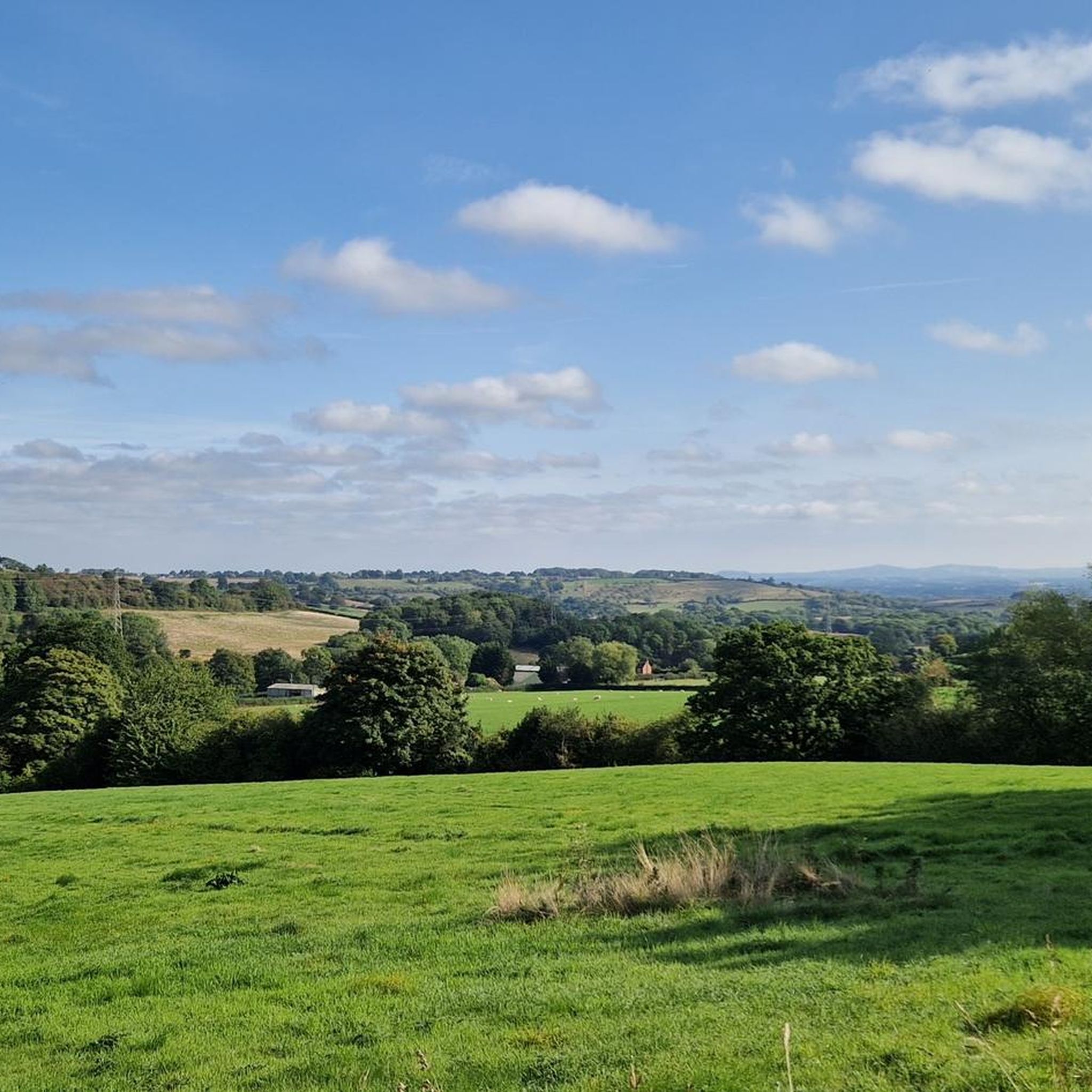
The nature reserve is approximately 35 hectares (86 acres) in size. The dominant habitat is heath and acid grassland, surrounded by oak and birch scrub. The acid grassland has been surveyed by many professional bodies, and Natural England rated it as the best quality acid grassland in the county. Wildlife on the site is typical for what you would expect on a heathland site, while reptiles are scarce due to the levels of disturbance from the public; however common lizard, grass snake and slow worm have been seen. There are many notable species of solitary bee and wasp which make use of the bare sandy soil, as do unusual heathland specialists, the green tiger beetle. The open areas are also utilised by a variety of ground feeding birds such as green woodpecker and as nesting sites for rarities like woodlark. There are a few small pools on site; one in particular supports a good breeding population of smooth newt, common frog, various dragonflies, damselflies and great diving beetle. Although traditionally a heath, this has given way in the main to gorse and broom scrub. There has been an increase in the density of rare grey hair grass after scrub clearance carried out in previous years. The area has an interesting history, with the site being used as a World War II American Army training and hospital camp. All that remains from those days are concrete paths, and some foundations from the original buildings. Much of this has been highlighted along a way marked ‘History’ trail. The website 'Burlish Camp' has more on the history of the site. In addition to the history trail, there are 3 other trails around the site, including 2 easy going routes, which take advantage of the sites historical concrete tracks, and a heathland circular, which also incorporates much of the Rifle Range SSSI. Source: Wyre Forest District Council
0
0
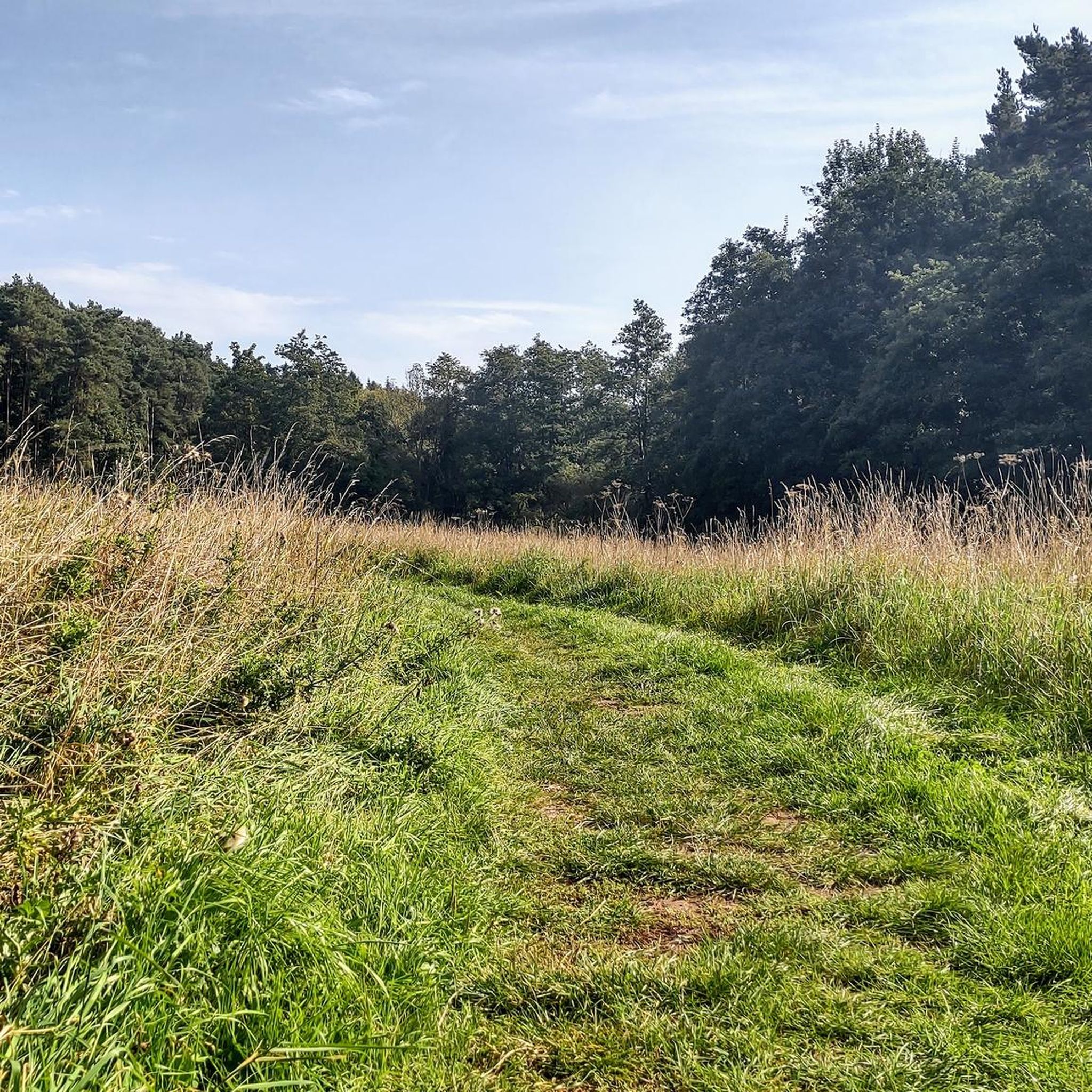
The ‘Old Railway Line’ cuts through the red sandstone bedrock. These sandstones are Triassic in age, belonging to the ‘Sherwood Sandstone Group’ of rocks. The Sherwood Sandstone Group, the older Permian-aged Bridgnorth Sandstone and the younger Triassic-aged Mercia Mudstone Group have one thing in common; they were deposited in a vast rift basin, called the Worcester Basin. The Worcester Basin was north-south orientated and formed during the Permian period. Its western edge, in the Geopark area, followed the line of a major fault-line, the East Malvern Fault. In the present day this fault line is most clearly marked by the Malvern, Suckley and Abberley Hills. The eastern edge of the Basin followed the line of another major fault-line, the Inkberrow Fault. Into this basin a great variety of different sedimentary rocks were deposited and formed. Some were windblown deposits, others were despotised by streams and rivers, evaporate deposits also formed in lakes and the other significant deposit was alluvial fans that formed along the edge of the basin. Each of the rocks represents the changing environments experienced in the basin through the passage of time. The rocks seen along the ‘Old Railway Line’ belong to the Wildmoor Sandstone Formation, part of the Sherwood Sandstone Group of rocks. They are around 220 million years ago and comprises soft, weakly cemented, pale red-brown, micaceous, sandstones. The well-rounded, evenly sized grains suggest reworking of windblown sands that were deposited the Worcester Basin during the Permian period. Source: geopark.org
0
0
Bewdley was once an important inland port, connecting Shrewsbury with the Midlands and the seaports of Gloucester and Bristol. Originally the quays were shorter and had slipways between them. In time, as more landing space was needed, the quayside walls were joined into one continuous length. The larger boats, known as Severn Trows, carried local goods such as rope and charcoal, metal goods from Birmingham and Staffordshire pottery to the south. They returned laden with woollen cloth, wine, spirits, tobacco, sugar, spices, citrus fruit and dried fish to be sold in market towns across the West Midlands and Welsh borders. This civic space was developed when the Environment Agency built the Town's new flood defences, and incorporates work by artist Elizabeth-Jane Grose. On the lower quayside you can find flowing words relating to the river and the vessels that worked on it. On the upper quayside have a look for the 'cargo-plates' recording forty of the common and less common exports and imports to the Port of Bewdley. Source: Environment Agency
0
0
Bewdley Bridge over the Severn was built in 1798 by Thomas Telford. It was erected to replace the 1483 medieval bridge that was swept away in the floods of 1795.
0
0

Pretty, Georgian town with lots to see and do right on the River Severn
1
0
Frequently Asked Questions
What natural features can I explore around Shrawley?
Shrawley offers a rich array of natural beauty. A prominent feature is Shrawley Wood, a Site of Special Scientific Interest known for its spectacular bluebell displays in spring and the largest area of small-leaved lime tree woodland in the country. Within the wood, you can find Dick Brook and stepping stones, leading to the River Severn. Slightly further afield, Burlish Top Nature Reserve is an 86-acre lowland heath providing vital habitats and pleasant rambling opportunities. The Leapgate Old Railway Line is also notable for cutting through Triassic-aged red sandstone bedrock.
Are there historical sites to visit in Shrawley?
Yes, Shrawley is home to several historical sites. The Church of St Mary, dating back to around 1100, is a Grade I listed building with Norman origins, 15th-century wall paintings, and a Norman font. The base of a medieval stone cross stands outside its porch. The remains of Shrawley Castle, also known as Oliver's Mount, are located within Shrawley Wood, historically commanding a ford across the Severn. Additionally, The Mug House is a historical pub with roots tracing back to the Plantagenets, serving as a former church ale house.
What is the best time of year to visit Shrawley for nature lovers?
For nature enthusiasts, April and May are ideal months to visit Shrawley. This is when Shrawley Wood is particularly famous for its spectacular display of bluebells and other spring wildflowers, creating a truly picturesque experience.
Are there family-friendly attractions around Shrawley?
Many attractions around Shrawley are suitable for families. Burlish Top Nature Reserve offers easy-going routes and a chance to explore nature and history. Shrawley Wood provides peaceful walking trails, and the stepping stones across Dick Brook can be an enjoyable feature for children. The historical context of sites like the Church of St Mary and the Leapgate Old Railway Line can also be engaging for older children.
What kind of outdoor activities can I do near Shrawley?
The area around Shrawley is excellent for various outdoor activities. You can find numerous hiking trails, including easy loops like the 'Wooden Footbridge in Woodland – Meadow by the River Severn loop from Shrawley' (7.2 km) or the 'Stanley Wood – Meadow by the River Severn loop from Shrawley' (4.3 km). For runners, there are moderate trails such as the 'Running loop from Ombersley' (10.6 km). Gravel biking is also popular, with routes like the 'Wyre Forest – Wyre Forest loop from Bliss Gate' (15.3 km). You can explore more options on the dedicated komoot guides for hiking, running, and gravel biking around Shrawley.
Where can I find places for refreshments or food near the attractions?
For refreshments and food, Bewdley Bridge is a popular spot, offering a lovely small town with pubs, cafes, a cake shop, and a chippy by the river. In Shrawley itself, The Mug House is a historic pub that provides a quiet place for a break and has a long-standing tradition of hospitality.
Are there any hidden gems or unique natural features in Shrawley Wood?
Shrawley Wood is considered a hidden gem itself, particularly for its status as a Site of Special Scientific Interest and its ancient small-leaved lime tree woodland. Within the wood, you can discover Dick Brook, a narrow stream with stepping stones, and the historical remains of Shrawley Castle, also known as Oliver's Mount, which offers a glimpse into the area's past fortifications.
What is the geological significance of the Leapgate Old Railway Line?
The Leapgate Old Railway Line is geologically significant because it cuts through Triassic-aged red sandstone bedrock, specifically the Wildmoor Sandstone Formation. These rocks, around 220 million years old, were deposited in the vast Worcester Basin and provide insights into the changing ancient environments of the region, from windblown sands to river deposits.
What do visitors enjoy most about the attractions around Shrawley?
Visitors particularly appreciate the blend of natural beauty and historical charm. Places like Bewdley Bridge are loved for being a 'great little town to grab a Tea and some cake' and for their 'lovely small town to grab a drink and food by the river'. Burlish Top Nature Reserve is praised as 'a lovely place to ramble around' with interesting historical remnants. The overall appeal lies in the peaceful, picturesque trails and the rich history embedded in the landscape.
Can I find historical religious buildings in the Shrawley area?
Yes, the area is rich in historical religious buildings. The Church of St Mary in Shrawley is a prime example, with its 12th-century Norman origins and continuous architectural development. Another notable example nearby is St Peter's Church, Martley, which also boasts 12th-century Norman features, 15th-century wall paintings, and a fascinating history of restorations and additions.
Are there any specific walking trails recommended in Shrawley Wood?
While specific named trails within Shrawley Wood are not detailed, the wood offers numerous peaceful and picturesque trails, some of which lead along the River Severn. Many komoot routes utilize these paths, such as the 'Wooden Footbridge in Woodland – Stanley Wood loop from Shrawley' (4.1 km) or the 'Forest Stream and Wildflowers – Stanley Wood loop from Shrawley' (4.4 km), which are generally considered easy walks. You can find more options in the hiking guide for Shrawley.
What kind of wildlife can I expect to see in Shrawley Wood and Burlish Top Nature Reserve?
In Shrawley Wood, you can expect to see typical woodland wildlife, especially during spring when wildflowers attract various insects. Burlish Top Nature Reserve, being a lowland heath, provides a vital habitat for insects, reptiles like common lizards, grass snakes, and slow worms, and rare plants. It's also home to notable species of solitary bees and wasps, green tiger beetles, and ground-feeding birds such as green woodpeckers and woodlarks. Small pools on-site support smooth newts, common frogs, and various dragonflies and damselflies.
Most popular routes around Shrawley
Most popular attractions around Shrawley

Get inspired with the komoot mobile app


Explore more
Still not found the Highlight you’re looking for? See guides of the top attractions in other regions:
