Routes

Planner

Features

Updates

App

Login or Signup

Get the App

Login or Signup

Login or Signup

Routes
Places to see
United Kingdom
England
West Midlands Region
Worcestershire
Wychavon

Eckington

Attractions and Places To See around Eckington - Top 20

Best attractions and places to see around Eckington include a mix of historical sites, natural landscapes, and cultural experiences. This historic area, situated near Worcestershire, offers diverse points of interest from ancient churches to scenic viewpoints. Visitors can explore significant landmarks and enjoy the surrounding countryside. The region provides opportunities for outdoor activities and cultural immersion.

Best attractions and places to see around Eckington

  • The most popular attractions is Parsons Folly on Bredon Hill, a man-made monument located on historic Bredon Hill. This 18th-century stone tower offers views across Worcestershire to the Malverns and the Cotswolds.
  • Another must-see spot is Pershore Old Bridge, a historical site that served as a key crossing point for traders. Originally constructed in the 1400s, its current structure reflects centuries of repairs and it is a starting point for local walks.
  • Visitors also love St Mary's Church, Elmley Castle, a religious building with historic interest. Dating back to the 11th century, this church is located in the village of Elmley Castle.
  • Eckington is known for its historical sites, religious buildings, and scenic viewpoints. The area offers a variety of attractions to see and explore, from ancient structures to natural vistas.
  • The attractions around Eckington are appreciated by the komoot community, with 6 highlights featuring 91 photos and receiving 164 upvotes.

Last updated: May 4, 2026

Parsons Folly on Bredon Hill

Highlight • Monument

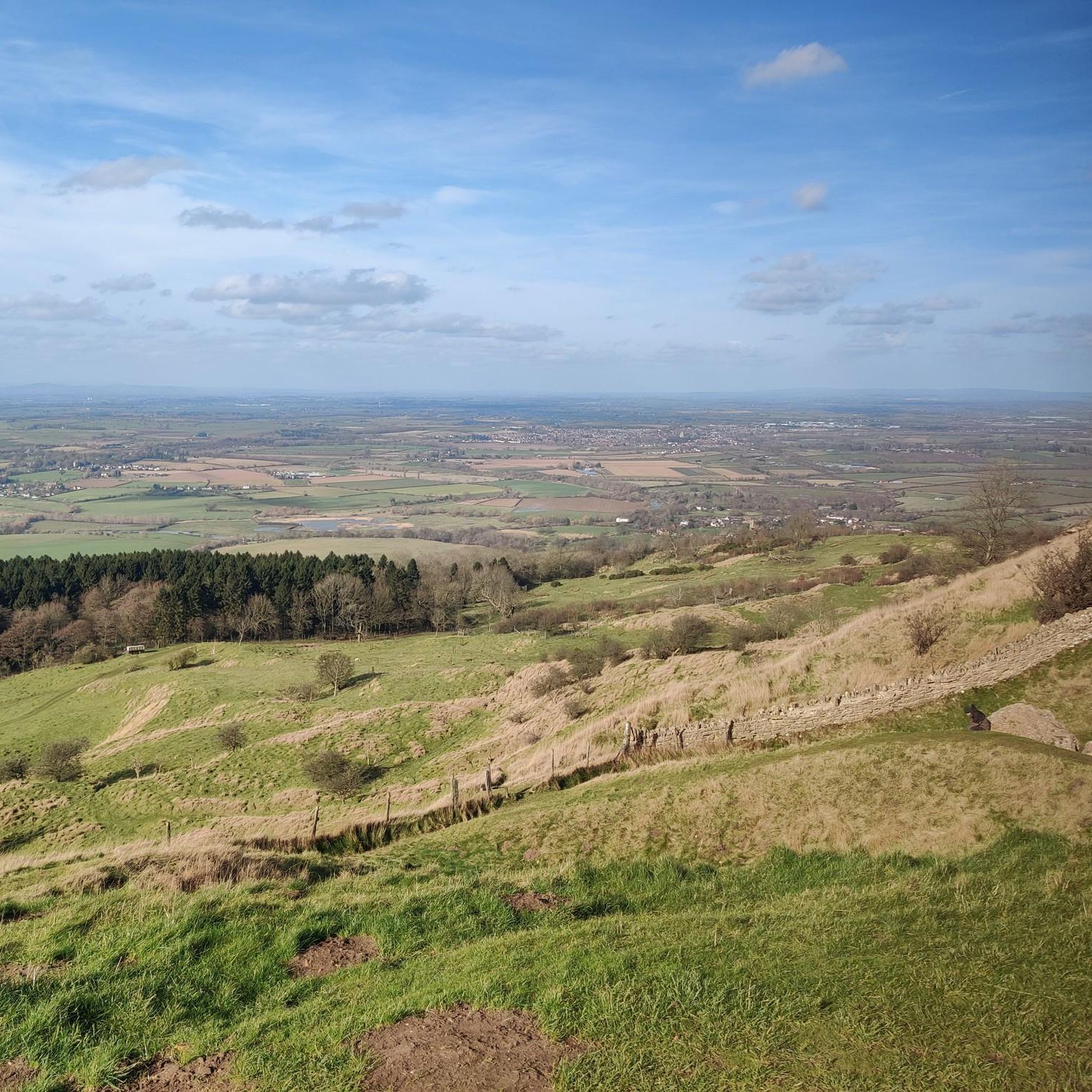
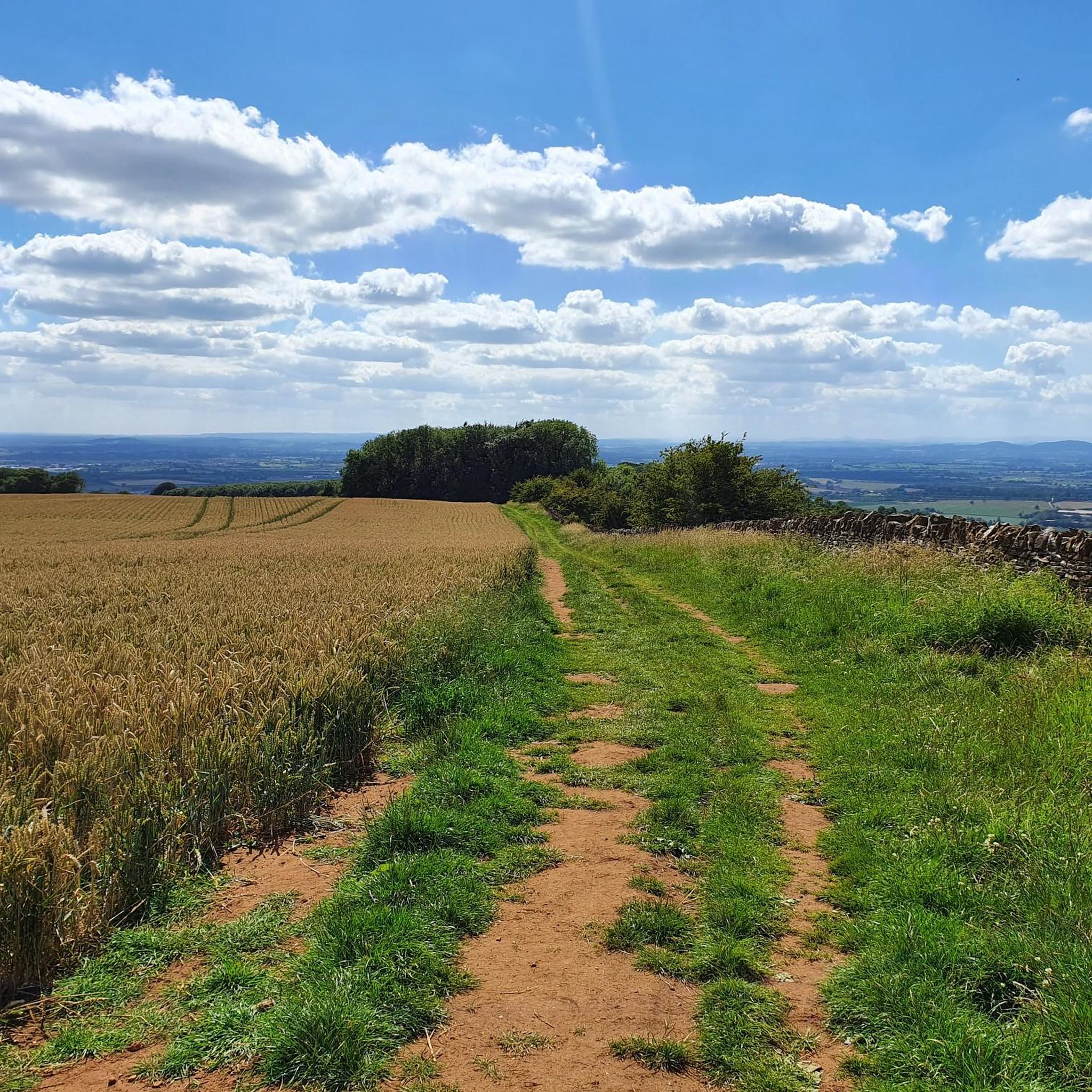
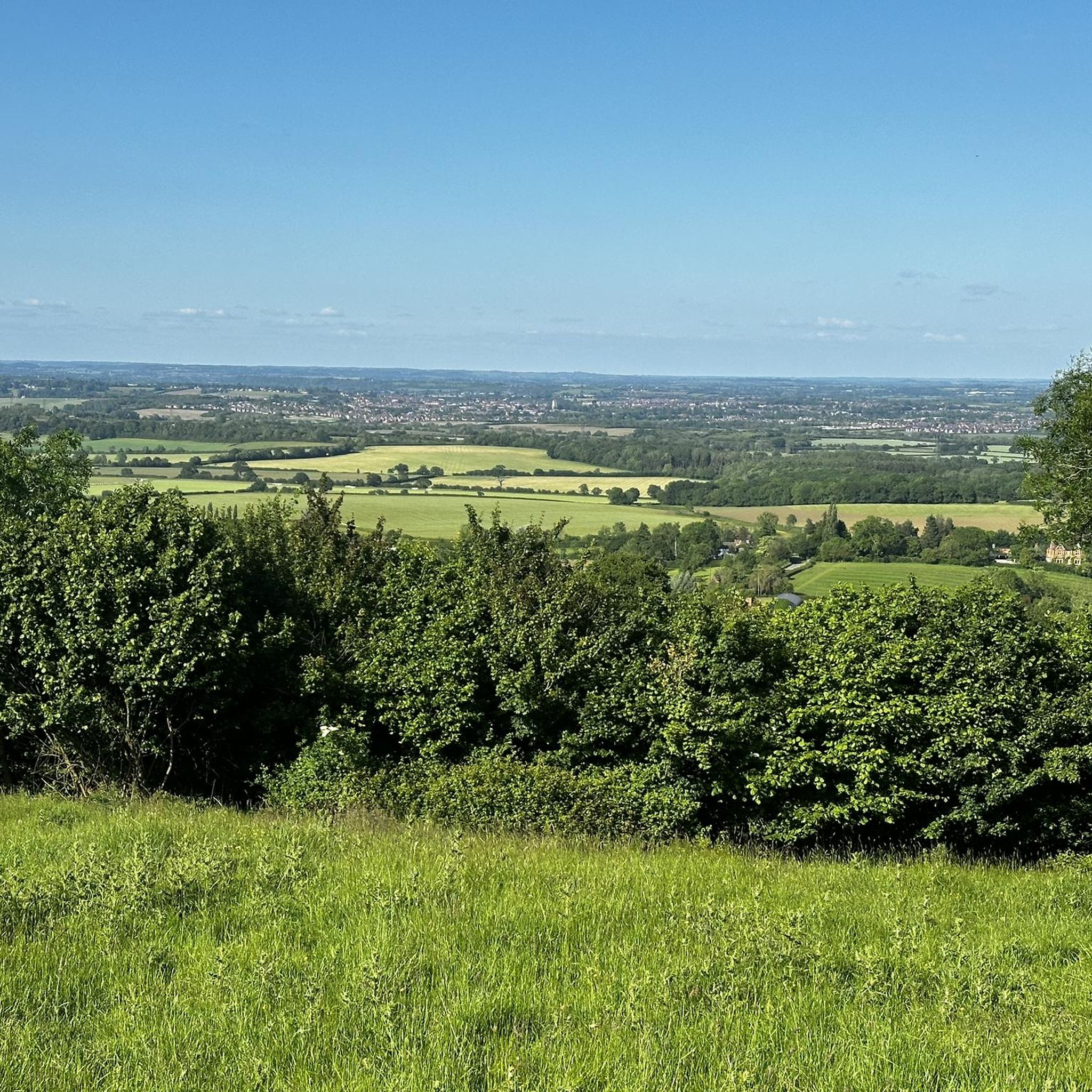
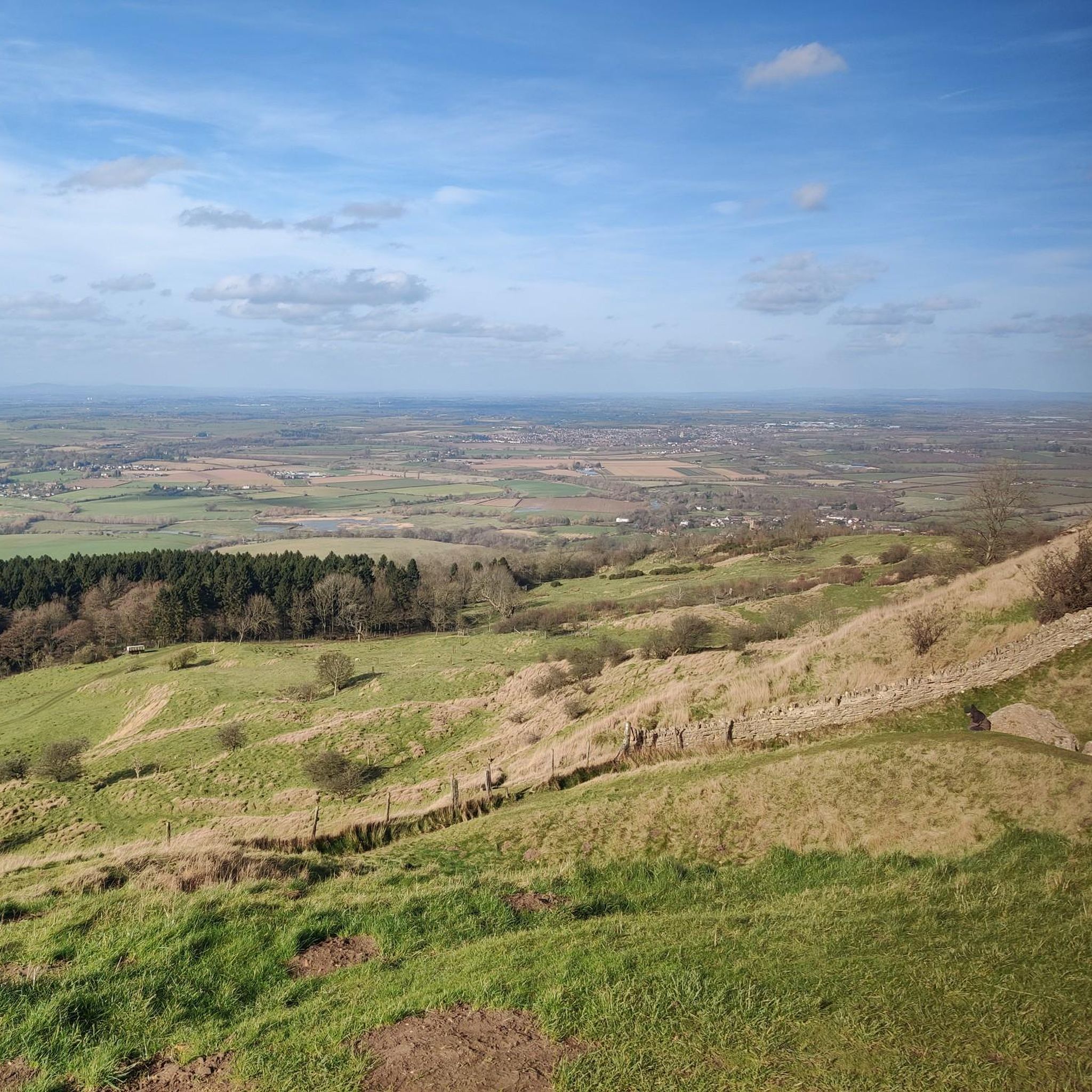
Historic Bredon Hill stands proud in isolation. From its 981-foot (299 m) summit you can gaze out across Worcestershire to the Malverns and south into the rolling Cotswolds. Scenic magnificence.

The hill was once an Iron Age hillfort, known as Kemerton Camp and it then became an important Roman encampment. In the 18th century, the squire of Kemerton Court erected a small stone tower, Parsons Folly. A number of ancient standing stones also adorn the hill.

Tip by

See hikes here

Send to Phone

Save

Pershore Old Bridge

Highlight • Historical Site

This was a key crossing point for traders between London and Worcester. Originally built in the 1400s, various repairs have taken place over the centuries to create the grand structure we see today. There is a popular picnic spot nearby, from which the Pershore Bridges Circular Walk begins. See : komoot.com/guide/712082 for more inspiration.

Tip by

Save

Sign up now to discover places like this

Get recommendations on the best single tracks, peaks, & plenty of other exciting outdoor places.

Sign up for free

St Mary's Church, Elmley Castle

Highlight • Monument

St Mary's Church is a delightful little church full of character and historic interest, set in the picturesque Worcestershire village of Elmley Castle.

Tip by

Save

Croome Court

Highlight • Historical Site

Croome Court is a mid-18th-century Neo-Palladian mansion surrounded by extensive landscaped parkland at Croome D'Abitot, near Upton-upon-Severn in south Worcestershire, England. The mansion and park were designed by Lancelot "Capability" Brown for the 6th Earl of Coventry, and they were Brown's first landscape design and first major architectural project. Some of the mansion's rooms were designed by Robert Adam. St Mary Magdalene's Church, Croome D'Abitot that sits within the grounds of the park is now owned and cared for by the Churches Conservation Trust.

The mansion house is owned by Croome Heritage Trust and leased to the National Trust, which operates it as a tourist attraction. The National Trust owns the surrounding parkland, which is also open to the public.

The foundations and core of Croome Court, including the central chimney stack structure, date back to the early 1640s. Substantial changes to this early house were made by Gilbert Coventry, 4th Earl of Coventry.

George Coventry, the 6th Earl, inherited the estate in 1751, along with the existing Jacobean house. He commissioned Lancelot "Capability" Brown, with the assistance of Sanderson Miller, to redesign the house and estate. It was Brown's "first flight into the realms of architecture" and a "rare example of his architectural work", and it is an important and seminal work. It was built between 1751 and 1752, and it and Hagley Hall are considered to be the finest examples of Neo-Palladian architecture in Worcestershire. Notable Neo-Palladian features incorporated into Croome Court include the plain exterior and the corner towers with pyramidal roofs (a feature first used by Inigo Jones in the design of Wilton House in Wiltshire). Robert Adam worked on the interior of the building from 1760 onwards. The house was visited by George III, as well as by Queen Victoria during summers when she was a child, and George V (when Duke of York).

A jam factory was built near Pershore railway station by the 9th Earl of Coventry in about 1880, to provide a market for Vale of Evesham fruit growers in times of surplus. Although the Croome connection with jam-making had ceased, the building was leased by the Croome Estate Trust during the First World War to the Huddersfield Fruit Preserving Company as a pulping station. The First World War deeply affected Croome; there were many local casualties, although the house was not requisitioned for the war effort. This is possibly because it was the home of the Lord Lieutenant of the county, who needed a residence for his many official engagements. Croome Court was requisitioned during the Second World War by the Ministry of Works, and leased for a year to the Dutch Government as a possible refuge for Queen Wilhelmina of the Netherlands to escape the Nazi occupation of the Netherlands. However, evidence shows that they stayed for two weeks at the most, perhaps because of the noise and fear created by the proximity of Defford Aerodrome. They later emigrated to Canada.

The Croome Estate Trust sold the Court in 1948, along with 38 acres (15 ha) of land, to the Roman Catholic Archdiocese of Birmingham, and the mansion became St Joseph's Special School, which was run by nuns from 1950 until 1979. In 1979, the hall was taken over by the International Society for Krishna Consciousness (ISKCON, the Hare Krishna movement) which used it as its UK headquarters and a training college, called Chaitanya College. During their tenure they repainted the Dining Room. ISKCON left the estate in 1984 for financial reasons. It held a festival at the hall in 2011. From 1984 onwards, various owners tried to use the property as a training centre; apartments; a restaurant and conference centre; and a hotel and golf course, before once more becoming a private family home, with outbuildings converted to private houses.

The house was purchased by the Croome Heritage Trust, a registered charity, in October 2007, and it is now managed by the National Trust as a tourist attraction. It opened to the public in September 2009, at which point six of the rooms had been restored, costing £400,000, including the Saloon. It was estimated that another £4 million to £4.8 million would be needed to restore the entire building. Fundraising activities for the restoration included a 2011 raffle for a Morgan sports car organised by Lord and Lady Flight. After the restoration is complete, a 999-year lease on the building will be granted to the National Trust. An oral history project to record recollections about Croome was funded by the Heritage Lottery Fund. As of 2009, the service wing was empty and in need of substantial repair. The house was listed on 11 August 1952; it is currently Grade I listed.

The mansion is faced with Bath stone, limestone ashlar, and has both north and south facing fronts. It has a basement and two stories, with three stories in the end pavilions. A slate roof, with pyramid roofs over the corner towers, tops the building, along with three pair-linked chimneys along the axis of the house.

Both fronts have 11 bays, split into three central sets of three each, and one additional bay each side. The north face has a pedimented centre, with two balustraded staircases leading to a Roman Doric doorcase. The south face has a projecting Ionic tetrastyle portico and Venetian windows. It has a broad staircase, with Coade stone sphinxes on each side, leading to a south door topped with a cornice on consoles. The wings have modillion cornice and balustrade.

A two-story L-shaped service wing is attached to the east side of the mansion. It is made of red brick and stone, with slate roofs. It was designed by Capability Brown in 1751–1752. On the far side of the service wing, a wall connects it to a stable court.

The interior of the house was designed partially by Capability Brown, with plasterwork by G. Vassalli, and partially by Robert Adam, with plasterwork by Joseph Rose, Jr. It has a central spine corridor. A stone staircase, with iron balusters, is at the east end.

The entrance hall is on the north side of the building, and has four fluted Doric columns, along with moulded doorcases. To the east of the entrance hall is the dining room, which has a plaster ceiling and cornice, while to the west is a billiard room, featuring fielded panelling, a plaster cornice, and a rococo fireplace. The three rooms were probably decorated around 1758–1759 by Capability Brown. The dining room was vibrantly repainted by the Hare Krishnas in the 1970s-80s.

The central room on the south side is a saloon, probably by Brown and Vassalli. It has an elaborate ceiling, with three panels, deep coving, and a cornice, along with two Ionic fireplaces, and Palladian doorcases. King George III was entertained by George Coventry, the 6th Earl, in the house's Saloon. A drawing room is to the west of the saloon, and features rococo plasterwork and a marble fireplace.

To the east of the saloon is the Tapestry Room. This was designed in 1763–1771, based on a design by Robert Adam, and contained tapestries and furniture covers possibly designed by François Boucher and Maurice Jacques, and made by Manufacture Nationale des Gobelins. Around 1902 the ninth Earl sold the tapestries and seating to a Parisian dealer. The Samuel H. Kress Foundation purchased the ceiling, floor, mantlepiece, chair rails, doors and door surrounds in 1949; they were donated to the Metropolitan Museum of Art, New York, in 1958. In 1959, the Kress Foundation also helped the Metropolitan Museum acquire the chair and sofa frames, which they recovered using the original tapestry seats. A copy of the ceiling was installed in place of the original. As of 2016, the room is displayed as it would have looked after the tapestries had been sold, with a jug and ewer on display as the only original decoration of the room that remains in it. The adjacent library room is used to explain what happened to the tapestry room; the former library was designed by Adam, and was dismantled except for the marble fireplace.

At the west side of the building is a Long Gallery[10] which was designed by Robert Adam and installed between 1761 and 1766. It is the best preserved of the original interior (little of the rest has survived in situ). It has an octagonal panelled ceiling, and plaster reliefs of griffins. A half-hexagonal bay faces the garden. The room also contains a marble caryatid fireplace designed by J Wilton. As of 2016, modern sculptures are displayed in empty niches along the Long Gallery.

Tip by

Save

Church of St Peter, Little Comberton

Highlight • Historical Site

A 12th century church. The church was first mentioned in 1283 when the advowson belonged to William Fitz Warin.

Tip by

Save

Sign up for free to discover even more attractions around Eckington.

Sign up for free

Already have an account?

Start today with a free account

Your next adventure awaits.
Login or Signup

Popular around Eckington

MTB Trails around Eckington

Hiking around Eckington

Running Trails around Eckington

Road Cycling Routes around Eckington

Cycling around Eckington

Tips from the Community

Alucard291
March 29, 2026, Pershore Old Bridge

Beautiful medieval bridge over river Avon. Incredibly well preserved given its age.

0

0

Pleasant views of Malvern and the surrounding areas from up there. The folly is ugly as sin but then it IS a folly so... yeah. Not a particularly difficult climb to get up there from either direction.

0

0

Clive G
October 12, 2025, Croome Court

A worthy addition to the National Trust. Wonderful house, set in Capability Brown's first landscape park.

0

0

The old bridge is picturesque, and its also a great place to while away an hour or two by the river.

0

0

The folly itself actually looks like it really is an industrial tower housing mobile phone equipment, but the views are very good. Nearby is the Elephant Stone - it looks like an Elephant kneeing down. Not far from the Cotswold Stone drystone wall is the circular stone that marks the very top of Bredon Hill.

0

0

Good parking, half a dozen spaces on Woollas Hill, near Deer Park centre. Views on way up to Folly are spectacular. Good to get the climb out the way early with gentle, long descent in to Broadway.

0

2

Great church on the descent in Pershore direction. Beautiful mosaics inside

0

0

Stephen
November 14, 2023, Croome Court

Roundabout (creepy)

0

0

Frequently Asked Questions

What historical sites can I explore around Eckington?

Eckington and its surroundings are rich in history. You can visit Pershore Old Bridge, a key crossing point for traders dating back to the 1400s. Another significant site is St Mary's Church, Elmley Castle, an 11th-century religious building with considerable historic interest. Further afield, Croome Court offers a glimpse into 18th-century Neo-Palladian architecture and extensive parkland.

Are there any notable viewpoints or natural attractions near Eckington?

Yes, the area boasts several scenic spots. Parsons Folly on Bredon Hill provides magnificent views across Worcestershire to the Malverns and the Cotswolds from its 981-foot summit. Bredon Hill itself is a natural landmark, once an Iron Age hillfort. You can also find the historic Priest's Well near the River Moss, and explore the Millennium Wildlife Area for local flora and fauna.

What outdoor activities are available around Eckington?

The region offers various outdoor activities. For hiking, you can explore routes like the 'Ecklington, Ashton under Hill & Great Comberton loop' or shorter options like the 'Hiking loop from Great Comberton'. Cyclists can enjoy tours such as the 'Elmley Castle village – Kemerton Coffee House loop'. Mountain biking enthusiasts have trails like the 'Bredon Hill loop'. You can find more details on these and other routes in the hiking, cycling, and MTB guides for Eckington.

Are there family-friendly attractions in the Eckington area?

Many attractions around Eckington are suitable for families. Pershore Old Bridge is a popular picnic spot and the starting point for local walks, which can be enjoyed by families. St Mary's Church, Elmley Castle, and Croome Court also welcome families to explore their historical grounds and buildings.

What kind of walking routes can I find near Eckington?

Eckington offers a variety of walking routes, from easy strolls to more challenging hikes. You can find circular walks around the area, including routes that take you along the River Avon or up Bredon Hill for panoramic views. For detailed information on terrain, difficulty, and elevation profiles, refer to the Hiking around Eckington guide.

What do visitors enjoy most about the attractions around Eckington?

Visitors particularly appreciate the stunning views from places like Parsons Folly on Bredon Hill, with many noting the scenic magnificence and potential for beautiful sunsets. The historical significance of sites like Pershore Old Bridge and the character of churches like St Mary's Church, Elmley Castle, are also highly valued. The blend of history and natural beauty makes the area appealing.

Are there any country parks or larger natural areas nearby?

Yes, several country parks are within reach, offering extensive natural spaces. These include Rother Valley Country Park, Pools Brook Country Park, Ulley Country Park, and Poulter Country Park. Additionally, Whitwell Wood is noted as one of the largest woods in Europe, and the Longshaw Estate and Burbage Valley provide excellent walking country with ancient woods and streams.

Can I find any unique or 'hidden gem' attractions in Eckington?

While not explicitly 'hidden,' the Parish Church of St Peter and St Paul in Eckington, a Grade I listed building from 1100 with an original Norman doorway, offers a deep dive into local history. The Priest's Well, a historic water source behind the church, also provides a quiet, reflective spot. These offer a more intimate historical experience beyond the more widely known landmarks.

What is the best time of year to visit Eckington attractions?

The best time to visit Eckington attractions largely depends on your preferred activities. Spring and summer offer pleasant weather for exploring the natural landscapes and walking routes. Autumn provides beautiful foliage, especially around areas like Bredon Hill. Historical sites and churches are accessible year-round, though some outdoor activities might be less comfortable in winter.

Are there any specific religious buildings of interest in the area?

Beyond St Mary's Church, Elmley Castle, which dates back to the 11th century, the Parish Church of St Peter and St Paul in Eckington village is a significant religious site. It features an original Norman doorway and an octagonal spire, with a history stretching back to the year 1100. Another historic church is Church of St Peter, Little Comberton, a 12th-century church with interesting architectural details.

Where can I find places for a picnic or a leisurely stroll?

A popular picnic spot is located near Pershore Old Bridge, which also marks the beginning of the Pershore Bridges Circular Walk. For leisurely strolls, the Millennium Wildlife Area at Hare Street Road Recreation Ground offers new pathways and wildlife habitats. Linacre Reservoirs also provide beautiful paths for walks amidst nature.

Most popular routes around Eckington

MTB Trails around Eckington

Most popular attractions around Eckington

Natural Monuments

Store rating

Get inspired with the komoot mobile app

With a free komoot account, you can easily find, customize, and navigate endless outdoor adventures.

or

Join komoot Now

Store rating

Explore more

Still not found the Highlight you’re looking for? See guides of the top attractions in other regions:

WickhamfordEveshamAston SomervilleNorth And Middle LittletonChildswickhamSouth LittletonBretfortonBadseyBroadwayUpton WarrenAldingtonElmbridgeCondertonPebworthHoneybourneHinton On The GreenBeckfordAshton Under HillOffenhamBickmarshSedgeberrowElmley CastleBredon'S NortonNethertonKemertonDrakes Broughton And WadboroughPirtonBesfordOverburyDeffordCharltonStoultonBredonStrenshamElmley LovettBirlinghamGreat CombertonHartleburyPeopletonBricklehamptonLittle CombertonCropthorneOmbersleyChurch LenchNorton Juxta KempseyWhite Ladies AstonFladburyUpton SnodsburyChurchillPershoreHampton LovettSalwarpePinvinOddingleyHimbletonBishamptonWestwoodNorton And LenchwickDroitwich SpaWickWhittingtonCleeve PriorThrockmortonBroughton HackettHadzorWyre PiddleStock And BradleySpetchleyBredicotNorth ClainesTibbertonHindlipDoverdaleCookhillMartin HussingtreeHuddingtonCrowleGrafton FlyfordHill And MoorDodderhillNorth PiddleHanburyInkberrowFlyford FlavellDormstonKingtonAbbots MortonNaunton BeauchampAbbertonHarvingtonRous Lench

Nearby adventure guides

Things to Do around Bredon'S Norton

background

Get ready to conquer new peaks

Sign up for Free

Explore
RoutesRoute plannerFeaturesHikesMTB TrailsRoad cycling routesBikepackingSitemap
Download the app
Follow Us on Socials

© komoot GmbH

Privacy Policy