The best walks and hikes around Inkberrow
4.5
(721)
4,641
hikers
15
hikes
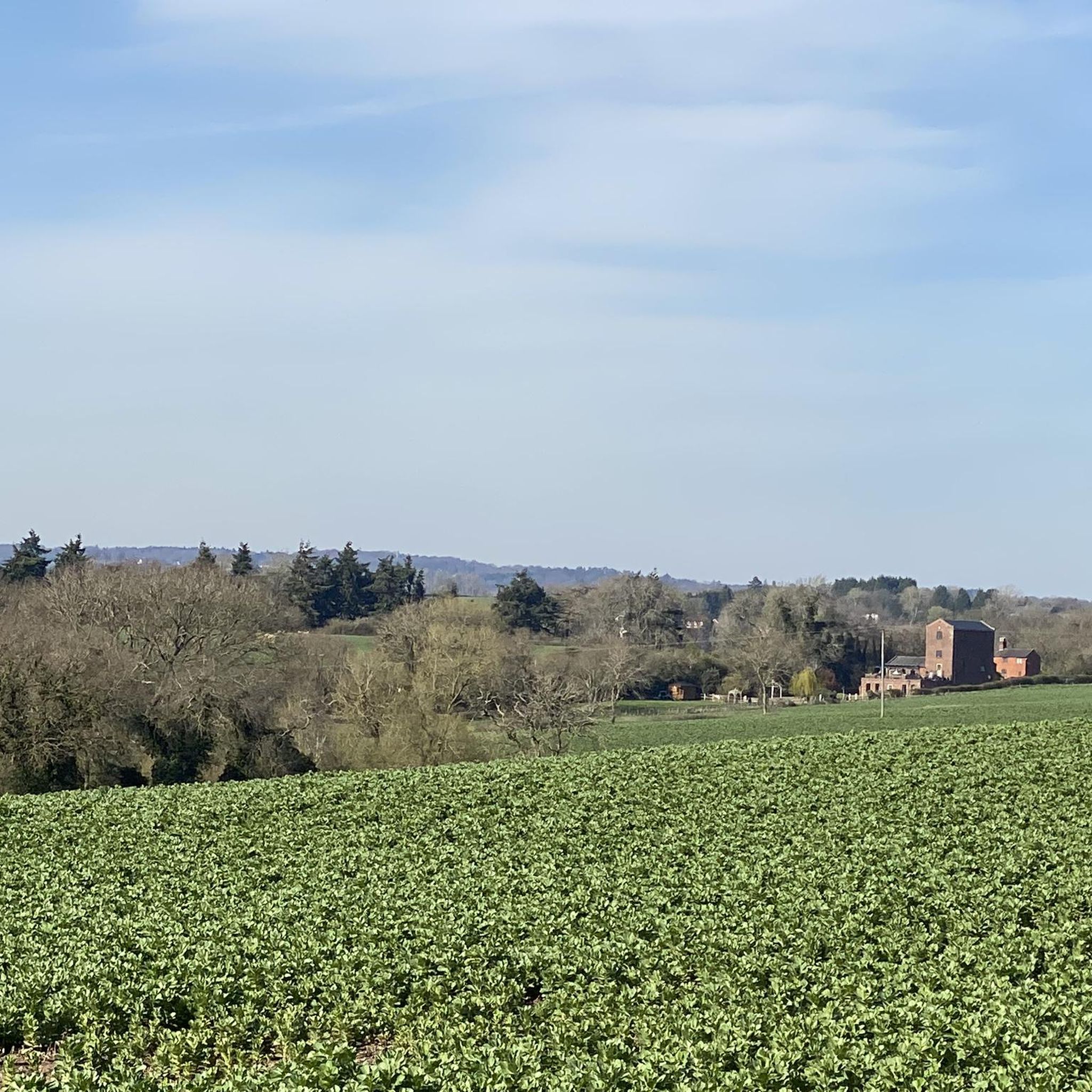
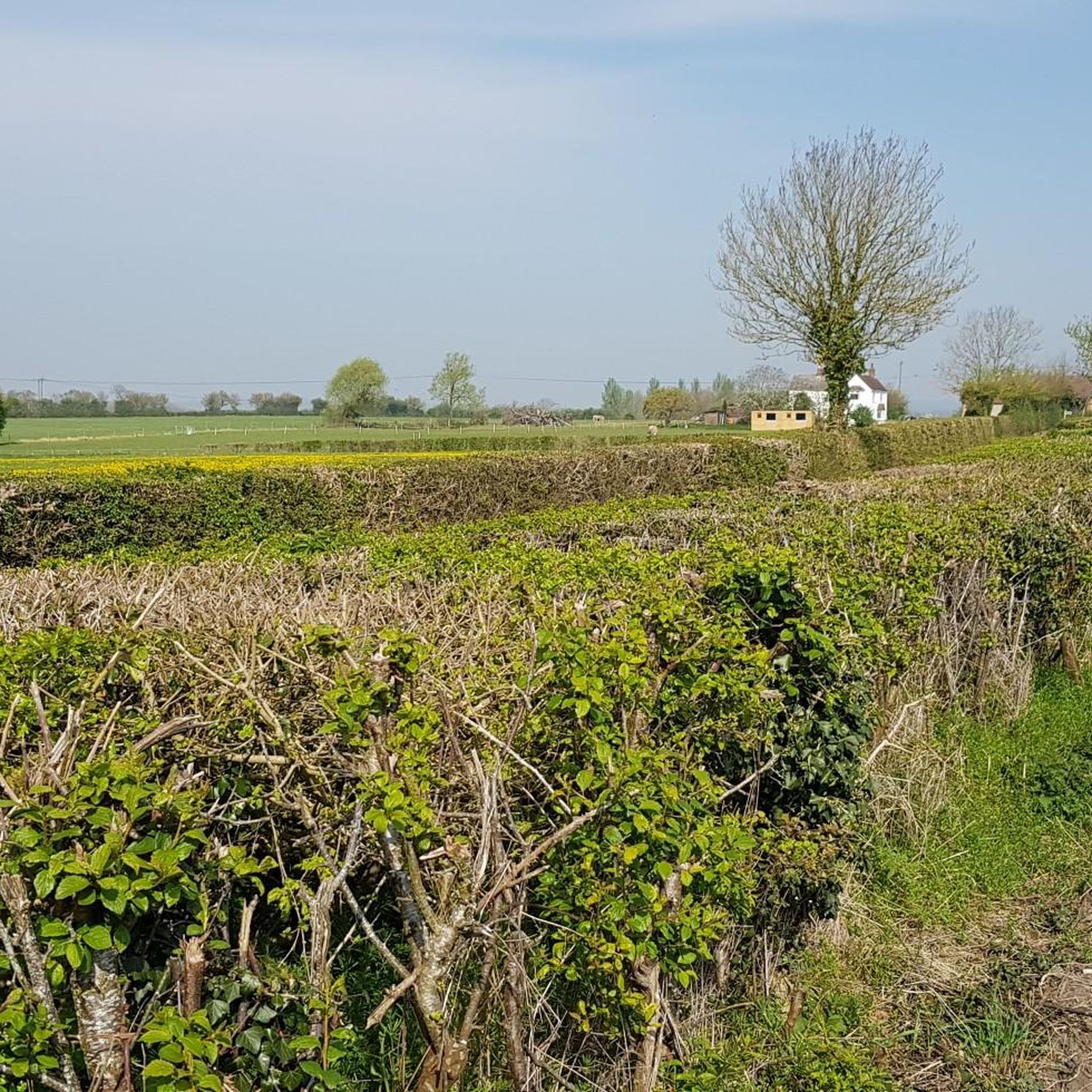
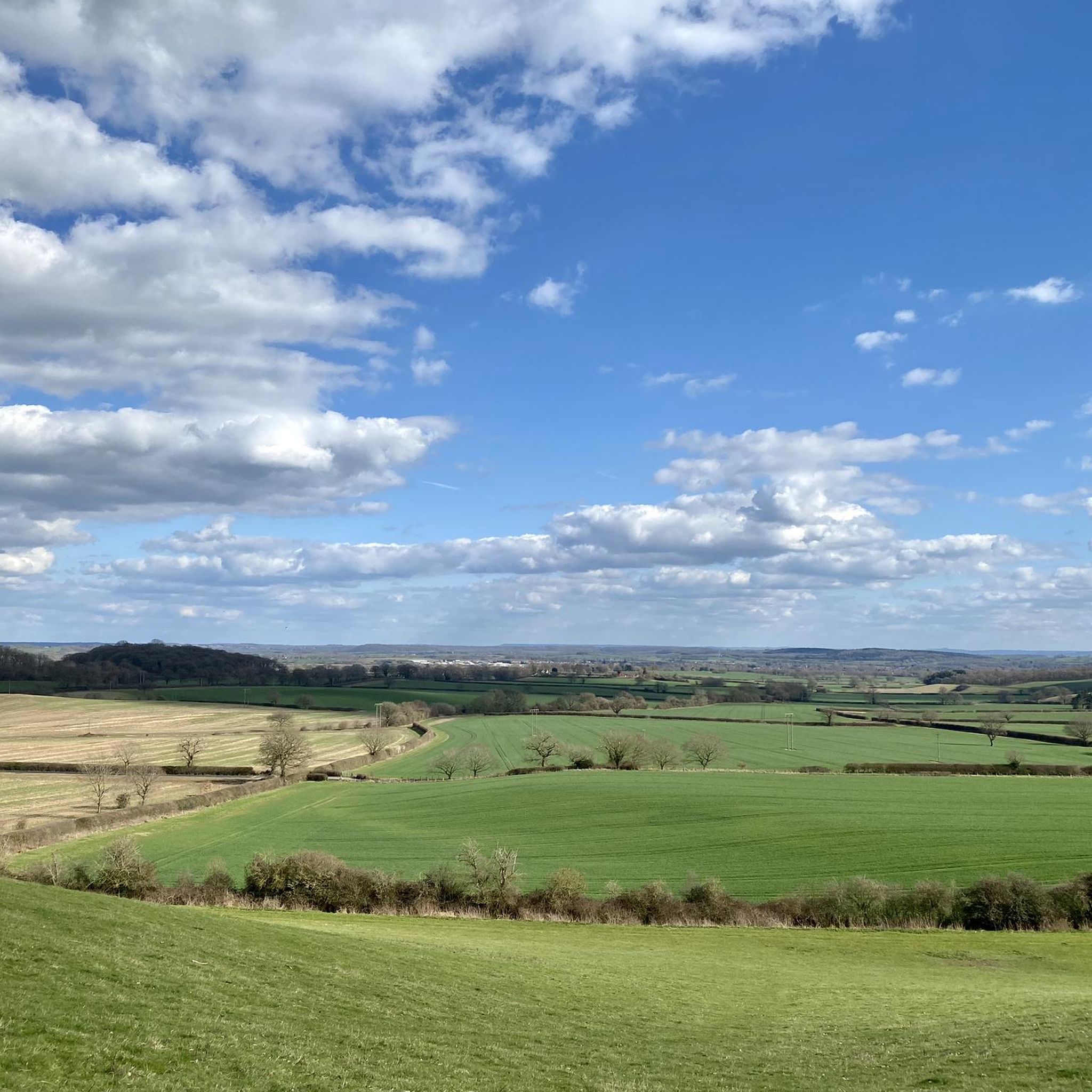
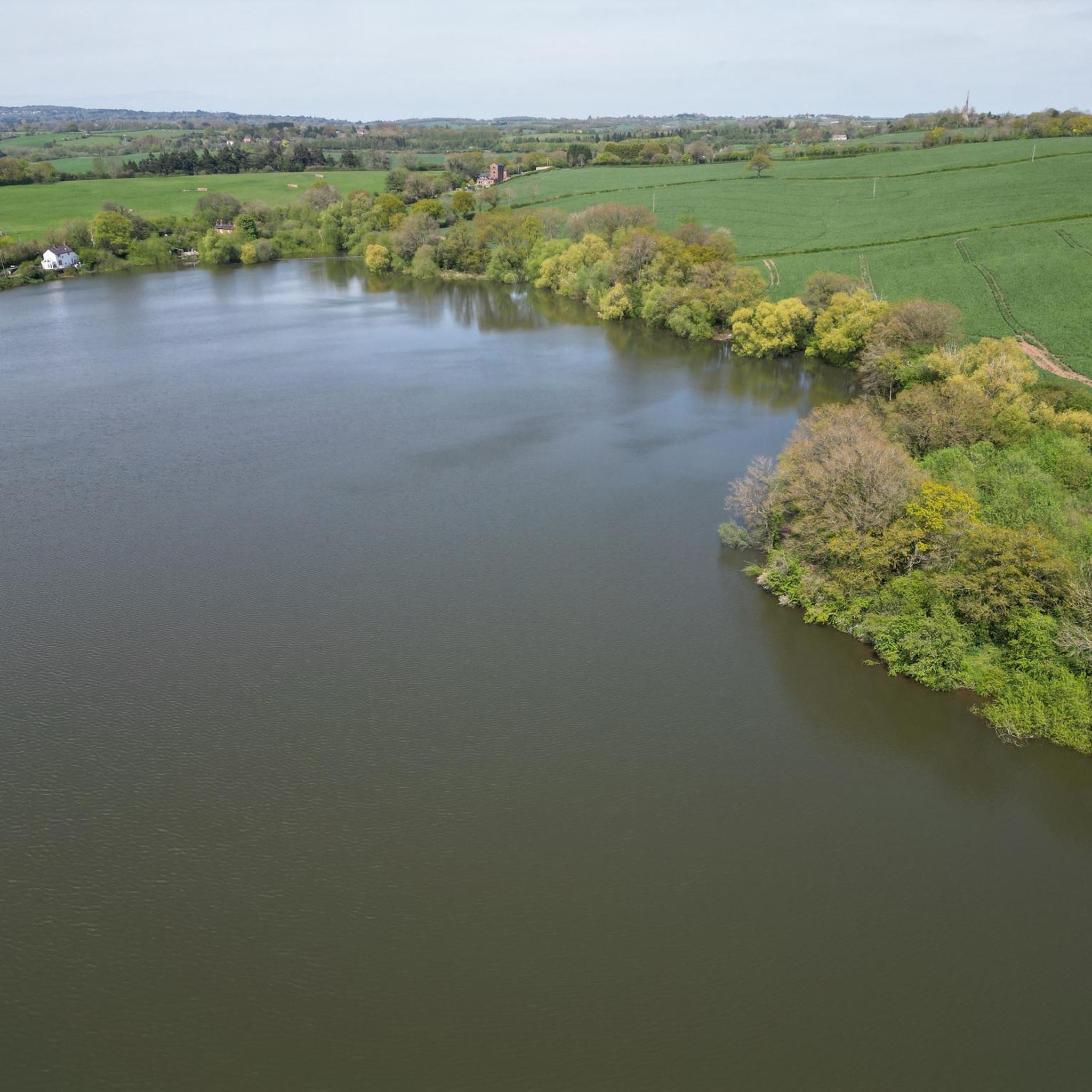
Hiking around Inkberrow features rolling hills, expansive farmland, and diverse natural features. The area includes the Inkberrow Millennium Green, an eight-acre community resource with ponds, grasslands, and historical ridge and furrow systems. Wooded areas like Colletts Wood provide additional scenic environments. The landscape offers a variety of footpaths and bridleways for exploration.
Best hiking trails around Inkberrow
- The most popular hiking route is Inkberrow Millennium Green – St Peter's Church, Inkberrow loop from Inkberrow, a 7.7 miles (12.4 km) trail that takes 3 hours 18 minutes to complete. This moderate route explores the Millennium Green and passes the historic St Peter's Church.
- Another top favourite among local hikers is Weethley Church – Abandoned Cottage Entrance loop from Arrow with Weethley CP, a moderate 5.6 miles (9.0 km) path. This route offers views of the rural landscape near the River Arrow.
- Local hikers also love the St Peter's Church, Inkberrow – Inkberrow Millennium Green loop from Inkberrow, a 5.3 miles (8.6 km) trail leading through farmland and past village landmarks, often completed in about 2 hours 15 minutes.
- Hiking around Inkberrow is defined by rolling hills, open farmland, and the unique Inkberrow Millennium Green. The network of trails offers options for easy and moderate ability levels.
- The routes in Inkberrow are highly rated by the komoot community with an average score of 4.4 stars from over 570 reviews. More than 4000 hikers have used komoot to explore Inkberrow's varied terrain.
Last updated: October 12, 2026
4.0
(4)
14
hikers
Moderate hike. Good fitness required. Easily-accessible paths. Suitable for all skill levels.
3.7
(3)
8
hikers
Moderate hike. Good fitness required. Easily-accessible paths. Suitable for all skill levels.

5
hikers
8.57km
02:15
70m
70m
Moderate hike. Good fitness required. Easily-accessible paths. Suitable for all skill levels.
6
hikers
Moderate hike. Good fitness required. Easily-accessible paths. Suitable for all skill levels.
5
hikers
11.9km
03:10
120m
120m
Moderate hike. Good fitness required. Easily-accessible paths. Suitable for all skill levels.
Get access to more routes and recommendations from other explorers.
Already have an account?
Our route recommendations are based on thousands of hikes, rides, and runs completed by other people on komoot.
Start today with a free account
Your next adventure awaits.

Tips from the Community


Lovely old small church in a delightful Worcestershire village. Just after the church the notorious hill starts that takes you past the Court and on to Church Lench - it's steep!
0
0

Such a beautiful place full of wildflowers and ponds. It is a circular walk. With a slow pace and rest on the bench at the top, it will take you about 30 minutes to walk around. Surrounded by meadows and benches all over the place. Beautiful little village
0
0

Very sloppy and boggy in winter - mostly unrideable (March 2025)
1
0

The Millennium Green is situated on the eastern side of the village of Inkberrow in Worcestershire. Inkberrow is on the A422 main road about half way between Worcester and Stratford-upon-Avon in the English West Midlands. The entrance can be found at the bottom of the hill down the lane past the church. In the centre of the village, by the village green, go towards the Old Bull Inn, past the lychgate entrance to St Peter's Church, and down the hill. (approx 250 yards from the A422). The Millennium Green was officially opened in June 2000. It was supported by Inkberrow Parish Council, The Millennium Commission, English Heritage, The Countryside Agency, Worcestershire County Council and Aqua Vitae 21. It has since been designated a Special Wildlife Site and is now in the Higher Level Stewardship scheme administered by Natural England. The Green is some 8.3 acres in extent, divided into two fields. It is owned and managed as a charity - the Inkberrow Millennium Green Trust - with the land vested in the Official Custodian of Charities. The Trust deeds require that the Green be open and "be able to be enjoyed by people of all ages and physical abilities, be an attractive place for people to exercise, pursue leisure activities and pastimes consistent with shared enjoyment of the whole of the land" and to "include significant 'natural' areas where people can enjoy nature and wildlife at first hand". The Green is managed by the Trustees to meet these objectives, including regular work to sustain, restore and enhance a variety of habitats with ecological and social benefits for the Inkberrow community. The Trustees work in conjunction with outside agencies, such as Historic England and Natural England to ensure compliance with requirements such as those contained in the Ancient Monuments and Archaeological Areas Act (1979) and the Higher Level Stewardship (HLS) agreement.
3
0
According to the Domesday Book there was a church in Inkberrow in Saxon times, and a minster is believed to have existed as early as 700 AD. No traces of either the Saxon church or the minster remain. However, the current church is believed to have been built on the site of the minster, and also perhaps a twelfth century wood and earthwork castle destroyed by Henry III in 1233. The current church probably dates from the 13th century, and was not built on the site of the Saxon church. The earliest remaining architectural feature in the church is the north doorway, which dates from the 13th century. When the north aisle was added to the church around 1480, the old doorway was moved outward and re-used. The north aisle contains several wall monuments, and was originally shorter than its current length. A fellowship centre has been created, restoring the north aisle to the purpose for which it was originally built. The north chapel, also called St Catherine's or the Lady Chapel, is part of the original church structure. It used to be fully enclosed, and was originally the vestry. The east wall contains remnants of a 15th century stained glass window. To the left of this window, beneath an 18th century wall monument, is a shallow recess for a figure. The chapel contains a Tudor altar table, and the church's remembrance book.Early in the 16th century the north aisle was extended over the vestry and a wide archway opened into the chancel. The chancel was rebuilt in 1390. In 1887, the east and south walls were again rebuilt. The south wall was moved outward a few inches, the chancel arch was reconstructed using the old stones, and the roof was renewed. The stained glass windows of St. Peter and St. Paul and St. Francis of Assisi and St Anne, date from 1899 and 1920 respectively. Mr. Sneyd-Kynnersley was a churchwarden and trustee of the church charity, and the Hunt family were benefactors of the church. The south transept may have been added as a chantry chapel shortly after 1357 to pray daily for the souls of members of the Colman family. It may have been the original St. Catherine's chapel. Alternatively, it may have been built around 1390 by the Savage family of Dormston. Whatever its origins, only the original arch remains. The Chapel was rebuilt, and probably extended to its current size in 1784. The altar tomb of painted white marble is to the memory of John Savage who in 1609 bought the manor of Edgioke just outside Inkberrow village but within the parish bounds. He died on the 22nd December 1631. On the base is his effigy in full armour. The hands and feet are missing, believed to have been vandalised by Cromwell's troops. On the sides of the base were the kneeling figures of his ten children, some of which have been removed. On top of the arched canopy are three small figures representing 'Time', 'Hope' and 'Faith', together with the Savage coat of arms. The nave was part of the original structure, but was altered sometime between 1390 and 1420. The windows in the south wall are 15th century. The one nearest to the tower contains some stained glass of that period. In 1839, new box pews were installed bringing the seating capacity of the church to 504. By 1887, the church had become so damp that a complete restoration was required. The rotten wood of the floor was renewed, and several 17th and 18th century headstones were laid in the floor. The font dates from around 1200 AD, and being square is typical of a late Norman font. In 1839, it was cleaned and placed under the arch linking the chancel to the south transept, near the pulpit. It was moved to its current position opposite the south door of the nave in 1887. The tower is three storeys high and was built shortly after 1420 by the Dyson family. The west window which cannot be seen from inside the church, and the west doorway are 15th century. The organ is housed on a raised platform on the ground floor, with the clock and bell ringers' chamber on the second floor, and the church's six bells on the third. The tower was restored in 2000. In 1887, the internal gallery was removed and the archway opened out to reveal the original 15th century west window. It was enclosed again in 1940 when the early 19th century organ was installed. The gallery was re-instated at the same time. Legend refers to 'Intebors ting-tangs' (small bells) suggesting that the Saxon church had bells. The earliest mention of bells in the current church is in 1544, when Margaret Hunt bequeathed money for the casting of bells. The six bells were recast and made heavier in 1868, at a cost of £ 170. In 1658 20 shillings was provided for a person to ring the bells every Lord's day. This was equivalent to a labourer's wages for six weeks. In 1768, three shillings was spent to provide ale for the bell ringers, equivalent to around 125 pints. A wooden board lists the parish vicars since 1268. Seven vicars of Inkberrow died during the years 1349, 1361, 1362 and 1369, the times that the Black Death ravaged England. Due to their vocation of visiting the sick, administering the last rites and burying the dead, many priests died during times of plague. In the diocese of Worcester, 80 clergymen died of plague between March and September 1349. The original 13th century vestry was located where the current St. Catherine's chapel is. It was moved to its present position in 1968, and screened off using 17th century oak panelling. On the south side of the screen, Charles I is depicted in armour before the battle of Edgehill. It is interesting to note that Charles' head is severed from his body. The stained glass in the window in the west wall of the vestry is 15thcentury, and depicts St. Catherine and another saint, crowned and holding a staff. Such fragments are rare. In 1547, following the Reformation, King Edward VI ordered that no images of saints should remain in churches, even in glass. Due to the cost of the wholesale removal of all stained glass windows of saints, they were only replaced once they had decayed. Outside the main body of the church, the north porch was added during the 15th century. It contains a memorial stone to Thomas Dyson dated 1651. A wooden plaque to the right of the door commemorates the 1887 restoration. The arch over the outer entrance has carved stops depicting human heads. The left hand gargoyle is holding a leather bottle typical of the period. The rest of the porch was re-built using the original stones in 1887. On the outer wall of the vestry, a straight line can be seen in the stone work (14) where the north aisle was added to the church in 1480. It has been estimated that in excess of 20,000 bodies have been laid to rest in Inkberrow churchyard. Despite Kington and Dormston having their own ancient churches, where baptisms and marriages were performed, the dead from these parishes were buried at Inkberrow until 1837. In addition, the churchyard of St. Peter's served as the burial ground to St. Paul's, Cookhill, until the consecration of its burial ground in 1932. St. Peter's burialground was extended to the south-west in 1857 and to the north-east in 1945. To the rear of the church, on the outer wall of the south transept, there is a "mass clock" (15). This is a semi-circular sun dial scratched on the wall. This was used to indicate the times of services in the days before mechanical clocks. Its position close to ground level suggests that it belongs to an earlier structure, which was re-used when the south transept was re-built in 1784. The engraved GH above the mass clock is the remnant of an inscription GH 1814, the significance of which is not known. When the north aisle was extended over the original vestry around 1480, the vestry was rebuilt askew from the original foundations. This can be seen in the lower courses in the outside of the east wall of the north chapel (16). To the front of the church, the lych-gate was erected in 1919 as a war memorial. It contains two plaques to the Inkberrow men who died in the first and second World Wars. The sundial close by is believed to be the one bought in 1705 to replace the previous sundial which had been stolen from the churchyard. On 10th May 1645, King Charles I slept in the vicarage on a tour through Worcestershire. He left behind one of his map books, which is now in the custody of the vicar and stored in the County Record Office. His soldiers' wages were lost, buried somewhere in or near the village. In retribution for housing Charles, Cromwell is reputed to have burned the vicarage down.
2
0
16th Century half timbered pub between the village green and the parish church, reputed to have served William Shakespeare in its time. Has 2 Inglenook fireplaces, open beams, roof trusses and a flagstone floor. Said to be the"Bull" in "The Archers", Photographs and memorabilia adorn the walls. There are three regular beers on hand pull and food is served every day.
0
0
Frequently Asked Questions
What types of hiking trails can I find around Inkberrow?
Inkberrow offers a variety of hiking trails, primarily featuring rolling hills, expansive farmland, and picturesque wooded areas. You'll find routes that traverse the unique Inkberrow Millennium Green with its ponds and grasslands, as well as paths through places like Colletts Wood. The trails range from easy strolls to moderate hikes, with options for different fitness levels.
Are there any easy hiking trails suitable for beginners or families?
Yes, Inkberrow has several easy hiking trails perfect for beginners or families. While many routes are moderate, there are 8 easy tours available. These often feature gentle terrain and shorter distances, allowing everyone to enjoy the scenic countryside. Look for routes that explore the Inkberrow Millennium Green for a pleasant, accessible experience.
Can I find circular walking routes in Inkberrow?
Absolutely. Many of the hiking routes around Inkberrow are circular, allowing you to start and end in the same location. For example, the Inkberrow Millennium Green – St Peter's Church, Inkberrow loop from Inkberrow is a popular moderate circular route that takes you through key village landmarks and natural features.
What natural features or landmarks can I expect to see on a hike?
Hikers in Inkberrow can explore several notable natural features and historical landmarks. The Inkberrow Millennium Green is a highlight, with its ponds, grasslands, and ancient ridge and furrow systems. You might also encounter the 12th-century St. Peter's Church with its Norman tower, the 16th-century Old Grammar School, and scenic wooded areas like Colletts Wood and Pond.
Are there any good viewpoints or scenic spots along the trails?
The rolling hills and open farmland surrounding Inkberrow provide numerous scenic vistas. Routes often offer expansive views of the Worcestershire countryside. The Inkberrow Millennium Green itself provides stunning views across its varied landscape, including ant-hills and ponds, making it a particularly picturesque spot.
Are there options for longer, more challenging hikes?
While Inkberrow's trails are generally easy to moderate, some routes offer longer distances and more significant elevation changes for those seeking a greater challenge. For instance, the Inkberrow Millennium Green – St Peter's Church, Inkberrow loop from Arrow with Weethley CP covers over 13 km with moderate elevation, providing a good workout while exploring the area.
Where can I park when hiking in Inkberrow?
Parking is available in Inkberrow village. The Old Bull pub, for example, offers a car park for visitors. Many routes also start from designated car parks in or near the village, making it convenient to access the trails.
Are there any pubs or places to eat after a hike?
Yes, Inkberrow village is well-equipped for post-hike refreshments. You can visit local pubs like The Bulls Head and The Old Bull, which are popular spots for hikers to relax and enjoy a meal or a drink after exploring the trails.
What do other hikers enjoy most about the trails in Inkberrow?
The trails in Inkberrow are highly rated by the komoot community, with an average score of 4.4 stars from over 570 reviews. Hikers often praise the charming rural setting, the well-maintained footpaths, and the diverse scenery that includes rolling hills, farmland, and the unique Inkberrow Millennium Green. The blend of natural beauty and historical points of interest is frequently highlighted.
What is the best time of year to go hiking in Inkberrow?
Inkberrow offers enjoyable hiking experiences throughout the year. Spring brings blooming wildflowers and lush greenery, while autumn showcases beautiful fall foliage across the rolling hills. Summer provides longer daylight hours for extended walks, and even winter can be picturesque, especially on crisp, clear days. The well-maintained footpaths make it accessible in most conditions.
Are there any trails that follow a river or have water features?
While Inkberrow itself is known for its hills and farmland, the broader area includes water features. The nearby village of Studley developed around the River Arrow, and some routes, such as the Weethley Church – Abandoned Cottage Entrance loop from Arrow with Weethley CP, offer views of the rural landscape near the River Arrow. The Inkberrow Millennium Green also features ponds, adding to the natural diversity.
Can I combine my hike with a visit to other nearby attractions?
Certainly. The Inkberrow area is rich in attractions. Beyond the village, you could visit historical sites like Coughton Court or explore natural areas such as Grafton Wood Nature Reserve. Many hiking routes can be planned to pass by or be near these points of interest, enhancing your overall experience.
Most popular routes around Inkberrow
Most popular attractions around Inkberrow

Get inspired with the komoot mobile app


Explore more
Browse the best Hikes in other regions.
