The best walks and hikes around Würselen
4.4
(1925)
9,803
hikers
143
hikes
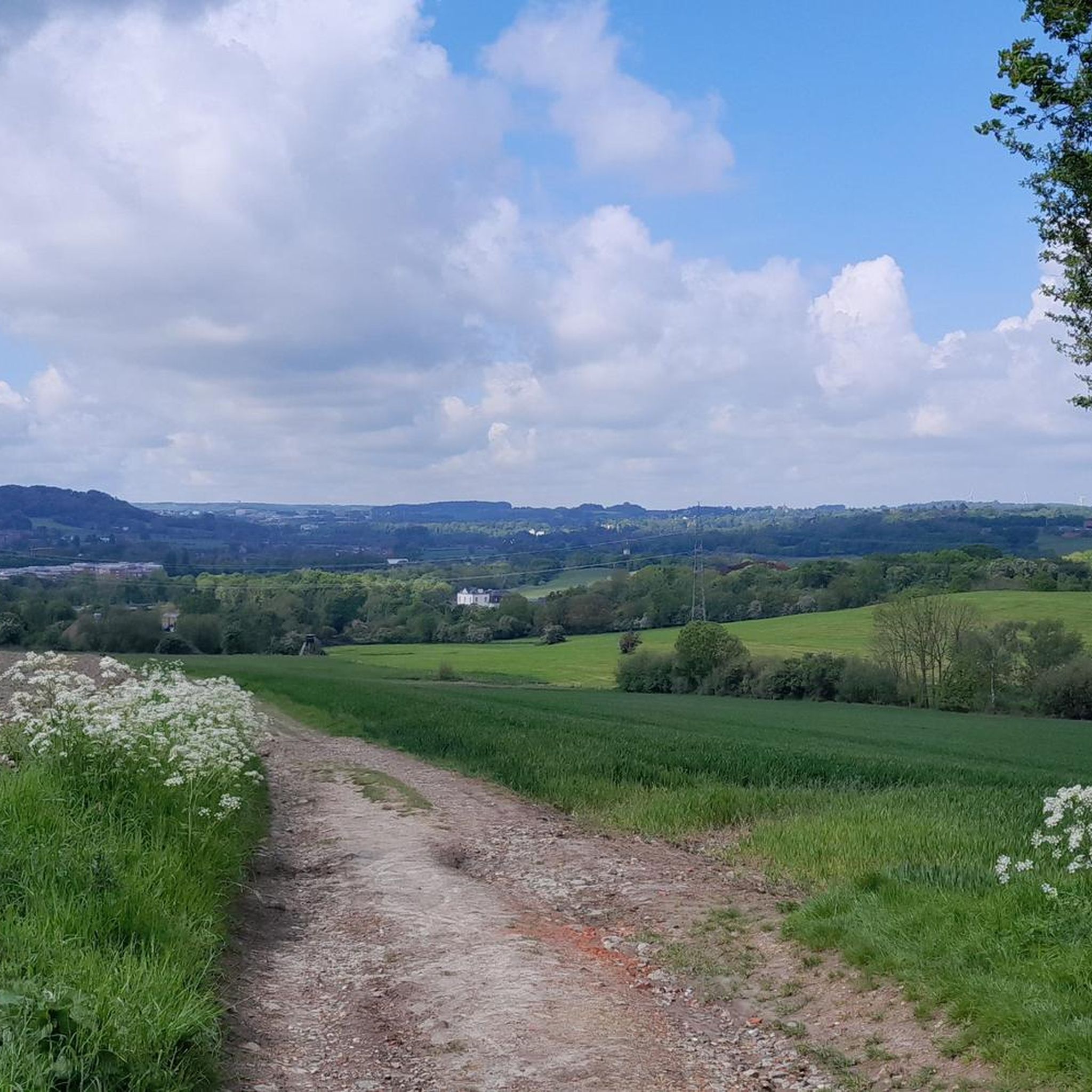
Hiking around Würselen offers a diverse landscape characterized by rolling hills, dense forests, and the tranquil Wurm Valley. The region is situated near the Hohes Venn-Eifel Nature Park, providing a variety of natural settings for outdoor activities. Trails often traverse lush greenery and varied flora, with some routes leading through extensive orchards and along river courses. This area features a mix of valleys and hills, including the Haarberg.
Best hiking trails around Würselen
- The most popular hiking route is Gouley…
Last updated: October 16, 2026
4.2
(47)
168
hikers
4.92km
01:20
70m
70m
Easy hike. Great for any fitness level. Easily-accessible paths. Suitable for all skill levels.
4.8
(410)
1,702
hikers
6.21km
01:39
70m
70m
Easy hike. Great for any fitness level. Easily-accessible paths. Suitable for all skill levels.

4.8
(333)
1,436
hikers
5.13km
01:22
60m
60m
Easy hike. Great for any fitness level. Easily-accessible paths. Suitable for all skill levels.
4.7
(89)
386
hikers
9.18km
02:30
140m
140m
Moderate hike. Good fitness required. Easily-accessible paths. Suitable for all skill levels.
4.6
(54)
207
hikers
Easy hike. Great for any fitness level. Easily-accessible paths. Suitable for all skill levels.
Get access to more routes and recommendations from other explorers.
Already have an account?
Our route recommendations are based on thousands of hikes, rides, and runs completed by other people on komoot.
Start today with a free account
Your next adventure awaits.

Other adventures around Würselen

Tips from the Community

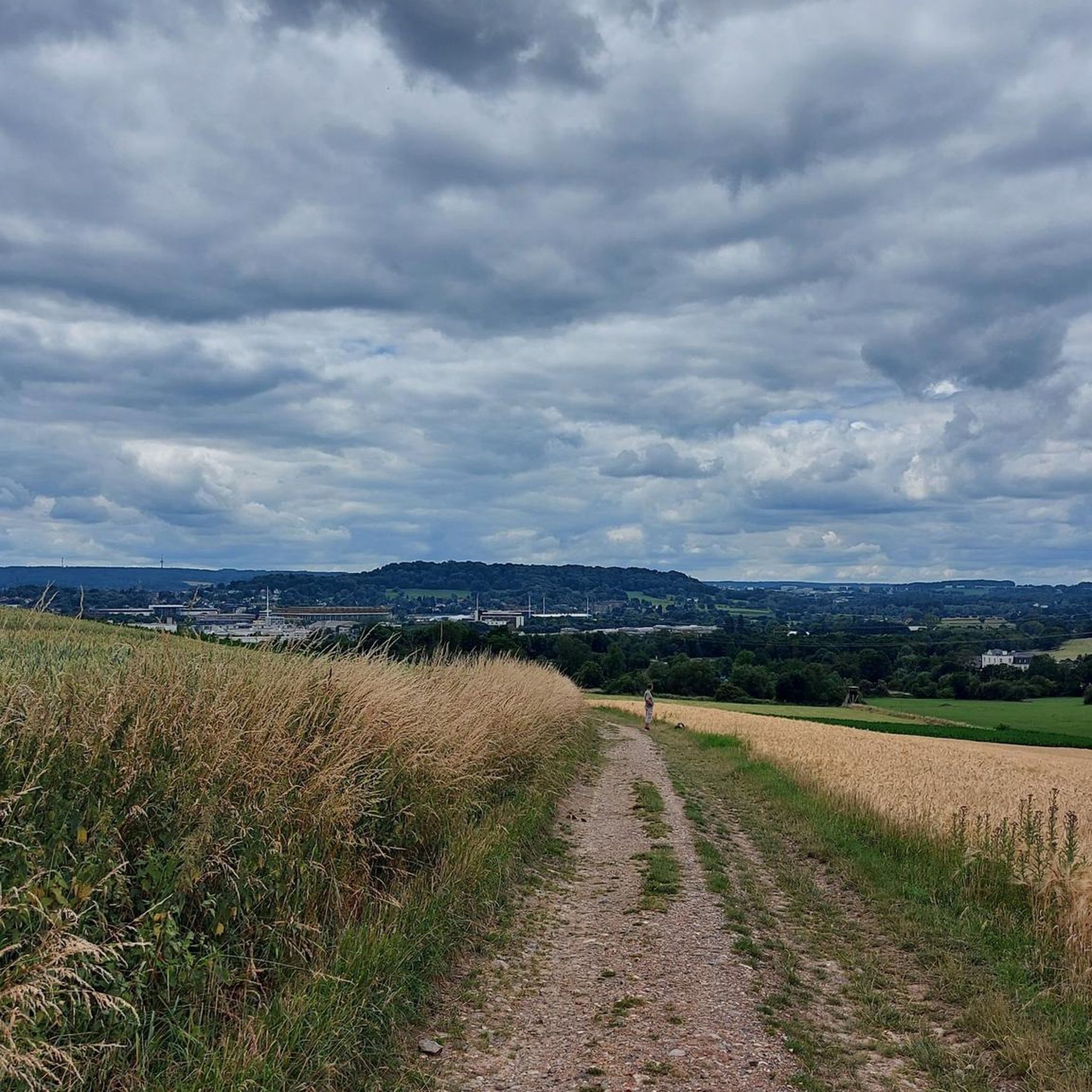
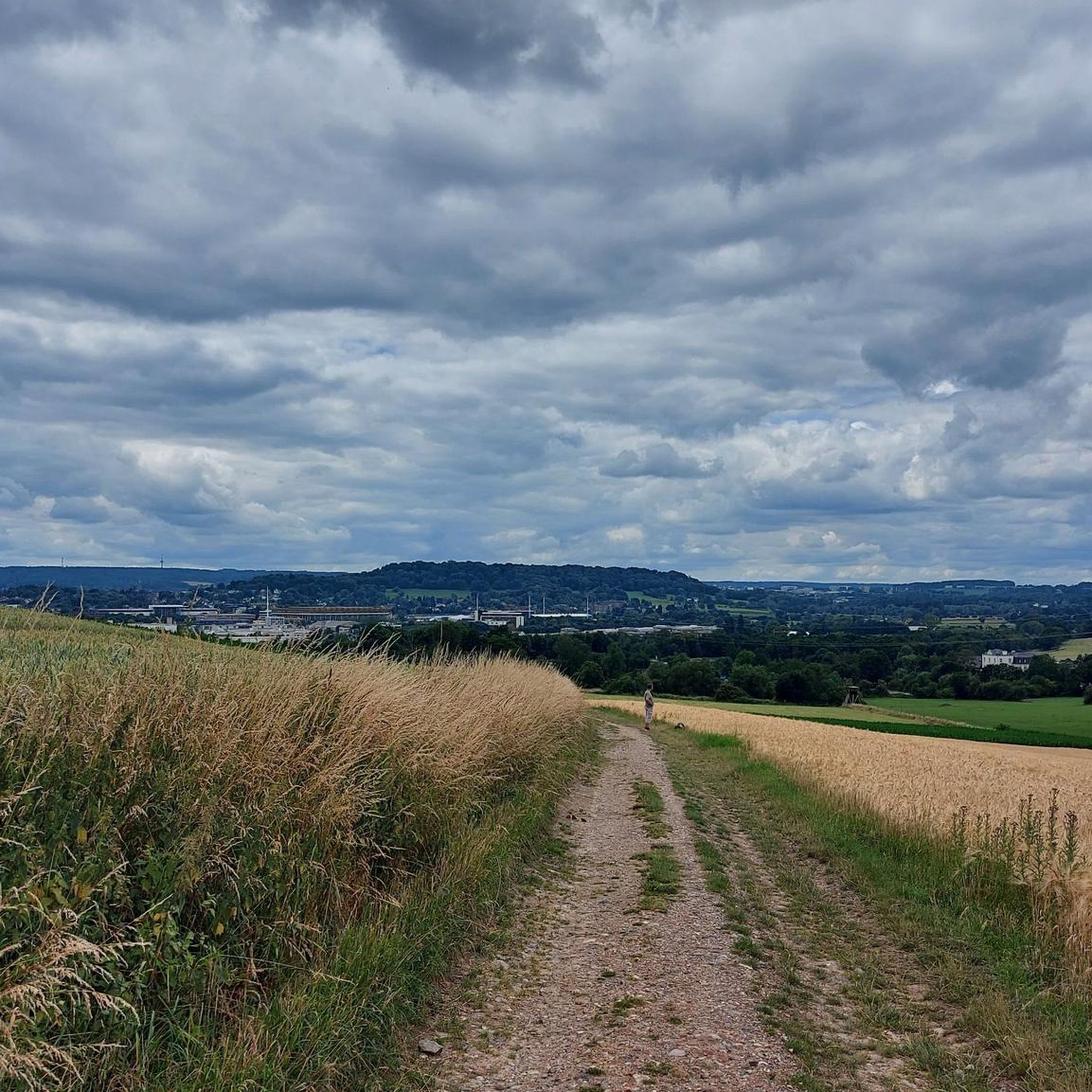
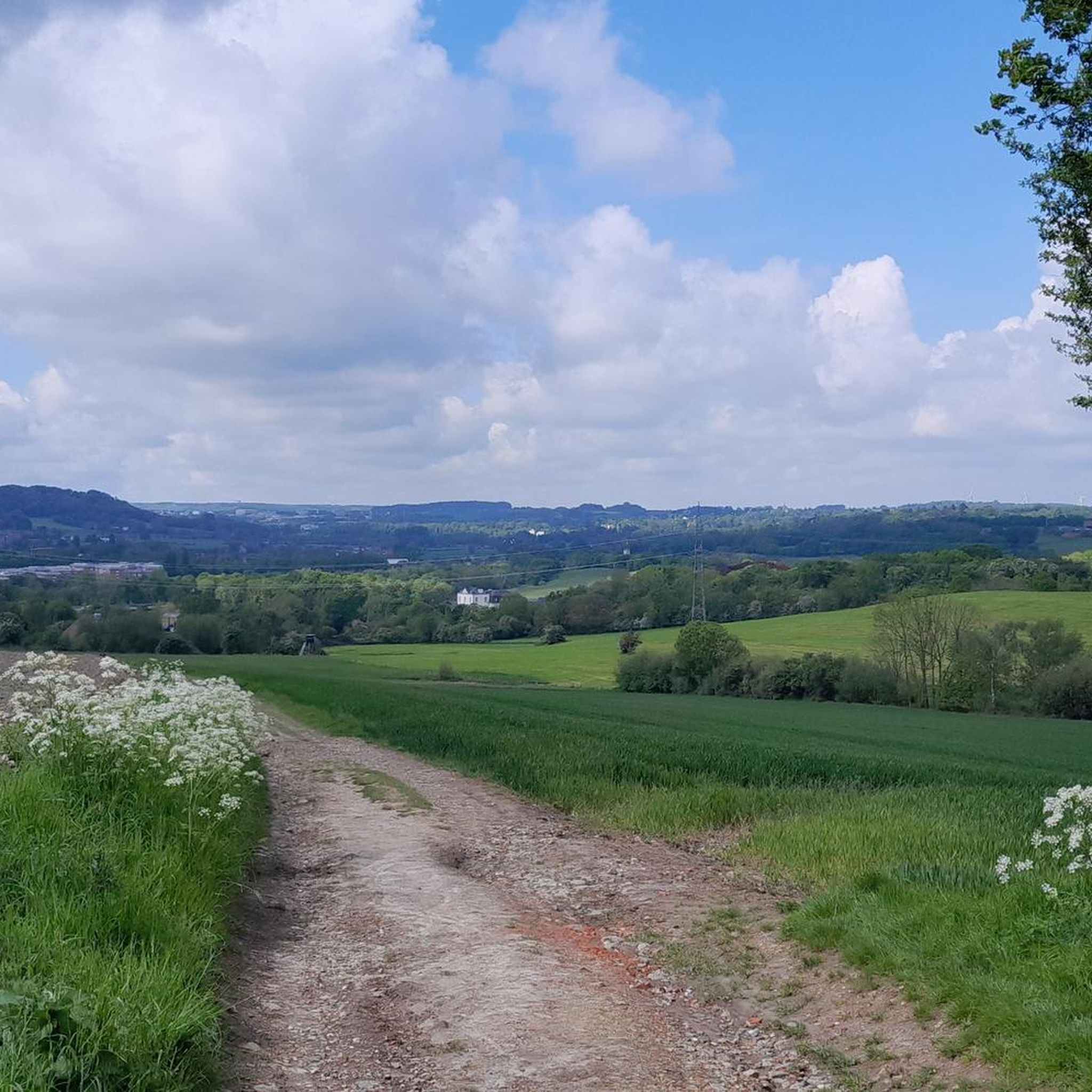
Beautiful view of fields and meadows along the Wurm river
0
0

The picnic area at Wilhelmstein Bridge is a peaceful, almost natural resting spot in the landscape where water, greenery, and history converge. The bridge spans the Wurm River here, forming a natural transition between banks while the surrounding valley opens up in soft lines of grass, shrubs, and trees. It's a place that invites you to sit down for a moment, put down your backpack, and relax. From the picnic area, your gaze follows the rippling water beneath the bridge, while birds and the rustling of leaves create the backdrop. The proximity of Wilhelmstein also evokes a sense of history: not far from here lies the rocky plateau with the remains of the old castle that overlooked this same valley for centuries. This combination of nature and history gives the place added depth without being obtrusive. It is precisely its simplicity that makes this picnic area special. No crowds, no grand views, but a sheltered spot where the landscape does its work. It is a moment of rest along the route where walking briefly turns into staying and where the environment tells its story undisturbed and at its own pace.
0
0
The Wetterpilz in the Wurmtal is a striking natural phenomenon and artistic object, notable for its unique shape and location in the Wurm Valley just south of Herzogenrath. The Wetterpilz, which literally means "weather mushroom," is often a sheltered path or small natural structure resembling a giant mushroom, making it both a landmark and a refuge for hikers. The Wetterpilz stands amidst a diverse landscape of deciduous and coniferous forests along the Wurm River, which meanders through the valley. It offers visitors a unique opportunity to pause and enjoy the tranquility while simultaneously enjoying excellent views of the surrounding flora and fauna. The object often also reflects a playful element of landscape art, where natural forms and human imagination merge.
0
0
The entrance to the Gouley mine tunnel, also known as the Stollenmundloch, is located in the picturesque Wurmtal valley near Würselen/Morsbach in Germany. This tunnel was an important part of Grube Gouley, one of the oldest coal mines in the Aachen region, first mentioned in 1599 under the name "Gute Ley." Gouley was one of the longest-operating coal mines in the region, with mining operations continuing until 1969. The tunnel was originally used for coal extraction and later for dewatering the mine, as underground mines often caused water problems. Today, water still flows from the tunnel into the Wurm, a clear sign of the landscape's industrial past. Although the tunnel is not open to visitors, the entrance itself is a tangible industrial monument and bears witness to centuries of mining tradition. Over the centuries, Gouley has enjoyed a rich and eventful history. In the 19th century, the mine was modernized with steam engines for water and coal extraction. In 1834, a sudden ingress of water led to a serious mining accident in which several miners died. This tragedy resulted in stricter safety measures in the Aachen region. Later in the 19th and 20th centuries, the mine was further expanded with rail and coal transport, and it became a major employer in the region. Following the declining demand for coal and the changing energy market, Gouley finally closed its doors on March 31, 1969. Today, the area around the tunnel is part of hiking trails through the Wurmtal, where visitors can discover traces of the industrial past: remnants of old railway lines, railway bridges, workers' houses, and the contours of former mining sites. This combination of nature and industrial heritage makes the area particularly attractive for hikers and cyclists. The Wurmtal itself offers a beautiful river landscape where forests, streams, and valleys blend harmoniously, creating a serene experience of Gouley's historical context. The Gouley Mine Tunnel symbolizes the region's long mining tradition and illustrates how an industrial landscape can transform into a place of natural recreation and remembrance. Walkers along the path alongside the tunnel literally experience the traces of the past while enjoying the tranquility of the watercourse and the surrounding green landscape. It is a place where history, nature, and culture converge, telling the story of human endeavor, technological progress, and the resilience of the landscape.
0
0
Deep in the green belt of the Wurmtal, just south of Herzogenrath, a quiet forest path winds alongside the gently meandering Wurm River. The path leads through a landscape where nature and history intertwine: ancient forest edges, slopes thick with fern thickets, and clearings where sunlight breaks through the treetops, illuminating the moss. The Wurm itself always murmurs softly in the background, amidst rippling plants and rocky outcrops that recall the valley's mining past.
0
0
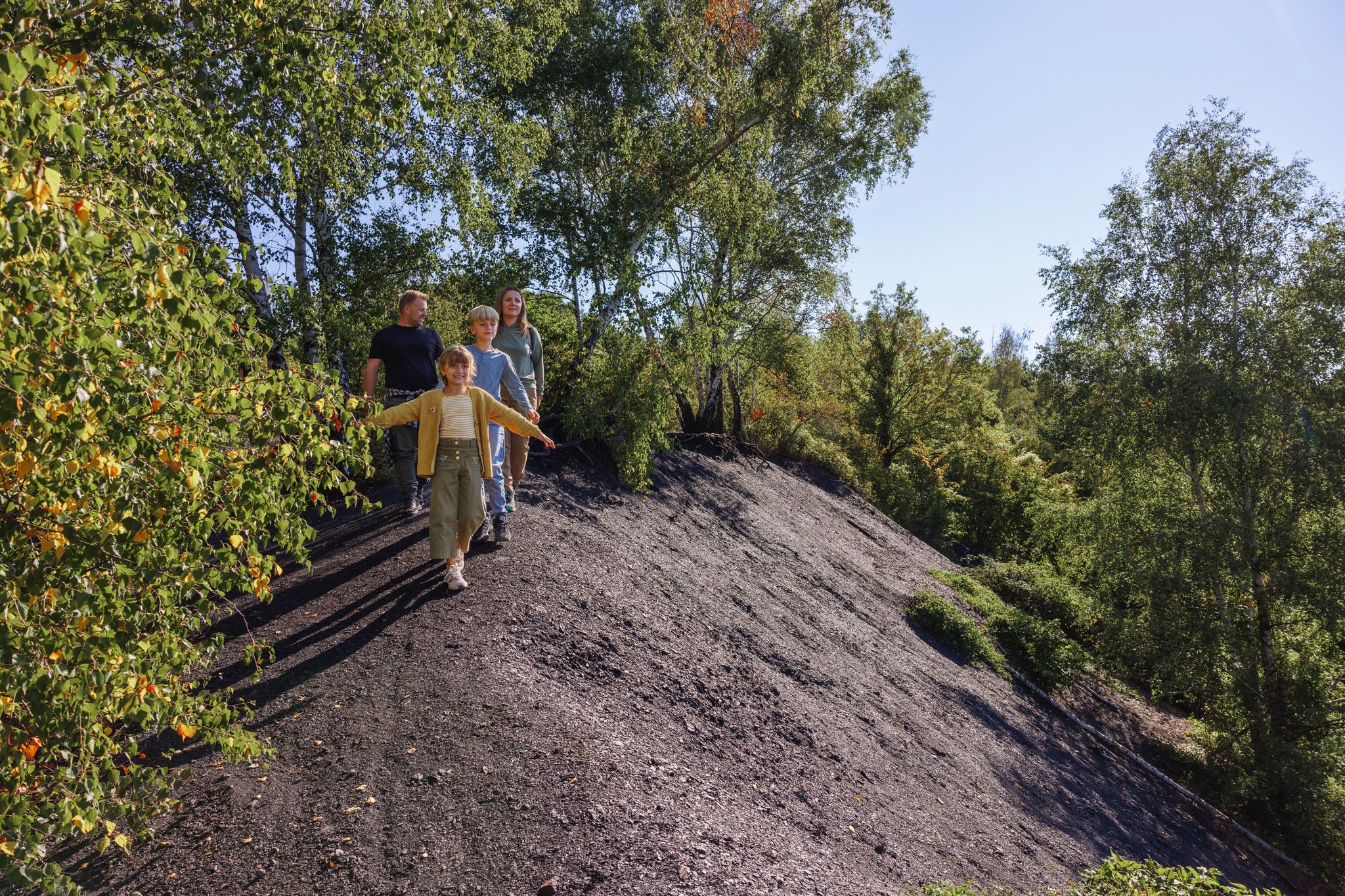
The Wurm Valley, the valley around the Wurm River near Aachen/Würselen (Germany), boasts a rich and fascinating industrial past. Coal was mined in this valley from very early times, and mining played a major role well into the 20th century. What was once synonymous with industrial smoke and coal railways has now been transformed: slag heaps, old tunnels, abandoned tracks, and a green landscape bear witness to what has been. Below is an overview of the historical legacy and current experience. Written sources mention coal mining in the Wurm Valley as early as the 12th century, according to the annals of the abbey in Klosterrath. In (the later) area around present-day Würselen, coal mining began in the Middle Ages primarily through open-pit mining or very shallow excavation, where the coal seams lie relatively close to the surface. The real transition to large-scale industrial coal mining did not occur until the 19th century. The establishment of associations and mining companies (including the Association for Coal Mining in the Wurm Valley in 1836) allowed production to be concentrated and expanded. Mines such as Grube Teut (now completely gone) and Grube Gouley were important production centers. The Gouley mine was the largest in the Wurm region at its peak in the early 19th century. Mining was not without risk. For example, in 1834 at the Gouley mine, a collapse caused by water pressure claimed the lives of dozens of miners. Over the course of the 20th century, coal mining in the Wurm Valley became less profitable due to competition from deep mining and a changing economy. The last shafts closed in 1969. Stoves (slag heaps) at various locations in the Wurm Valley now lie green hills: former coal heaps (slag heaps) that give the landscape a distinctive relief. These "halden" were later reclaimed and are now walking and recreational areas. Old railway lines and viaducts where coal trains once ran have been converted into walking paths and cycling routes. For example, the route from the former railway line to the Gouley mine is now part of a walking and cycling network.
1
0

Beautiful event location in the Wurmtal
3
0
The discarded trolley reminds of the region's mining past
5
0
Frequently Asked Questions
What kind of landscape can I expect when hiking in Würselen?
Würselen offers a diverse landscape characterized by rolling hills, dense forests, and the tranquil Wurm Valley. You'll find lush greenery, varied flora and fauna, and peaceful river courses. The area is also close to the Hohes Venn-Eifel Nature Park, providing a broad spectrum of natural environments.
How many hiking trails are available in Würselen?
There are over 140 hiking trails available around Würselen, catering to various preferences and fitness levels. This includes 114 easy routes, 31 moderate routes, and 1 difficult route, ensuring options for everyone from casual strollers to experienced hikers.
Are there hiking options for all skill levels in Würselen?
Yes, Würselen provides a wide range of hiking options suitable for all skill levels. You can find many easy strolls, such as the Gouley Tour Würselen-Morsbacher Heide, as well as moderate routes like the View of the Wurm Valley – Wurm River near Würselen loop, and even a few more challenging trails.
What do other hikers say about the trails in Würselen?
The trails in Würselen are highly regarded by the komoot community, with an average rating of 4.5 stars from over 1,100 reviews. Hikers often praise the area's varied terrain, the peaceful atmosphere of the Wurm Valley, and the well-maintained paths that offer both natural beauty and historical insights.
Are there any historical sites or landmarks to see while hiking in Würselen?
Yes, many trails in Würselen incorporate historical elements. You can explore areas around former mines, like on the Gouley Tour, which offers insights into the region's mining history. Other routes might lead you past historic half-timbered houses, or near Wilhelminenberg Castle, known for its baroque garden. You can also find interesting structures like the Rollefbach Viaduct or the Iter Valley Viaduct in the wider area.
Can I hike along the Wurm River in Würselen?
Absolutely. The Wurm Valley is a central feature of the region, and many hiking trails follow the Wurm River. For example, the Wurm River near Würselen – Teuterhof loop is an easy path that provides peaceful scenery along the river, suitable for various fitness levels.
Are the hiking trails in Würselen suitable for families with children?
Yes, Würselen offers several family-friendly hiking options. Many of the easy, shorter loops, particularly those along the Wurm River or through orchards, are suitable for families. The area around Wilhelminenberg Castle also offers a restaurant and mini-golf, making it a good destination for a family outing combined with a walk.
Can I bring my dog on the hiking trails in Würselen?
Many hiking trails in Würselen are dog-friendly, allowing you to enjoy the natural surroundings with your canine companion. It's always recommended to keep dogs on a leash, especially in nature reserve areas or near livestock, and to respect local regulations.
Are there circular hiking routes available in Würselen?
Yes, a significant number of routes in Würselen are circular, allowing you to start and end your hike at the same point. Examples include the Wurm River near Würselen – Teuterhof loop and the View of the Wurm Valley – Wurm River near Würselen loop, which are popular choices for their convenience and scenic beauty.
Where can I find parking for hiking trails in Würselen?
Many trailheads in and around Würselen offer designated parking areas. For instance, the Old Mill Bardenberg loop starts from the Ginsterweg Trailhead Parking. It's advisable to check specific route details on komoot for parking information relevant to your chosen trail.
Is it possible to reach hiking trails in Würselen using public transport?
Würselen has public transport connections that can get you close to various hiking areas. While specific trailhead access might require a short walk from a bus stop, many routes are accessible. For longer, multi-stage trails like the Aachen Summit Trail, public transport can be useful for reaching different stages.
Are there places to eat or drink near the hiking trails in Würselen?
Yes, you'll find options for refreshments near many hiking trails in Würselen. The area around Wilhelminenberg Castle, for example, has a restaurant. Additionally, the town center and villages along some routes offer cafes and pubs where you can stop for a break.
What is the best time of year to go hiking in Würselen?
Würselen is enjoyable for hiking throughout much of the year. Spring brings blooming orchards and fresh greenery, while autumn offers beautiful fall foliage in the forests and Wurm Valley. Summer is ideal for longer days, and even mild winter days can be pleasant for a crisp walk, though some paths might be muddy.
Most popular routes around Würselen
Most popular attractions around Würselen

Get inspired with the komoot mobile app


Explore more
Browse the best Hikes in other regions.
