The best walks and hikes around Conington
4.4
(112)
494
hikers
58
hikes
Hikes around Conington explore the low-lying fenland landscape of Cambridgeshire. The region is characterized by flat terrain, expansive nature reserves, and agricultural fields connected by a network of footpaths. Most routes follow well-defined tracks through areas like Holme Fen National Nature Reserve, offering generally easy walking conditions.
Best hiking trails around Conington
- The most popular hiking route is the Holme Fen National Nature Reserve loop, a 3.9 mile (6.3 km) trail that takes about 1 hour 35 minutes to…
Last updated: October 9, 2026
4.4
(7)
25
hikers
6.29km
01:36
20m
20m
Easy hike. Great for any fitness level. Easily-accessible paths. Suitable for all skill levels.
4.5
(4)
25
hikers
10.1km
02:36
60m
60m
Moderate hike. Good fitness required. Easily-accessible paths. Suitable for all skill levels.

4.3
(4)
16
hikers
8.41km
02:08
30m
30m
Moderate hike. Good fitness required. Easily-accessible paths. Suitable for all skill levels.
4.8
(4)
22
hikers
3.90km
00:59
10m
10m
Easy hike. Great for any fitness level. Easily-accessible paths. Suitable for all skill levels.
4.7
(3)
17
hikers
6.66km
01:45
60m
60m
Easy hike. Great for any fitness level. Easily-accessible paths. Suitable for all skill levels.
Get access to more routes and recommendations from other explorers.
Already have an account?
Our route recommendations are based on thousands of hikes, rides, and runs completed by other people on komoot.
Start today with a free account
Your next adventure awaits.


Tips from the Community

Be careful when starting route 2 as the start can be easily missed going through the gate.
0
0

They may look like out of place lampposts but Holme Posts are part of history. The posts were buried in 1848 to measure how much the land sunk after Whittlesey Mere, once on this site, was drained. The peat lake floor had been soaked in water but after drainage, the peat shrank, as did the height of the land. The top of the posts, once level with the ground, are now around 4m above it. The posts are generally accepted to mark the lowest land point in Great Britain at 2.75m below sea level.
0
0
Holme Fen is a Site of Special Scientific Interest (SSSI) as well as a National Nature Reserve (NNR). It is in the location of Whittlesey Mere, once the biggest lake in England, which was drained in the mid 19th century so the land could be used for farming. This south western shore of the huge lake could not be made dry enough for farming.
0
0
They may look like strange green lampposts but Holme Posts are part of history. The posts were buried in 1848 to measure how much the land sunk after Whittlesey Mere, once on this site, was drained. The peat lake floor had been soaked in water but after drainage, the peat shrank, as did the height of the land. The top of the posts, once level with the ground, are now around 4m above it. The posts are generally accepted to mark the lowest land point in Great Britain at 2.75m below sea level.
0
0
Burnhams Mere was created when the area was cut for peat, resulting in this wildlife haven.
0
0
Holme Fen is a Site of Special Scientific Interest (SSSI) as well as a National Nature Reserve (NNR). It is in the location of Whittlesey Mere, once the biggest lake in England, which was drained in the mid 19th century so the land could be used for farming. This south western shore of the huge lake could not be made dry enough for farming.
0
0

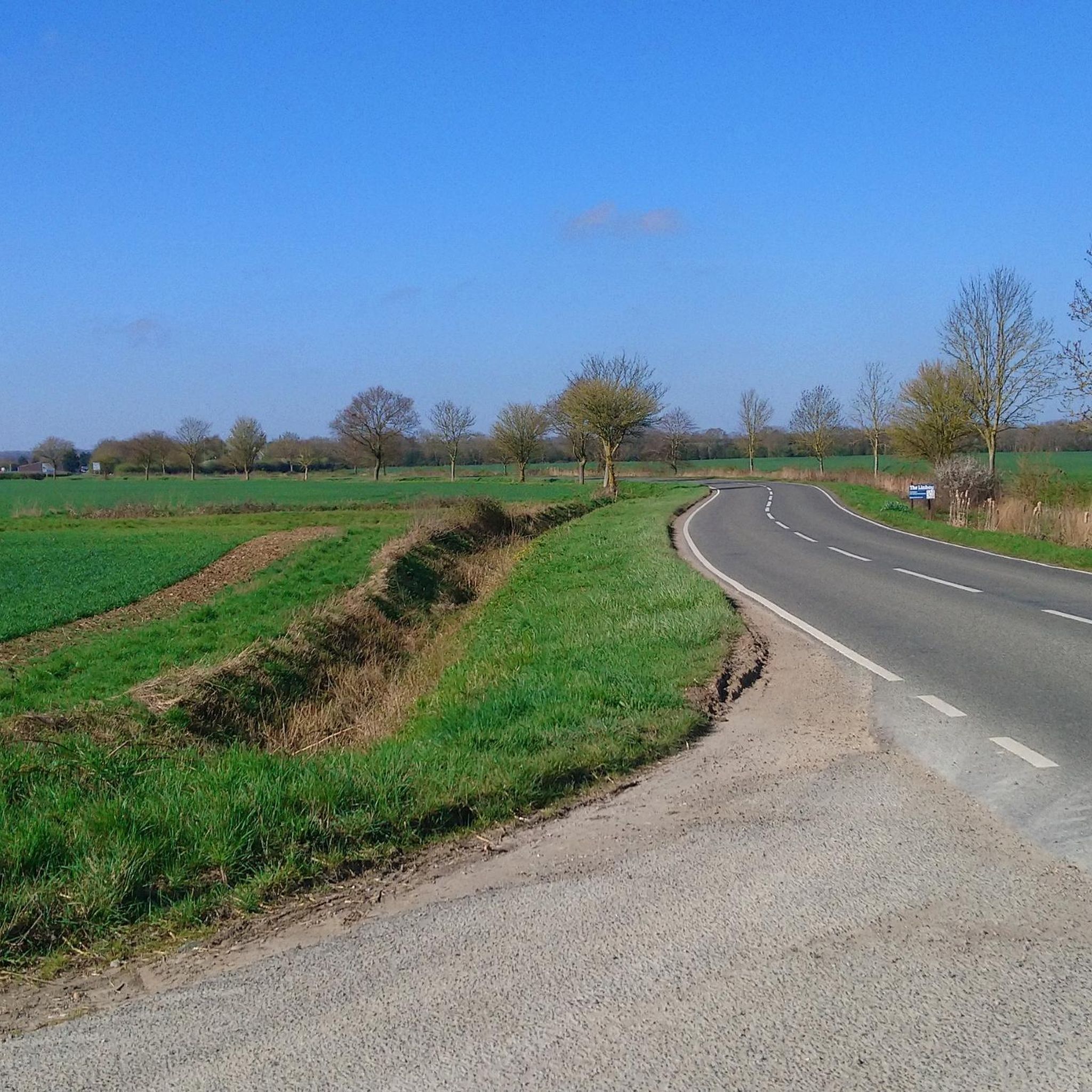
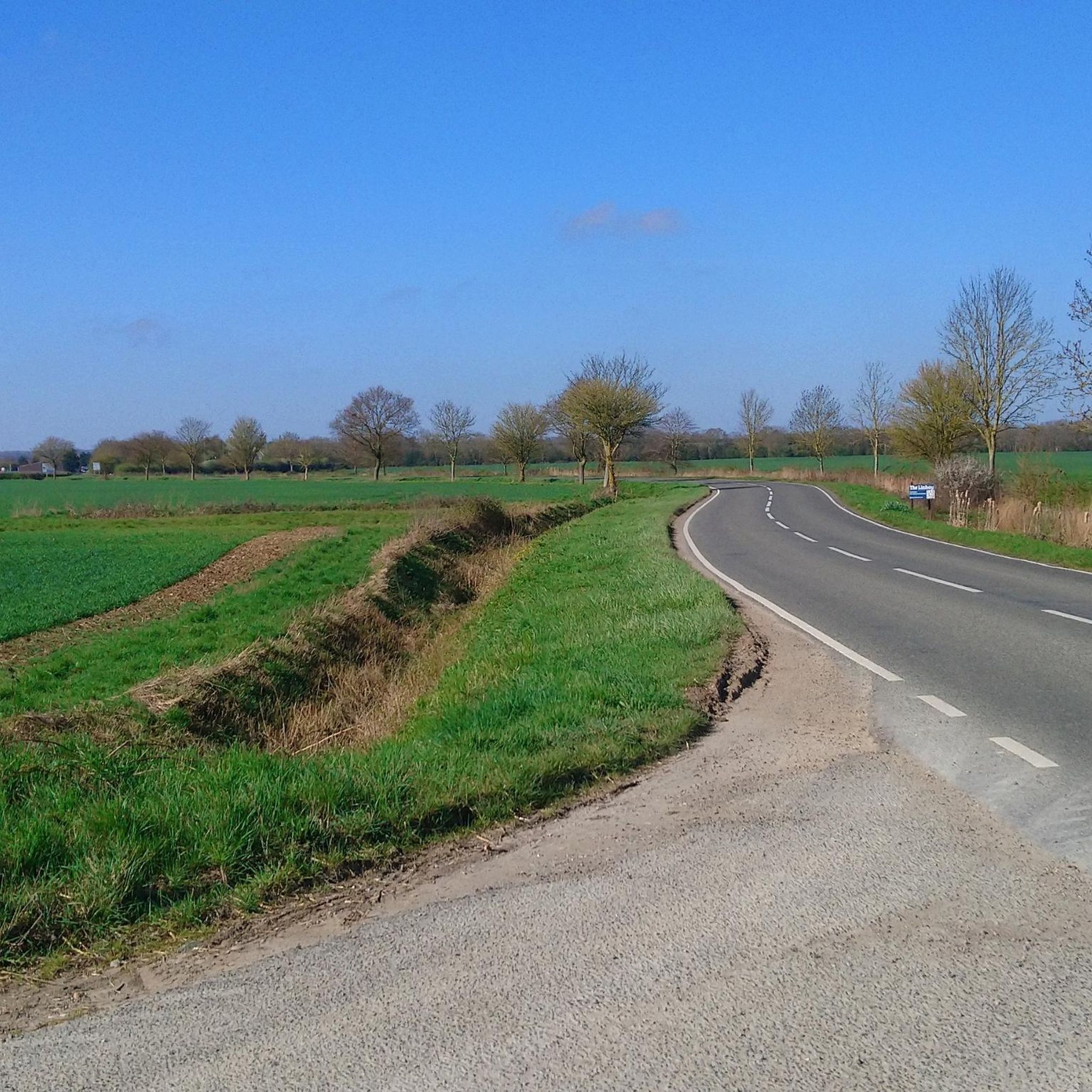
Quiet, narrow lane leading through Holme Fen nature reserve, the lowest point in the UK.
0
0
Congratulations, you are at the lowest point in the UK, 3m below sea level. The top of the iron posts marks ground level when the fen was first drained in 1850. Since then they have been progressively exposed by the shrinking peat until the tops now stand 4m above modern ground level.
0
0
Frequently Asked Questions
What is the terrain like for hiking around Conington?
The hiking around Conington is characterized by its low-lying fenland landscape. Expect very flat terrain with trails that follow well-defined footpaths through expansive nature reserves, silver birch woodlands, and across open agricultural fields. There are no significant hills or climbs in this area.
Are there many circular walks available?
Yes, circular walks are very common in the Conington area. Many routes are designed as loops, allowing you to start and finish in the same place without retracing your steps. A good example of a moderate circular route is the Denton Church Ruins – Washingley Hall Farm loop from Stilton, which takes you through farmland and past historical sites.
Are the trails suitable for families with children?
Definitely. The flat terrain and well-maintained paths make this area great for family outings. There are 32 easy trails to choose from. For a shorter, manageable walk that's still interesting, consider the Hiking loop from Yaxley, which is under 4 km.
Can I bring my dog on the trails?
Most footpaths and trails in the countryside around Conington are suitable for walking with dogs. However, you will be crossing farmland and entering nature reserves like Holme Fen. Always keep your dog on a lead, especially near livestock or during bird nesting season, and be sure to clean up after them.
What are the trail conditions like?
Most trails follow clear footpaths and tracks. Given the fenland environment, some paths, especially those across fields or in low-lying areas, can become muddy and waterlogged after heavy rain. It's always a good idea to wear waterproof hiking boots.
Where can I find walks with historical interest?
The area has a rich history. You can find routes that pass by interesting local landmarks. For instance, the walk from Stilton takes you past the ruins of Denton Church, offering a glimpse into the region's past.
What is Holme Fen National Nature Reserve like for walking?
Holme Fen is a highlight of the region, known for being one of the largest silver birch woodlands in lowland England. It offers serene, easy walks on well-marked forest trails. It's also famous for the Holme Posts, which mark the dramatic sinking of the peat fen over the last 150 years.
How difficult are the hikes in this region?
The hikes are generally easy to moderate. Out of the 60 routes available, none are rated as difficult. The main challenge comes from the distance of some of the longer loops rather than from elevation gain, as the entire area is very flat.
What do other hikers think of the routes around Conington?
The area is well-regarded by the komoot community, with over 450 hikers exploring the trails. Reviewers often praise the peaceful atmosphere of the woodlands and the unique, wide-open landscapes of the fens.
Are there any good pub walks in the area?
Yes, several walks can be started from nearby villages like Stilton or Yaxley, which have traditional pubs. You can plan a route that begins and ends in a village, allowing you to enjoy refreshments at a local pub after your hike.
What kind of wildlife might I see?
The nature reserves and fenlands around Conington are important habitats for wildlife. In woodlands like Holme Fen, you might spot various bird species and deer. The waterways and fens also attract a range of waterfowl and insects, including dragonflies.
Is parking available for the main walking routes?
For walks starting in nature reserves like Holme Fen, there are often designated car parks. For routes beginning in villages such as Yaxley or Stilton, you will typically need to find on-street parking. Always check for local parking restrictions before you set off.
Most popular attractions around Conington

Get inspired with the komoot mobile app


Explore more
Browse the best Hikes in other regions.
