The best road cycling routes around Winterlingen
4.6
(262)
5,315
riders
15
rides
Road cycling around Winterlingen, situated in the Swabian Alb, offers a diverse terrain for cyclists. The region features varied topography, including both steep ascents and rapid descents, alongside more gently rolling hills. Cyclists can navigate picturesque valleys and river crossings, often on well-maintained tarmac paths. The landscape also includes distinctive geological features and idyllic juniper heathlands.
Best road cycling routes around Winterlingen
- The most popular road cycling route is Lauchert Bridge Near Hettingen – View of Kloster Mariaberg loop from…
Last updated: May 12, 2026
5.0
(1)
33
riders
51.9km
02:41
500m
500m
Moderate road ride. Good fitness required. Some segments of this route may be unpaved and difficult to ride.
14
riders
31.1km
01:29
330m
330m
Moderate road ride. Good fitness required. Some segments of this route may be unpaved and difficult to ride.

Sign up for free
4.6
(5)
12
riders
21.9km
01:08
370m
370m
Moderate road ride. Good fitness required. Mostly well-paved surfaces and easy to ride.
3.0
(1)
13
riders
Moderate road ride. Good fitness required. Some segments of this route may be unpaved and difficult to ride.
10
riders
30.3km
01:31
490m
490m
Moderate road ride. Good fitness required. Mostly well-paved surfaces and easy to ride.
Get access to more routes and recommendations from other explorers.
Sign up for free
Already have an account?
Our route recommendations are based on thousands of hikes, rides, and runs completed by other people on komoot.
Start today with a free account
Your next adventure awaits.
Login or Signup
Popular around Winterlingen
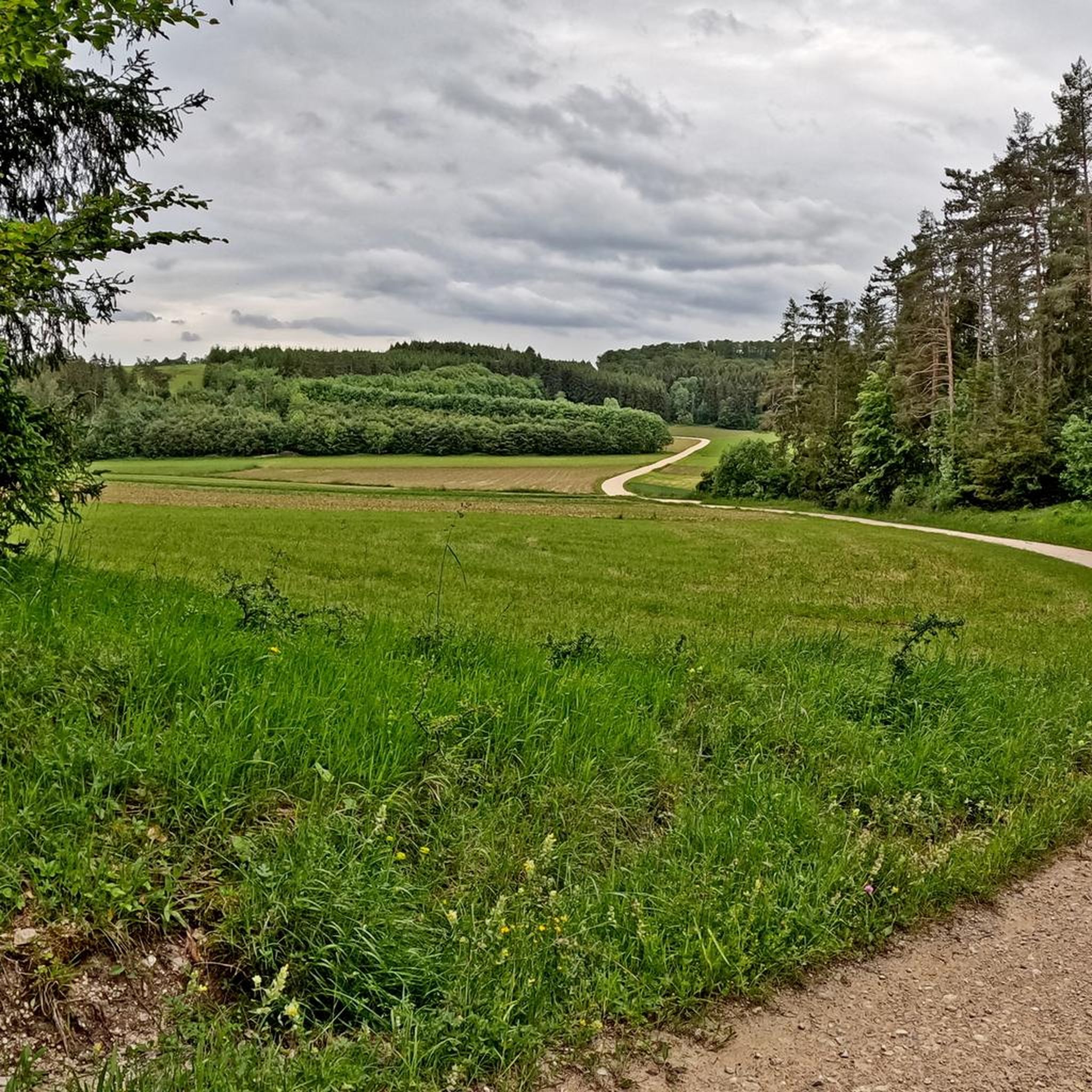
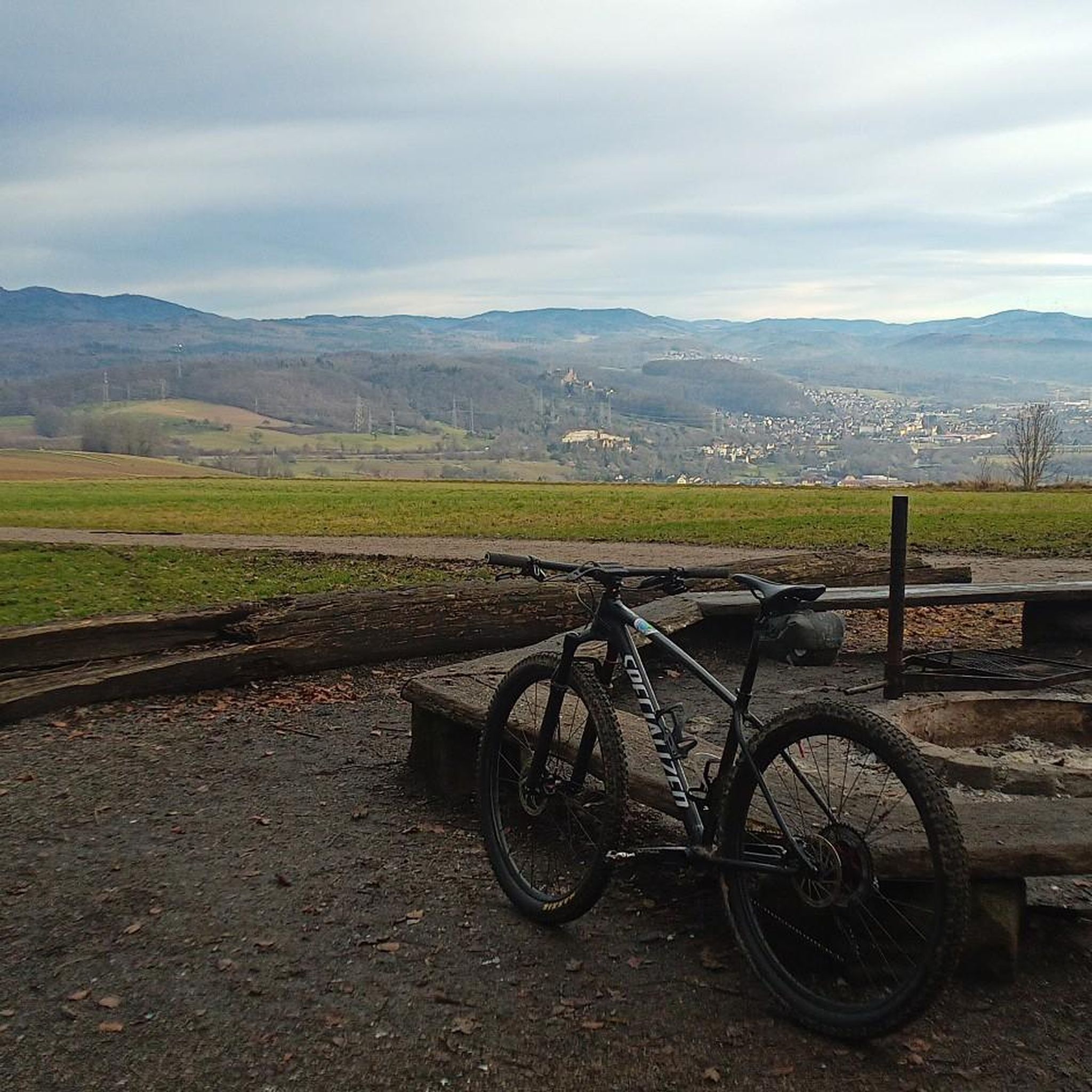
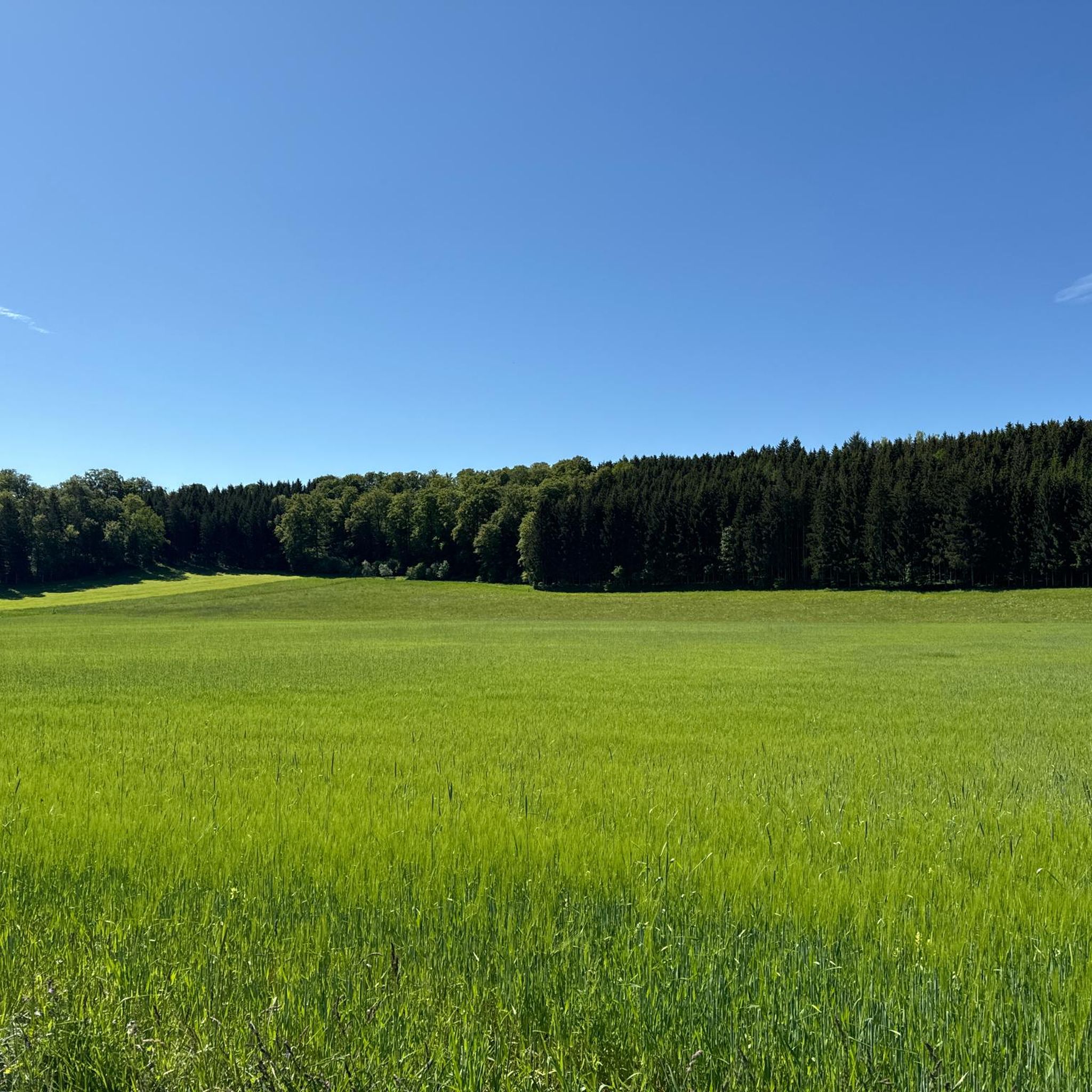

Tips from the Community

Still closed at this time of year 🥶
0
0

The Roman Catholic parish church of St. Nicholas, with its towering bell tower, significantly dominates the view of Veringenstadt. The present church dates back to several predecessors, dating back to 1316. The lower tower shaft, with a Romanesque entrance portal and a Romanesque baptismal font in the entrance area, bears witness to its beginnings. The nave, the choir, and the upper part of the bell tower were built between 1862 and 1871. The church features significant Gothic and Baroque sculptures and carvings: works by Niklaus Weckmann and Jörg Syrlin the Younger. The choir windows are the work of the Ulm stained-glass artist Wilhelm Geyer.
0
0
The Burgweg leads upwards from the old town. At the crest of the mountain spur, a signposted footpath branches off to the left, leading down to the Göpfelstein Cave. An information board is located at the cave entrance. The cave is freely accessible. The Göpfelstein Cave is located at an elevation of 660 m above sea level at the western exit of Veringenstadt, to the right above the Lauchert River and the old town. The entrance faces south and is visible from afar, set in a massive White Jurassic rock. The cave has a spacious vestibule. Behind the vestibule lies the three-meter-wide and three-meter-high entrance to the actual cave, which leads into the interior of the rock on two levels. The upper, more spacious section of the cave is seven meters long, seven meters wide, and five meters high. The lower section has a similar floor area and a height of approximately 1.20 meters. When Neanderthals occupied the Göpfelstein Cave, the cave had only one level. Only after the last Ice Age did a false ceiling collapse, opening access to the upper cave level. 34 caves are known around Veringenstadt.
0
0

It is a very idyllic place where you can take a break
7
0
Above Veringenstadt lie the ruins and the chapel next to them. And a beautiful view of the surrounding area.
10
0

All Saints' Church in Kaiseringen As early as 1433, the church in Kaiseringen was called the "All Saints' Chapel." Due to dilapidation, it was demolished, and the present church was built on the same site in 1893 by master builder Wilhelm Friedrich Laur. It is one of the last neo-Gothic buildings in what was then the Sigmaringen district. Space constraints likely forced the builder to access the interior gallery via an exterior staircase covered by a pentagonal pulpit, which lends the small church a distinctive character. The new building was consecrated on August 20, 1901, by Rottenburg Bishop Paul Wilhelm von Keppler, who had his summer residence at Straßberg Castle. The organ was built by Hieronimus Spiegel, an organ builder born in Fridingen in 1699 and apprenticed to his uncle Leopold Spiegel, the famous organ builder in Prague. The murals created in 1919 by Hermann Anton Bantle, a Straßberg native and influenced by the Beuron School, are truly treasured. Source: https://www.strassberg.de/kirchen/
2
0
All Saints' Church ⛪ Built in 1893 under the direction of master builder Wilhelm Friedrich Laur. Consecrated in 1901 by Bishop Paul Wilhelm von Keppler. Straßberg-Kaiseringen - Zollernalbkreis
2
0

Frequently Asked Questions
What kind of terrain can I expect when road cycling around Winterlingen?
Road cycling around Winterlingen, nestled in the Swabian Alb, offers a diverse and engaging terrain. You'll encounter a mix of challenging ascents and rapid descents, with elevation changes of up to 400 meters, as well as more gently rolling hills. The region is characterized by picturesque valleys, river crossings, and idyllic juniper heathlands, providing varied landscapes for every ride.
Are there routes suitable for beginners or those looking for an easier ride?
Yes, while the Swabian Alb is known for its varied topography, there are routes suitable for different fitness levels. For instance, the Scenic Forest Ascent loop from Winterlingen is rated as easy, covering 16.5 miles (26.6 km) with a moderate elevation gain, making it a good option for a less strenuous ride. The region also offers sections with less steep terrain and slightly hilly sections.
What are some notable natural features or landmarks I might see on a road cycling tour?
The Swabian Alb is rich in natural beauty and geological wonders. You can expect to see striking rock formations, such as the Amalienfelsen, and pristine juniper heathlands. Some routes might also lead you past impressive castles. For example, you could explore routes that offer a View of Sigmaringen Castle and the Danube or pass by the Sigmaringen Castle itself.
Are there any circular road cycling routes available from Winterlingen?
Yes, many of the road cycling routes around Winterlingen are designed as loops, offering convenient starting and ending points. Examples include the popular Lauchert Bridge Near Hettingen – View of Kloster Mariaberg loop from Benzingen, the Kaiseringen Church loop from Winterlingen, and the Scenic Forest Ascent loop from Winterlingen, all starting and ending near Winterlingen.
What do other road cyclists say about the routes in Winterlingen?
The road cycling routes around Winterlingen are highly regarded by the komoot community, boasting an impressive average rating of 4.6 stars from over 200 reviews. Cyclists often praise the varied topography, the well-maintained tarmac paths, and the scenic beauty of the Swabian Alb, including its picturesque valleys and juniper heathlands.
Are there any specific routes that pass by water features like lakes or waterfalls?
Yes, some routes will take you near water features. For instance, the Neuhaus cycle path on the B463 – Gieß Waterfall (Veringendorf) loop from Winterlingen specifically includes the Gieß Waterfall. Additionally, you can find routes that pass by serene lakes such as Lauchert Lake or Lauchert Pond.
What is the best time of year to go road cycling in Winterlingen?
The Swabian Alb region is generally beautiful for cycling from spring through autumn. During these seasons, the weather is typically more favorable, and the natural landscapes, including the juniper heathlands and valleys, are at their most vibrant. While specific conditions vary, these months offer the best experience for enjoying the diverse terrain.
Are the cycling paths well-maintained for road bikes?
Many cycling routes in the Swabian Alb, including sections of the Albtäler Cycle Route, are primarily on well-maintained tarmac cycle paths and tracks. This ensures a comfortable and safe experience for road cyclists, allowing you to enjoy the scenery without worrying about rough surfaces.
Are there options for longer road cycling tours from Winterlingen?
Absolutely. For those seeking a longer ride, the Lauchert Bridge Near Hettingen – View of Kloster Mariaberg loop from Benzingen covers 32.3 miles (52.0 km) and takes around 2 hours 41 minutes to complete. The region's network of routes also allows for combining sections to create extended tours through the picturesque valleys and varied topography.
Can I find places to stop for refreshments or explore charming villages along the routes?
Yes, the cycling routes often lead through original Alb villages and quaint little towns. These offer numerous cozy places to stop for refreshments, allowing you to take a break, enjoy local hospitality, and experience the cultural charm of the region alongside your ride.
Are there any challenging road cycling routes for experienced riders?
The varied topography of the Swabian Alb provides ample opportunities for challenging rides. Many routes feature significant elevation gains with steep ascents and rapid descents. For example, the Kaiseringen Church – Neuhaus cycle path on the B463 loop from Winterlingen includes nearly 500 meters of elevation gain over its 30 km distance, offering a good test for experienced cyclists.
Most popular routes around Winterlingen
Most popular attractions around Winterlingen

Get inspired with the komoot mobile app


Explore more
Browse the best Road cycling routes in other regions.
